
Here are some frequently asked questions with all of the information that we know at this time.
Why is the US taking these steps now? Are these new policies in response to a specific terrorist threat or plot?
The DHS has a direct answer for this question in statements it has released: "The U.S. Government is concerned about terrorists' ongoing interest in targeting commercial aviation, including transportation hubs over the past two years, as evidenced by the 2015 airliner downing in Egypt, the 2016 attempted airliner downing in Somalia, and the 2016 armed attacks against airports in Brussels and Istanbul. Intelligence indicates that terrorist groups continue to target commercial aviation, to include smuggling explosive devices in various consumer items."
Will this affect passengers enrolled in trusted traveler programs?
The official DHS response is: "These measures will apply to all passengers on flights from certain locations regardless of trusted traveler status."
What happens if I'm connecting through one of the listed airports? For example: Johannesburg (JNB)-Abu Dhabi (AUH)-New York (JFK). Will I be able to carry on my large electronic devices on the first flight?
The official DHS statement says, "TSA recommends passengers transferring at one of the 10 affected airports place any large personal electronic devices in their checked bags upon check-in at their originating airport."
So it's going to depend on the airline's specific policies. Airlines may not give you an opportunity to check items during your layover (Abu Dhabi in our example), so you'd need to check your electronics in your luggage from your origin (Johannesburg in our example).
Airlines are tasked with preventing these large electronic devices from being onboard, so you can most likely expect inspections to occur before or during the boarding process of the affected flights (AUH-JFK in our example).
Can you carry more than one cell phone?
While carriers may introduce further restrictions, the DHS ban focuses only on the size of the electronics, not the number of electronics. So, multiple phones should be allowed in carry-on bags.
Could more airports be added in the future, and might some of those be in the US?
The DHS says: "As threats change, so too will TSA’s security requirements."
Have any other countries implemented similar carry-on electronics bans due to this "evaluated intelligence"?
So far, no other countries have announced a ban on carry-on electronics since the US policy has been put into place. However, sources indicate that the UK is planning a similar carry-on electronic ban:
Does the carry-on electronics ban cover crew as well?
Senior administration officials said that this policy doesn't apply to flight crew. However, this isn't stated in any DHS releases.
What can I do to protect my checked electronic device(s) from being stolen or inappropriately accessed?
Although it certainly doesn't protect your device from unwanted access or theft, you could consider wrapping your checked bag in plastic, which will allow you to see whether or not your baggage was accessed.
With reports of data collection from devices that go through customs and border control on the rise, one concern that we have about this new policy would be data collection from checked devices. So, TPG asked DHS directly about this matter during last night's press briefing. After originally giving a non-committal answer, we were able to get the DHS to go on record stating that data wouldn't be collected from checked devices.
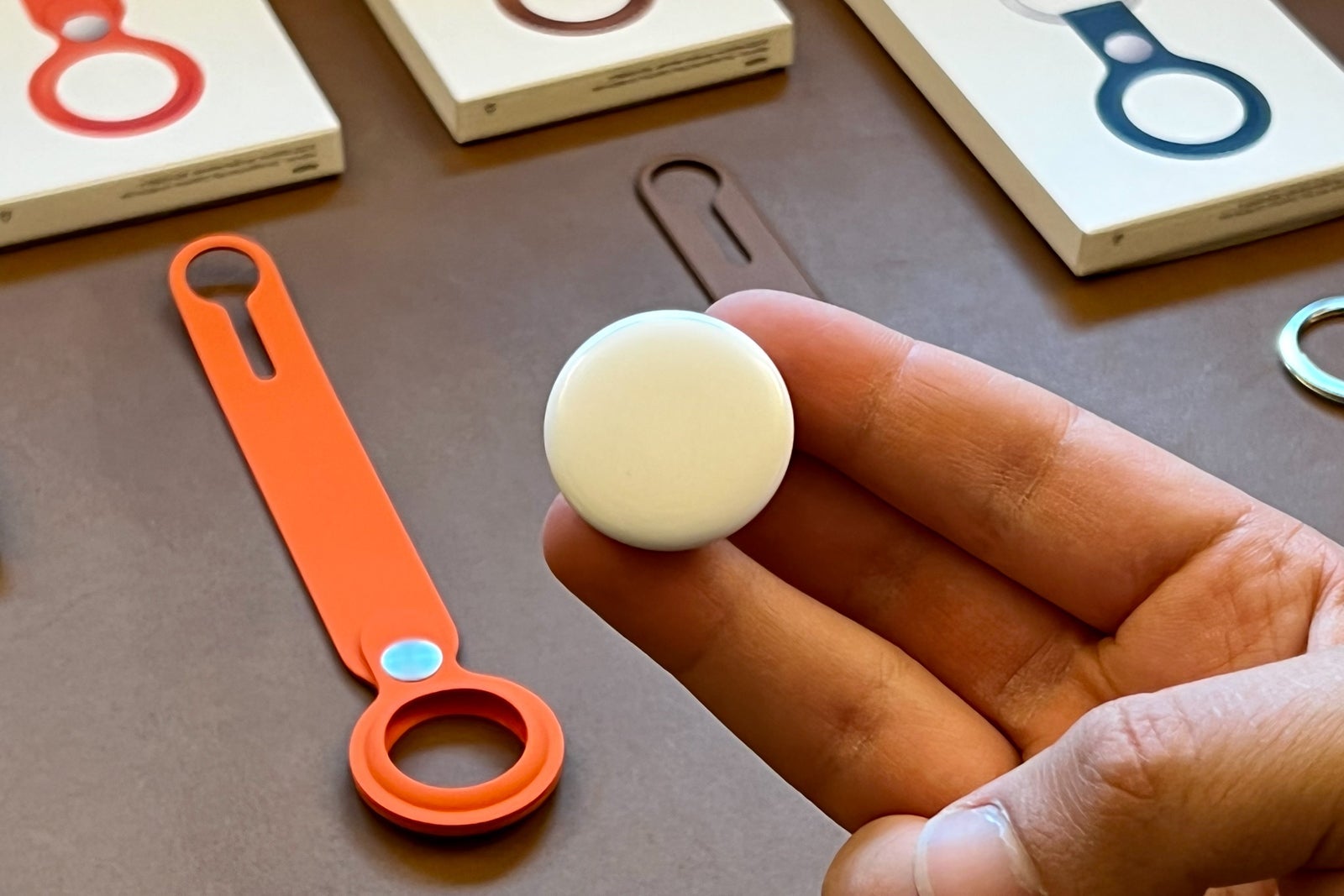
We're going to be researching luggage security further, but for now, here's our guide on how to not lose a checked bag and reviews of some top luggage-tracking devices.
Do these carriers offer insurance if my laptop gets broken? What about travel cards?
Many airlines don't cover damage to checked electronics. We'll have to wait and see if airlines change their checked baggage coverage as part of their implementation of these policies. As far as credit cards go, we're putting together comprehensive information from our top travel cards — stay tuned for a future post.
What flights between the US and the Middle East/Africa are unaffected by this carry-on electronics ban?
Nonstop flights to the US from Tel Aviv, Israel (TLV; El Al, Delta and United); Dakar, Senegal (DKR; Delta, South African Airways); Accra, Ghana (ACC; Delta, South African Airways) and Lagos, Nigeria (LOS; Delta) are unaffected by this ban. There may be other routes that are unaffected — if you're aware of any, please share in the comments, below.
What have we heard from airlines so far?
- EgyptAir: Reuters is reporting that "based on the instructions coming from transport authorities in the United States regarding placing electronic devices in the hold beneath the plane and not the cabin, EgyptAir will implement this decision on all travelers heading to the U.S. as of Friday, March 24."
- Emirates: "As per the directive, except for medical devices, electronic devices which are larger than a cell phone/smart phone cannot be carried in the cabin of the aircraft. This would be effective on March 25, 2017, and is valid until October 14, 2017. This is applicable to all US-bound passengers from Dubai International Airport, whether originating or transiting through. Emirates requests that all passengers traveling to the US pack all electronic devices larger than a smart phone in their checked-in baggage."
- Etihad Airways: No statement at this time.
- Kuwait Airways: No statement at this time.
- Qatar Airways: "Effective March 21 in accordance with new United States government regulations, all passengers traveling on United States-bound flights are prohibited from carrying any electronic devices on board the flight other than cellular and smart phones and medical devices needed during the flight. Qatar Airways has made special arrangements to assist passengers in securing their devices in the aircraft's baggage hold."
- Royal Air Maroc: No statement at this time.
- Royal Jordanian Airlines: No statement has been made since the original tweet that alerted us to this situation.
- Saudia: TPG received the following statement from the airline: "Saudi Airlines would like to bring to its esteemed guests’ attention that the US Department of Transportation (DOT) has decided to ban LAPTOPs and KINDLEs/IPADs as carry-on luggage on board flights. These devices can be accepted as part of checked-in luggage only. This procedure will be applied with effect from Wednesday 22 March 2017."
- Turkish Airlines: Reuters reports that Turkish Airlines has made the following statement: "It has been decided by the relevant authorities that electronic devices larger than cell phones or smart phones should not be allowed inside the cabin."
Stay tuned to The Points Guy for more information as this story continues to develop.