FAA steps up oversight at United as experts urge air travel remains safe

The start of 2024 has brought a barrage of concerning headlines about commercial air travel.
It started when an Alaska Airlines 737 Boeing MAX 9 jet lost a door plug midair, leaving a gaping emergency exit-size hole in the fuselage and reigniting quality control concerns over the jet's manufacturer that culminated in a major leadership shake-up at the plane-maker Monday.
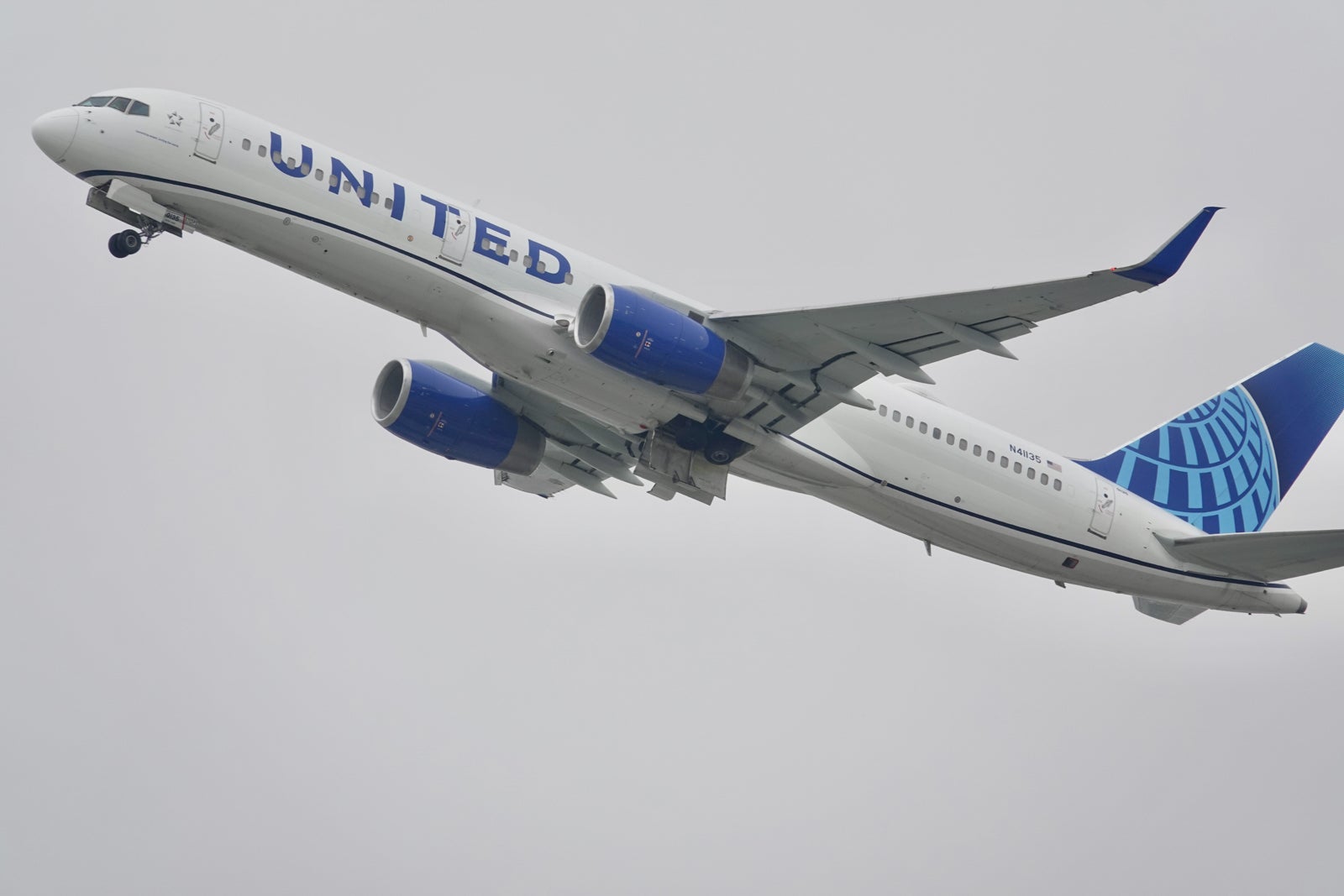
Now, the Federal Aviation Administration is also heightening its attention on United Airlines following a string of recent maintenance incidents.
At the same time, top industry safety experts urge that, despite the recent turbulence, passengers should feel safe flying.
FAA steps up United oversight
In recent days, the FAA informed United it would increase its oversight of the Chicago-based carrier "due to recent safety events."
Over the last month, United aircraft have been involved in some high-profile incidents that, while concerning in nature, have not led to any passenger injuries.
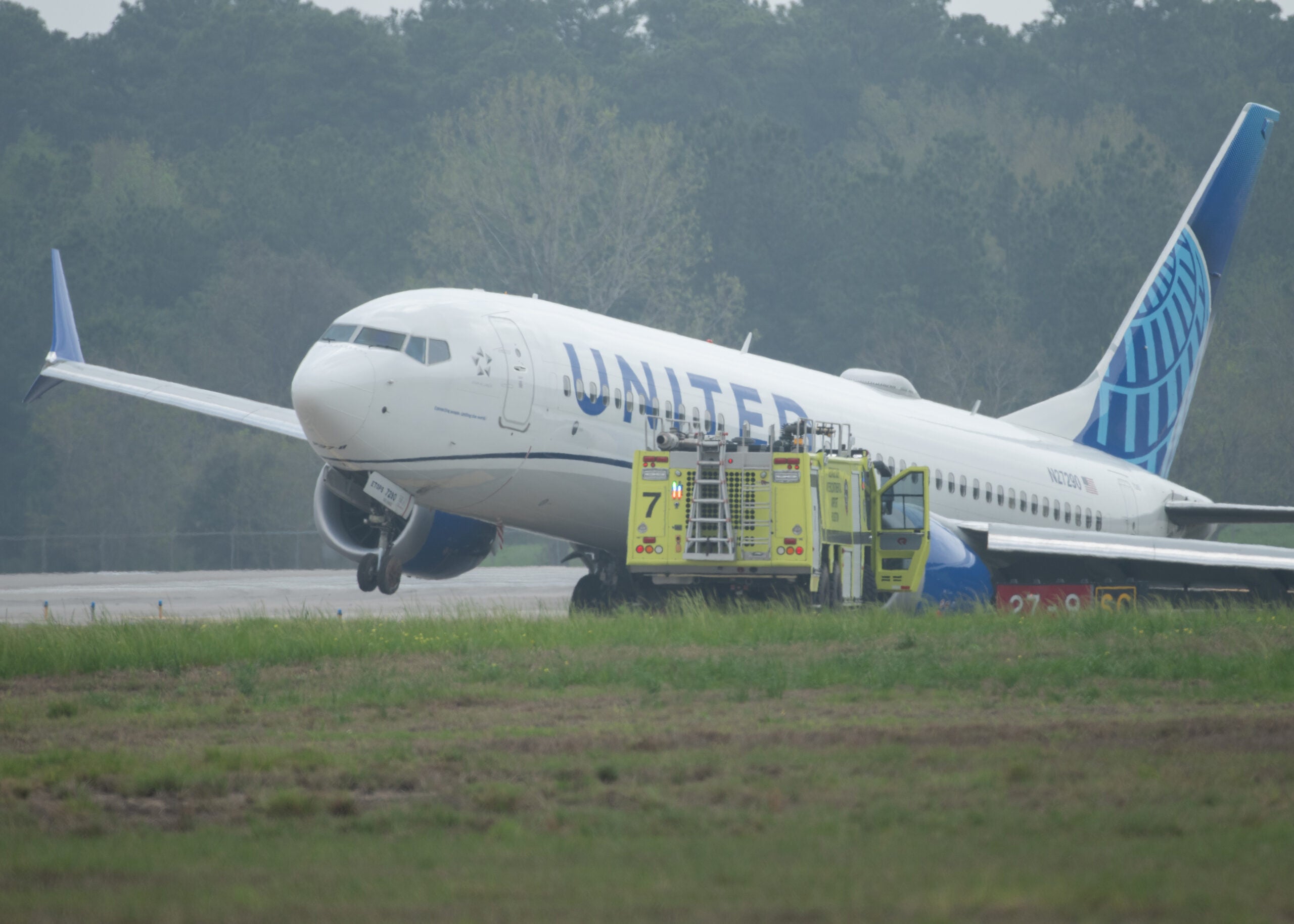
One aircraft slid off a runway in Houston. Another jet lost a tire after takeoff in San Francisco. One made an emergency landing in Los Angeles due to a hydraulics system issue. And still another was found to be missing an external panel covering mechanical equipment after a recent flight.
The spate of problems prompted United CEO Scott Kirby to pen a letter to customers last week, promising a heightened focus on safety.
Then, in a letter sent to staff Friday, the carrier's top safety leader acknowledged the company had "stepped up" interactions with the FAA, noting the agency planned to "take an even closer look at multiple areas of our operation."

"As part of this effort, the FAA will also pause a variety of certification activities for a period of time," wrote Sasha Johnson, United's vice president for corporate safety.
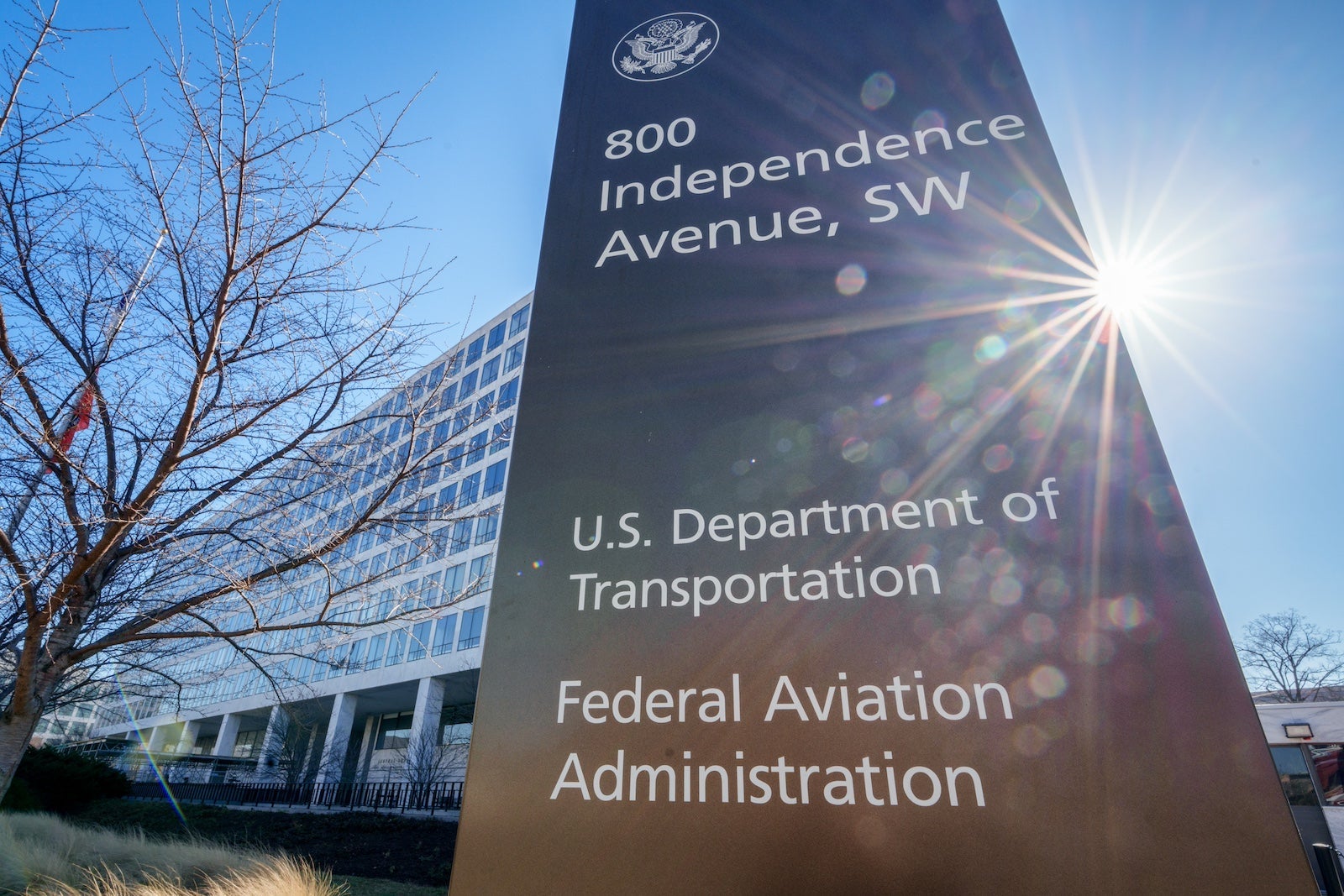
An FAA spokesperson further acknowledged its inquiry into United in a statement to TPG Monday, noting that the agency will allow ongoing certification activities (think: aircraft, products, etc.) to continue but said "future projects may be delayed" based on what the agency finds.
Over the weekend, Bloomberg was first to report that the FAA has discussed halting, temporarily, United's ability to launch new routes for which it has yet to begin selling tickets, or perhaps delaying its ability to fly paying customers on newly delivered aircraft.
Neither the agency nor the airline could comment specifically on those potential measures. However, 30-year FAA veteran Michael McCormick, who once led the agency's critical New York air traffic control center (including on Sept. 11, 2001), told TPG that such limits on United's growth — if ultimately employed by the FAA — would be largely unprecedented with respect to a major U.S. airline.
"They've never taken a regulatory action like this in the past — at least not since de-regulation of the airlines [in 1978]," said McCormick, who now serves on the faculty at Embry-Riddle Aeronautical University.
What's more, he argues that the series of incidents that seemingly triggered the FAA's inquiry into United are commonplace throughout the aviation industry.
"I do question it," he said. "Losing a tire, losing a panel on an aircraft ... these type of events occur on a regular basis on all types of airlines, domestic and international."
In a letter to members late Monday, United's pilots union described the FAA's oversight as part of a "normal, defined and established process" to audit safety programs — one that, it says, each airline goes through every few years.
Aviation remains a safe way to travel
Whether it's the recent inflight incidents at United, the MAX 9 emergency in January or 2023's spate of high-profile near misses on U.S. runways, passengers have had plenty of reasons to feel concerned about air travel over the past 15 months.
But it bears repeating: Commercial aviation remains incredibly safe.
In fact, by several metrics, 2023 was the safest year ever for the industry, according to a report last month from the International Air Transport Association. Given current accident rates involving commercial jets, a person would have to travel by air every day for more than 100,000 years to experience a fatal accident, the report noted.
Last month marked 15 years since the last commercial airliner crashed on U.S. soil.
Even the nation's top transportation safety advocate — who's at times been sharply critical of airlines, policymakers and Boeing — pleaded for perspective last week in a social media post that criticized some recent coverage of the industry.
"The fact is our aviation system is the safest in the world," National Transportation Safety Board chair Jennifer Homendy said in a post on X, formerly known as Twitter.
"That does not mean we don't have more to do to ensure safety in our skies. Our work is never done," Homendy continued. "But imagine what could happen if we were just as focused on eliminating death on our roads."
Indeed, passengers should feel safe boarding a flight, urged McCormick, himself fresh off a trip aboard a Boeing 737 MAX 9 aircraft.
"I'm comfortable getting on board any registered U.S. aircraft, any certificated U.S. airline, and knowing that there has been proper oversight, maintenance and inspection," he said.
Bottom line
As for United, it's not clear at this point what — if any — action might ultimately arise from the FAA's increased oversight of the carrier, including on its future growth plans.
"Simply, we do not know," wrote the United Master Executive Council of the Air Line Pilots Association in Monday's letter to the pilots union.
"We applaud the company's willingness to address the proverbial 'elephants in the room,'" the letter continued. "Recognizing that they simply cannot operate ahead of their skis is a welcomed response."
United is in the midst of an ambitious expansion, with hundreds of new jets ordered for the coming years — though production delays at Boeing will almost certainly slow the delivery of those aircraft.
Regarding the FAA, Johnson wrote, "We welcome their engagement and are very open to hear from them about what they find."
Related reading:
TPG featured card

at Capital One's secure site
Terms & restrictions apply. See rates & fees.
| 5X miles | Earn 5X miles on hotels, vacation rentals and rental cars booked through Capital One Travel |
| 2X miles | Earn unlimited 2X miles on every purchase, every day |
Pros
- Stellar welcome offer of 75,000 miles after spending $4,000 on purchases in the first three months from account opening. Plus, a $250 Capital One Travel credit to use in your first cardholder year upon account opening.
- You'll earn 2 miles per dollar on every purchase, which means you won't have to worry about memorizing bonus categories
- Rewards are versatile and can be redeemed for a statement credit or transferred to Capital One’s transfer partners
Cons
- Highest bonus-earning categories only on travel booked via Capital One Travel
- LIMITED-TIME OFFER: Enjoy $250 to use on Capital One Travel in your first cardholder year, plus earn 75,000 bonus miles once you spend $4,000 on purchases within the first 3 months from account opening - that’s equal to $1,000 in travel
- Earn unlimited 2X miles on every purchase, every day
- Earn 5X miles on hotels, vacation rentals and rental cars booked through Capital One Travel
- Miles won't expire for the life of the account and there's no limit to how many you can earn
- Receive up to a $120 credit for Global Entry or TSA PreCheck®
- Use your miles to get reimbursed for any travel purchase—or redeem by booking a trip through Capital One Travel
- Enjoy a $50 experience credit and other premium benefits with every hotel and vacation rental booked from the Lifestyle Collection
- Transfer your miles to your choice of 15+ travel loyalty programs
- Top rated mobile app