How 300 evacuees from a quarantined cruise ship were airlifted to the U.S.

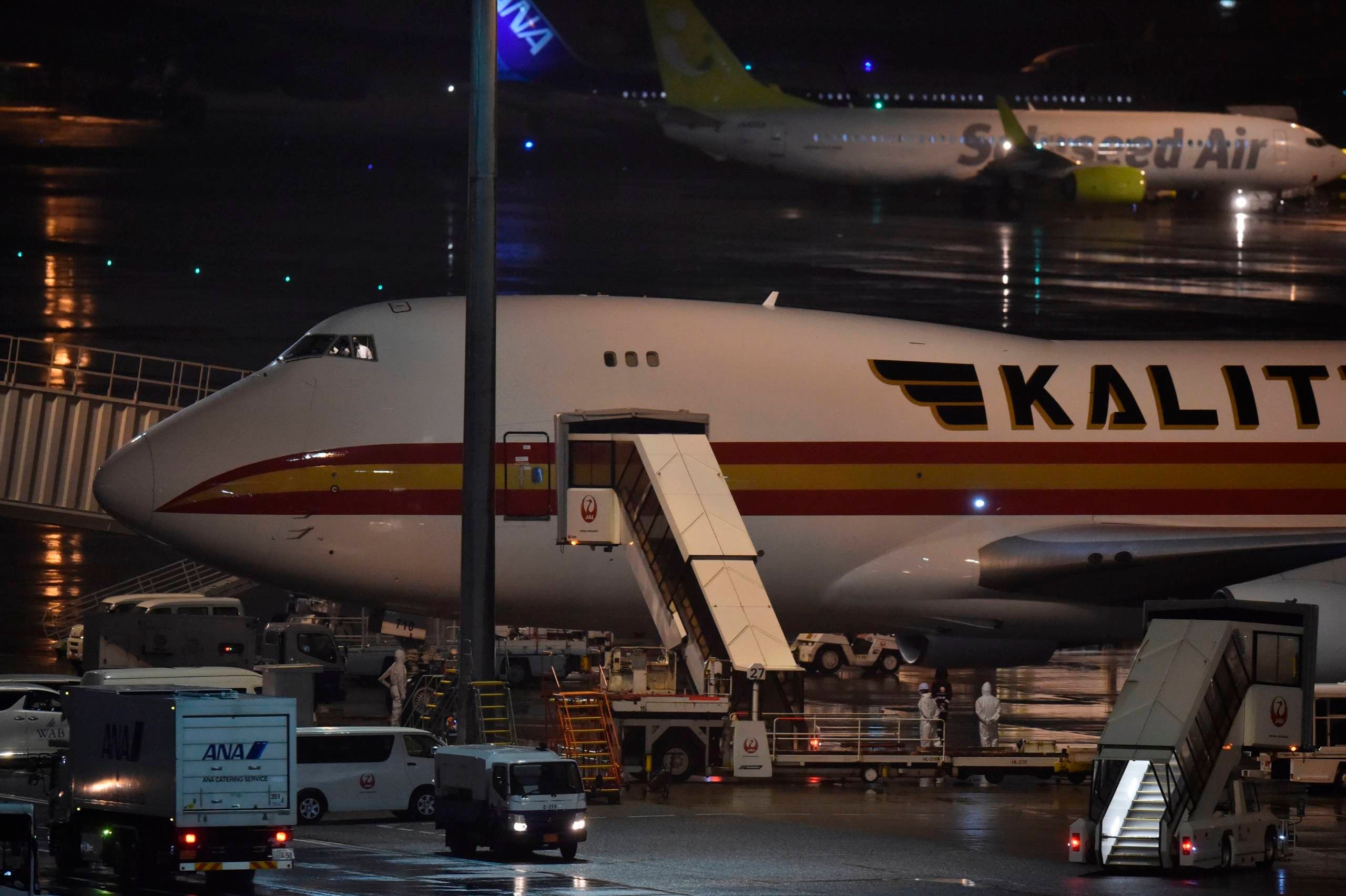
If you are an American tourist who has spent two weeks quarantined aboard a cruise ship off Japan because of the risk of contagion from the COVID-19 virus, aka the coronavirus, you are probably anxious to return to the U.S. — but being herded onto a cargo plane, with people who may have the virus, may not be your preferred means of doing so.
Well, that's what happened to more than 300 Americans who left Japan on Sunday aboard two chartered Boeing 747 freighters, and who now have to endure 14 more days of quarantine at military bases in the U.S..
When they left the Diamond Princess cruise ship in Yokohama, Japan, to be transported to Tokyo Haneda airport in a convoy of buses, they likely assumed the worst was behind them. Unfortunately, according to a report by CNN, which spoke with some of them, what awaited them was another ordeal.
Waiting for them at Haneda were two Boeing 747-400 freighters chartered by the U.S. government from Kalitta Air, a cargo operator that's flown evacuation missions before.
Related: A look inside the 747 that evacuated Americans from Wuhan
Hundreds of people aboard the ship had tested positive for coronavirus, and so had 14 of the evacuees aboard the 747s. According to CNN, U.S. officials learned of those 14 cases only as people disembarked from the buses at the Haneda airport. Those 14 people were isolated onboard the planes, but it's unclear with what degree of effectiveness. The New York Times said the barrier between passengers who had tested positive and everybody else was just plastic sheeting.

The flights on the 747 freighters were no picnic, some passengers told CNN. Evacuees were onboard the cargo plane for 10 hours on the first leg from Tokyo to Anchorage, where the planes refueled before continuing to their final destinations in California and Texas. The 747s were outfitted with temporary seats and makeshift bathrooms. A health official told passengers to "bring extra layers" as the converted cargo 747s have less insulation than typical passenger jets. The planes don't have windows, either.
Related: Everything you need to know about the deadly coronavirus outbreak
Adding to the ordeal, people onboard the planes said they felt that the evacuation was a mess. The plan was initially for Americans who had tested positive for coronavirus to remain in Japan. 61 Americans who tested positive aboard the Diamond Princess remain on board as of this writing, in fact.
As for why cargo jets were chosen over regular airliners for the evacuations, one major reason could be the relative ease of sanitizing a cargo jet, plus a peculiarity of the 747 which makes it ideally suited for evacuating potentially contagious people. Its upper deck, where the cockpit is, can be closed off from the passengers on the main deck, so the flight crew need not come into contact with possibly contagious people.
TPG featured card
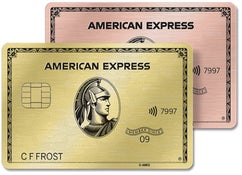
at American Express's secure site
Terms & restrictions apply. See rates & fees.
| 4X | Earn 4X Membership Rewards® points per dollar spent on purchases at restaurants worldwide, on up to $50,000 in purchases per calendar year, then 1X points for the rest of the year. |
| 4X | Earn 4X Membership Rewards® points per dollar spent at US supermarkets, on up to $25,000 in purchases per calendar year, then 1X points for the rest of the year. |
| 5X | Earn 5X Membership Rewards® points on prepaid hotel stays booked through AmexTravel.com or the Amex Travel App™. |
| 3X | Earn 3X Membership Rewards® points on flights booked through AmexTravel.com, the Amex Travel App™, or purchased directly from airlines. |
| 2X | Earn 2X Membership Rewards® points on prepaid car rentals booked through AmexTravel.com or the Amex Travel App™ and cruises booked and paid through AmexTravel.com. |
| 1X | Earn 1X Membership Rewards® point per dollar spent on all other eligible purchases. |
Pros
- Valuable dining and food-related credits
- Flexible rewards with airline and hotel transfer partners
- Multiple travel and purchase protections
- No foreign transaction fees
- Access to Amex Offers for additional savings (enrollment required)
Cons
- Not as useful for those living outside the U.S.
- Some may have trouble using Uber and other dining credits
- You may be eligible for as high as 100,000 Membership Rewards® Points after you spend $8,000 in eligible purchases on your new Card in your first 6 months of Card Membership. Welcome offers vary and you may not be eligible for an offer. Apply to know if you’re approved and find out your exact welcome offer amount – all with no credit score impact. If you’re approved and choose to accept the Card, your score may be impacted.
- Earn 4X Membership Rewards® points per dollar spent on purchases at restaurants worldwide, on up to $50,000 in purchases per calendar year, then 1X points for the rest of the year.
- Earn 4X Membership Rewards® points per dollar spent at US supermarkets, on up to $25,000 in purchases per calendar year, then 1X points for the rest of the year.
- Earn 5X Membership Rewards® points on prepaid hotel stays booked through AmexTravel.com or the Amex Travel App™.
- Earn 3X Membership Rewards® points on flights booked through AmexTravel.com, the Amex Travel App™, or purchased directly from airlines.
- Earn 2X Membership Rewards® points on prepaid car rentals booked through AmexTravel.com or the Amex Travel App™ and cruises booked and paid through AmexTravel.com.
- Earn 1X Membership Rewards® point per dollar spent on all other eligible purchases.
- Pay It® lets you tap in the American Express® App to quickly pay for small purchase amounts throughout the month and still earn rewards the way you usually do. Plan It® gives you the option to split up big purchases into equal monthly payments with a fixed fee. You’ll know upfront exactly how much you’ll pay.
- $120 Dining Credit: Earn up to a total of $10 in statement credits monthly when you pay with the Gold Card at Grubhub (including Seamless), Buffalo Wild Wings, Five Guys, The Cheesecake Factory, and Wonder. This can be an annual savings of up to $120. Enrollment required.
- $100 Resy Credit: Get up to $100 in statement credits each calendar year at over 10,000 qualifying U.S. Resy restaurants after you pay for eligible purchases with the American Express® Gold Card. That’s up to $50 in statement credits semi-annually. Enrollment required.
- $84 Dunkin' Credit: Earn up to $7 in monthly statement credits after you pay with the American Express® Gold Card at U.S. Dunkin’ locations. Enrollment required.
- $120 Uber Cash on Gold: Enjoy up to $120 in Uber Cash annually with your Gold Card. Just add your Card to your Uber account and you'll get $10 in Uber Cash each month to use on orders and rides in the U.S. when you select an Amex Card for your transaction.
- Enjoy complimentary Hertz Five Star® Status benefits like skipping the counter at select locations, adding an additional driver at no additional cost*, and vehicle upgrades**. Benefit enrollment and Hertz Gold+ registration are required. *Additional drivers must meet standard rental qualifications and must be a spouse or domestic partner to qualify as complimentary. Other additional drivers subject to fees. **Benefits are subject to availability and vary by location. Additional Hertz program Terms and Conditions including age restrictions apply.
- Book two nights or more with The Hotel Collection through AmexTravel.com or the Amex Travel App™ and receive a $100* credit towards eligible charges at over 1,400 upscale hotels worldwide. *Eligible charges vary by property.
- Book your travel through the Amex Travel App™ with added peace of mind – backed by American Express® service and support. Only for American Express® Card Members.
- Whenever you need us, we're here. Our Member Services team will ensure you are taken care of. From lost Card replacement to statement questions, we are available to help 24/7.
- No Foreign Transaction Fees.
- Annual Fee is $325.
- Terms Apply.