Delta to park A320s, many 737s for length of coronavirus downturn

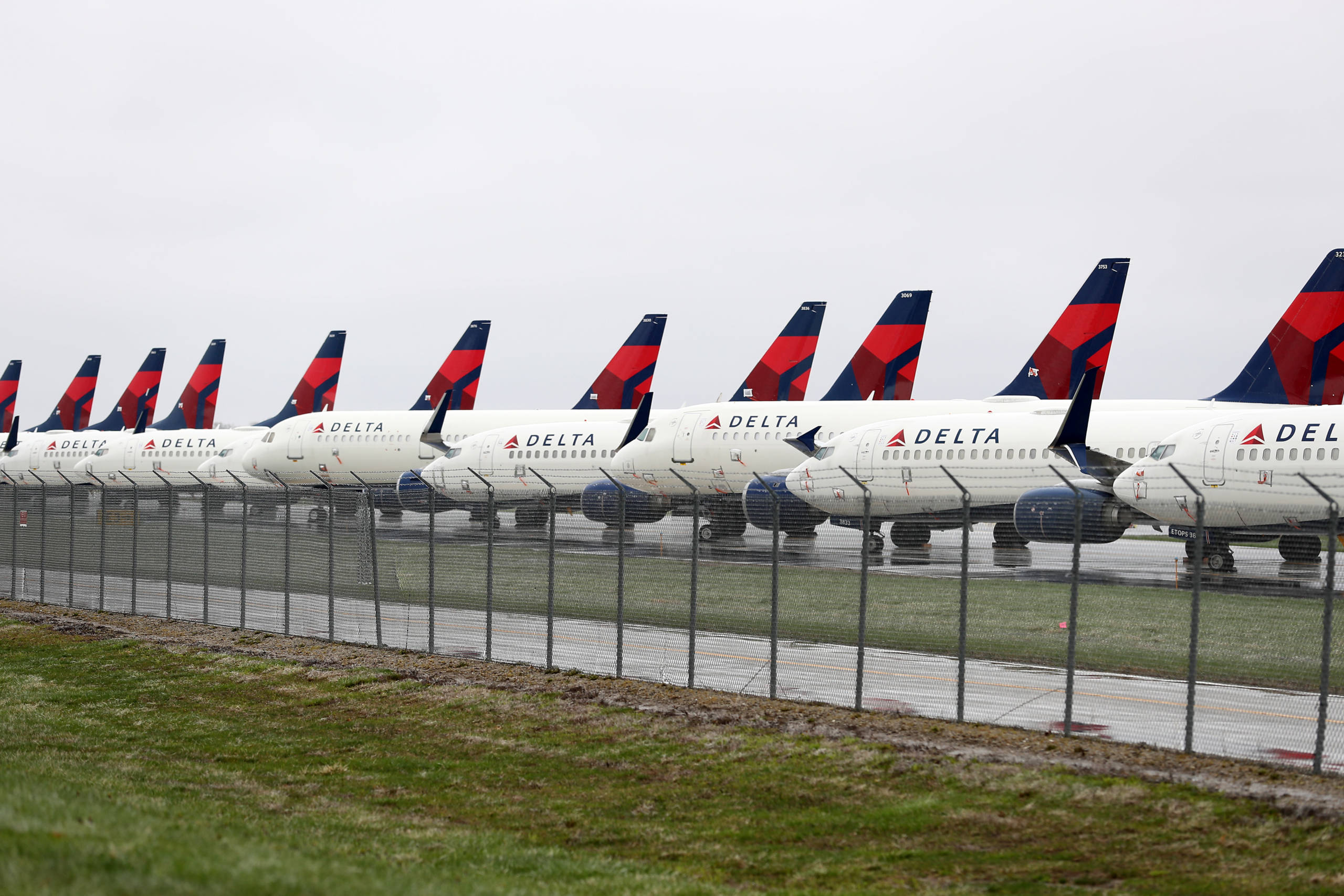
Delta Air Lines is taking drastic measures to weather the coronavirus pandemic downturn that CEO Ed Bastian says will take at least three years to recover from.
The Atlanta-based carrier will temporarily park all of its Airbus A320s and many of its Boeing 737-900ERs for the duration of the slowdown, Delta said in an internal load planner memo on April 24 viewed by TPG. The airline flew 62 A320s and 130 737-900ERs, of which 25 and 41 respectively were stored, at the end of March.
The news comes as Delta moves to ground some 650 jets amid the worst downturn the airline industry has ever seen. Shelter-at-home orders and fears of COVID-19, the disease caused by the coronavirus, are keeping all but people who have to travel out of the skies.
Get Coronavirus travel updates. Stay on top of industry impacts, flight cancellations, and more.
Airport security screening numbers from the Transportation Security Administration (TSA) have hovered around the 100,000 people a day mark since April 7. While many airline executives suspect this is the bottom of the market, it represents just 5% or fewer people flying than did the same time last year.
In response to this slowdown, Delta is slashing capacity by roughly 85% during the three months ending in June. Parking 440 mainline aircraft, the balance will come from the airline's Delta Connection feeder fleet, is a corollary to these reductions.
Parking the A320s comes as little surprise. The jets are among the oldest in Delta's fleet with an average age of 24.6 years -- only its McDonnell Douglas MD-88s are older with an average age of 29 years. The airline's oldest A320, registration N309US, was manufactured in August 1990 and originally delivered to Northwest Airlines.
Related: Delta still flying all of its Airbus A220s even as the coronavirus grounds more than half its fleet
Delta executives have indicated that the airline will prune its fleet after the coronavirus to adapt to what is widely expected to be a significantly smaller industry. The MD-88s and MD-90s are the only types they have confirmed will leave the fleet entirely by year-end, with some Boeing 757s and 767s joining them.

Wall Street analysts, however, have indicated that any aircraft that is older than 20 years will be a likely candidate for retirement. This raises questions about the future of the A320 at Delta.
"Any airplane that was thought to be retried in the next five years, probably you can consider it retired this year," Bastian told Delta staff on April 22.
Delta's move to park all of the A320s raises the question -- and one with no answer yet -- will they come back?
The airline will park 80 of its 737-900ERs, or more than 60% of the fleet. The jets are among Delta's youngest with an average age of just 3.6 years in March.
Delta's fleet plans remain fluid during the pandemic, and the jets it parks versus continues to fly could change.
Related: A smaller Delta would have to retire planes after coronavirus. What types could go?
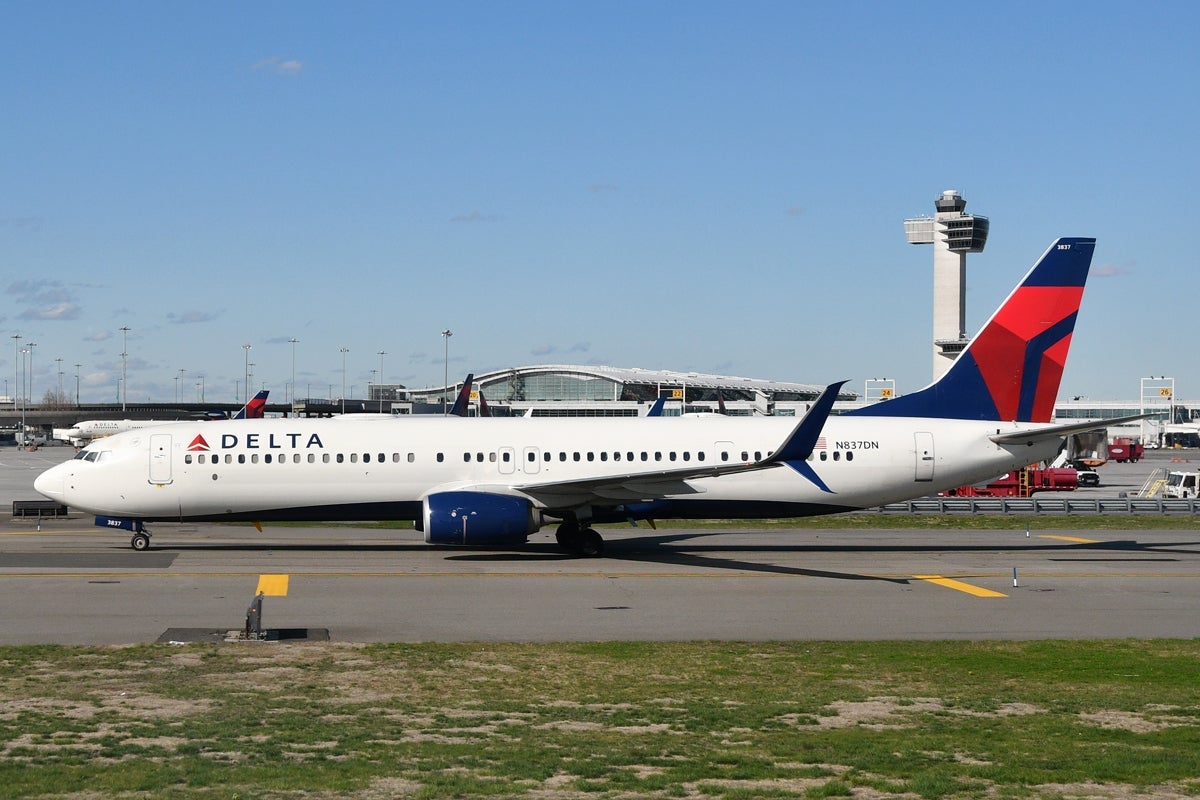
Notably, Delta continues to fly both A320 family and 737 family jets, meaning that it can continue to schedule trips for pilots certified on either family.
Much remains up in the air about Delta's -- and other airlines' -- post-coronavirus fleets. Past downturns inform us that older, owned jets tend to go first but new aircraft deliveries are often delayed or slowed as well.
Like Delta, American Airlines has accelerated retirements of some of its oldest planes, including its 757s and 767s. The carrier also may have flown its last Embraer E190 flight though the type was due to disappear by year-end.
"We believe that it could be up to three years before we see a sustainable recovery," Bastian told investors on April 22. A long, slow recovery that will mean significant changes to come at airlines.
Related: US airlines could retire older aircraft, focus on newer models due to coronavirus downturn
Updated with Delta's decision to continue to fly roughly 50 737-900ERs.
TPG featured card

at Capital One's secure site
Terms & restrictions apply. See rates & fees.
| 5X miles | Earn 5X miles on hotels, vacation rentals and rental cars booked through Capital One Travel |
| 2X miles | Earn unlimited 2X miles on every purchase, every day |
Pros
- Stellar welcome offer of 75,000 miles after spending $4,000 on purchases in the first three months from account opening. Plus, a $250 Capital One Travel credit to use in your first cardholder year upon account opening.
- You'll earn 2 miles per dollar on every purchase, which means you won't have to worry about memorizing bonus categories
- Rewards are versatile and can be redeemed for a statement credit or transferred to Capital One’s transfer partners
Cons
- Highest bonus-earning categories only on travel booked via Capital One Travel
- LIMITED-TIME OFFER: Enjoy $250 to use on Capital One Travel in your first cardholder year, plus earn 75,000 bonus miles once you spend $4,000 on purchases within the first 3 months from account opening - that’s equal to $1,000 in travel
- Earn unlimited 2X miles on every purchase, every day
- Earn 5X miles on hotels, vacation rentals and rental cars booked through Capital One Travel
- Miles won't expire for the life of the account and there's no limit to how many you can earn
- Receive up to a $120 credit for Global Entry or TSA PreCheck®
- Use your miles to get reimbursed for any travel purchase—or redeem by booking a trip through Capital One Travel
- Enjoy a $50 experience credit and other premium benefits with every hotel and vacation rental booked from the Lifestyle Collection
- Transfer your miles to your choice of 15+ travel loyalty programs
- Top rated mobile app