I'm cruising the Atlantic on Cunard's Queen Mary 2 right now. I can't think of a safer way to travel


Editor's note: TPG's Ashley Kosciolek was hosted by Cunard Line to experience a transatlantic crossing aboard Queen Mary 2. The opinions expressed below are entirely hers and weren't subject to review by the line.
Although the worst parts of the COVID-19 pandemic seem to be behind us, it's understandable if you're still hesitant to cruise right now. Apart from the usual logistics involved with cruising, you now must deal with new vaccination requirements, pre-cruise testing requirements and a slew of other mandates imposed by lines and the countries that cruise ships visit.
You also may still be worried about the risk of getting COVID-19 on a cruise. If that describes you, I have a recommendation for a type of cruise that might just be the best there is for keeping you in a COVID-19-free bubble: A transatlantic voyage on Cunard Line's iconic Queen Mary 2.
I'm currently sailing on the ship, a classic ocean liner that does weekly cruises between New York's Red Hook terminal in Brooklyn and Southampton in the United Kingdom. Due to the nature of the voyage and the requirements for boarding, this could be not only one of the safest cruises right now but also one of the safest ways to travel, period.
From extra precautions to limited interactions, here's how an ocean crossing could help to keep you safer.
Boosters required
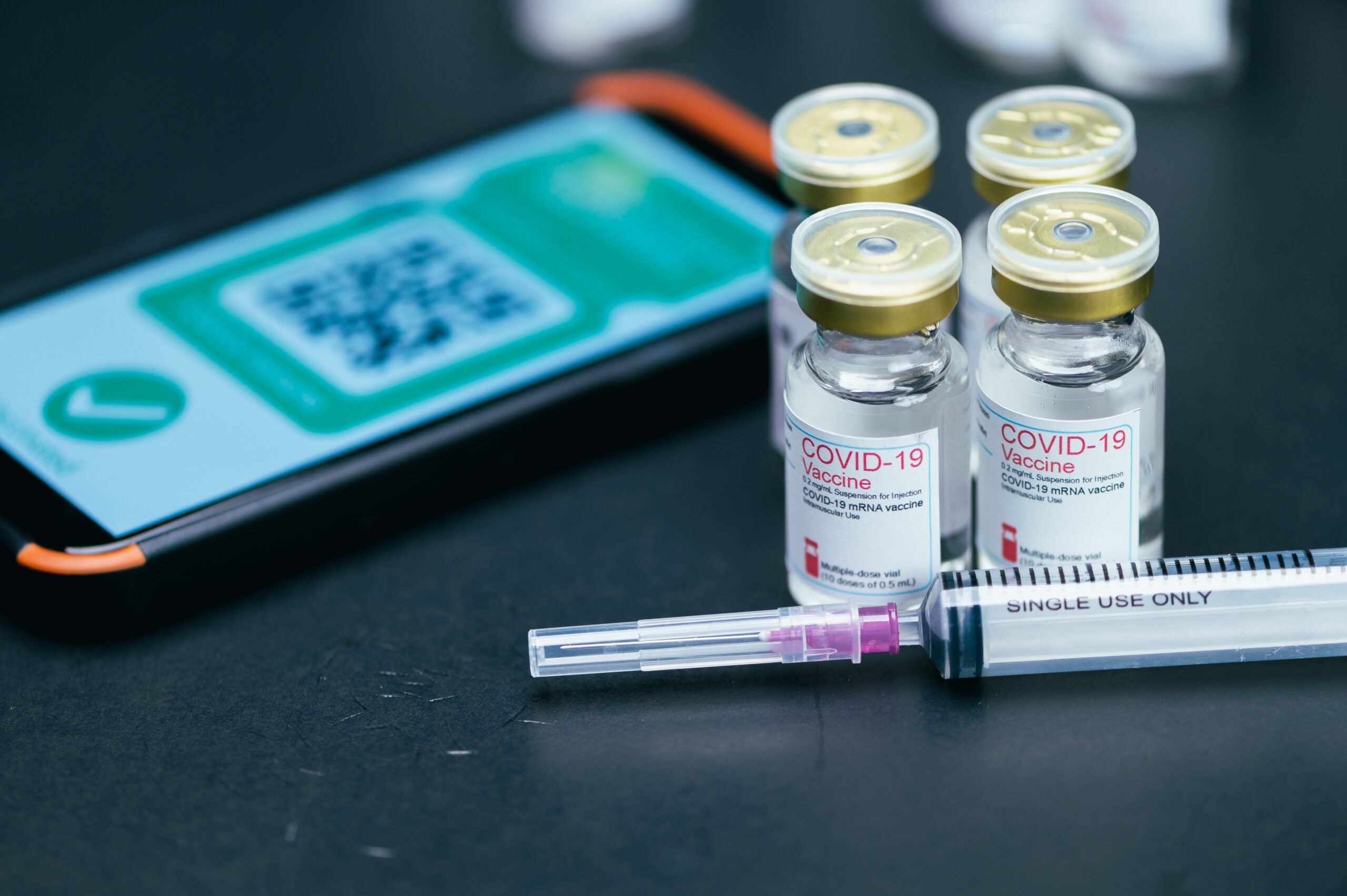
Cunard is the first major cruise line to mandate that passengers on all of its ships' itineraries — not just transatlantics — be up to date on their vaccines, rather than simply full vaccinated.
What's the difference? According to the U.S. Centers for Disease Control and Prevention, "fully vaccinated" means you've had your full course of initial shots, whether that's two shots of Pfizer or Moderna or a single shot of Johnson & Johnson.
"Up to date" means that you've had a booster (or more than one) if you're eligible, per whichever guidelines apply to you based on your age, your health and how recently you've been fully vaccinated.
Related: The ultimate guide to picking a cruise line

It makes sense that Cunard would require cruisers to be up to date as a precaution. Because Queen Mary 2's voyages sail for seven straight days with no port stops, that means anyone who tests positive on board after sailaway is stuck on board until the vessel reaches its destination, no matter how sick they might be.
Cunard's demographics also skew slightly older, and inoculation is key to protecting older passengers.
No port calls
Queen Mary 2's transatlantic voyages sail for seven nights between Brooklyn and Southampton or vice-versa. There are no port stops along the way. That means the crew and passengers on board remain in a bubble throughout the sailing.
With no new players introduced and no interaction with locals in ports of call, there is no potential for "outsiders" to create additional exposure.
Because the ship has dedicated testing, isolation and quarantine facilities set up on board, any cases that are detected are able to be dealt with accordingly in order to contain the spread.
Planning a cruise? Start with these stories:
- The 5 most desirable cabin locations on any cruise ship
- The 8 worst cabin locations on any cruise ship
- A quick guide to the most popular cruise lines
- 21 tips and tricks that will make your cruise go smoothly
- 15 ways cruisers waste money
- 12 best cruises for people who never want to grow up
- What to pack for your first cruise
TPG featured card
at American Express's secure site
Terms & restrictions apply. See rates & fees.
| 4X | Earn 4X Membership Rewards® points per dollar spent on purchases at restaurants worldwide, on up to $50,000 in purchases per calendar year, then 1X points for the rest of the year. |
| 4X | Earn 4X Membership Rewards® points per dollar spent at US supermarkets, on up to $25,000 in purchases per calendar year, then 1X points for the rest of the year. |
| 5X | Earn 5X Membership Rewards® points on prepaid hotel stays booked through AmexTravel.com or the Amex Travel App™. |
| 3X | Earn 3X Membership Rewards® points on flights booked through AmexTravel.com, the Amex Travel App™, or purchased directly from airlines. |
| 2X | Earn 2X Membership Rewards® points on prepaid car rentals booked through AmexTravel.com or the Amex Travel App™ and cruises booked and paid through AmexTravel.com. |
| 1X | Earn 1X Membership Rewards® point per dollar spent on all other eligible purchases. |
Pros
- Valuable dining and food-related credits
- Flexible rewards with airline and hotel transfer partners
- Multiple travel and purchase protections
- No foreign transaction fees
- Access to Amex Offers for additional savings (enrollment required)
Cons
- Not as useful for those living outside the U.S.
- Some may have trouble using Uber and other dining credits
- You may be eligible for as high as 100,000 Membership Rewards® Points after you spend $8,000 in eligible purchases on your new Card in your first 6 months of Card Membership. Welcome offers vary and you may not be eligible for an offer. Apply to know if you’re approved and find out your exact welcome offer amount – all with no credit score impact. If you’re approved and choose to accept the Card, your score may be impacted.
- Earn 4X Membership Rewards® points per dollar spent on purchases at restaurants worldwide, on up to $50,000 in purchases per calendar year, then 1X points for the rest of the year.
- Earn 4X Membership Rewards® points per dollar spent at US supermarkets, on up to $25,000 in purchases per calendar year, then 1X points for the rest of the year.
- Earn 5X Membership Rewards® points on prepaid hotel stays booked through AmexTravel.com or the Amex Travel App™.
- Earn 3X Membership Rewards® points on flights booked through AmexTravel.com, the Amex Travel App™, or purchased directly from airlines.
- Earn 2X Membership Rewards® points on prepaid car rentals booked through AmexTravel.com or the Amex Travel App™ and cruises booked and paid through AmexTravel.com.
- Earn 1X Membership Rewards® point per dollar spent on all other eligible purchases.
- Pay It® lets you tap in the American Express® App to quickly pay for small purchase amounts throughout the month and still earn rewards the way you usually do. Plan It® gives you the option to split up big purchases into equal monthly payments with a fixed fee. You’ll know upfront exactly how much you’ll pay.
- $120 Dining Credit: Earn up to a total of $10 in statement credits monthly when you pay with the Gold Card at Grubhub (including Seamless), Buffalo Wild Wings, Five Guys, The Cheesecake Factory, and Wonder. This can be an annual savings of up to $120. Enrollment required.
- $100 Resy Credit: Get up to $100 in statement credits each calendar year at over 10,000 qualifying U.S. Resy restaurants after you pay for eligible purchases with the American Express® Gold Card. That’s up to $50 in statement credits semi-annually. Enrollment required.
- $84 Dunkin' Credit: Earn up to $7 in monthly statement credits after you pay with the American Express® Gold Card at U.S. Dunkin’ locations. Enrollment required.
- $120 Uber Cash on Gold: Enjoy up to $120 in Uber Cash annually with your Gold Card. Just add your Card to your Uber account and you'll get $10 in Uber Cash each month to use on orders and rides in the U.S. when you select an Amex Card for your transaction.
- Enjoy complimentary Hertz Five Star® Status benefits like skipping the counter at select locations, adding an additional driver at no additional cost*, and vehicle upgrades**. Benefit enrollment and Hertz Gold+ registration are required. *Additional drivers must meet standard rental qualifications and must be a spouse or domestic partner to qualify as complimentary. Other additional drivers subject to fees. **Benefits are subject to availability and vary by location. Additional Hertz program Terms and Conditions including age restrictions apply.
- Book two nights or more with The Hotel Collection through AmexTravel.com or the Amex Travel App™ and receive a $100* credit towards eligible charges at over 1,400 upscale hotels worldwide. *Eligible charges vary by property.
- Book your travel through the Amex Travel App™ with added peace of mind – backed by American Express® service and support. Only for American Express® Card Members.
- Whenever you need us, we're here. Our Member Services team will ensure you are taken care of. From lost Card replacement to statement questions, we are available to help 24/7.
- No Foreign Transaction Fees.
- Annual Fee is $325.
- Terms Apply.