The Points Guy believes that credit cards can transform lives, helping you leverage everyday spending for cash back or travel experiences that might otherwise be out of reach. That's why we publish a variety of editorial content and card comparisons: to help you find a great card to turn your goals into reality.
Our site may earn compensation when a customer clicks on a link, when an application is approved, or when an account is opened with our partners, and this may impact how or where these products appear. While we don't cover all available credit cards, our editorial team creates and maintains all of the analysis of these cards, and our content is not influenced nor subject to review by any credit card company, bank or partner prior to (or after) publication. Please view our advertising policy and product review methodology for more information.
Advertiser disclosure
The Points Guy believes that credit cards can transform lives, helping you leverage everyday spending for cash back or travel experiences that might otherwise be out of reach. That's why we publish a variety of editorial content and card comparisons: to help you find a great card to turn your goals into reality.
Our site may earn compensation when a customer clicks on a link, when an application is approved, or when an account is opened with our partners, and this may impact how or where these products appear. While we don't cover all available credit cards, our editorial team creates and maintains all of the analysis of these cards, and our content is not influenced nor subject to review by any credit card company, bank or partner prior to (or after) publication. Please view our advertising policy and product review methodology for more information.
News
Dear credit card issuers: Lighten up on the airline fee credit restrictions
Featured image by HINTERHAUS PRODUCTIONS/GETTY IMAGES
Nick Ewen is TPG's editor-in-chief and helps readers leverage credit cards (he has more than 25 of them) and loyalty programs to travel more for less. He's been at TPG for over 11 years.
February 8, 2023 • 10 min read
The cards we feature here are from partners who compensate us when you are approved through our site, and this may impact how or where these products appear. We don't cover all available credit cards, but our analysis, reviews, and opinions are entirely from our editorial team. Terms apply to the offers listed on this page. Please view our advertising policy and product review methodology for more information.Editorial disclaimer: Opinions expressed here are the author's alone, not those of any bank, credit card issuer, airline or hotel chain, and have not been reviewed, approved or otherwise endorsed by any of these entities.
Comments
By commenting, you agree to our Community Guidelines to help create a positive space for conversation. The responses below are not provided or commissioned by the bank advertiser, our partners, or The Points Guy (“TPG”). They have not been reviewed, approved, or otherwise endorsed by any of these parties. All responses are submitted by individual contributors, and neither the bank advertiser, our partners, nor TPG are responsible for ensuring that all posts and/or questions are answered.
Related stories
Quick summary
Airline fee credits are a common perk on premium travel cards, intended to offset costs like checked bags and inflight refreshments.
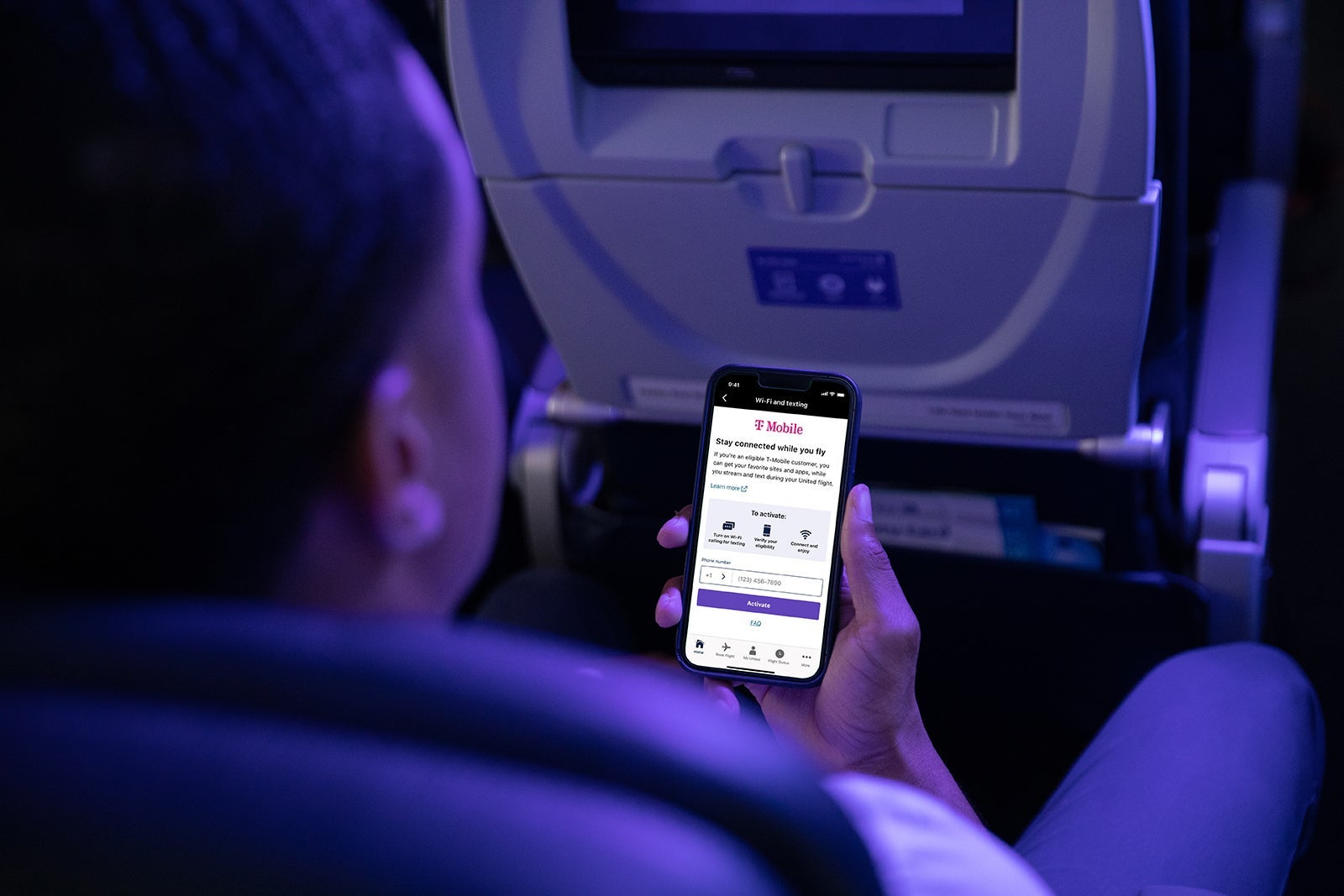
Recent changes in airline policies, such as the removal of change fees and the expansion of free inflight Wi-Fi, have reduced the usefulness of these credits for many travelers.
Eligibility for these credits is often complicated by restrictions, such as requiring cardholders to select a single airline or limiting the types of purchases that qualify.
Some cards offer more flexible travel credits that automatically apply to a broader range of travel purchases, creating a more user-friendly experience.
What to consider
Many fee credits are only valid for incidental charges and may not cover airfare or purchases across multiple airlines.
Eligibility for reimbursement can be inconsistent, with some transactions triggering credits and others being denied without clear explanation.
Several cards with the most flexible credits are no longer available to new applicants, limiting options for new cardholders.
What you'll miss from the article
A detailed comparison of how different travel credits work and practical suggestions for making these perks more flexible and easier to use.
Generated by AI with support from our editorial team.
Update: Some offers mentioned below are no longer available. View the current offers here.
There are many perks that help cover annual fees on popular credit cards (some of which are now close to $700). From bonus points to travel protections to automatic elite status, many travelers can easily justify carrying at least one premium card in their wallet.
But there's one type of perk that's always created some headaches for cardholders — and given recent travel trends, it's past time for card issuers to address it. I'm talking about airline fee credits.
Here's why I think these perks need a dramatic overhaul — right now.
Overview of airline fee credits
Let's start with a brief overview of these perks. A number of credit cards offer statement credits when you use them on certain types of travel purchases. Popular options include the following (with language pulled directly from the card issuer's website):
Credit card
Fee credits
Annual fee
The Platinum Card® from American Express
Select one qualifying airline and then receive up to $200 in statement credits per calendar year when incidental fees, such as checked bags and inflight refreshments, are charged by the airline to your Platinum Card account. (Enrollment is required)
$695 (see rates and fees).
The Business Platinum Card® from American Express
Select one qualifying airline and then receive up to $200 in statement credits per calendar year when incidental fees are charged by the airline to your card or any of the additional cards on your Platinum Card account. (Enrollment is required)
Select one qualifying airline and then receive up to $250 per calendar year in statement credits for incidental fees such as checked baggage, inflight refreshments and flight change fees.
A $300 annual travel credit for non-ticket purchases, limited to an airline lounge day pass (or toward a yearly lounge membership of your choice), airline seat upgrades, airline baggage fees and inflight internet, entertainment or meals.
$450.
Bank of America® Premium Rewards® Credit Card
Get up to $100 in airline incidental statement credits annually for qualifying purchases such as seat upgrades, baggage fees, inflight services and airline lounge fees — automatically applied to your card statement.
$95.
The information for the Hilton Aspire Amex card and Ritz-Carlton card has been collected independently by The Points Guy. The card details on this page have not been reviewed or provided by the card issuer.
As you can see, the statement credits on these cards can offset a large chunk of the annual fee — while on the Bank of America Premium Rewards card, using all of the credit each year covers the entire annual fee.
Sadly, however, you need to look past the dollar amount when evaluating the true usefulness of these perks. And recent trends have laid bare just how challenging these can be to utilize.
Why these fee credits are disconnected from reality
The above credit cards typically skew to frequent travelers (as opposed to those with 0% APR offers or cash-back rewards that are more appealing to beginners). And if you're taking to the skies at least one to two times per month, either one or both of these statements is likely true:
You have elite status with at least one airline.
You have a cobranded credit card with at least one airline.
In either case, this removes many additional fees that would otherwise qualify for reimbursement with the above statement credits. Almost every airline credit card offers free checked bags, and once you have elite status, you can often select preferred seats and may even get additional baggage allowances. In addition, many airlines offer drink vouchers for elite travelers or inflight discounts for cardholders.
In 2020, many U.S. airlines removed change fees on most tickets. The vast majority of these policies remain in place — so why are "change fees" still a part of at least one card's advertised benefit above?
And even if someone does charge inflight Wi-Fi to one of the above cards, there's no guarantee it'll even trigger a statement credit — which brings up the last frustrating aspect of these perks: There's a lot of inconsistency around what does (and doesn't) count.
In the past, I've been able to receive Amex statement credits for award ticket taxes and fees with both Delta and JetBlue. However, Amex recently added a new 15% discount for Delta-operated award tickets for Delta Amex cardholders — but the terms indicate that taxes and fees must be paid with the Delta card rather than a card with a fee credit.
Many data points indicate that small United TravelBank purchases will trigger the Amex credits, as will small residual ticket purchases when most of the cost is covered by a voucher or flight credit. However, these could disappear at any time.
Meanwhile, I've successfully been reimbursed for award ticket taxes on my Ritz-Carlton card — though a similar purchase was recently rejected.
The general notion is that these fee credits are hard to use (and becoming harder to use each year). You're often at the mercy of technology or a human agent in deciding whether your purchase is eligible. And if it's rejected, you won't know until after the purchase posts — at which point there's little you can do.
The gold standard of travel credits
Of course, it's worth pointing out that not all cards have such a convoluted set of restrictions for this kind of perk. In fact, there's one that is far and away the gold standard for travel credits. Naturally, I'm talking about the Chase Sapphire Reserve.
Each card membership year, you get a $300 travel statement credit. In other words, the first $300 you spend on travel — any travel — will be credited back to your account. It's not limited to incidental fees, and you don't need to designate a travel provider. You swipe the card and receive the statement credits (often on the same day the charge posts to your account) until you reach a total of $300.
In 2022, I received this credit on the following purchases:
A city bus tour, a pair of train tickets, and parking in various cities in Germany.
I didn't give any of these transactions a second thought, since I knew that the perk would be triggered by any travel purchase (up to a total of $300).
Another example is the $300 annual credit on the Capital One Venture X Rewards Credit Card, which offers more flexibility than the incidental fee credits above. And even though it only applies to purchases through Capital One Travel, that still applies to various purchases like flights, hotels and car rentals — including the new Premier Collection luxury hotel program.
(Note: There is also a similarly flexible $250 annual travel credit on the Citi Prestige® Card. However, this card is no longer available to new applicants.)
The information for the Citi Prestige card has been collected independently by The Points Guy. The card details on this page have not been reviewed or provided by the card issuer.
Some modest proposals to increase the flexibility of credits
To be clear, I'm not calling on card issuers to copy the Sapphire Reserve (though it would be nice). Instead, there are some simple steps they should take to address these concerns.
ZACH GRIFF/THE POINTS GUY
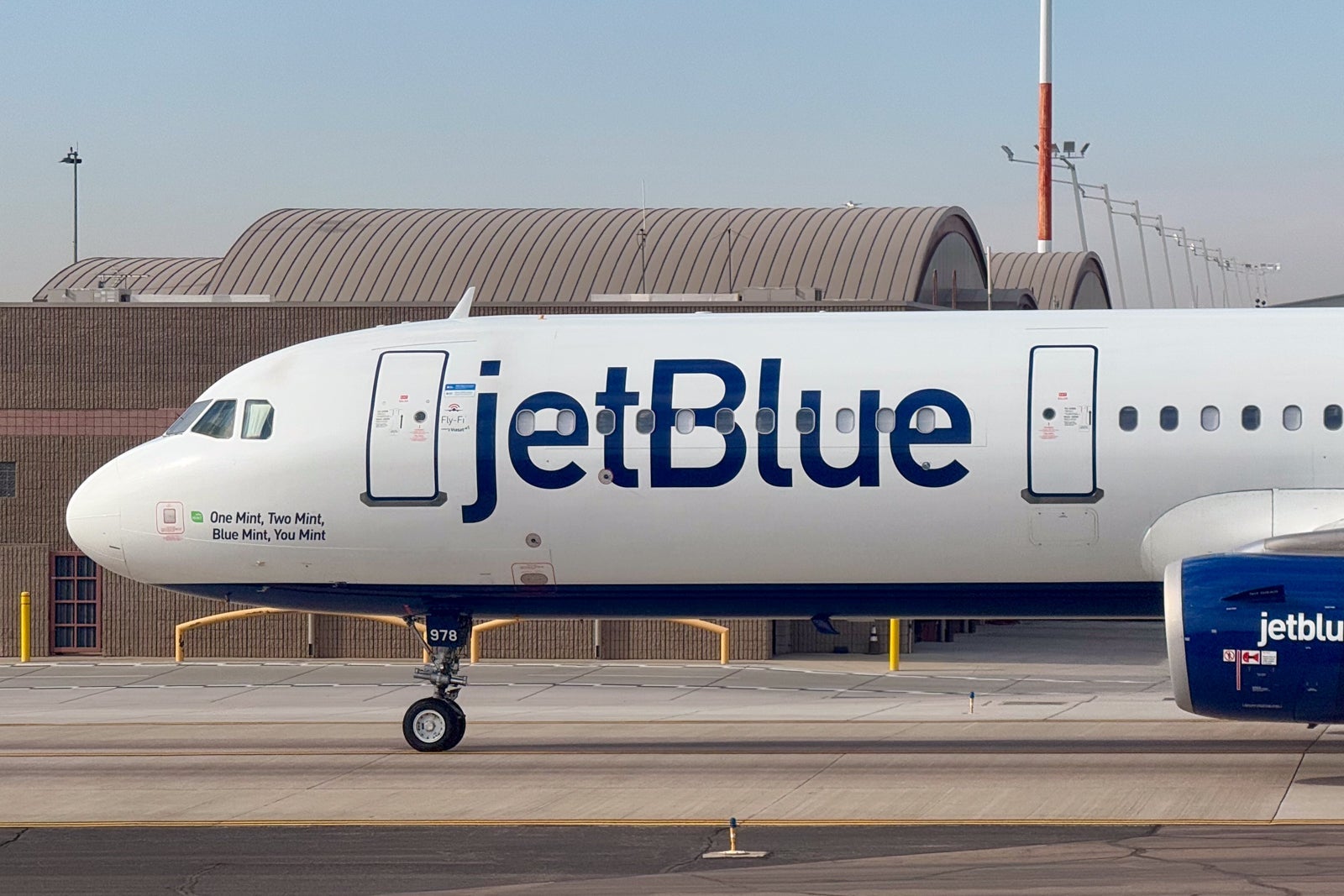
For starters, American Express could remove the restriction that limits these purchases to a single airline. I have Gold Medallion status on Delta, but there are other times when my schedule or destination requires me to fly other carriers. It would be nice to have these statement credits apply across multiple airlines.
Alternatively, Amex could extend the credits to any purchase with your selected airline, including airfare. If this flexibility is too much, it could limit the perk to purchases under $200 — which would help cover the cost of inexpensive flights and still offer more utility than incidental fees.
Meanwhile, I'd love to see Chase shift the way the Ritz-Carlton credit is applied. The technology is clearly there to recognize any travel purchase, but even broadening the scope of what's covered to include all types of airline fees (rather than limited to those specified above) would be a welcome change.
Finally, both American Express and Bank of America could follow Capital One's lead in shifting the credits to apply for purchases through their respective travel portals. This could even be limited to flights and would still represent a much better cardholder experience.
Ultimately, I'm pessimistic that any of these proposals would even be considered. Card issuers rely on breakage — when customers don't fully use the benefits to which they are entitled — to enhance the profitability of their portfolios. But ultimately, I would argue that it costs much more to lose a customer who's fed up with limitations than it does to offer more flexible, easy-to-use travel credits.
Bottom line
Airline fee credits can help offset the annual fees of popular travel credit cards — yet they can also be maddening to fully utilize. With change fees largely gone (and free inflight Wi-Fi on a steady growth trajectory), it's time for card issuers to step up their game.
If you have one of the above cards and are considering canceling it when your next annual fee comes due, be sure to highlight these limitations when you call. It could help you snag a retention offer — but could also spur an issuer to take action to make these statement credits more customer-friendly.
For rates and fees of the Amex Platinum Card, click here
For rates and fees of the Business Platinum Card, click here
For rates and fees of the Hilton Honors Aspire Card, click here
Comments
By commenting, you agree to our Community Guidelines to help create a positive space for conversation. The responses below are not provided or commissioned by the bank advertiser, our partners, or The Points Guy (“TPG”). They have not been reviewed, approved, or otherwise endorsed by any of these parties. All responses are submitted by individual contributors, and neither the bank advertiser, our partners, nor TPG are responsible for ensuring that all posts and/or questions are answered.