COVID-19 testing is too expensive, airline trade group says

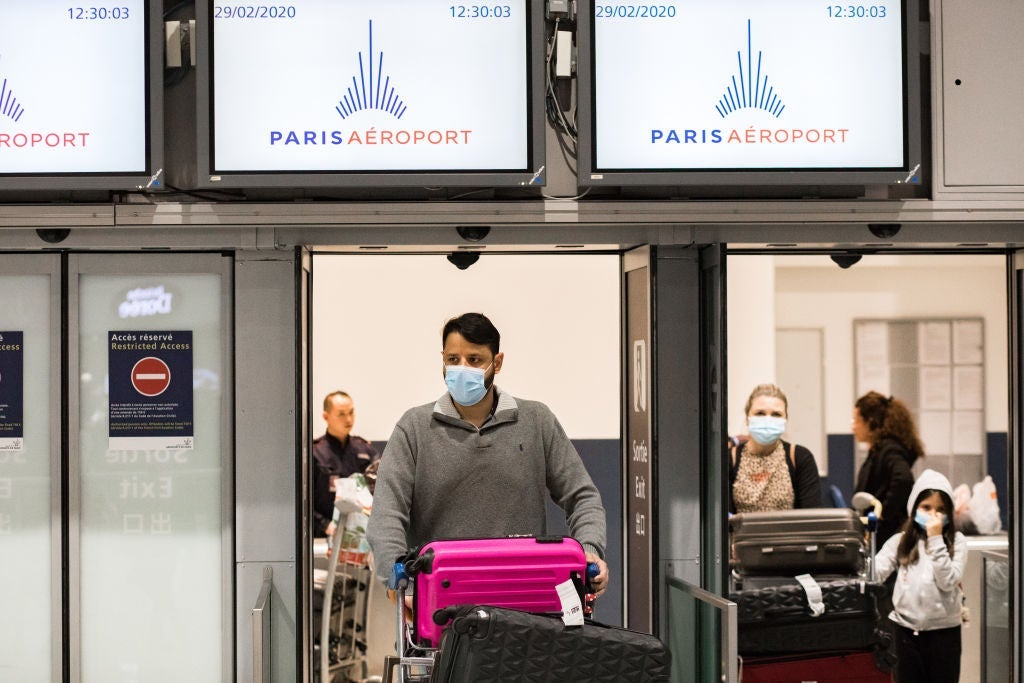
Pre-travel COVID-19 testing is too expensive, the head of the trade association of airlines around the world said on Tuesday.
"The cost of testing should be significantly lower than it is. I think we've got to challenge whether PCR testing is necessary," said Willie Walsh, the head of the International Air Transport Association (IATA), according to Reuters.
Travelers hitting the road for the first time since the pandemic are encountering a very different travel landscape — one that's more restrictive and confusing than before. Now, travelers may face several obstacles before ever boarding a flight, including financial barriers and complicated requirements caused by COVID-19 test requirements.
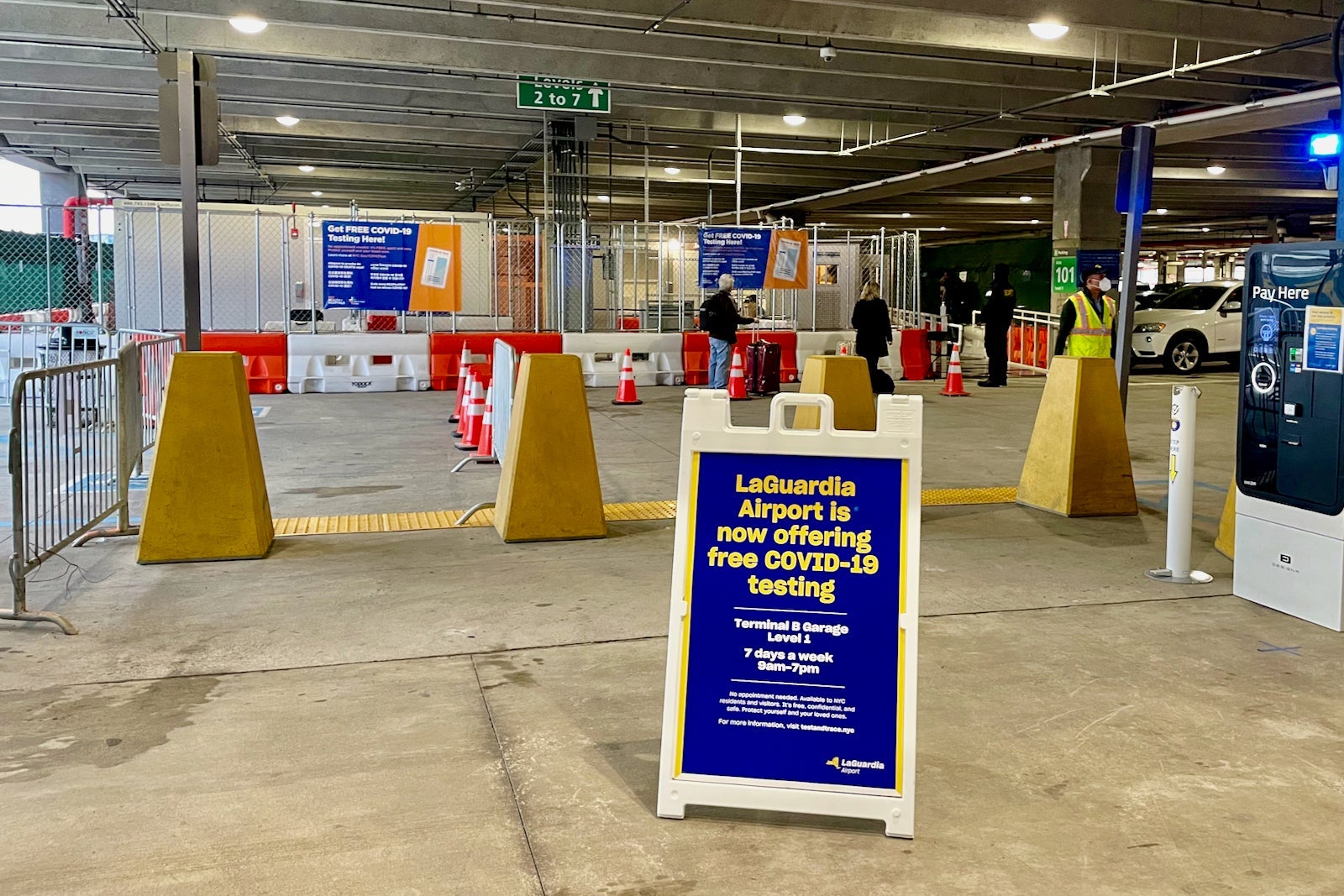
IATA said providers who have jumped on "the testing bandwagon" have caused the increase in the cost of COVID-19 testing, and questioned whether PCR tests were necessary to travel.
The country will introduce a "traffic light" system for international travel beginning as early as May 17. Passengers coming from so-called "green" countries will not need to quarantine on their arrival in the U.K., but they will need to test prior to and on the return from travel.
Airlines UK, the trade body for registered airlines in the United Kingdom, isn't in favor of expensive PCR testing for travel either.
"The insistence on expensive and unnecessary PCR testing rather than rapid testing – even for low-risk countries – will pose an unsustainable burden on passengers, making travel unviable and unaffordable for many people," the organization said in a statement earlier this month.
In addition to the hassle of procuring so many COVID-19 tests, there's also the potential financial burden these requirements place on travelers.
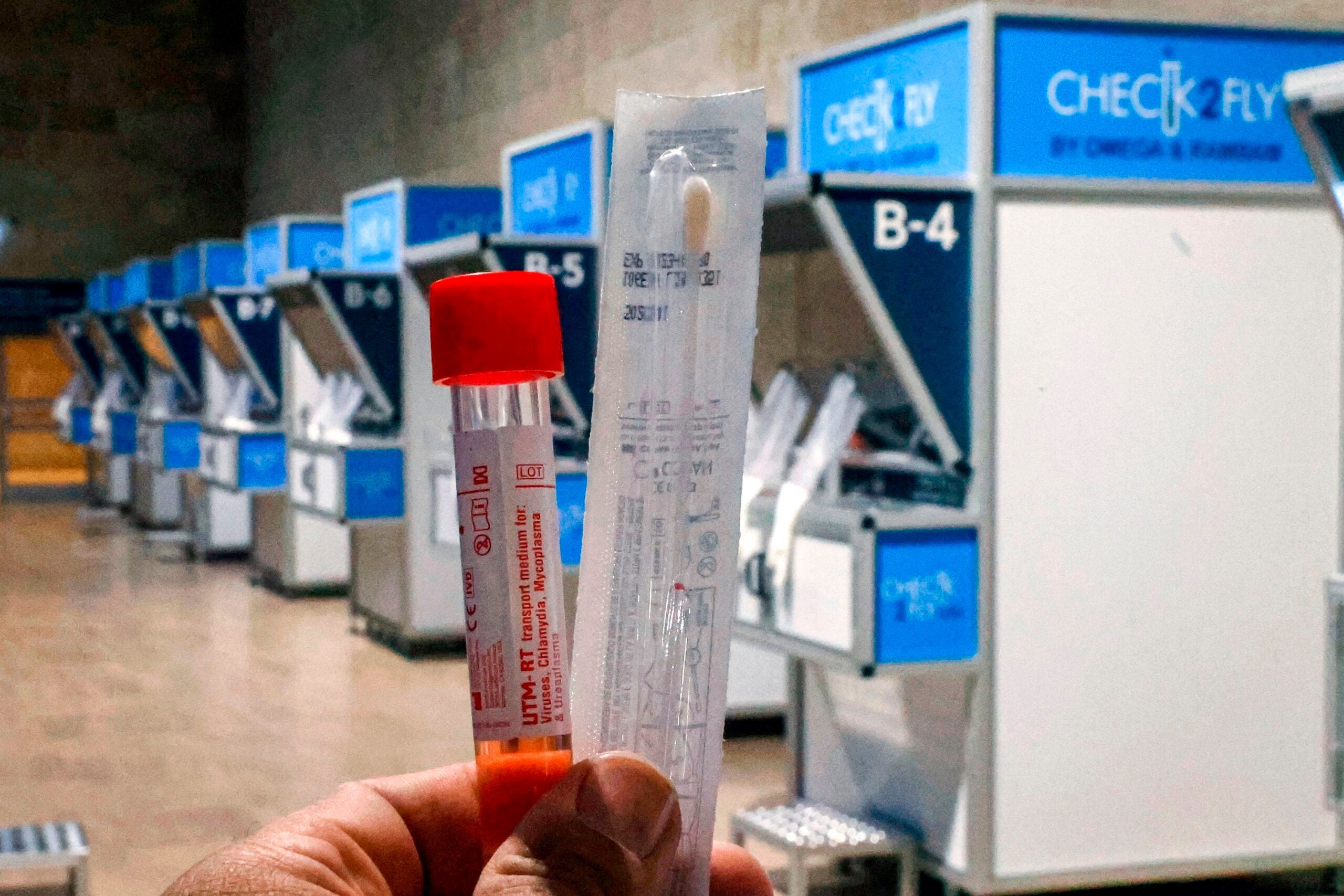
Most people trying to get a COVID-19 test for travel are under a time crunch, as many countries and even some U.S. states require travelers to show proof of a negative COVID-19 test to enter, typically taken within three days or fewer.

Travelers flying back to the U.S. from abroad, for example, need to have a negative test taken within three days before departure.
To meet the increased demand, some urgent care facilities have introduced "rapid PCR tests," where you can receive your results in as few as 30 minutes. But the fast turnaround times will cost you, especially if you're traveling as a family.
Rapid PCR tests can cost around $200, which can quickly add up if you're traveling as a family of four, for instance. And families with young children aren't exempt, either. All passengers 2 years of age and older traveling into the U.S. must provide proof of a negative test.
But it isn't just a burden for American travelers. The U.K.'s traffic light system will require even passengers from the lowest-risk countries to have a pre-departure COVID-19 test. These travelers will also have to take a post-arrival test, which must be a PCR test. On the government's list of approved providers, PCR test kits range in price from about £100 ($140) to more than £200 ($280) apiece.
Even if the high cost of a PCR test (which isn't always covered by insurance when the purpose is leisure travel) isn't an excessive burden, and travelers are able to arrange all the necessary tests within the mandatory timeframe, COVID-19 testing isn't foolproof.
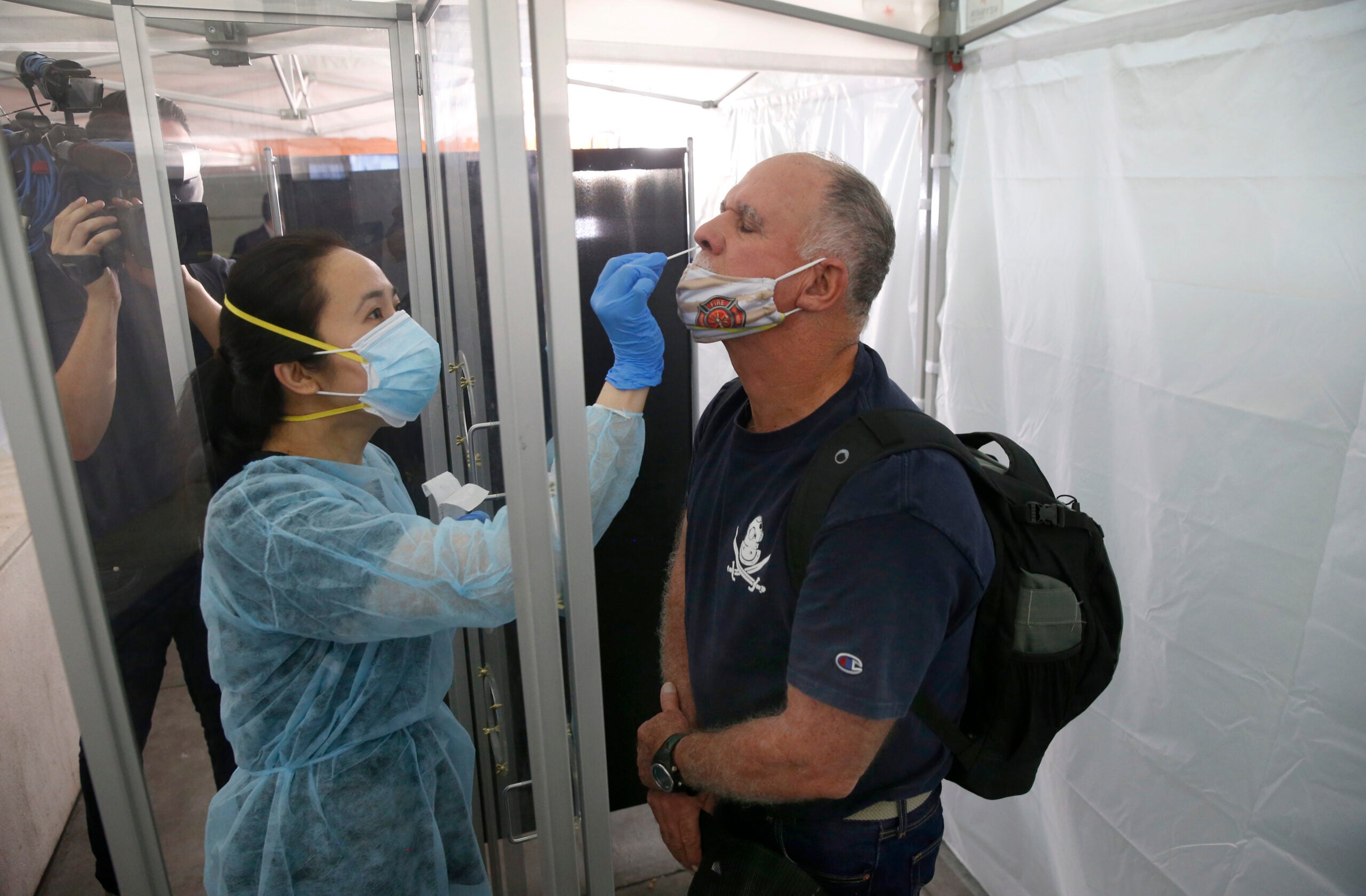
COVID-19 PCR tests are considered the most reliable test for detecting active infections and are the current "gold standard" of tests. And some destinations, such as Hawaii, only accept PCR tests from a specific list of testing providers.
Rapid antigen tests, which check for proteins on the virus's surface, are also pretty common. A growing number of airports offer rapid COVID-19 testing to travelers, who are often pressed for time. These tests are also on the approved list for travelers flying back into the U.S.
Rapid tests are popular for their quick turnaround times -- some can provide results in as little as 15 minutes -- but can be problematic. Rapid tests are less accurate than standard PCR tests, with a CDC study showing that one popular test was accurate only 80% of the time. And for asymptomatic people, that number dropped to just 41.2%.
But PCR testing isn't foolproof, either. A study found that at least four passengers on a flight from Dubai to Auckland flight were infected with COVID-19 last year after one traveler tested negative on a PCR test but was still contagious.
Bottom line
Testing requirements for travelers flying back to the U.S. are unlikely to change soon. It's also unlikely that requirements in the U.K. will be relaxed in the near future, given that over 120,000 Britons have died from the coronavirus.
What the travel and healthcare industries need to come to an agreement on, however, is how much pre-travel testing should cost. Because travelers, especially families, who haven't vacationed in over a year, a $200 per-person test may be a deal-breaker.
TPG featured card

at American Express's secure site
Terms & restrictions apply. See rates & fees.
| 3X | Earn 3X Miles on Delta purchases. |
| 1X | Earn 1X Miles on all other eligible purchases. |
Pros
- Delta SkyClub access when flying Delta
- Annual companion ticket for travel on Delta (upon renewal)
- Ability to earn MQDs through spending
- Various statement credits for eligible purchases
Cons
- Steep annual fee of $650
- Other Delta cobranded cards offer superior earning categories
- Earn 100,000 Bonus Miles after you spend $6,000 or more in purchases with your new Card within the first 6 months of Card Membership and an additional 25,000 bonus miles after you make an additional $3,000 in purchases on the Card within your first 6 months, starting from the date that your account is opened. Offer Ends 04/01/2026.
- Delta SkyMiles® Reserve American Express Card Members receive 15 Visits per Medallion® Year to the Delta Sky Club® when flying Delta and can unlock an unlimited number of Visits after spending $75,000 in purchases on your Card in a calendar year. Plus, you’ll receive four One-Time Guest Passes each Medallion Year so you can share the experience with family and friends when traveling Delta together.
- Enjoy complimentary access to The Centurion® Lounge in the U.S. and select international locations (as set forth on the Centurion Lounge Website), Sidecar by The Centurion® Lounge in the U.S. (see the Centurion Lounge Website for more information on Sidecar by The Centurion® Lounge availability), and Escape Lounges when flying on a Delta flight booked with the Delta SkyMiles® Reserve American Express Card. § To access Sidecar by The Centurion® Lounge, Card Members must arrive within 90 minutes of their departing flight (including layovers). To access The Centurion® Lounge, Card Members must arrive within 3 hours of their departing flight. Effective July 8, 2026, during a layover, Card Members must arrive within 5 hours of the connecting flight.
- Receive $2,500 Medallion® Qualification Dollars with MQD Headstart each Medallion Qualification Year and earn $1 MQD for each $10 in purchases on your Delta SkyMiles® Reserve American Express Card with MQD Boost to get closer to Status next Medallion Year.
- Enjoy a Companion Certificate on a Delta First, Delta Comfort, or Delta Main round-trip flight to select destinations each year after renewal of your Card. The Companion Certificate requires payment of government-imposed taxes and fees of between $22 and $250 (for itineraries with up to four flight segments). Baggage charges and other restrictions apply. Delta Basic experiences are not eligible for this benefit.
- $240 Resy Credit: When you use your Delta SkyMiles® Reserve American Express Card for eligible purchases with U.S. Resy restaurants, you can earn up to $20 each month in statement credits. Enrollment required.
- $120 Rideshare Credit: Earn up to $10 back in statement credits each month after you use your Delta SkyMiles® Reserve American Express Card to pay for U.S. rideshare purchases with select providers. Enrollment required.
- Delta SkyMiles® Reserve American Express Card Members get 15% off when using miles to book Award Travel on Delta flights through delta.com and the Fly Delta app. Discount not applicable to partner-operated flights or to taxes and fees.
- With your Delta SkyMiles® Reserve American Express Card, receive upgrade priority over others with the same Medallion tier, product and fare experience purchased, and Million Miler milestone when you fly with Delta.
- Earn 3X Miles on Delta purchases and earn 1X Miles on all other eligible purchases.
- No Foreign Transaction Fees. Enjoy international travel without additional fees on purchases made abroad.
- $650 Annual Fee.
- Apply with confidence. Know if you're approved for a Card with no impact to your credit score. If you're approved and you choose to accept this Card, your credit score may be impacted.
- Terms Apply.
- See Rates & Fees