Don't let Colorado's traction law slow down your ski trip

Editor's note: This post has been updated. It was originally published on Oct. 16, 2019.
More than two feet of fresh powder has blanketed parts of Colorado, following the second winter storm this week.
Vail received 14.5 inches, according to Channel 9 News, while Silverton recorded 22 inches and Arapahoe Basin (A-Basin) got a cool 14 inches.
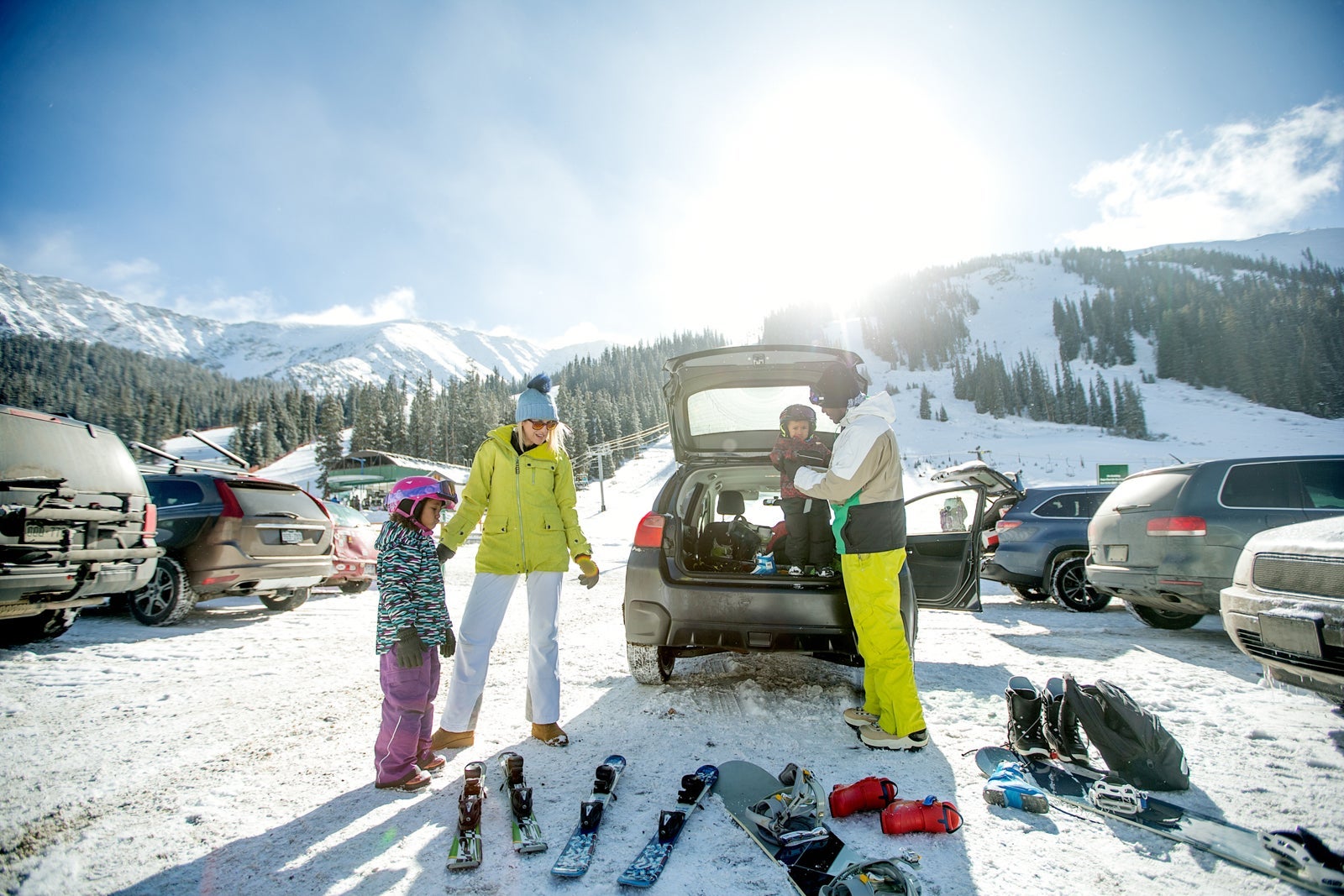
And while powder is terrific for the Colorado ski season, travelers familiar with the weekend ski season trek on I-70, especially westbound from Denver, know how frustrating it can be to get to their favorite ski area (and back) — particularly when traffic and winter weather combine to make for a very vexing drive.
And this ski season, things got even more complicated.
For more TPG news delivered each morning to your inbox, sign up for our daily newsletter.
In August, the Colorado Department of Transportation (DOT) implemented a new, more stringent traction law intended to speed up traffic on I-70. And while it was designed to reduce gridlock, it could create problems for visitors who are renting or driving their own car for their ski trip.
If you have plans to chase some of that fresh powder in Colorado, here are a few things you need to know about the new Traction Law.
Related: How to plan a ski trip with points and miles

New requirements
As of Aug. 2, 2019, Colorado state legislation updated their Traction Law (Code 15) — which is put into effect during inclement weather — for the winter months. From Sept. 1 to May 31, all vehicles on state highways must have tires with 3/16-inch tread on snowy roads and 1/8-inch tread on dry roads. During an active Traction Law, all tires must be designated as snow, or mud and snow (M+S), or the vehicle must be four- or all-wheel drive.
While the 1/8-inch requirement was already in effect for commercial vehicles during previous years, the increased tread requirement for snowy roads is new for the 2019/2020 winter season, and applies to all vehicles.
During the most severe weather, the state may issue a Passenger Vehicle Chain Law (Code 16), which is the final safety measure before the highway is closed. If this law is in effect, every vehicle must utilize chains or an alternate form of traction, such as an AutoSock.
Earlier this week, for example, chain and traction mandates went into effect for certain mountain passes in Southwest Colorado's high country during a severe snowstorm.
Related: Best credit cards for built-in trip protection coverage
The details
The new law is active on a 126-mile stretch on I-70 between Dotsero and Morrison. While the intention is to speed up traffic and reduce congestion on this specific stretch of road, the law applies to all state highways when in effect.
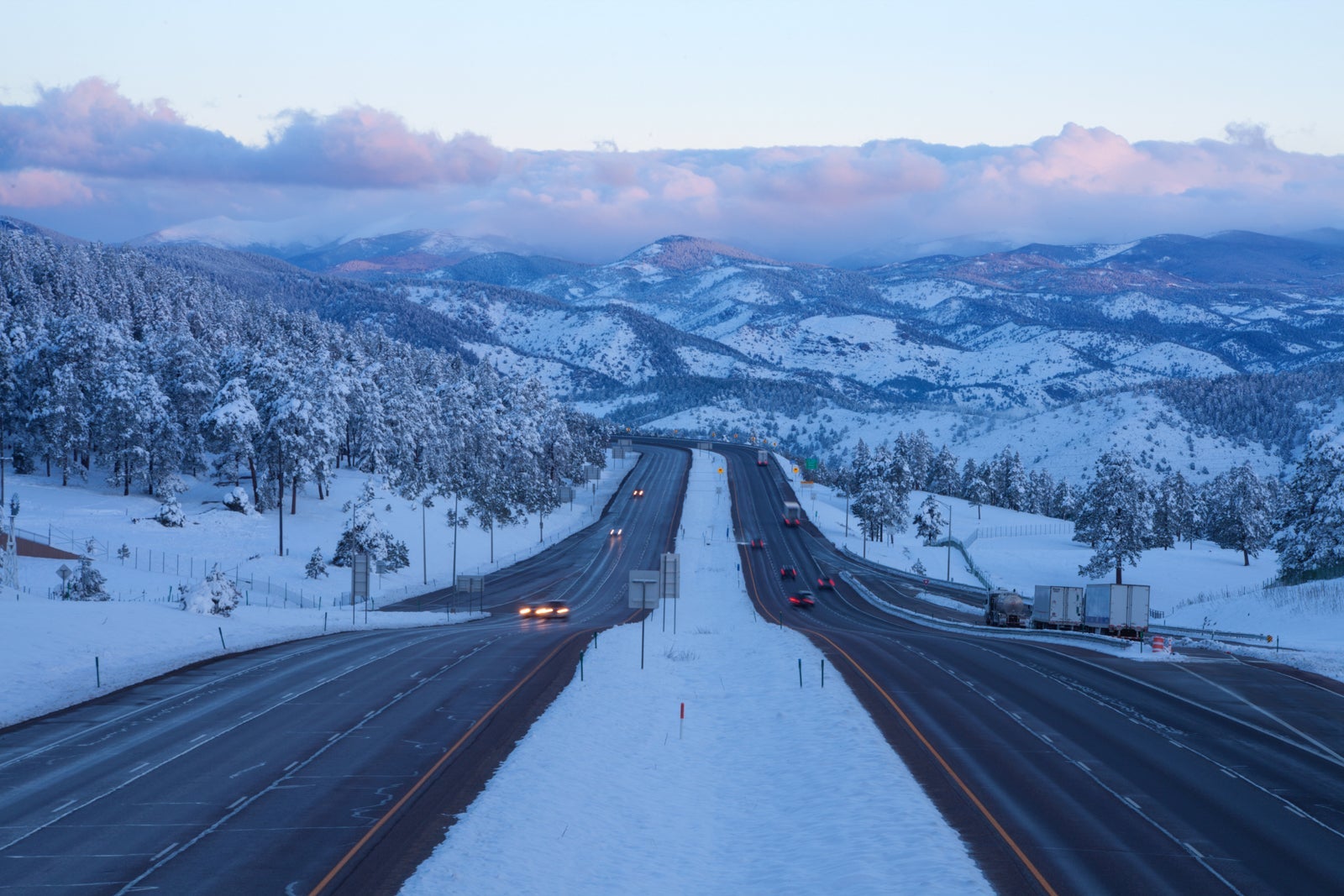
Drivers operating a vehicle that doesn't meet the minimum requirements when a Traction Law or Passenger Vehicle Chain Law is in effect could be charged a minimum fine of $130. If your car gets stuck and blocks the roadway as the result of inadequate equipment, you may be hit with a fine that exceeds $650.
How to prepare
Since the new law is weather-dependent, it's important to continuously check the forecast so you have an idea of whether or not the state may implement the Traction Law during your stay. Of course, the weather in the mountains can change quickly, so it may be best to assume you will need to meet the minimum traction requirements.
According to a spokesperson from Hertz, the car rental company has vehicles available in Denver that meet these new requirements. However, it is the renter's responsibility to ensure the car they are getting meets these requirements. And if extreme weather is expected, don't anticipate additional traction devices (like chains or AutoSocks) to be provided for you.
"Because we do not always know what our customers' travel plans are or what roads they may be traveling [on], it's important they are aware of and in compliance with all traffic laws and reserve the vehicle that best suits their needs," a Hertz representative told TPG in an email.
If you're renting a car, always contact the rental company in advance to ensure your car meets the traction requirements.
Of course, there are ways to avoid the hassle of traffic and ensuring all requirements are met altogether.
Related: The best starter travel credit cards
Find alternative transportation
If your car isn't prepared with the proper equipment or specifications, it is also acceptable to use an alternate form of traction (chains or an AutoSock). It may be useful to have these handy regardless so you can still hit the slopes during a powder day, when the state may implement the Passenger Vehicle Chain Law.
There are also a number of buses and shuttle services that run frequently between Denver and many of the popular ski resorts. According to Sara Lococo, the senior communications director for Breckenridge and Keystone resorts, this is actually preferable.
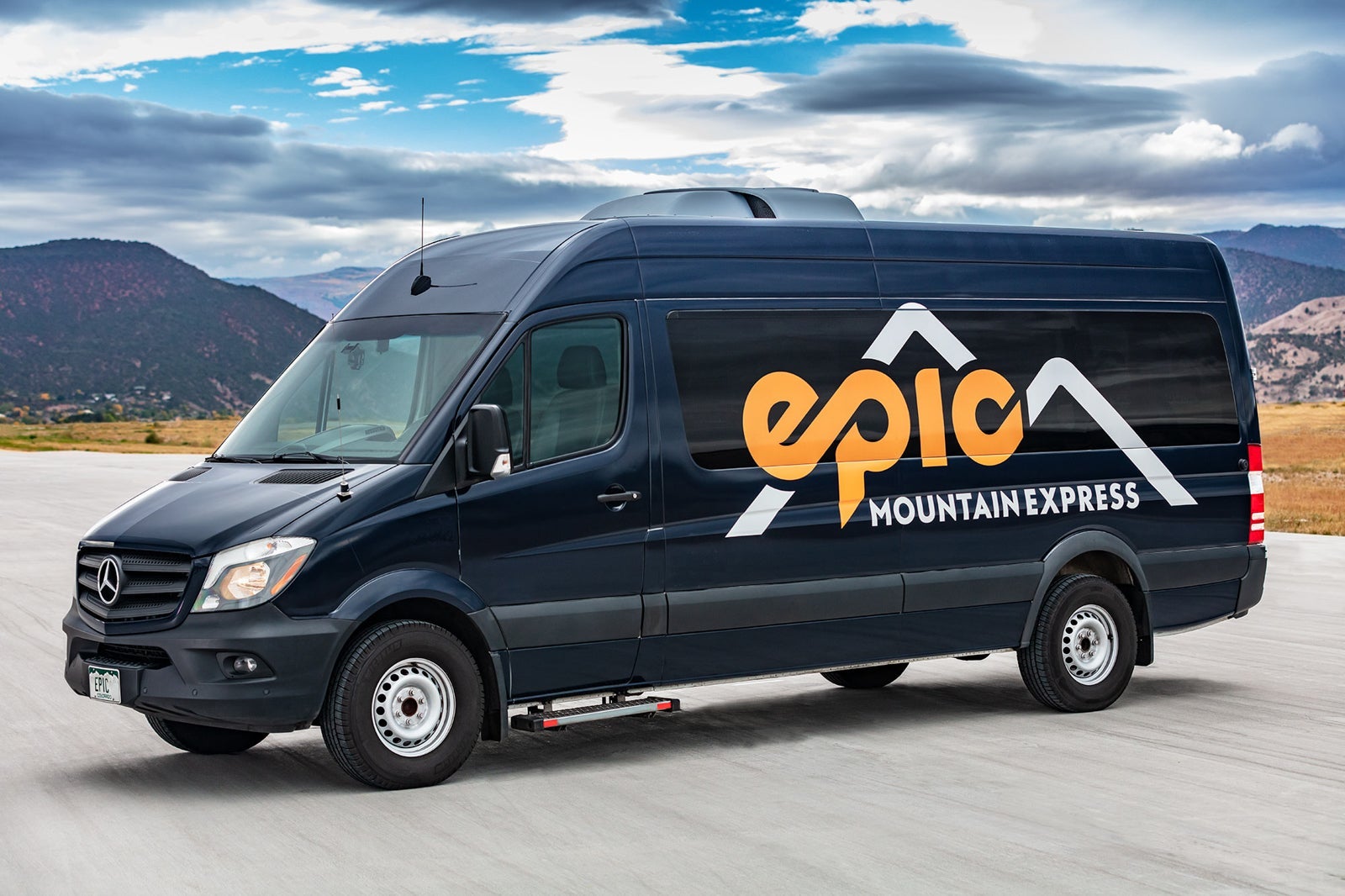
"At Breck, as well as the majority of our mountain resorts and communities, you can leave the car at home when visiting," said Lococo in an email to TPG. "Guests can take advantage of door-to-door shuttle service options, like the Epic Mountain Express, to and from the airport and then utilize free resort and town transportation, as well as hotel shuttles."
One-way service from Denver International (DEN) to Breck, Keystone or Copper on the Epic Mountain Express starts at $52, while service to Vail or Beaver Creek from ranges from $55 to $73. Expect to spend $85 on rides to Aspen and Snowmass Village.
Another solid option is carpooling, which is often rewarded with better parking access and incentives such as discounts on paid parking. There are even apps like R.I.D.E. — which is focused on reducing carbon emissions and cutting down on traffic — that make carpooling to local resorts even easier.
If you're deciding where to stay, here's a list of some near-mountain ski hotels that accept points.
The Colorado DOT also introduced a new bus service this season called the SnowStang. The pilot program began in December, and provides transportation between Denver, A-Basin and Loveland for just $25 round trip, but there is a possibility of other resorts joining the collective as well.
Related: Best credit cards for ski trips
If you want to ski or board at Winter Park, you could skip wheeled transportation and I-70 and take the Winter Park Express train that runs Friday through Sunday from Denver to Winter Park. Tickets start at $29, and there's even a lounge car with floor-to-ceiling windows so you can take in the scenic view.

Fly to the mountains instead
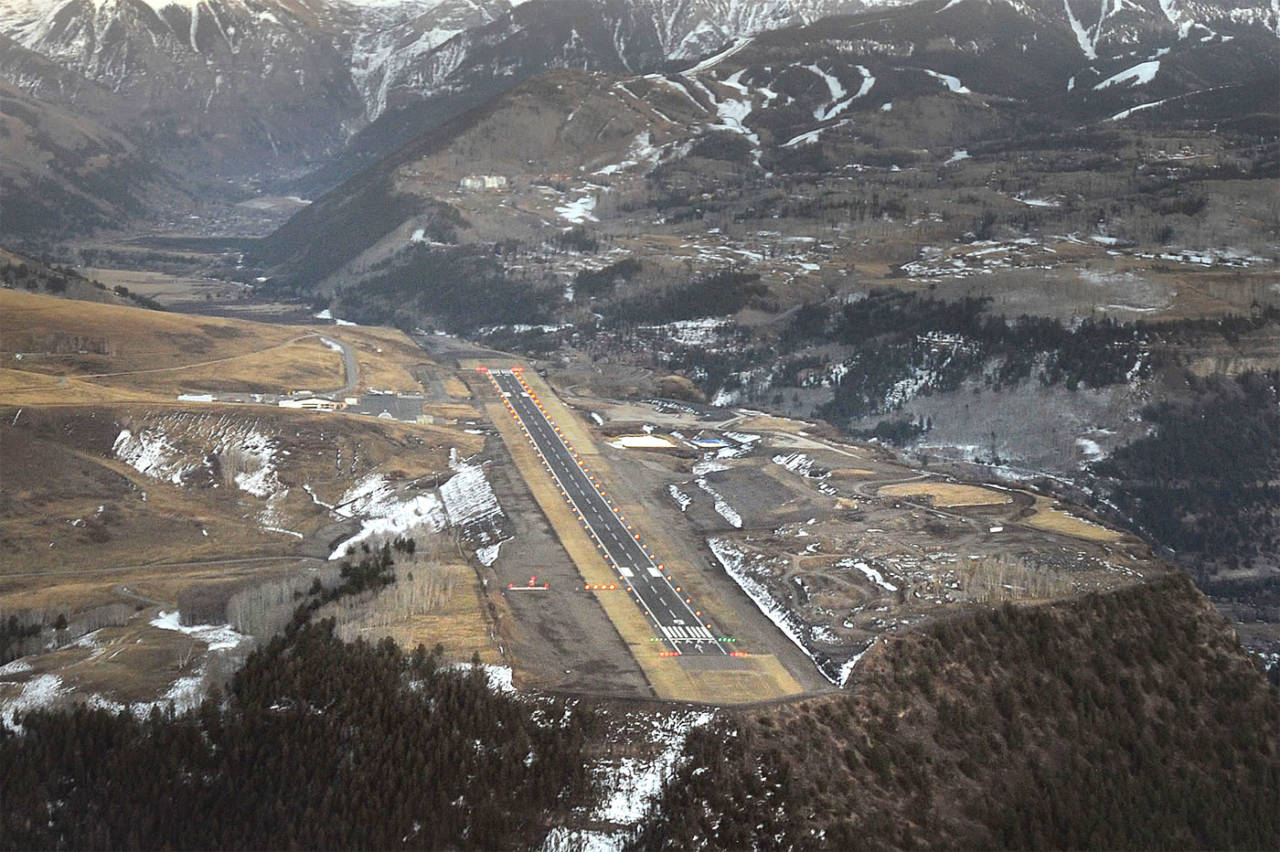
Another way to minimize your time on the roads is to fly right into one of the mountain-area airports, such as Telluride (TEX), Aspen (ASE) and Vail-Eagle (EGE), among others. Transportation from those smaller airports to the mountain resorts is generally faster, and sometimes even included with your hotel stay, though you're still at the mercy of the weather since flights to the smaller airports can be diverted or canceled in the event of severe winter weather.
So, be sure to book those trips with a credit card that has built-in trip delay protections.
Related: Credit cards that offer primary car rental coverage
Bottom line
With the increasing popularity of skiing and snowboarding, traffic to and from Colorado's ski resorts has become a major issue. While these new traction laws are intended to reduce the amount of accidents and traffic, the best way to save yourself from a major headache (and help the environment out) is by taking advantage of the many shuttle, bus or even train service that is already in place to help you get to your favorite mountain resort.
TPG featured card

at Capital One's secure site
Terms & restrictions apply. See rates & fees.
| 5X miles | Earn 5X miles on hotels, vacation rentals and rental cars booked through Capital One Travel |
| 2X miles | Earn unlimited 2X miles on every purchase, every day |
Pros
- Stellar welcome offer of 75,000 miles after spending $4,000 on purchases in the first three months from account opening. Plus, a $250 Capital One Travel credit to use in your first cardholder year upon account opening.
- You'll earn 2 miles per dollar on every purchase, which means you won't have to worry about memorizing bonus categories
- Rewards are versatile and can be redeemed for a statement credit or transferred to Capital One’s transfer partners
Cons
- Highest bonus-earning categories only on travel booked via Capital One Travel
- LIMITED-TIME OFFER: Enjoy $250 to use on Capital One Travel in your first cardholder year, plus earn 75,000 bonus miles once you spend $4,000 on purchases within the first 3 months from account opening - that’s equal to $1,000 in travel
- Earn unlimited 2X miles on every purchase, every day
- Earn 5X miles on hotels, vacation rentals and rental cars booked through Capital One Travel
- Miles won't expire for the life of the account and there's no limit to how many you can earn
- Receive up to a $120 credit for Global Entry or TSA PreCheck®
- Use your miles to get reimbursed for any travel purchase—or redeem by booking a trip through Capital One Travel
- Enjoy a $50 experience credit and other premium benefits with every hotel and vacation rental booked from the Lifestyle Collection
- Transfer your miles to your choice of 15+ travel loyalty programs
- Top rated mobile app