You've Got Mail: Chase Is Sending out 1099s for Referral Bonuses

Earlier this week, people who earned referral bonuses with AMEX saw 1099s hit their mailbox. Now, it would seem that Chase is following suit, issuing 1099s for referral bonuses earned by cardholders in 2018. Chase is valuing the points earned for referrals at 1.0 cent. (TPG's own current valuations for Chase Ultimate Rewards points is 2.0 cents.)
Generally, points and miles earned with credit cards fall under a heading of rebates, and are therefor not taxable. From what we are now seeing from Chase and American Express, it would seem that these referral bonuses are being categorized as incentives, which are taxable.
When reviewing your 1099, remember the amount on the form is not how much you owe in taxes, it is showing the value of the 'income'. How much you actually owe will be based on your tax bracket.
TPG's own JT Genter, who happens to be a CPA in Georgia, has some guidance regarding what to do if you received a 1099 for your referral bonuses. (You can read his full post about the American Express 1099s here.)
What should I do with this 1099?
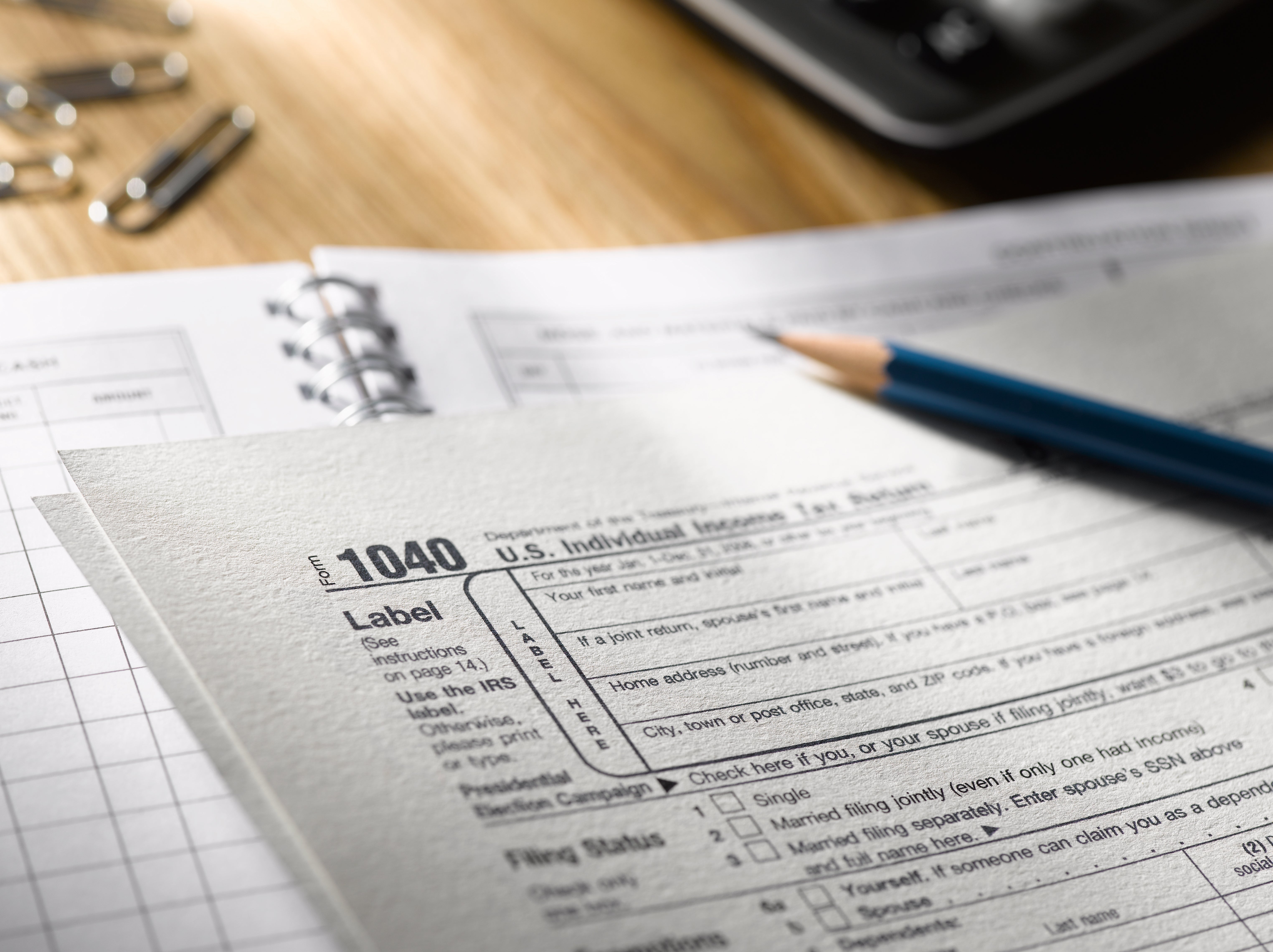
It's probably most proper for you to report on Line 21 Other Income of your Form 1040 personal tax return. An exception to that would be if you make a legitimate business out of referring people to Chase credit cards — in which case you can file on Schedule C along with any related expenses.
What if I already filed my tax return?
Unfortunately, you're going to need to file a superseding tax return to report this income — unless you want a letter from the IRS asking you why you didn't include this income. And the problem with those letters is that they usually come with penalties and interest.
What if I don't agree with the valuation of the points?

It's probably not worth fighting the valuation for this small amount of income. However, there's a prolonged tax law explanation on why these points probably aren't actually taxable yet. If you want to go down that path, you'll want to talk with a tax professional about how to do so without prompting a notice from the IRS.
Can I just ignore the 1099?
You could, but I wouldn't recommend it. As this form was — or will be — filed with the IRS, the taxman is going to expect you to report this income on your personal tax return. Ignoring it will almost certainly net you a "matching notice" letter from the IRS noting the discrepancy.
Is there anything else I can do?
You could complain to Chase about getting a 1099, and Chase might just send a corrected 1099-MISC with a lesser amount of income. For the 2016 tax year, Chase sent out 1099s reporting income for referrals before sending out a "corrected" 1099 adjusting that income amount to $0. Reaching out to Chase may not change anything, but it could be worth a shot.
JT Genter is a Certified Public Accountant (CPA) in Georgia. However, information in this article has been prepared for informational purposes only, and is not intended to provide — and should not be relied on as — tax advice. Please consult your tax professional.
H/T: One Mile at a Time
Featured Photo by Jeffrey Hamilton/Getty Images
TPG featured card

at Capital One's secure site
Terms & restrictions apply. See rates & fees.
| 5X miles | Earn 5X miles on hotels, vacation rentals and rental cars booked through Capital One Travel |
| 2X miles | Earn unlimited 2X miles on every purchase, every day |
Pros
- Stellar welcome offer of 75,000 miles after spending $4,000 on purchases in the first three months from account opening. Plus, a $250 Capital One Travel credit to use in your first cardholder year upon account opening.
- You'll earn 2 miles per dollar on every purchase, which means you won't have to worry about memorizing bonus categories
- Rewards are versatile and can be redeemed for a statement credit or transferred to Capital One’s transfer partners
Cons
- Highest bonus-earning categories only on travel booked via Capital One Travel
- LIMITED-TIME OFFER: Enjoy $250 to use on Capital One Travel in your first cardholder year, plus earn 75,000 bonus miles once you spend $4,000 on purchases within the first 3 months from account opening - that’s equal to $1,000 in travel
- Earn unlimited 2X miles on every purchase, every day
- Earn 5X miles on hotels, vacation rentals and rental cars booked through Capital One Travel
- Miles won't expire for the life of the account and there's no limit to how many you can earn
- Receive up to a $120 credit for Global Entry or TSA PreCheck®
- Use your miles to get reimbursed for any travel purchase—or redeem by booking a trip through Capital One Travel
- Enjoy a $50 experience credit and other premium benefits with every hotel and vacation rental booked from the Lifestyle Collection
- Transfer your miles to your choice of 15+ travel loyalty programs
- Top rated mobile app