California Halts High-Speed Train — Ride These Fast Trains Instead

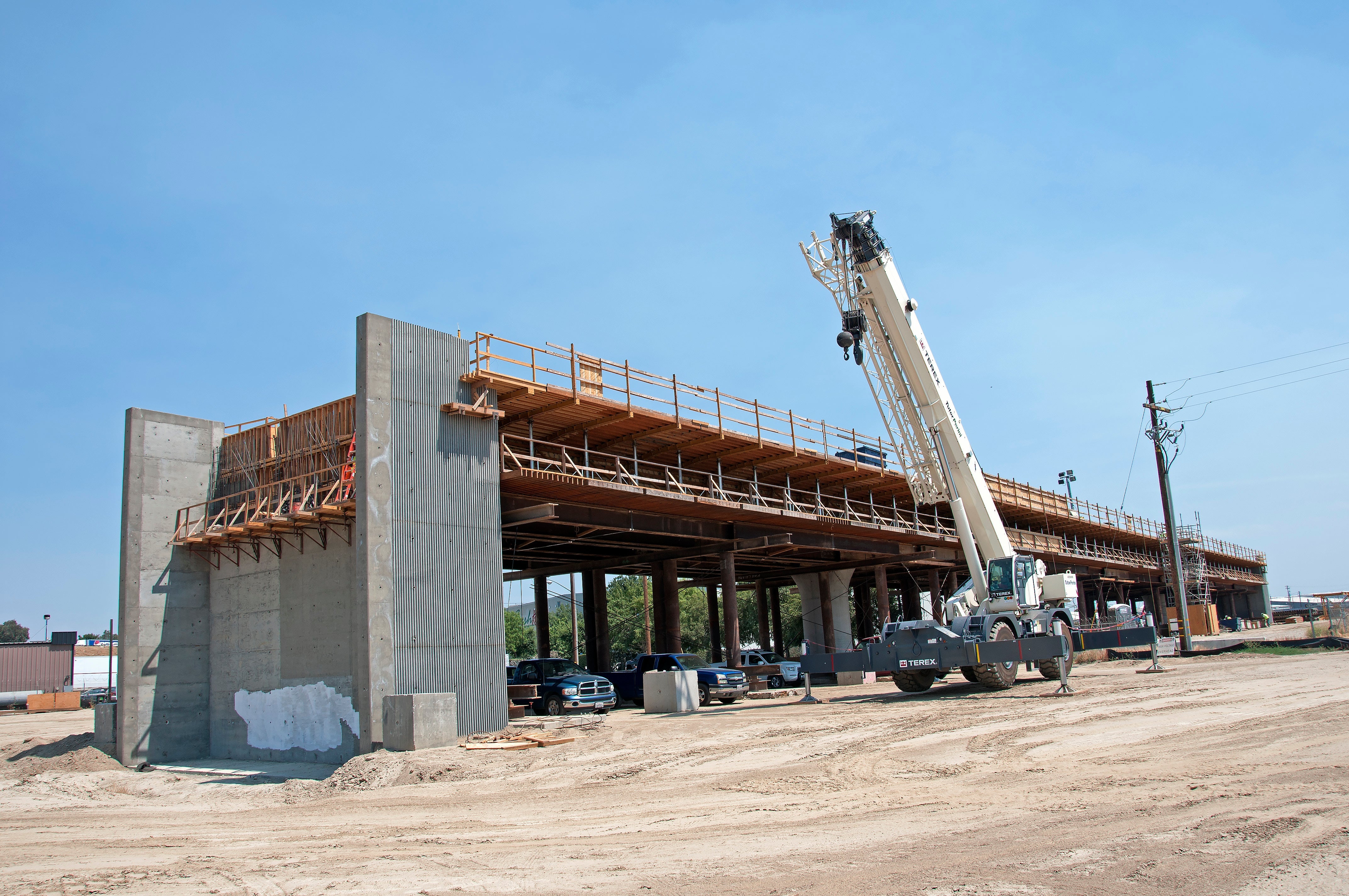
California's bullet train system is on hiatus until further notice.
In his first State of the State address Tuesday, California's new governor, Gavin Newsom, scaled back plans for the Golden State's high-speed rail project, saying that construction was costing far too much due to issues along the way.
"Let's level about the high-speed rail," Newsom told assembly members. "Let's be real, the current project as planned would cost too much and, respectfully, take too long. There's been too little oversight and not enough transparency."
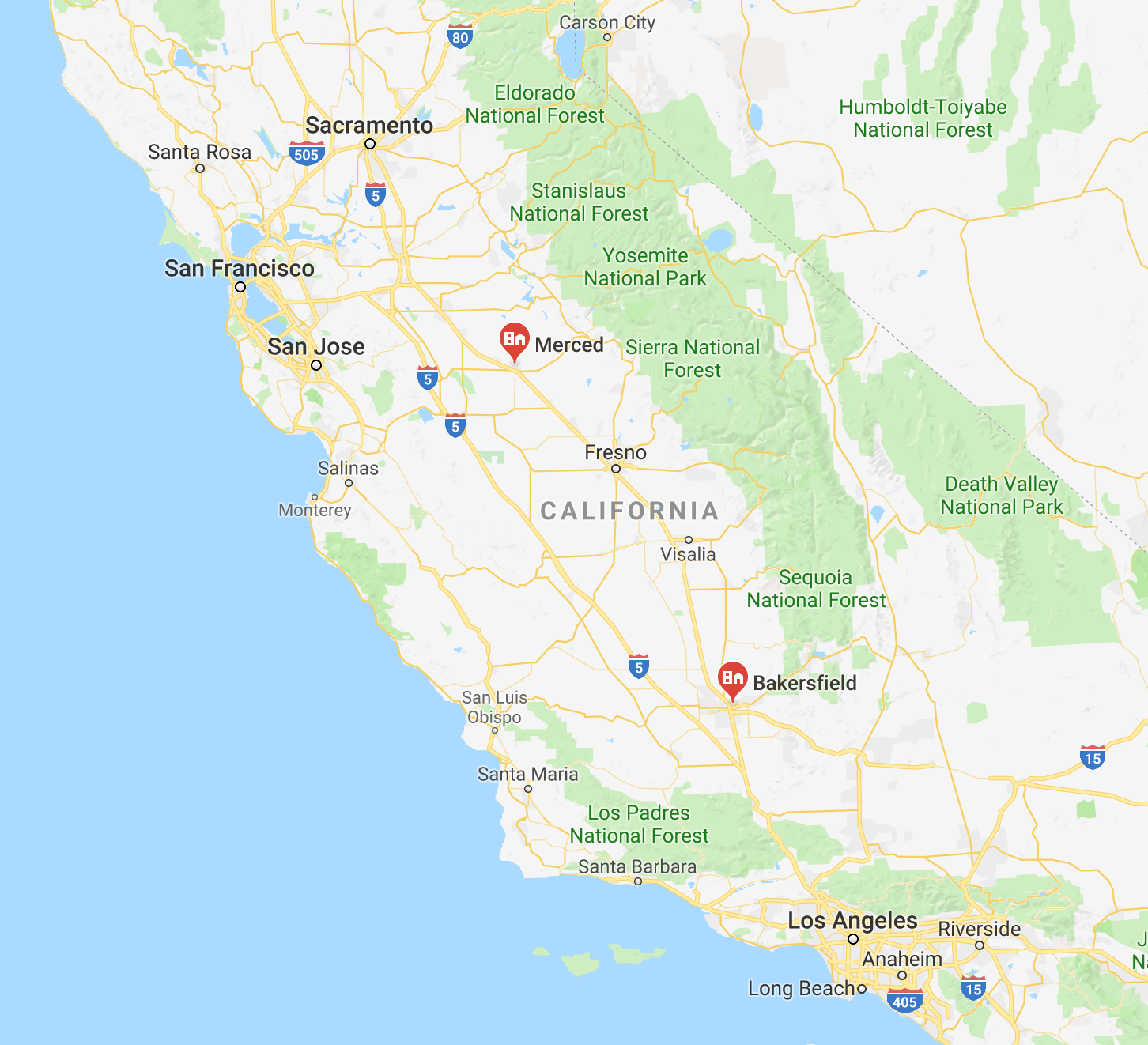
According to original plans, the California high-speed rail would have connected Los Angeles and San Francisco with an 800-mile line. Instead, the newly-elected Newsom plans to complete a 120- to 160-mile stretch of train track already under construction in the state's Central Valley region between Bakersfield and Merced.
When voters approved plans for the 800-mile bullet train system in 2008, the budget estimated that the project would be complete in 2029 at a cost of $32 billion. An initial $10 billion bond was issued to fund construction. In the midst of the financial crisis of the time, Californians were intrigued by the prospect of high-paying jobs from the project, as well as a speedy, low-cost way to travel between Los Angeles and the San Francisco Bay Area in under three hours.
But legal, environmental and political setbacks have caused costs to soar to at least double the original price tag, with 2018 estimates from the California High Speed Rail Authority pegging final costs at $77 billion. Even the initial stretch, located in the relatively flat, agriculture-heavy Central Valley and estimated to cost S6.4 billion, will cost $10 billion to finish out.

Newsom made it clear that a completed high speed rail system would still be in California's future — in days yet to come. "Abandoning the high-speed rail entirely means we will have wasted billions and billions of dollars with nothing but broken promises... and lawsuits to show for it," Newsom said. But he made it clear that the Central Valley segment will receive top priority first. "Let's get something done once and for all," he said.
California isn't the only state to have flirted with the idea of a high-speed, low-cost commute: Texas has been talking about one for years now. And Elon Musk has been working on a hyperloop concept for some time now — not strictly a train in the traditional sense, though. But if you were looking forward to speeding from the Bay to Hollywood in two hours and 40 minutes flat, you'll have to postpone those plans for a good long while. If you're in the mood to travel up to 220 miles an hour on land, plenty of global destinations will help with your high-speed fix right now.
Japan remains the golden standard of high-speed rail for its network of Shinkansen bullet trains, which brought high-speed to the world in the 1960s. The Japanese rail system can be notoriously complex, however, so make sure you plan ahead beforehand. Taiwan's 217-mile HSR system is modeled after Japan's Shinkansen in several ways, linking eight regions of the island along the western corridor through beautiful countryside scenery and industrial cityscapes. And China, despite being a latecomer to the bullet-train game, boasted the world's largest high-speed rail network by the end of 2018, with a whopping 18,000 miles of track accounting for approximately two-thirds of the world's total. Not content to settle for one superlative, China has also held the top two slots in the "world's fastest train" rankings for several years now, with the Shanghai Maglev topping out at a maximum operating speed of 267.8 mph.
Meanwhile, many parts of Europe have laid a beautiful track infrastructure connecting most regions of the continent that makes rail travel far easier than air travel for several types of travelers. Last year, SmarterTravel listed 10 train routes across Europe that were faster than flying, including between London and Paris, Florence and Naples, and Madrid and Valencia.
And coming back closer to home, Amtrak is making an effort to bring regular trains up to speed, although they still won't touch China's Maglev. They'll be closer to Taiwan's THSR 700T, which tops out at 186.4 mph. Most of the US's trains still run on 40-year-old technology, but Amtrak is launching a new, upgraded line of Acela Express trains set to hit tracks by 2021. At top speed, the Acela Express can go up to 186 mph, but will usually operate at speeds up to 160 mph in the Northeast Corridor connecting Washington DC, Philadelphia, New York City and Boston.
TPG featured card

at Capital One's secure site
Terms & restrictions apply. See rates & fees.
| 5X miles | Earn 5X miles on hotels, vacation rentals and rental cars booked through Capital One Travel |
| 2X miles | Earn unlimited 2X miles on every purchase, every day |
Pros
- Stellar welcome offer of 75,000 miles after spending $4,000 on purchases in the first three months from account opening. Plus, a $250 Capital One Travel credit to use in your first cardholder year upon account opening.
- You'll earn 2 miles per dollar on every purchase, which means you won't have to worry about memorizing bonus categories
- Rewards are versatile and can be redeemed for a statement credit or transferred to Capital One’s transfer partners
Cons
- Highest bonus-earning categories only on travel booked via Capital One Travel
- LIMITED-TIME OFFER: Enjoy $250 to use on Capital One Travel in your first cardholder year, plus earn 75,000 bonus miles once you spend $4,000 on purchases within the first 3 months from account opening - that’s equal to $1,000 in travel
- Earn unlimited 2X miles on every purchase, every day
- Earn 5X miles on hotels, vacation rentals and rental cars booked through Capital One Travel
- Miles won't expire for the life of the account and there's no limit to how many you can earn
- Receive up to a $120 credit for Global Entry or TSA PreCheck®
- Use your miles to get reimbursed for any travel purchase—or redeem by booking a trip through Capital One Travel
- Enjoy a $50 experience credit and other premium benefits with every hotel and vacation rental booked from the Lifestyle Collection
- Transfer your miles to your choice of 15+ travel loyalty programs
- Top rated mobile app