Are In-Flight Entertainment Screens Going Extinct?
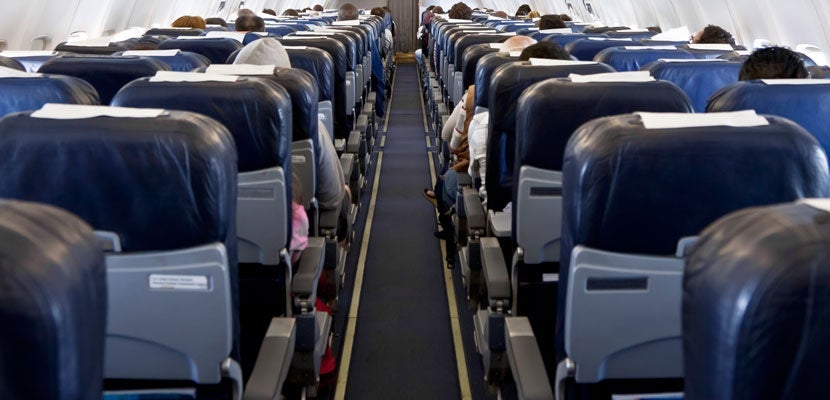
Bloomberg recently reported that American Airlines would accept delivery of new Boeing 737 domestic aircraft without in-flight entertainment (IFE) screens on the back of every seat. Nowadays, some of America's biggest carriers, including Southwest and United, are streaming movies and TV shows as part of their in-flight internet options — on passengers' devices. Although this may go against conventional wisdom for those who came of age when in-flight entertainment was a vital part of the flying experience, the IFE screens we've come to expect overhead or on every seat back are disappearing. Will seat-back entertainment screen become a thing of the past? As technology and consumer habits change, airlines are thinking much more critically about what was once considered to be a vital facet of the customer experience. Let's take a closer look.
Has New Technology Replaced the Need for Screens?
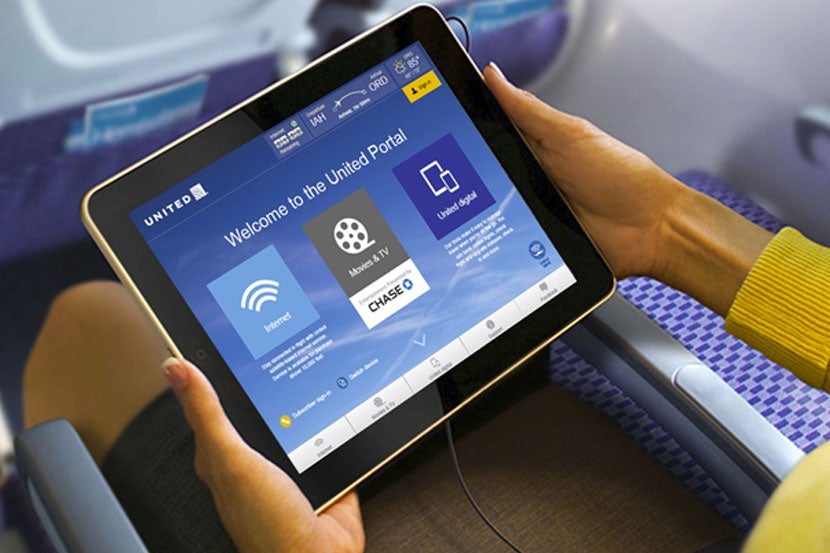
One of the leading arguments for either removing screens from aircraft or not installing them in the factory is the relentless progress of technology. When Southwest began offering live television service via personal devices on Wi-Fi-equipped Boeing 737 aircraft back in 2012, the airline boasted about the flexibility it enjoyed working through a digital partner. Three years later, United Airlines began offering in-flight entertainment for iOS and Android devices on new Embraer E-175 aircraft, saying that broadcasting entertainment directly to the passenger added to the passenger experience.
With the growth in mobile technology, the airlines anticipated a growth of smartphone and tablet usage among target customers. They were right: More Americans are using smartphones, tablets and personal computers as part of their everyday lives. According to the Pew Research Center, 68% of American adults own a smartphone, while 45% own a tablet computer. And the highest concentration is among the airlines' target customer base: college-educated people between 18 and 49 who earn more than $50,000 in household income.
More In-Flight Internet Means More Options
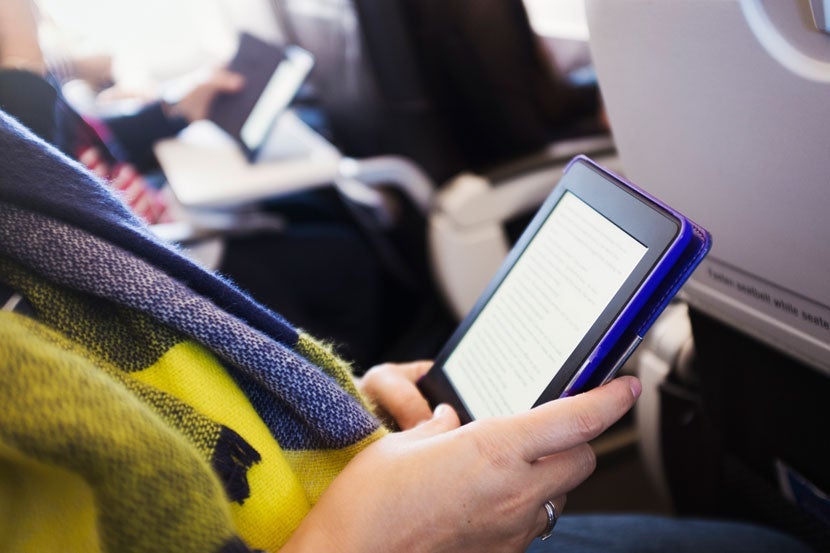
As onboard internet service improves and more people carry on at least one personal device capable of streaming video or other entertainment, IFE systems are looking less and less desirable to passengers for a variety of reasons. In 2014, in-flight wireless provider Gogo surveyed travelers about their entertainment habits in the air and found that 76% of passengers carried a personal device onboard while 33% used more than one during the flight. Moreover, passengers were apt to use their own devices to connect to wireless internet rather than use the IFE system.
Visual entertainment was still on the forefront of most passengers' minds when they took to the skies. In its 2016 annual Global Passenger Survey, the International Air Transport Association found the top activities for long-haul flyers were (in order): watching movies, sleeping or eating and drinking. (Note that watching movies was second on the list of short-haul flyers' preferred activities). Because movies are still at the top of passengers' entertainment lists, a majority (51%) told IATA they would use their own devices rather than a seat-back screen to stream films from the IFE system, an increase of 12% from 2015.
Aircraft Without Screens Are Cheaper to Operate
Airlines benefit from getting rid of built-in screens, too: Passing the device obligation from the carrier to the passenger decreases airline overhead and aircraft downtime. When Lufthansa began offering its wireless IFE solution, BoardConnect, the airline discovered it could reduce weight by decreasing the amount of equipment carried aboard. For the four-engine Airbus A340-600 carrying up to 380 passengers, the reduction in weight allowed the aircraft to save 47 metric tons (that is, roughly 103,617 pounds) of fuel per year. The technical wing of the German carrier noted the reduced weight came from removing screens from aircraft, which also reduced maintenance.

The cost savings from not maintaining as many screens aboard aircraft is significant as well, since IFE provider VTX estimates it can cost up to $6,000 replace a single seat-back screen. When spread across 380 seats, maintenance costs balloon to more than $2.2 million per vessel. With so much money saved in fuel and maintenance, it's no wonder airlines are pushing more toward streaming IFE.
The Downside of Disappearing IFE Screens
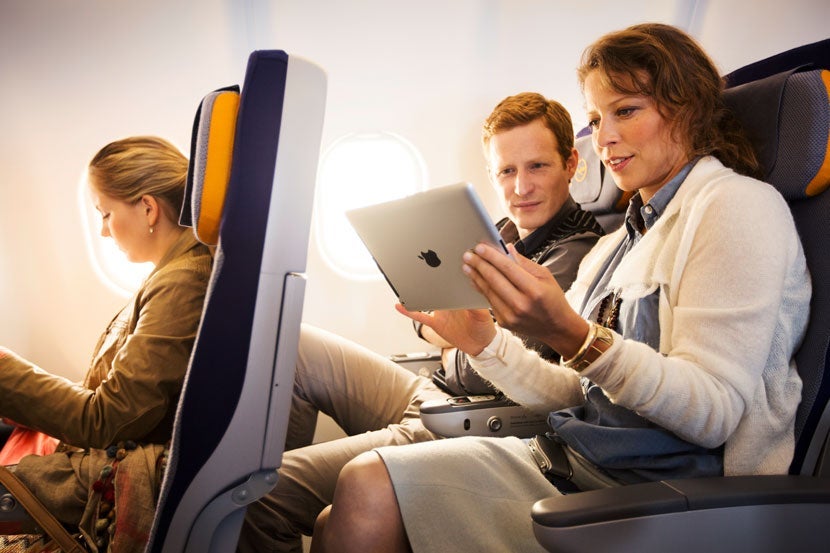
Although there are many benefits to using having passengers stream IFE via their personal devices, there are concerns, namely regarding compatibility and security. When United began offering streaming IFE options for passengers, programs were only offered for laptop computers and those with Apple devices. Only in late 2014 were Android devices eventually added to the list despite Androids being the most popular smartphones at the time. Then there's the potential for hacking. In December 2016, technology security firm IOActive discovered vulnerabilities in Panasonic Avionics' IFE systems ranging from credit card authorizations to frequent flyer information. Panasonic was immediately notified so the flaws could be patched.
Still, it seems the future belongs to streaming systems. The seat-back screen will be a sacrifice to convenience and cost savings for airlines, something that will be done in the name of improving the overall passenger experience.
TPG featured card

at Capital One's secure site
Terms & restrictions apply. See rates & fees.
| 5X miles | Earn 5X miles on hotels, vacation rentals and rental cars booked through Capital One Travel |
| 2X miles | Earn unlimited 2X miles on every purchase, every day |
Pros
- Stellar welcome offer of 75,000 miles after spending $4,000 on purchases in the first three months from account opening. Plus, a $250 Capital One Travel credit to use in your first cardholder year upon account opening.
- You'll earn 2 miles per dollar on every purchase, which means you won't have to worry about memorizing bonus categories
- Rewards are versatile and can be redeemed for a statement credit or transferred to Capital One’s transfer partners
Cons
- Highest bonus-earning categories only on travel booked via Capital One Travel
- LIMITED-TIME OFFER: Enjoy $250 to use on Capital One Travel in your first cardholder year, plus earn 75,000 bonus miles once you spend $4,000 on purchases within the first 3 months from account opening - that’s equal to $1,000 in travel
- Earn unlimited 2X miles on every purchase, every day
- Earn 5X miles on hotels, vacation rentals and rental cars booked through Capital One Travel
- Miles won't expire for the life of the account and there's no limit to how many you can earn
- Receive up to a $120 credit for Global Entry or TSA PreCheck®
- Use your miles to get reimbursed for any travel purchase—or redeem by booking a trip through Capital One Travel
- Enjoy a $50 experience credit and other premium benefits with every hotel and vacation rental booked from the Lifestyle Collection
- Transfer your miles to your choice of 15+ travel loyalty programs
- Top rated mobile app