An exclusive behind-the-scenes look at a few of the most important Amtrak operations centers


As passenger traffic on trains finally approaches pre-coronavirus pandemic numbers, Amtrak is in the middle of a major modernization push. That's thanks, in part, to a surge of new funding from the $1 trillion bipartisan infrastructure bill signed by President Joe Biden in November of 2021.
The $66 billion set aside for rail projects is the largest investment in passenger service since the creation of Amtrak in 1971, according to the White House. It's being used by Amtrak to help modernize its fleet and fix longstanding repair issues. It's also fueling a push to expand passenger rail service to new routes around the country and speed up service on existing lines, as TPG reported back in June.
While several areas are benefitting from the infrastructure bill, multiple projects in the Northeast — including the high-speed Acela trains that travel the nation's busiest rails between Boston and Washington, D.C. — are getting worked on as a result of the funds.
Related: A 1st look at Amtrak's spiffy new Acela trains
TPG got an exclusive opportunity to go behind the scenes at Amtrak to see how all of Amtrak's latest projects are coming together at two of its operations centers and a training facility in Delaware. Here's some of what we saw.
Amtrak Consolidated National Operations Center
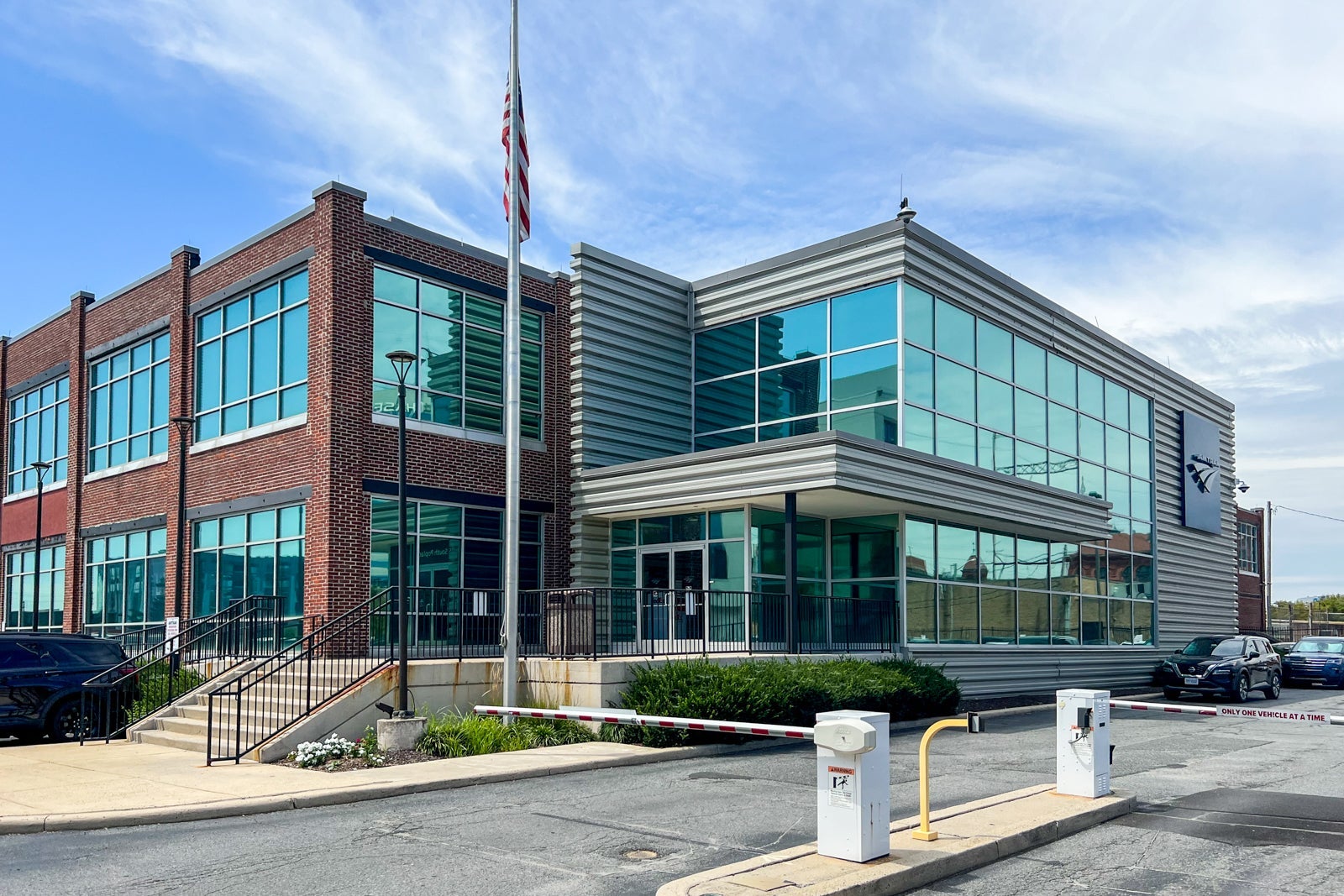
Amtrak's Consolidated National Operations Center is a massive 50,000-square-foot facility where Amtrak oversees all national operations. The building, which is full of technology, opened in 1998, but the railroad tells me an even more advanced facility is in the early planning stages.
The inside of the facility looks similar to a 24-hour cable newsroom. It's filled with workers busy answering phones and typing into terminals. The team oversees operations of more than 20,000 miles of tracks in some 500 destinations spread across 46 states and three Canadian provinces.
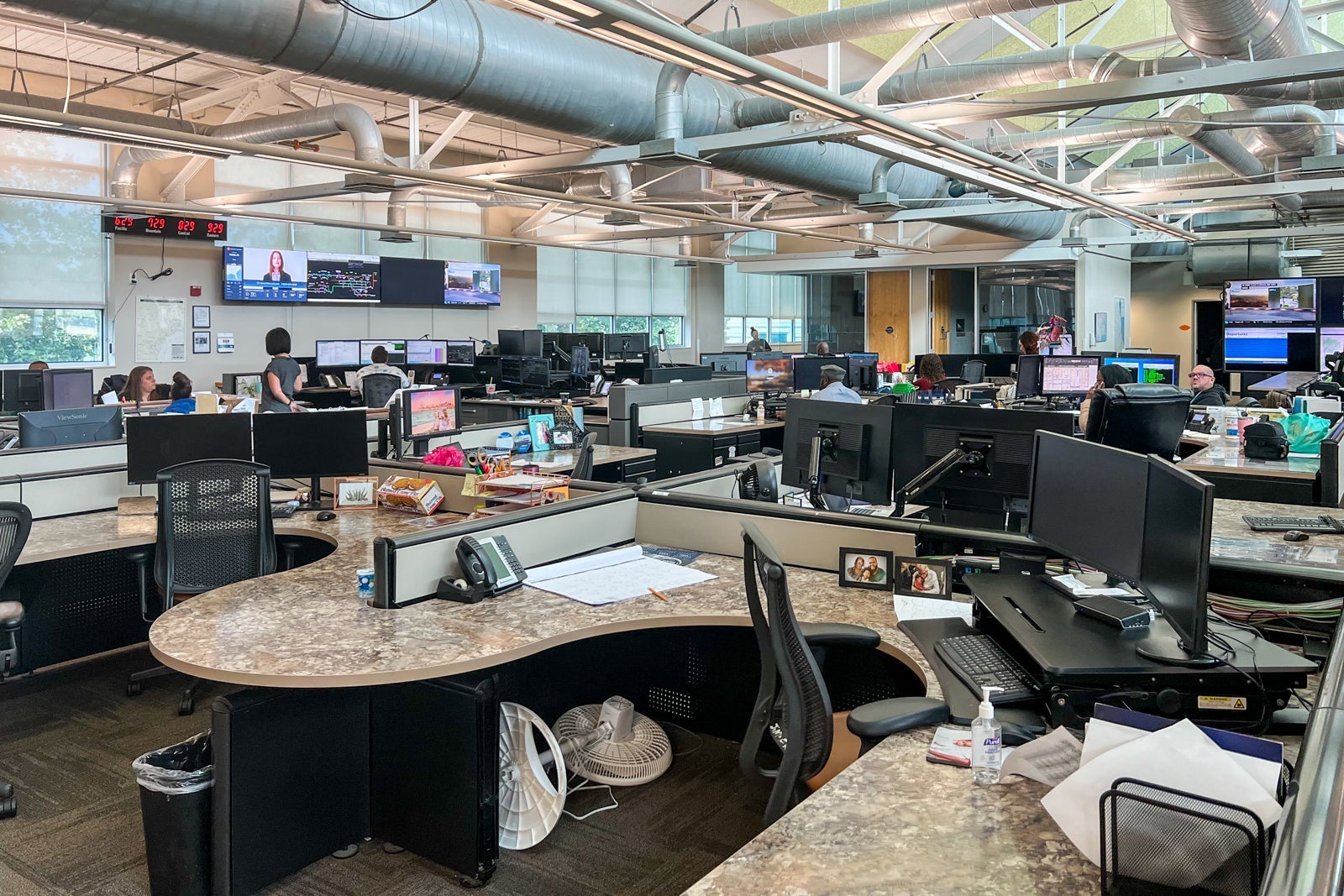
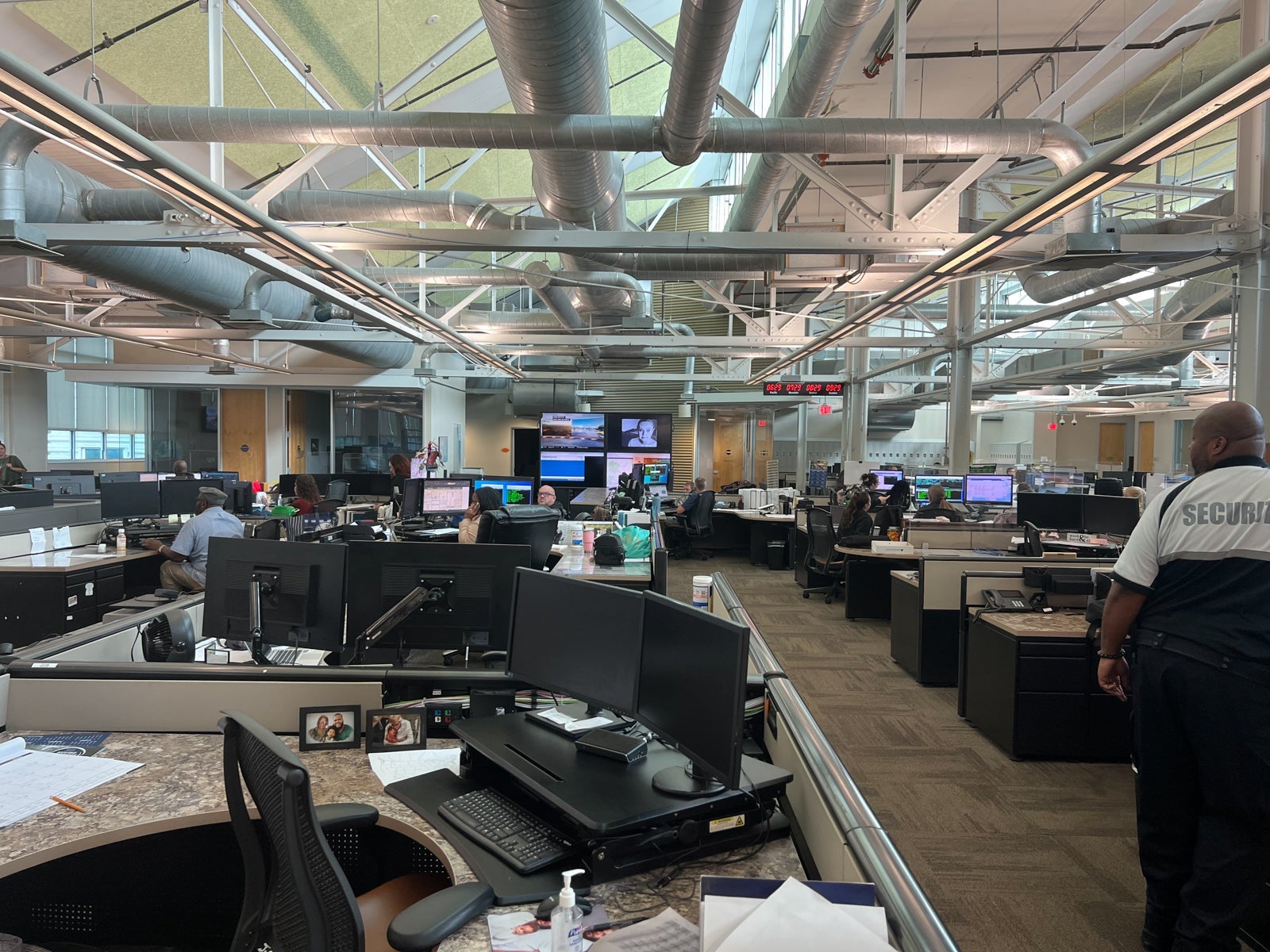
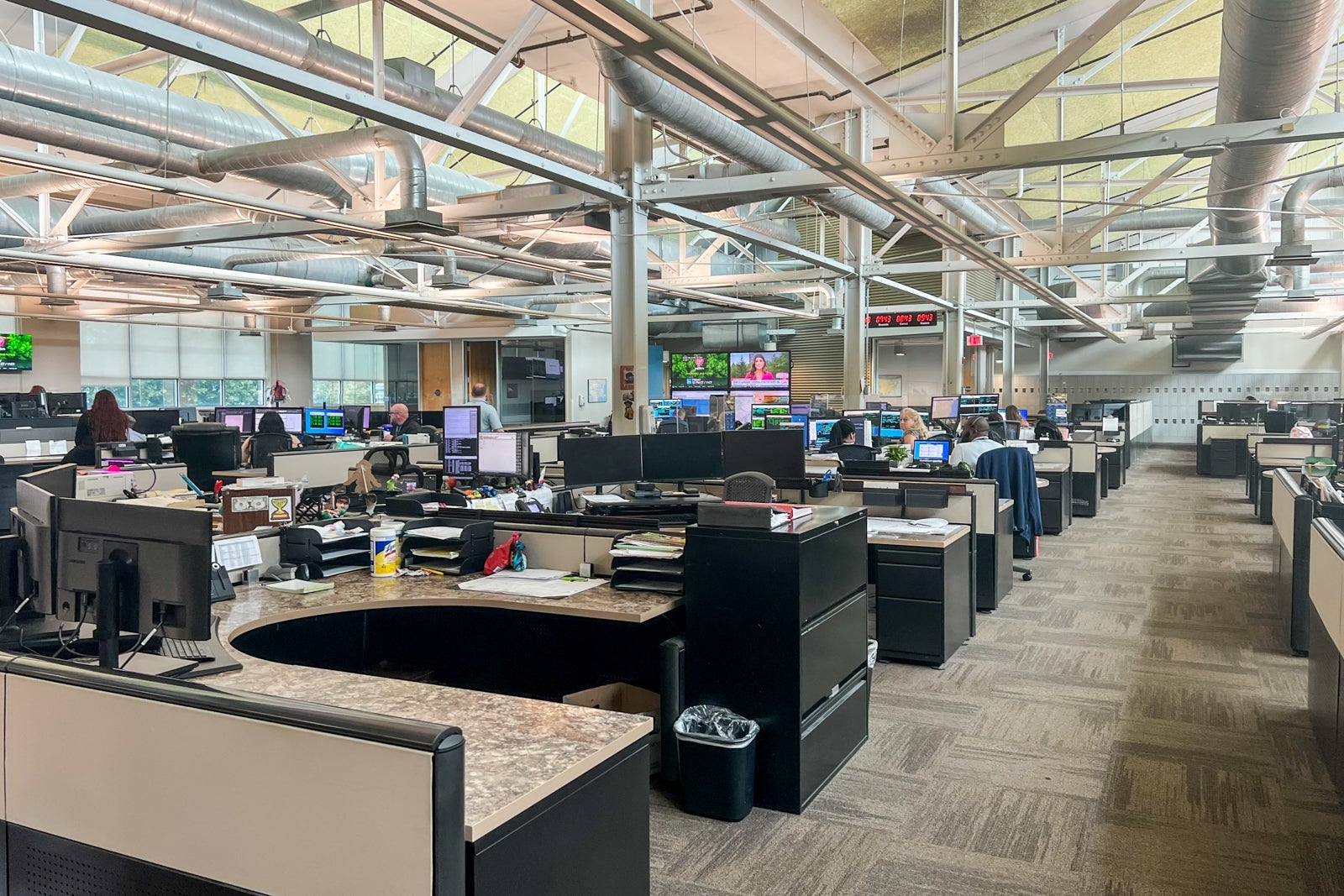
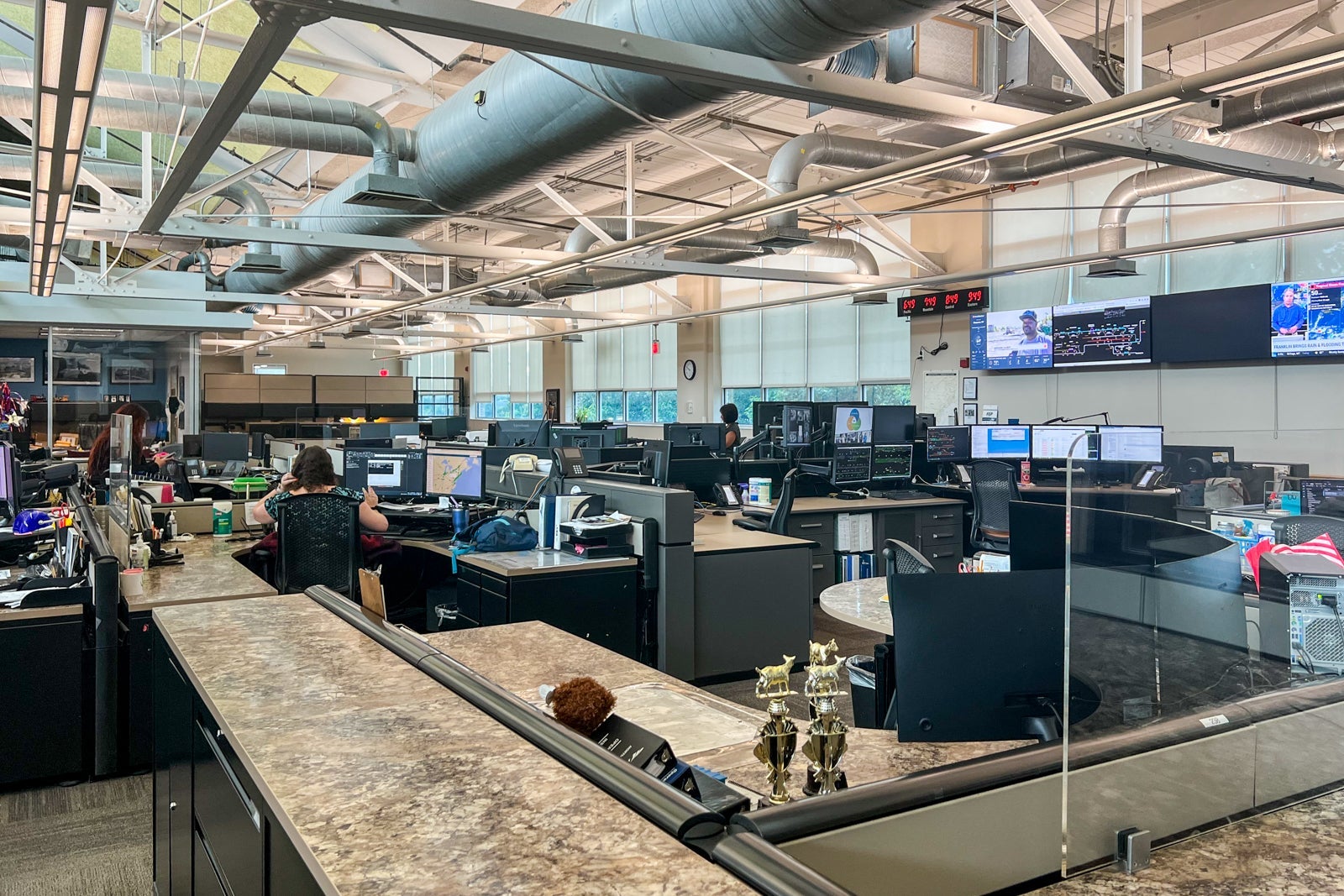
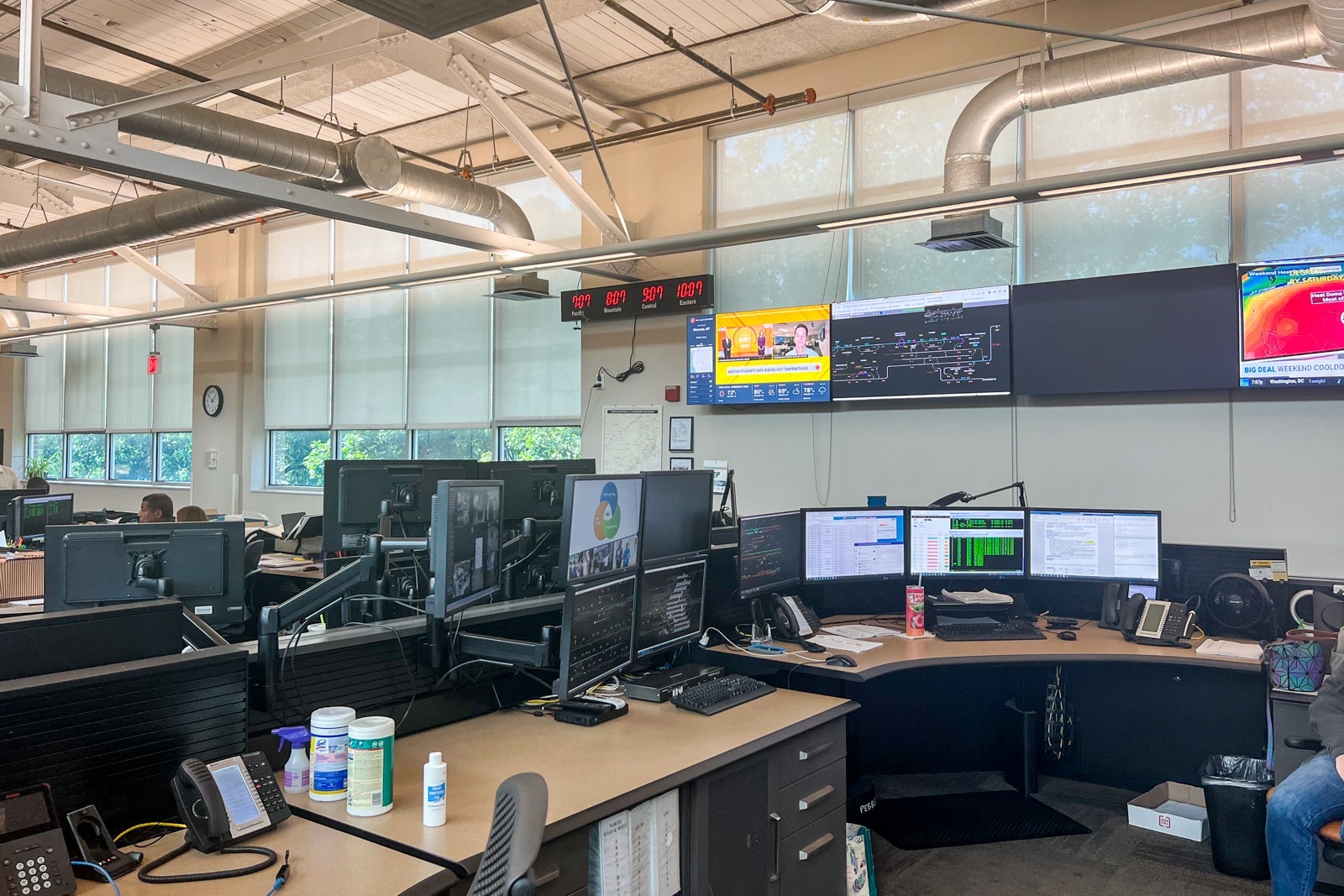
Should problems arise or irregular operations occur, this is where teams gather to sort them out. There's coordination between stations and other traffic centers across the country, including in Oakland, California, and Chicago.
Related: Amtrak orders more new trains to meet growing demand

Amtrak Centralized Electrification and Traffic Control
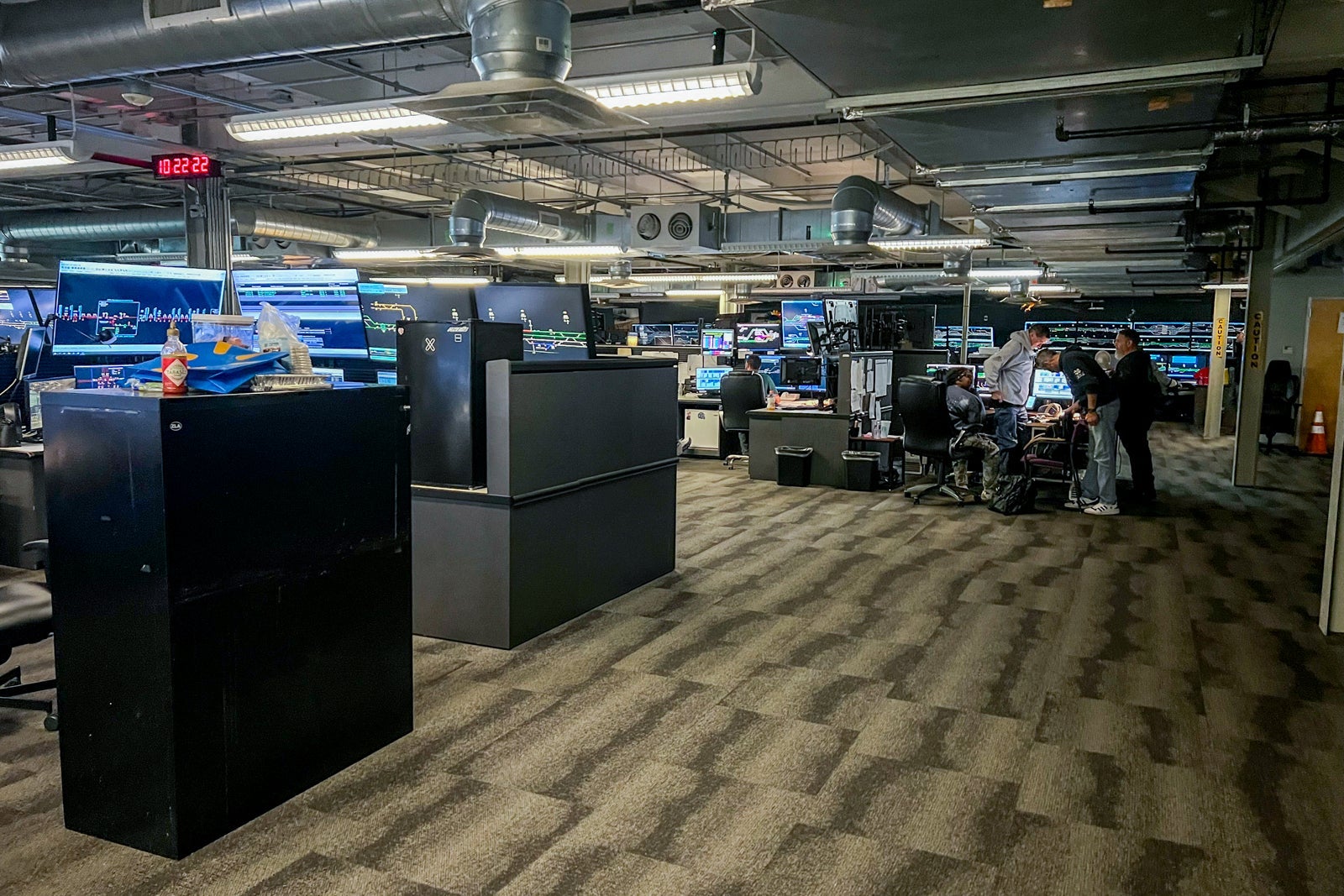
Occupying the same building as the CNOC is Amtrak's Centralized Electrification and Traffic Control center. Sitting on a lower floor, the regional CETC facility helps direct train traffic on the south end of the Northeast Corridor.
Unlike the CNOC area, the CETC section is very dark, with little natural light. However, the lack of light makes it easier to see the important monitors and maps the CETC team keeps a close eye on. Massive screens show the railroad tracks and if they are clear of trains or if trains are about to enter various parts of the system.
There are numerous enclosed work areas for the various sections of the tracks that go from New Jersey to Washington's Union Station. Everyone has their own slice of the system they are monitoring.
Related: Amtrak unveils new train cars with plenty for customers to love
Amtrak High-Speed Rail Training Facility
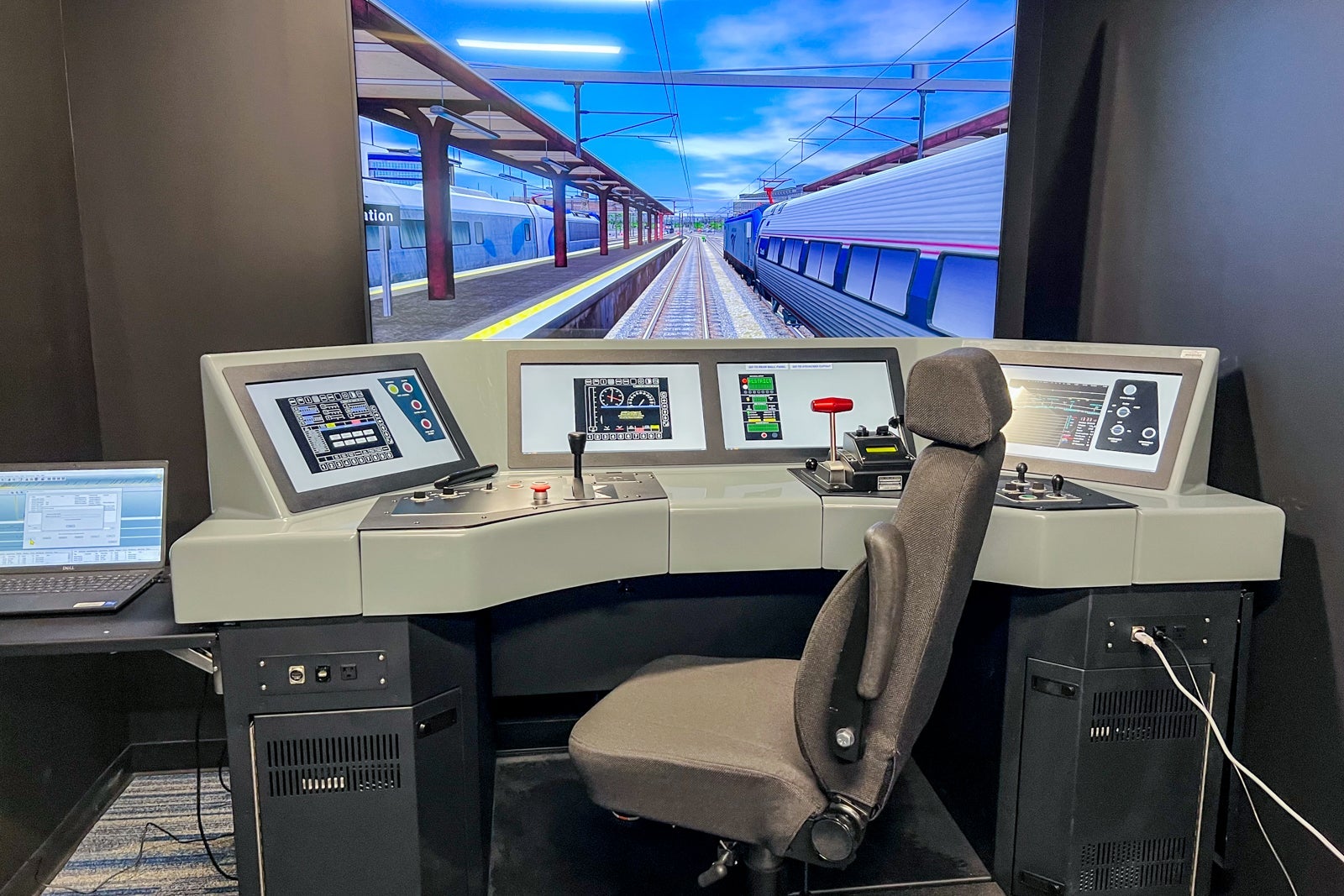
A highlight of the tour was seeing Amtrak's High-Speed Rail Training Facility. It's housed in a nondescript office building where you'll find future engineers training on simulators and getting lessons in a series of nine classrooms.
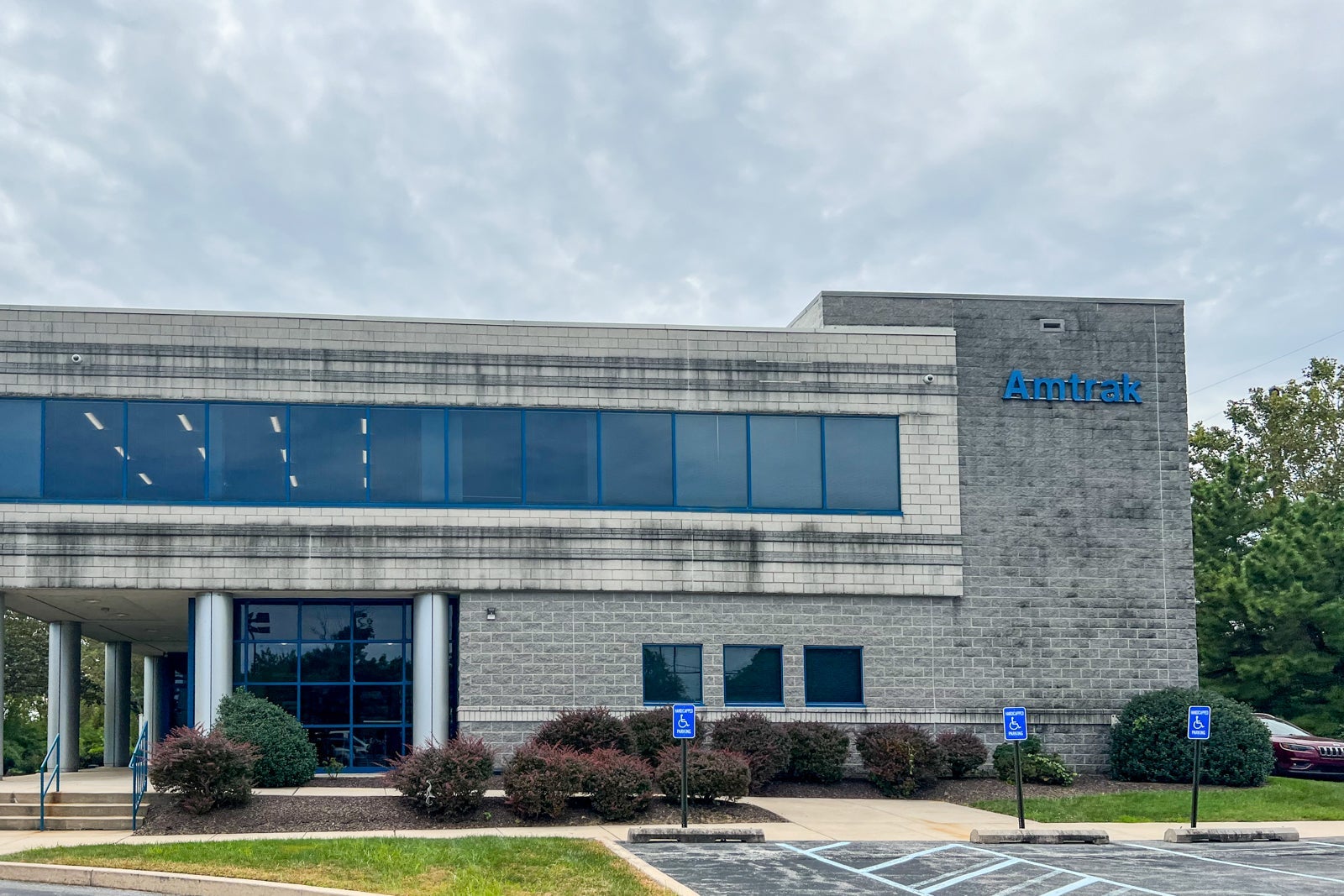
Acela trains its engineers, conductors and even onboard employees here. Training can last as long as 11 weeks, depending on the role. The team has been on a hiring spree, according to employees, with so many students nowadays that they've had to move some lessons off-site.
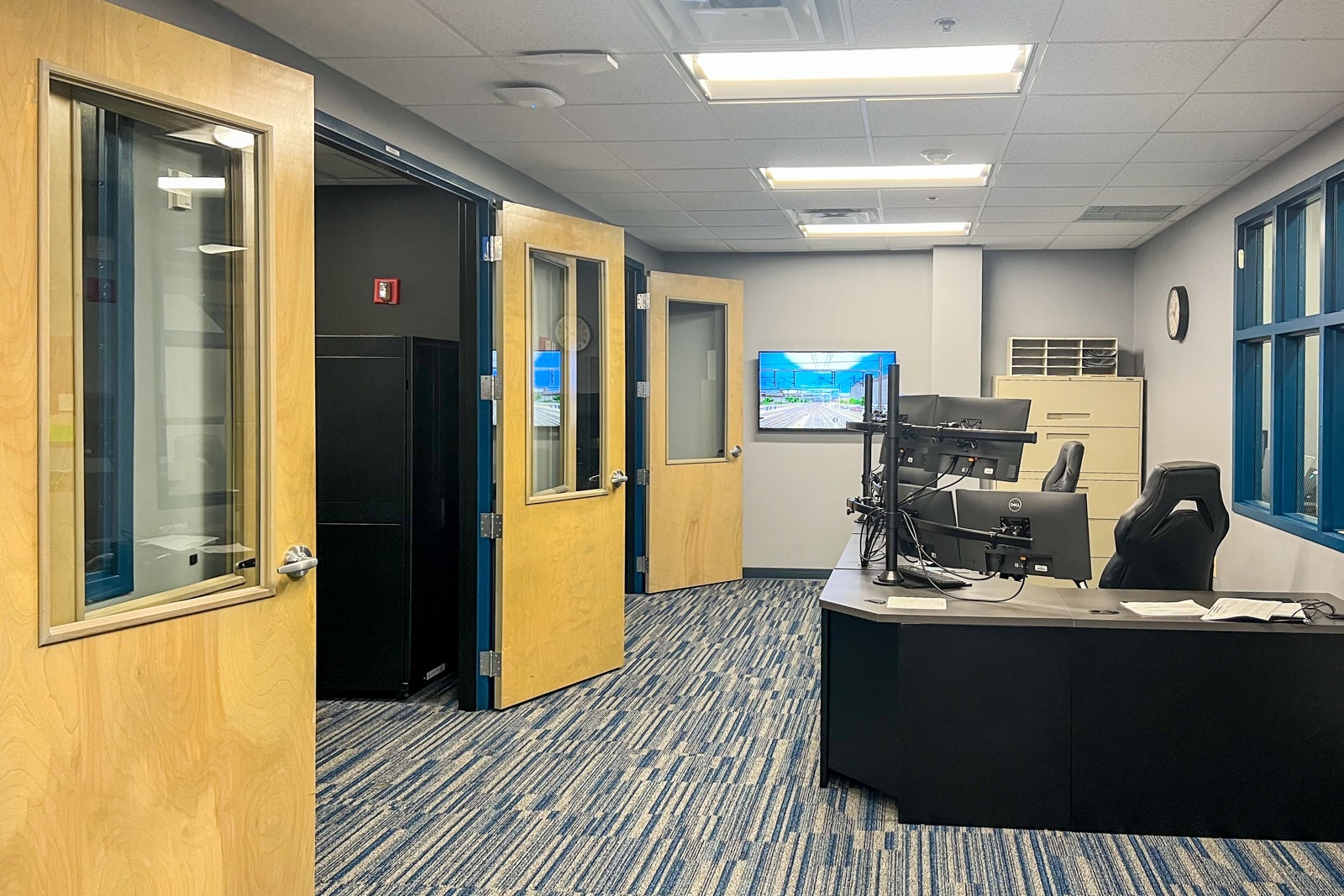
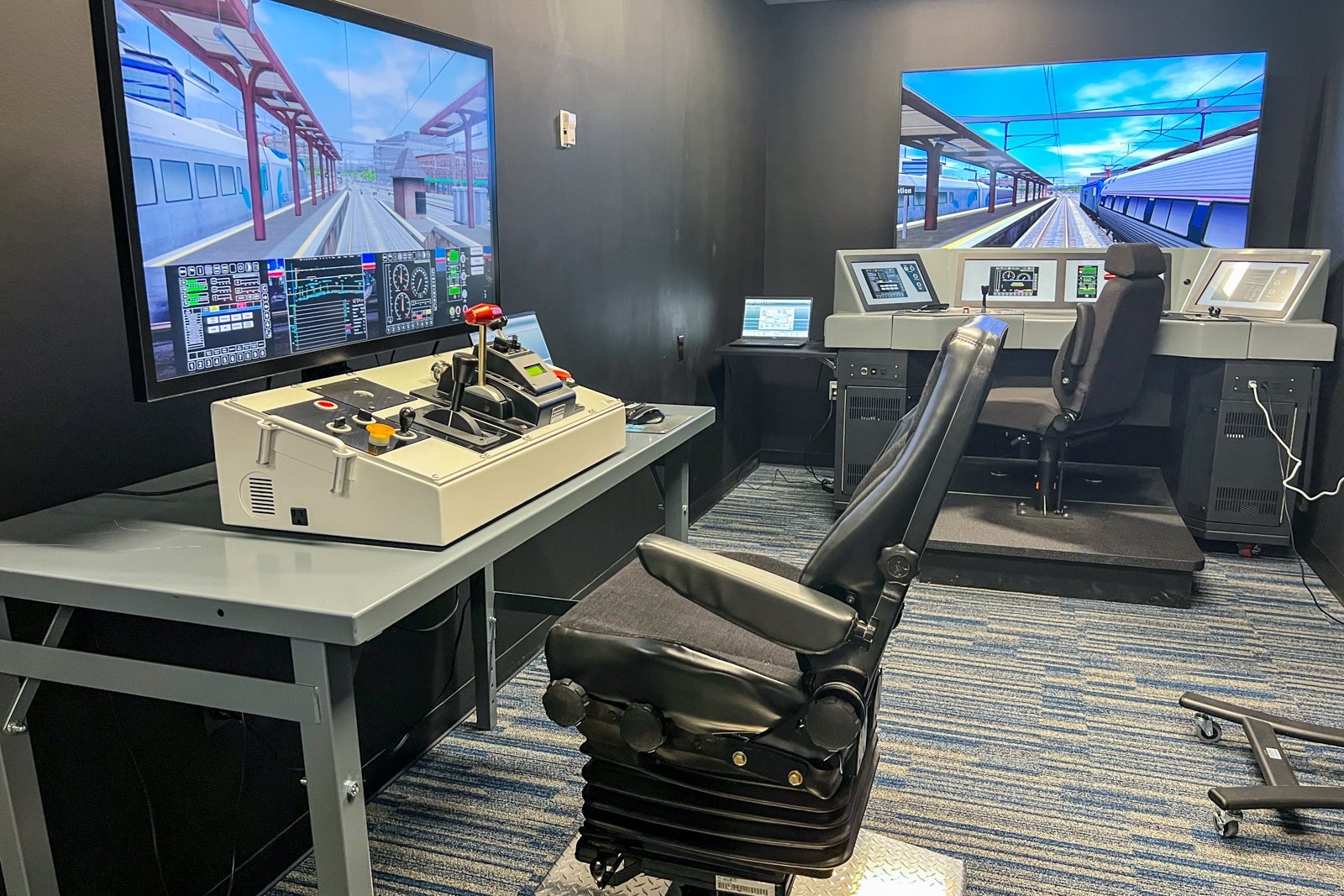
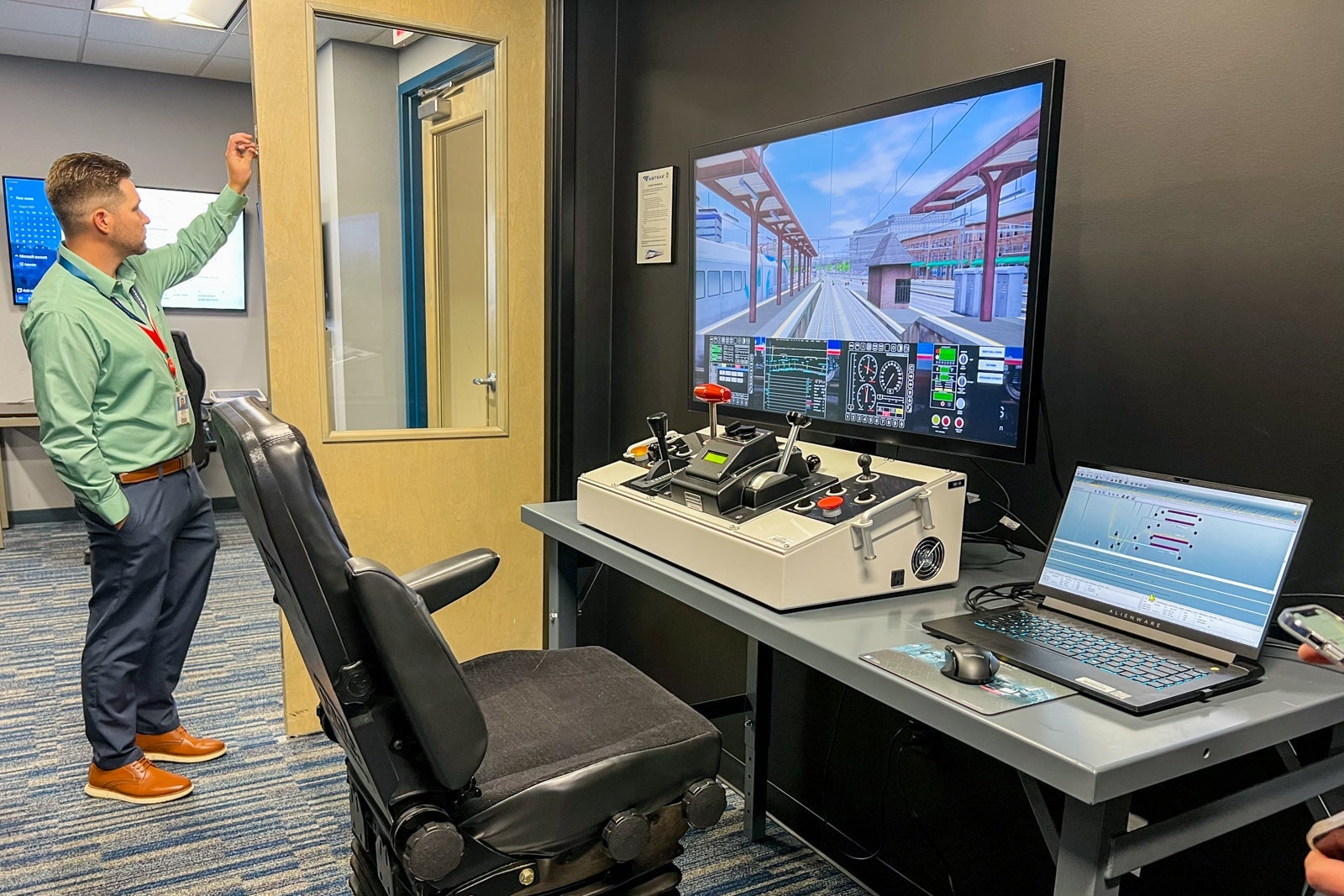
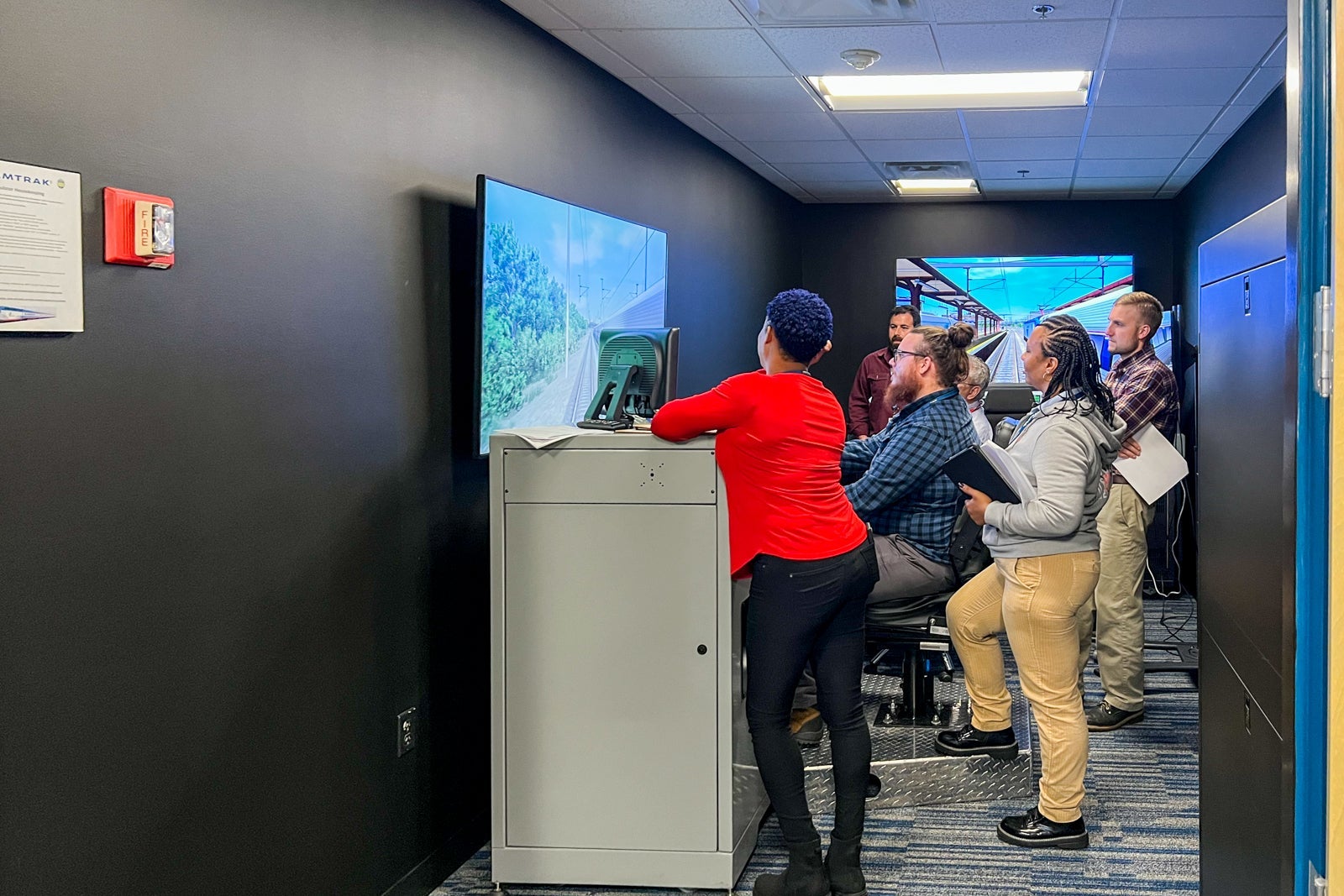
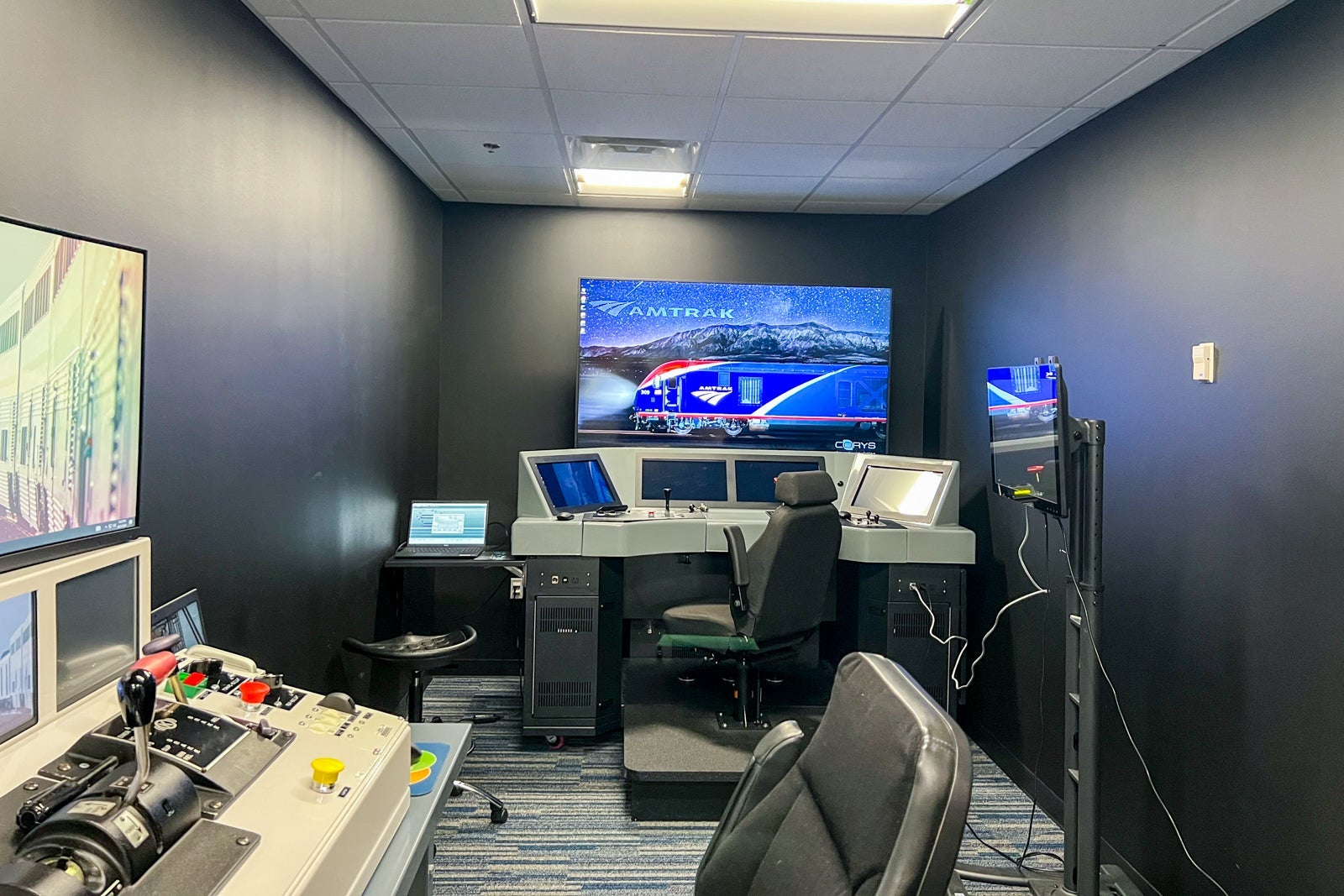
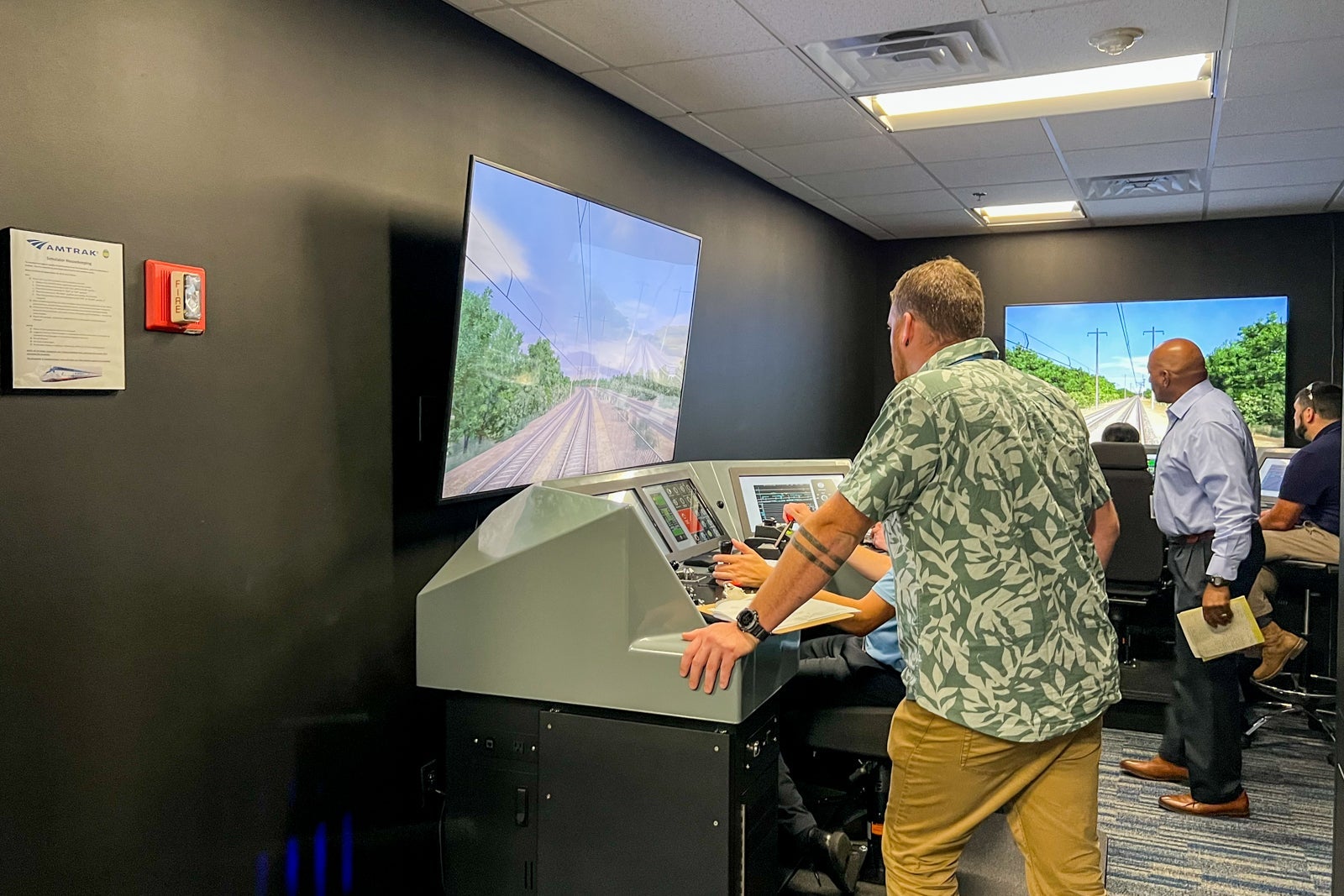
During their time at the training center, students learn how trains work, how to safely operate trains and how to physically work with train sets, railroad tracks and other equipment. They also learn the ins and outs of checking for problems and troubleshooting them as they arise.
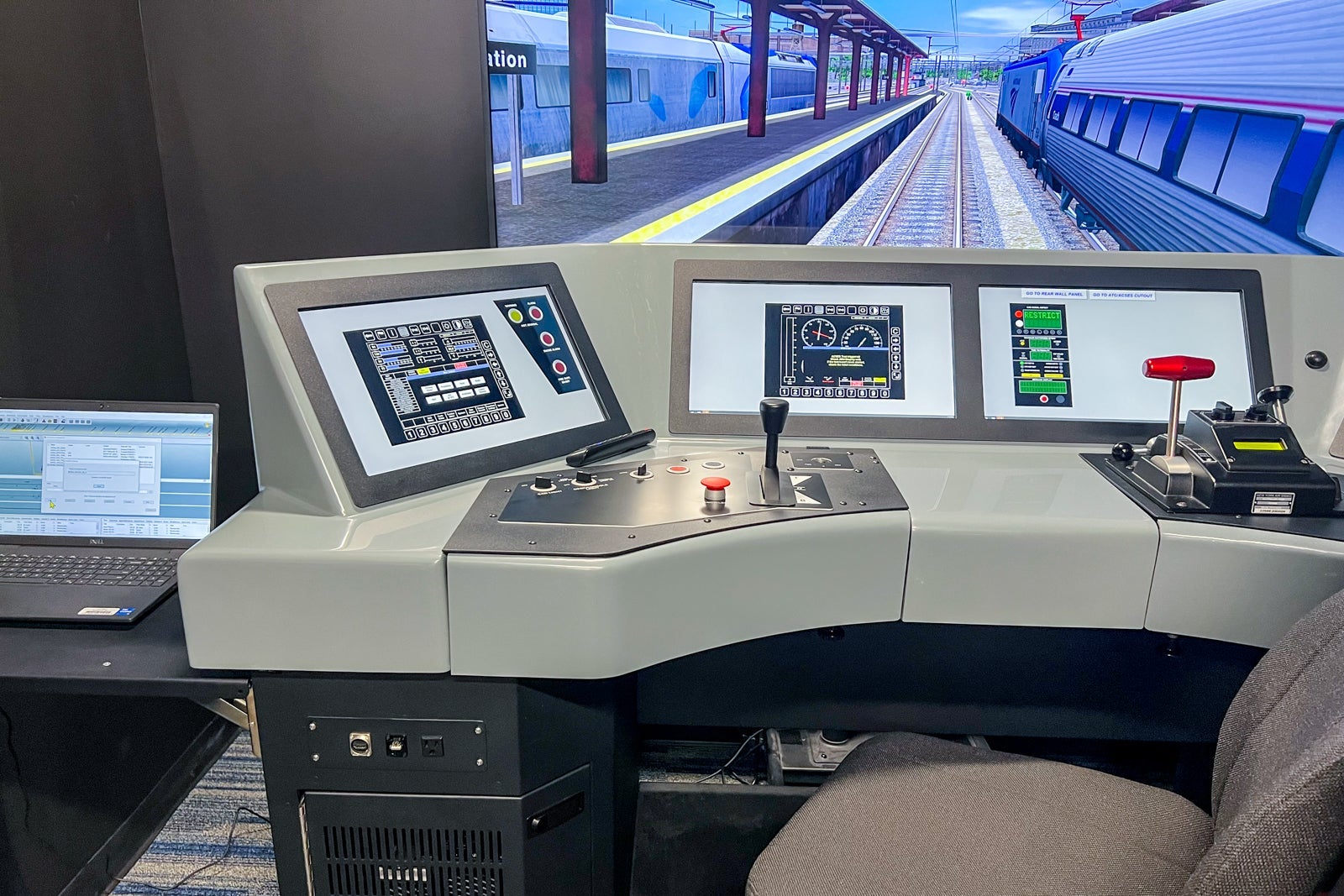
There are several simulators we got to see, but the coolest one by far was the full-scale motion simulator that gives engine drivers (engineers) and conductors a chance to sit in the driver's seat and see what it's like to be in control of one of the fancy new Acela train sets by Alstom.
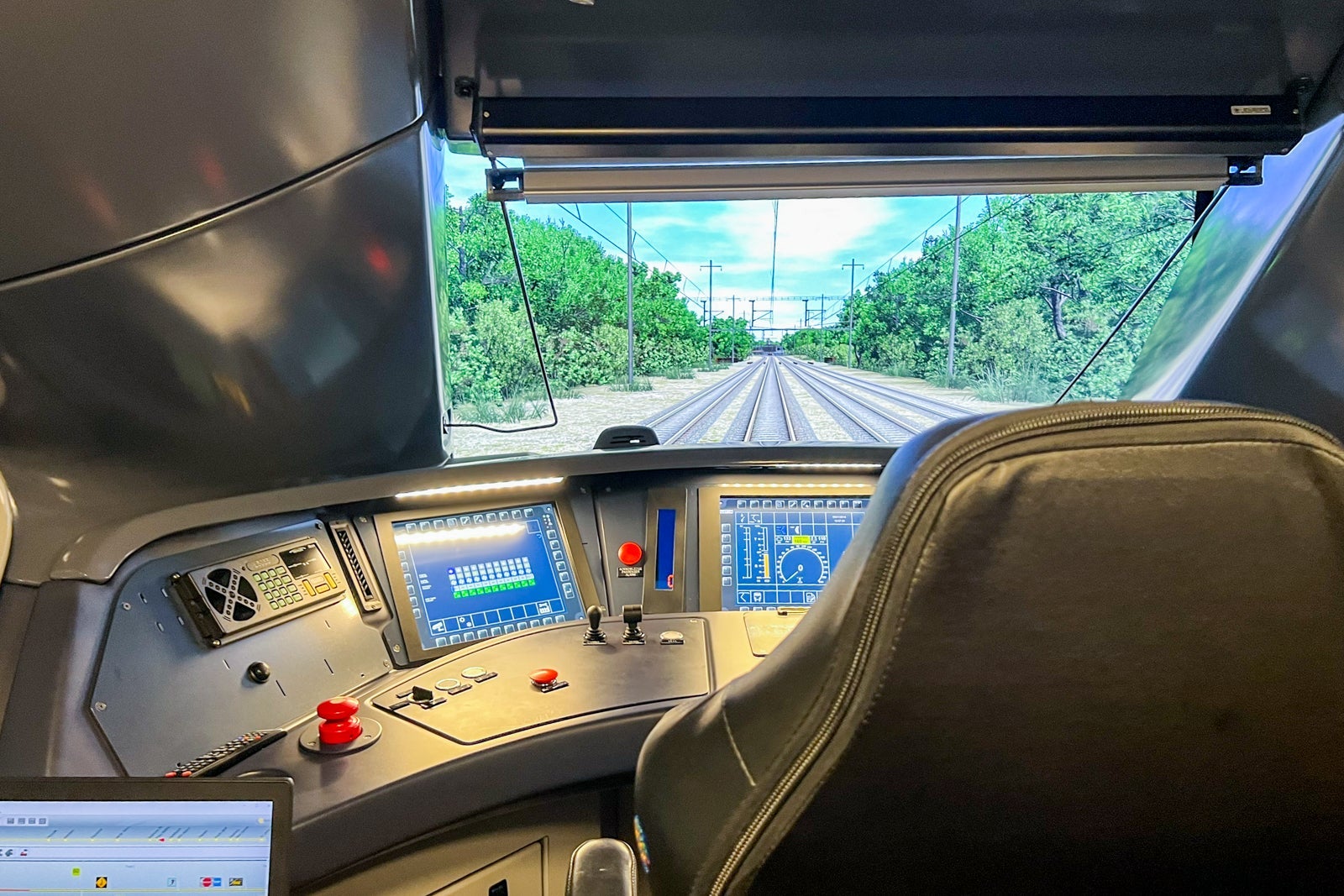
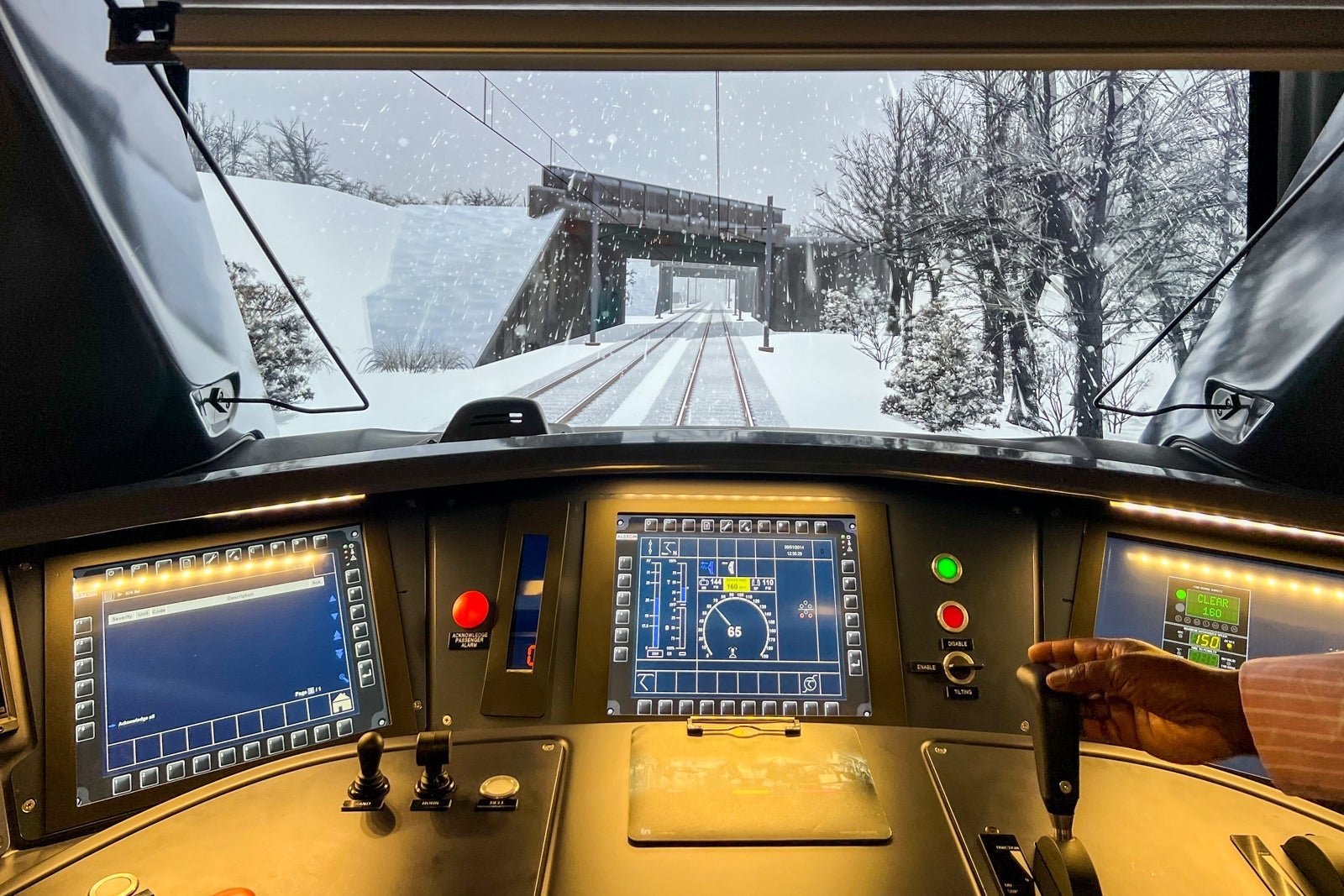
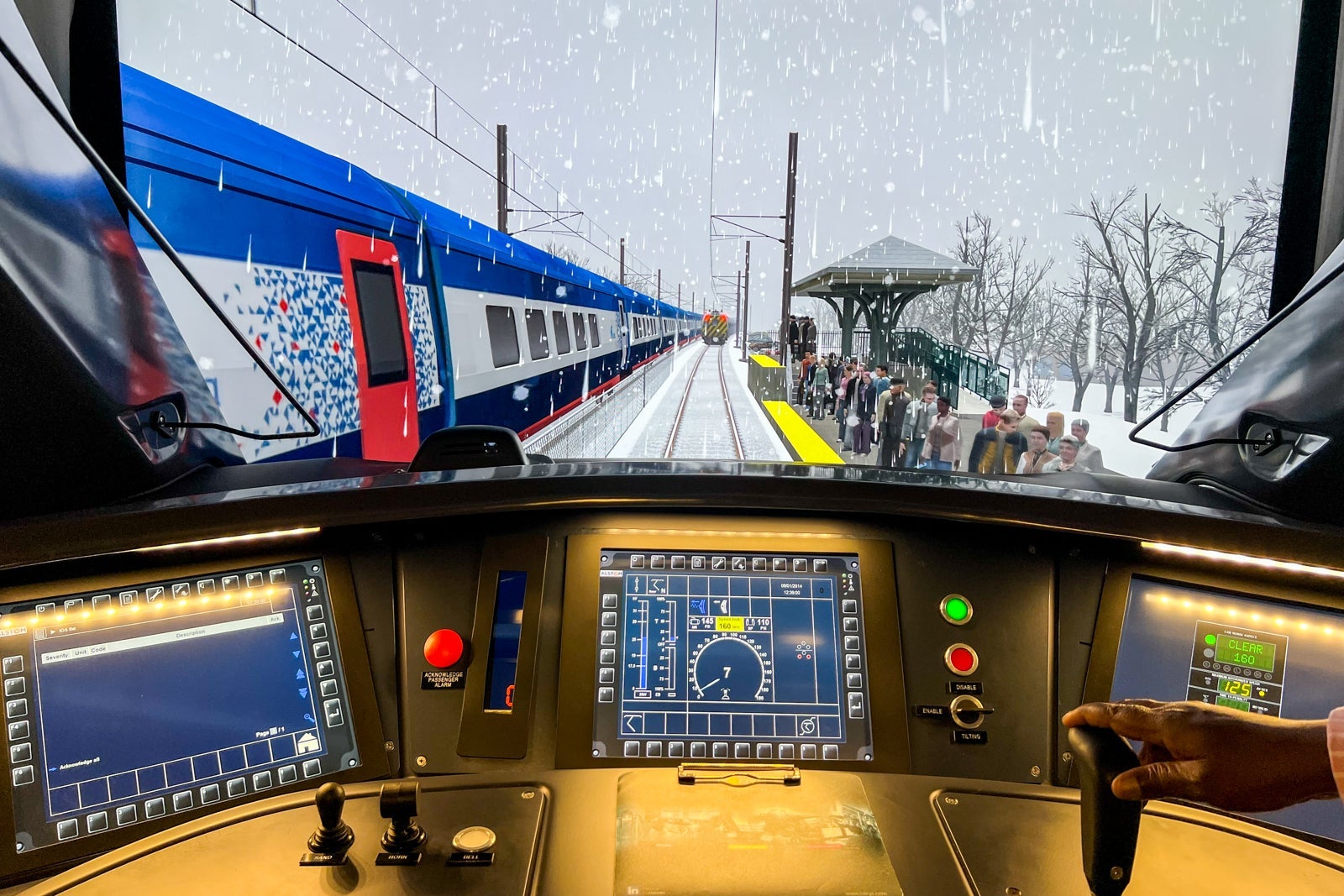
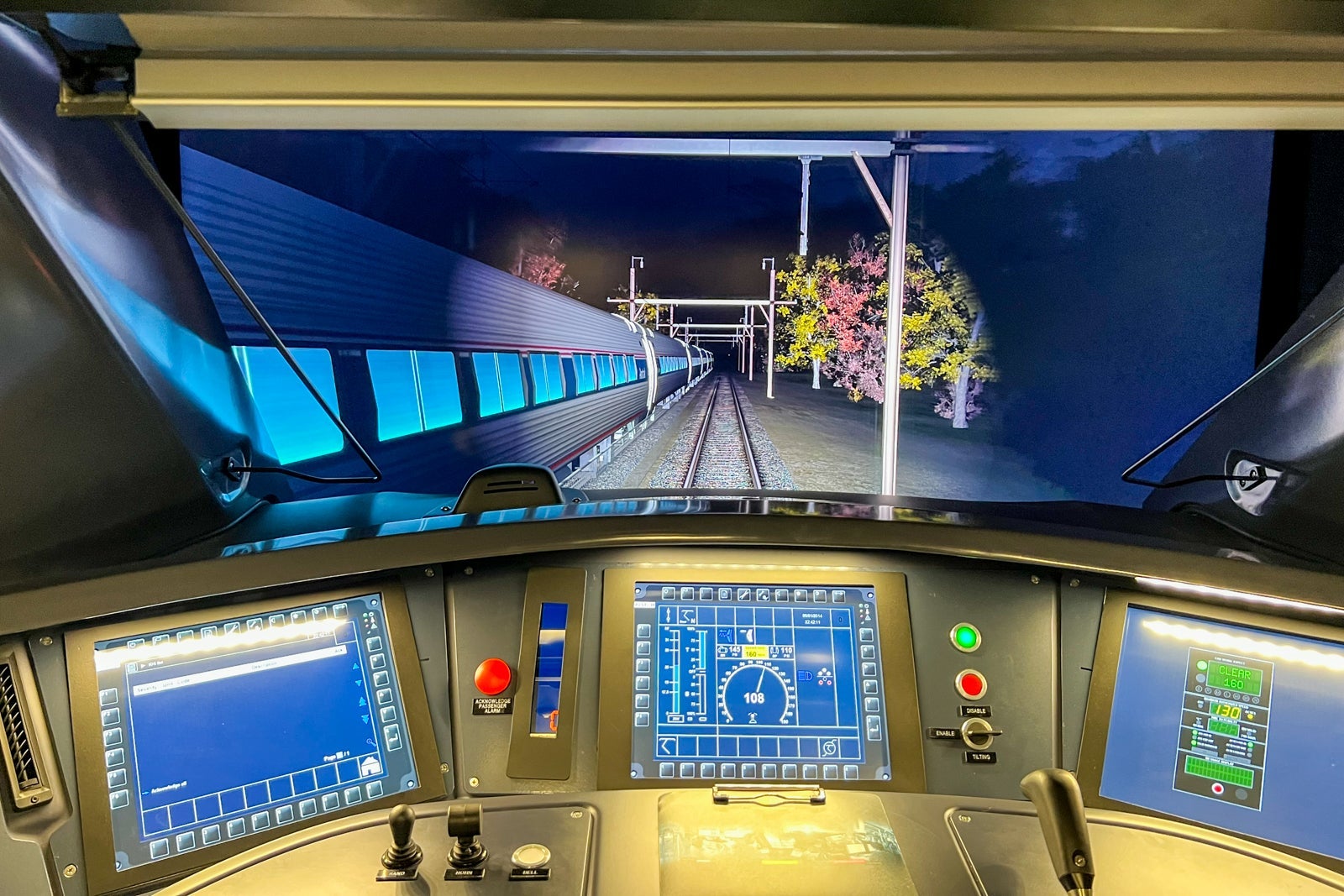
The giant machine trains future Amtrak employees on the brand-new Alstom high-speed Acela trains that are overdue after various testing problems over the past few years. I asked if Amtrak had a date the new trains would debut, but the company would only say sometime in 2024.
Related: Amtrak shows off video of new Acela high-speed trains
All the simulators have copies of what the locomotives' actual dashboards and buttons look like.
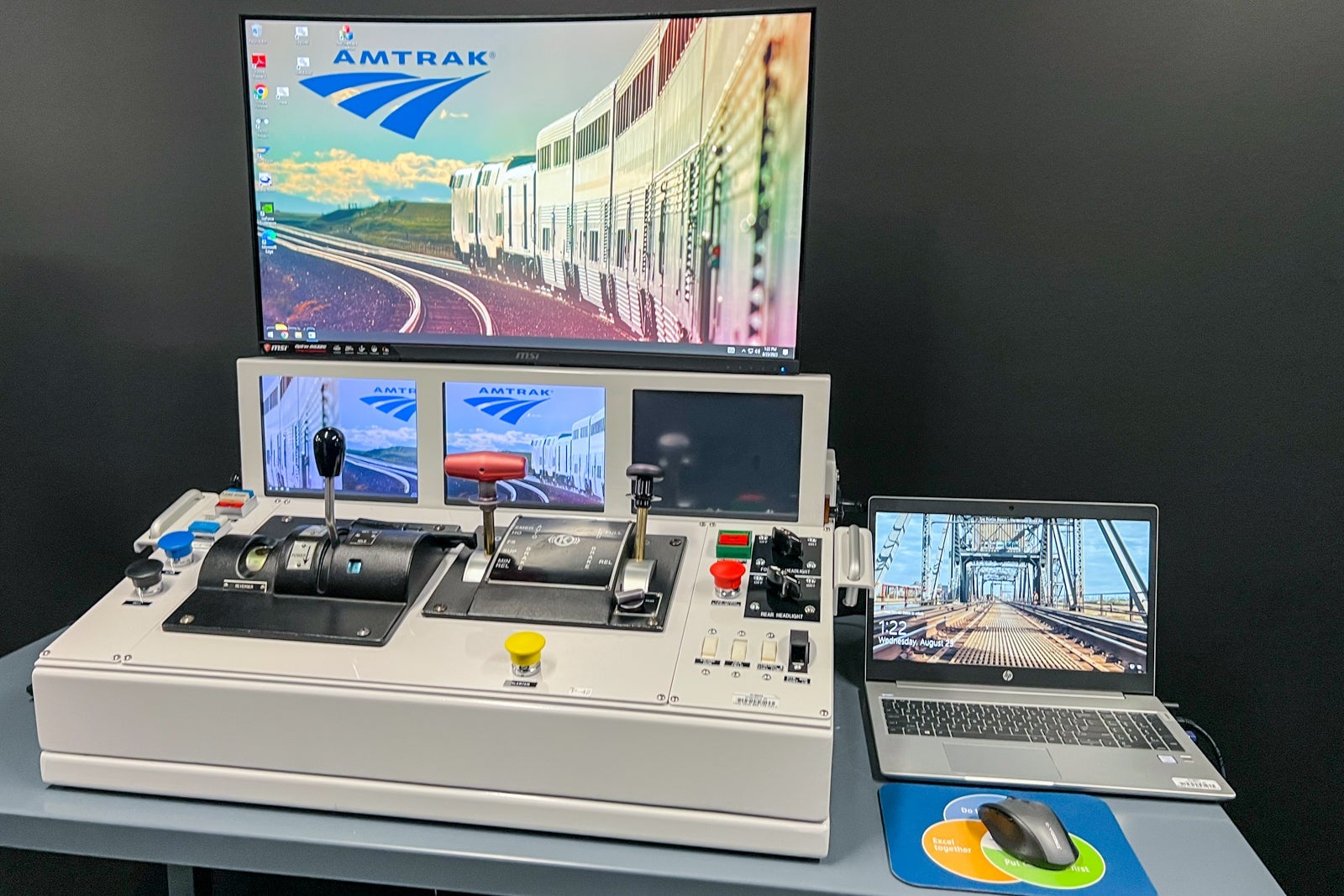
Students interact with virtual reality screens that can re-create nearly any scenario, from rain and snow to stopping at stations and avoiding other trains.
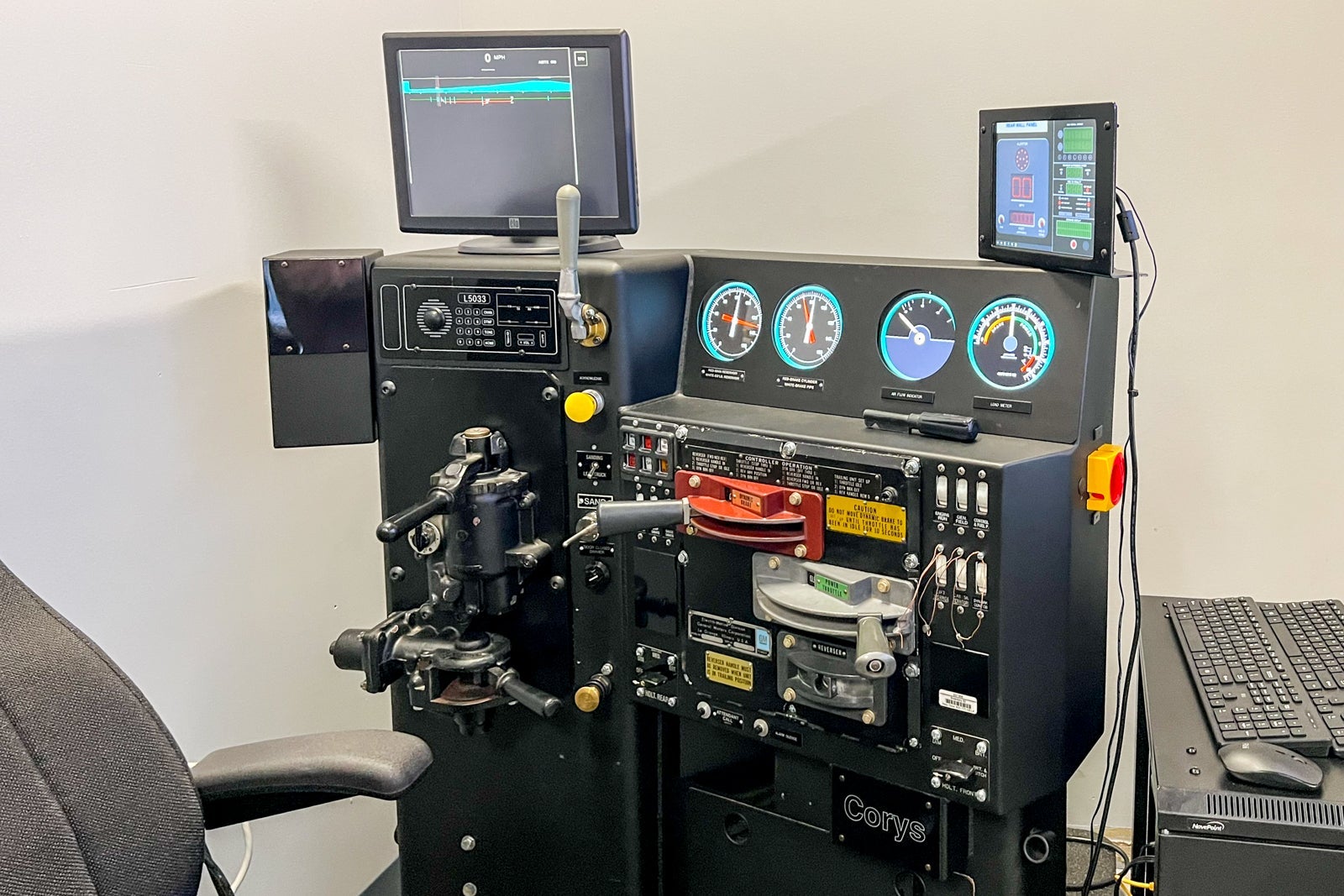
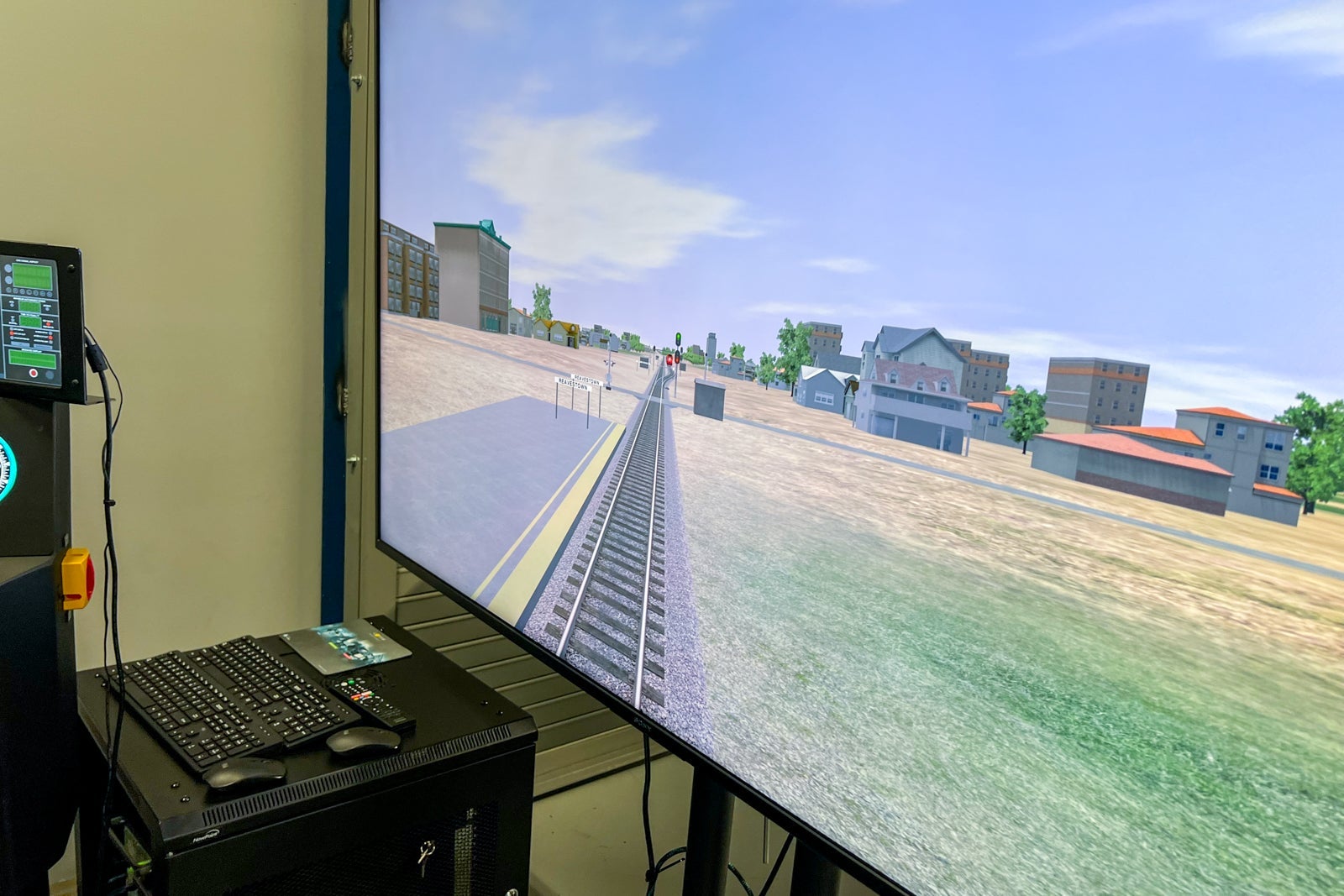
In addition to the simulators, students interact with model trains, plus full-size tracks and even large train car models.
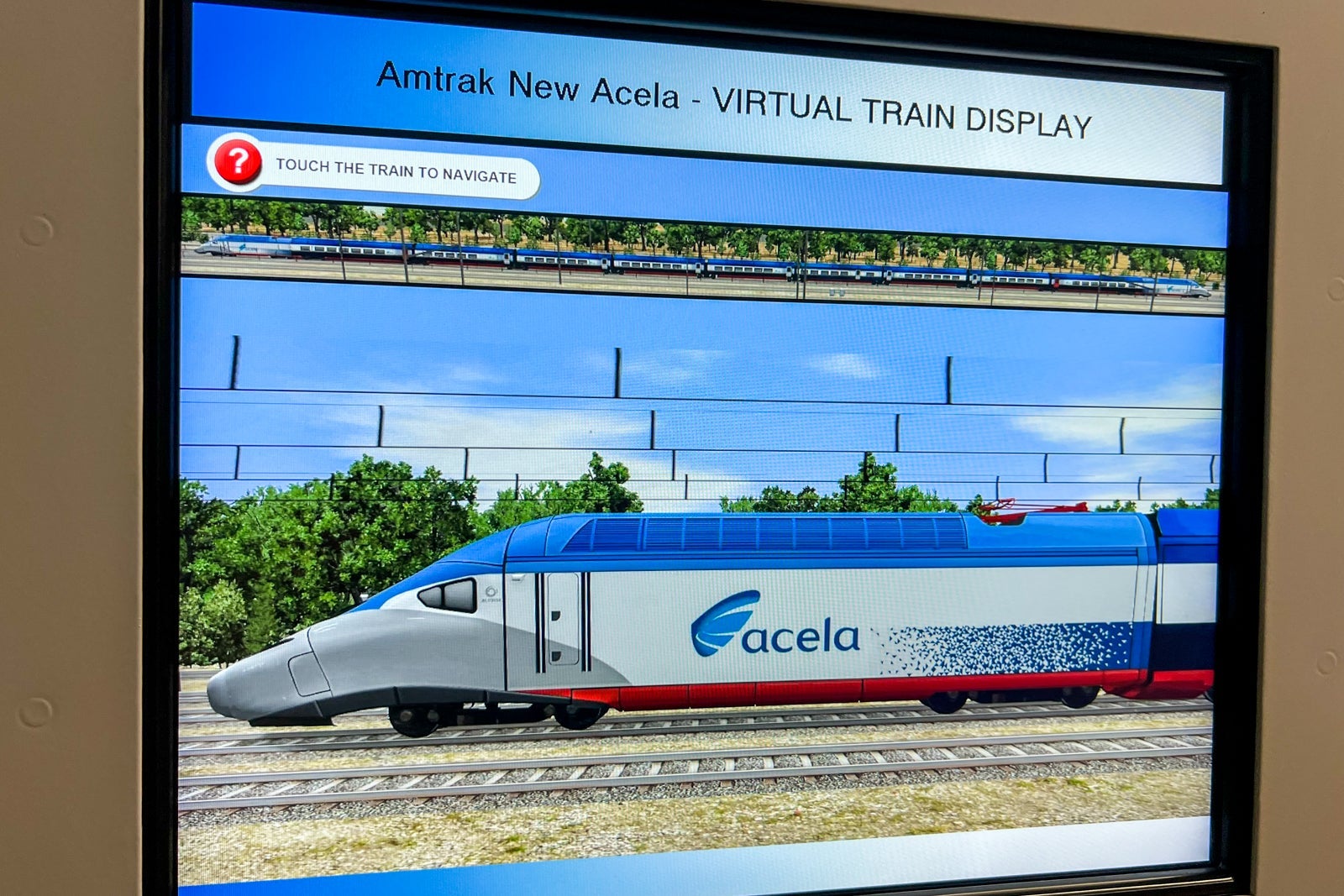
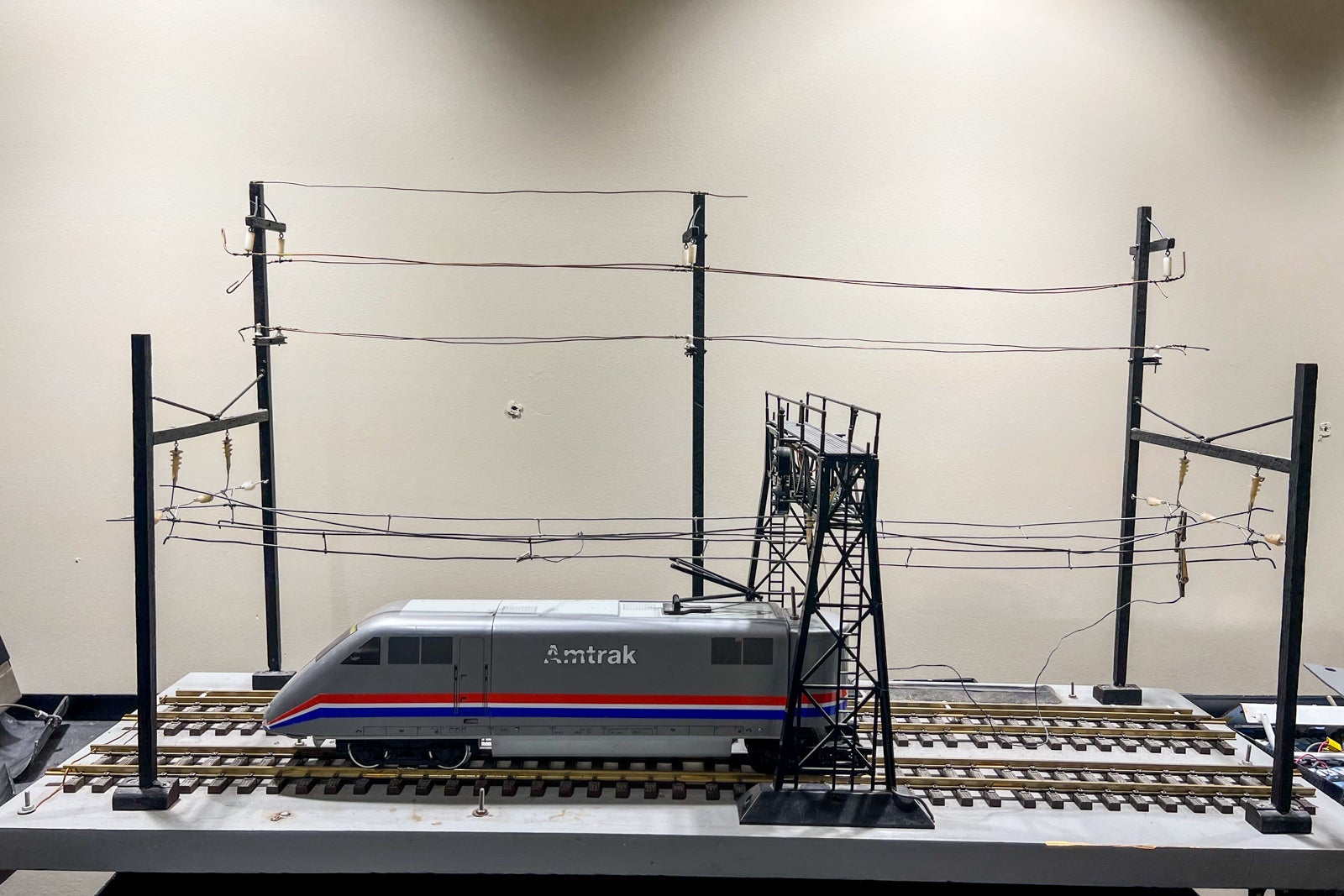
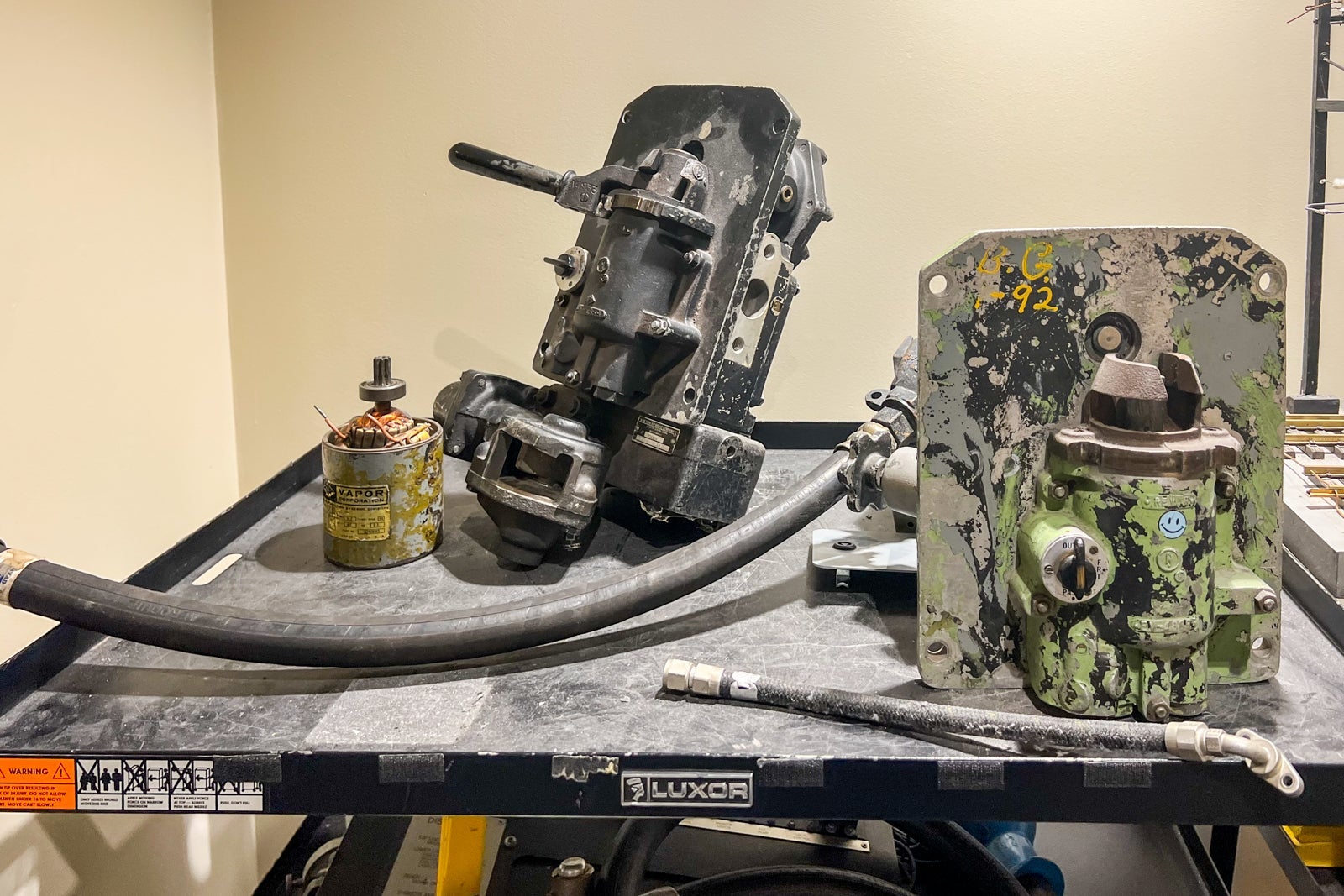
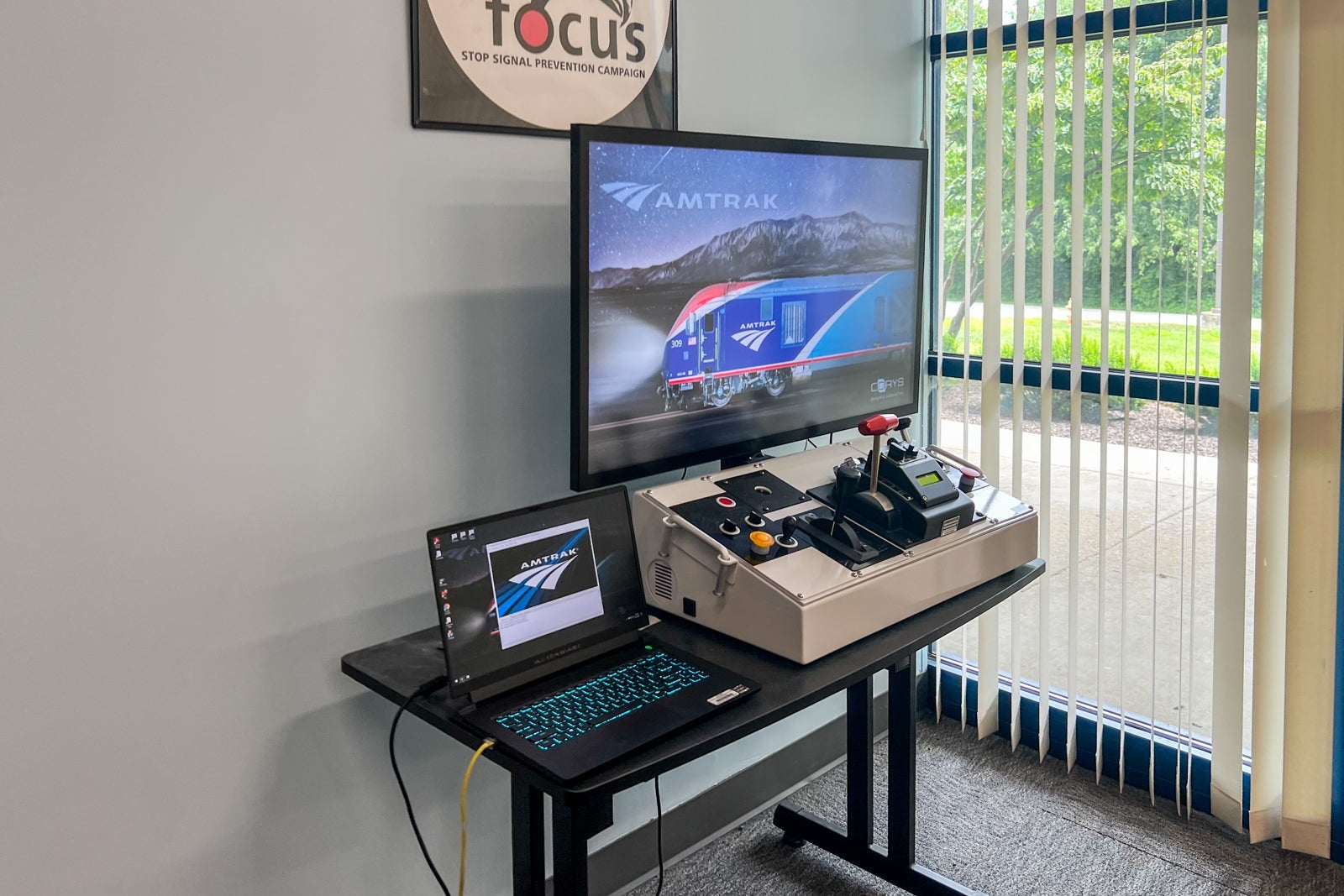
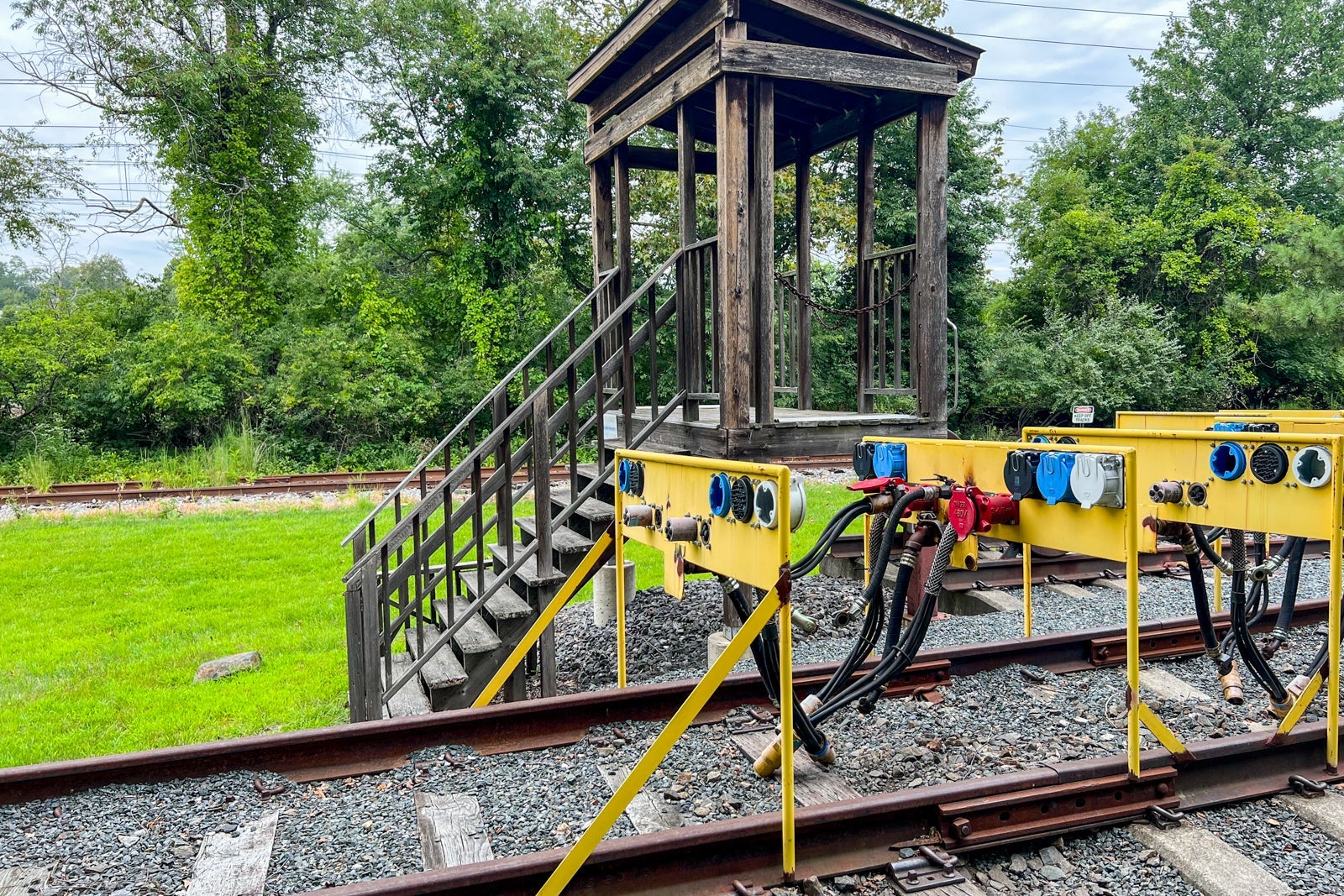
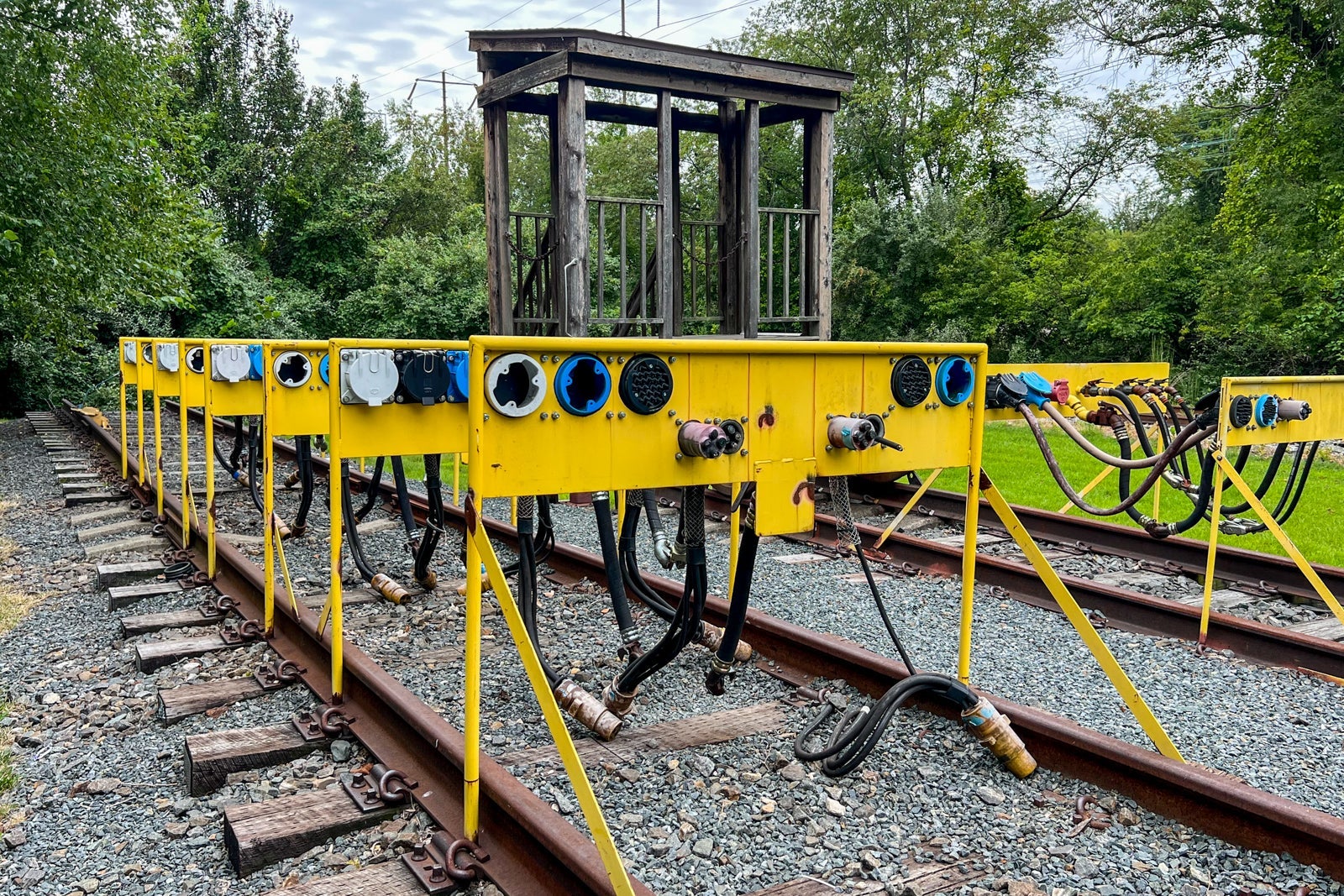
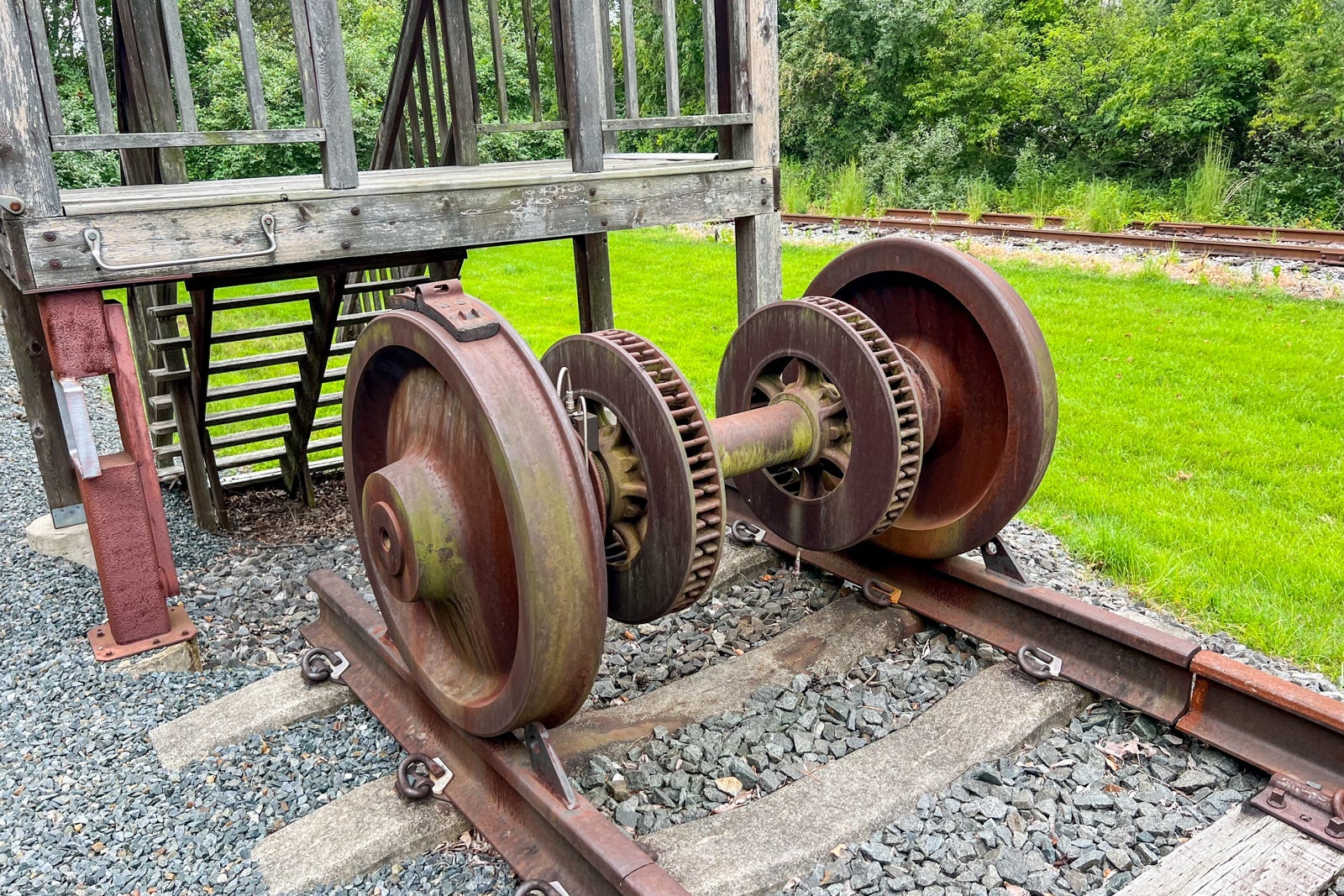
After they leave the training center, new hires will spend another year or year and a half doing on-the-job training. By the time they are done, many of them will know every mile of the route they are working.
A fun ride on Amtrak's high-speed Acela trains
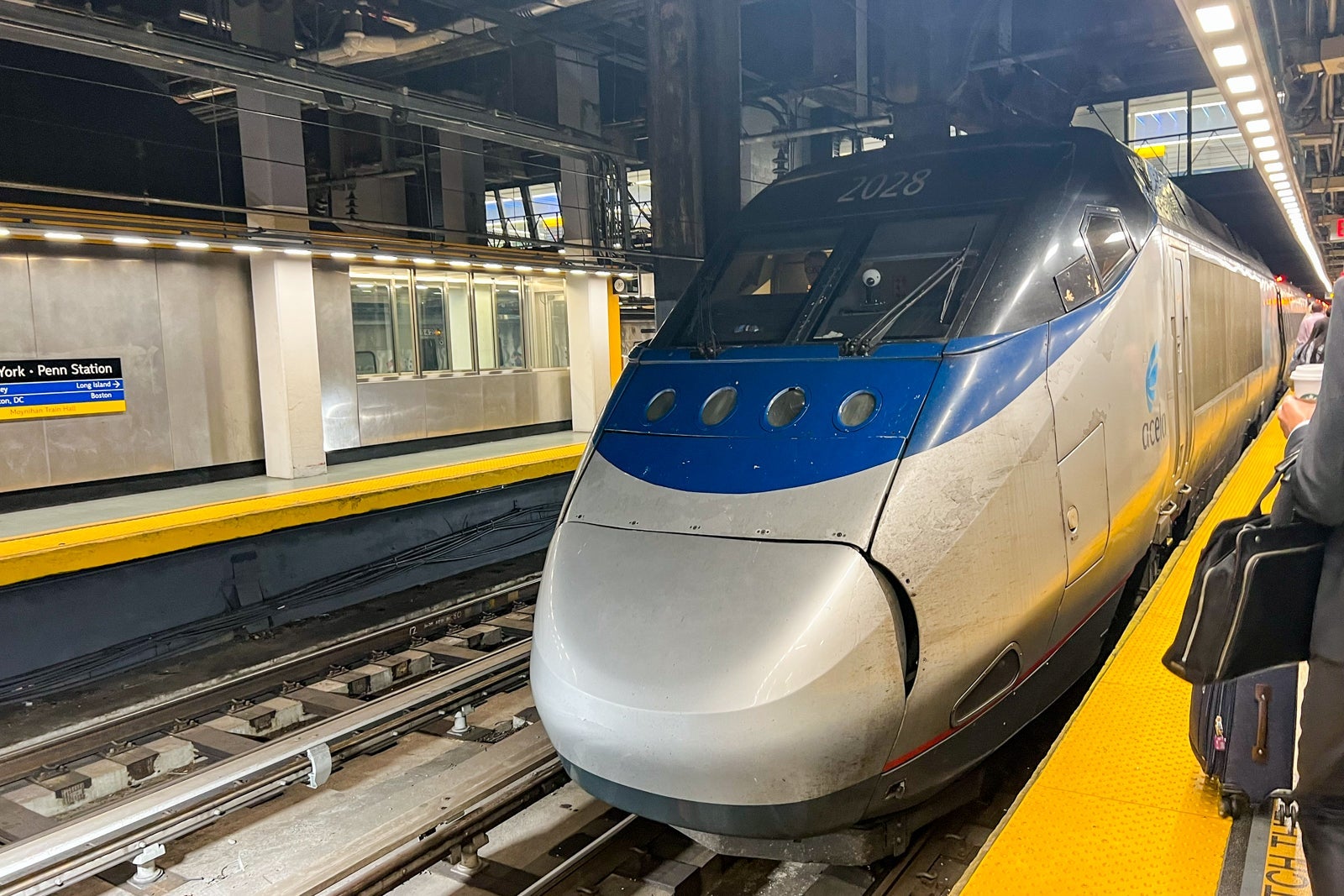
Of course, no tour of Amtrak's facilities would be complete without a ride on the Acela. As an Acela newbie, I was excited to take the high-speed rail from New York down to the operations centers in Delaware.
TPG paid $264 for a round-trip journey from New York's Penn Station to Delaware, but I used Amtrak's BidUp system to upgrade for another $73 (the lowest bid I could make) to first class on the way down to Delaware. I earned a total of 938 Amtrak Guest Rewards points, which TPG values at about $23.
The best part of the upgrade was getting to spend a few minutes at the incredible Metropolitan Lounge inside the gorgeous new Moynihan Train Hall. You'll find a ton of seating options and free sandwiches, as well as made-to-order beverages like lattes and cocktails.
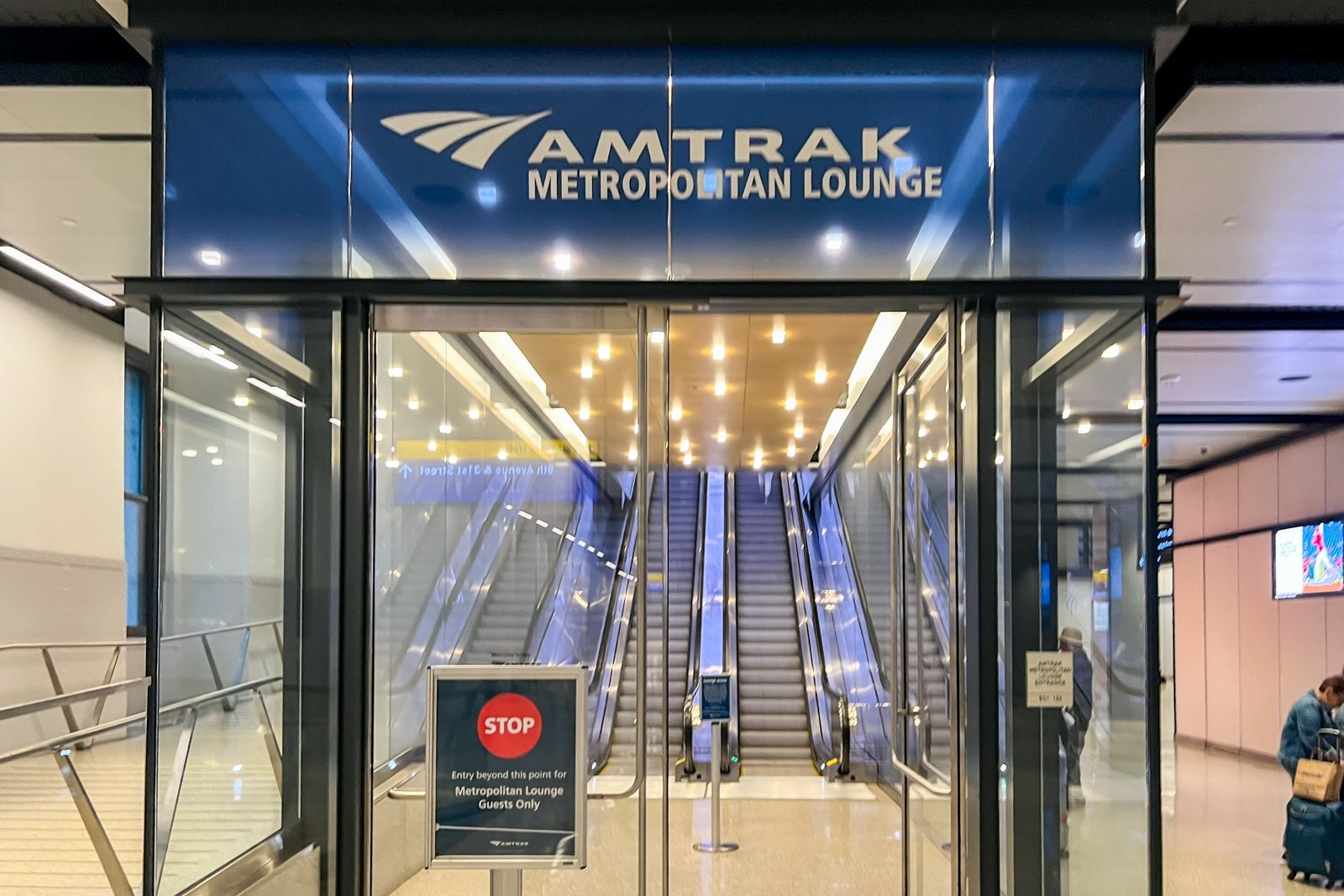
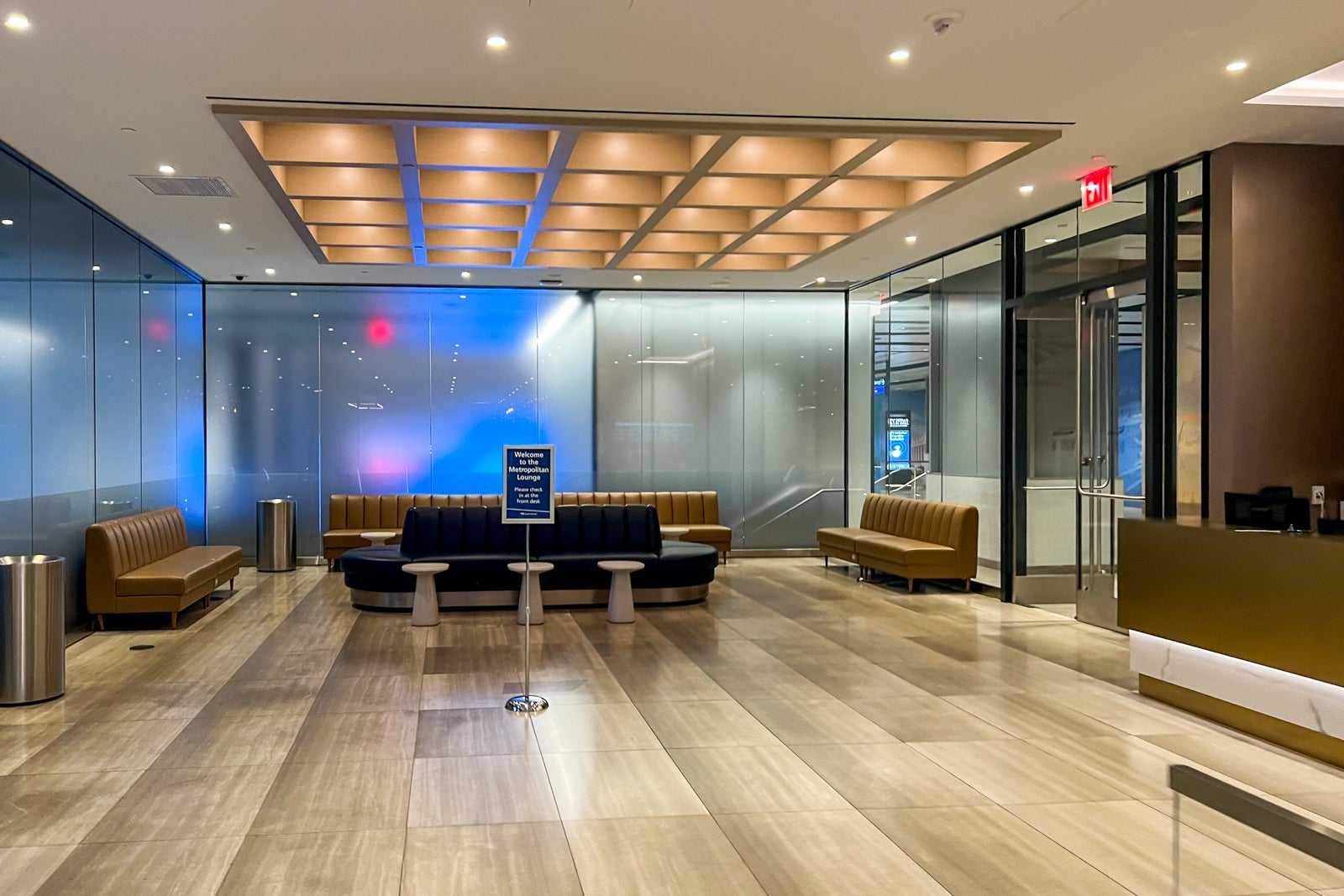
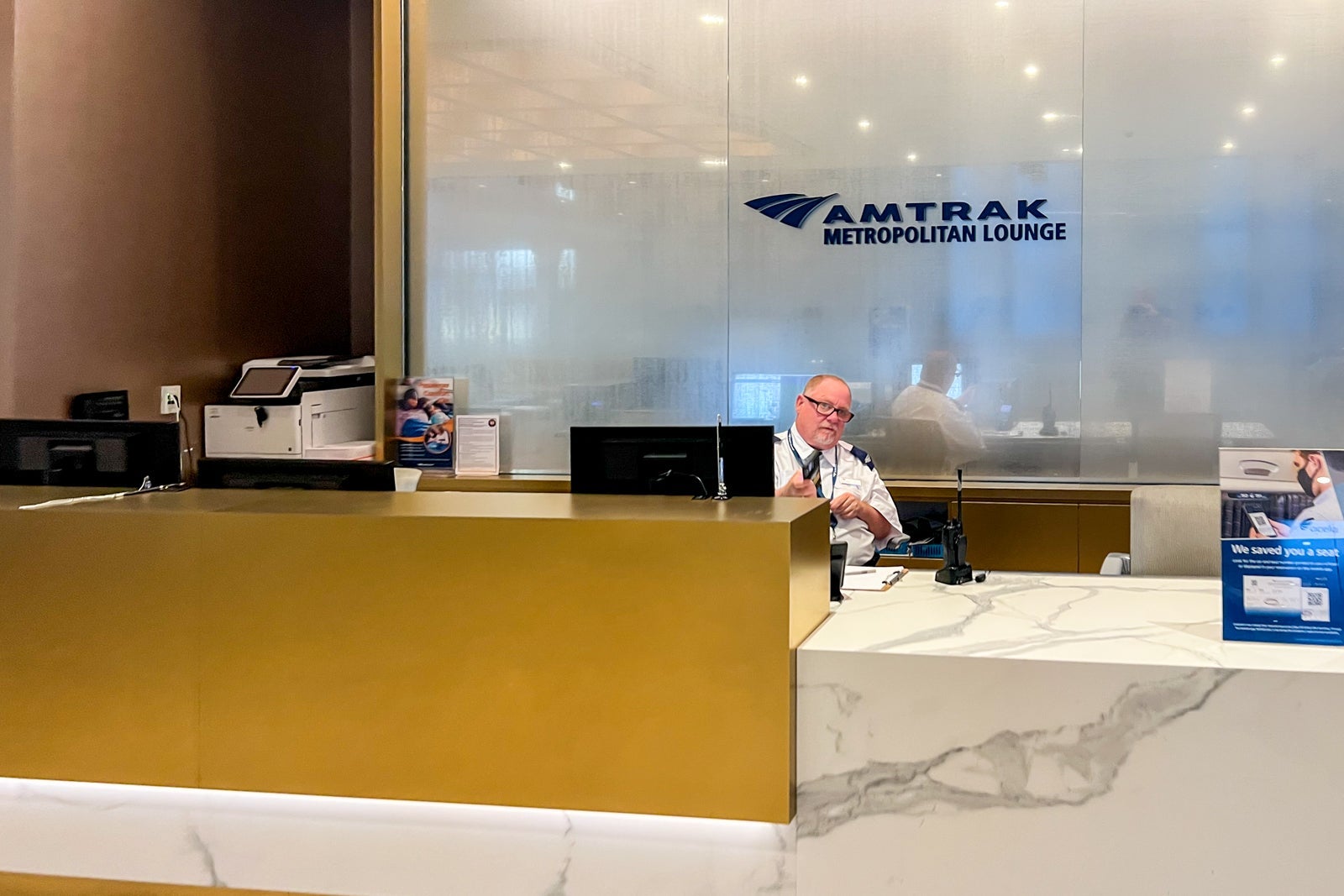
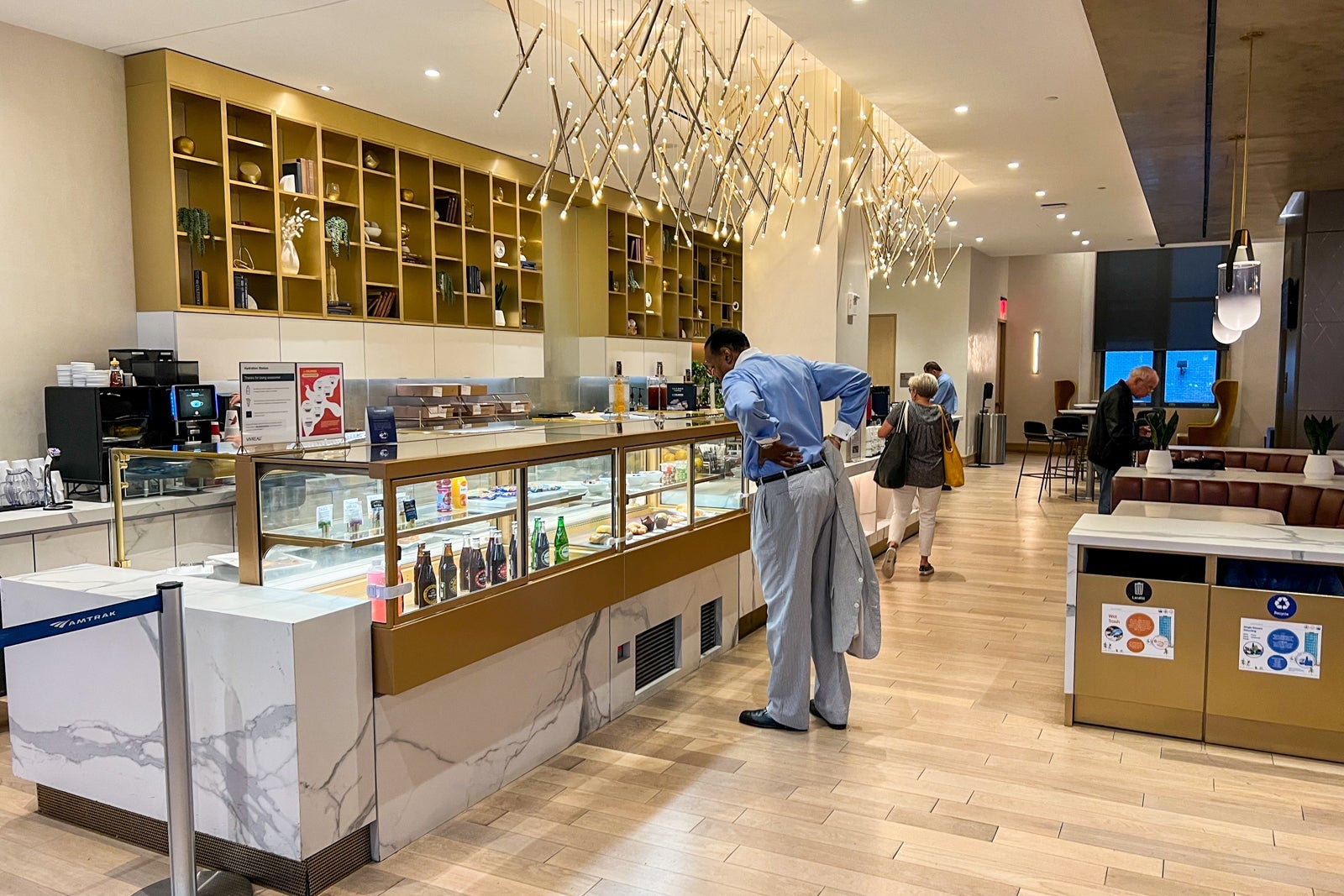
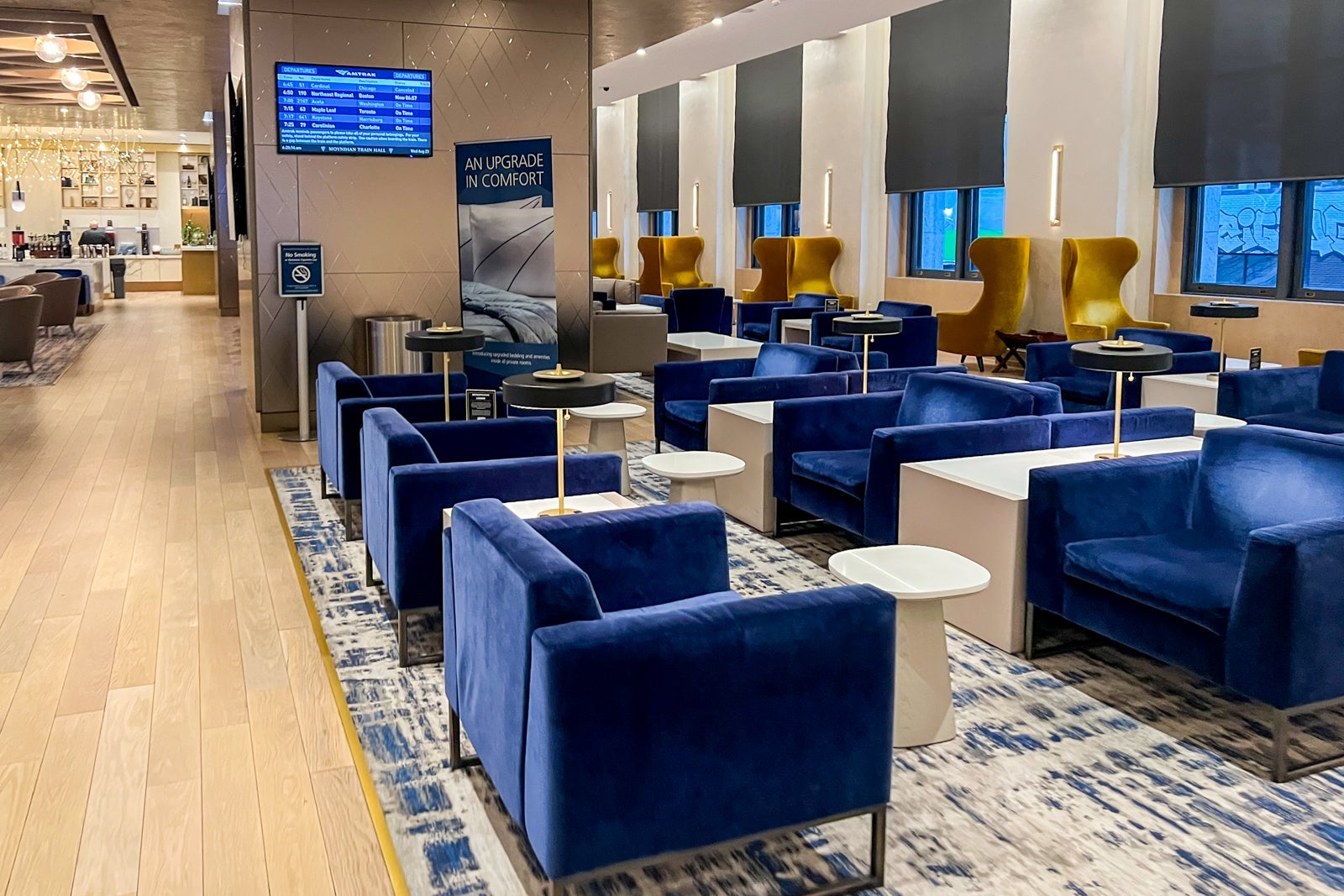
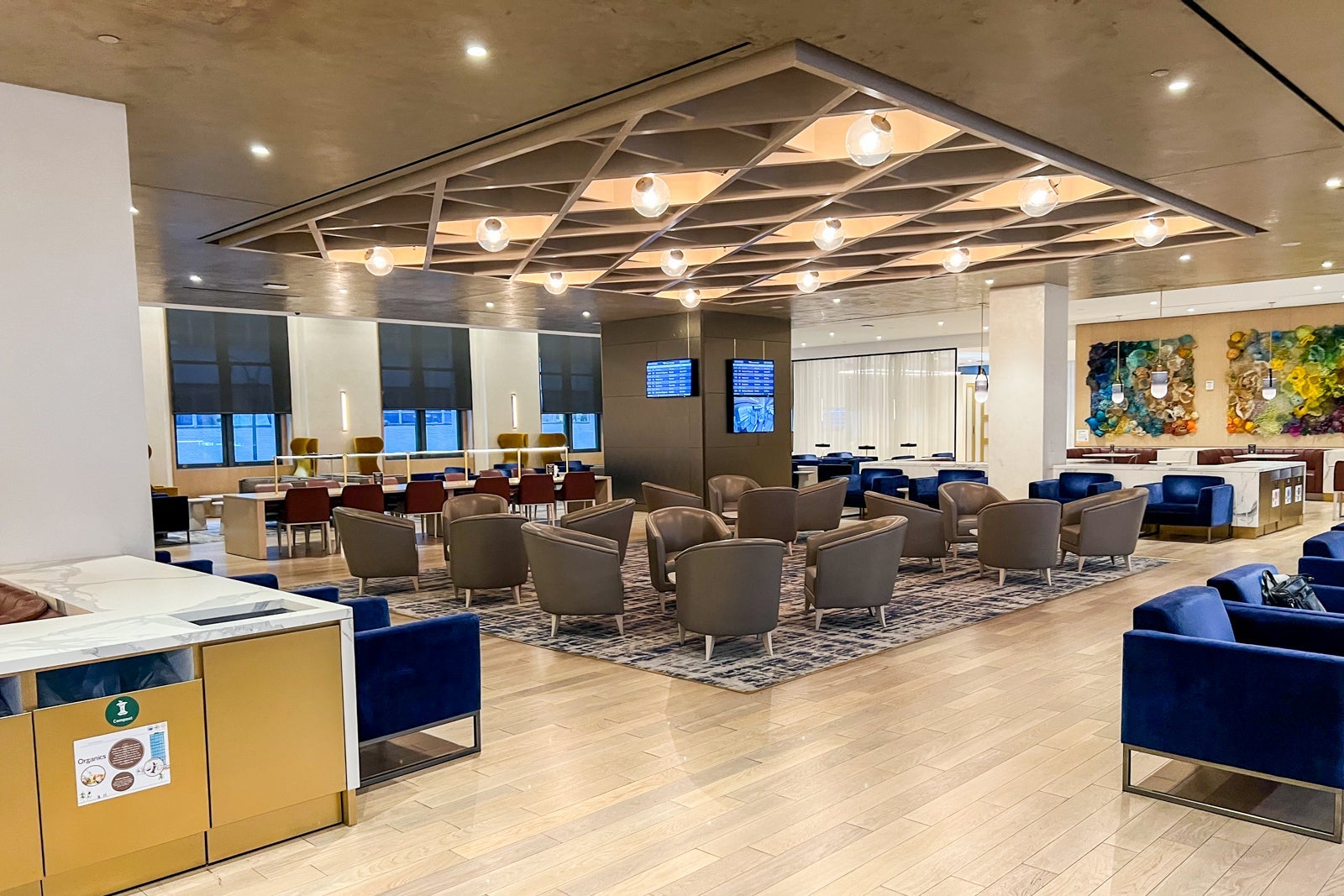
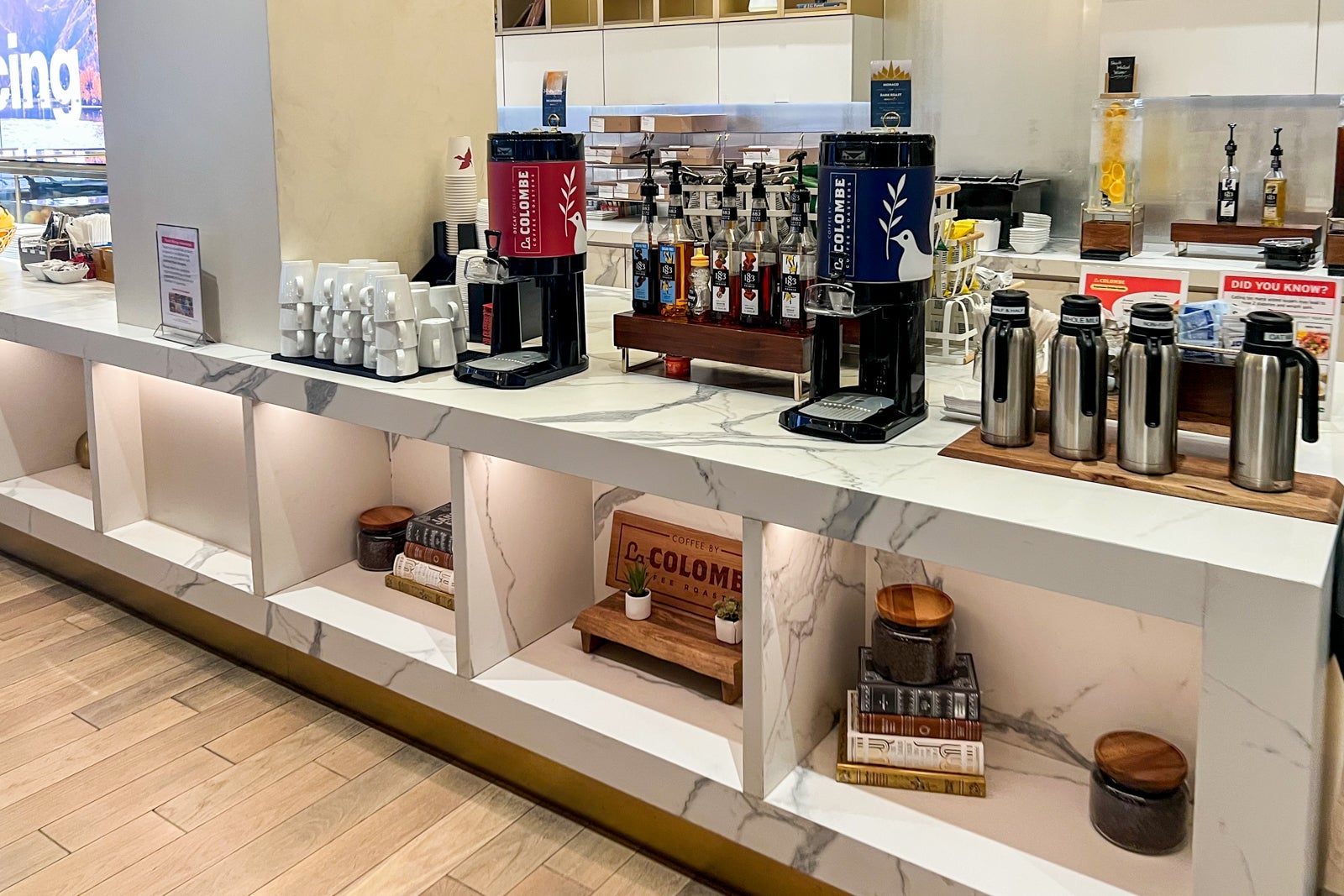
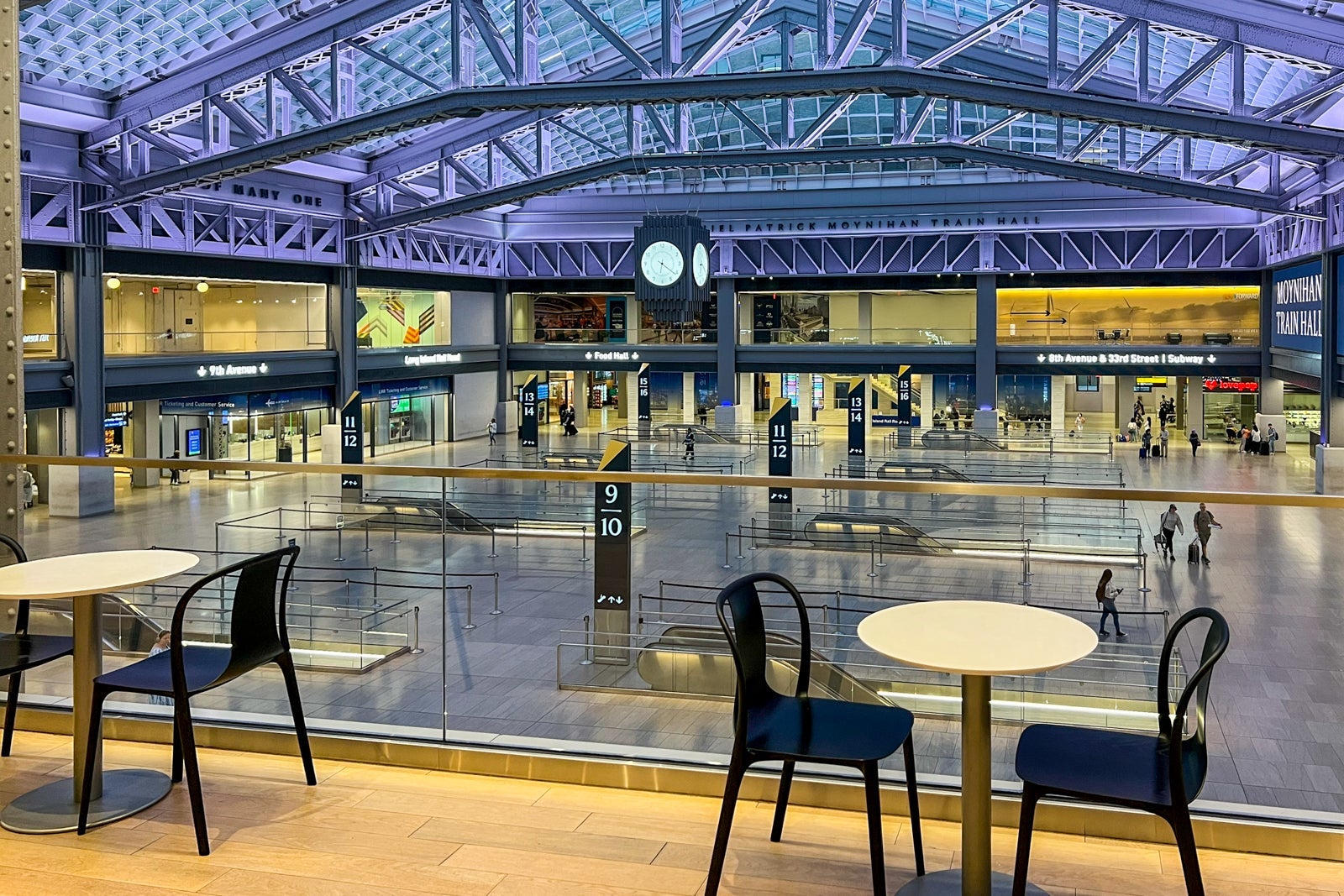
The brand-new train hall wouldn't be out of place in a European capital and feels miles away from the rest of grimy Penn Station.
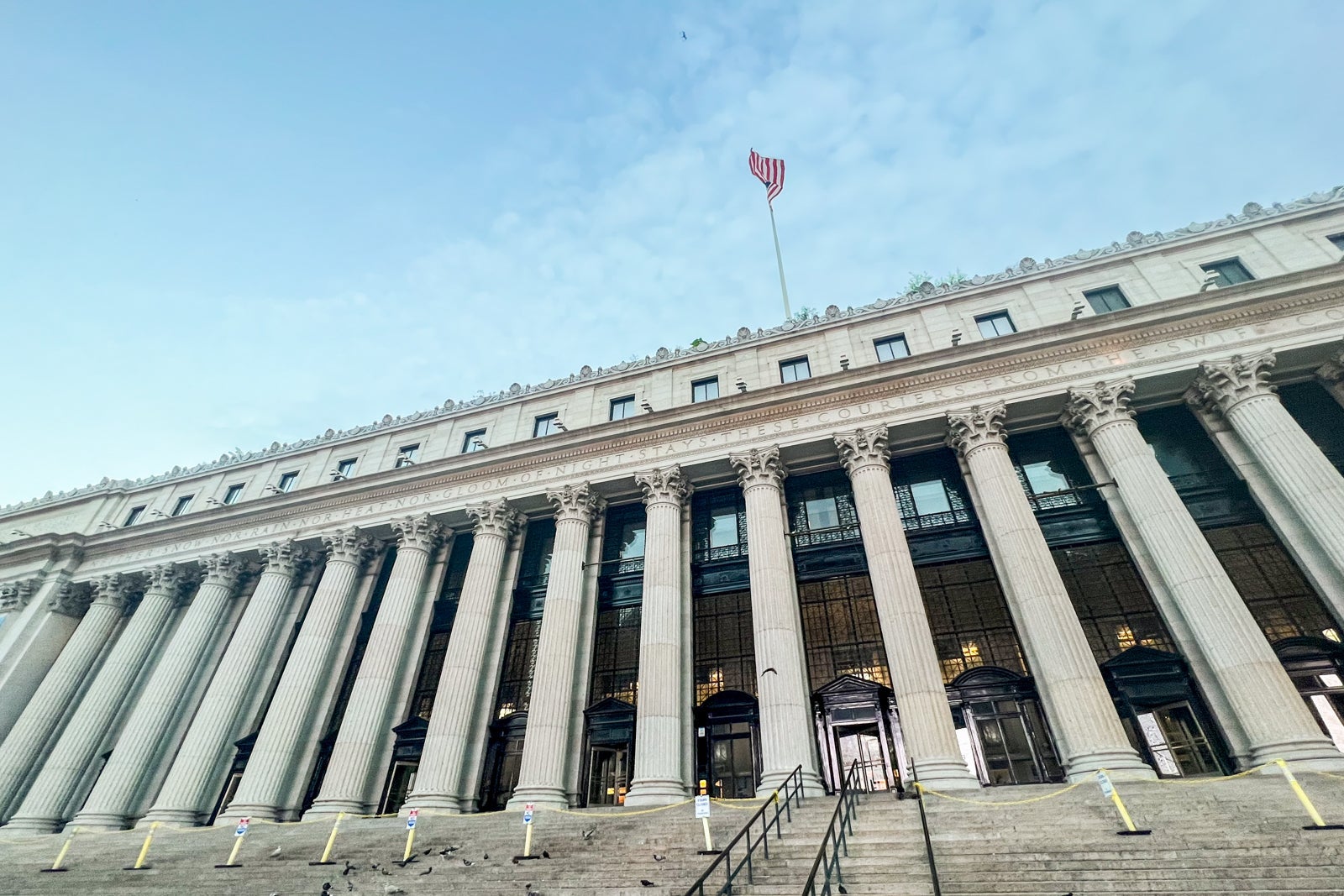
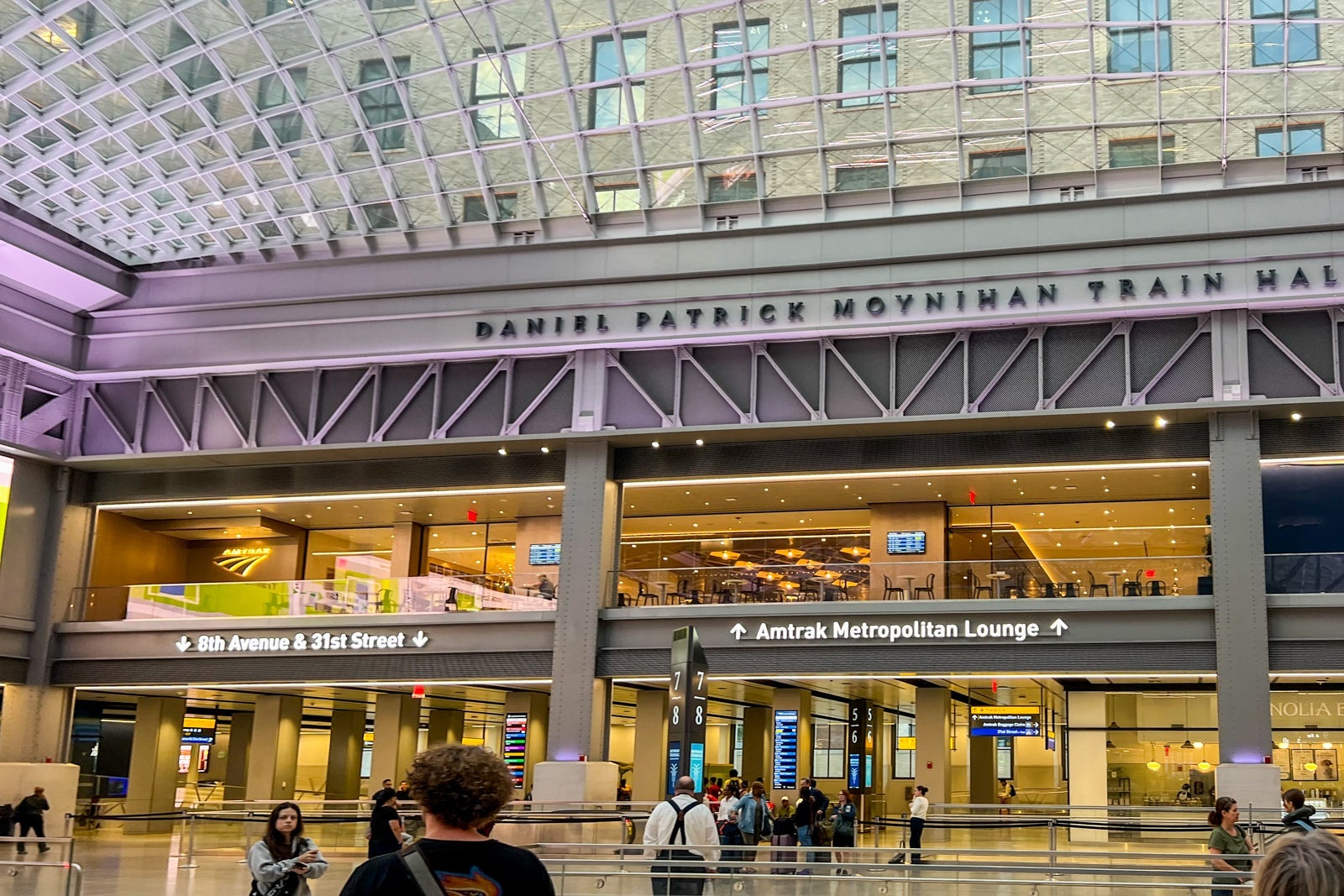
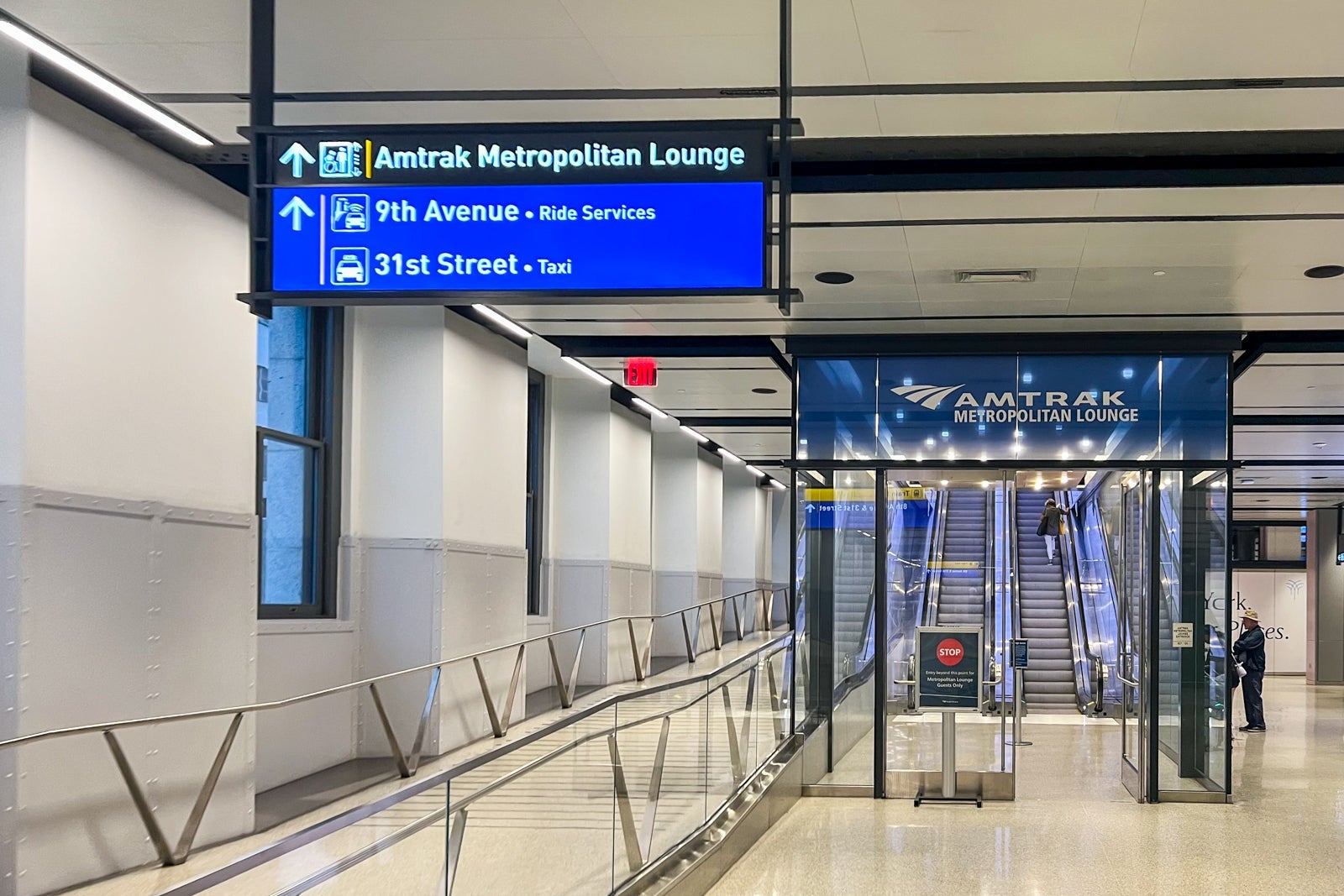
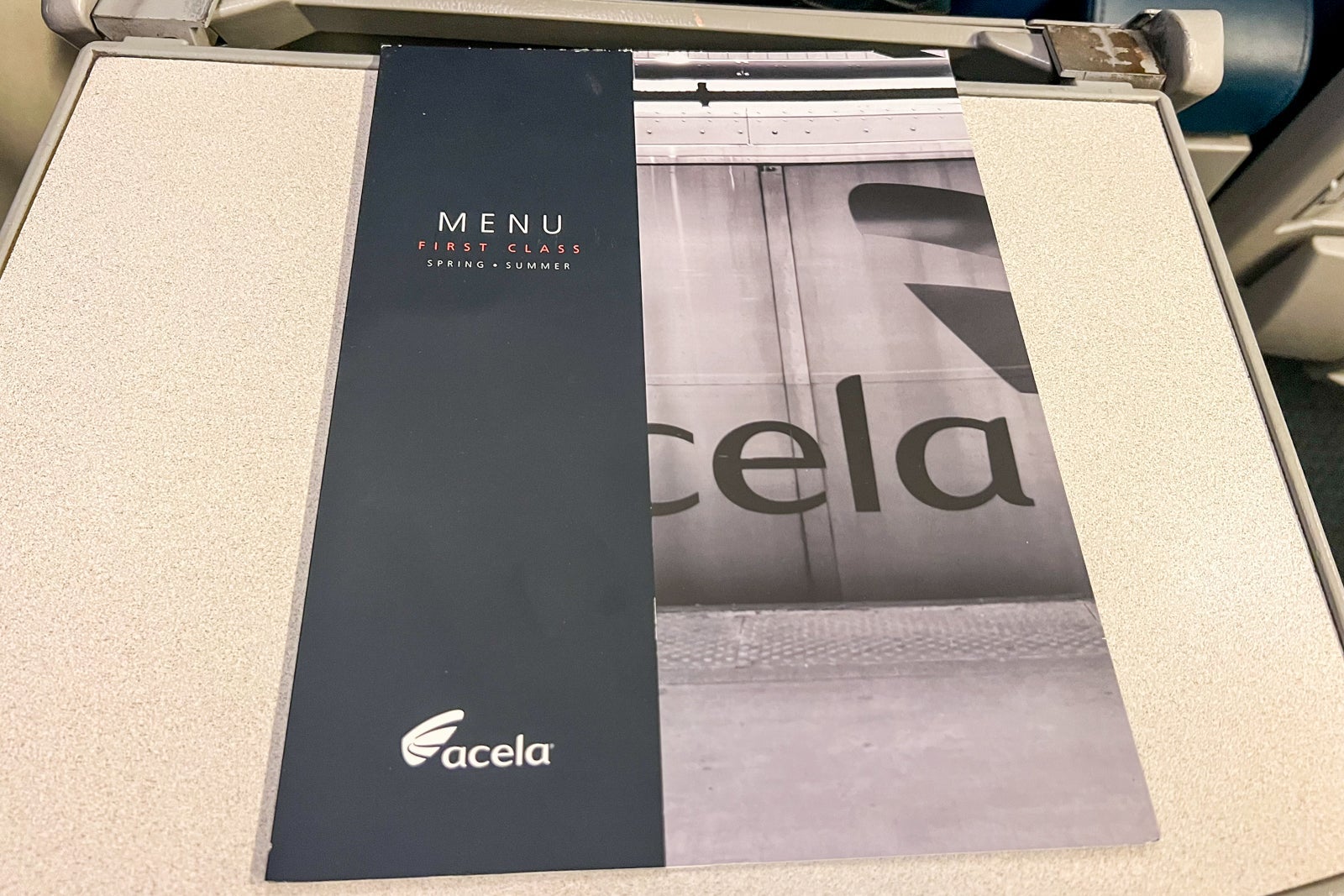
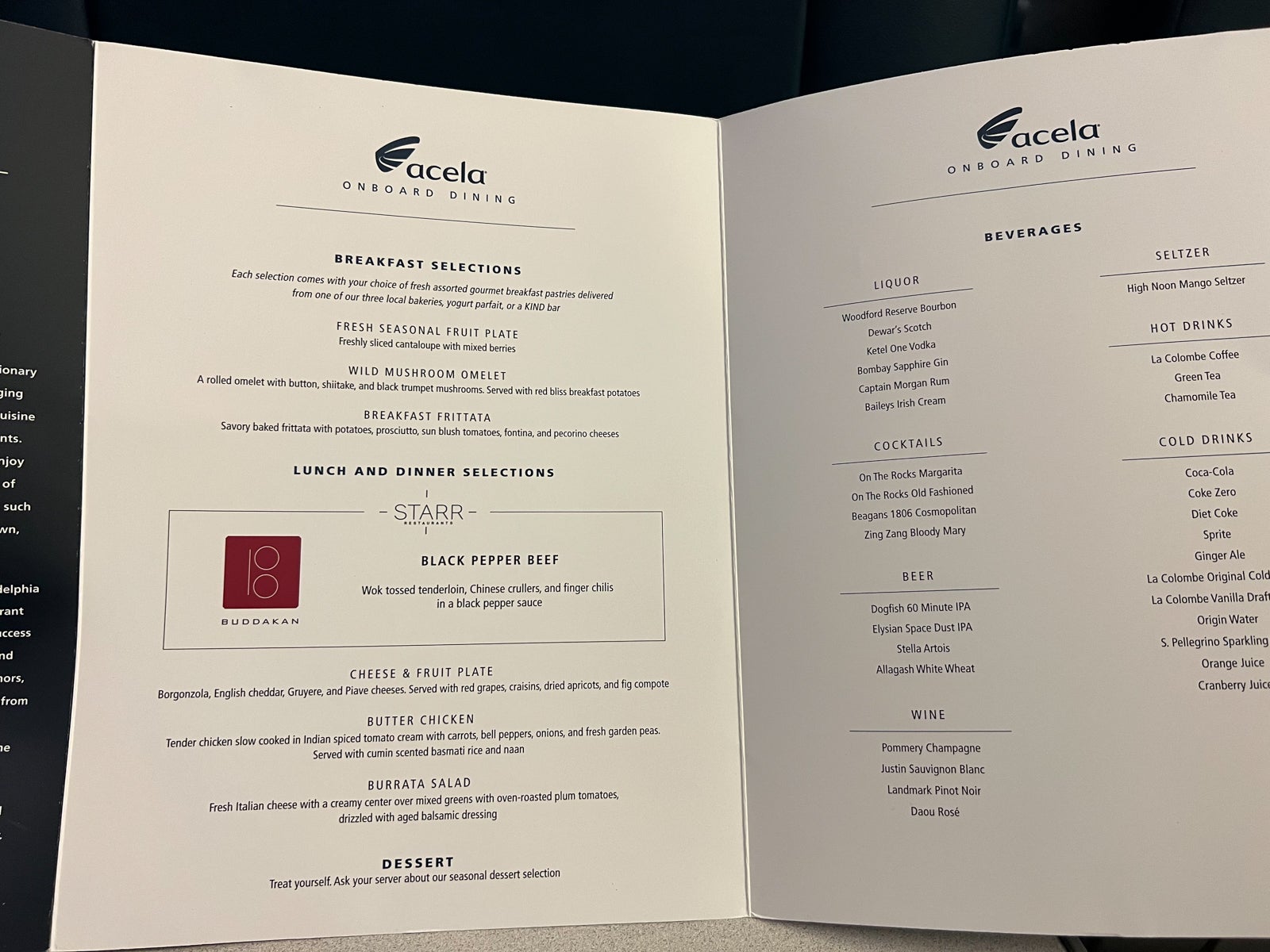
First class on the Acela included a choice of breakfast along with multiple offers of beverage service.
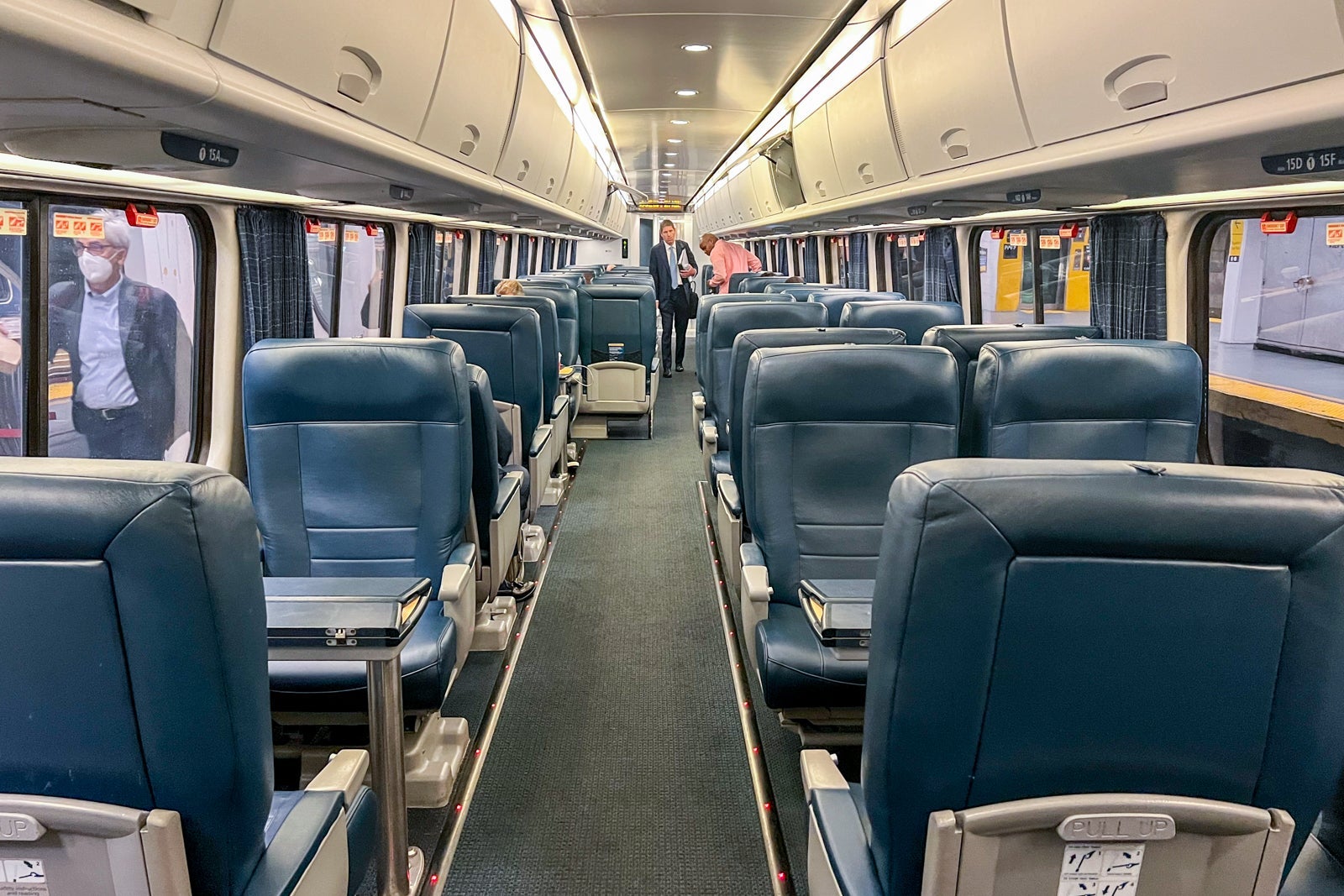
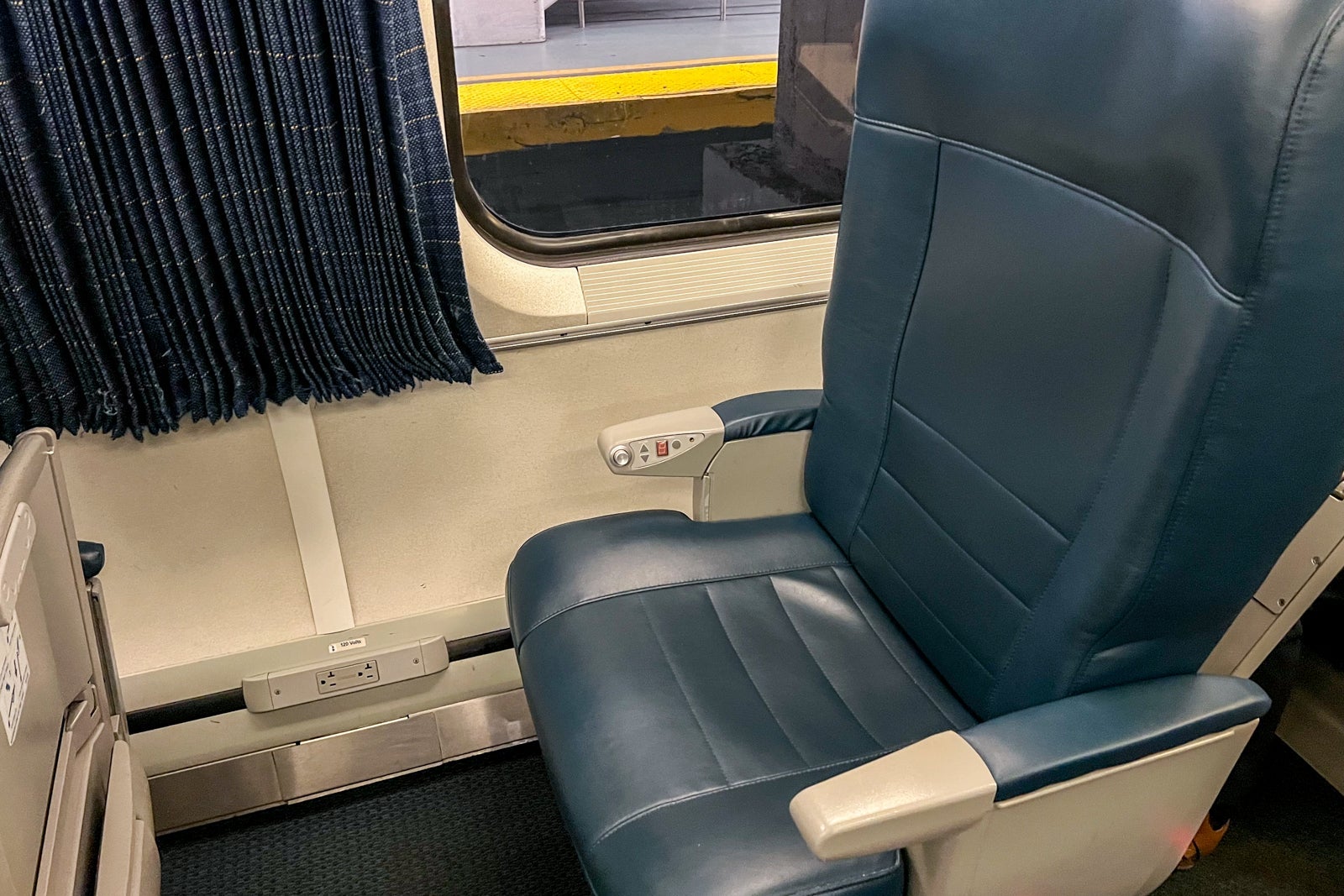
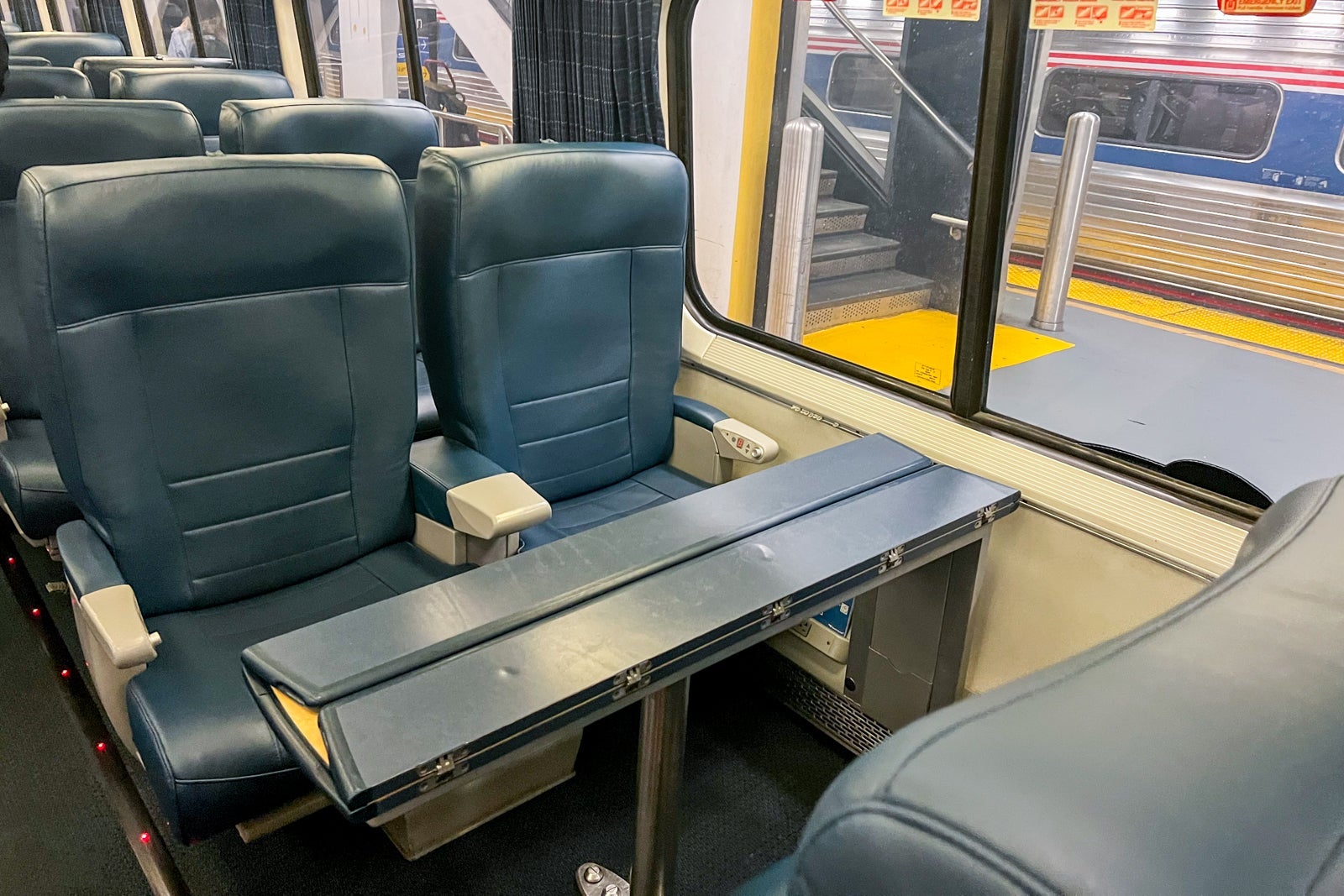
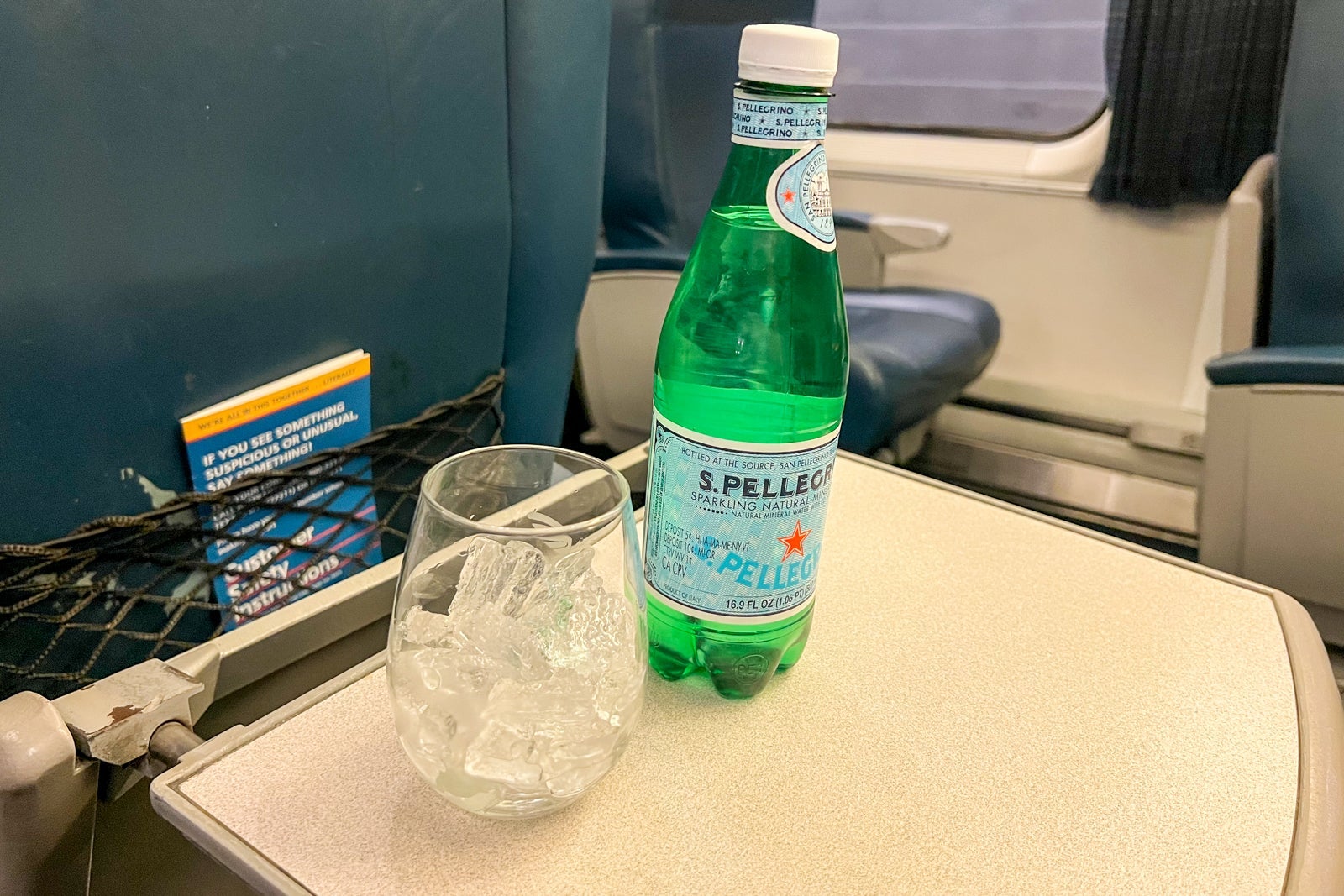
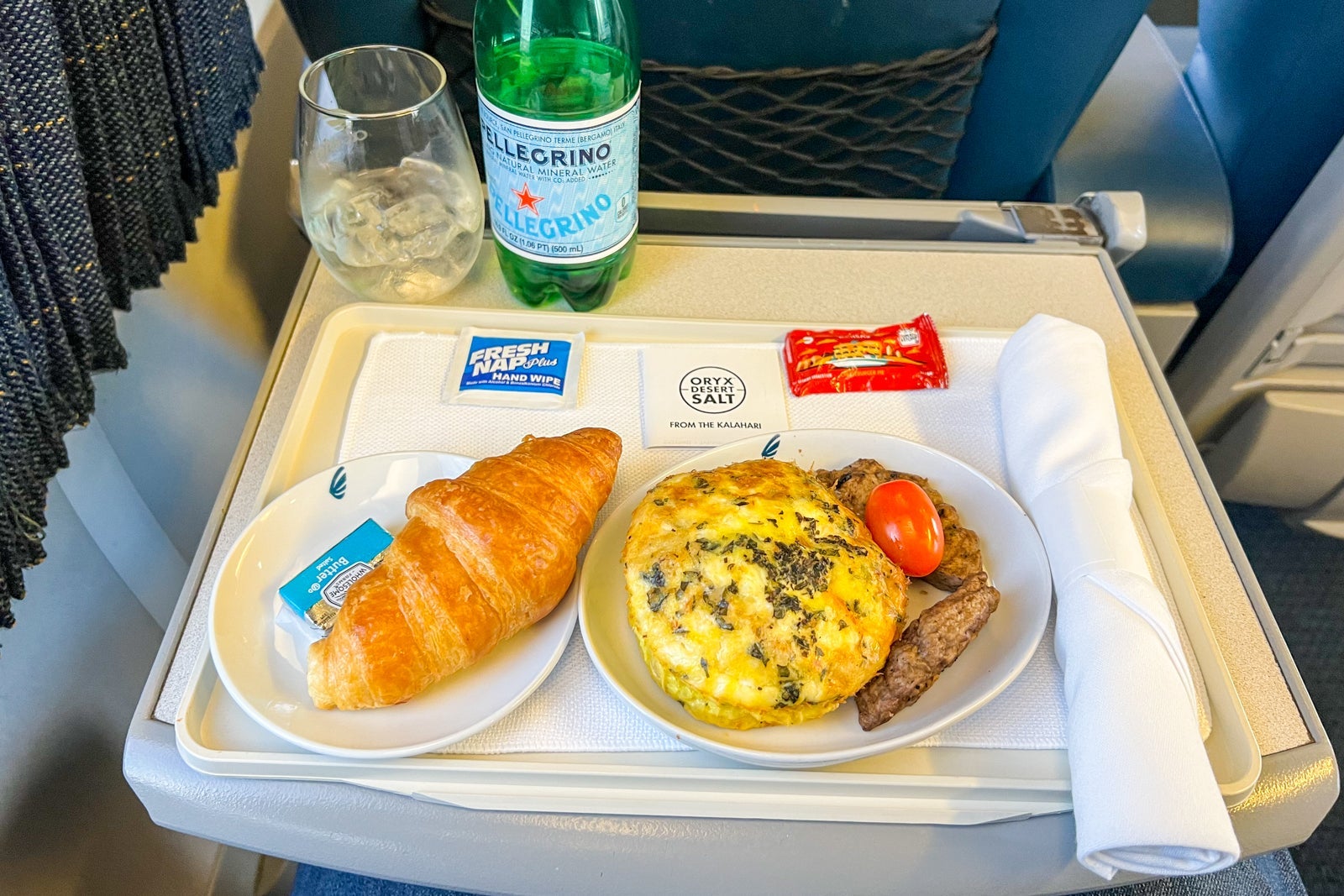
The journey home in business class (the Acela's standard seating option) wasn't quite as exciting. The train was totally packed, and the seats were tighter.
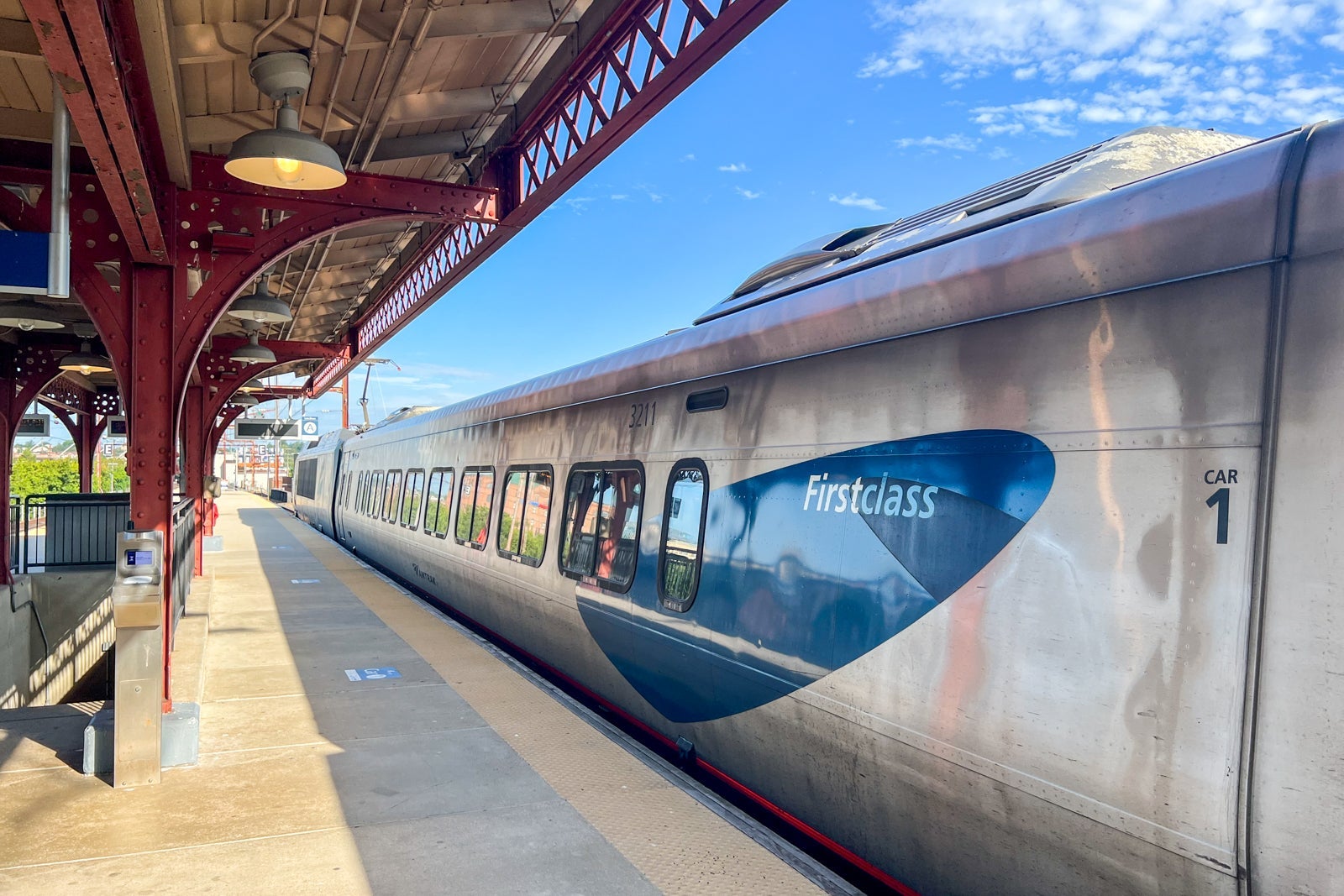
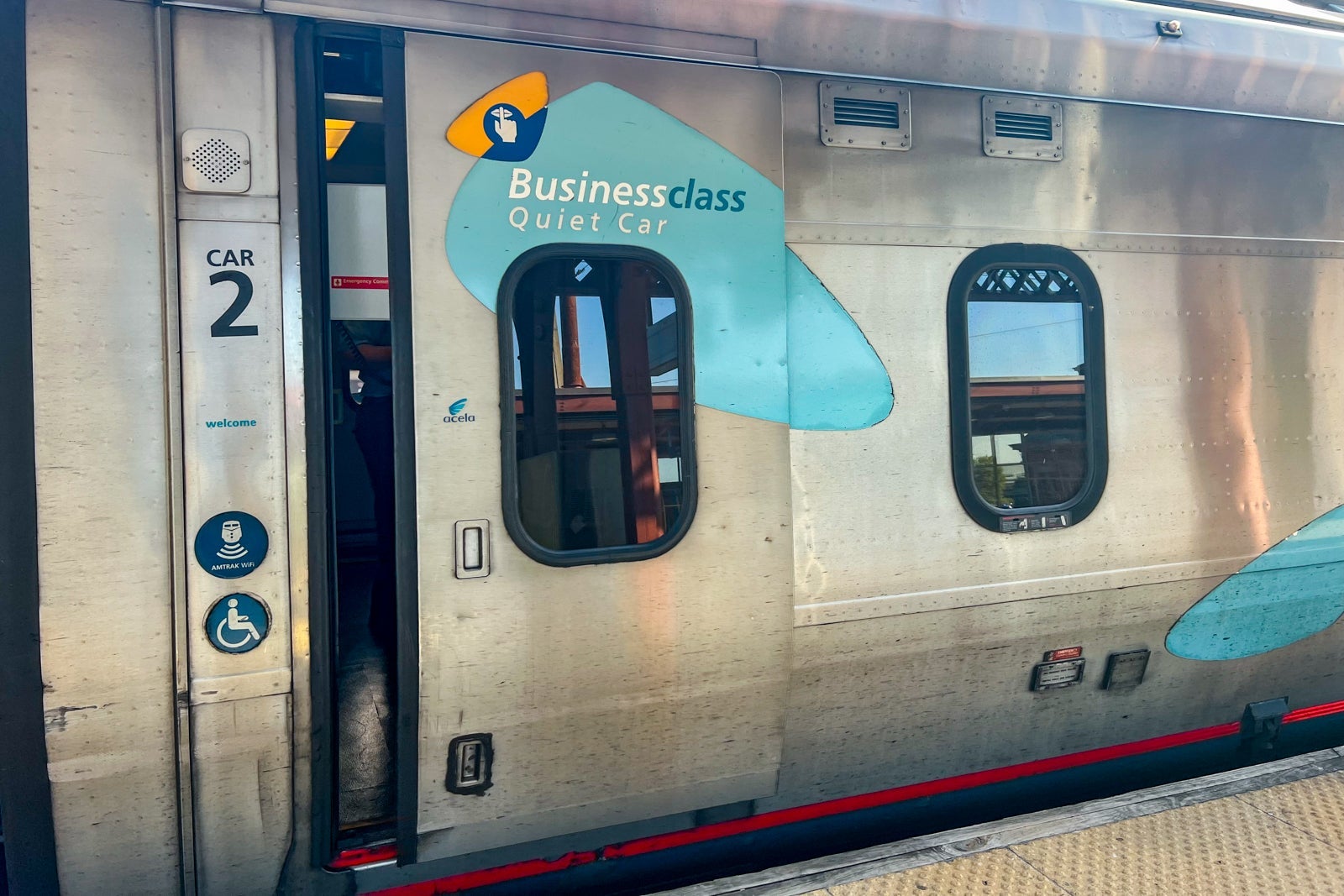
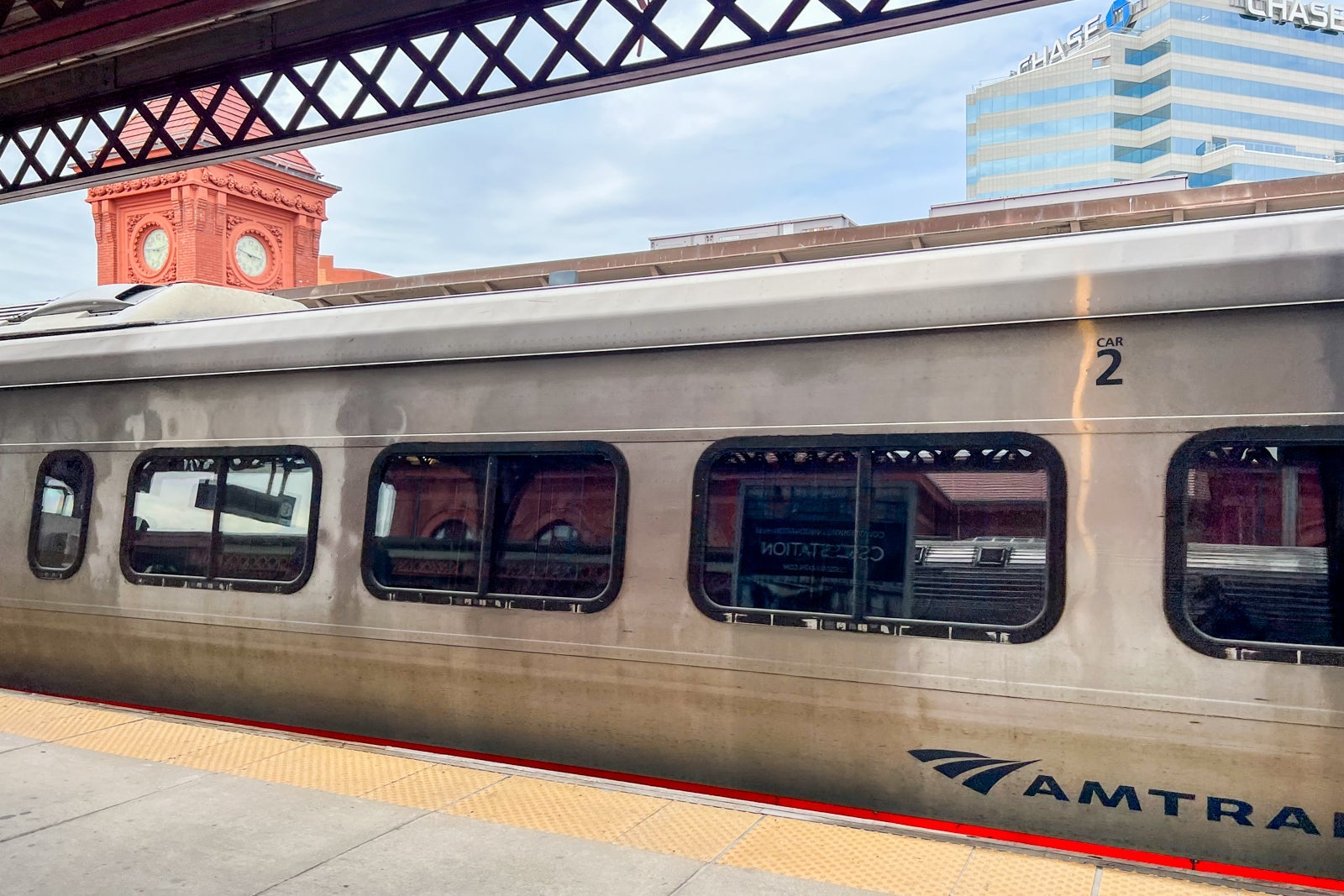
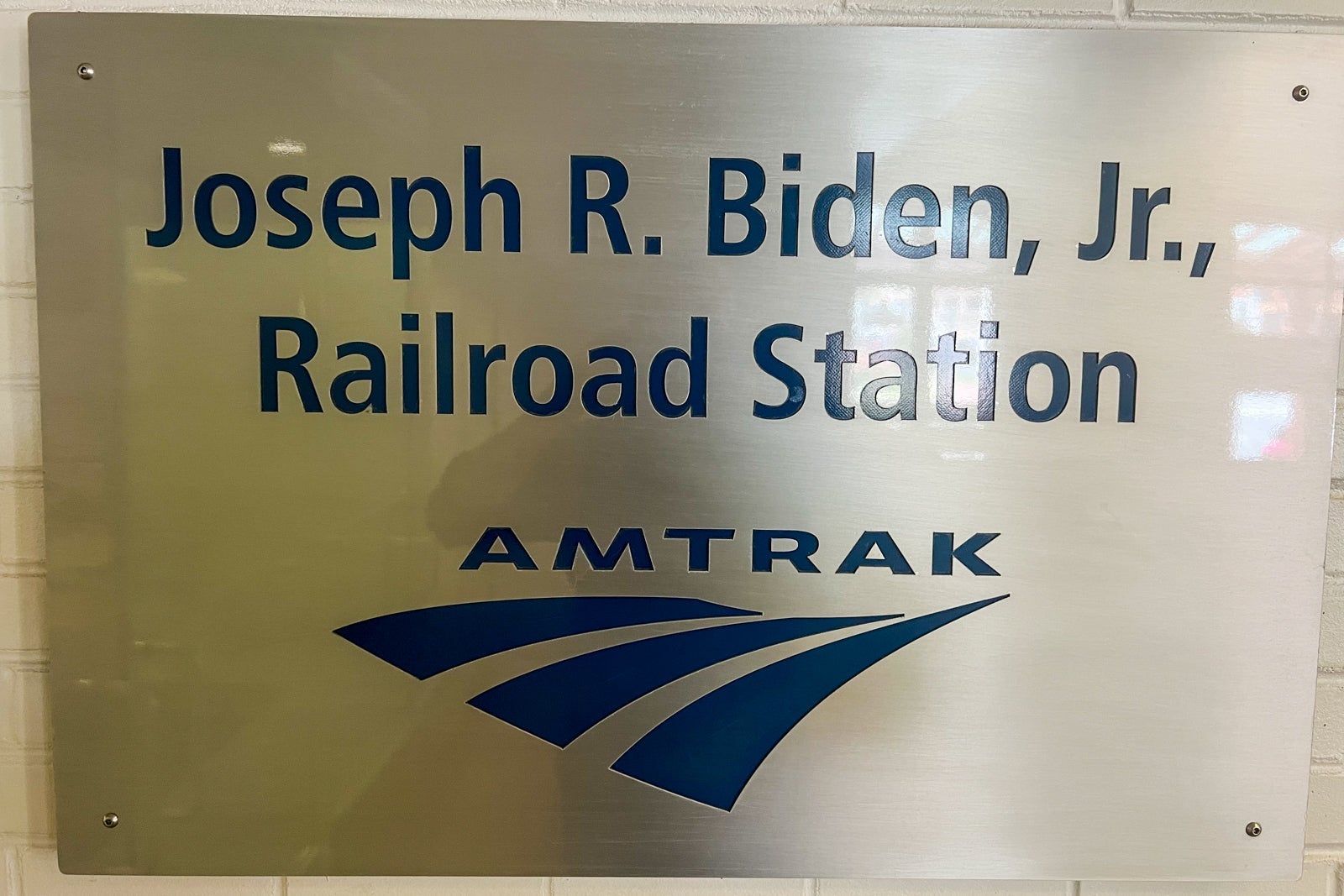
Still, it's thrilling to me that we do have a high-speed rail option in the U.S. Although domestic high-speed rail service isn't quite as fast as what you'll experience elsewhere — I clocked us getting up to speeds of 145 mph — once Amtrak has the new train sets and all the upgrades are done on the Northeast Corridor, these Acela trips monitored by the operations centers teams will be even faster.
Related reading:
- Key travel tips you need to know — whether you're a first-time or frequent traveler
- Your complete guide to Amtrak Guest Rewards
- 3 easy ways to save money on Amtrak tickets
- Amtrak is attracting new travelers; sees shift from business to leisure travelers
- 9 mistakes travelers make on their 1st train trips
- Amtrak launches new NYC-Burlington, Vermont, service
TPG featured card
at American Express's secure site
Terms & restrictions apply. See rates & fees.
| 4X | Earn 4X Membership Rewards® points per dollar spent on purchases at restaurants worldwide, on up to $50,000 in purchases per calendar year, then 1X points for the rest of the year. |
| 4X | Earn 4X Membership Rewards® points per dollar spent at US supermarkets, on up to $25,000 in purchases per calendar year, then 1X points for the rest of the year. |
| 5X | Earn 5X Membership Rewards® points on prepaid hotel stays booked through AmexTravel.com or the Amex Travel App™. |
| 3X | Earn 3X Membership Rewards® points on flights booked through AmexTravel.com, the Amex Travel App™, or purchased directly from airlines. |
| 2X | Earn 2X Membership Rewards® points on prepaid car rentals booked through AmexTravel.com or the Amex Travel App™ and cruises booked and paid through AmexTravel.com. |
| 1X | Earn 1X Membership Rewards® point per dollar spent on all other eligible purchases. |
Pros
- Valuable dining and food-related credits
- Flexible rewards with airline and hotel transfer partners
- Multiple travel and purchase protections
- No foreign transaction fees
- Access to Amex Offers for additional savings (enrollment required)
Cons
- Not as useful for those living outside the U.S.
- Some may have trouble using Uber and other dining credits
- You may be eligible for as high as 100,000 Membership Rewards® Points after you spend $8,000 in eligible purchases on your new Card in your first 6 months of Card Membership. Welcome offers vary and you may not be eligible for an offer. Apply to know if you’re approved and find out your exact welcome offer amount – all with no credit score impact. If you’re approved and choose to accept the Card, your score may be impacted.
- Earn 4X Membership Rewards® points per dollar spent on purchases at restaurants worldwide, on up to $50,000 in purchases per calendar year, then 1X points for the rest of the year.
- Earn 4X Membership Rewards® points per dollar spent at US supermarkets, on up to $25,000 in purchases per calendar year, then 1X points for the rest of the year.
- Earn 5X Membership Rewards® points on prepaid hotel stays booked through AmexTravel.com or the Amex Travel App™.
- Earn 3X Membership Rewards® points on flights booked through AmexTravel.com, the Amex Travel App™, or purchased directly from airlines.
- Earn 2X Membership Rewards® points on prepaid car rentals booked through AmexTravel.com or the Amex Travel App™ and cruises booked and paid through AmexTravel.com.
- Earn 1X Membership Rewards® point per dollar spent on all other eligible purchases.
- Pay It® lets you tap in the American Express® App to quickly pay for small purchase amounts throughout the month and still earn rewards the way you usually do. Plan It® gives you the option to split up big purchases into equal monthly payments with a fixed fee. You’ll know upfront exactly how much you’ll pay.
- $120 Dining Credit: Earn up to a total of $10 in statement credits monthly when you pay with the Gold Card at Grubhub (including Seamless), Buffalo Wild Wings, Five Guys, The Cheesecake Factory, and Wonder. This can be an annual savings of up to $120. Enrollment required.
- $100 Resy Credit: Get up to $100 in statement credits each calendar year at over 10,000 qualifying U.S. Resy restaurants after you pay for eligible purchases with the American Express® Gold Card. That’s up to $50 in statement credits semi-annually. Enrollment required.
- $84 Dunkin' Credit: Earn up to $7 in monthly statement credits after you pay with the American Express® Gold Card at U.S. Dunkin’ locations. Enrollment required.
- $120 Uber Cash on Gold: Enjoy up to $120 in Uber Cash annually with your Gold Card. Just add your Card to your Uber account and you'll get $10 in Uber Cash each month to use on orders and rides in the U.S. when you select an Amex Card for your transaction.
- Enjoy complimentary Hertz Five Star® Status benefits like skipping the counter at select locations, adding an additional driver at no additional cost*, and vehicle upgrades**. Benefit enrollment and Hertz Gold+ registration are required. *Additional drivers must meet standard rental qualifications and must be a spouse or domestic partner to qualify as complimentary. Other additional drivers subject to fees. **Benefits are subject to availability and vary by location. Additional Hertz program Terms and Conditions including age restrictions apply.
- Book two nights or more with The Hotel Collection through AmexTravel.com or the Amex Travel App™ and receive a $100* credit towards eligible charges at over 1,400 upscale hotels worldwide. *Eligible charges vary by property.
- Book your travel through the Amex Travel App™ with added peace of mind – backed by American Express® service and support. Only for American Express® Card Members.
- Whenever you need us, we're here. Our Member Services team will ensure you are taken care of. From lost Card replacement to statement questions, we are available to help 24/7.
- No Foreign Transaction Fees.
- Annual Fee is $325.
- Terms Apply.