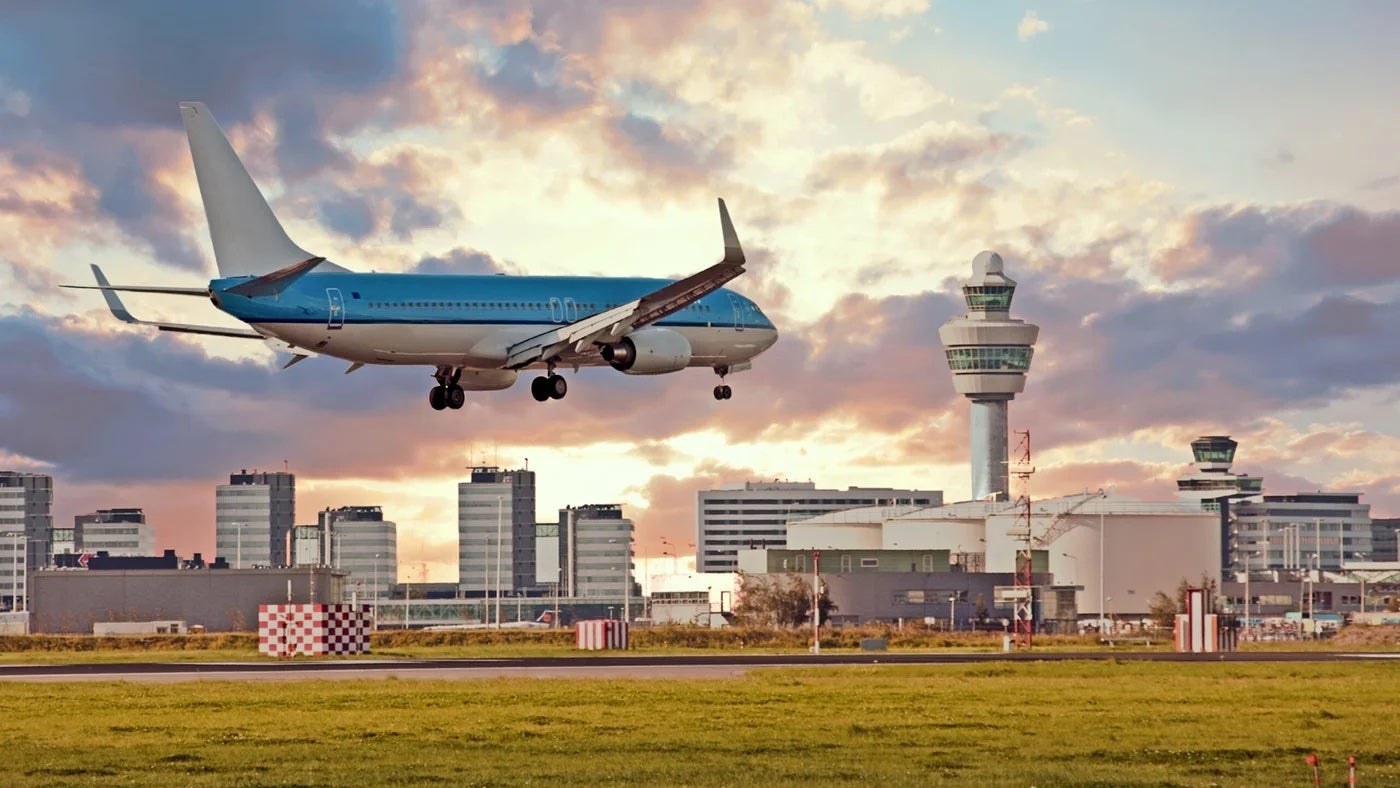
Previously, the limit on air passengers leaving its terminals had been set at 67,500 per day for July before it was increased to 73,000 for August to accommodate the peak of the school holidays.
However, the daily passenger limit is set to drop again in September to just 67,500, before rising slightly to 69,500 in October.
Why would the passenger cap be so much lower post-summer than during the peak of it? Well, the airport staff estimates there will be 3,500 too many flyers “in and around the two weeks of the autumn holidays.” They also expect further holdups over autumn due to the “seasonal effect."
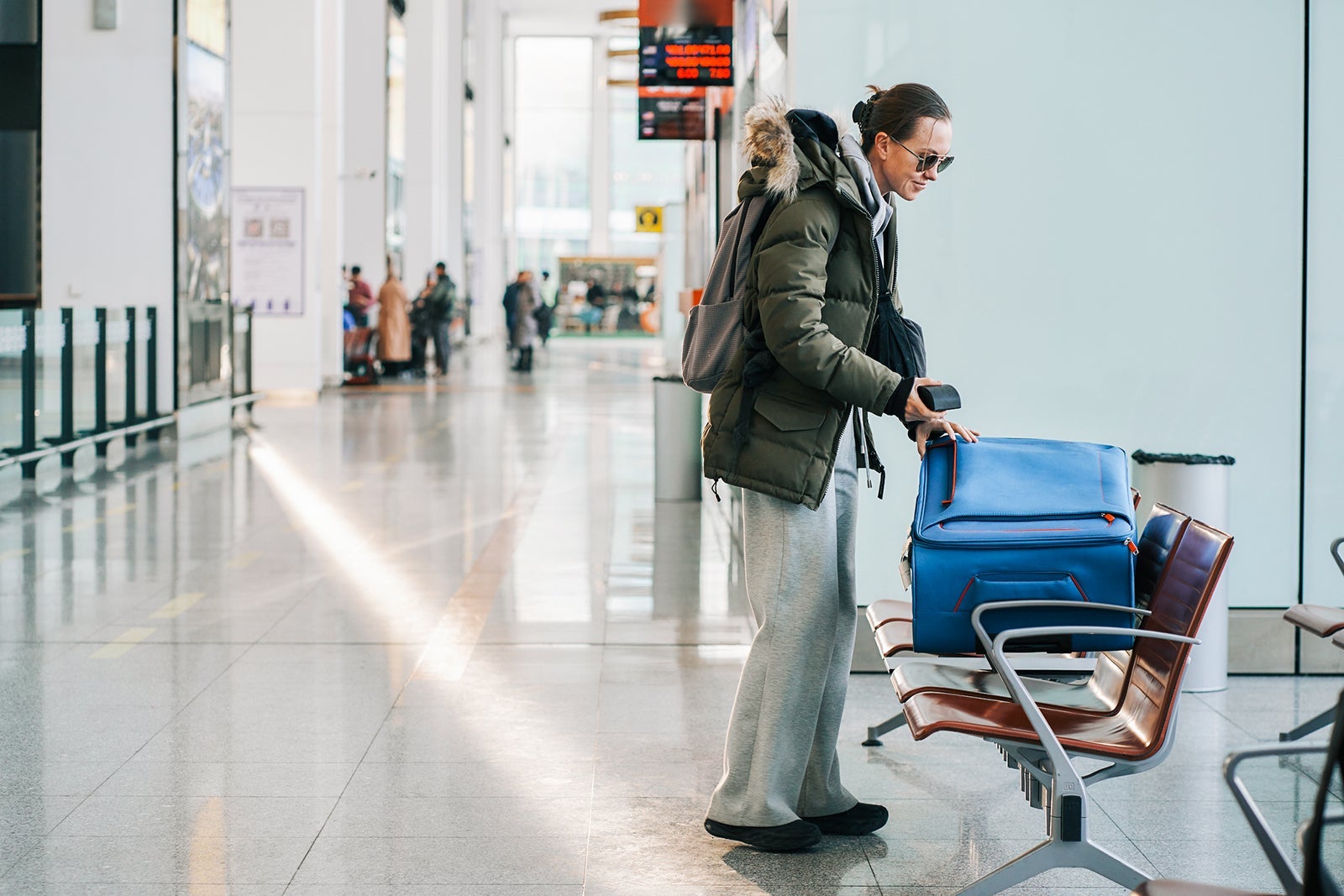
“Travelers use more bins at security control after the summer because they wear more clothes, such as coats, hiking boots and vests," an airport spokesperson explained. "As a result, it takes a little longer to check all the hand baggage and the passengers.”
As Schiphol gears up for a hectic four months, it’s expanding up its security arm with 200 new personnel this month; the airport will add another 80 employees to its security detail in October.
“Sticking to a maximum number of departing passengers also helps cope with operational changes, such as a delayed flight arrival or departure,” a spokesperson for the airport added. “Virtually all parties at the airport are understaffed, and any unexpected changes can result in delays to the entire airport process at Schiphol.”
Due to staff strikes — as well as the recent European heat wave — delays and cancellations at Schiphol have been ever-present. Plus, traffic has increased since many countries around the globe eased COVID-19 restrictions earlier this year.
Related: Heathrow’s controversial flight cap could be extended until next year
Further chaos erupted a few weeks ago when a baggage system failure at the airport meant some KLM passengers were unable to check bags, causing pandemonium for thousands of journeys.
When the initial cap took effect last month, airlines operating in Amsterdam simply weren’t ready; the airport gave some of them an ultimatum to switch to smaller aircraft or leave seats empty.
Back in June, the Dutch government announced grand plans to reduce flights at the country’s busiest airport from 500,000 to 440,00 annually starting in 2023 in order to combat air pollution. (We looked into how practical this could be.)
At its peak, without caps, Schiphol delivers an average of 1,250 flights per day. Overall, the reduction would shrink flights at the European hub by around 11% — a considerable dent in the figures of Europe’s third-largest airport.
Presently, officials in Amsterdam have told passengers that they should arrive at the airport no more than four hours before their flight. Just remember to keep those sweaters down to a minimum, all right?