Day in the life: What do airplane maintenance technicians actually do?

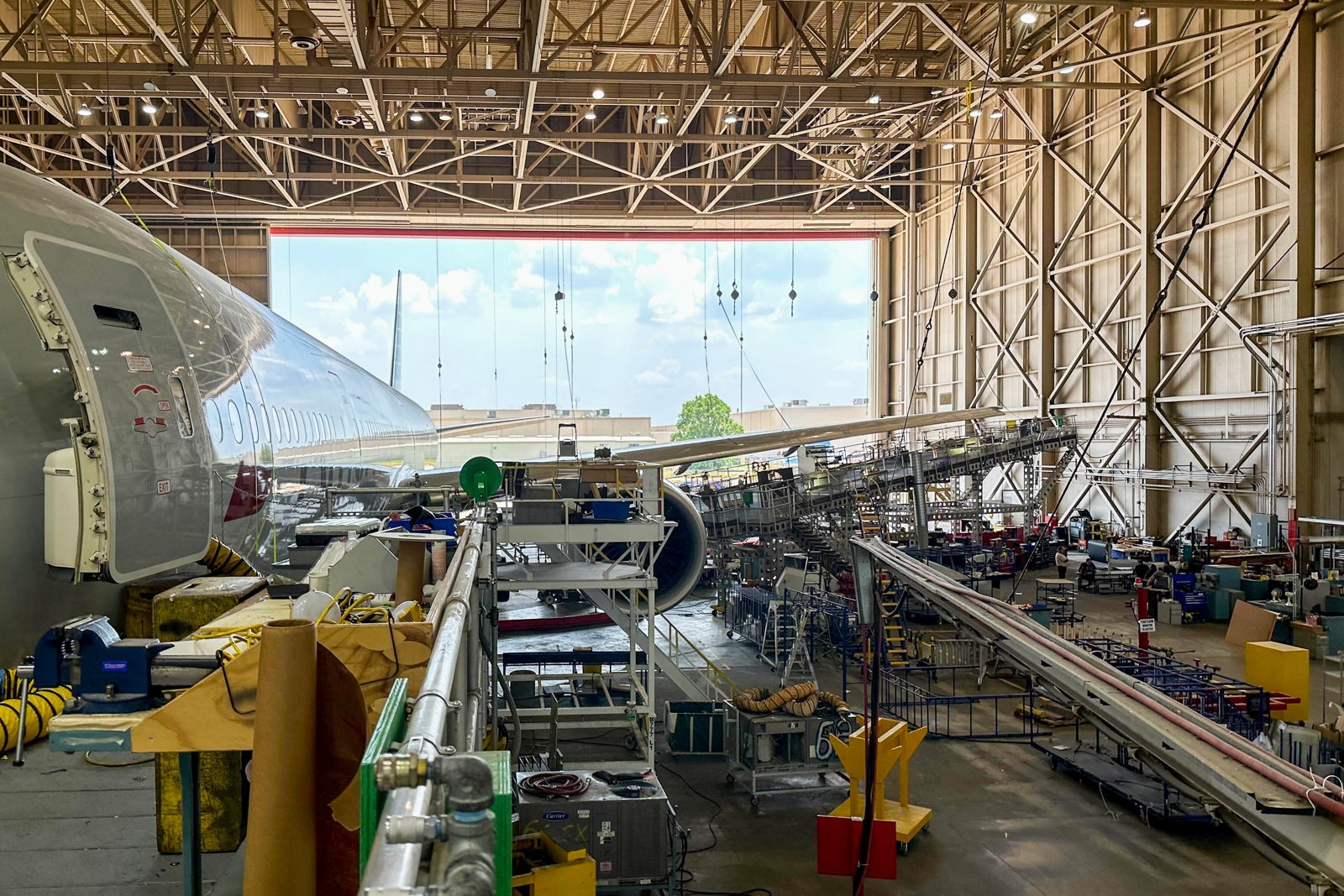
Long hours, unpredictable day-to-day tasks and hidden problems that need to be discovered are just a few of the common challenges airline mechanics face.
Licensed and governed by the Federal Aviation Administration (FAA), airline mechanics undergo many months of training similar to pilot training (but on the ground) so travelers can fly safely from point A to point B.
But what exactly does this training entail — and what is it like to be an airplane maintenance technician?
Related: Inside the dizzying process of commercial aircraft maintenance
TPG got a chance to learn exactly what 24 hours as an airline mechanic looks like by spending some time with an American Airlines aircraft maintenance technician named Gabe (we've redacted his last name due to privacy concerns) who spends his days making things just right at the airline's maintenance site in Tulsa, Oklahoma.
In his words, here's what Gabe shared with TPG's Meghna Maharishi during her recent tour of the site.
How I got started
My dad worked in fleet service, so I've always been around planes. In 2015, I started working in reservations for American Airlines, taking phone calls. One day, we were given a tour of one of the hangars in Miami, and I fell in love. I went to school to get my license. Now, I'm an aircraft maintenance technician. It's probably the best decision I ever made.
Preparing for the job
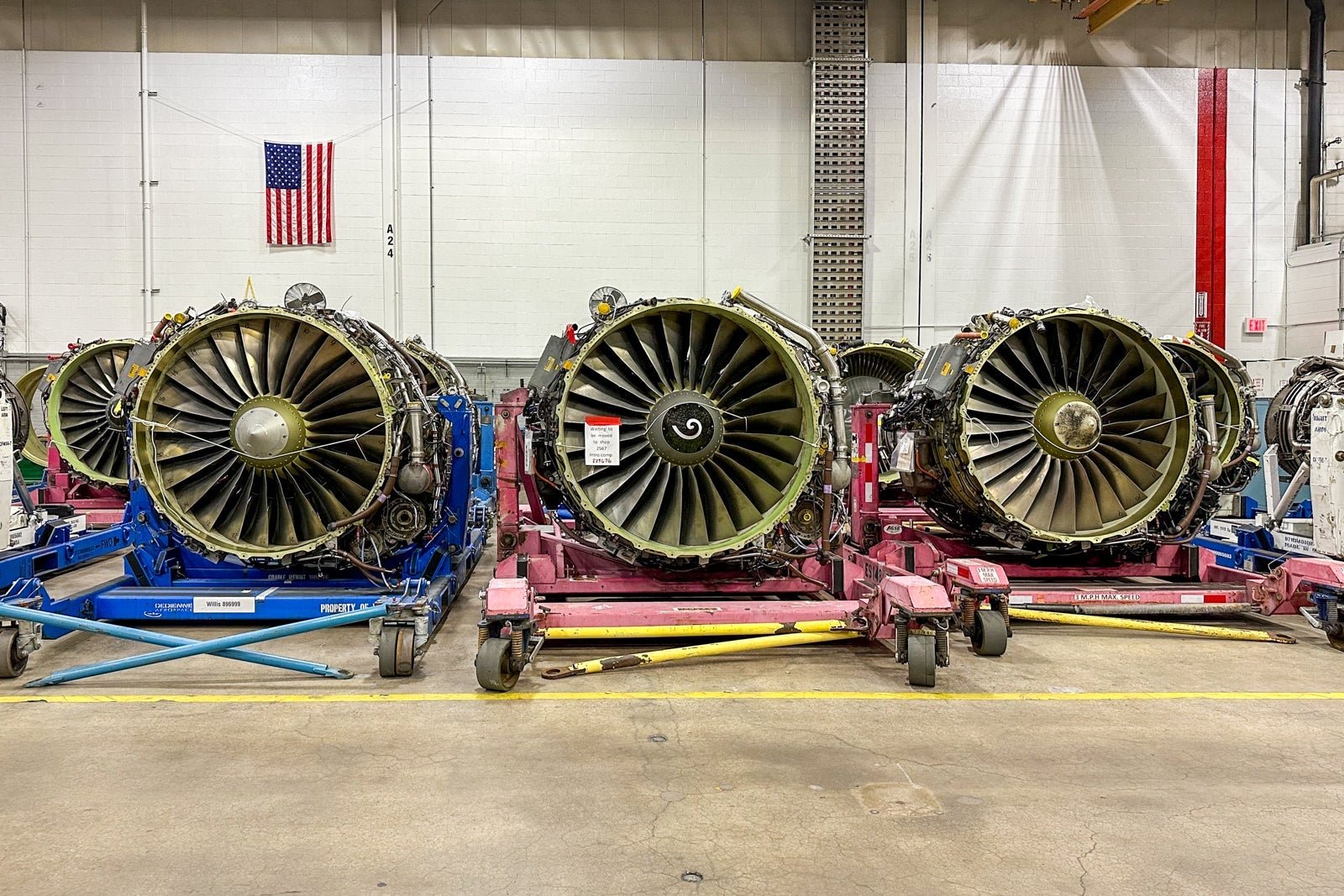
In training, you learn the basics of general aviation plans and how to troubleshoot. The biggest thing you learn about is hydraulics; they're everywhere and where lots of problems can arise. You also study basic electricity skills, how it applies to an airplane and how airplanes make electricity. You're proving to the FAA that you're willing to learn and capable of learning.
Your license is issued and governed by the FAA. The license is kind of like a pilot's license, but it says "aircraft mechanic" on it. A lot of people learn in the military, but if you're not in the military, you can attend college or trade school for around 18 to 24 months.

You hone your skills at that first job — that's what brings it all together. Everything I learned in school was pretty much pointless in the sense that I did not learn anything that applied specifically to this job. I like to call it a license to learn because it's got to cover stuff like small propeller engines since the FAA doesn't know if you're gonna work somewhere like here or on your own private plane.
My day-to-day routine
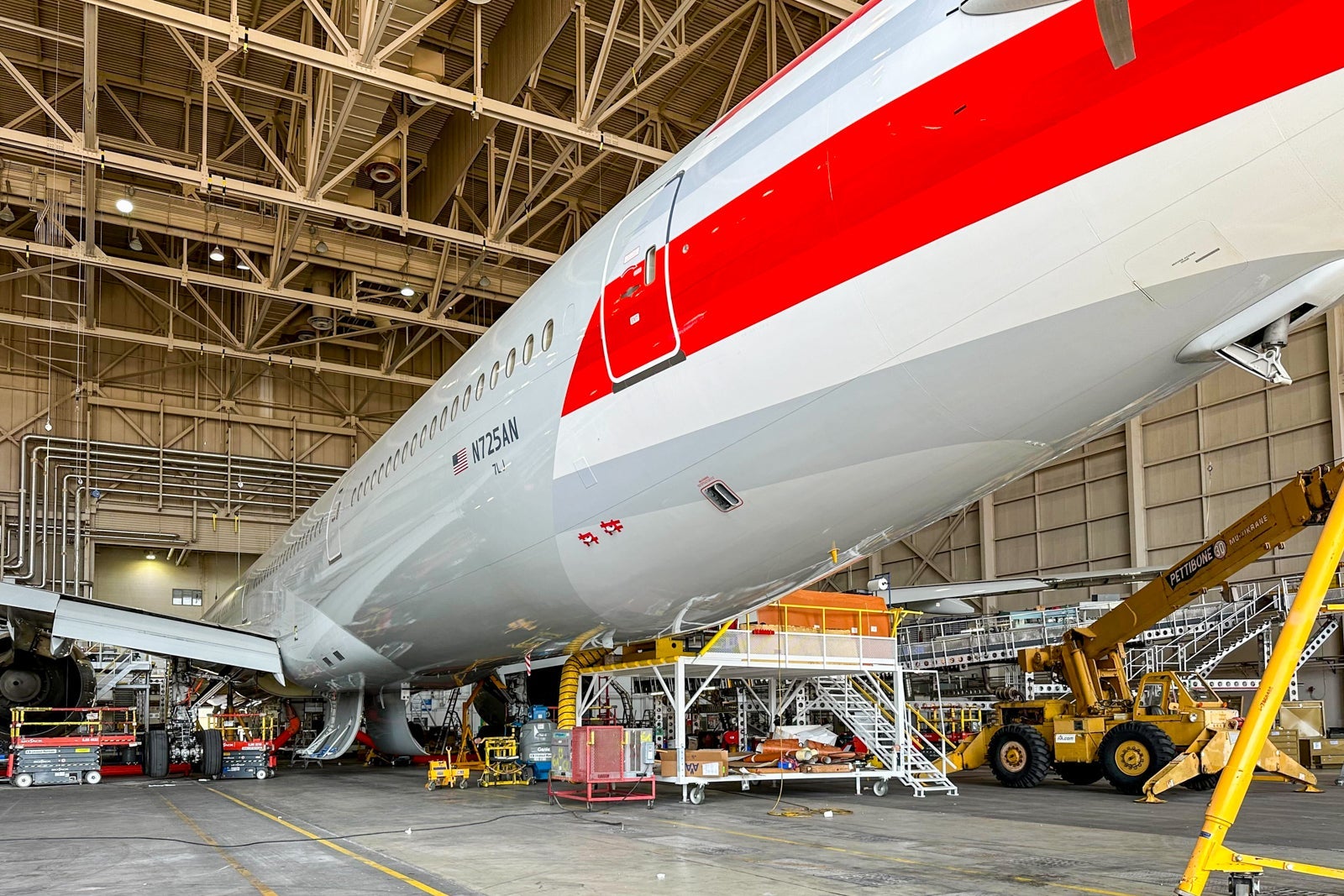
You have no idea what your daily assignment will be. I work the second shift, which starts at 2:30 p.m., with a crew that meets to figure out what needs attention that day. It's not a normal nine-to-five job where you know what you'll be doing just because you did something the previous day.
I work in block 6A, meaning my crew and I usually work in the cabin. We mostly cover interior stuff, which covers tasks like removing business-class seats and overhauling and cleaning the cabin. We basically take everything apart and try to make it look good.
We usually have 40 to 50 days to work on a plane. It can vary from plane to plane, but typically, we have more than a month to work on a plane. So, we can prioritize each day.
We're responsible for passengers' first impressions. Some technicians prefer to be outside doing more involved stuff like engines, but inside, that's where all our business comes through. I take pride in ensuring things look great because passengers will notice if something is not right.
The challenges that come up
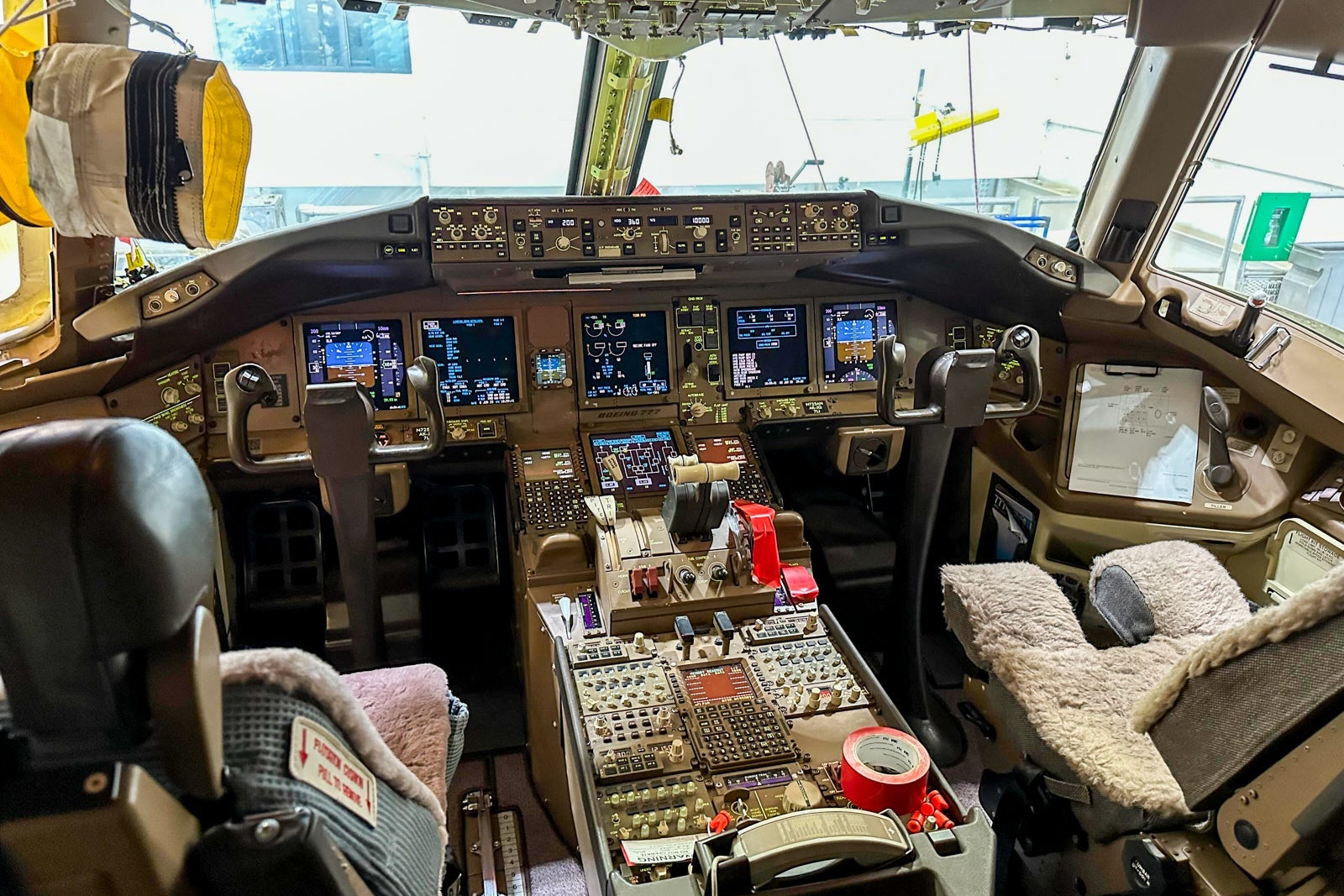
Sometimes, you run into hiccups. Every five-minute job is one broken bolt away from being an eight-hour job. Most days, though, you get into a rhythm and finish by 10:30 p.m. — even with the half-hour for double- and triple-checking everything to ensure you haven't left any tools behind factored in.
Related: 11 safety features in aircraft cabins that you may not know exist
Airplanes fly a lot, and there's a lot of stuff we can't get to immediately. There isn't one definite thing that always breaks, but there are always little things, chips, nicks, scratches, etc. We take care of 99% of those issues. However, a lot of that stuff is wear and tear, and an airplane is meant to wear through those items. That's why we have maintenance checks.
Mistakes do happen. That said, we learn from all of them, so they rarely happen. We don't want anybody getting hurt — safety is always the No. 1 goal.
It's very rare to find something that's not done, but we have an anonymous system to encourage people to report any mistakes. This system is in place as an extra safety layer. So, if someone forgets to, say, replace pins that were removed during maintenance, the aircraft can be stopped from taking off.
I can't say that we can prevent maintenance delays, but when an airplane leaves here, it's going to be in almost perfect shape. Being proactive instead of reactive is something many people take for granted, but it is important to mitigate risks. We don't want problems further down the line, and the airline doesn't want delays and cancellations.
Why I love my job
You feel accomplished when you find something that's broken that nobody else found. You're taking the time to make sure things aren't overlooked.
Aside from the job itself, I love my co-workers. They are a great group of people to work with; you see them more than your own family and always learn something from all of them. It's like a small family.
As told to Meghna Maharishi.
Related reading:
- When is the best time to book flights for the cheapest airfare?
- The best airline credit cards
- What exactly are airline miles, anyway?
- 6 real-life strategies you can use when your flight is canceled or delayed
- Maximize your airfare: The best credit cards for booking flights
- The best credit cards to reach elite status
- What are points and miles worth? TPG's monthly valuations
TPG featured card

at Capital One's secure site
Terms & restrictions apply. See rates & fees.
| 5X miles | Earn 5X miles on hotels, vacation rentals and rental cars booked through Capital One Travel |
| 2X miles | Earn unlimited 2X miles on every purchase, every day |
Pros
- Stellar welcome offer of 75,000 miles after spending $4,000 on purchases in the first three months from account opening. Plus, a $250 Capital One Travel credit to use in your first cardholder year upon account opening.
- You'll earn 2 miles per dollar on every purchase, which means you won't have to worry about memorizing bonus categories
- Rewards are versatile and can be redeemed for a statement credit or transferred to Capital One’s transfer partners
Cons
- Highest bonus-earning categories only on travel booked via Capital One Travel
- LIMITED-TIME OFFER: Enjoy $250 to use on Capital One Travel in your first cardholder year, plus earn 75,000 bonus miles once you spend $4,000 on purchases within the first 3 months from account opening - that’s equal to $1,000 in travel
- Earn unlimited 2X miles on every purchase, every day
- Earn 5X miles on hotels, vacation rentals and rental cars booked through Capital One Travel
- Miles won't expire for the life of the account and there's no limit to how many you can earn
- Receive up to a $120 credit for Global Entry or TSA PreCheck®
- Use your miles to get reimbursed for any travel purchase—or redeem by booking a trip through Capital One Travel
- Enjoy a $50 experience credit and other premium benefits with every hotel and vacation rental booked from the Lifestyle Collection
- Transfer your miles to your choice of 15+ travel loyalty programs
- Top rated mobile app