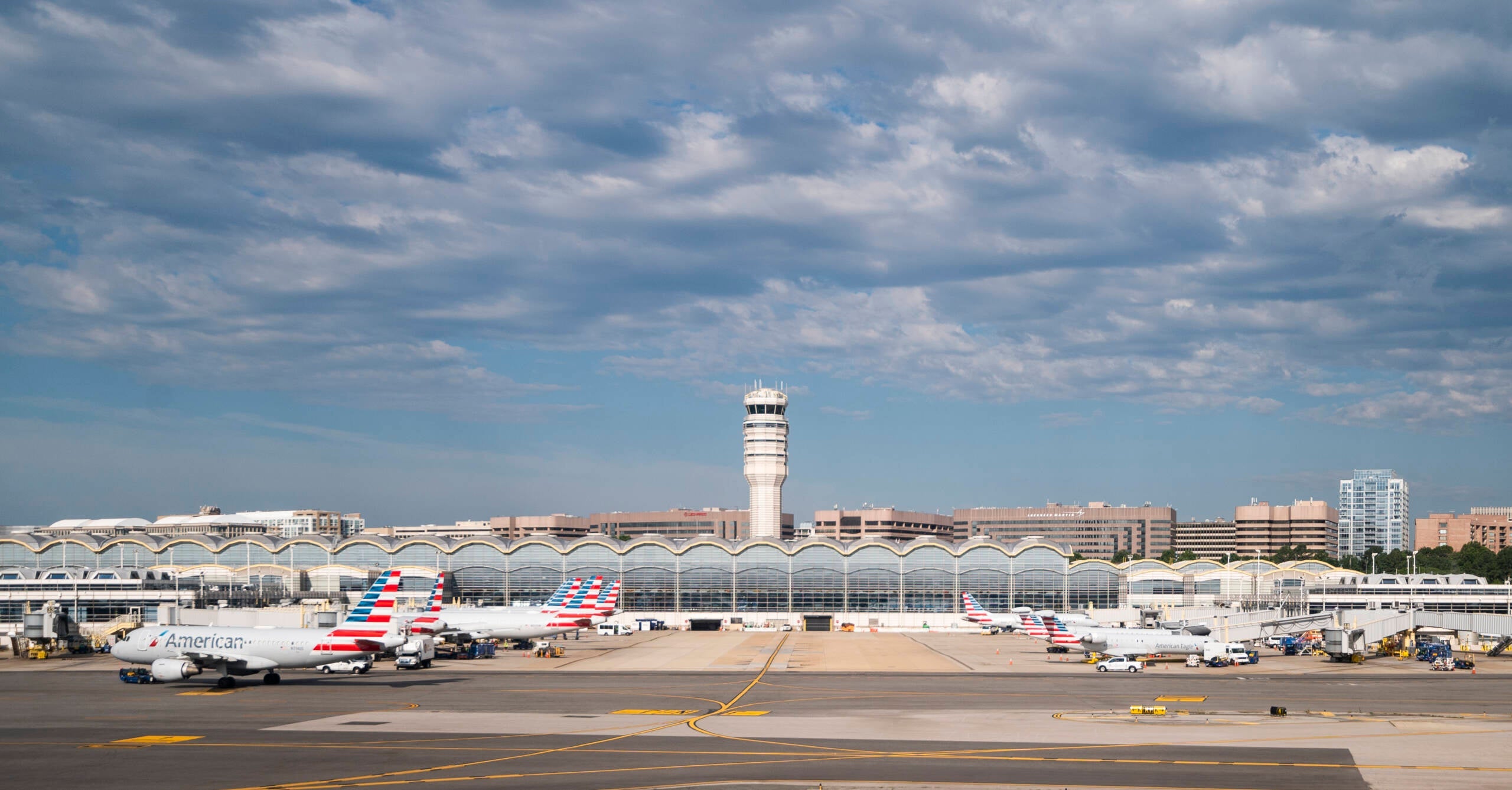

The Federal Aviation Administration has waived slot usage rules at the congested New York John F. Kennedy (JFK) and New York LaGuardia (LGA) airports as well as at Washington Reagan National (DCA). The waiver now extends until March 27, 2021, the FAA said in a notice posted on Oct. 5. One slot is needed for every takeoff or landing — two for a round-trip flight — at these airports.
In addition, rules governing the coordination of flights at busy Chicago O'Hare (ORD), Los Angeles (LAX), Newark (EWR) and San Francisco (SFO) airports were partially extended through March.
Previous waivers to both sets of rules were set to expire Oct. 24.
Want more airline-specific news? Sign up for TPG's free new biweekly Aviation newsletter!
The move by the FAA is good news for airlines. Without the waiver, any airline with a slot at JFK, LaGuardia or Washington National faced the prospect of having to fly 80% of its schedule or risk losing those valuable rights. That could have meant hundreds of nearly-empty "ghost flights" operating this winter — costing airlines precious money and pumping unneeded carbon into the atmosphere.
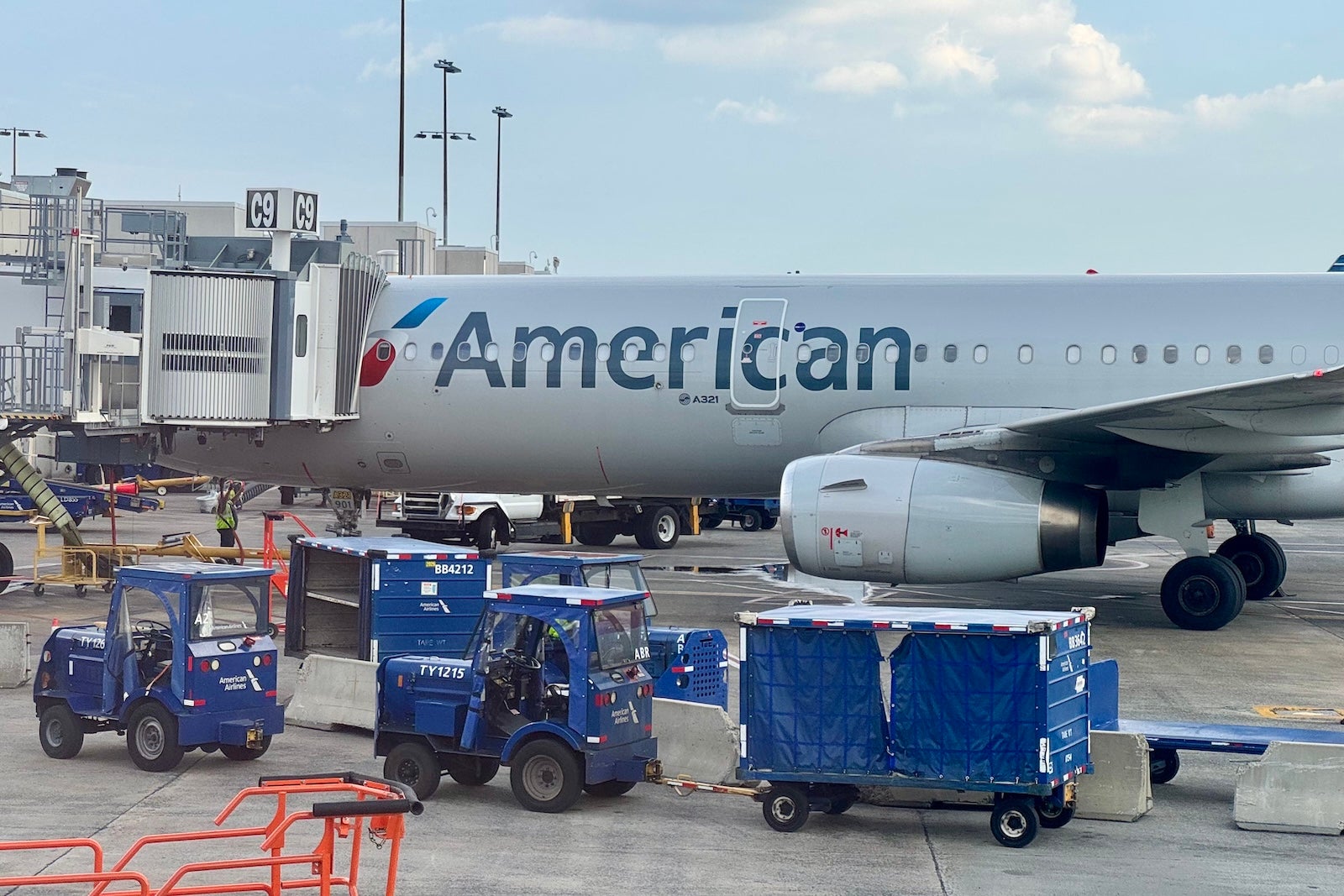
For example, American Airlines is scheduled to resume its pre-pandemic schedule of up to 258 daily departures from its Washington National hub on Dec. 1 — a dramatic jump from just 63 departures the day before — according to Cirium schedules. The airline can now decide what level of air service is warranted based on the number of travelers taking to the skies rather than a need to comply with slot rules.
Flyers, however, are not expected to be back in significant numbers by then. Recent data from travel analytics firm OAG shows November bookings at American, Delta Air Lines and United Airlines at at most a quarter of the level seen at the the beginning of October 2019.
Related: Thanksgiving a bust? Airlines slash November schedules as demand sputters
Data from trade group Airlines for America (A4A) shows U.S. domestic flyer numbers down 65% during the week ending Sept. 27 compared to last year.
Not every airline supported the FAA's waiver extension. Discounter Spirit Airlines objected to the move in comments to the regulator on Sept. 22. The carrier said extending waivers was "unacceptably protective of dominant incumbent carriers at the expense of the traveling public and of low-cost carriers ready and willing to serve.”
Spirit has a history of pushing for more access to capacity-controlled airports in the U.S. In December 2019, it sued the FAA to allocate unused peak-period flights at Newark. The case was undecided when COVID-19 hit.
Related: Spirit Airlines sues DOT for Southwest’s flights at Newark
In its September comment, Spirit told the regulator that it has sought access to JFK for 14 years but not able to secure the necessary gates and ground facilities to add flights.
Alaska Airlines, Delta, JetBlue Airways, Southwest Airlines and United, plus A4A, all supported an extension of slot waivers in comments filed in September.
Related: Airlines are flying some unexpected routes during the pandemic. Will they stick around?