Take a look inside Air New Zealand's unique cabin innovation laboratory

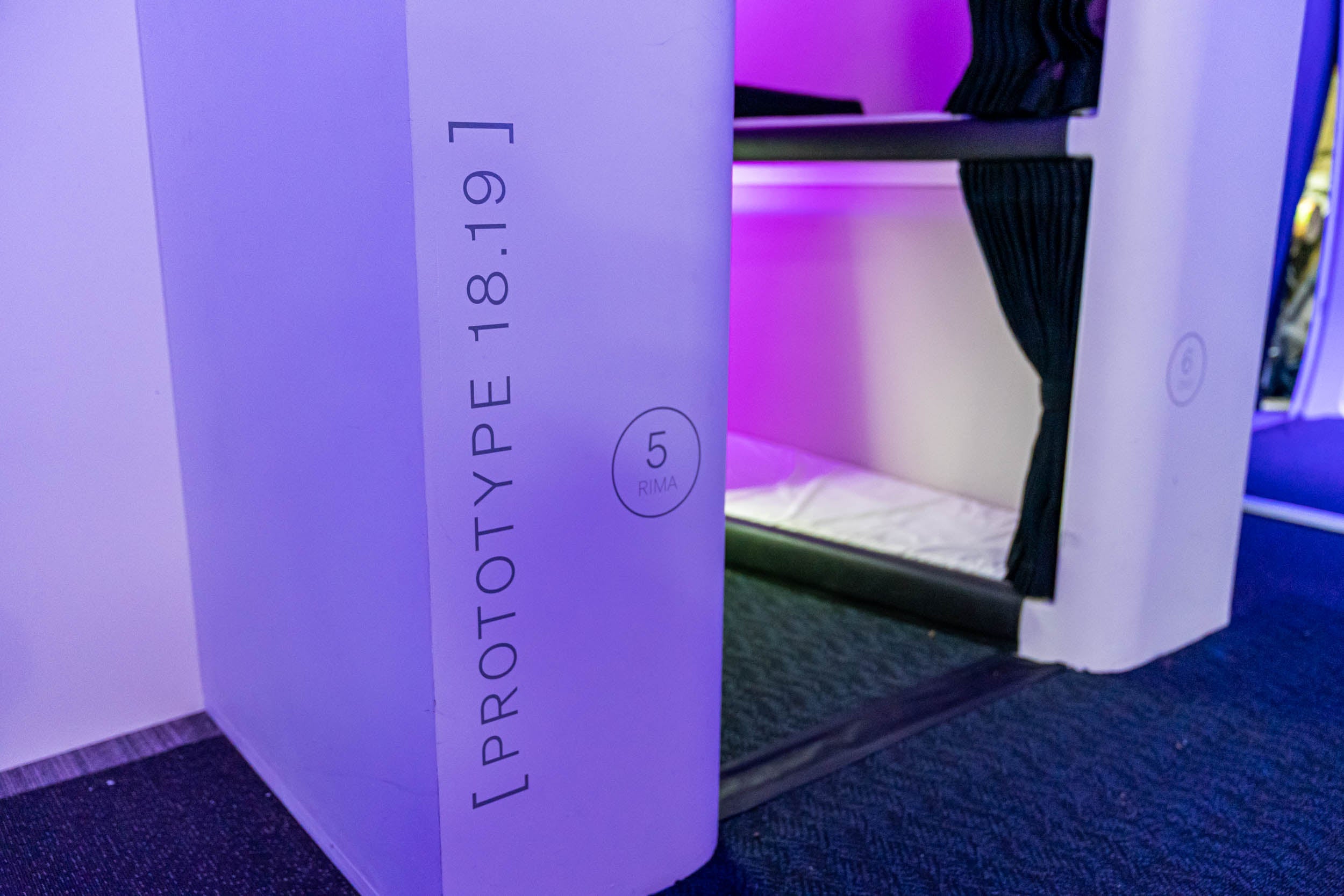
Air New Zealand is not the world's largest airline nor is it the world's most influential airline. However, as a carrier that operates a huge proportion of long-haul flights alongside a domestic network, it often has to be creative. This is why it has carved out an innovative niche among its peers.
The need for this creativity is driven by geography. Flights to New Zealand can be intimidatingly long for passengers, especially for the vast majority who travel in coach.
To try and make long flights more appealing, Air New Zealand has developed a few distinctive onboard products. Additionally, the airline has a dedicated high-performing team that designs these products at a unique studio.
Earlier this fall, following the airline's inaugural flight to Auckland from New York's John F. Kennedy International Airport (JFK), I had the opportunity to tour "Hangar 22," the airline's innovations lab.
Despite its name, Hangar 22 isn't really inside a hangar. Nestled away in an unassuming office building off a side street in downtown Auckland, a few blocks from the central business district, the lab sits behind locked doors and typically has strict protocols for visitors (the large "no photos" sign on the wall is telling).
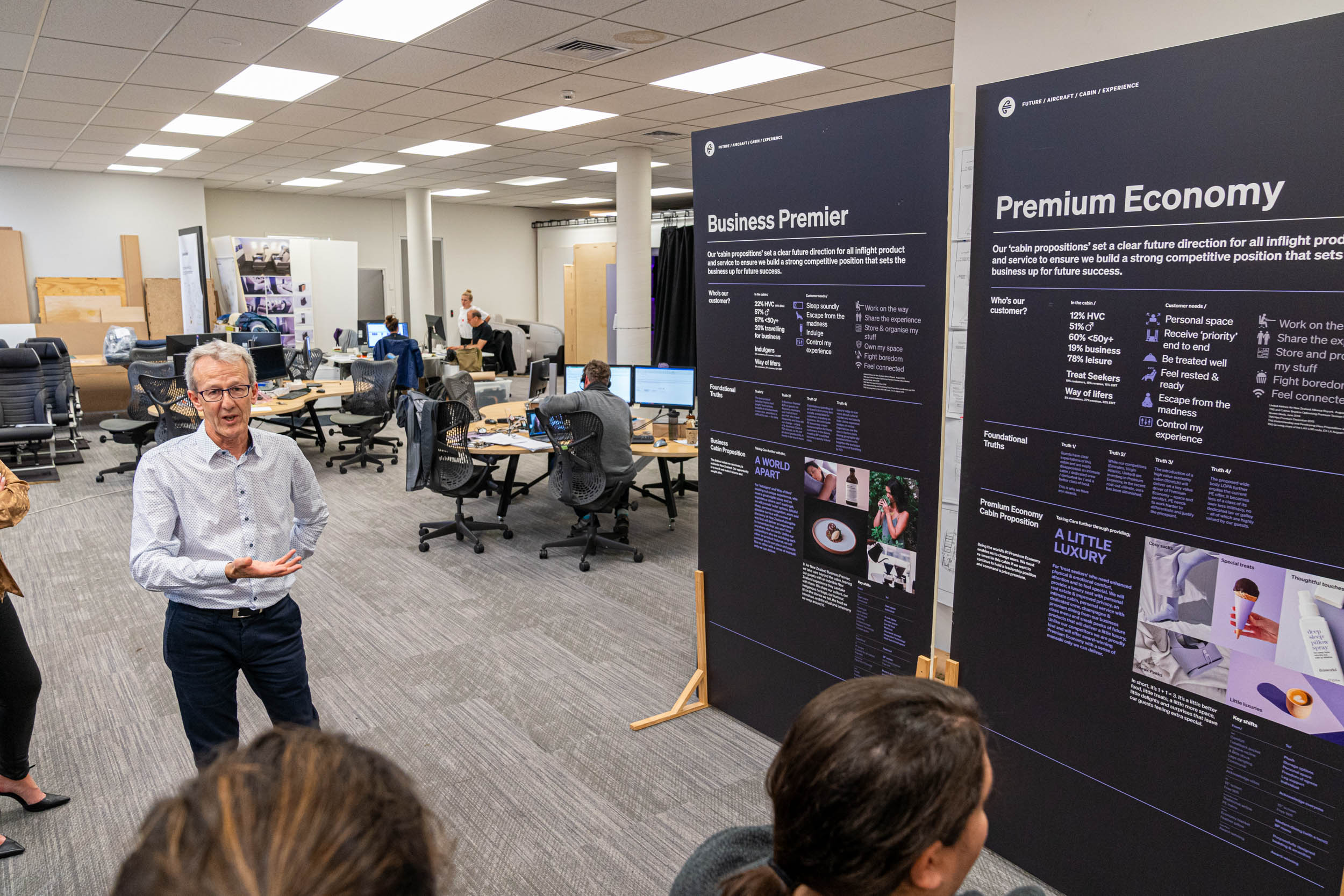
Once you're inside, though, it's a casual, open-plan office with standard amenities and an excellent coffee machine (one that makes barista-quality flat whites, as I found out).
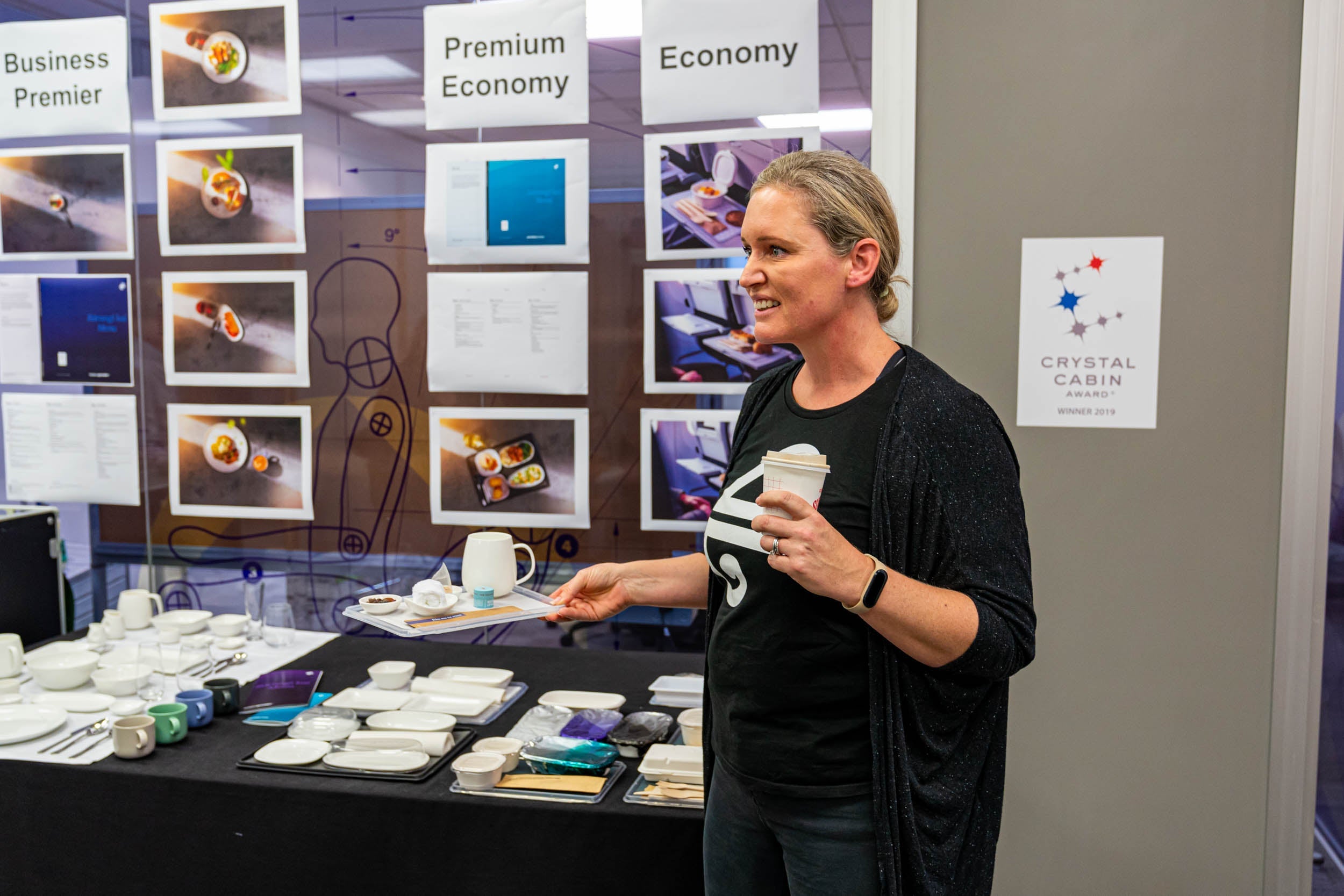
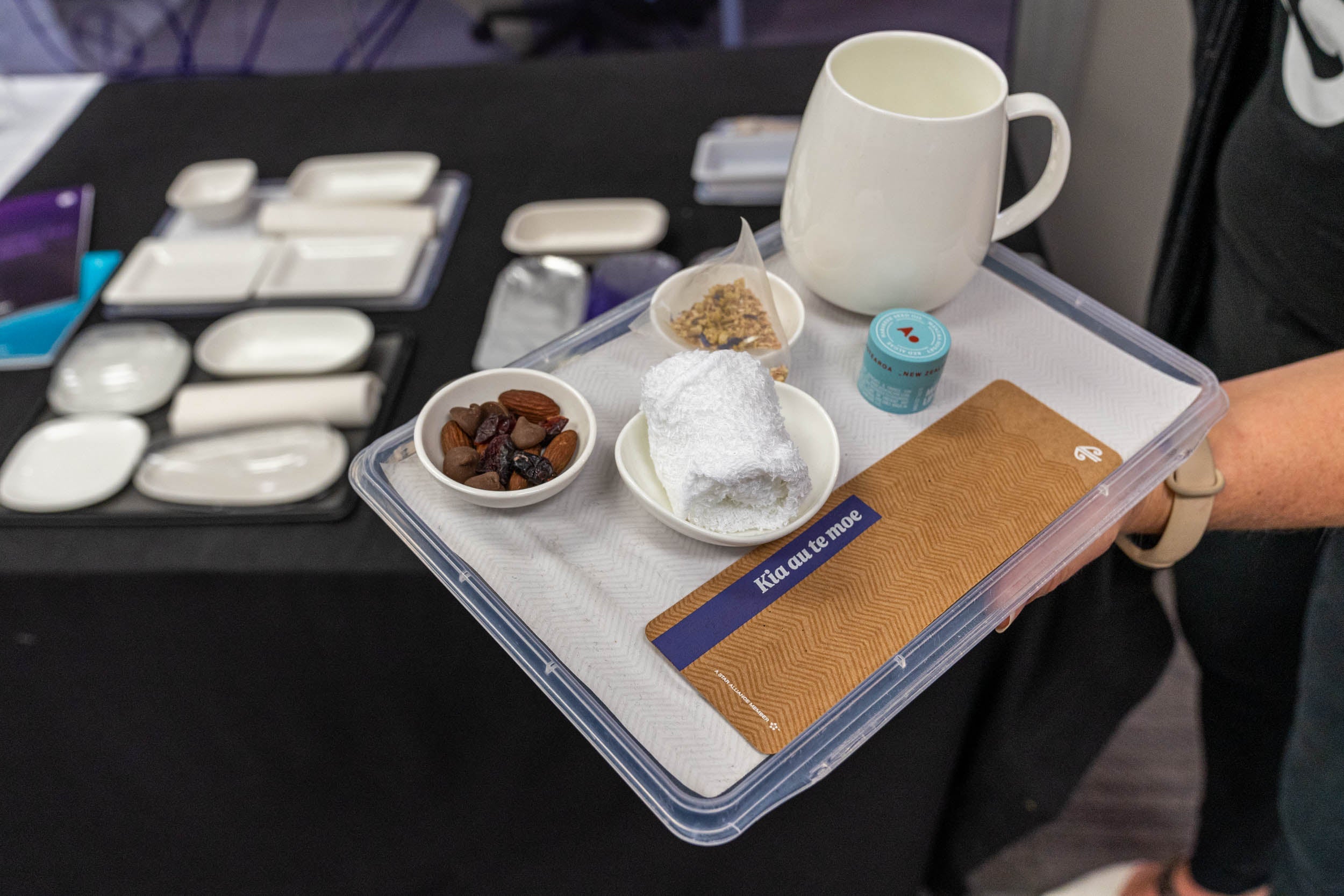
At Hangar 22, the airline designs everything from its new meal services — such as the menu items and types of plates and utensils — to its new business-class seats to totally unique, sleep-friendly hard products for its economy cabin.
The airline famously offers a "Skycouch" in coach, which allows passengers to buy an entire row of coach seats and raise a leg rest-type device to turn them into a couch that's perfect for napping or relaxing. Those seats cost extra, but they are still significantly less than a lie-flat business class seat would cost.
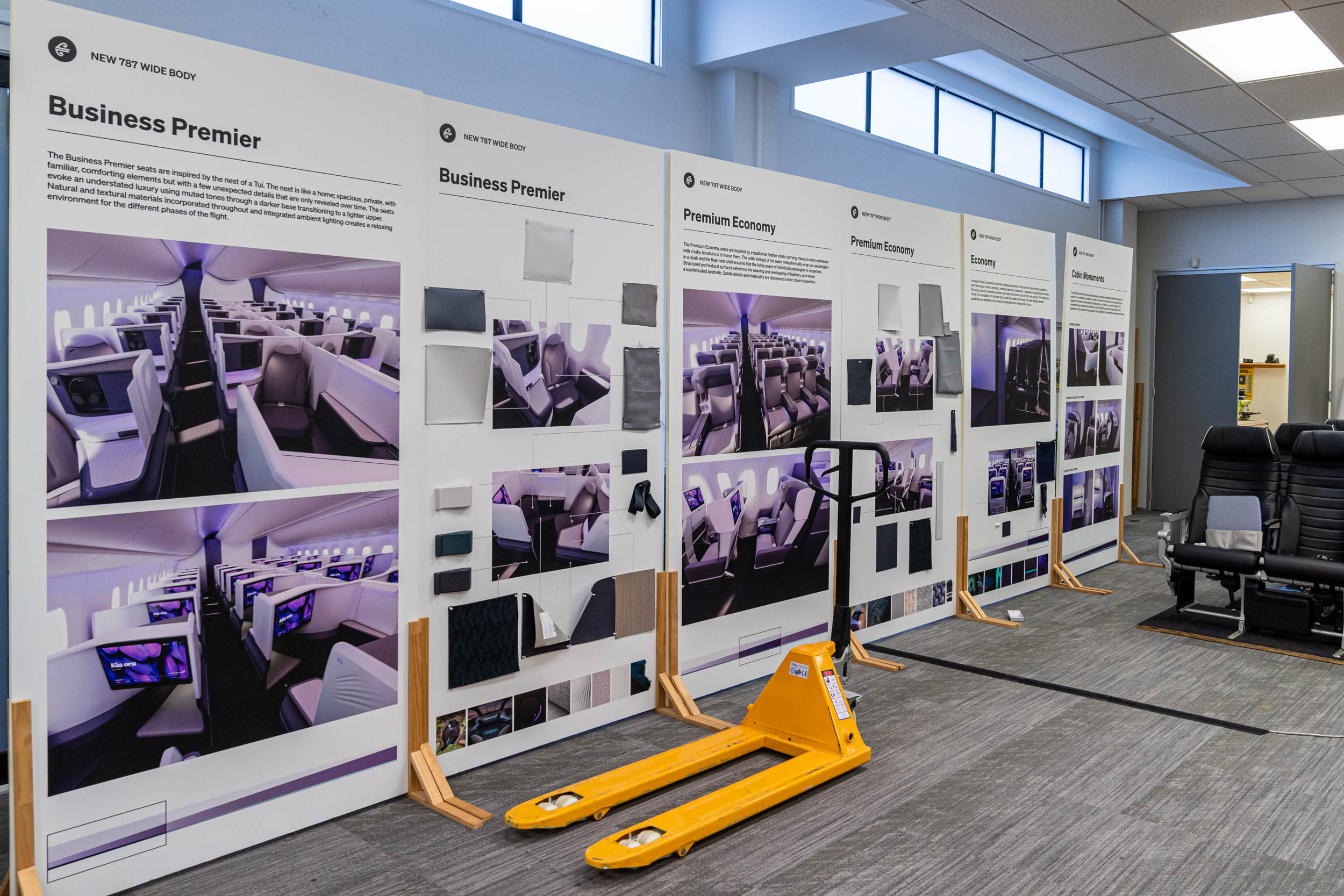
The Skycouch may sound obvious, but it's a fairly difficult idea to implement and one that has to take safety, economic, and fuel efficiency factors into consideration.

Air New Zealand's next economy product will be even more challenging to pull off — and even more innovative.
The airline unveiled designs for its "Skynest" — a six-bed compartment that can be placed at the back of the coach cabin — in early 2020. It will be small and tight, but it would allow for six passengers at a time to get a few hours of shut-eye. Once certified and installed, the plan is to offer it in four-hour chunks to six passengers at a time, for an additional fee.
While the airline first announced the plans for the Skynest two years ago, it wasn't until this year that the airline had a working prototype of the capsule.
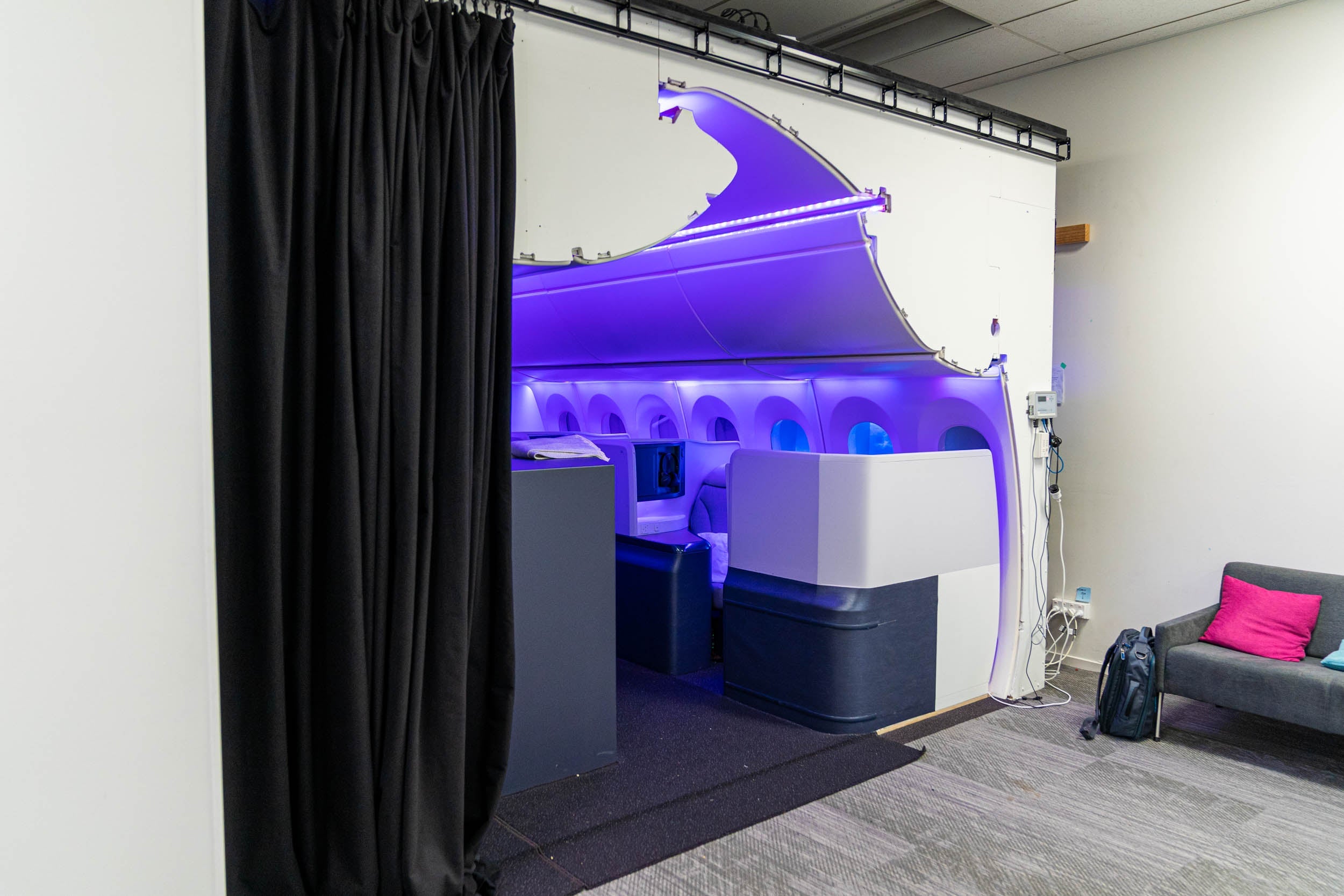
Tucked into the back corner of Hangar 22, there's a small, subdivided room made from plywood, sheetrock and black curtains.
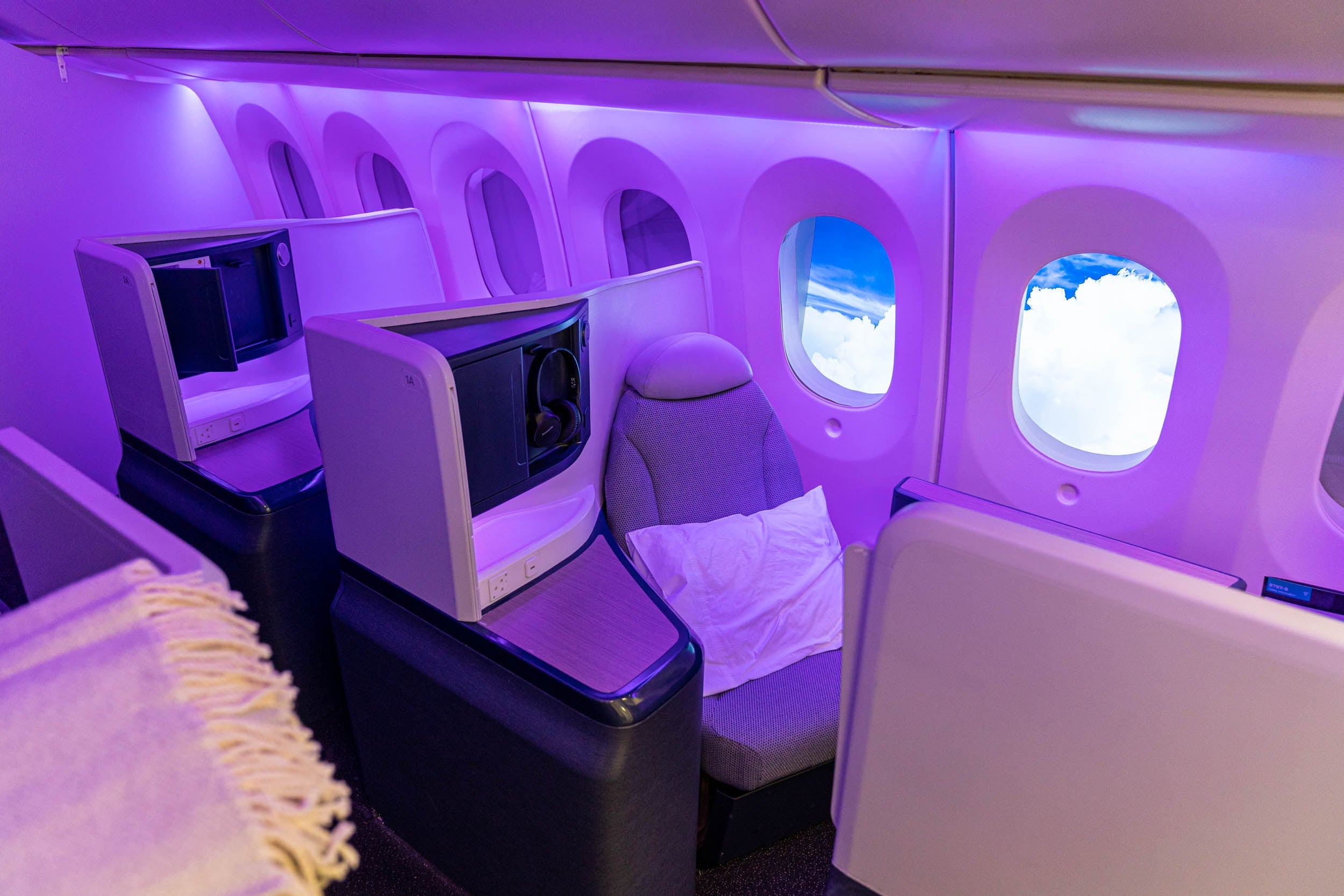
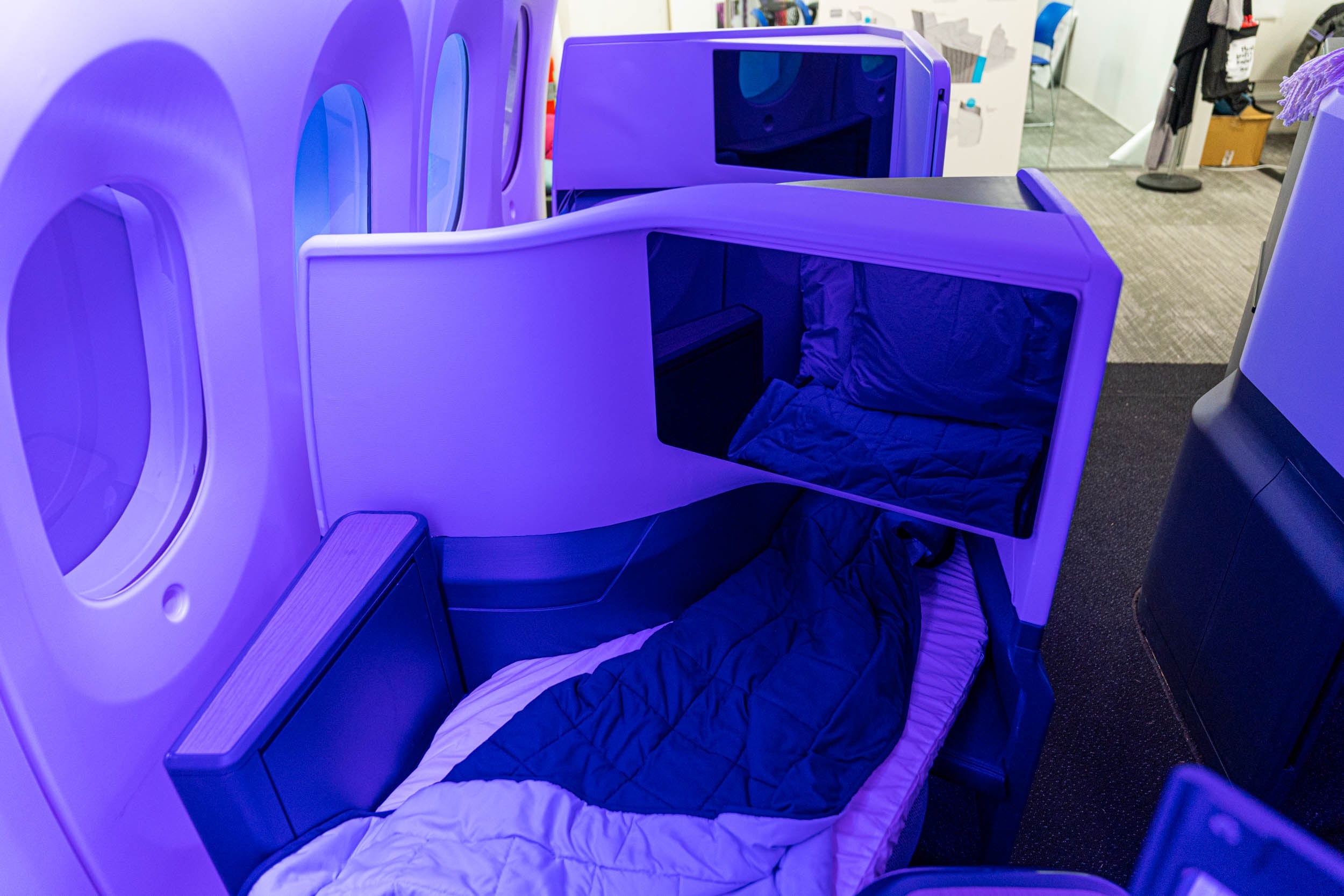
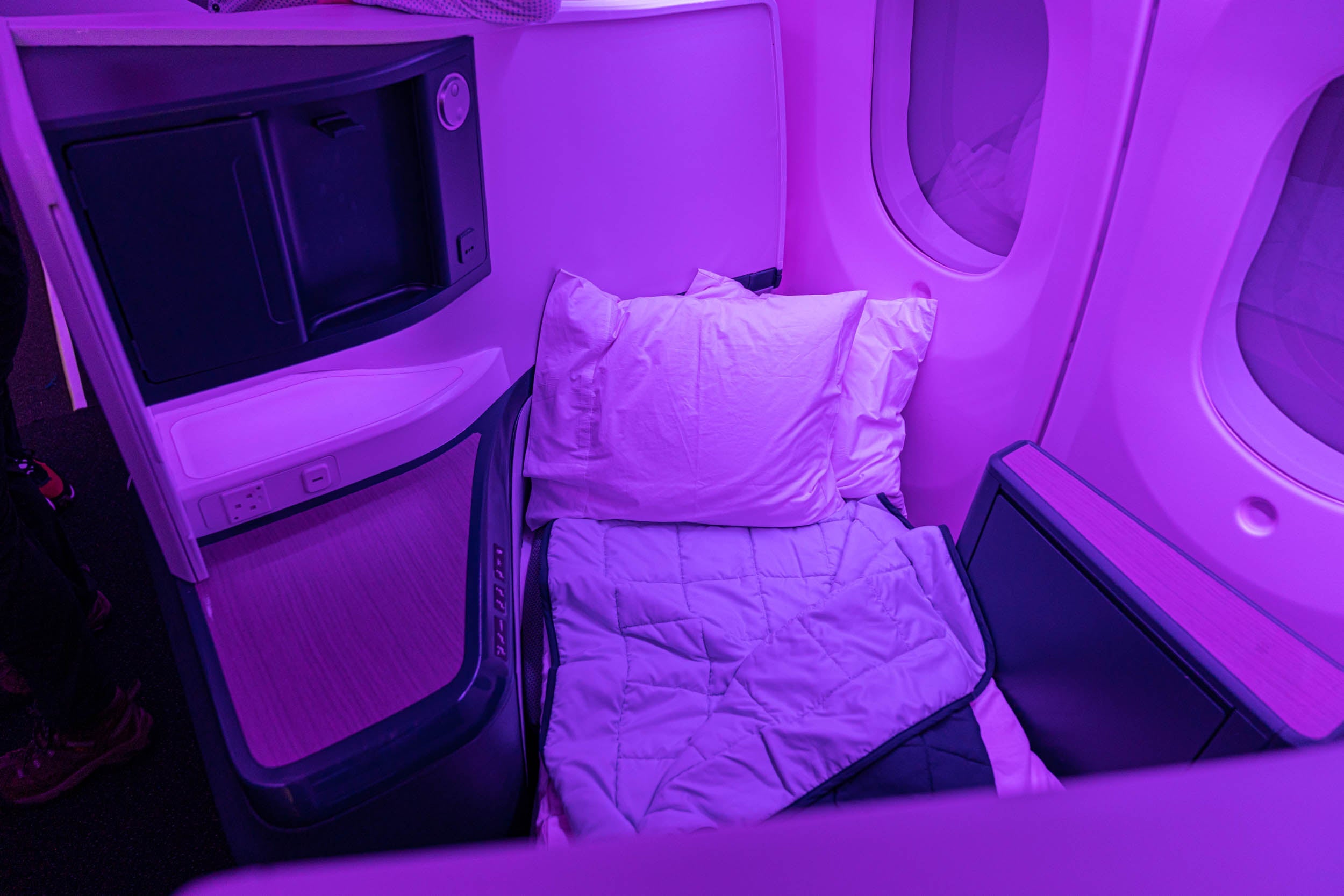
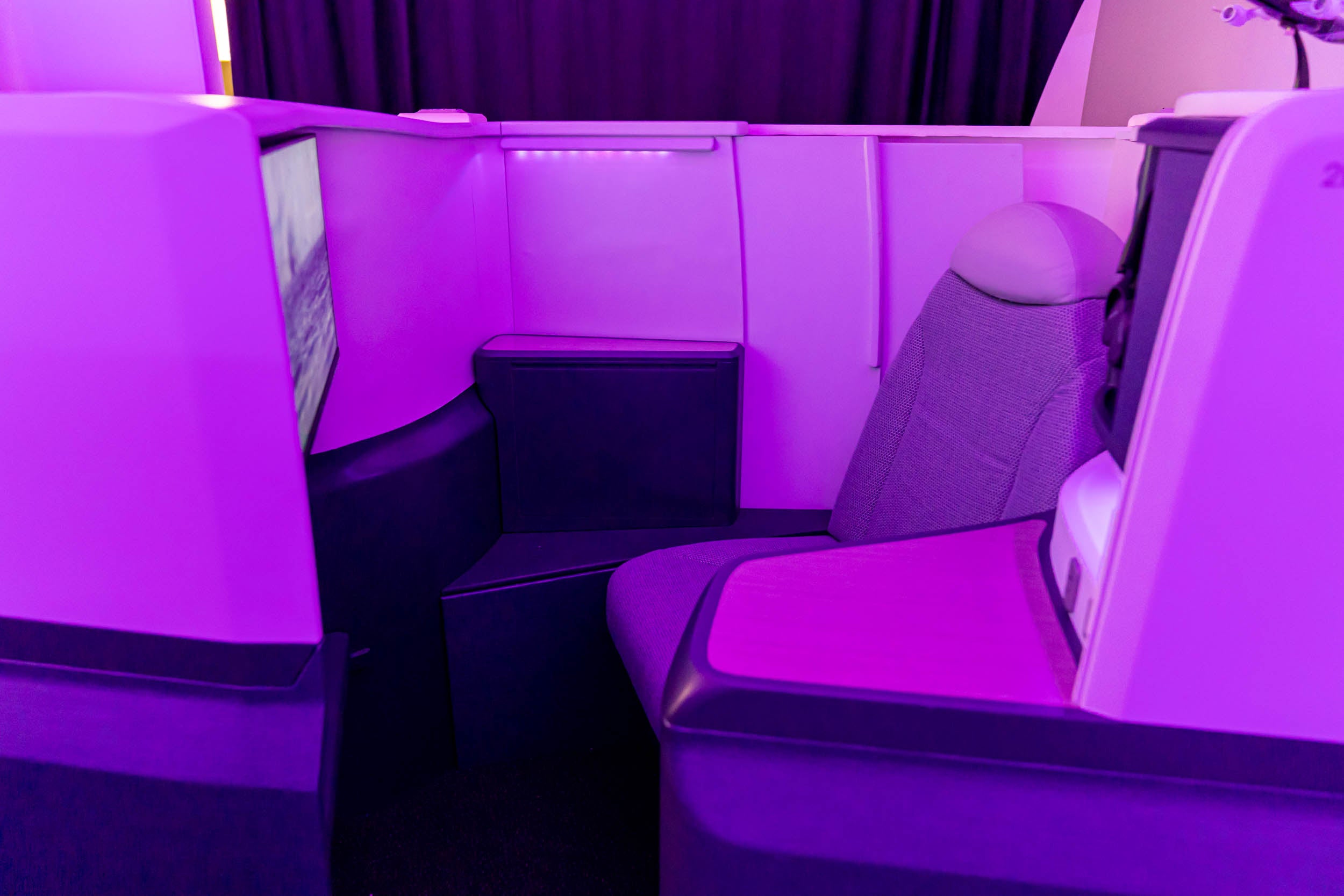
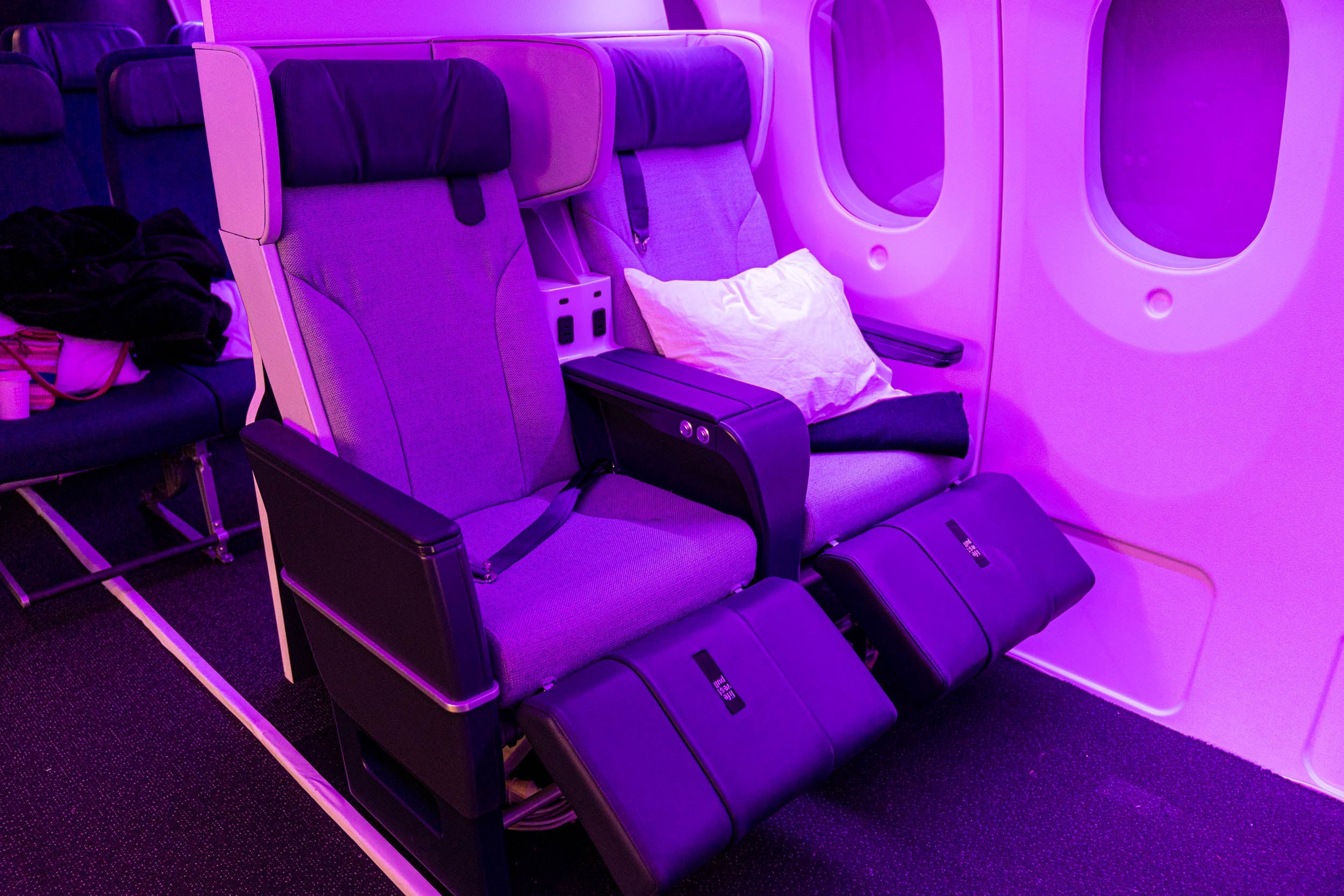
Inside that room, you'll find the first mockup of the new Air Zealand cabin, featuring scale replicas of its new business-class seats, along with a premium economy and coach cabin.

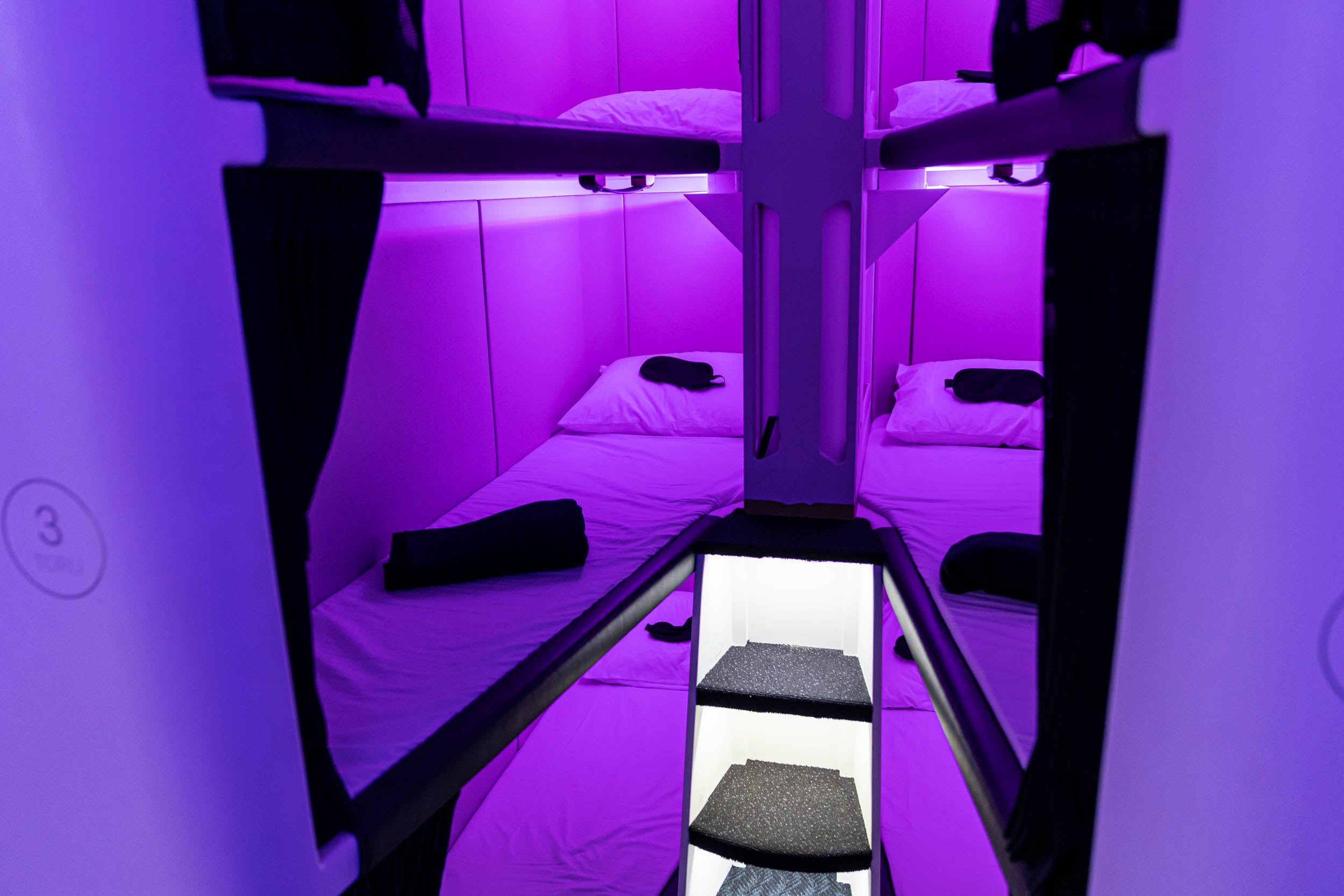
At the very back of the "cabin," next to the coach seats, sits the prototype Skynest.
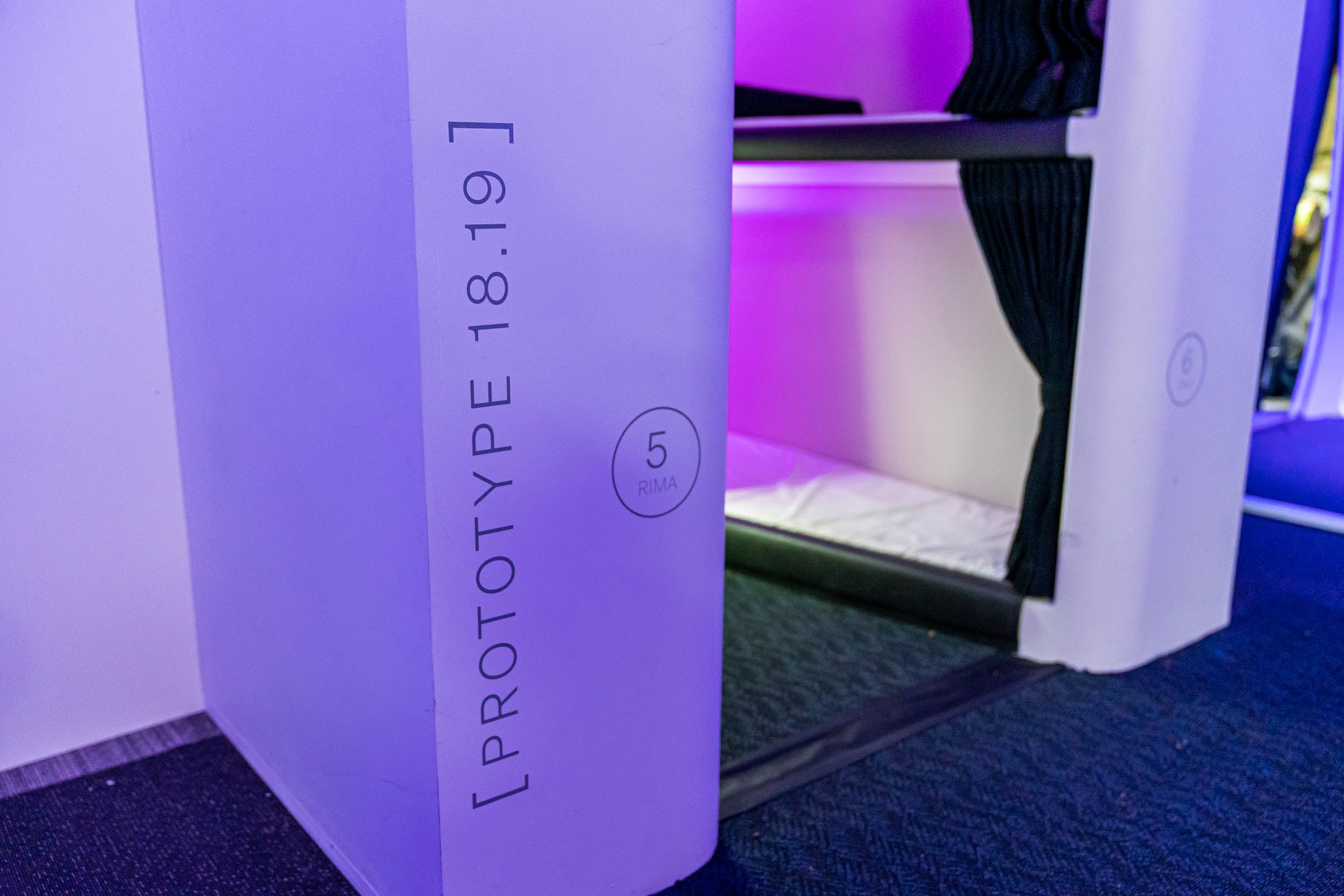
For someone like me who can't fall asleep while sitting up, the value proposition here is immense. It also makes New Zealand a more viable destination. Otherwise, my options are to pay for business class (which I likely couldn't afford or find the award availability for) or stay awake for about 30 hours and hope I can take an early-afternoon nap on the other side.
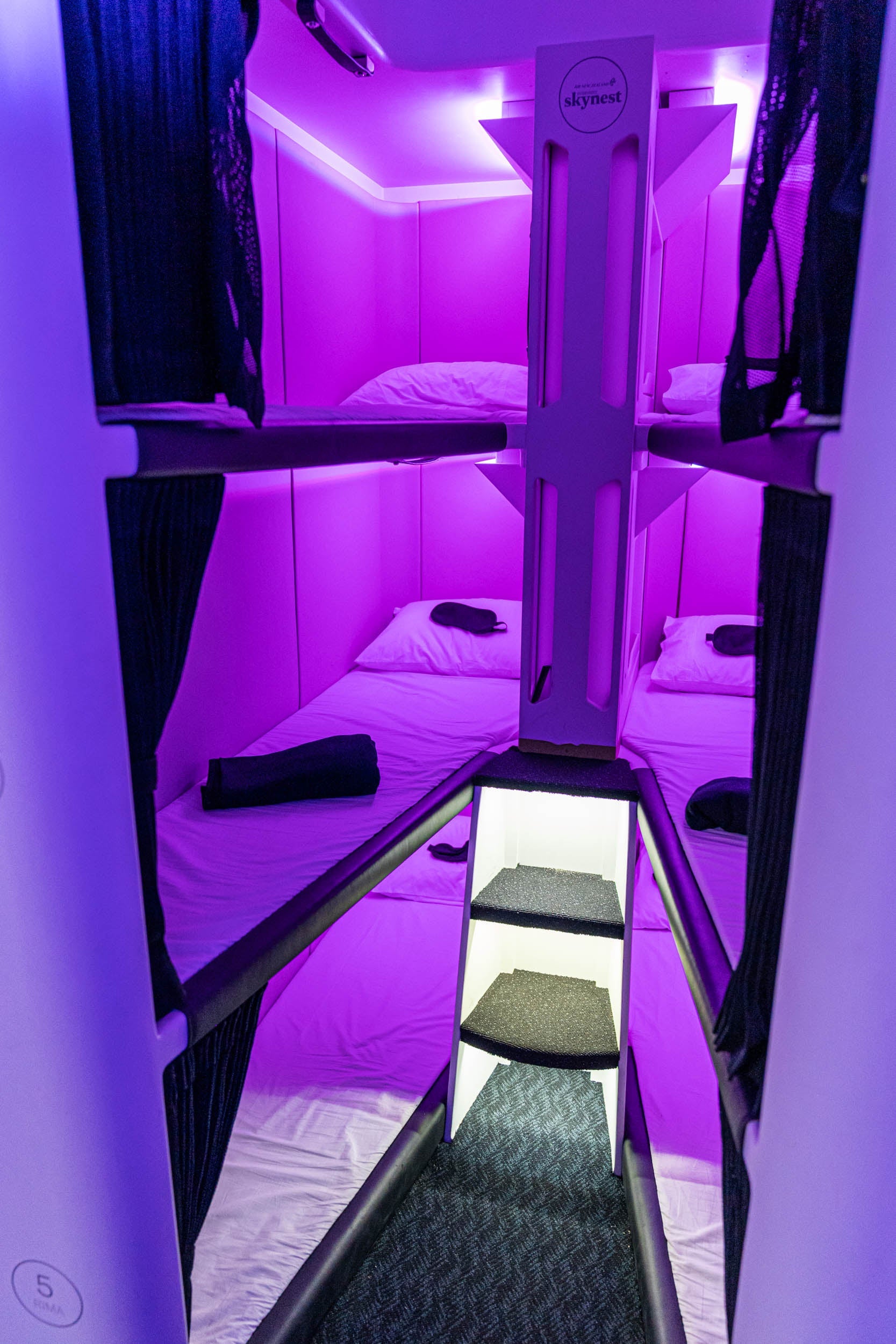
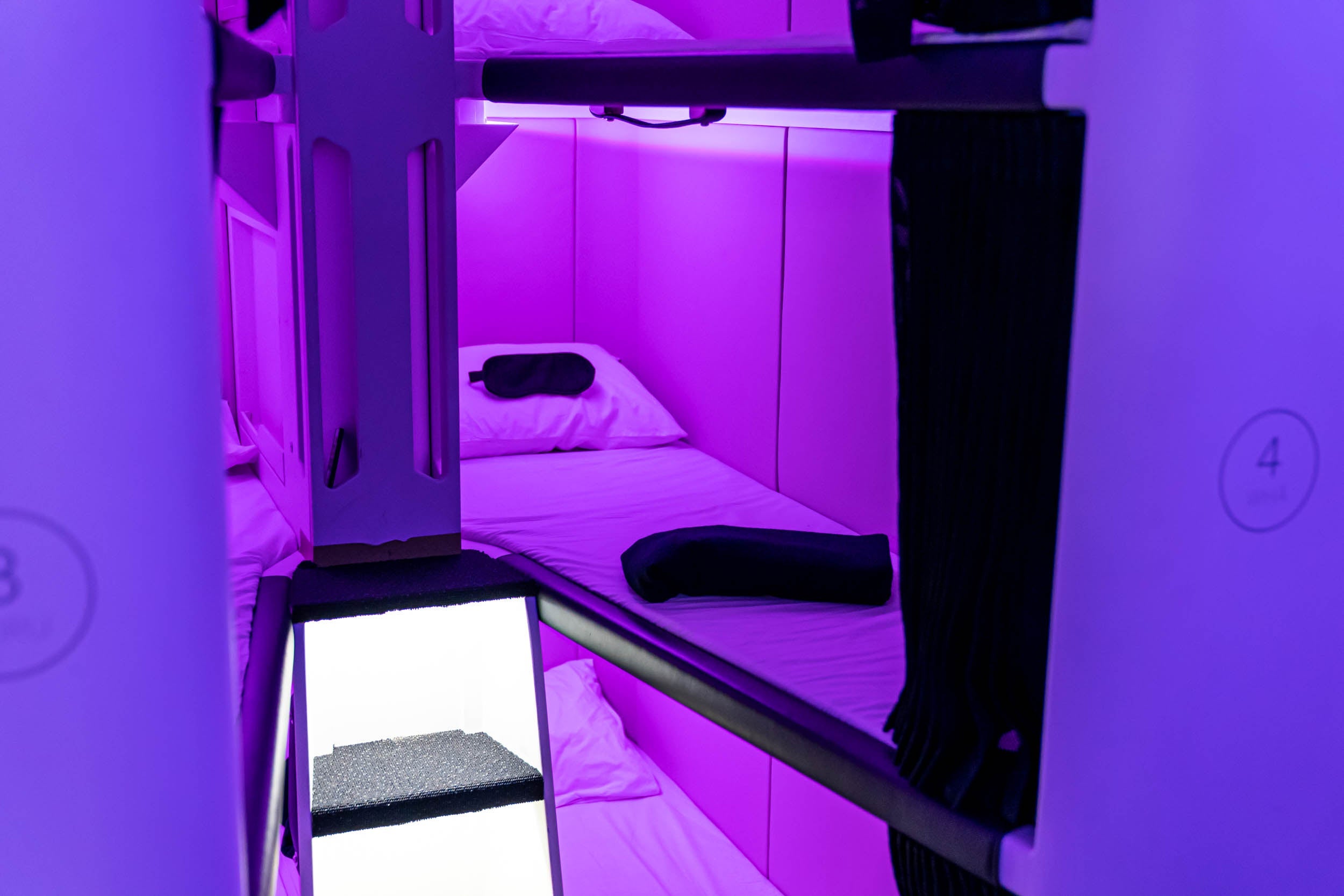
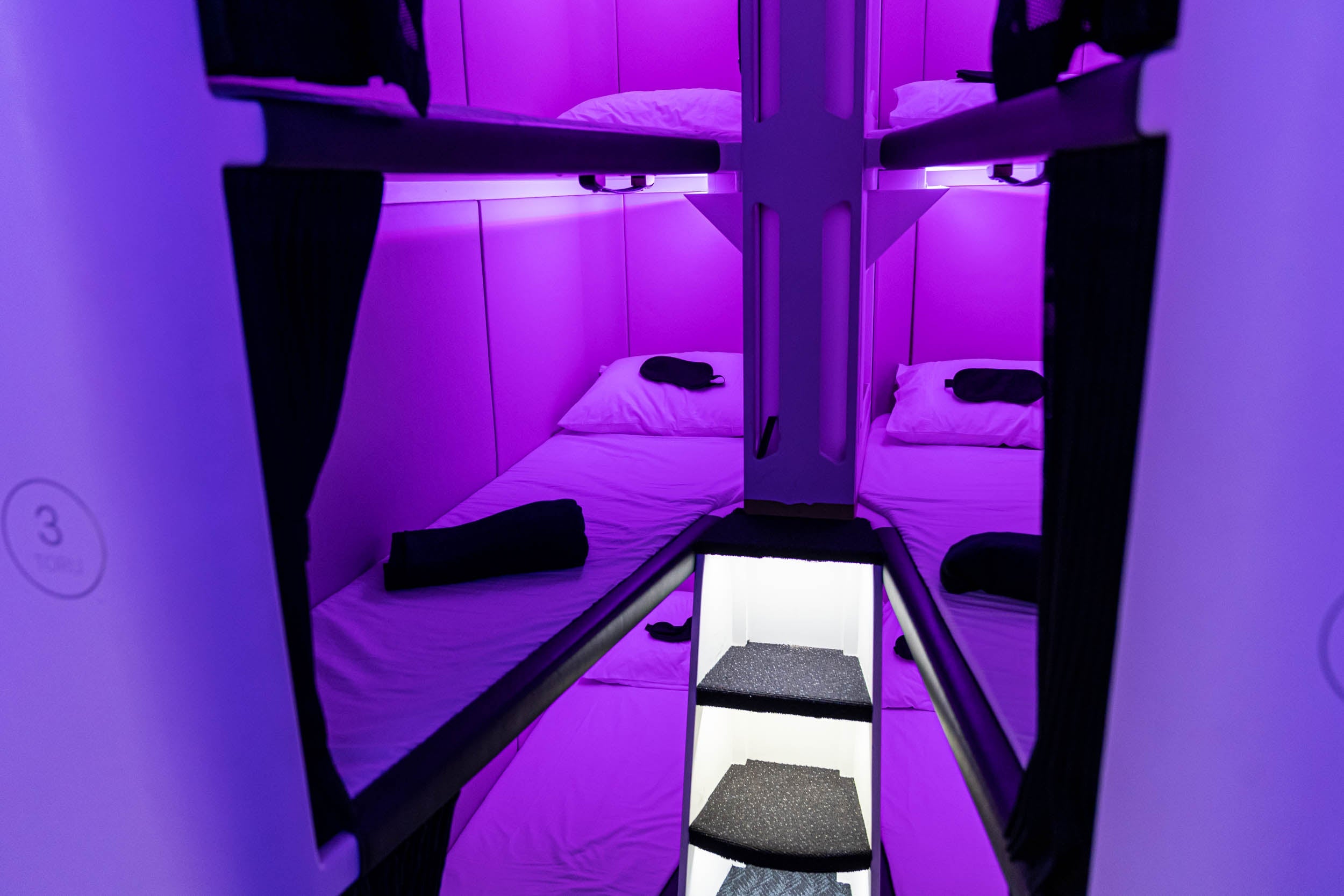
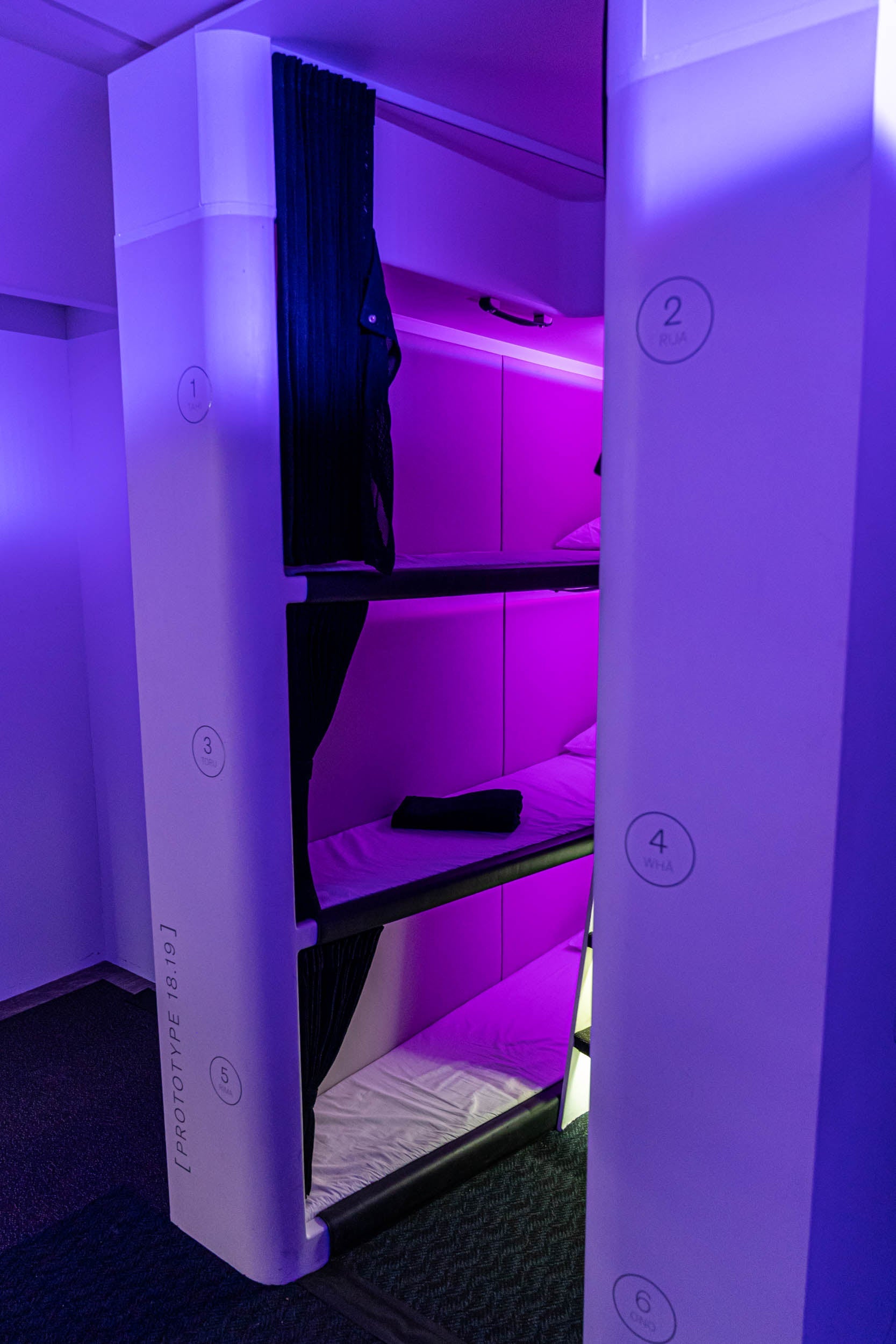
It will likely be some time before the Skynest is available to fly. In the meantime, there's the mock-up in Hangar 22.
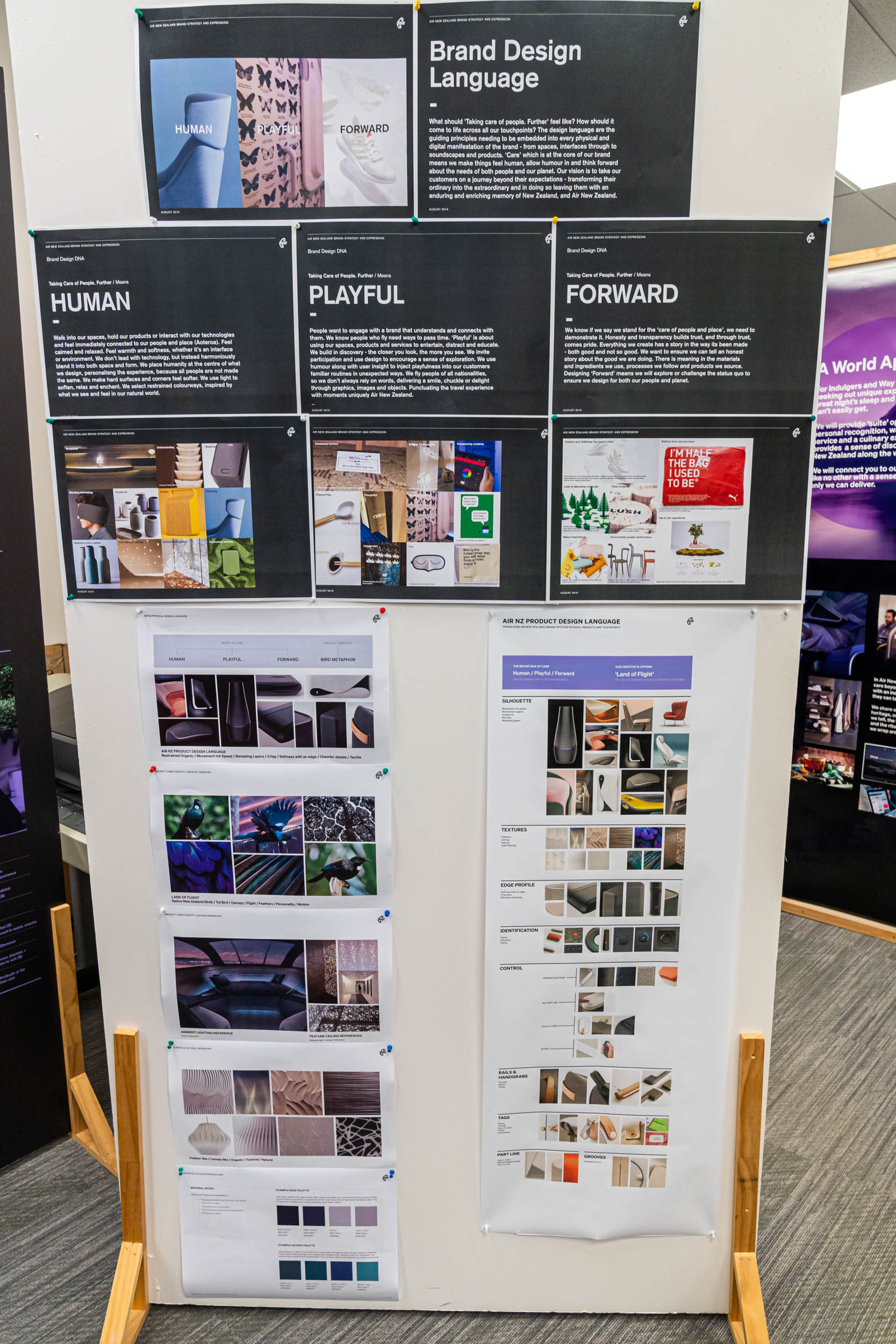
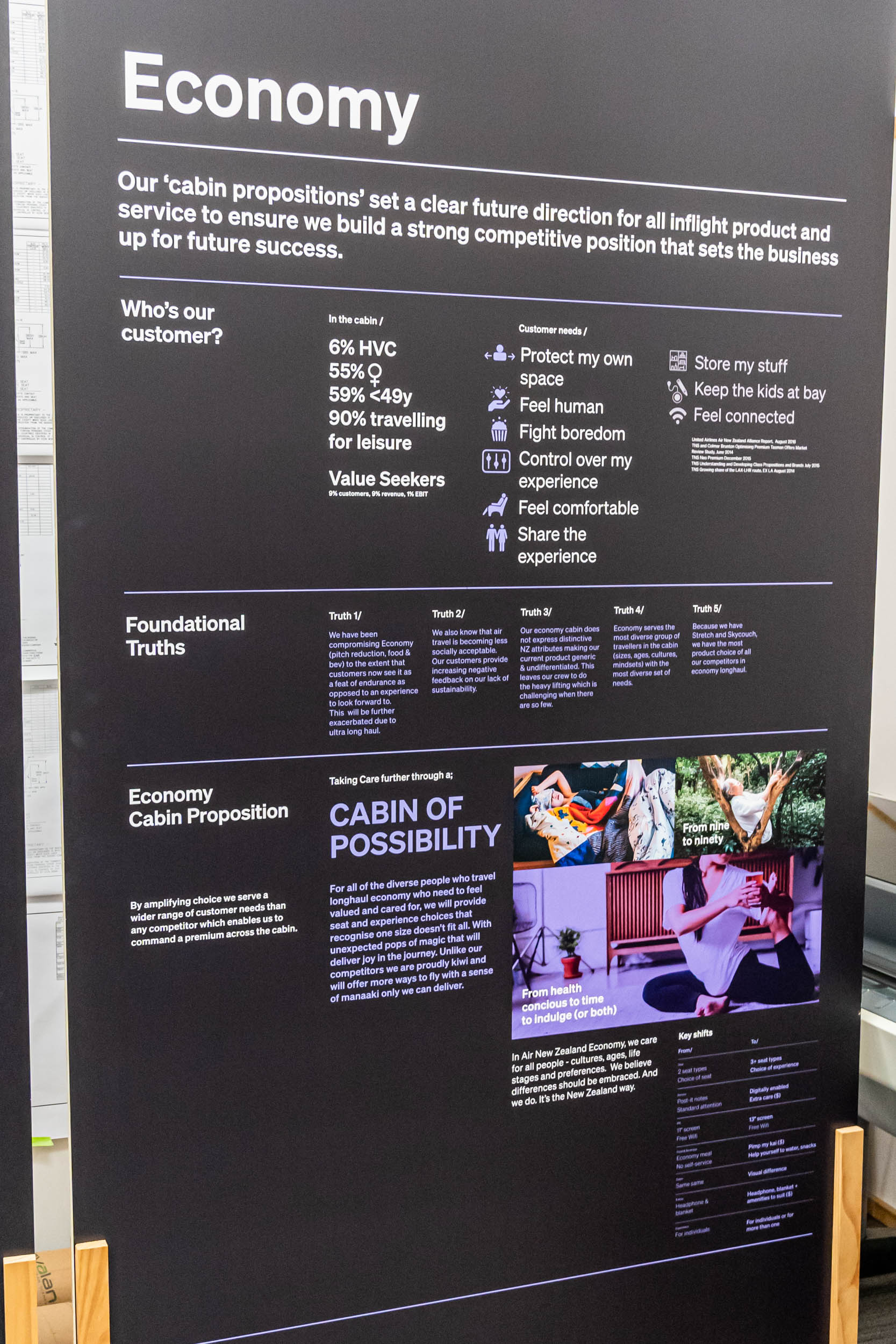
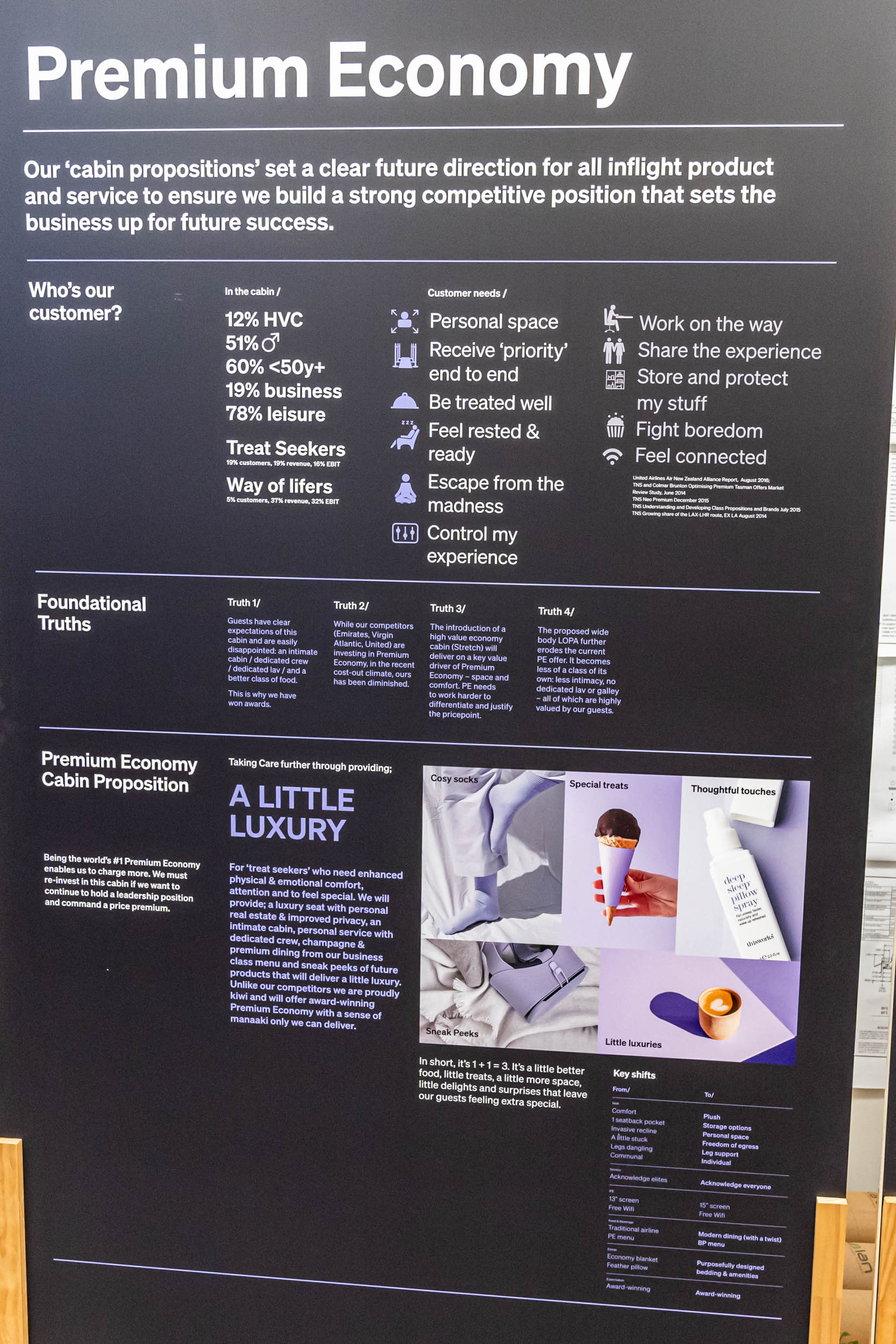
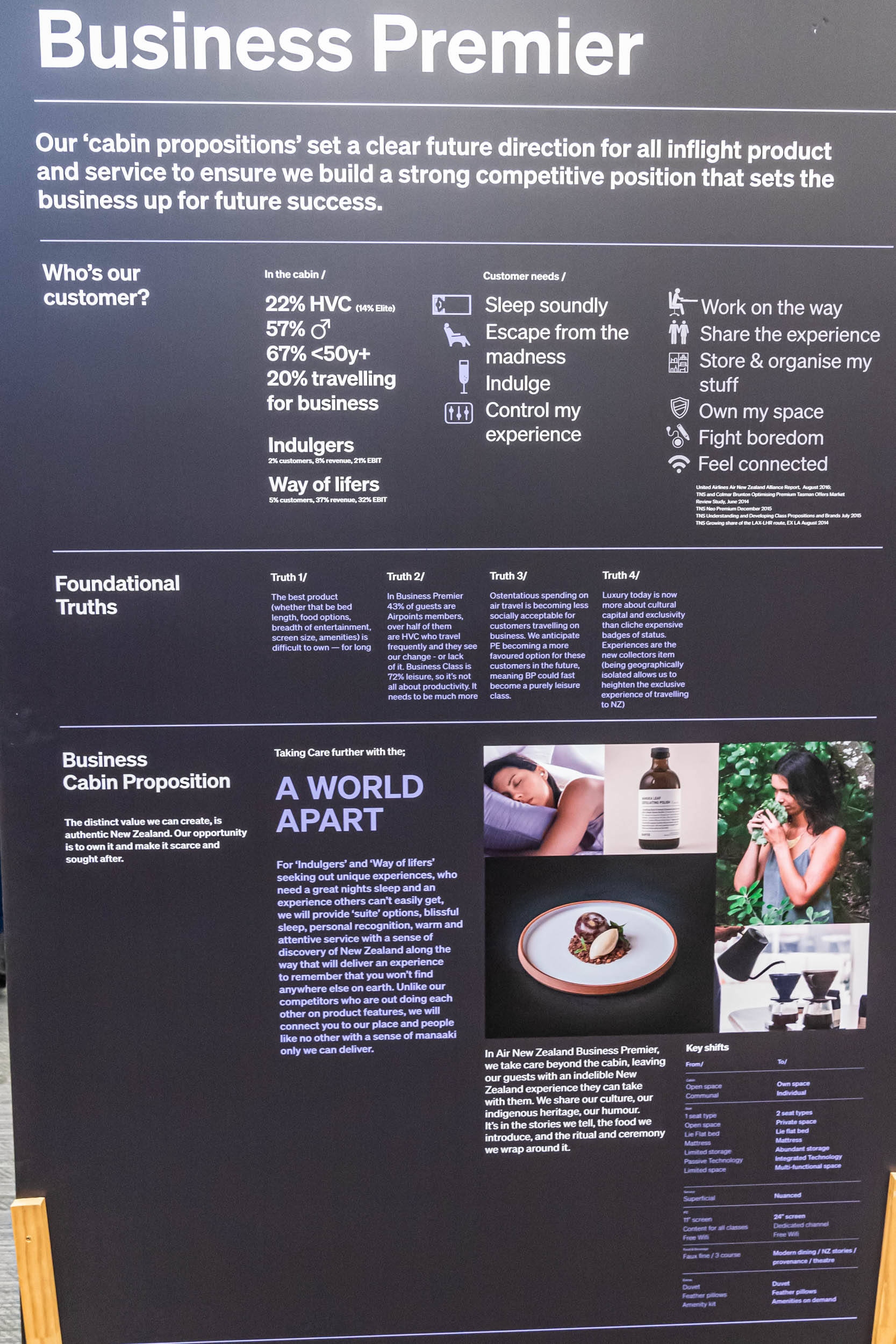

The office looks like what you might see at an architect's firm or an advertising agency. It has an open-concept design with a few desks and tables as well as renderings, charts and sketches adorning the walls. Overall, there's an informal, creative vibe.
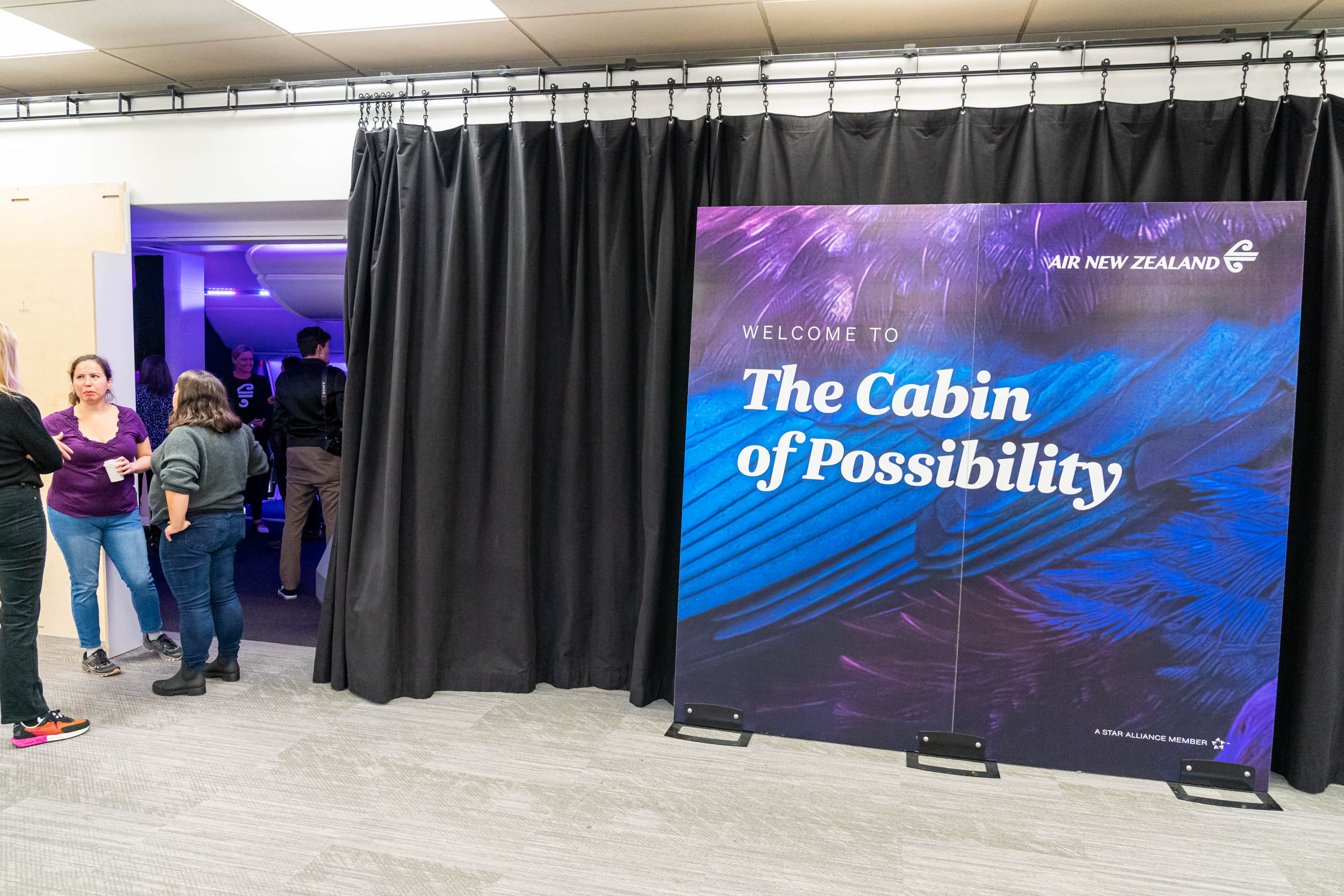
Most airlines have product teams that focus on cabin design and service offerings — everything from seat material to in-flight entertainment to the meal service flow.
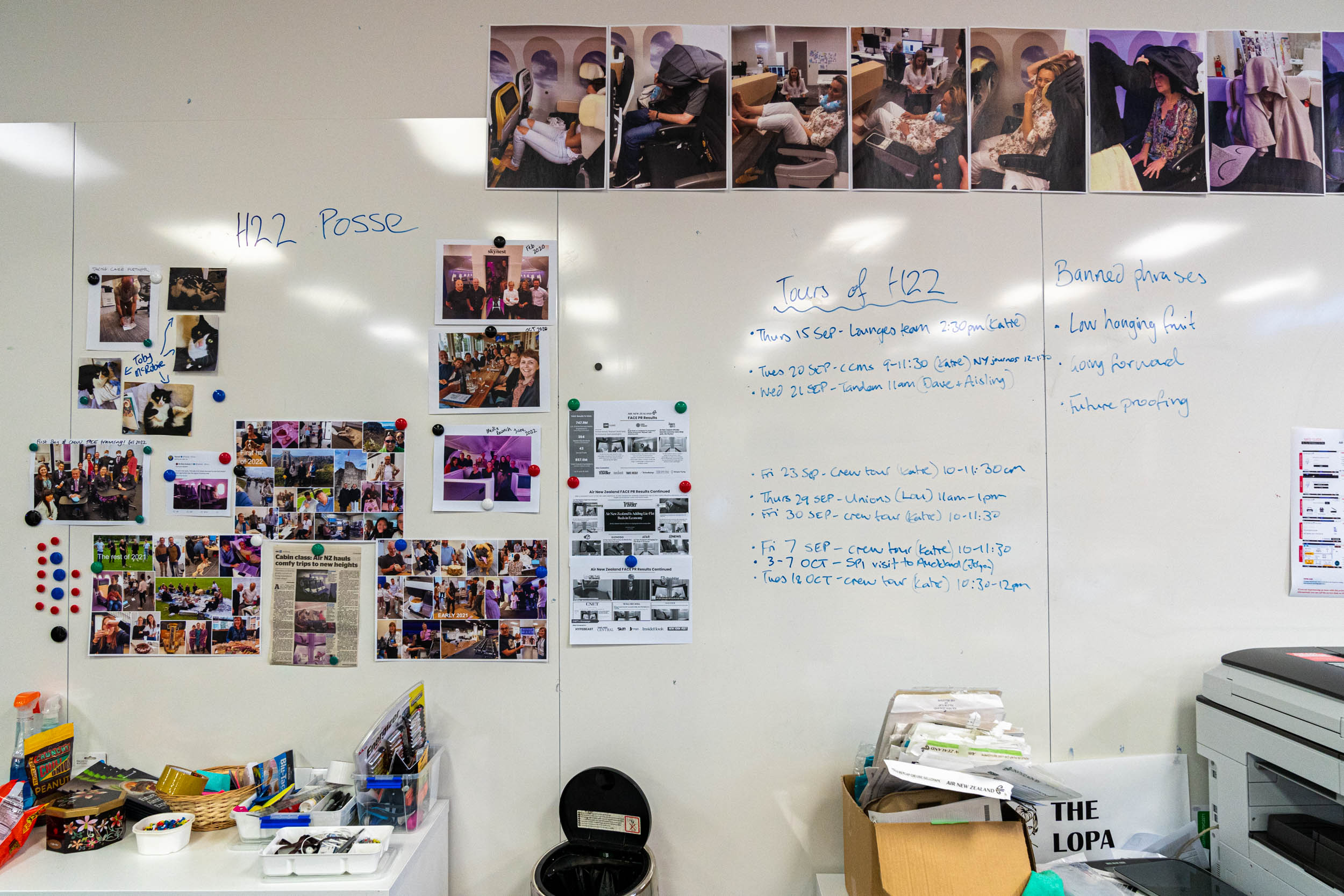
However, Air New Zealand's hangar is unique in its single-purpose design as well as its focus on customer experience — and that air of secrecy. This made touring the space all the more special.
TPG featured card

at American Express's secure site
Terms & restrictions apply. See rates & fees.
| 3X | Earn 3X Miles on Delta purchases. |
| 1X | Earn 1X Miles on all other eligible purchases. |
Pros
- Delta SkyClub access when flying Delta
- Annual companion ticket for travel on Delta (upon renewal)
- Ability to earn MQDs through spending
- Various statement credits for eligible purchases
Cons
- Steep annual fee of $650
- Other Delta cobranded cards offer superior earning categories
- Earn 100,000 Bonus Miles after you spend $6,000 or more in purchases with your new Card within the first 6 months of Card Membership and an additional 25,000 bonus miles after you make an additional $3,000 in purchases on the Card within your first 6 months, starting from the date that your account is opened. Offer Ends 04/01/2026.
- Delta SkyMiles® Reserve American Express Card Members receive 15 Visits per Medallion® Year to the Delta Sky Club® when flying Delta and can unlock an unlimited number of Visits after spending $75,000 in purchases on your Card in a calendar year. Plus, you’ll receive four One-Time Guest Passes each Medallion Year so you can share the experience with family and friends when traveling Delta together.
- Enjoy complimentary access to The Centurion® Lounge in the U.S. and select international locations (as set forth on the Centurion Lounge Website), Sidecar by The Centurion® Lounge in the U.S. (see the Centurion Lounge Website for more information on Sidecar by The Centurion® Lounge availability), and Escape Lounges when flying on a Delta flight booked with the Delta SkyMiles® Reserve American Express Card. § To access Sidecar by The Centurion® Lounge, Card Members must arrive within 90 minutes of their departing flight (including layovers). To access The Centurion® Lounge, Card Members must arrive within 3 hours of their departing flight. Effective July 8, 2026, during a layover, Card Members must arrive within 5 hours of the connecting flight.
- Receive $2,500 Medallion® Qualification Dollars with MQD Headstart each Medallion Qualification Year and earn $1 MQD for each $10 in purchases on your Delta SkyMiles® Reserve American Express Card with MQD Boost to get closer to Status next Medallion Year.
- Enjoy a Companion Certificate on a Delta First, Delta Comfort, or Delta Main round-trip flight to select destinations each year after renewal of your Card. The Companion Certificate requires payment of government-imposed taxes and fees of between $22 and $250 (for itineraries with up to four flight segments). Baggage charges and other restrictions apply. Delta Basic experiences are not eligible for this benefit.
- $240 Resy Credit: When you use your Delta SkyMiles® Reserve American Express Card for eligible purchases with U.S. Resy restaurants, you can earn up to $20 each month in statement credits. Enrollment required.
- $120 Rideshare Credit: Earn up to $10 back in statement credits each month after you use your Delta SkyMiles® Reserve American Express Card to pay for U.S. rideshare purchases with select providers. Enrollment required.
- Delta SkyMiles® Reserve American Express Card Members get 15% off when using miles to book Award Travel on Delta flights through delta.com and the Fly Delta app. Discount not applicable to partner-operated flights or to taxes and fees.
- With your Delta SkyMiles® Reserve American Express Card, receive upgrade priority over others with the same Medallion tier, product and fare experience purchased, and Million Miler milestone when you fly with Delta.
- Earn 3X Miles on Delta purchases and earn 1X Miles on all other eligible purchases.
- No Foreign Transaction Fees. Enjoy international travel without additional fees on purchases made abroad.
- $650 Annual Fee.
- Apply with confidence. Know if you're approved for a Card with no impact to your credit score. If you're approved and you choose to accept this Card, your credit score may be impacted.
- Terms Apply.
- See Rates & Fees