Engine Issues Are Forcing Some Airlines to Choose Less-Efficient Planes

The bottom line matters more to airlines than anything else, so you'd think they'd do everything in their power to make their planes run as efficiently as possible. Along with employee payroll and aircraft, jet fuel is one of the top-three costs for carriers, so what could be making airlines choose to order less-efficient planes?
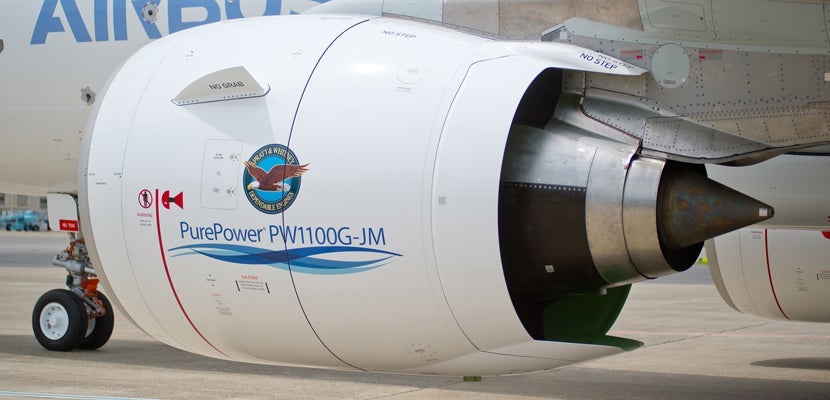
Apparently, the engines are the problem. Airbus offers its new A320neo with two engine options: the GE/Safran (CFM) LEAP 1-A, or the Pratt & Whitney Pure Power 1100G. These engines are supposed to be 16% more efficient than the previous-generation A320 engines, but problems have plagued the Pratt & Whitney engine, to the point that some airlines have modified their orders.
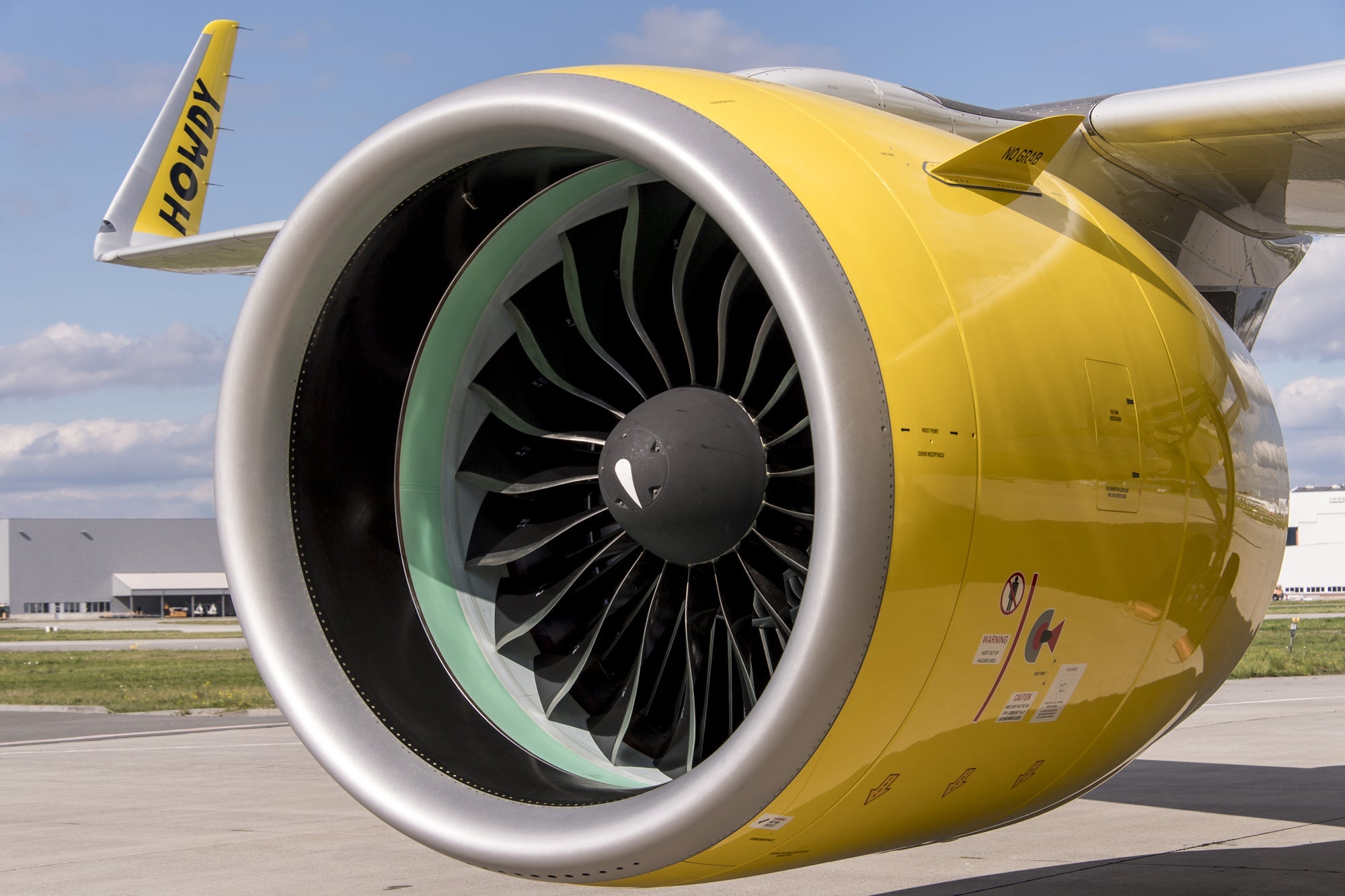
A320neo launch customer Qatar Airways rejected its order of the jet after engine problems arose. Qatar Group CEO Akbar Al Baker said the "huge issues" with the Pratt & Whitney engine were the reason behind the carrier's decision. Al Baker has been known to reject other aircraft deliveries temporarily for such things as cabin fixtures, so something as important as the engines brings an even deeper level of scrutiny. Lufthansa ended up leap-frogging Qatar to became the first airline to operate the A320neo, and Qatar later modified its A320neo order to the longer A321neo, with the CFM LEAP 1-A engines.
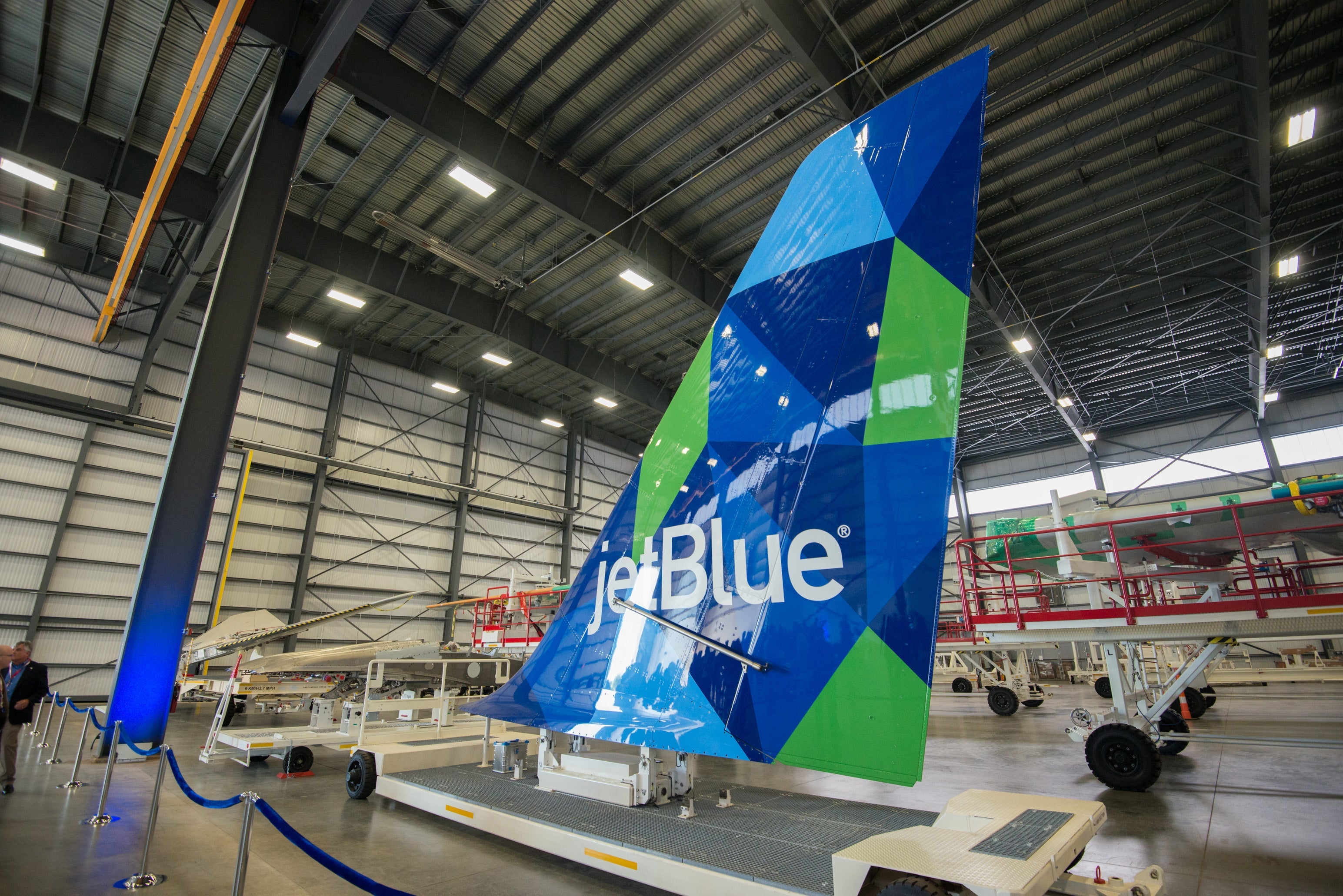
JetBlue recently announced that it will take delivery of 11 A321s in 2018 — and these will have older engines, known as ceo, or "current engine option," rather than the Pratt & Whitney engines. On the airline's Q1 earnings call, CFO Steve Priest called the move a good contingency plan.
Airbus CEO Tom Enders even lashed out at Pratt & Whitney, saying, "Pratt & Whitney has to make a huge effort to further improve." The PW1100G issues are related to its new engine technology, known as a geared turbofan. A software glitch from the engine was sending false errors to the pilot's displays in the cockpit, and of course flights can't depart when there are warning messages coming from the engines.
Early adopter airlines including IndiGo, Go Air and Lufthansa have been forced to let their engines spool up and run for several minutes before heading to the runway to take off. Additionally, a phenomenon called rotor bowing has been occurring within the PW1100G engines. Rotor bowing takes place when temperature differences within the engine cause misalignments of certain parts within the engine. The extended engine warm-up times have been unacceptable to the airlines. Rotor bowing isn't dangerous, but it does make the engine run less efficiently.

IndiGo and Spirit Airlines have banned their A320neos from flying above 30,000 feet. Cold temperatures have reportedly caused the engine's bleed air system to freeze shut, which can affect things such as the anti-icing system. Spirit has parked at least two of its five new A320neos at DFW Airport, awaiting swap-outs of the brand-new PW1100G engines. [Update 5/6/17: A Pratt & Whitney spokesperson has reached out to TPG to clarify that Spirit Airlines has said the airline is "flying at 30,000 feet to provide a better ambient pressure differential for the number 3 Bearing compartment lift off seal contact issue. To be clear, these engine issues are limited to our [Spirit's] NEO aircraft which represents only 5 planes in our fleet, three of which are currently going through our regular maintenance protocol and are on the ground."]
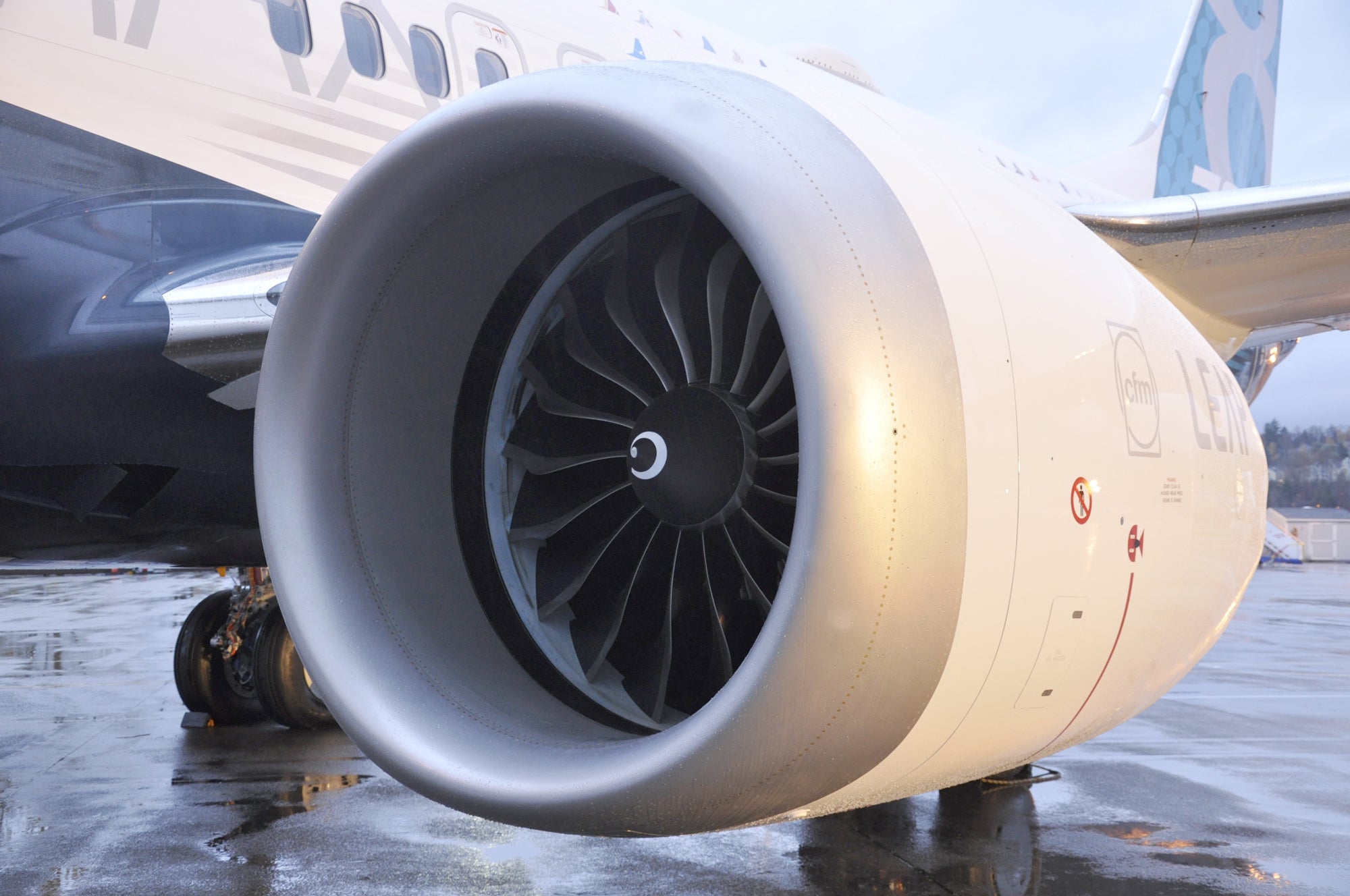
This year, through the end of March, Airbus had received orders for 19 A320ceo aircraft and only one of its A320neo counterpart, according to a report from Airbus. According to planespotters.net, of 102 the currently active A320neos in service with airlines, 52 are equipped with the PW1100G, while the remaining 50 have the LEAP 1-A. In the US, only low-cost carriers — Frontier, JetBlue, Spirit and Virgin America — have ordered the A320neo, while more established carriers such as Alaska, American, Southwest and United have ordered its competitor, the Boeing 737 MAX, which only comes with the CFM LEAP 1-B engine.
All images courtesy of Airbus, unless otherwise noted.
TPG featured card

at Capital One's secure site
Terms & restrictions apply. See rates & fees.
| 5X miles | Earn 5X miles on hotels, vacation rentals and rental cars booked through Capital One Travel |
| 2X miles | Earn unlimited 2X miles on every purchase, every day |
Pros
- Stellar welcome offer of 75,000 miles after spending $4,000 on purchases in the first three months from account opening. Plus, a $250 Capital One Travel credit to use in your first cardholder year upon account opening.
- You'll earn 2 miles per dollar on every purchase, which means you won't have to worry about memorizing bonus categories
- Rewards are versatile and can be redeemed for a statement credit or transferred to Capital One’s transfer partners
Cons
- Highest bonus-earning categories only on travel booked via Capital One Travel
- LIMITED-TIME OFFER: Enjoy $250 to use on Capital One Travel in your first cardholder year, plus earn 75,000 bonus miles once you spend $4,000 on purchases within the first 3 months from account opening - that’s equal to $1,000 in travel
- Earn unlimited 2X miles on every purchase, every day
- Earn 5X miles on hotels, vacation rentals and rental cars booked through Capital One Travel
- Miles won't expire for the life of the account and there's no limit to how many you can earn
- Receive up to a $120 credit for Global Entry or TSA PreCheck®
- Use your miles to get reimbursed for any travel purchase—or redeem by booking a trip through Capital One Travel
- Enjoy a $50 experience credit and other premium benefits with every hotel and vacation rental booked from the Lifestyle Collection
- Transfer your miles to your choice of 15+ travel loyalty programs
- Top rated mobile app