How common is norovirus on cruise ships? Here's what you need to know

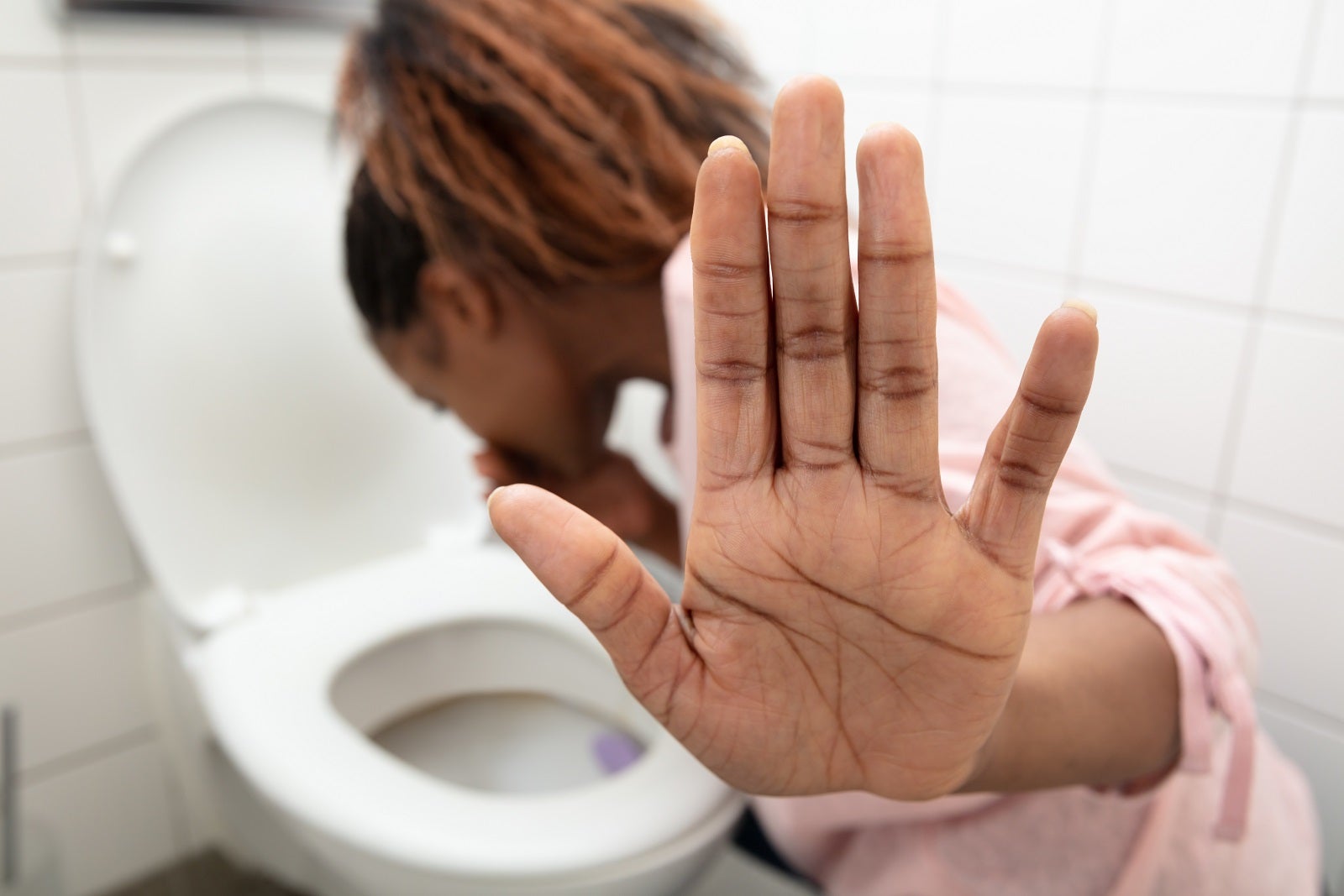
What's sneaky, super contagious and bound to cause diarrhea and vomiting? If you answered "norovirus," you'd be correct. But what is it, and why is it often associated with cruises?
Norovirus cases are on the rise this winter, both on land and at sea. "The total number of outbreaks reported during the 2024–2025 seasonal year is above the range reported during the same period during the 2012–2020 and 2021-2024 seasonal years," according to the U.S. Centers for Disease Control and Prevention. The increase in news reports about norovirus cases might make you think that cruise vessels are dirty or you're likely to get sick if you sail. I'm here to set the record straight.
Find out why norovirus is unfairly labeled a cruise ship illness, what cruise lines do to minimize onboard spread and whether you should be worried about it on your next voyage.
What is cruise ship norovirus?

Norovirus is the most common of several viruses that cause severe gastrointestinal illness or acute gastroenteritis. Symptoms might include diarrhea and vomiting, as well as abdominal cramping, headaches, muscle aches and fever — an unpleasant experience anytime but especially when you're on vacation.
Norovirus is highly contagious and spreads when you touch a contaminated surface and then put your fingers in or near your mouth, such as when eating without washing your hands. It's also frequently spread through contaminated food, sometimes earning it the nickname "food poisoning," even though there are many pathogens that can cause food-borne illnesses. You might also hear it generically called a stomach bug or the stomach flu, despite the fact that noroviruses are not the same as flu viruses.
How does norovirus spread on cruise ships?
What causes norovirus on cruise ships, anyway? Norovirus spreads easily in close quarters, such as those found on cruise ships. Although it can spread from person-to-person contact, on vessels, it's most commonly passed when passengers fail to wash their hands after coming in contact with high-touch areas, such as handrails, elevator buttons and serving utensils in the onboard buffets.
Infected passengers who don't wash their hands after coughing, sneezing or using the restroom are the reason those surfaces become contaminated in the first place. To avoid both spreading your own germs and picking up the germs of others, wash your hands frequently, especially before eating, for at least 20 seconds with soap and warm water, making sure to scrub around your fingernails and between your fingers.
Contaminated food is also a cause, but it's not as common on ships, where the staff is meticulously trained to follow health and safety guidelines for sanitation. Standards are enforced by the U.S. Centers for Disease Control and Prevention. (See the next section for more.)
What do cruise ships do to prevent norovirus outbreaks on board?

Cruise lines employ crews dedicated to keeping public areas and high-touch surfaces clean. Galley crews and waiters receive extensive training on food safety and handling.

Lines also screen passengers for signs of illness at embarkation. They ask passengers who feel ill during their cruises to report symptoms to the medical center and keep themselves isolated in their cabins.
On ships where outbreaks occur, the crew conducts a deep cleaning of the ship after passengers have disembarked and before the next sailing begins. In cases where outbreaks are particularly severe, subsequent sailings could be canceled to allow for more thorough sanitization.
Additionally, the CDC's Vessel Sanitation Program, implemented in the 1970s, subjects all passenger ships carrying 13 or more people to random, unannounced inspections if they wish to call on ports in the U.S.
As part of the program, ships are required to adhere to stringent health and safety protocols that dictate everything from the cleaning of high-touch areas to how food is stored in freezers, refrigerators and galleys.
VSP inspectors board ships and conduct thorough checks to ensure compliance — and the standards are high. A score of less than 86 out of 100 is considered failing. You can find a list of the most recent inspection scores and lists of violations for each ship on the VSP website.
Should you worry about getting norovirus on a cruise?
The short answer is no. Cruise ships are responsible for some of the smallest numbers of norovirus cases annually in the U.S. Most cases develop in restaurants, schools, hospitals and nursing homes. If you're not worried about norovirus on land, you don't need to worry more at sea.
However, you're more likely to hear about outbreaks on ships because ships are required to report cases while other entities are not.
"Health officials track illness on cruise ships," the CDC says on its VSP norovirus FAQ page. "So outbreaks are found and reported more quickly on a cruise ship than on land."
In a study of acute gastroenteritis cases from 2006 to 2019 (before the cruise industry's COVID-19 shutdown), the CDC found that the number of cases on ships decreased over those 14 years. It also noted that the number of cases tends to be higher on larger ships and on voyages of a week or longer.
"The rate of ... illness on cruise ships decreased during 2006-2019 for passengers and crew," the report says. That's good news for cruisers.
During that time frame, approximately 127 million passengers sailed on the 252 cruise ships under VSP jurisdiction. Of those 127 million cruisers, 26,450 reported symptoms of gastrointestinal illness while on board. It sounds like a large number, but it amounts to just 0.02% (two one-hundredths of 1%) of cruisers throughout those 14 years, with the total number of cases decreasing from 4,507 in 2006 to 1,201 in 2019.
However, if 2025 is seeing higher reported cases of norovirus on land, you can expect cruise ship cases to rise accordingly. You should take the same precautions on vacation as you would at home to keep yourself healthy.
If you'd like to check out the outbreak information, you can find a detailed list of ships that have had acute gastroenteritis outbreaks (many of which were caused by norovirus), listed by year, about halfway down the CDC's outbreak page.
For more details on how to keep yourself healthy on board, visit TPG's story on how to avoid getting sick on a cruise.
Why are there so many cruise norovirus reports on the news?

The simple answer is that cruise ships are required to report cases of acute gastroenteritis to the CDC, even when the numbers are low. In contrast, other entities are not.
Specifically, the medical staff from each cruise ship must submit a report with the number of ill passengers within 24 to 36 hours of the ship's arrival at a U.S. port from a foreign port, even when no cases of gastrointestinal illness are present. They must also submit reports if 2% or more of the passengers and crew become ill and the ship is scheduled to visit a U.S. port within 15 days. If the number hits 3% or more, cases must be reported to the CDC even if the ship is not scheduled to call on a U.S. port within the next 15 days.
That means data for norovirus on cruise ships is more readily available than for other entities. It's easy to make norovirus case numbers sound alarming, but context matters. For example, 100 cases on a single ship might seem like a lot, but on a vessel like Oasis of the Seas, which carries more than 5,400 passengers, 100 cases are only about 2% of the onboard population.
Bottom line
Should you be worried about catching norovirus or another gastrointestinal illness when you cruise? The CDC says cruises account for some of the lowest case numbers in the U.S. annually.
Your chances of finding yourself confined to your room and hunched over a toilet for a week are slim when you sail, especially if you take common-sense precautions like washing your hands and not sharing drinks, utensils and other items that easily spread germs.
Have more cruise questions? TPG has answers:
- Are cruises safe? Here's what you need to know before you sail
- Packing for a cruise? These items aren't allowed on board
- Man overboard: Cruise ship overboards and how they happen
- What is baked Alaska, and why is it paraded around cruise ships?
- What are the largest cruise ships in the world?
- Gentlemen hosts: These men cruise to make sure single ladies have a great time
- What is the Jones Act and how does it affect cruise ships?
- What is a lido deck on a cruise ship?
- What's a cruise cabin guarantee and will it save you money?
- What's the difference between a cruise ship concierge and a butler?
TPG featured card

at Capital One's secure site
Terms & restrictions apply. See rates & fees.
| 5X miles | Earn 5X miles on hotels, vacation rentals and rental cars booked through Capital One Travel |
| 2X miles | Earn unlimited 2X miles on every purchase, every day |
Pros
- Stellar welcome offer of 75,000 miles after spending $4,000 on purchases in the first three months from account opening. Plus, a $250 Capital One Travel credit to use in your first cardholder year upon account opening.
- You'll earn 2 miles per dollar on every purchase, which means you won't have to worry about memorizing bonus categories
- Rewards are versatile and can be redeemed for a statement credit or transferred to Capital One’s transfer partners
Cons
- Highest bonus-earning categories only on travel booked via Capital One Travel
- LIMITED-TIME OFFER: Enjoy $250 to use on Capital One Travel in your first cardholder year, plus earn 75,000 bonus miles once you spend $4,000 on purchases within the first 3 months from account opening - that’s equal to $1,000 in travel
- Earn unlimited 2X miles on every purchase, every day
- Earn 5X miles on hotels, vacation rentals and rental cars booked through Capital One Travel
- Miles won't expire for the life of the account and there's no limit to how many you can earn
- Receive up to a $120 credit for Global Entry or TSA PreCheck®
- Use your miles to get reimbursed for any travel purchase—or redeem by booking a trip through Capital One Travel
- Enjoy a $50 experience credit and other premium benefits with every hotel and vacation rental booked from the Lifestyle Collection
- Transfer your miles to your choice of 15+ travel loyalty programs
- Top rated mobile app