When do you go through customs on international flights?

For many travelers — but especially new or infrequent ones — customs and immigration for international flights can be a big question mark. While not every country shares the exact same entry process, there are some patterns and commonalities that can help you understand what to expect when you arrive. This guide is designed to help demystify the process.
Passport control vs. customs
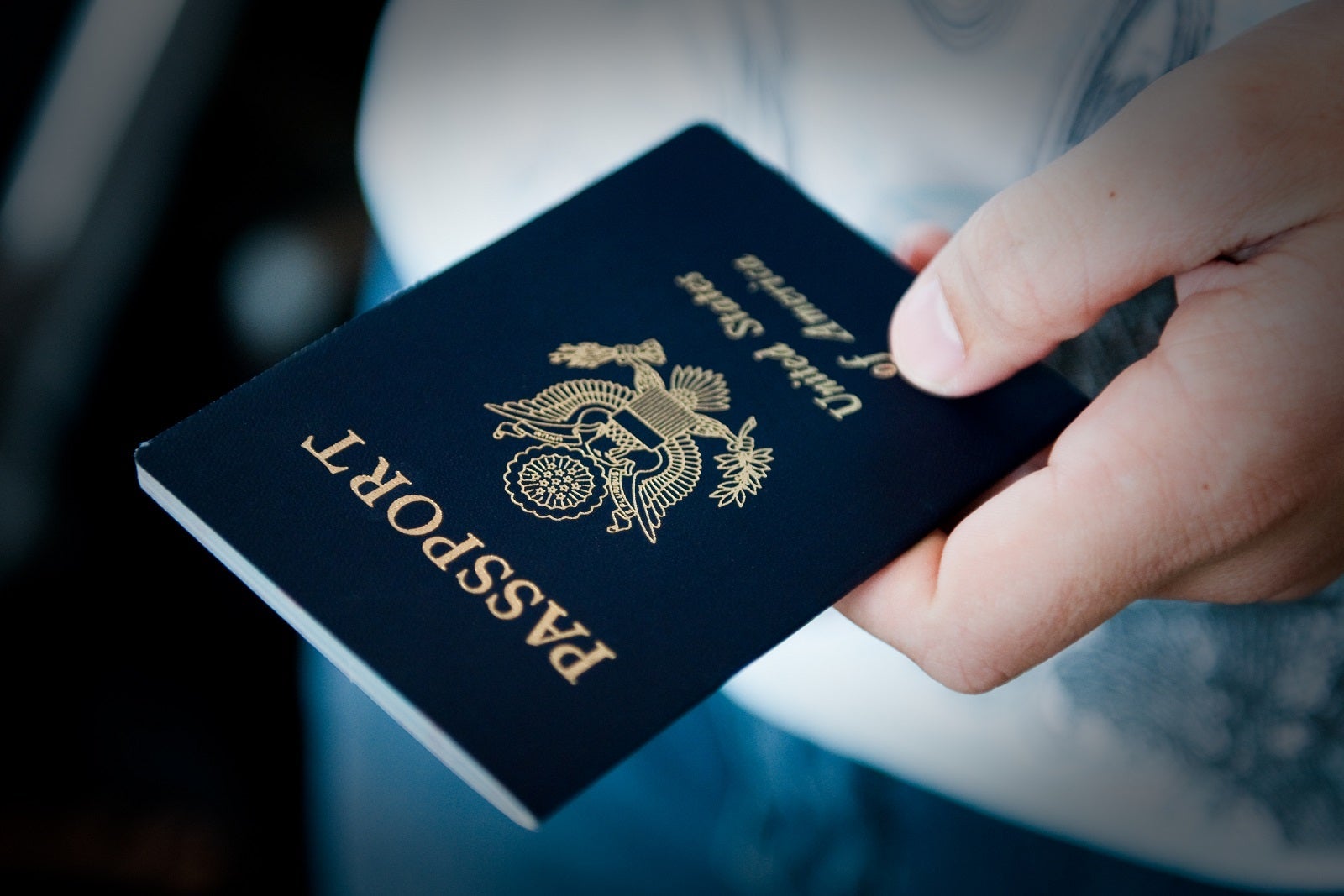
Some people use "passport control" and "customs" interchangeably, but they are actually two different things. Entering a country is a two-step process that involves both passport control and customs.
In some countries, passport control may also be called "immigration" or "border security." This step is when a country's immigration department confirms you are legally allowed to enter.
Customs checks the items you have brought with you into a country. It occurs after passport control and after you've picked up any checked luggage from baggage claim.
Related: How and when to renew your U.S. passport
How to go through customs on international flights
Customs and immigration varies by country, but the general process is as follows: You hand your passport to an officer who then checks it and stamps it for entry. If the country you're visiting requires a visa or any other documents for entry, the immigration officer will check that you have them.
Related: Americans need a 'visa' to visit Europe in 2025
You may be fingerprinted and/or have a photograph taken. The officer may ask you for information about how long you're staying, the purpose of your visit, your accommodation location or your job title; alternatively, they may just stamp your passport without asking anything. Some countries give you a receipt for entry that you may need to hold on to and return when departing.
If an airport has automated border control or "e-gates," these can greatly shorten the wait for passport control for individuals from select countries. With e-gates, you typically scan your passport in the reader and get photographed by the camera so that facial recognition technology can match your face to the image in your passport. If this check is successful, the gate opens, allowing you entry into the country. If not, you will need to see an immigration officer.

For customs, some countries may require a declaration form to be filled out either in advance or on arrival. In other cases, you may only be asked to verbally self-declare on arrival. Some countries may scan everyone's bags through an X-ray machine on entry, regardless of if you declared anything.
I have a layover on an international flight. Do I need to go through customs?

When traveling internationally on a nonstop flight, you only need to go through customs and immigration once. This will happen at your arrival airport.
The same is true if you have a layover, as long as your travels are on a single ticket and your bags are checked to your final destination. You typically still only go through customs and immigration once at your final destination.
For example, if you are traveling from the U.S. to Cairo with a short layover in Doha, you would only need to go through customs and immigration when you arrive in Cairo. At your connecting airport, you will likely go through transit security to screen your carry-on items. However, in most cases, you will not need to pick up or recheck your luggage.
Now, there are a few exceptions to this. If you have a connecting flight but you purchased separate tickets, you will usually need to go through customs and immigration to pick up and recheck your luggage for the next flight.
You'll want to ensure your layover is long enough to account for the extra time needed to go through customs, recheck luggage and go through security for departure. Since you're on separate tickets, the second airline would not be required to accommodate or rebook you in the event your first flight is delayed.
Another exception is when traveling to European countries within the Schengen Area. The Schengen Area includes most European Union countries, with the exception of Bulgaria, Cyprus, Ireland and Romania (though Bulgaria and Romania are currently in the process of joining). Non-EU countries — including Iceland, Norway, Switzerland and Liechtenstein — are part of the Schengen Area.
In this case, you go through immigration when arriving at your first EU entry point. Even though you may be traveling from the U.S. to France to Spain, you would clear immigration in France because it is your entry point to the EU. You then typically go through a security screening with your carry-on luggage before boarding your connecting flight. At your final destination, you retrieve your checked luggage from baggage claim and clear customs.
Finally, if you have a long layover where you decide to leave the airport, then you will need to clear customs.
Related: It's time to give up on booking short connections to save airline miles
Do I need to go through customs on flights to the US?
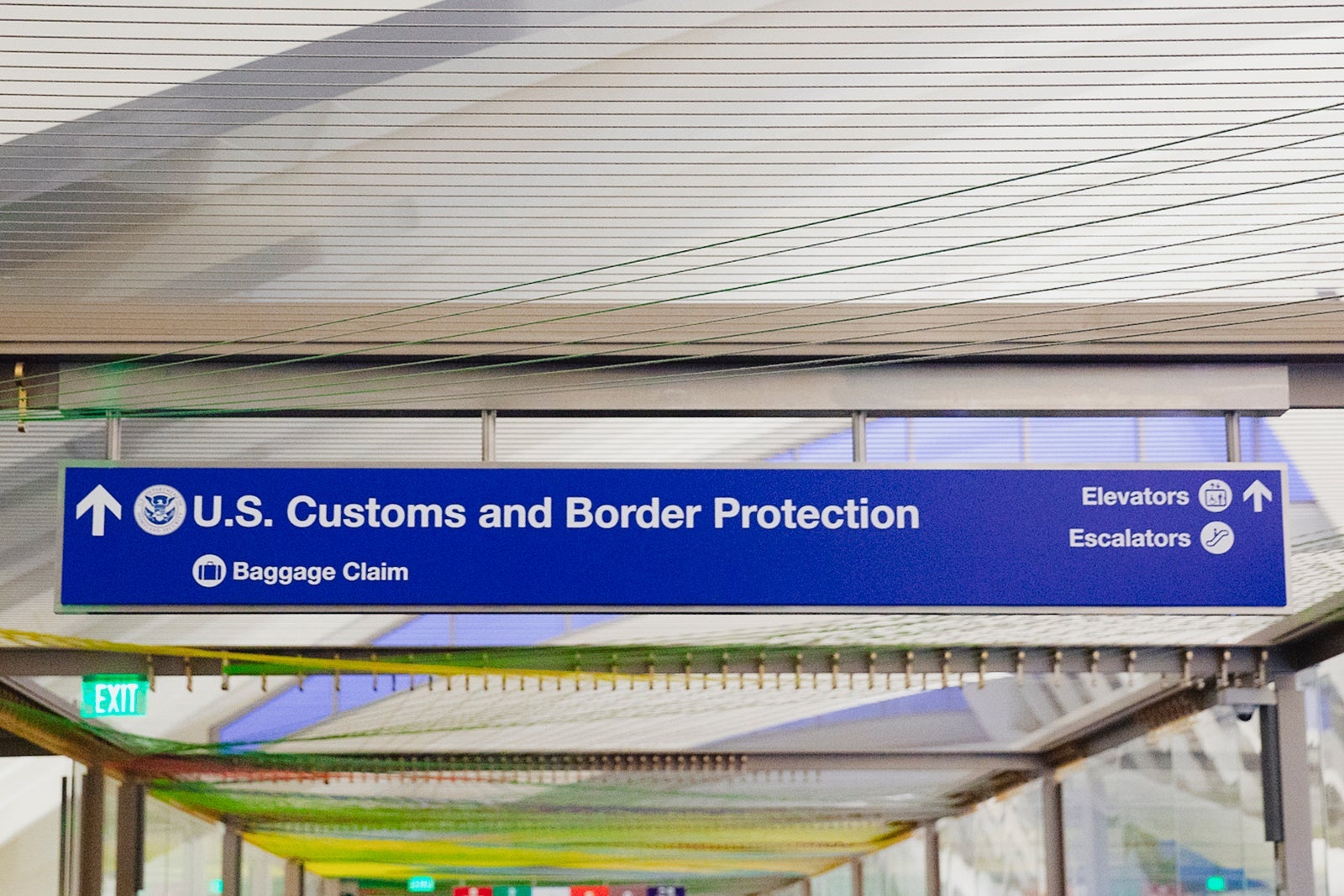
When traveling to the U.S., you'll typically need to go through passport control and customs upon arrival at your first entry point to the country. So, let's say you are flying from Rome to Atlanta to Kansas City. Even though Kansas City is your destination, you will need to clear customs upon arriving in Atlanta. You must claim your checked baggage in Atlanta and recheck it to Kansas City after you have cleared customs.
The one exception to clearing customs at your U.S. entry point is if your departure airport has what's called preclearance. With preclearance, Customs and Border Patrol personnel inspect travelers prior to departures for U.S.-bound flights. This means that once you arrive in the U.S., you can bypass customs and exit the airport or head straight to your connecting flight.
There are 15 locations in six countries with preclearance, including several Canadian cities, the Bahamas, Bermuda, Aruba, Ireland and Abu Dhabi. You can find a full list of preclearance locations here. Should your departure airport have preclearance, you'll need to budget extra time to go through customs before your departure.
How long will clearing customs take?
The time it takes to clear customs will depend on a number of factors. It could take just a few minutes, or you could be waiting in line for hours. Here are some of the things to take into consideration and how you may be able to shorten the wait:
Where you sat on the flight
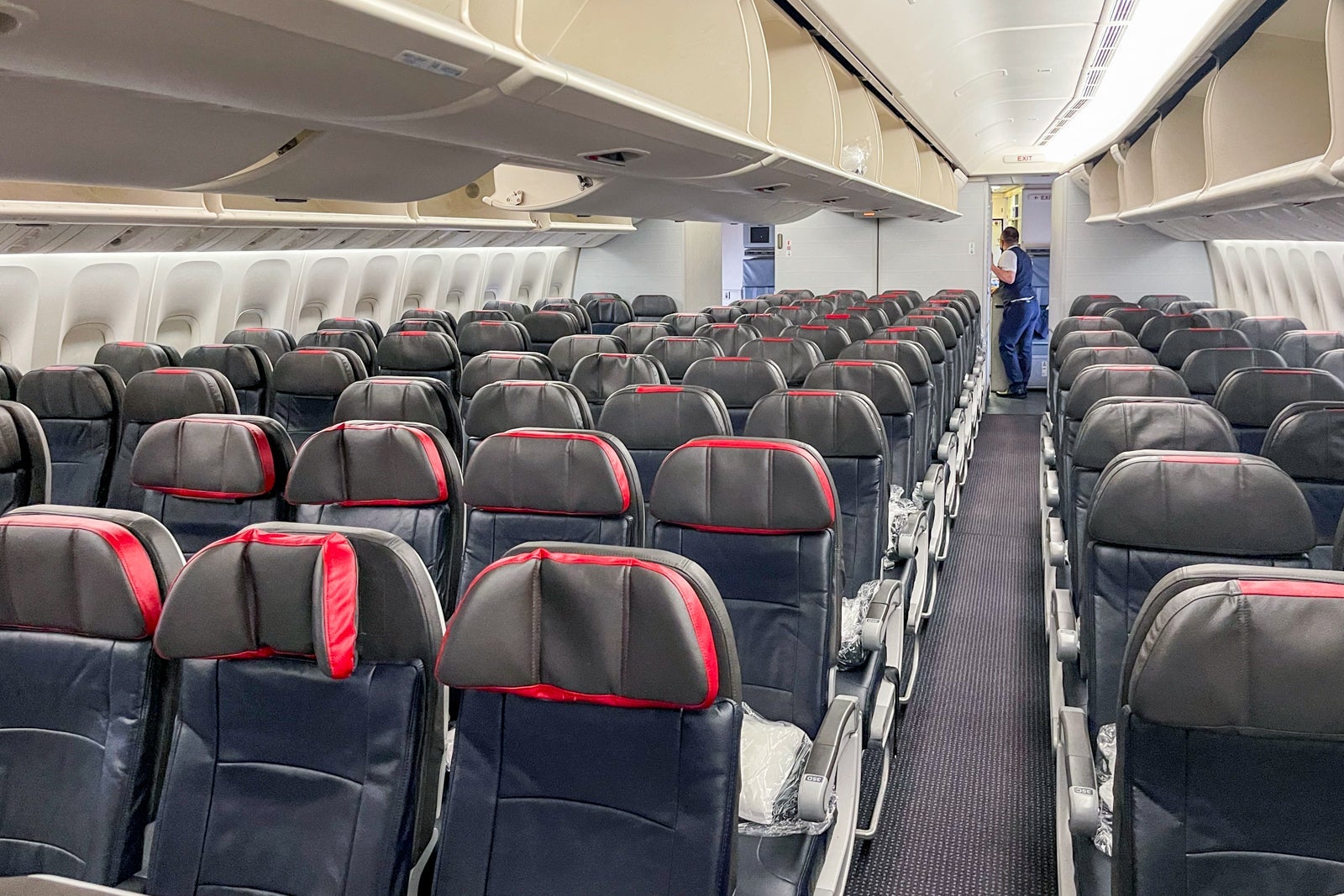
You may wonder how your seat location will matter for customs and immigration. Well, the closer you are to the front of the plane, the sooner you get off the airplane, assuming all passengers pass through one exit door.
If you're one of the first few people off the airplane, you'll arrive at customs and immigration much sooner than those sitting all the way in the back. Try to avoid making any detours on your walk from the airplane to passport control. Even stopping to use the restroom could put you at the back of the line, adding time to your wait.
The number of other flights that arrived at the same time as yours
In many international destinations, numerous flights might be scheduled to land all around the same time. So you're not just trying to get to customs before the other passengers on your flight but before the passengers on other flights as well. If you can do some advance planning to research flight schedules or you just luck into arriving at your destination when there's a lull, you'll clear customs much quicker.
Usage of expedited entry services
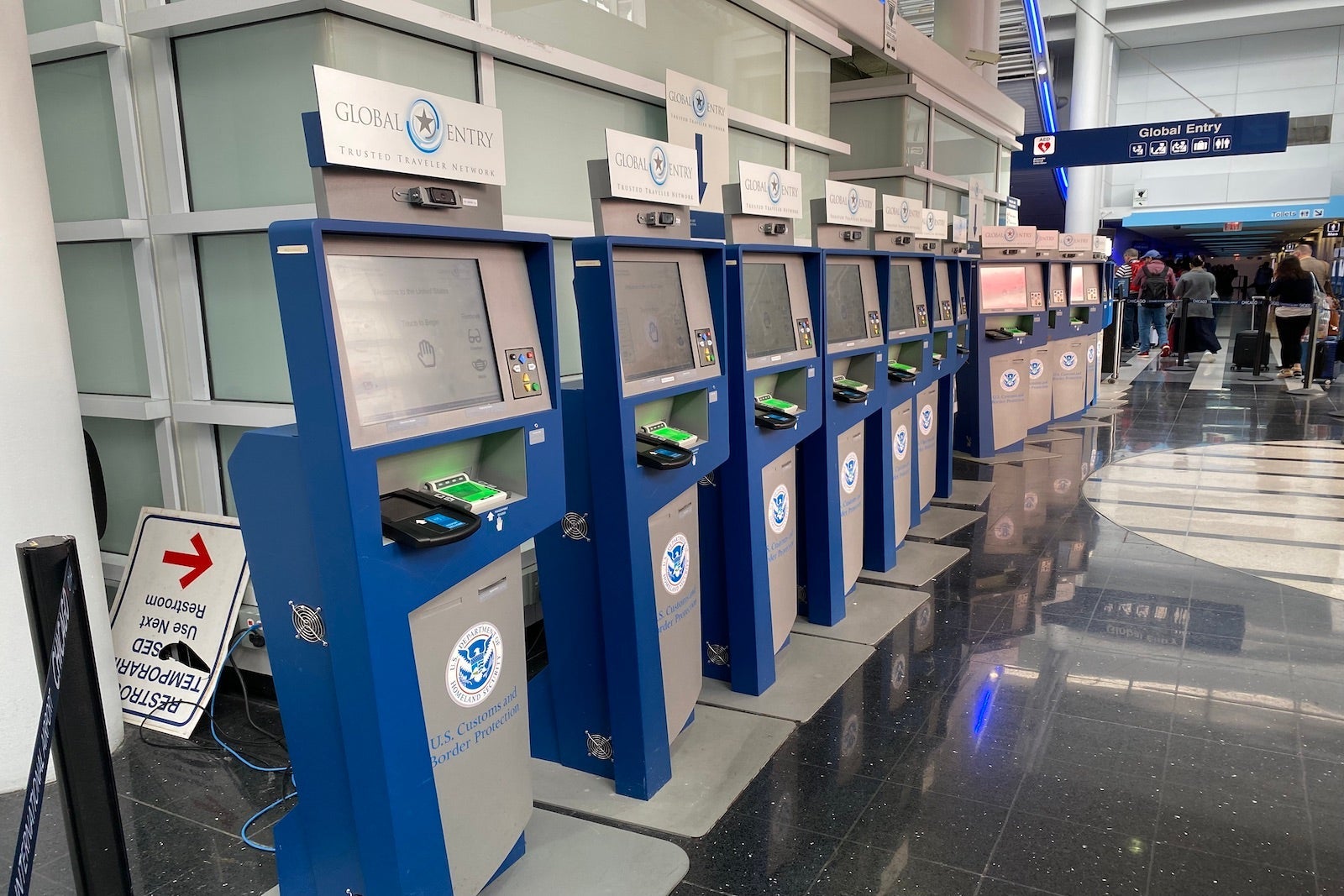
In the U.S., you can use Global Entry or the Mobile Passport app to help expedite the entry process. Mobile Passport is free, and many travel rewards credit cards offer a statement credit to cover the cost of Global Entry as a benefit.
Some international destinations may also have fast-track or VIP services you can pay for to shorten your wait for customs. It's a good idea to research your destination's arrival airport before your trip to see if any services exist. Sometimes, you may need to prebook, while other times, you can sign up for them on arrival.
Whether you checked your luggage or traveled with carry-ons only
Since all your baggage must be claimed before you clear customs, you will get to the customs desk faster if you only travel with a carry-on bag. Waiting for your checked luggage can add significant time to your entry process.
Related: These 3 simple strategies can help you get through customs faster
Checked luggage and going through customs

Customs occurs after you pick up your checked luggage from baggage claim. If you did not check any bags, then you can bypass baggage claim and proceed straight to customs with your carry-on luggage.
All your luggage — checked and carry-on — may be subject to screening at customs. Sometimes, everyone is screened, and sometimes, you are only screened if you've declared anything. Other times, it is random.
If you are concerned that something you're planning to bring with you is not allowed or may be subject to taxes, it is helpful to check a country's customs limits and restricted items; it will save you a lot of hassle when going through customs. The U.S. State Department website can help you learn what items may be restricted in various countries.
Related: What you can and can't get through customs around the world
Bottom line
International travel can be filled with stressors and unknowns before you even enter a country. Is your luggage within the airline's weight limits? Are you carrying any restricted items? (Food and plants are big ones to watch out for.) Do you need a visa? Do you need to fill out any arrival forms in advance of your travels? When do you go through customs when taking an international flight?
Knowing the answers to these questions before your departure can help make your arrival go much more smoothly, so you're ready to hit the ground running and have a wonderful trip.
Related reading:
- Key travel tips you need to know — whether you're a beginner or expert traveler
- The best travel credit cards
- Where to go in 2024: The 16 best places to travel
- 6 real-life strategies you can use when your flight is canceled or delayed
- 8 of the best credit cards for general travel purchases
- 13 must-have items the TPG team can't travel without
TPG featured card

at Capital One's secure site
Terms & restrictions apply. See rates & fees.
| 5X miles | Earn 5X miles on hotels, vacation rentals and rental cars booked through Capital One Travel |
| 2X miles | Earn unlimited 2X miles on every purchase, every day |
Pros
- Stellar welcome offer of 75,000 miles after spending $4,000 on purchases in the first three months from account opening. Plus, a $250 Capital One Travel credit to use in your first cardholder year upon account opening.
- You'll earn 2 miles per dollar on every purchase, which means you won't have to worry about memorizing bonus categories
- Rewards are versatile and can be redeemed for a statement credit or transferred to Capital One’s transfer partners
Cons
- Highest bonus-earning categories only on travel booked via Capital One Travel
- LIMITED-TIME OFFER: Enjoy $250 to use on Capital One Travel in your first cardholder year, plus earn 75,000 bonus miles once you spend $4,000 on purchases within the first 3 months from account opening - that’s equal to $1,000 in travel
- Earn unlimited 2X miles on every purchase, every day
- Earn 5X miles on hotels, vacation rentals and rental cars booked through Capital One Travel
- Miles won't expire for the life of the account and there's no limit to how many you can earn
- Receive up to a $120 credit for Global Entry or TSA PreCheck®
- Use your miles to get reimbursed for any travel purchase—or redeem by booking a trip through Capital One Travel
- Enjoy a $50 experience credit and other premium benefits with every hotel and vacation rental booked from the Lifestyle Collection
- Transfer your miles to your choice of 15+ travel loyalty programs
- Top rated mobile app