Here's What You Need to Know When You Fly With an Implant or Prosthetic Device

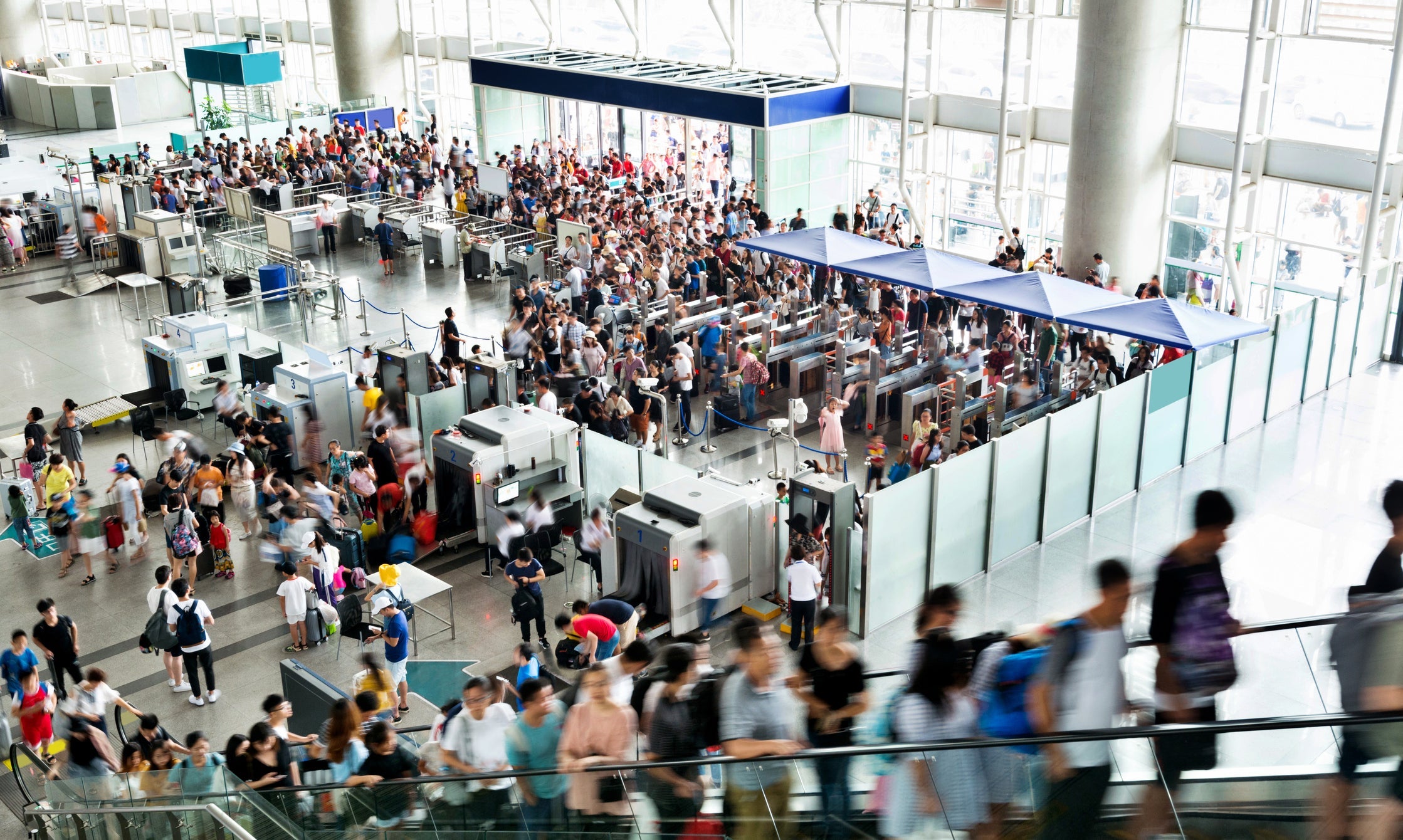
It can be hard enough to get around with a prosthetic device or certain implants, but the realities of present-day air travel can make flying a particular challenge.
In the case of Rhonda Mengert, a 51-year-old woman from Las Vegas, it ended up in the courts, with the grandmother accusing officials from Tulsa Airport (TUL) of subjecting her to a humiliating and invasive search that included her panty liner when they said her hip implant necessitated a pat-down. Now she's suing the Transportation Security Administration and two TSA officers.
"'I don't understand what is happening — what is it you want me to do?'" she said to TSA officers, according to The New York Post.
It's not an unfamiliar feeling for those with prosthetics or implants, but there are steps you can take to keep the hassles surrounding your own devices to a minimum on your next flight.
Related: How to Fly With a Hearing Impairment
First off, your doctor may have issued you a card or a letter the explains what kind of device you have. The TSA even has a printout of such a card on its website that you can print out, fill in and keep handy for your trip.
But it's a not a get-out-of-screening card, as many people seem to believe. Instead, you use it so you can discreetly let TSA handlers know why you can't go through the usual scanners at the security checkpoint. If you can't go through the metal detector, they'll ask you to go through the millimeter wave scanner, or full-body scanner instead. You can ask for a private screening at any point.
"Advanced imaging technology can facilitate your screening and reduces the likelihood of a pat-down," the TSA webpage on traveling with disabilities says.
Even then, don't be surprised if TSA officers decide to do a closer check of your prosthetic or other medical device, if external, including an explosives swabs and handheld metal detectors. According to the TSA, you're allowed to stay seated and won't be asked to remove your prosthetic or reveal sensitive areas of your body. If you're in TSA PreCheck, as Mengert was, you'll be asked to conduct the search of your external prosthetic yourself, after which TSA officers will examine your hands for explosives residue and other suspicious materials.

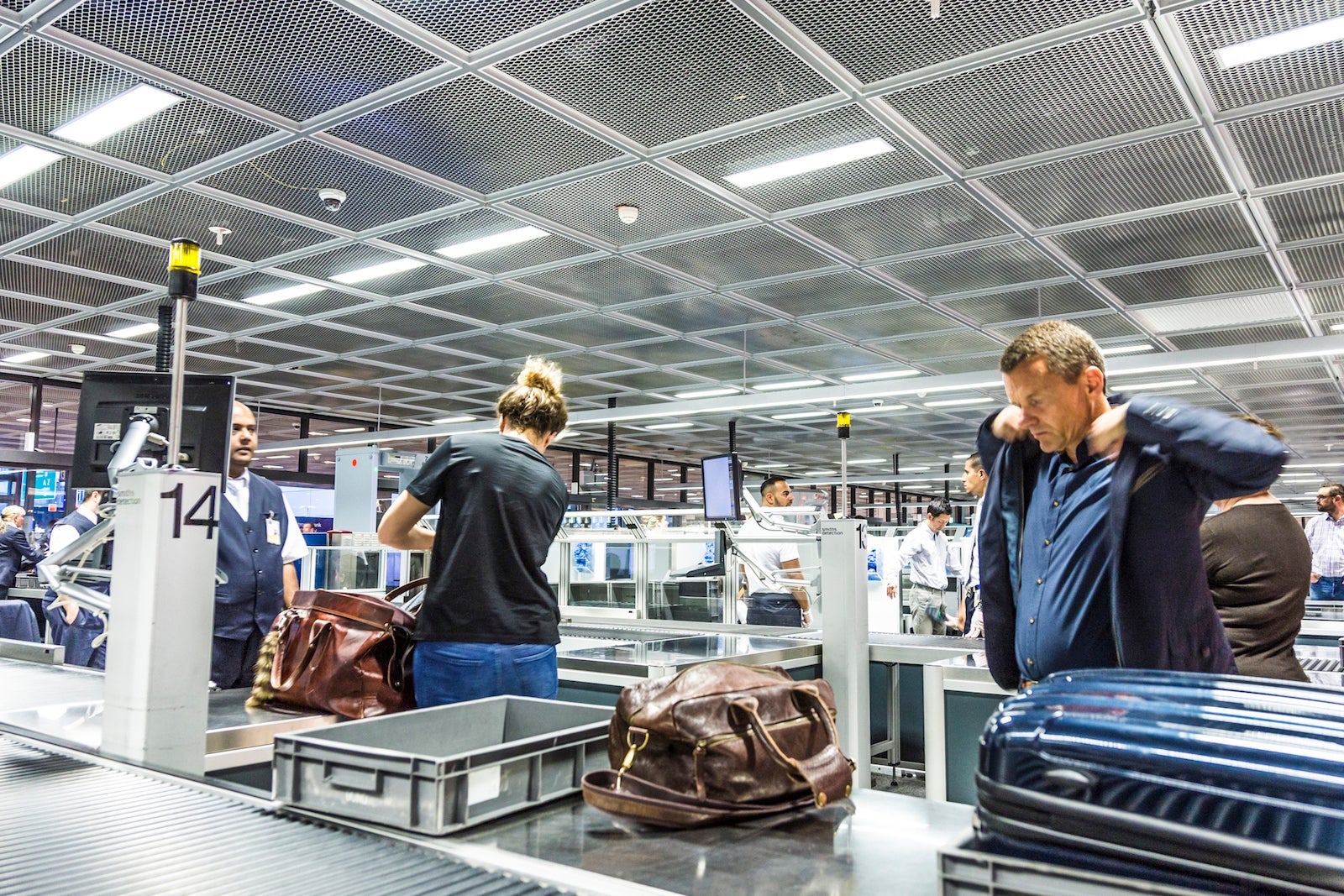
And you can still be called in for a further pat-down by an officer if there's something unexpected that shows up on the full-body scanner or the external prosthetics search. You'll be given the pat-down if you refuse to go through the scanner and still want to board your plane.
If something unexpected shows up on the scanner, it's still possible you'll have to undergo a full body pat-down by an officer of your gender. The TSA isn't allowed to conduct strip searches, and you can ask that a companion be with you for every step of the screening, but he or she has to be screened first.
You can refuse to be screened at any time, but you naturally shouldn't expect to be allowed to waltz onto a plane if TSA officials feel they haven't done the necessary security searches.
So basically, you're going to have to be prepared for an extra wait in security no matter what if you have an implant or prosthetic. Because of that, you shouldn't wait till the last minute to get to the airport — the Amputees Coalition recommends getting there two hours before a domestic flight and three hours before an international flight.
And you can let TSA know you're coming. Up to 72 hours before your trip, you can call or email the administration's passenger-support wing, TSA Cares, with questions about how they'll handle your condition, or give them your itinerary and ask them to arrange for a specialist to meet you at the airport and help you through the process.
It isn't yet clear where the process may have gone wrong for Mengert, but for most travelers with implants and prosthetics, flying needn't be more than a minor bump on the road to your destination — if you're prepared.
TPG featured card

at Capital One's secure site
Terms & restrictions apply. See rates & fees.
| 5X miles | Earn 5X miles on hotels, vacation rentals and rental cars booked through Capital One Travel |
| 2X miles | Earn unlimited 2X miles on every purchase, every day |
Pros
- Stellar welcome offer of 75,000 miles after spending $4,000 on purchases in the first three months from account opening. Plus, a $250 Capital One Travel credit to use in your first cardholder year upon account opening.
- You'll earn 2 miles per dollar on every purchase, which means you won't have to worry about memorizing bonus categories
- Rewards are versatile and can be redeemed for a statement credit or transferred to Capital One’s transfer partners
Cons
- Highest bonus-earning categories only on travel booked via Capital One Travel
- LIMITED-TIME OFFER: Enjoy $250 to use on Capital One Travel in your first cardholder year, plus earn 75,000 bonus miles once you spend $4,000 on purchases within the first 3 months from account opening - that’s equal to $1,000 in travel
- Earn unlimited 2X miles on every purchase, every day
- Earn 5X miles on hotels, vacation rentals and rental cars booked through Capital One Travel
- Miles won't expire for the life of the account and there's no limit to how many you can earn
- Receive up to a $120 credit for Global Entry or TSA PreCheck®
- Use your miles to get reimbursed for any travel purchase—or redeem by booking a trip through Capital One Travel
- Enjoy a $50 experience credit and other premium benefits with every hotel and vacation rental booked from the Lifestyle Collection
- Transfer your miles to your choice of 15+ travel loyalty programs
- Top rated mobile app