I tried the only China-intensive cruise for Americans — here's why you should too

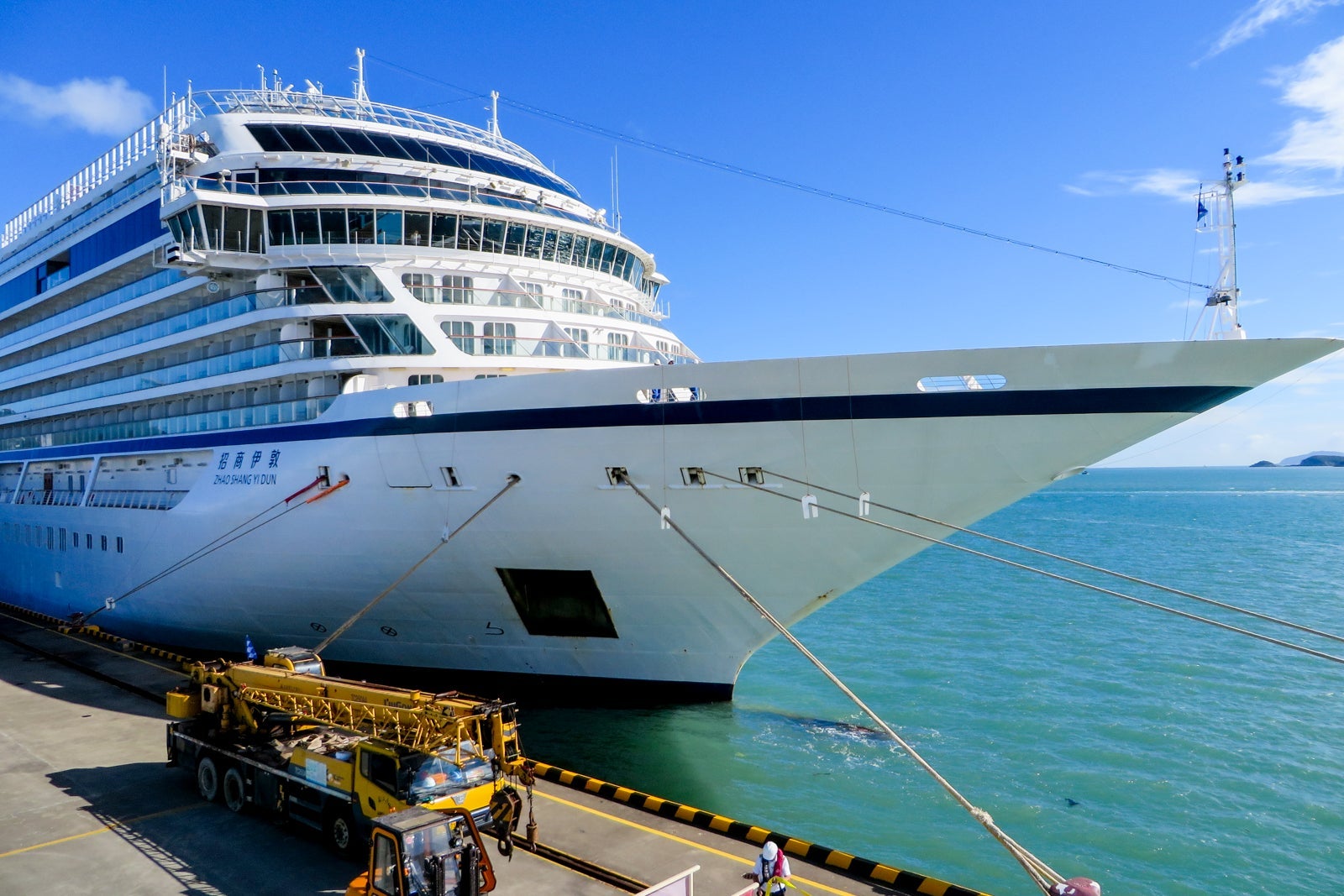
"I wasn't expecting that!" was a common refrain for me on my recent China sailing with Viking. As a first-time visitor, I had done my precruise homework, but my experiences on board and ashore in China never failed to surprise me — in a good way.
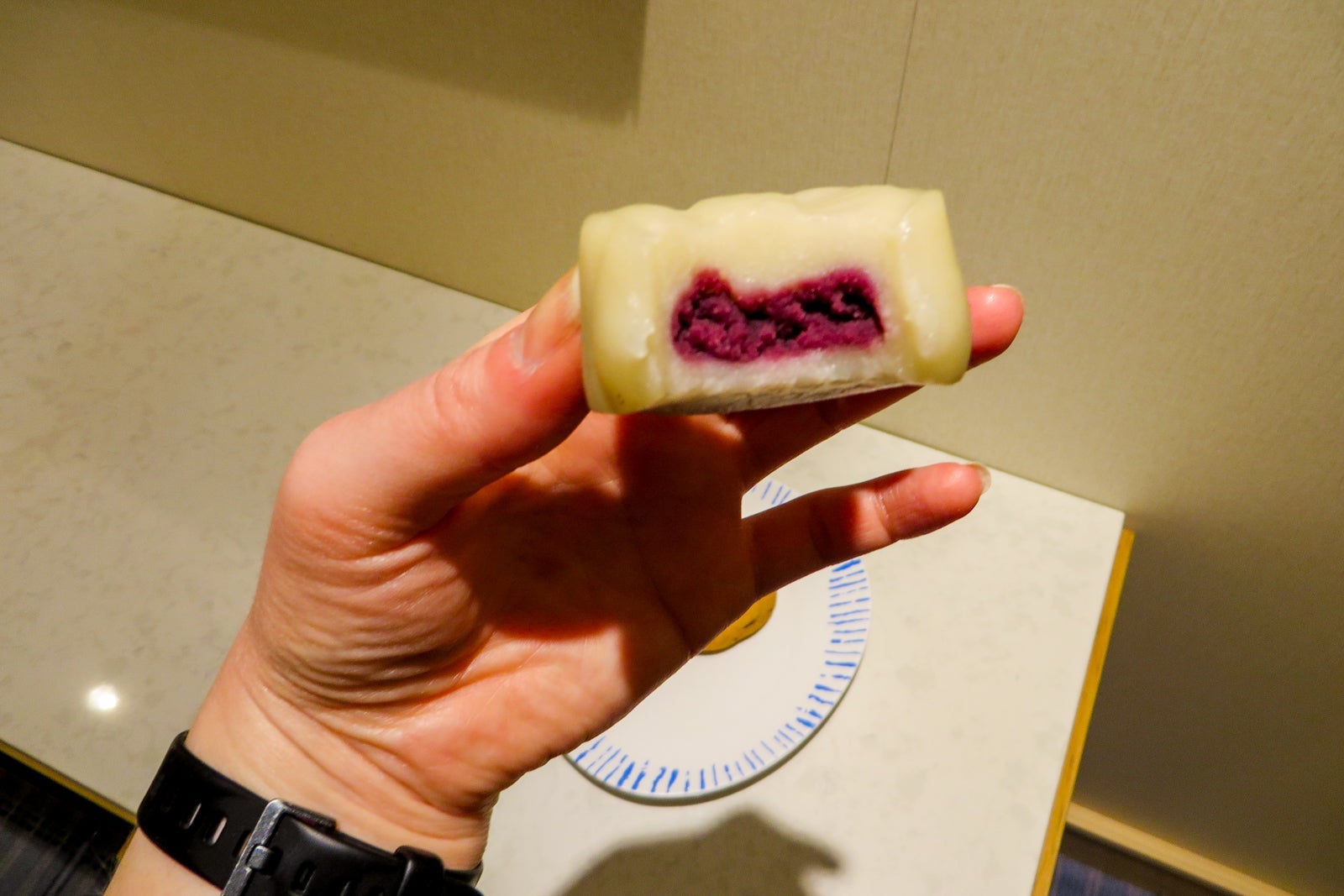
From the purple potato crystal cake I ate on my first night on board — and loved — to ancient temples that were built 750 years before the United States even existed, I found many new experiences to enjoy on my trip. Even my postcruise airport transfer, when I boarded a ferry instead of a bus to reach the airport for my flight home, was novel.
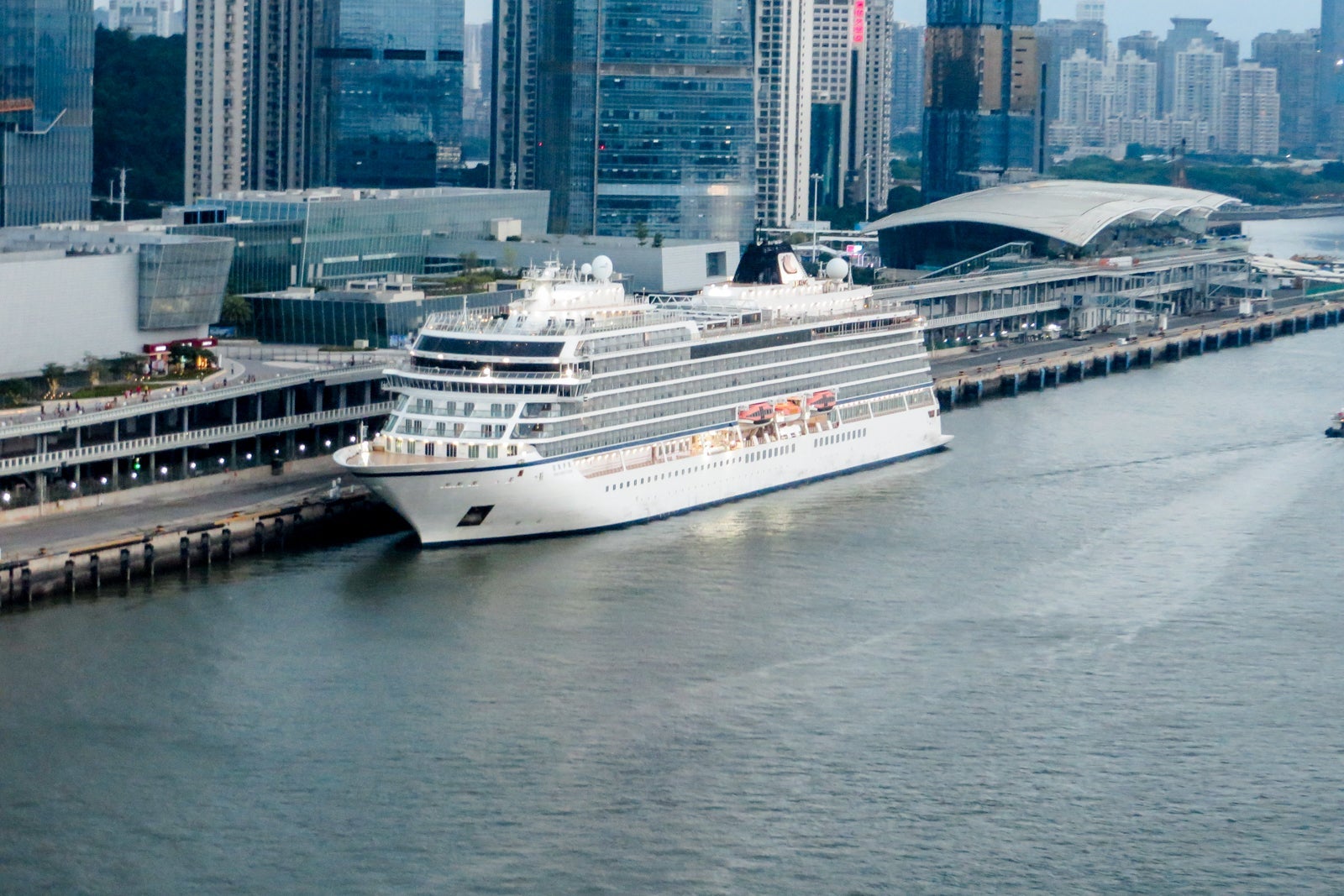
Viking's entire China itinerary is unexpected. Viking is the only cruise line to offer China-focused ocean cruises to Americans. Its China-based ship, Viking Yi Dun, does not offer the broader pan-Asia cruise itineraries that most lines catering to Americans offer in the region — the type that begin in Hong Kong or Singapore and typically bring calls at multiple countries. Instead, it takes guests to smaller Chinese ports that most cruise passengers don't have a chance to visit — something that sets Viking apart from others that visit the region.
Plus, it pairs the 10-day cruise with several days of land touring before and after the sailing, allowing passengers to explore further inland at such landmarks as the Great Wall of China.
China's ancient wonders, proud and storied culture and excellent food are easy for Americans to experience as part of these combination sea and land tours — known as cruisetours in the cruise world. You'll be wowed by unique museum visits, scenic views, jaw-dropping acrobatic performances and perhaps some surprising experiences you didn't expect. Here's what you should know if you plan to embark on this one-of-a-kind itinerary.
The itinerary is unique
Viking debuted its 10-day China itinerary for Americans in 2024 and took a somewhat circuitous route to get there. Viking Yi Dun launched in 2017 as Viking Sun, but when the line decided it wanted to sail China itineraries — something that requires a vessel to be Chinese-owned — it sold majority ownership of the vessel to locally based China Merchants and now operates it in partnership with the company.
Initially, the ship carried only Chinese passengers, but with a recent change to cater exclusively to North Americans, it's now the only vessel to sail China coastal voyages for travelers primarily from the United States.
That means the experience is super exclusive — particularly since Viking's Yangtze River sailings are now a thing of the past, making visits to small Chinese ports even harder to find on cruise itineraries. Most cruise ships visit only one or two ports in China as part of wider visits to Asia, but Viking stands alone in bringing Western cruisers to seaside ports outside of the major cities.
When I first started planning this trip, I hadn't heard of many of the places on Viking Yi Dun's itinerary. Though the cruise was bookended by visits to the major cities of Shanghai and Shenzhen (just across the Sham Chun River from Hong Kong), it focused mainly on small ports along the southeast China coast. But, as it turns out, the lesser-known and less touristy attractions in the towns and villages we visited were what made the trip so special.

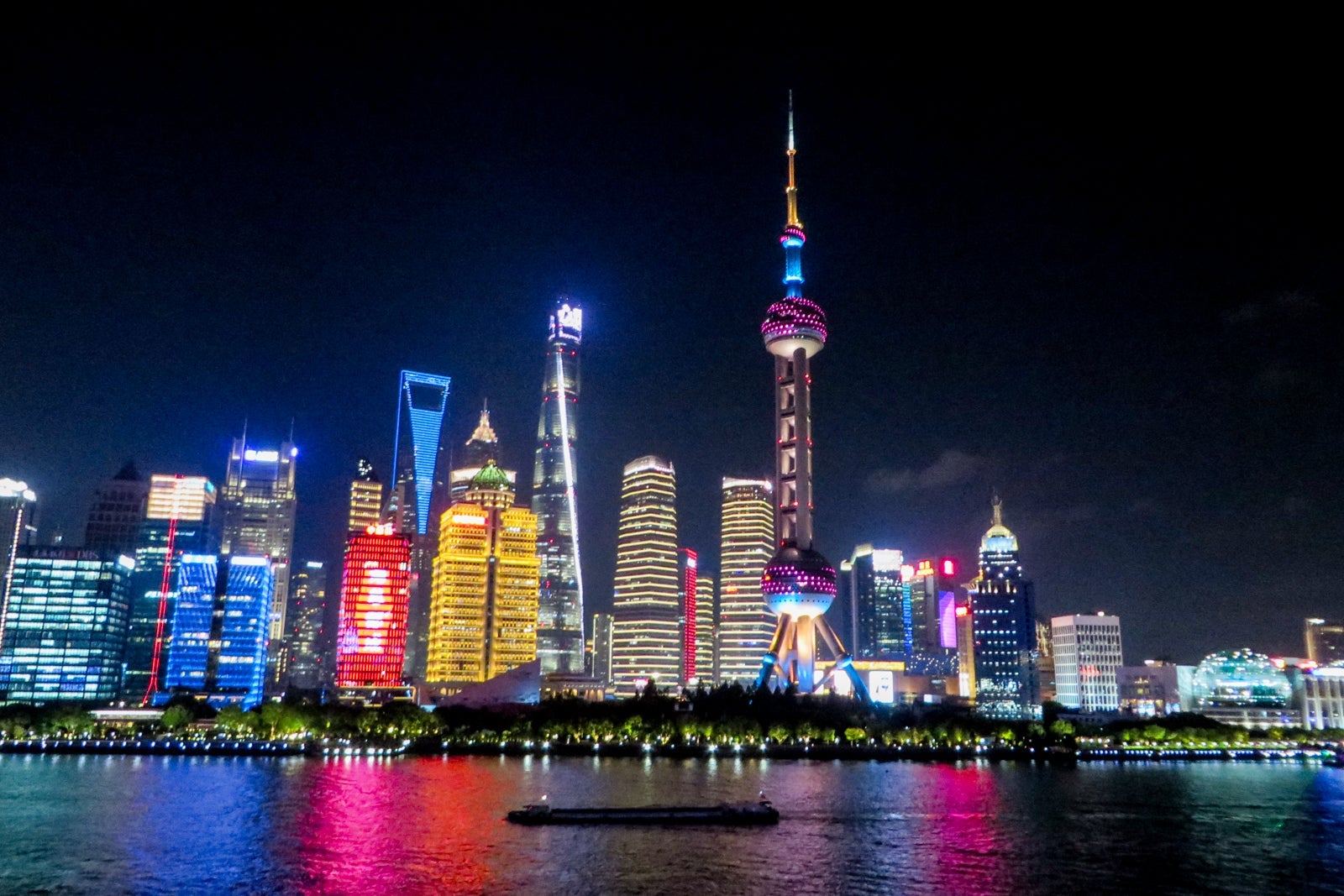
After nearly two full days docked in Shanghai, the ship sailed the South China Sea before arriving in Zhoushan, an archipelago comprising hundreds of islands with a rich fishing history. The vessel continued on to Dongtou, China's seaweed agriculture capital; Pingtan, the largest island in the Fujian province, offering pristine beaches; and Xiamen, a jumping-off point to reach the famed Nanjing Tulou — ancient five-story cylindrical dwellings with one entrance and a central open-air courtyard. Then the ship tied up for more than 24 hours in Shenzhen, near Hong Kong, where the voyage ended.
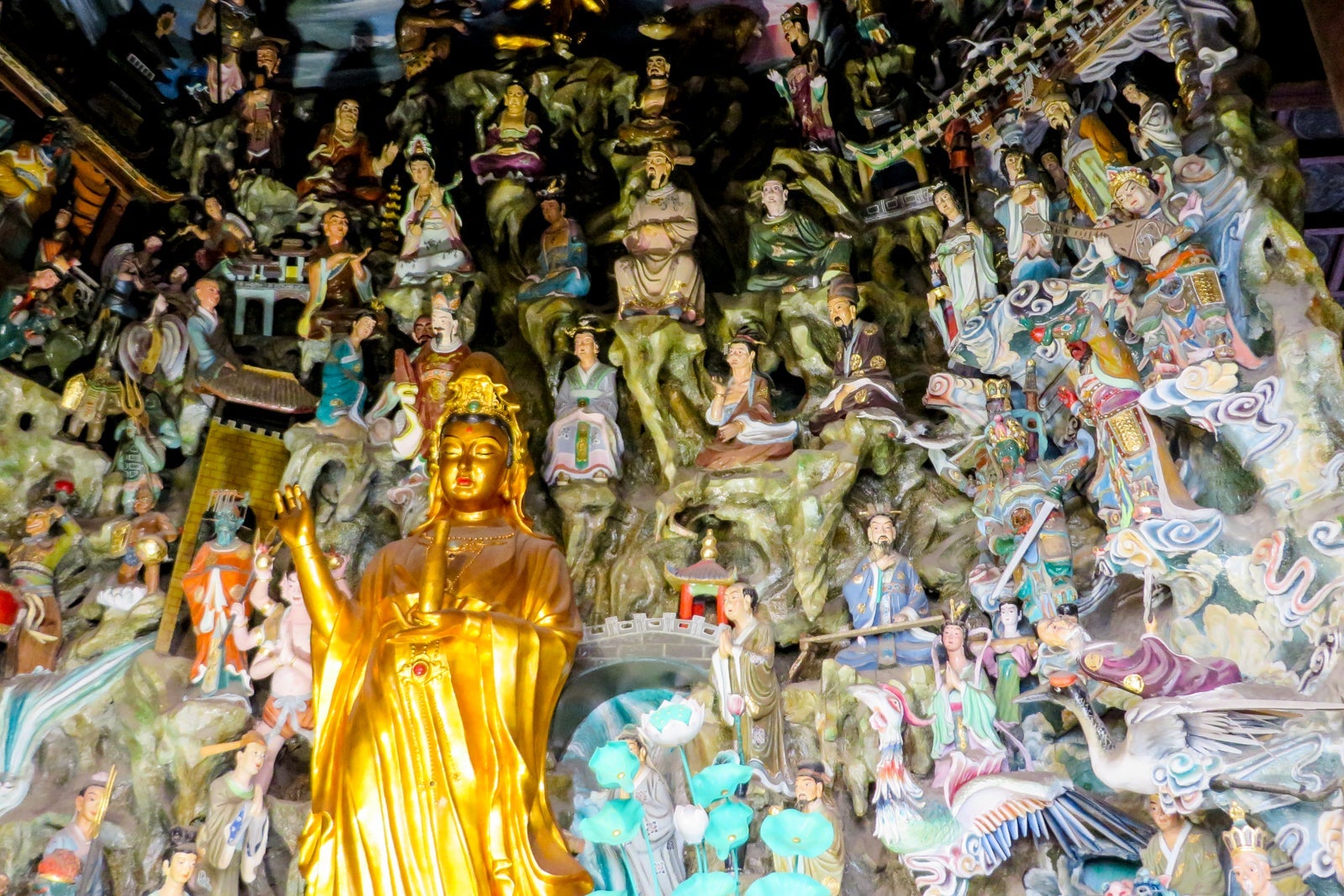
From trips to thousand-year-old temples where Chinese citizens flock for worship to strolls past open-air markets where locals sell fresh fruit and trinkets, there's a lot to see in the tiny towns Viking Yi Dun visits.
Related: 6 things to know before your first China cruise
Viking's cruisetours are great for China first-timers
"I can't wait to see the pandas!" a fellow passenger gushed to me as we chatted across the aisle during the bus ride portion of a shore excursion to a local temple. Although the temple didn't have any pandas to speak of, my bus mate — and many of the other cruisers with whom I spoke — was eagerly anticipating the postcruise portion of the trip.
Although the smaller ports on the cruise teach passengers a lot about the Chinese way of life outside of the major cities, the full cruisetour provides access to many of the major points of interest — the Great Wall, the giant pandas, the Terracotta Army — you'd expect to visit on a trip to China. Although they're highlights for first-timers in particular, many people on my sailing had been to China multiple times before and still said the precruise part of the trip, which held some repeat attractions for them, was fantastic.
(Due to scheduling, I only did the 10-day cruise portion of what was, for my fellow passengers, a cruisetour that lasted more than 20 days. A cruise-only option is not currently available for booking.)

Depending on the specific pre- or postcruise tour booked with Viking, travelers will visit the Great Wall and Forbidden City and pass by Tiananmen Square in Beijing; hop a flight to Xi'An to see the Terracotta Army; ogle giant pandas in Chengdu; and enjoy the mountaintops of Lhasa in Tibet. Guests can also choose to tack on five-day trips to Mongolia.
The shortest available option for visiting many of these ports is a 15-day cruisetour that starts from about $7,000 per person (double occupancy). For the full 22-day cruisetour option, the least expensive prices start from about $12,000 per person (double occupancy). The five-day Mongolia extension adds another $5,500 per person. Airfare is additional.
Prices were accurate at the time of publication but are subject to change.
Shore excursions are largely focused on culture
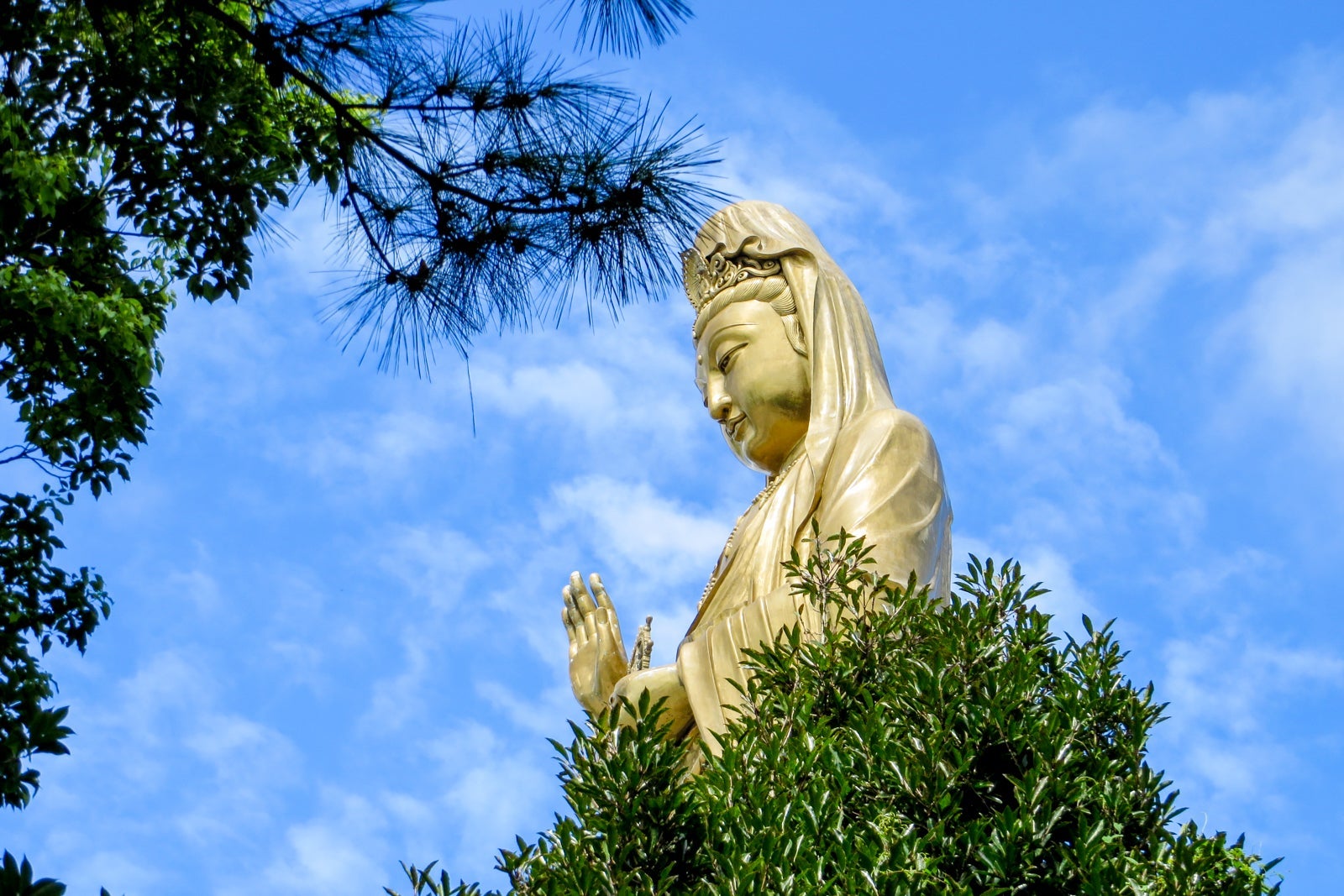
I watched, fascinated, as visitors to the Longhua Temple complex in Shanghai walked by in a sort of unofficial parade, carrying large sticks of incense. I was on one of Viking Yi Dun's shore excursions, and as I watched other visitors kneeling to pray in front of various Buddha statues, our guide explained that, although China is secular, Buddhism is the major religion there.
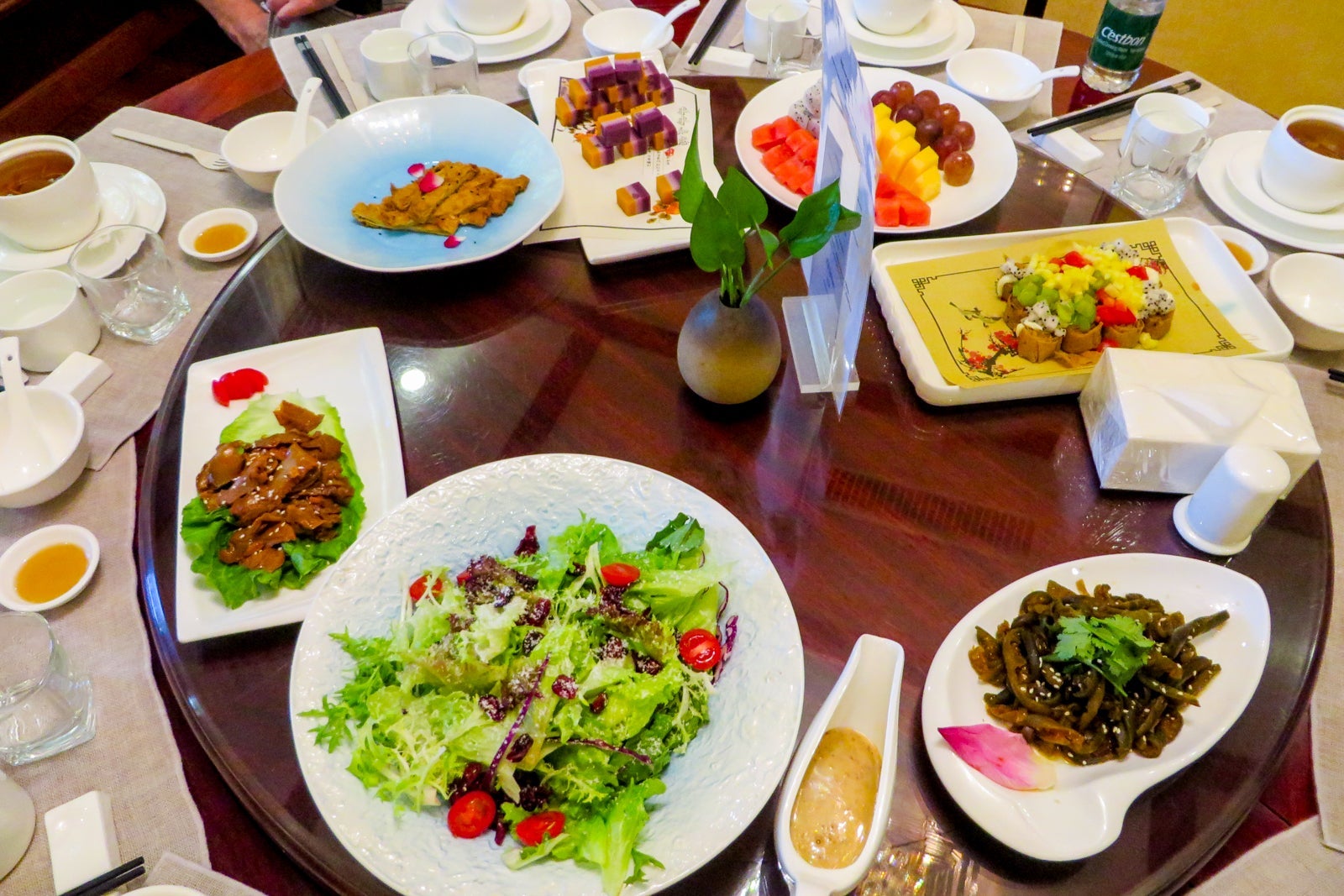
After touring a couple of the temples, we had lunch in a private room. When we emerged and made our way out of the building, we encountered a line of people several rows deep. Our visit coincided with the annual fall Moon Festival, our guide said, and those people were in line to buy moon cakes, which are only offered at that time of year.
What struck me was that the people in our group were the only Westerners I saw. Despite the fact that Shanghai is a major city, the temple complex seemed to be a tourist attraction for Chinese visitors rather than foreigners. The temple isn't generally a place that's high on North American bucket lists, but it provided an excellent view of practices that are central to the lives of so many Chinese citizens.

I found the focus on culture and lesser-known Western tourist spots to be a common and refreshing thread among nearly all of the Viking tours. During my cruise excursions, I ate local foods, watched a circus show, hiked a coastal trail with amazing views and toured an art museum built inside of old oil tanks. Even visits to local shopping centers offered an experience that felt less touristy and more "this is just everyday life" than what you'd find on similar tours in other countries.
Viking offers at least one complimentary shore excursion in each port — another way the line sets itself apart from many other oceangoing cruise lines. However, I found the only free tour I tried to be lackluster — the only tour on the whole sailing that I disliked and the only one that felt tacky and commercial. (Other passengers on the same tour said they had tried other free offerings that were fine, but you'll have to pay extra to find truly jaw-dropping experiences.)
Billed as a 3-hour catamaran ride that would allow passengers to "... learn more about the history ..." of Shenzhen, it ended up being a harbor cruise on what felt like a small, outdated cruise ship. Despite telling us we'd need our headsets, guides offered no commentary about where we were going or what we were seeing. Instead, they encouraged us to buy snacks, listen to cheesy pop songs sung live on deck and attend a mediocre magic show before returning to the ship.
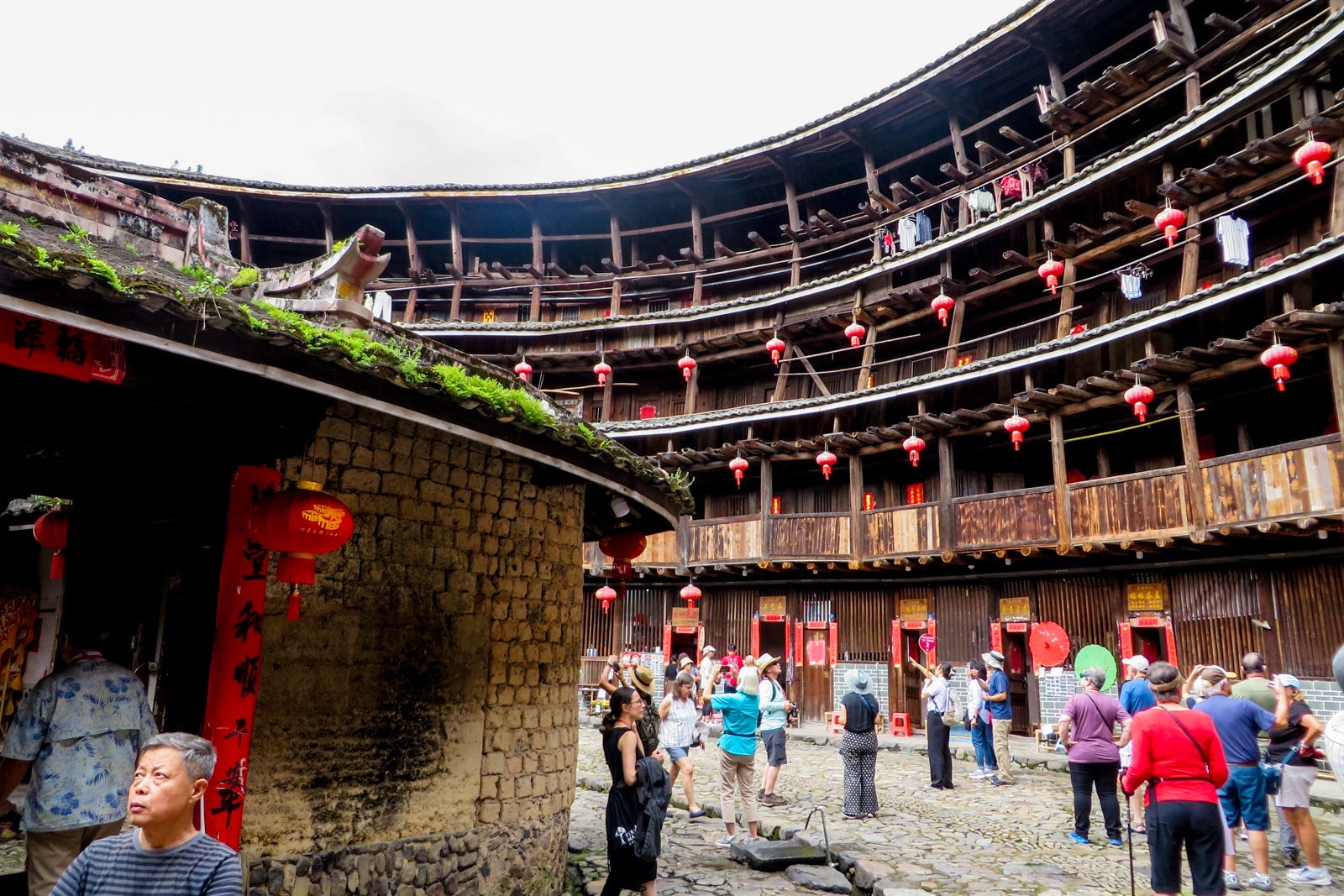
In contrast, my favorite tour was a trip to visit the Nanjing Tulou during our call on Xiamen — despite a 4-hour round-trip bus ride during a long 10-hour day out. The thousand-year-old earthen dwellings double as fortresses and can house hundreds of people. Their cylindrical design and open courtyards make them architecturally interesting, but what's even more awe-inspiring is that descendants of the original inhabitants still live there. Every family has its own section on each of the building's five stories — kitchen on the first floor, storage on the second floor and family dwellings on the third, fourth and fifth.
Despite the age of the buildings and the somewhat primitive style of living, family businesses line the interior walls around the courtyard. Even in this historic setting, most of them accept Alipay and WeChat Pay — electronic services that require the use of cellphones — as primary forms of payment. The melding of old and new seems to fit China's evolution perfectly; it's a nation that prides itself on its technological advancements while holding tight to its history and culture.
Viking cruisers tend to be well-traveled and independent, used to exploring on their own in European ports as they see fit. While passengers who feel comfortable speaking and reading Chinese will be OK venturing out on their own on this cruise, most cruisers stick to the cruise line's excursions, all of which are led by Chinese guides who speak fluent English. It's uncommon for people to speak English or for signage to use the Latin alphabet, even in major cities, so be prepared if you do decide to strike out by yourself.
In addition to a Viking guide who's part of the ship's crew, each excursion is joined by a local guide who's familiar with the specific sights you'll see on each tour. Both guides offer translations, procure entry tickets for attractions and answer questions from passengers.
One thing to note is that many of the most interesting places Viking visits during its tours aren't just down the road from the port. Many require driving an hour or more from where the ship is docked to see the most noteworthy sights. Viking includes transportation in the cost of its excursions, so keep that in mind when determining whether or not you'd like to join a tour group.
The ship is a familiar home base with a touch of Chinese flair
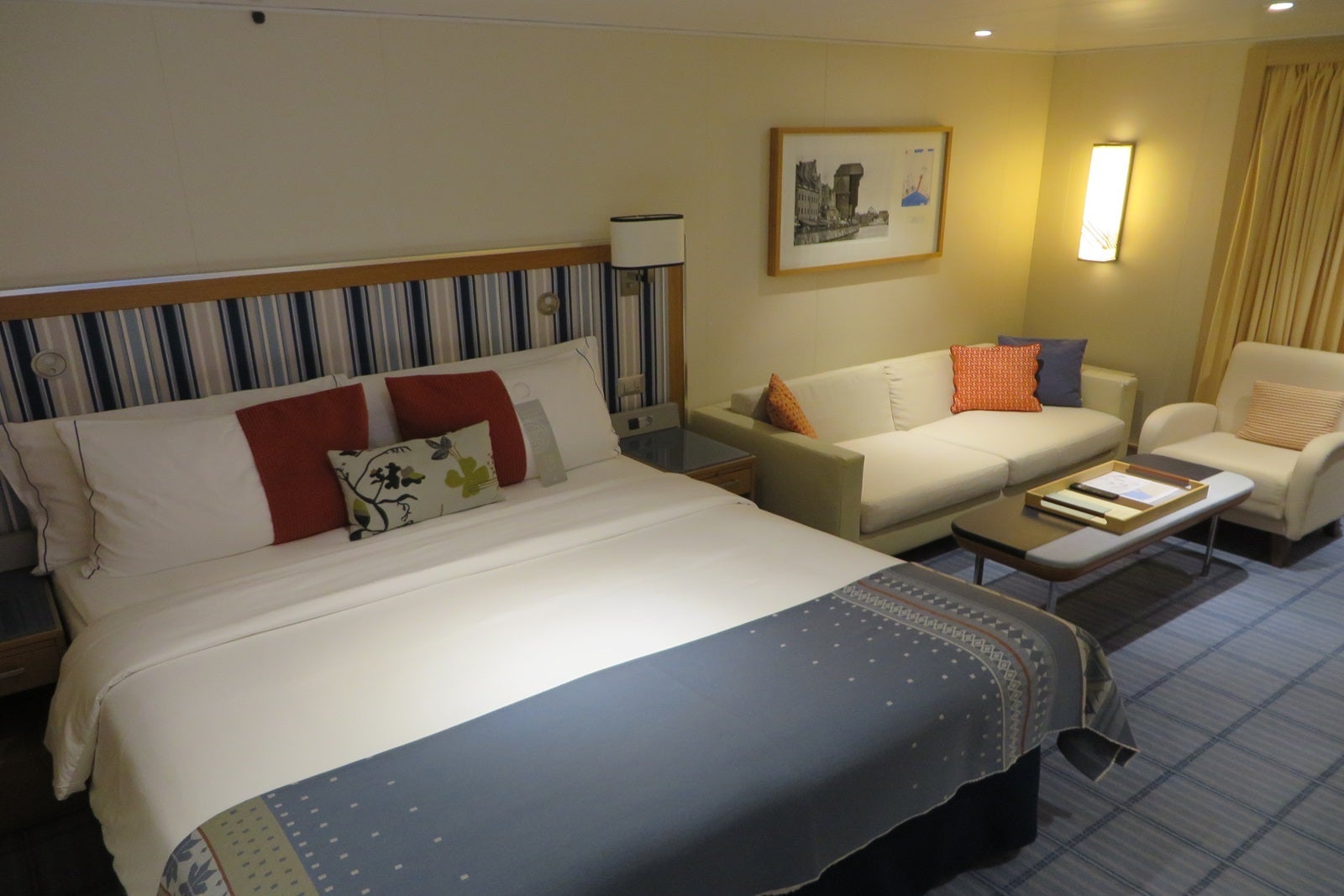
At sea, the ship itself provides a comfortable spot to relax, dine (all restaurants are included in the cruise fare) and learn more about the places you'll be visiting. Viking's ships are known for their Scandinavian modern style and decor, and Viking Yi Dun carries that through with elements that nicely bridge the gap between Western comforts and Eastern touches.
Cabins are elegantly appointed with neutral tans and light woods as a base, as is common with Nordic design. But they're accented by pops of blue, as well as orange and red florals, creating a vibe that's equal parts nautical and Asian.
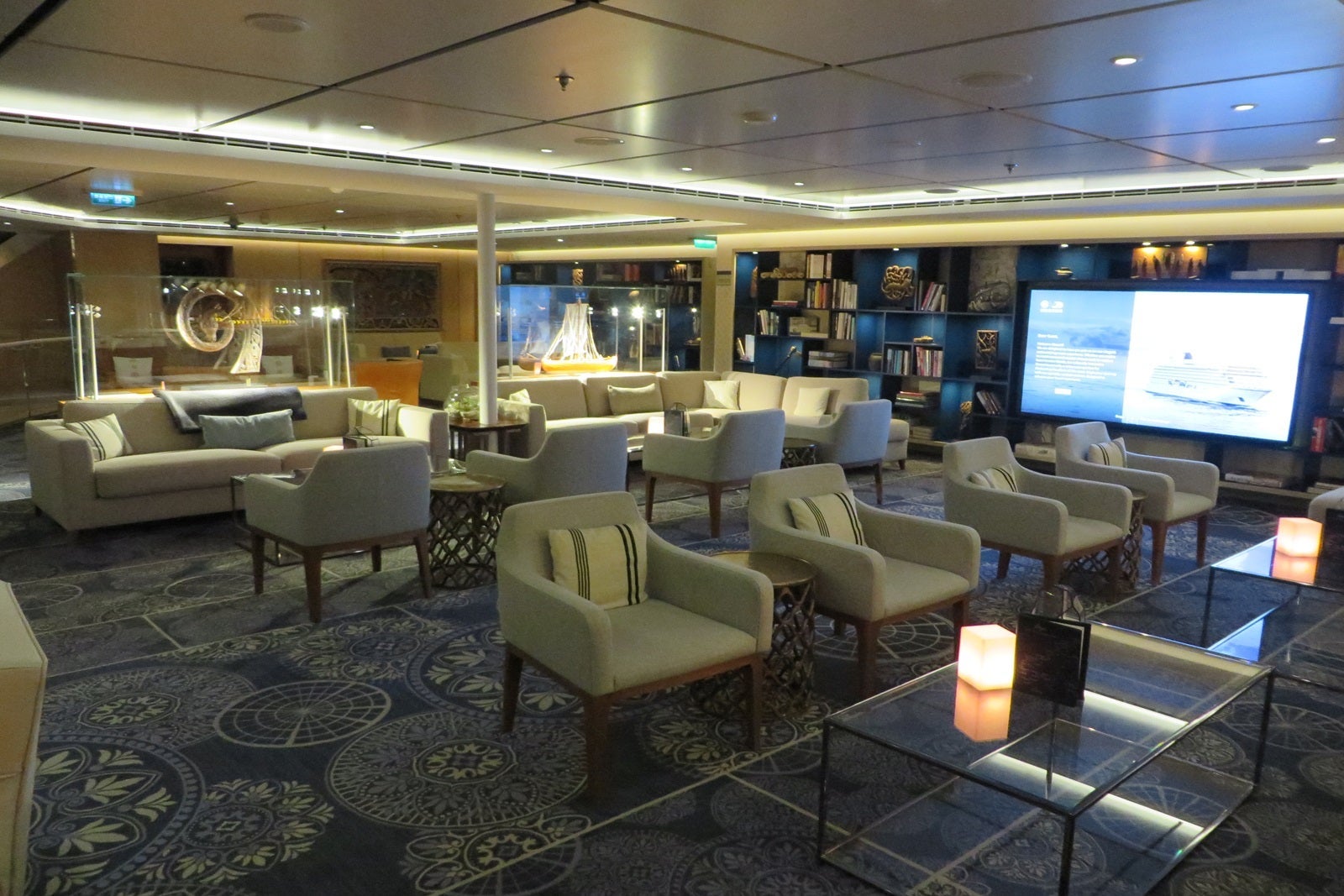
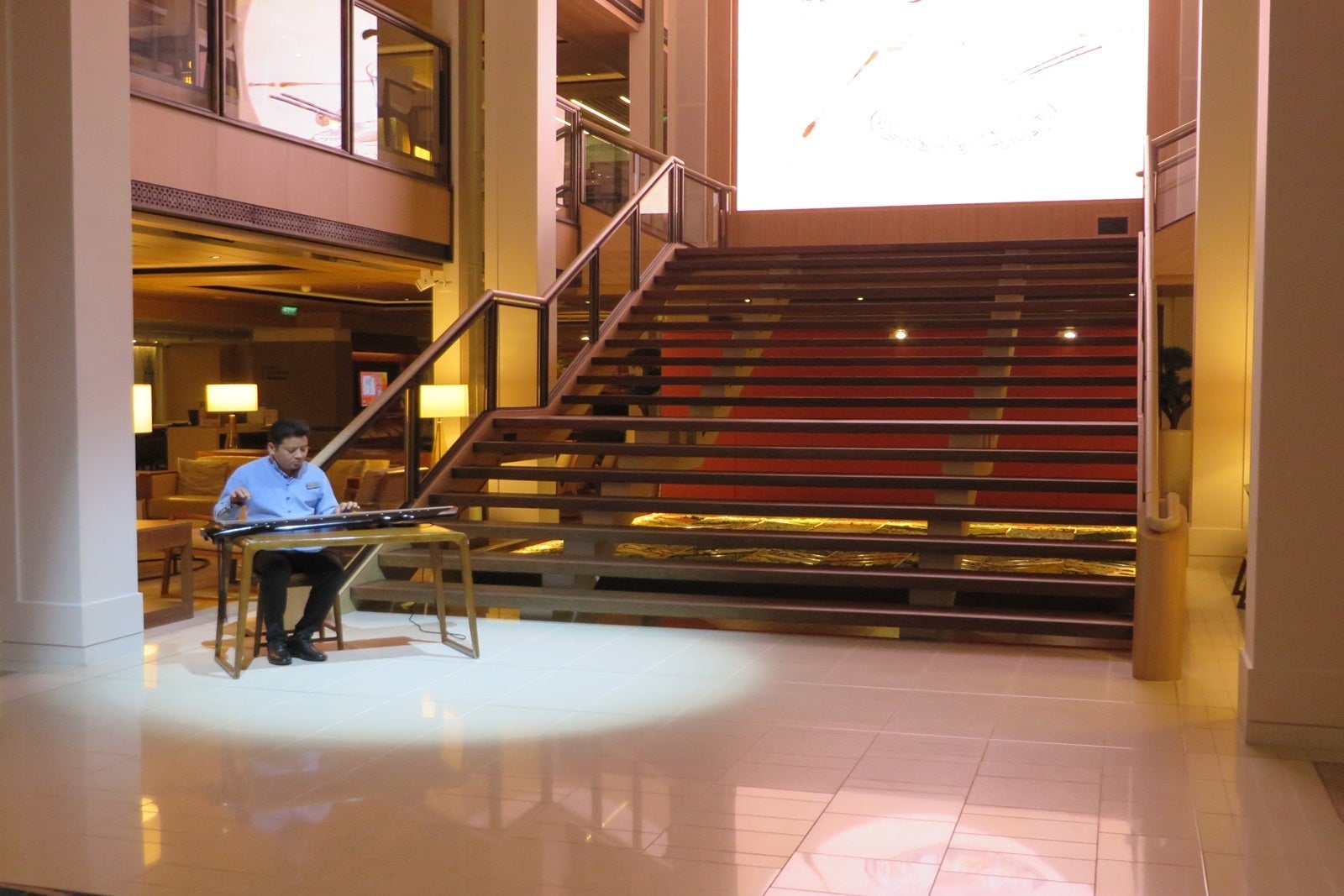
Cozy lounges feature faux fireplaces and Scandinavian-influenced furniture with simple colors and lines, accented with faux fur throws. As is the case on all Viking vessels, an onboard mini-museum highlights the heritage of the Viking people. The ship houses a Nordic spa, while its shops sell a mix of Norwegian-made apparel, along with Chinese tea, fans and other local items.

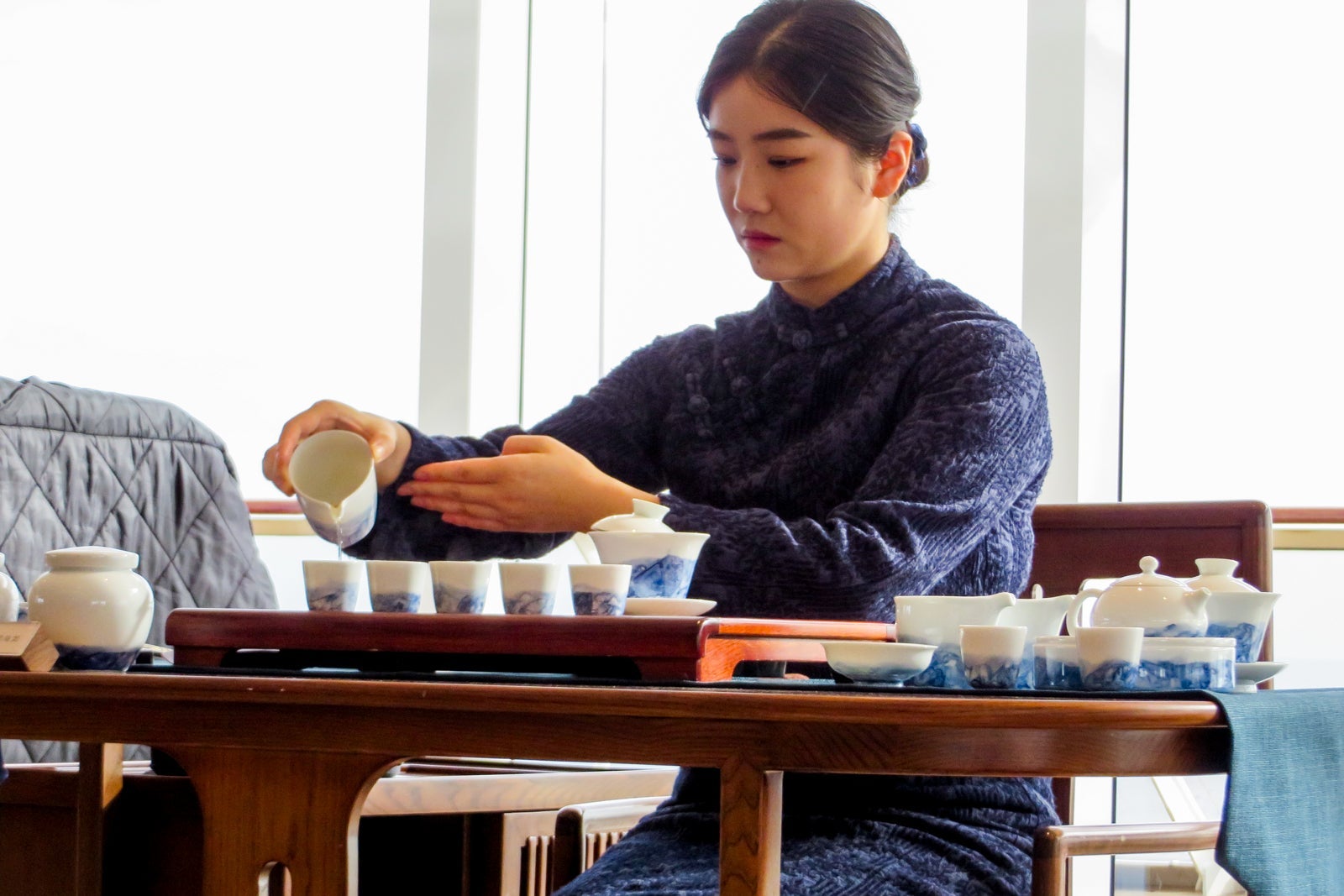
Guests can expect to see activities like Pitch-Pot (a Chinese game where participants try to throw small, thin sticks or arrows into a pot), tea ritual ceremonies and lectures on the history of tea and the life of Mao Zedong on the daily schedule. These, plus nightly shows that feature Chinese acrobats and other local performers, allow passengers to learn about and participate in a bit of Chinese culture, even when they're not ashore.
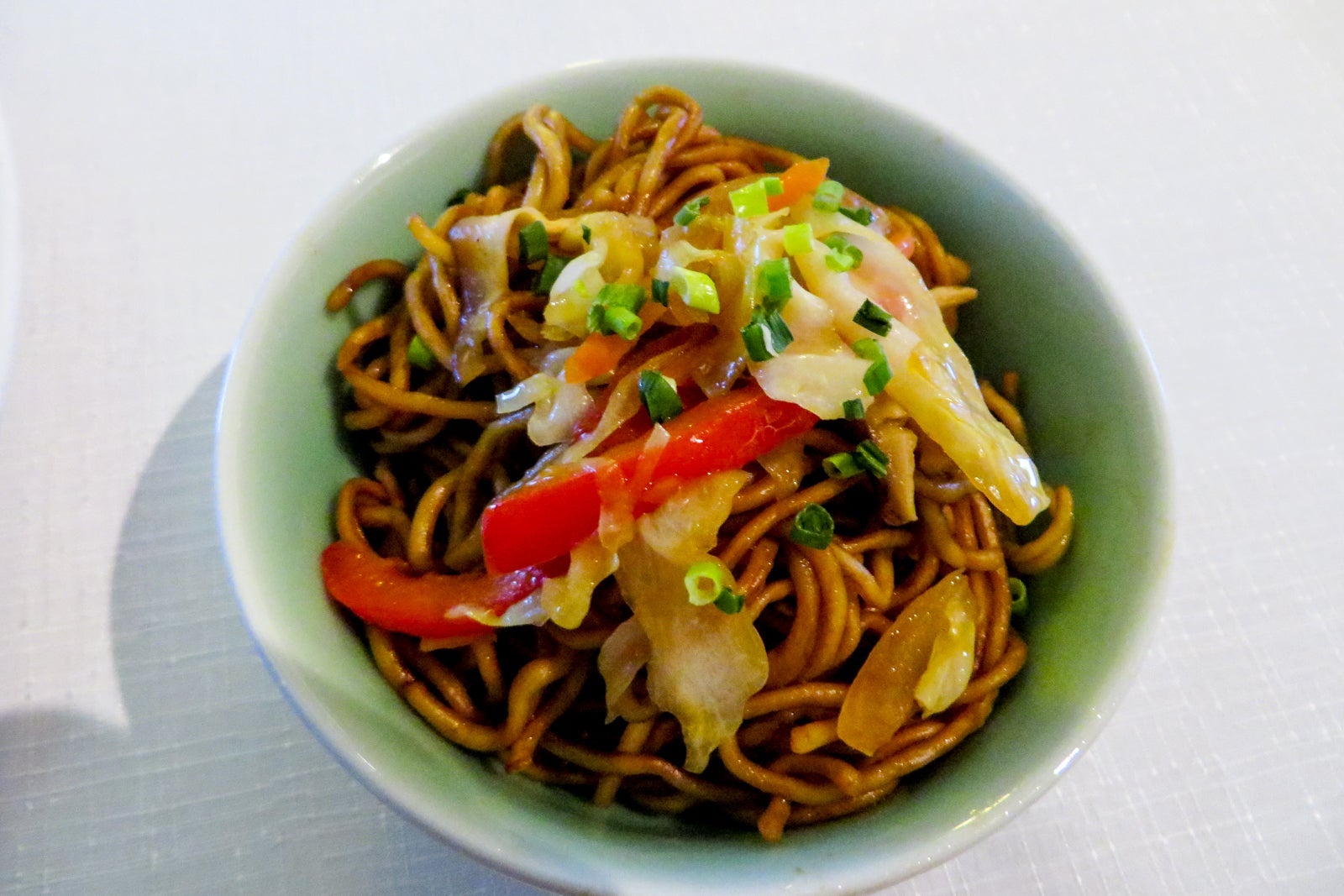
Guests prone to culture shock will appreciate the English-speaking crew, English signage and Western-style toilets in all cabins. Additionally, food selections honor traditional Chinese fare — think noodle bowls, dumplings and various types of meat (chicken, pork, duck) prepared in traditional Chinese ways. But restaurants also offer Western options — burgers, pizza, steak and Italian — for those whose palates are less adventurous.
The people make the trip special
When I returned to my cabin after dinner one night, I found a handwritten note from my cabin attendant. She wanted to let me know that it was the Moon Festival, also known as the Mid-Autumn Festival — a celebration of the harvest, held on the 15th day of the eighth month of the Chinese lunisolar calendar. She explained that the festival is usually focused on family and that she was glad to have me on board as part of hers. Next to the note was a small plastic battery-operated moon — a genuinely nice touch that makes me think fondly of my trip whenever I turn it on.
That's just one of the many ways the people I met in China made me feel welcome. Everyone I met, on board and ashore, was excited to have me learn more about their world.
"If you're enjoying it here, tell your friends," one of the guides pleaded, noting that tourism — something that hasn't fully rebounded in China since the onset of COVID-19 — is part of how the country thrives.
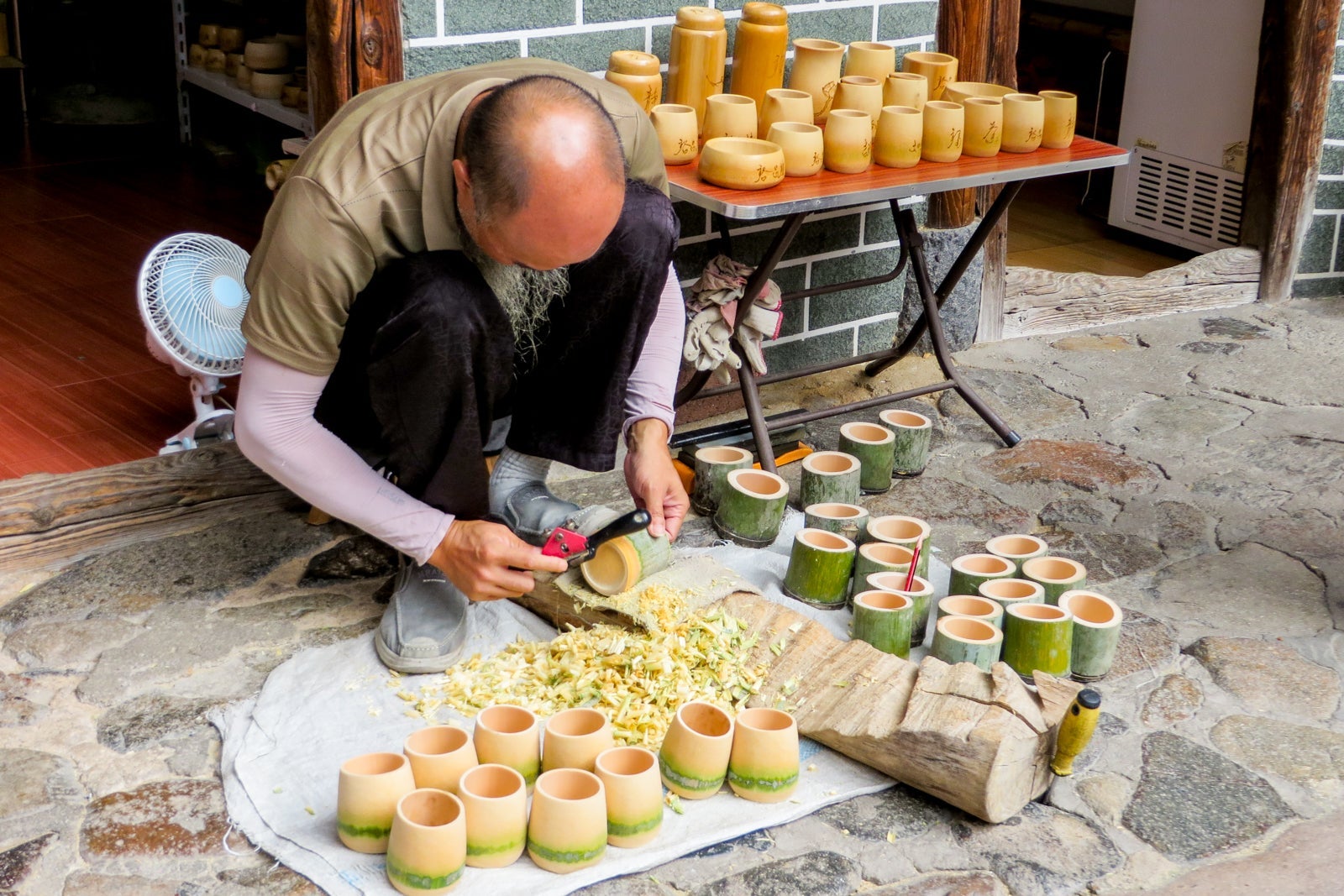
At every turn, villagers waved, nodded and tossed out a "Ni hao" (hello) to every Westerner who passed by. They were warm and welcoming, even when there was nothing to buy or sell. They seemed as curious about us as we were about them — so much so that it made me sad that the language barrier prevented us from engaging in deeper conversation.
"Hi! What's your name? How old are you? Where are you from?" said a boy, likely no older than 6 or 7, who ran up to me outside of one of the tulou. His genuine excitement at a chance to practice his English skills was adorable. I said hello in Chinese and answered his questions in English. I asked him the same ones, and for a moment, the barrier was gone.
Overall, it was the people who made the trip memorable for me. From locals who embraced us in the various ports of call to the hardworking crew on Viking Yi Dun who offered excellent service, despite a few minor struggles with the language, they reminded me daily that, no matter the cultural differences, a smile, a wave and a small bit of effort go a long way to make others feel at home.
Although you're likely to meet friendly locals wherever you travel, Viking truly facilitated the interactions I had in China. The cruise line cultivated a list of interesting ports and highlights in each, and its tour guides allowed us to better communicate with the people we met along the way by eliminating the language barrier. Ultimately, a cruise with Viking is a phenomenal way to experience temples, tulou and everything else China has to offer.
Want to know more about traveling to China? We've got you covered:
TPG featured card

at Capital One's secure site
Terms & restrictions apply. See rates & fees.
| 5X miles | Earn 5X miles on hotels, vacation rentals and rental cars booked through Capital One Travel |
| 2X miles | Earn unlimited 2X miles on every purchase, every day |
Pros
- Stellar welcome offer of 75,000 miles after spending $4,000 on purchases in the first three months from account opening. Plus, a $250 Capital One Travel credit to use in your first cardholder year upon account opening.
- You'll earn 2 miles per dollar on every purchase, which means you won't have to worry about memorizing bonus categories
- Rewards are versatile and can be redeemed for a statement credit or transferred to Capital One’s transfer partners
Cons
- Highest bonus-earning categories only on travel booked via Capital One Travel
- LIMITED-TIME OFFER: Enjoy $250 to use on Capital One Travel in your first cardholder year, plus earn 75,000 bonus miles once you spend $4,000 on purchases within the first 3 months from account opening - that’s equal to $1,000 in travel
- Earn unlimited 2X miles on every purchase, every day
- Earn 5X miles on hotels, vacation rentals and rental cars booked through Capital One Travel
- Miles won't expire for the life of the account and there's no limit to how many you can earn
- Receive up to a $120 credit for Global Entry or TSA PreCheck®
- Use your miles to get reimbursed for any travel purchase—or redeem by booking a trip through Capital One Travel
- Enjoy a $50 experience credit and other premium benefits with every hotel and vacation rental booked from the Lifestyle Collection
- Transfer your miles to your choice of 15+ travel loyalty programs
- Top rated mobile app