General travel
What is an airport lounge?
Definition snippet
An airport lounge is a dedicated space inside an airport terminal that offers travelers a quieter, more comfortable alternative to the main concourse. Lounges typically provide complimentary food and beverages, Wi-Fi, seating and sometimes extras like showers or spa services. Access is granted through a premium-class ticket, airline elite status, a credit card benefit, a paid membership or a day pass.
TL;DR / Key takeaways
- An airport lounge is a private space in a terminal offering complimentary food, drinks, Wi-Fi and seating away from the crowds.
- There are four main lounge types: airline-branded, independent networks (such as Priority Pass), issuer-branded and pay-per-use.
- You can gain access through a premium cabin ticket, airline elite status, a qualifying credit card, a membership or a day pass.
- Day passes typically cost $30 to $79; a standalone Priority Pass Prestige membership runs $469 per year. A premium travel card can bring that effective cost down.
- Lounge access is most valuable on long layovers, red-eye itineraries and travel through congested hub airports where the terminal experience is poor.
What do airport lounges offer?
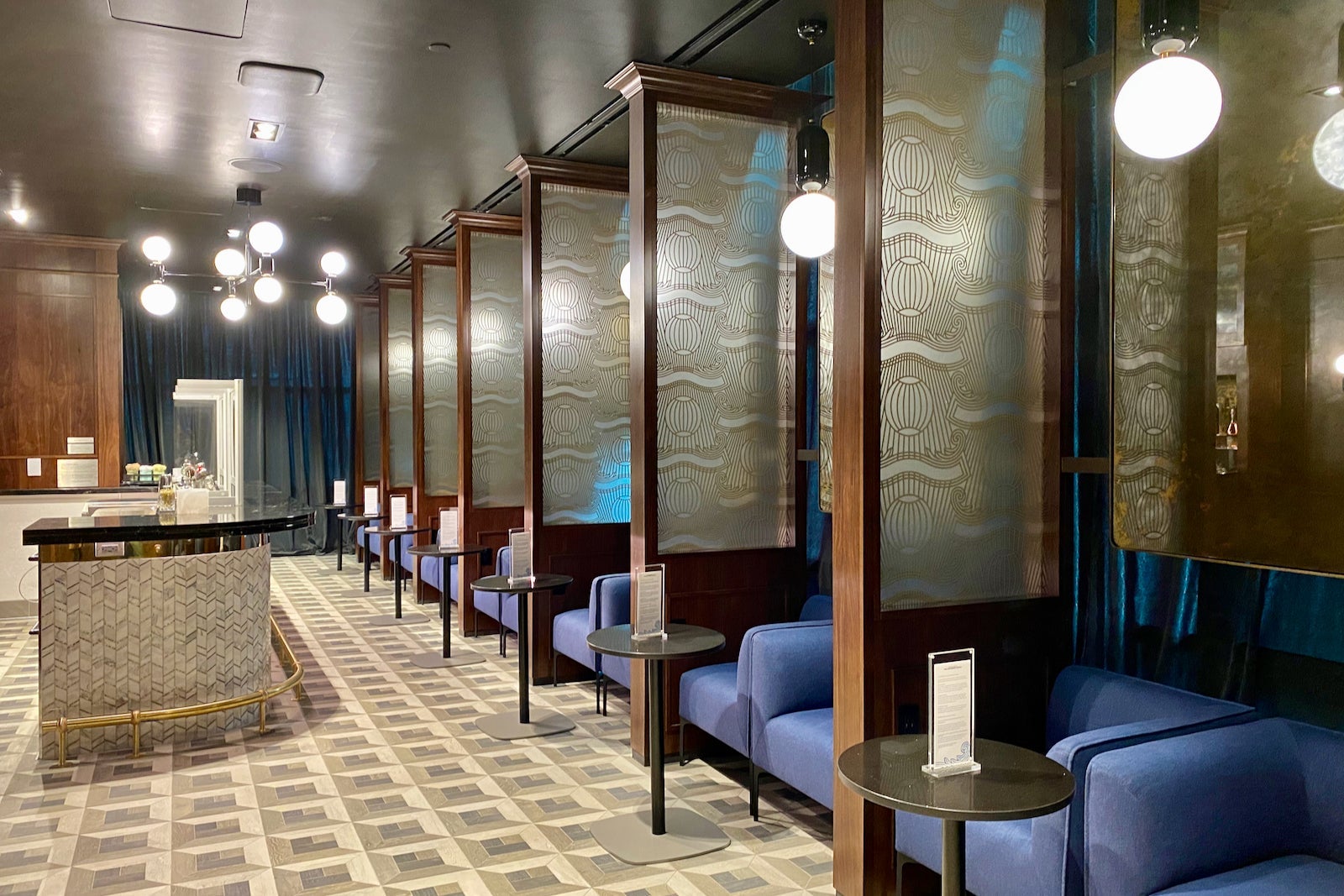
The core promise of an airport lounge is separation from the terminal floor: less noise, better seating and food and drinks you do not have to pay for. Beyond those basics, the experience varies widely depending on the lounge type and location.
Most lounges offer at least the following:
- Complimentary food (hot and cold options at higher-tier lounges; snacks and light bites at standard ones)
- Complimentary alcoholic and non-alcoholic beverages
- Reliable Wi-Fi and charging stations
- Cleaner, less crowded restrooms
Premium and first-class airline lounges tend to go further, with a la carte dining, shower suites, spa treatments, nap rooms and dedicated concierge staff. Issuer-branded lounges, such as those from major credit card companies, have raised the bar on design and food quality, making them competitive with or better than many airline offerings at the same airports.
Types of airport lounges
Not all airport lounges are created equal, and understanding the different types helps you figure out which access method makes sense for your travel pattern.
| Lounge type | Who operates it | Who can access it | Examples |
|---|---|---|---|
| Airline-branded | The airline | Business/first class passengers, elite status holders, select cardholders of that airline's card | Delta Sky Club, Admirals Club, United Club |
| Independent network | Third-party operator | Members of the network, regardless of airline or ticket class | Priority Pass, Plaza Premium, Escape Lounges |
| Issuer-branded | A credit card issuer | Cardholders of the issuing bank's qualifying cards | Amex Centurion Lounges, Capital One Lounges, Chase Sapphire Lounges |
| Pay-per-use / day pass | Varies | Any traveler willing to pay the walk-in or pre-booked fee | Many independent and contract lounges; some airline lounges |
Airline lounges are the most restrictive: access is generally tied to flying with or holding status on that specific carrier. Independent networks like Priority Pass give you access to 1,500-plus lounges worldwide regardless of which airline you are flying. Issuer-branded lounges sit between the two: high quality and broadly accessible to cardholders, but limited in number and concentrated at major U.S. airports.
How to get access to an airport lounge
There are five main paths into an airport lounge. The right one depends on how often you travel and how much you want to spend.
- Fly in a premium cabin: Business and first class tickets on most full-service carriers include lounge access as part of the fare. This is the most straightforward way in, but it comes at the cost of a higher-priced ticket.
- Hold airline elite status: Frequent flyer programs at most major carriers grant lounge access at certain status tiers. Perks and eligible lounges vary by carrier and partner airline, so check the specific program’s terms.
- Use a qualifying credit card: Many premium travel cards include lounge access as a built-in benefit, covering airline-specific lounges, independent networks or an issuer’s own lounge portfolio. This is the most common access method for leisure travelers. [[LINK: “best credit cards for airport lounge access” → thepointsguy.com/credit-cards/airport-lounge-access/]]
- Purchase a membership: You can buy directly into networks like Priority Pass without a credit card. As of 2026, a standalone Prestige membership (unlimited visits) costs $469 per year; guests are charged $35 each at the door. This makes sense if you fly frequently but do not want a premium card.
- Buy a day pass: Most independent lounges and some airline clubs sell single-visit passes ranging from $30 to $79, depending on the airport and lounge. Some can be booked in advance online, which is worth doing at busy airports where lounges can reach capacity.
Frequently asked questions about airport lounges
Can I use an airport lounge even if I'm flying economy?
It depends. Flying economy does not automatically disqualify you from lounge access. You can still get in through a qualifying credit card benefit, a Priority Pass or similar network membership, or by purchasing a day pass. The only restriction that applies to economy passengers at some airline lounges is ticket class, not your network or card access. Note that a small number of airline lounges do restrict access for basic economy fares, so check the lounge's policy before heading over.
How much does it cost to get into an airport lounge for a day?
Day pass prices vary by lounge type and location, but most fall in the $30 to $79 range. Basic independent lounges at smaller airports often sit at the lower end; premium lounges at major international hubs can cost more. Some networks, like Plaza Premium, allow online pre-booking, which can secure your spot at busy airports. Buying a day pass is typically cheaper than purchasing food, drinks and Wi-Fi separately in the terminal, especially on a layover of two or more hours.
Is a credit card with airport lounge access worth it?
It depends on how often you fly and which airports you travel through. If you pass through airports with strong lounge coverage several times a year, the value of complimentary food, drinks and a quiet workspace can offset a card's annual fee, particularly when you factor in the card's other travel benefits. The math shifts if you rarely fly or your home airport has limited lounge options.Learn more about how to choose a credit card for airport lounge access.
Can I bring guests into an airport lounge?
Guest policies vary significantly by lounge type and access method. Some memberships and cards include a set number of complimentary guest visits; others charge a per-person fee that typically ranges from $35 to $50 per adult. Children under 2 are generally admitted at no charge. If you travel regularly with a partner or family, the guest policy should be a key factor when choosing a card or membership. Check out TPG’s guide to guest policies for airport lounges.
What's the difference between Priority Pass and an airline lounge?
Priority Pass is an independent membership network that provides access to over 1,500 lounges worldwide, regardless of which airline you are flying or what class your ticket is. Airline lounges are branded spaces operated by a specific carrier and generally require that you fly with, or have status on, that airline. Priority Pass gives you broader geographic coverage; airline lounges tend to offer a more curated experience tailored to that carrier's passengers.