My first cruise to the Galapagos: The good, the bad and the absolutely adorable

Editor's Note
I'm fresh off a Galapagos cruise, but you wouldn't know it. I have no sunburn to speak of, I wasn't eaten alive by mosquitoes (for once), and I'm not suffering the ill effects of jet lag because I didn't have to adjust to a large time difference. However, that doesn't mean the destination didn't leave a mark on me.
Before starting this adventure, I wasn't sure what to expect from a Galapagos trip. I'd seen photos from friends and fellow travel writers who had visited the islands. Still, pictures don't do justice to the varying hues of blue-footed booby feet, nor do they properly convey the stench of sea lion excrement that — in contrast to its producers — is decidedly not cute.
What awaited me were some of the quietest, most untouched islands I've ever been fortunate enough to visit. From turquoise water and friendly animals to sun that's another level of hot, here's what would draw me back to the Galapagos in a heartbeat, what might make me think twice about returning and, ultimately, why the pros outweigh the cons.
What I liked
The animals
Last year, when I embarked on my first-ever expedition cruise to the Arctic, I thought the number of animals — polar bears, reindeer, whales — I saw was impressive. But the Arctic has nothing on the Galapagos when it comes to creature sightings. For me, the animals were the highlight of the trip.
Within five minutes of arriving at the dock on the island of Baltra, I spotted brightly colored crabs, a marine iguana and some sort of pinniped (unsure if it was a sea lion or a seal from a distance) before I even boarded my ship.
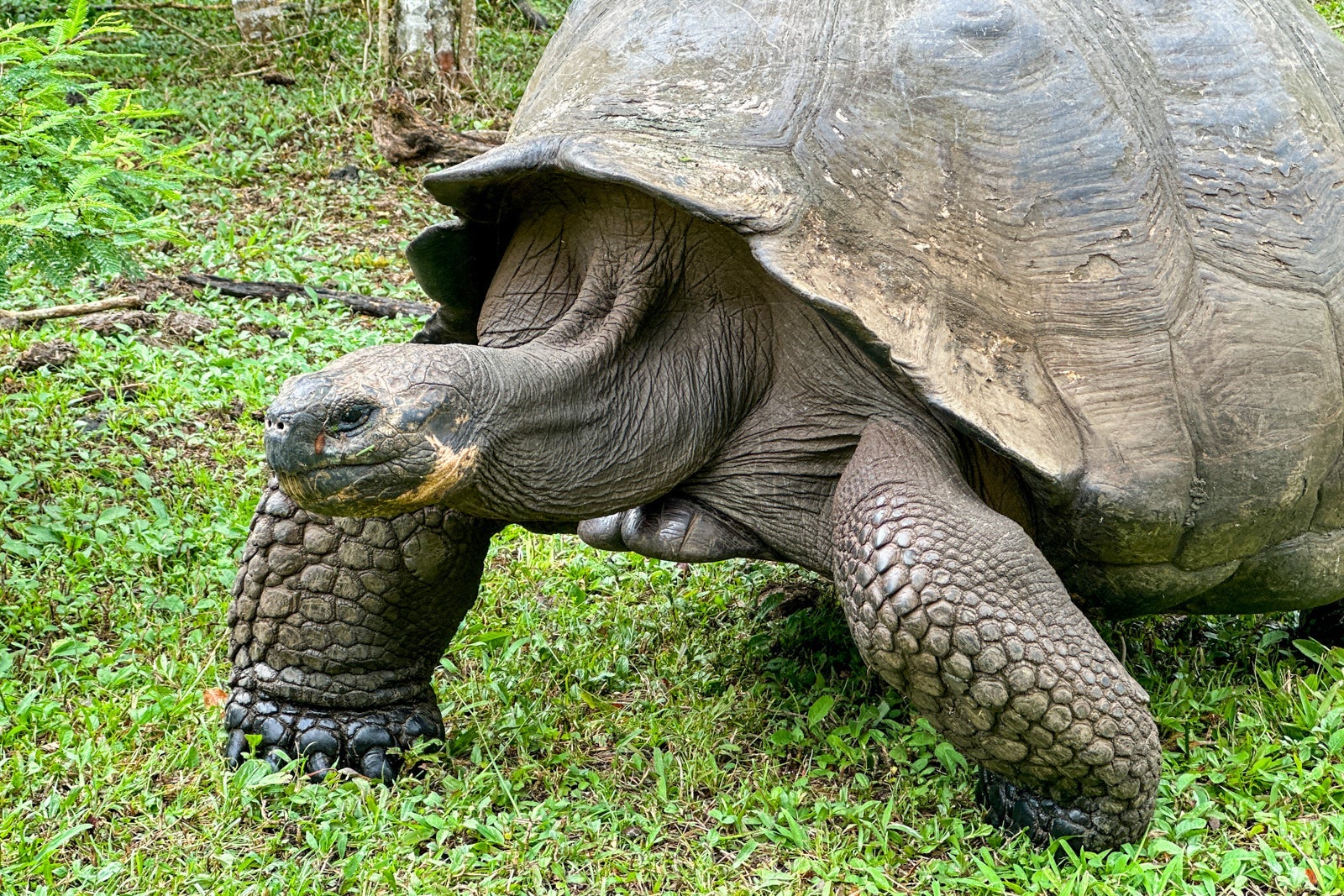
Throughout the rest of the journey, I saw 12 of what the cruise line — Hurtigruten Expeditions — refers to as the "big 15." They included flightless cormorants, blue-footed boobies, land and marine iguanas, Galapagos penguins, giant tortoises, Galapagos sea lions, Galapagos flamingos and even the elusive Galapagos hawk. I also saw plenty of others — fur seals, Sally Lightfoot crabs, great blue herons — that weren't on the list.
The authenticity
Cruise ships that sail the Galapagos must adhere to strict rules, including one that states a certain percentage of the crew must be from Ecuador. Another requires that travelers be accompanied by official guides, certified through the Galapagos National Park system, when they visit uninhabited areas.
Because of those regulations, passengers can interact closely with locals who know the area better than anyone else.

If you have a question about the local foods served on board — think ceviche, plantains and other delicious specialties — the waiters quickly jump in with answers. Off the ship, guides can tell you anything you want to know about the local flora and fauna. Their passion for what they do is both evident and contagious. (Never before have I taken such an interest in birds.)
The welcoming, no-nonsense nature of the people who live in the few populated areas of the Galapagos is another endearing trait. During my trip, I visited several local shops and businesses where the owners were eager to show off their work.
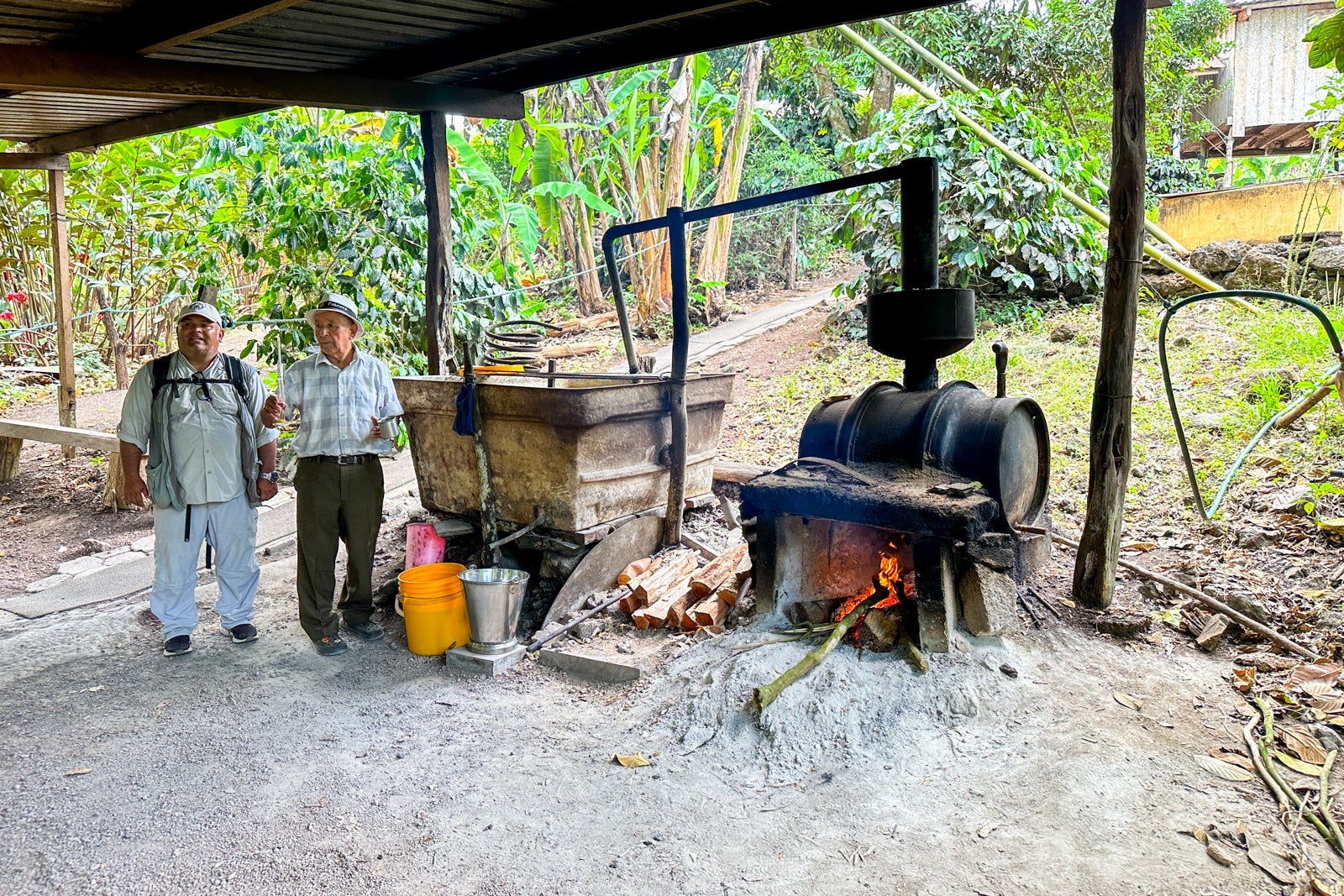
One of the most notable was Trapiche Ecological — a remote farm on the inhabited island of Santa Cruz — which produces chocolate, coffee, brown sugar and moonshine made from sugarcane. The owners showed me and others around with hospitality that I'd be hard-pressed to find elsewhere.
The chocolate

There's something about Ecuadorian chocolate that makes all other chocolate seem inferior. The authentic stuff is made by hand with ingredients that you'd never find on a Hershey's label, and it's some of the best you could ever eat.
A visit to a chocolate maker is both educational and tasty. I learned about the growing and harvesting of cocoa beans as well as how they're crushed into nibs and powder (which are used in everything from edible bars to cocoa butter).
On my visit, I saw how those fancy flavored chocolates you find in gift boxes are made. It's an interesting process that involves several layers of chocolate that's skillfully melted, mixed, layered into trays and chilled to create tiny, edible works of art. I couldn't resist coming home with several bars.
What I didn't care for
The climate
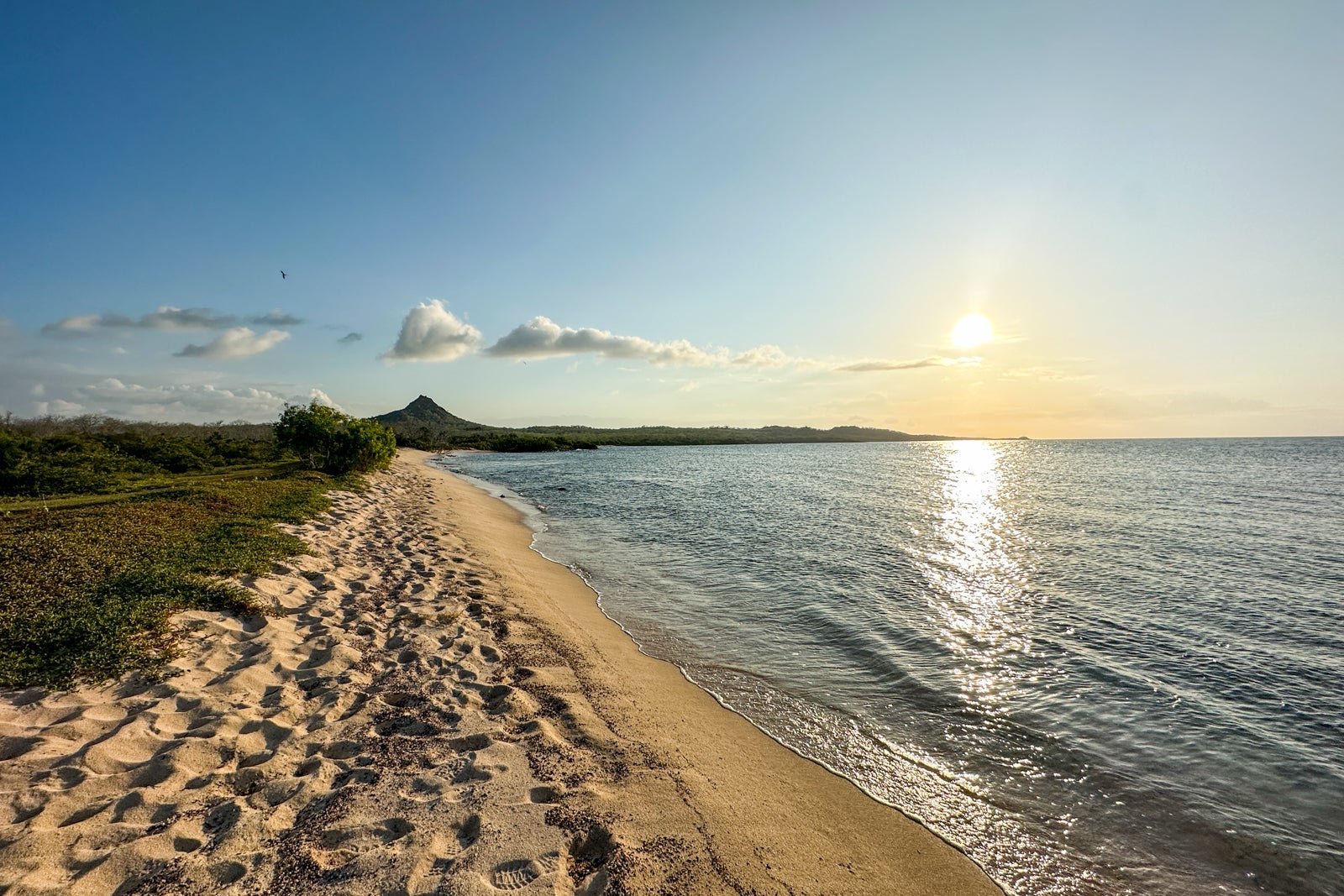
Given the Galapagos' location near the equator, I knew the sun would be intense. However, it's one thing to know about the intensity and another thing entirely to experience it.
Temperatures for my February sailing were in the high 70s to mid-80s, but the sun made things feel much hotter. I would have been toast without protective clothing and sunscreen with a high SPF.
Between the intensity of the rays, the amount of zinc needed to protect my skin and the lack of shade on the islands, I was constantly sweaty and sticky — and the humidity didn't help matters. I understand that the climate of the Galapagos is essential for the well-being of the many animals that call it home. Still, it was one of my least favorite qualities of the region.
The pace
If you're considering a Galapagos cruise, you should know that it's unlikely to meet your needs if your goal is to relax.
On my voyage, we had two to three excursions per day, and most places we visited were outdoors. That meant we were out in the blazing sun for hours. The combination of heat and active pursuits — snorkeling, kayaking, hiking — left me feeling exhausted by day two.
Understandably, the Galapagos is a bucket-list destination, which means most people don't travel there to sit around on the ship while the region's phenomenal scenery passes them by. With that in mind, many ships based in the area feature bare-bones amenities. The vessels do not boast onboard spas, passenger cabins do not include TVs, and no onboard activities are scheduled during the day.
It's assumed that most, if not all, passengers will participate in each of the excursions. The pace can be enough to leave you needing a vacation after your vacation.
The smells
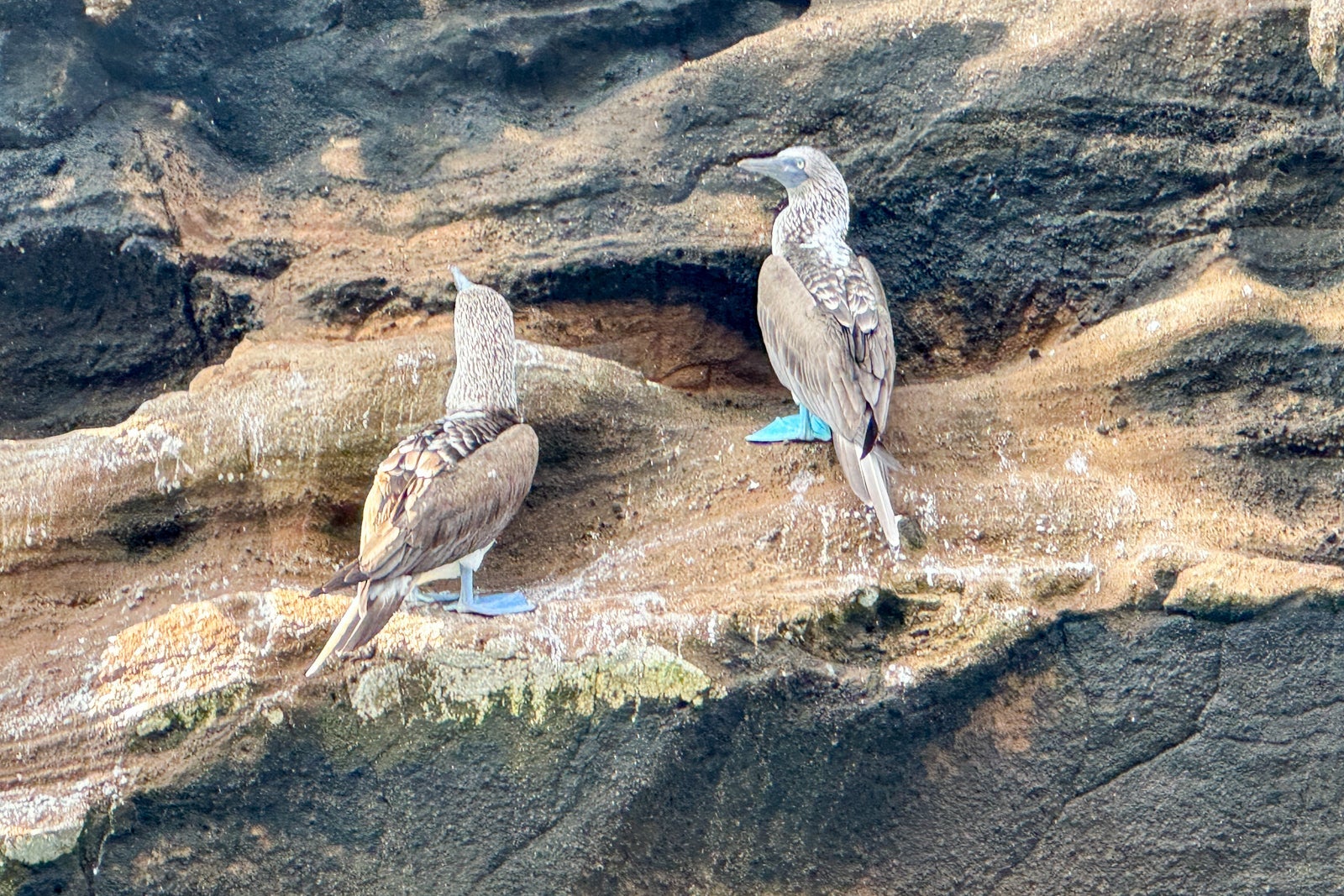
Going to the Galapagos, I had one goal: find the blue-footed boobies. Blue is an uncommon color on animals, so something about those cerulean gams appeals to me. To my delight, I encountered the birds on two different occasions. But the first time, it wasn't their feet that caught my attention. It was the stench.
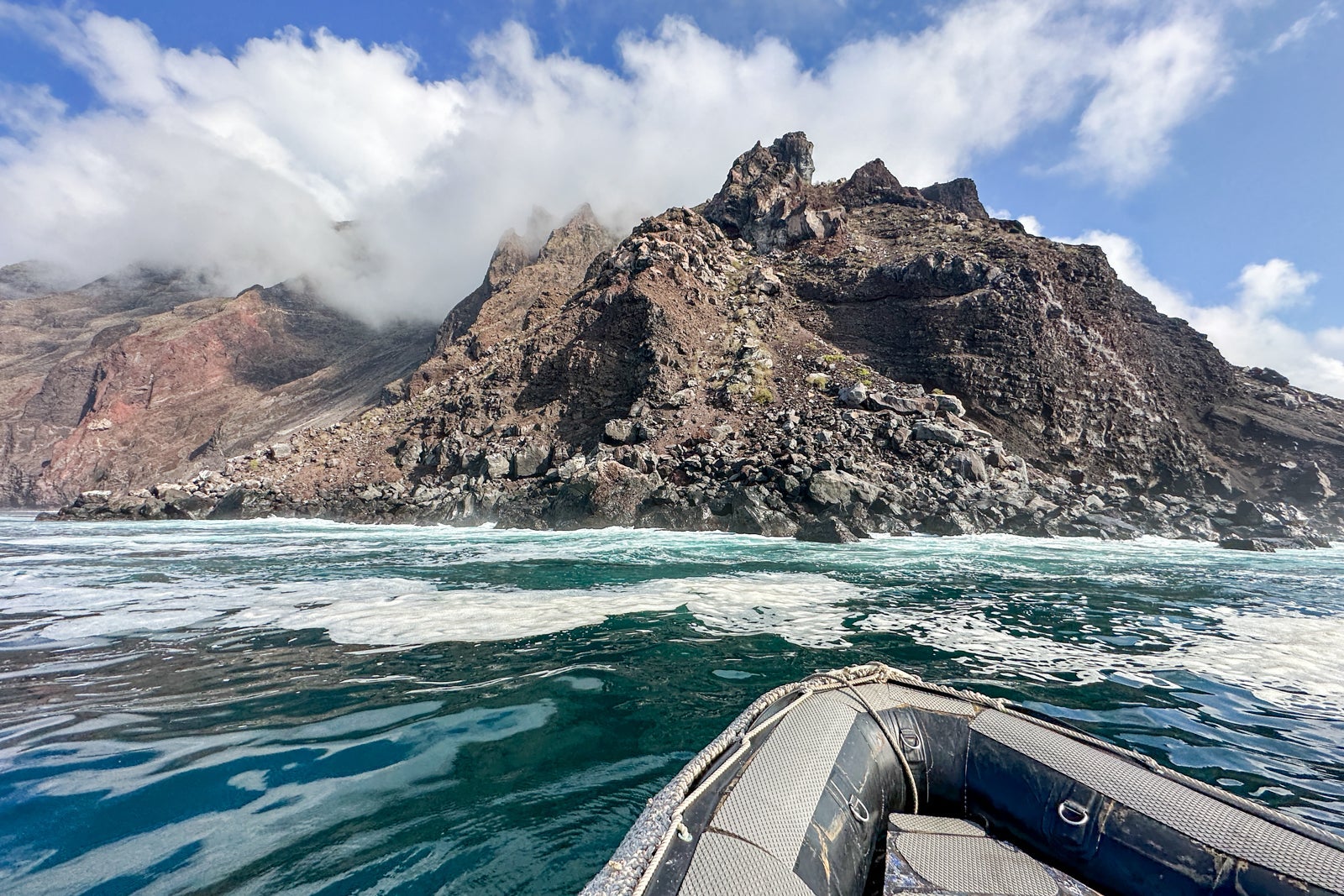
I had joined a small group of fellow passengers on a scenic sail around Isabela Island. As our inflatable boat approached a rock cliff, we saw marine iguanas sunning themselves and dozens of boobies preening between mating dances. I couldn't yet see their feet, but a sharp smell hit my nostrils like a slap in the face.
As we neared, the coloring of their feet became more evident, but so did the white hue that adorned the rocks — bird excrement. I know it's natural, but I wasn't expecting such pretty animals to smell so unpretty.
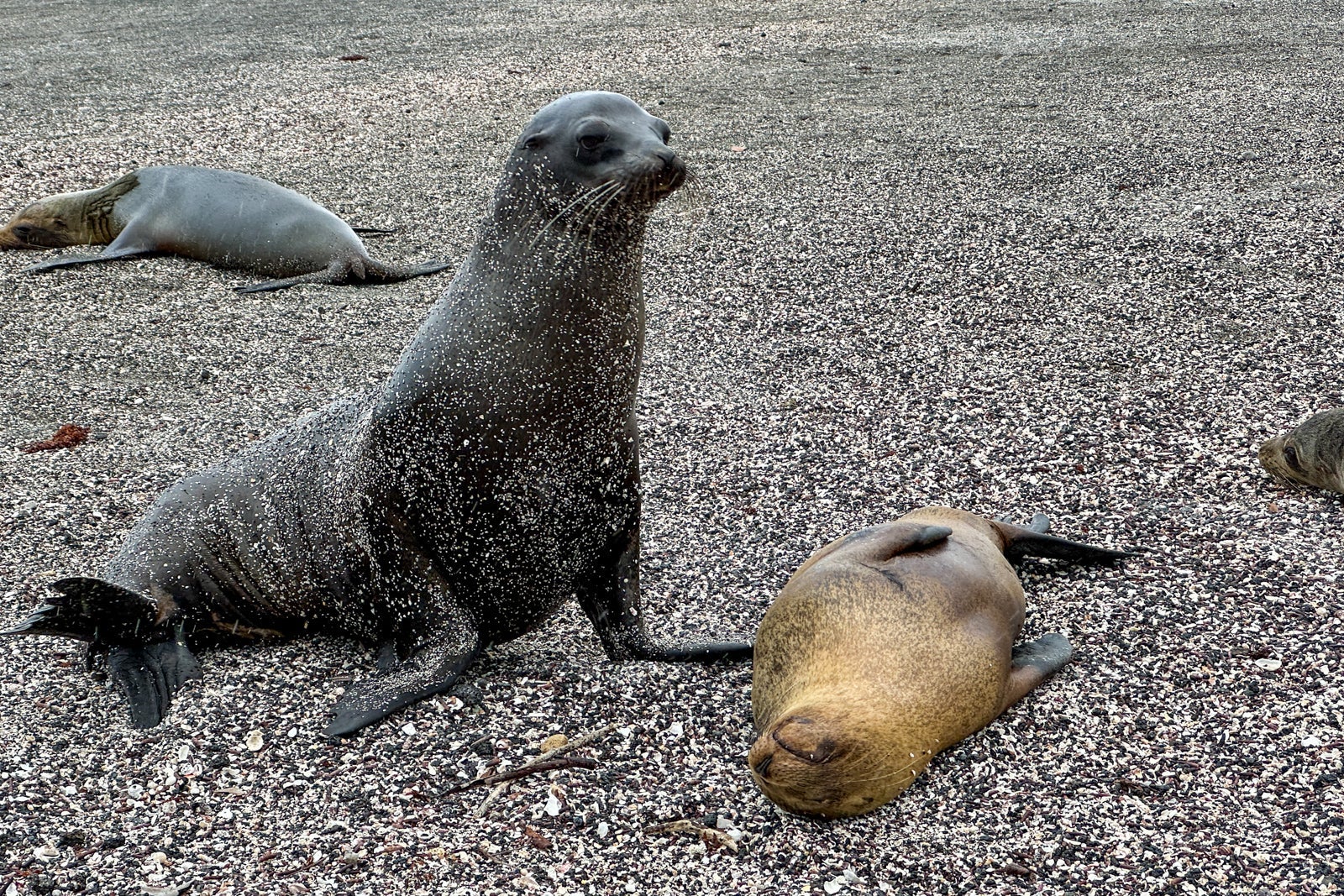
I had a similar experience during a landing on Fernandina Island, where we were surrounded by curious sea lions. They, too, smelled like the back end of a seafood processing plant.
I realize this is a petty complaint in a place as stunning as the Galapagos, but it's worth noting since it caught me and some of my fellow cruisers off guard.
What surprised me
The serenity
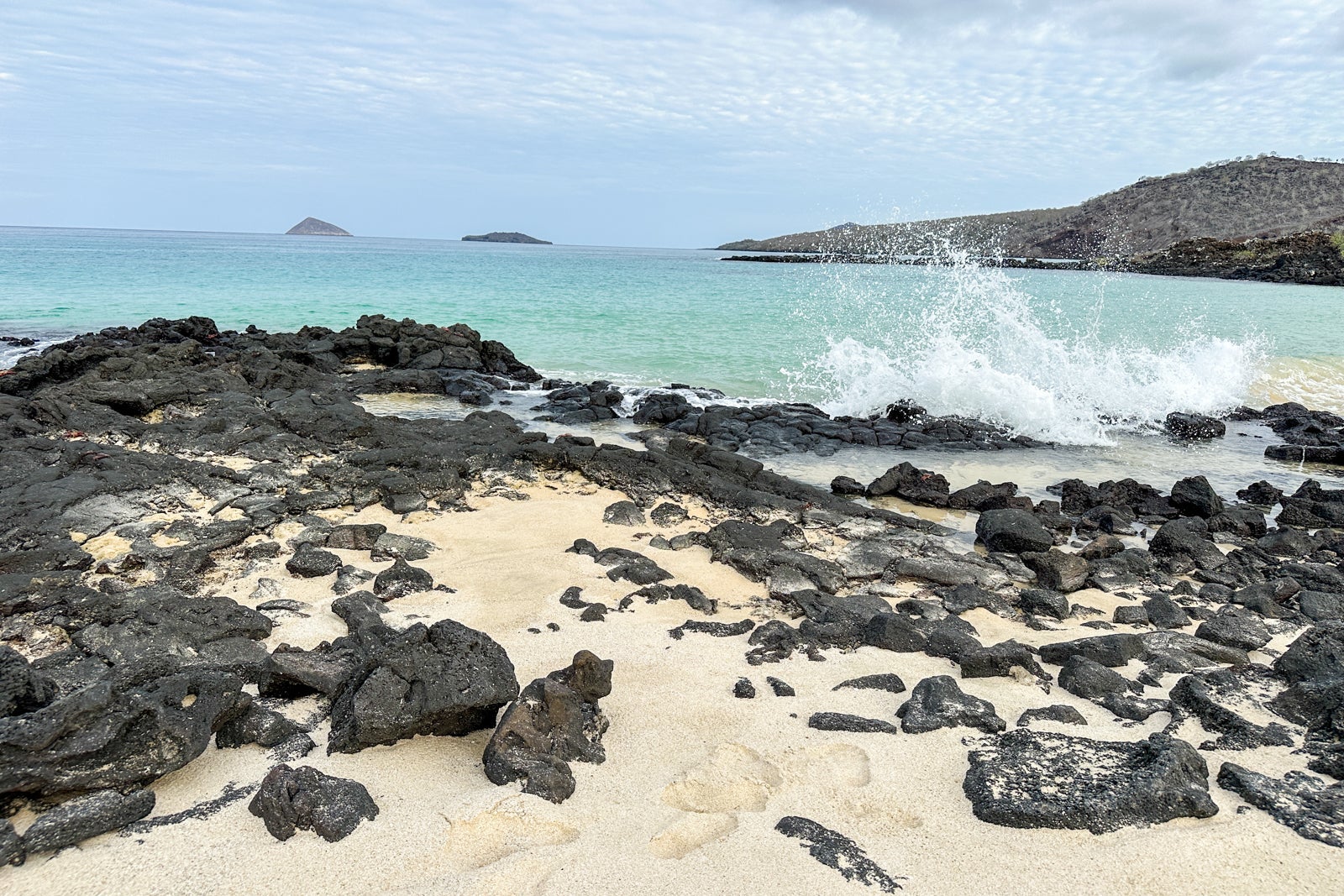
With roughly 97% of the Galapagos preserved as a national park, I was expecting the islands to be wild, and I was right. But what I wasn't expecting was the quiet. It wasn't complete silence but rather a calm that teemed with sounds not normally present in my daily life.
You don't hear cell phone text alerts or traffic in the Galapagos. Instead, you hear the soft, wet sounds of marine iguanas expelling the salt water they've ingested while feeding, the gentle swish of waves rolling up onto the shoreline and the unmistakable barking of sea lions as they communicate with one another.
It's a strange kind of din that reminded me how busy nature is, even when humans feel like there isn't much happening.
The differences between islands
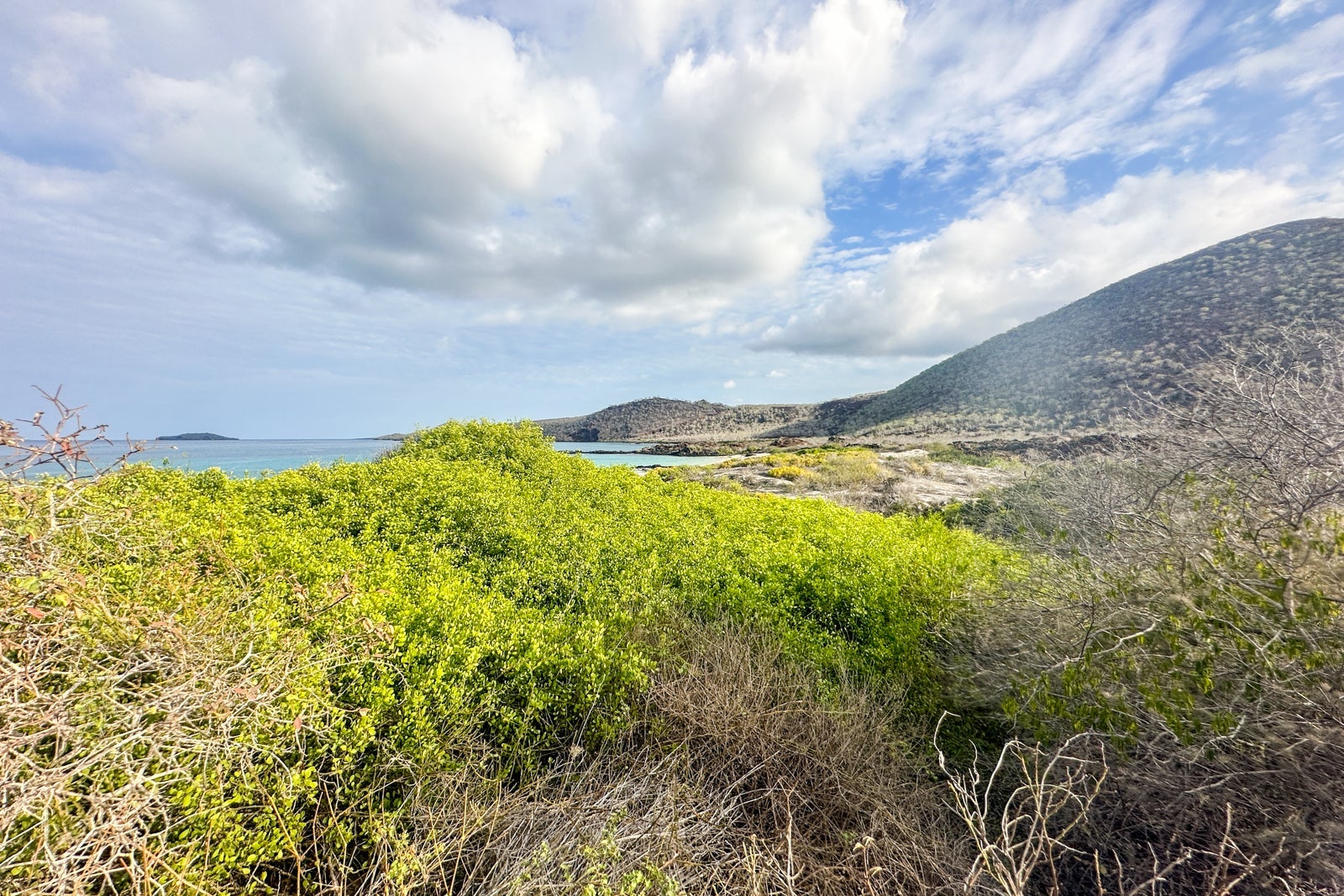
I was surprised to discover how different the islands in the western Galapagos were from each other. Some were inhabited; most weren't. Some were rocky, devoid of vegetation and provided no place for us to land, necessitating scenic sailing only. Others offered welcoming beaches with soft sand. Some islands were home to colorful flowers and lush vegetation and were well suited to grow coffee, cocoa beans and sugarcane.
The wildlife was just as varied. Some islands are home to giant tortoises, while others house blue-footed boobies, Galapagos penguins and flightless cormorants. Still, others were packed with marine iguanas, Sally Lightfoot crabs and sea lions, all coexisting harmoniously.
I was surprised to learn how the local iguanas and some of the islands' birds assist one another. The birds pick ticks off the iguanas; the birds get a meal, and the iguanas stay free of pests. When a bird has cleaned off all of the ticks, it poops on the iguana, leaving a mark, so other birds know to look elsewhere for food.
At the start of the cruise, I was concerned that the daily outings would become repetitive. I quickly discovered that, although the activities are similar, you see such different things that no two excursions are alike.
The rule differences
Expedition cruises are known for taking passengers to remote once-in-a-lifetime destinations. Because expedition ships sail to regions that are often protected, it makes sense that there are rules in place to protect both travelers and the local plants and wildlife native to the areas.
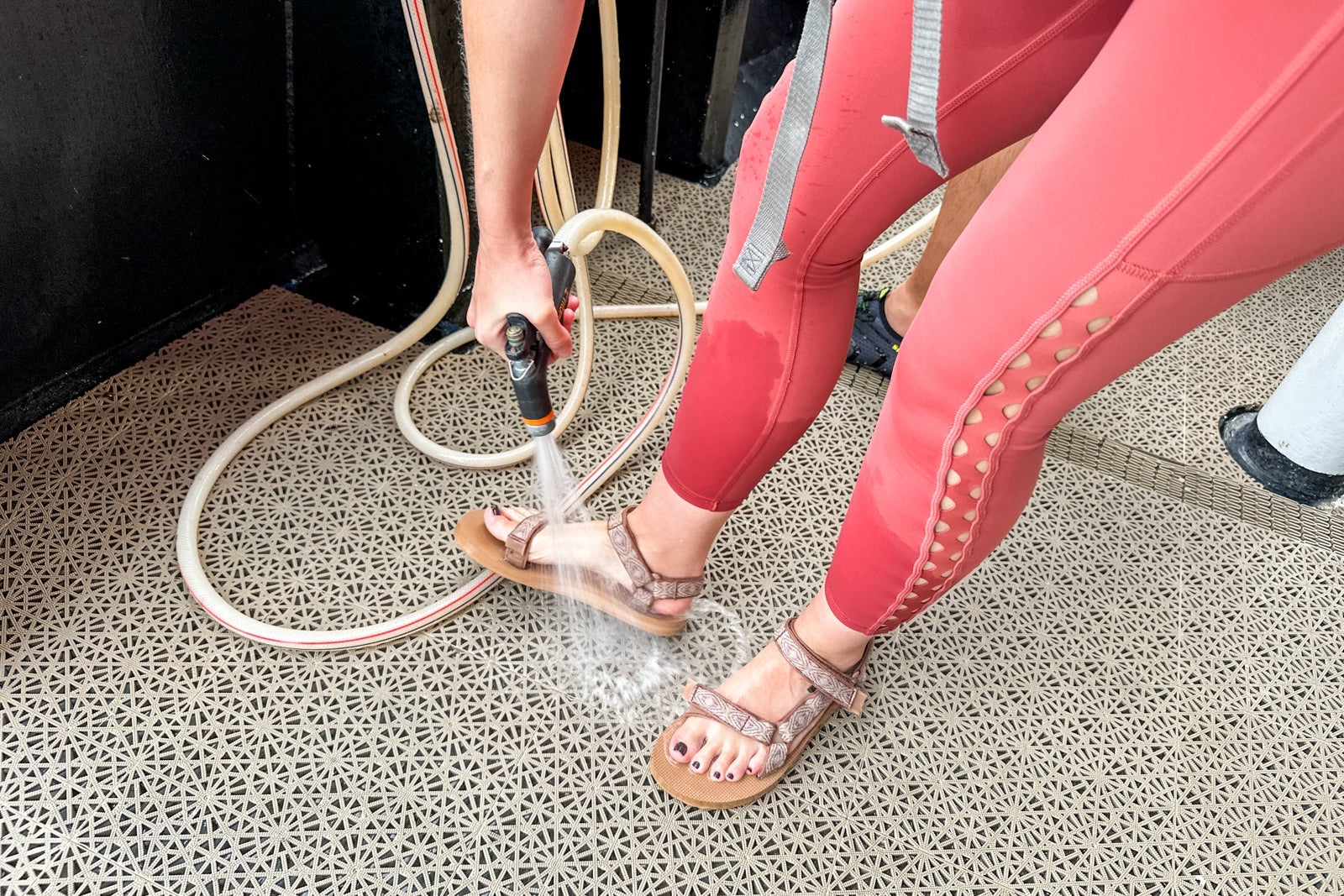
All luggage is thoroughly scanned and sniffed by dogs at the Baltra airport to prevent people from sneaking in contraband — think fruit, vegetables, nuts and seeds that aren't native to the Galapagos. However, no one inspected our footwear once we boarded the ship to prevent the transfer of foreign entities between locations where the local ecosystem could be harmed. (We did have to hose off our shoes each time we came back on board.) This surprised me as the practice is common on Arctic and Antarctic expeditions.
Protected areas often have rules about how close passengers can be to wildlife. That makes sense in places like the Arctic, where polar bears are a real threat. What blew my mind in the Galapagos was that the animals aren't used to predators, so they generally aren't scared of humans. They definitely didn't respect the cruise line's "stay at least 6 feet away" rule.
Their chill attitudes, mixed with curiosity, meant I frequently had to move away from animals that were coming too close to me rather than the other way around.
The post office
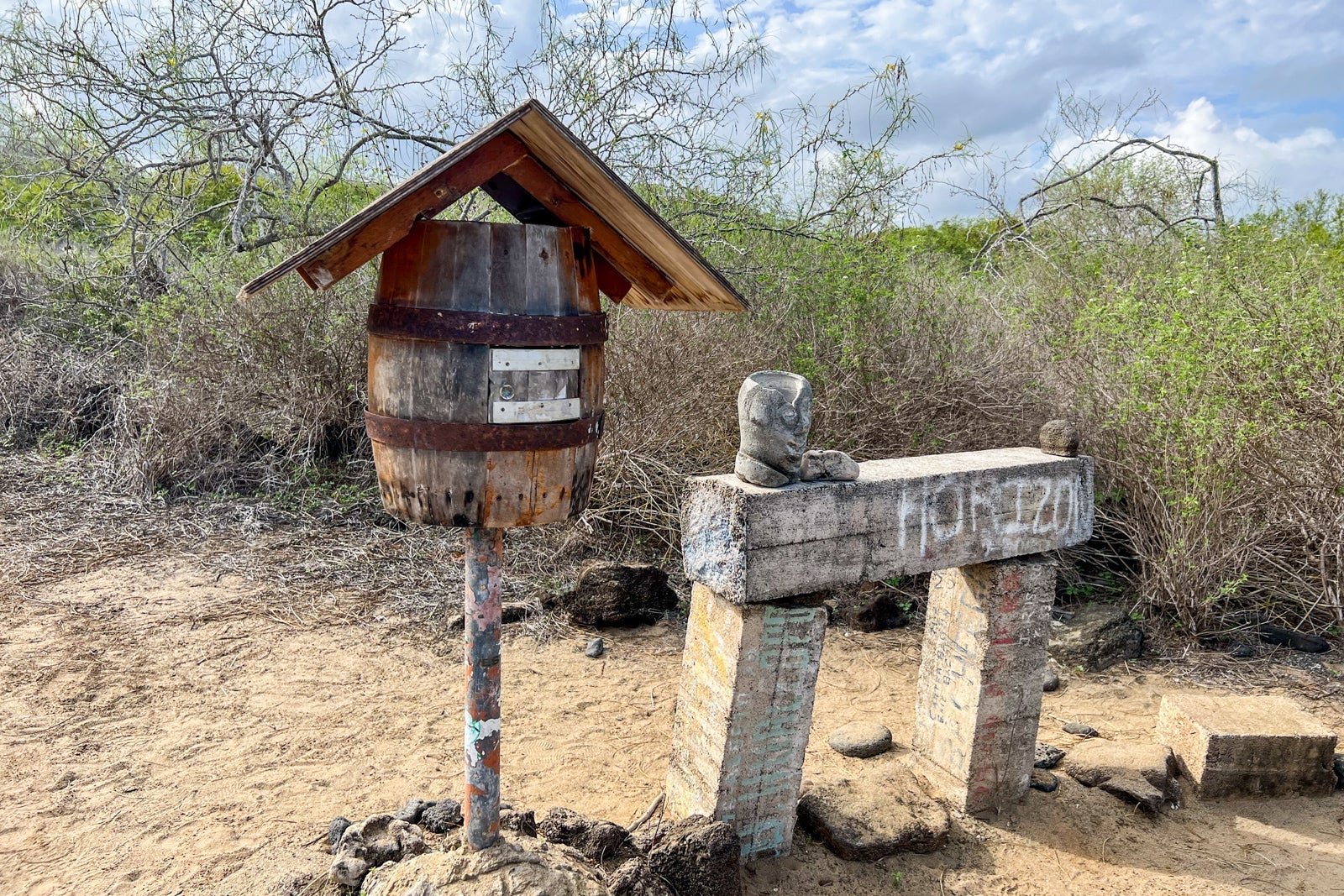
One of the cutest aspects of my cruise was the makeshift "post office" on Floreana Island in what is now known as Post Office Bay.
Little more than a wooden barrel with a door, this post office requires no stamps and provides a place for visitors to leave postcards. The idea is that, after you write and address your postcards and put them in the provided Zip-Loc bag, you look through the ones already in there to see if any are addressed to a location near your home. If so, take them with you and hand-deliver them to the recipients.
I left a postcard addressed to myself, just to see if it worked. It showed up in my mailbox about two weeks later — with a stamp on it. Someone misunderstood the assignment and, instead of delivering it in person, slapped postage on it and dropped it in an actual mailbox somewhere else. It was nice to receive the postcard, and the sender's intentions were kind, but I was slightly disappointed not to meet a fellow Galapagos traveler.
Bottom line
Although a Galapagos cruise isn't necessarily the best choice for relaxation, it's high on many travelers' bucket lists — for a good reason. No, you can't pull up a beach chair, order a cocktail or even find a bathroom on most of the islands, but that only adds to the unspoiled splendor.
Teal water crashes into rocky shorelines dotted with fine, white sand, and everything exists in a delicate balance. The largely undeveloped region is replete with animals you can't see anywhere else; you'll be amazed to learn how the creatures have adapted to survive in the region's inhospitable climate.
A visit to the Galapagos has its pros and cons, but from my experience, the former far outweighs the latter.
Planning a cruise? Start with these stories:
- The 5 most desirable cabin locations on any cruise ship
- The 8 worst cabin locations on any cruise ship
- The ultimate guide to what to pack for a cruise
- A quick guide to the most popular cruise lines
- 21 tips and tricks that will make your cruise go smoothly
- 15 ways cruisers waste money
- The ultimate guide to choosing a cruise ship cabin
TPG featured card

at American Express's secure site
Terms & restrictions apply. See rates & fees.
| 3X | Earn 3X Miles on Delta purchases. |
| 1X | Earn 1X Miles on all other eligible purchases. |
Pros
- Delta SkyClub access when flying Delta
- Annual companion ticket for travel on Delta (upon renewal)
- Ability to earn MQDs through spending
- Various statement credits for eligible purchases
Cons
- Steep annual fee of $650
- Other Delta cobranded cards offer superior earning categories
- Earn 100,000 Bonus Miles after you spend $6,000 or more in purchases with your new Card within the first 6 months of Card Membership and an additional 25,000 bonus miles after you make an additional $3,000 in purchases on the Card within your first 6 months, starting from the date that your account is opened. Offer Ends 04/01/2026.
- Delta SkyMiles® Reserve American Express Card Members receive 15 Visits per Medallion® Year to the Delta Sky Club® when flying Delta and can unlock an unlimited number of Visits after spending $75,000 in purchases on your Card in a calendar year. Plus, you’ll receive four One-Time Guest Passes each Medallion Year so you can share the experience with family and friends when traveling Delta together.
- Enjoy complimentary access to The Centurion® Lounge in the U.S. and select international locations (as set forth on the Centurion Lounge Website), Sidecar by The Centurion® Lounge in the U.S. (see the Centurion Lounge Website for more information on Sidecar by The Centurion® Lounge availability), and Escape Lounges when flying on a Delta flight booked with the Delta SkyMiles® Reserve American Express Card. § To access Sidecar by The Centurion® Lounge, Card Members must arrive within 90 minutes of their departing flight (including layovers). To access The Centurion® Lounge, Card Members must arrive within 3 hours of their departing flight. Effective July 8, 2026, during a layover, Card Members must arrive within 5 hours of the connecting flight.
- Receive $2,500 Medallion® Qualification Dollars with MQD Headstart each Medallion Qualification Year and earn $1 MQD for each $10 in purchases on your Delta SkyMiles® Reserve American Express Card with MQD Boost to get closer to Status next Medallion Year.
- Enjoy a Companion Certificate on a Delta First, Delta Comfort, or Delta Main round-trip flight to select destinations each year after renewal of your Card. The Companion Certificate requires payment of government-imposed taxes and fees of between $22 and $250 (for itineraries with up to four flight segments). Baggage charges and other restrictions apply. Delta Basic experiences are not eligible for this benefit.
- $240 Resy Credit: When you use your Delta SkyMiles® Reserve American Express Card for eligible purchases with U.S. Resy restaurants, you can earn up to $20 each month in statement credits. Enrollment required.
- $120 Rideshare Credit: Earn up to $10 back in statement credits each month after you use your Delta SkyMiles® Reserve American Express Card to pay for U.S. rideshare purchases with select providers. Enrollment required.
- Delta SkyMiles® Reserve American Express Card Members get 15% off when using miles to book Award Travel on Delta flights through delta.com and the Fly Delta app. Discount not applicable to partner-operated flights or to taxes and fees.
- With your Delta SkyMiles® Reserve American Express Card, receive upgrade priority over others with the same Medallion tier, product and fare experience purchased, and Million Miler milestone when you fly with Delta.
- Earn 3X Miles on Delta purchases and earn 1X Miles on all other eligible purchases.
- No Foreign Transaction Fees. Enjoy international travel without additional fees on purchases made abroad.
- $650 Annual Fee.
- Apply with confidence. Know if you're approved for a Card with no impact to your credit score. If you're approved and you choose to accept this Card, your credit score may be impacted.
- Terms Apply.
- See Rates & Fees