Cruise ship graveyards: Where do abandoned ships go to die?

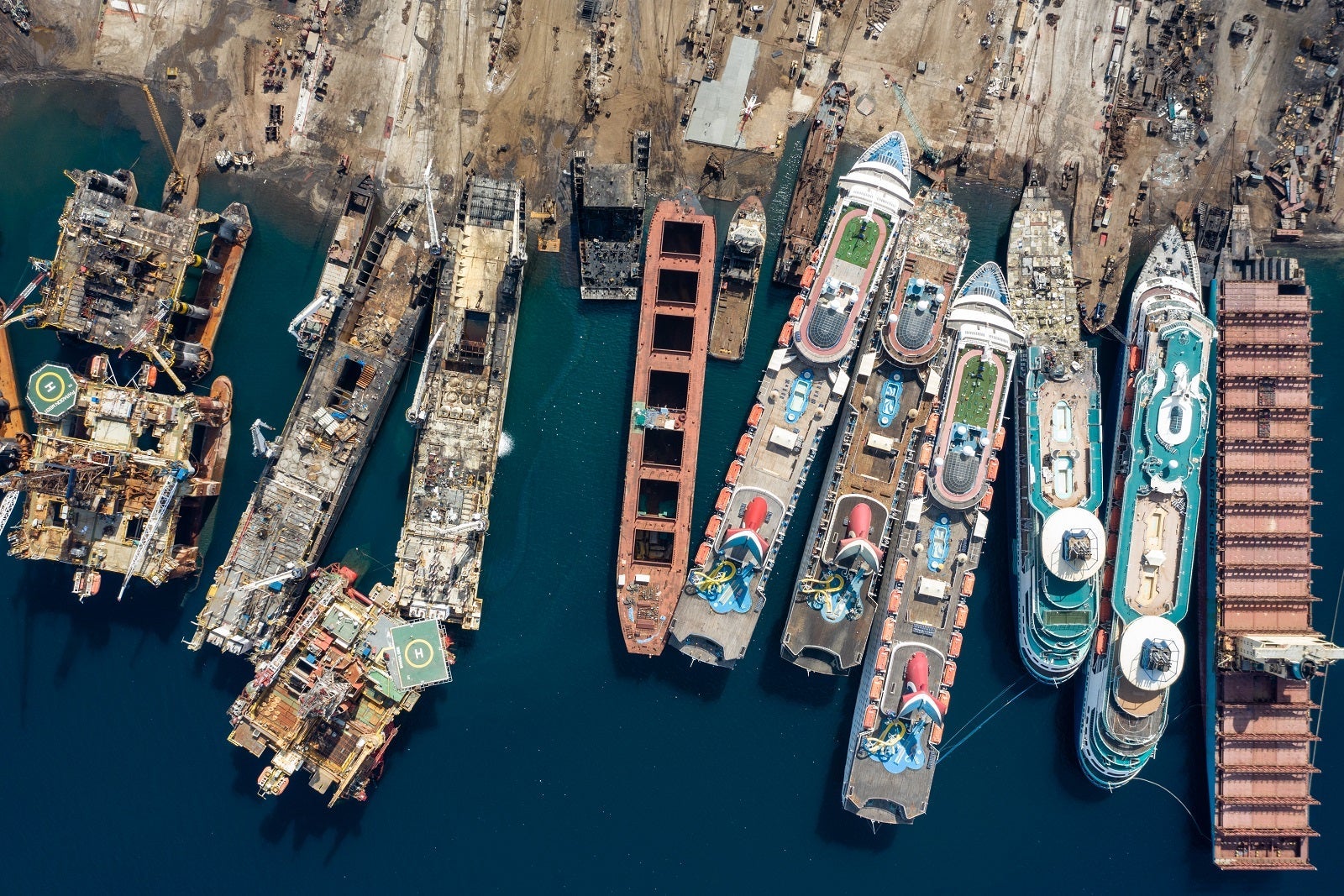
Have you been forced to say goodbye to your favorite cruise ship recently? Thanks to the effects of the COVID-19 cruise industry shutdown, several cruise lines sold off some of their oldest hardware in an effort to eliminate costly upkeep on vessels that had been in service for decades.
A lucky few vessels were purchased by other operators, but most were sent to cruise graveyards after they were sold for scrap.
What exactly does that mean, though? Where do cruise ships go to die, and what happens to those abandoned cruise ships when they get there?
Cruise ship graveyards
Decommissioned ships are almost always sent to one of two scrapyards. The largest is Alang, located in India's Gulf of Khambhat, which recycles more than half of the world's decommissioned cruise ships. The second largest is Aliaga in Turkey.
When vessels arrive at the graveyard — usually under their own power but sometimes with the aid of tugs if their engines are no longer operational — they run aground on the beach.
Workers called shipbreakers then use machinery to haul them farther up onto the sand so they can begin disassembling them.
The tear-down process for abandoned ships
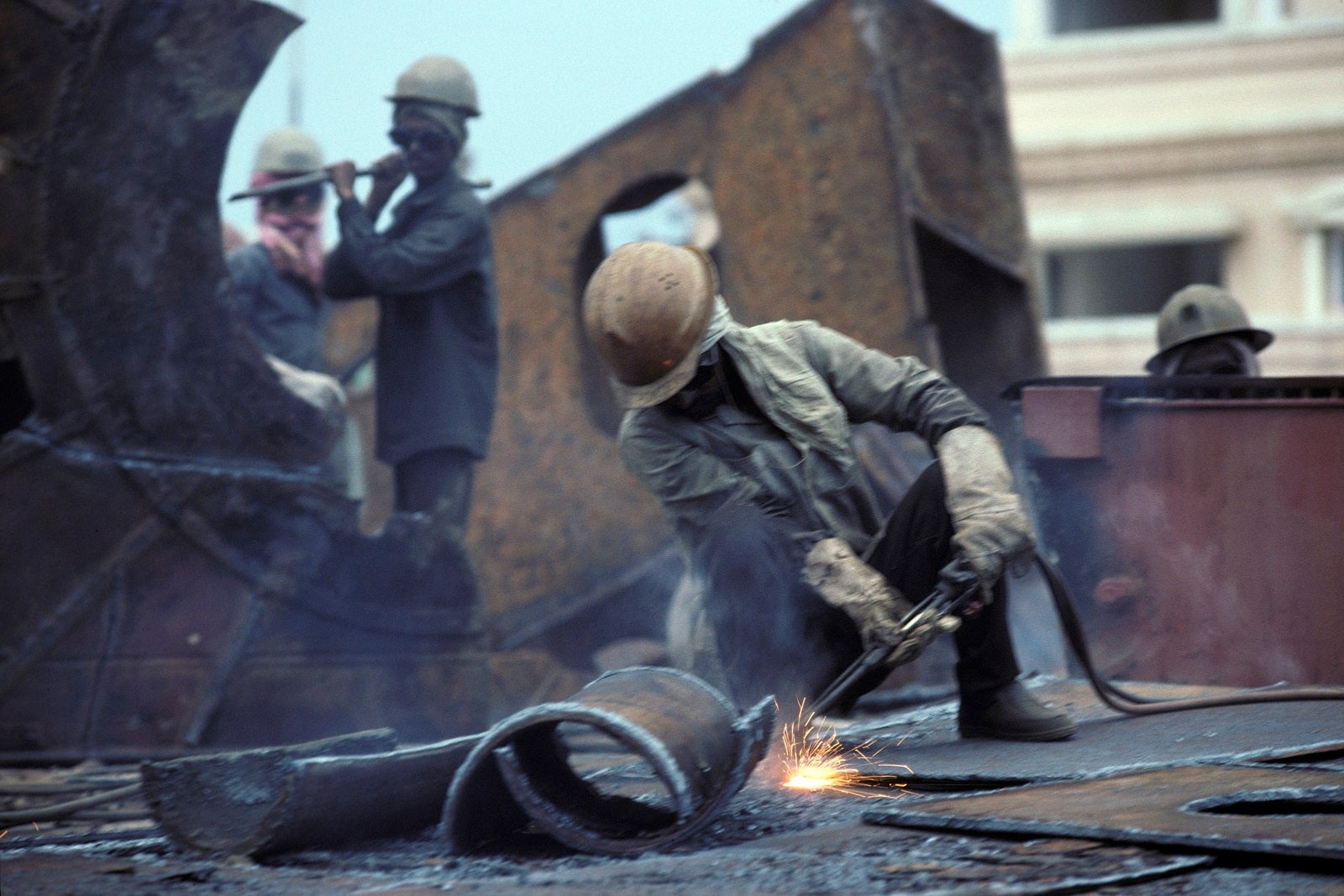
"At both places, ships are run up onto the shore and gradually cut down," Peter Knego, a journalist and ocean liner historian who runs the YouTube channel Peter Knego's MidShipCinema, told TPG.
"In Alang, this is largely done by cutting huge chunks of structure and letting them drop onto the embankment, then cutting those parts into smaller, plate-sized pieces that can be trucked off to the steel mills. In Aliaga, the cut structure is removed with large cranes, then further cut down on shore."
Knego added that tides play a large role, too. "In Alang, [beaching] is usually done during high tide to get the ship as far up as possible, then when the tide recedes, workers walk out to the ship and do their work. In Aliaga, workers are transferred to the ship via cranes with cage-like baskets, and in Alang, the workers climb on board via rope or ... ladders."

The tear-down process is arduous at first, as it involves removing leftover fuel and stripping the ships of any furnishings and fixtures — even toilets — that can be salvaged and sold. Once deconstruction is fully underway, shipbreakers can take a vessel down to just its hull with shocking speed, with scrap metal being sold or recycled.
Environmental concerns
There are also strict environmental precautions that must be taken to avoid the leaking of fuel and other toxic chemicals that could pollute the water and cause harm to marine life. Although scrapyards attempt to follow local regulations, there's still quite a bit of contamination that can happen throughout the scrapping lifecycle.
"Asbestos, which was largely banned in the '80s, was once the greatest concern," Knego said, when asked about the environmental implications of scrapping cruise ships. "But now most ships that are being scrapped are past the asbestos era. [Carcinogenic compounds called polychlorinated biphenyls], oil, fuel remnants, paint and other foulants are still on board most ships, and those can wreak havoc if not disposed of properly. And, of course, plastics ... create toxic fumes when burnt and [present] other issues [when] broken down (or not) in landfills."
Bottom line
If you've recently lost your favorite vessel to the shipbreakers and you're feeling nostalgic, you can ease the blow in a few ways.
Book a sailing on a sister ship that's still sailing, peruse old photos to reminisce or check eBay from time to time to see if anyone is selling memorabilia.
Planning a cruise? Start with these stories:
- The 5 most desirable cabin locations on any cruise ship
- A beginners guide to picking a cruise line
- The 8 worst cabin locations on any cruise ship
- The ultimate guide to what to pack for a cruise
- A quick guide to the most popular cruise lines
- 21 tips and tricks that will make your cruise go smoothly
- 15 ways cruisers waste money
- The ultimate guide to choosing a cruise ship cabin
TPG featured card

at Capital One's secure site
Terms & restrictions apply. See rates & fees.
| 5X miles | Earn 5X miles on hotels, vacation rentals and rental cars booked through Capital One Travel |
| 2X miles | Earn unlimited 2X miles on every purchase, every day |
Pros
- Stellar welcome offer of 75,000 miles after spending $4,000 on purchases in the first three months from account opening. Plus, a $250 Capital One Travel credit to use in your first cardholder year upon account opening.
- You'll earn 2 miles per dollar on every purchase, which means you won't have to worry about memorizing bonus categories
- Rewards are versatile and can be redeemed for a statement credit or transferred to Capital One’s transfer partners
Cons
- Highest bonus-earning categories only on travel booked via Capital One Travel
- LIMITED-TIME OFFER: Enjoy $250 to use on Capital One Travel in your first cardholder year, plus earn 75,000 bonus miles once you spend $4,000 on purchases within the first 3 months from account opening - that’s equal to $1,000 in travel
- Earn unlimited 2X miles on every purchase, every day
- Earn 5X miles on hotels, vacation rentals and rental cars booked through Capital One Travel
- Miles won't expire for the life of the account and there's no limit to how many you can earn
- Receive up to a $120 credit for Global Entry or TSA PreCheck®
- Use your miles to get reimbursed for any travel purchase—or redeem by booking a trip through Capital One Travel
- Enjoy a $50 experience credit and other premium benefits with every hotel and vacation rental booked from the Lifestyle Collection
- Transfer your miles to your choice of 15+ travel loyalty programs
- Top rated mobile app