Since launching TPG in 2010, founder Brian Kelly has expanded the team to include a distinguished editorial staff and an extensive network of freelancer contacts from around the globe. Today, TPG reaches 11 million unique monthly visitors and more than 3 million followers across social media platforms and has offices in New York City, Charlotte and the U.K.
February 5, 2019 • 7 min read
The cards we feature here are from partners who compensate us when you are approved through our site, and this may impact how or where these products appear. We don't cover all available credit cards, but our analysis, reviews, and opinions are entirely from our editorial team. Terms apply to the offers listed on this page. Please view our advertising policy and product review methodology for more information.
Comments
By commenting, you agree to our Community Guidelines to help create a positive space for conversation. The responses below are not provided or commissioned by the bank advertiser, our partners, or The Points Guy (“TPG”). They have not been reviewed, approved, or otherwise endorsed by any of these parties. All responses are submitted by individual contributors, and neither the bank advertiser, our partners, nor TPG are responsible for ensuring that all posts and/or questions are answered.
Related stories
Quick summary
Several top cards offer valuable rewards or protections for Amazon purchases, but the best choice depends on your shopping habits and priorities.
Some cards provide higher returns for Prime members, while others offer solid value without requiring a membership.
Purchase protections, such as extended warranty, return protection or price protection, can be as important as rewards rates, especially for large purchases.
Certain cards offer limited-time higher rewards at Amazon during specific months or through special promotions.
What to consider
Eligibility for higher rewards may depend on having a Prime membership or enrolling in quarterly bonus categories.
Some cards prioritize purchase protections like price protection or return protection, which may be more valuable than higher rewards for certain shoppers.
Valuations for points or rewards can vary; for example, some rewards are worth 2 cents each as of June 2024 per TPG's valuations.
What you'll miss from the article
A detailed comparison of each card's strengths, including which protections or bonus categories might best fit your Amazon shopping style.
Generated by AI with support from our editorial team.
Update: Some offers mentioned below are no longer available. View the current offers here.
MSN has partnered with The Points Guy for our coverage of credit card products. MSN and The Points Guy may receive a commission from card issuers. This page includes information about the Discover it Cash Back that is not currently available on The Points Guy and may be out of date.
With over half a billion products at your fingertips, it’s no surprise that people spend a lot on Amazon. Whether or not you’re at the point yet where the online retail giant’s “Recommended for You” section knows you better than your best friend, you'll want to make sure you're using a card that maximizes your purchases from the site.
Determining which card is right for you requires looking beyond just earning rates and also considering other factors like rewards currencies and purchase protections. In some cases, you might even want to consider different cards for different types of purchases. Additionally, your best option may vary based on whether you’re a Prime member and what other cards you already carry. With all those things in mind, here's a look at the top five cards to use when shopping on Amazon.
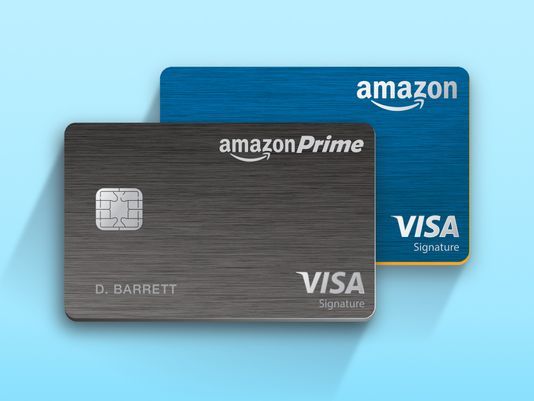
1. Amazon Prime Rewards Visa Signature
At first glance, Amazon’s own Prime Rewards card appears to be the most exciting option — and for most people, it is. The Prime member-exclusive no-annual-fee card, which is not to be mistaken with the basic Amazon Rewards card, offers an impressive 5% cash back on all Amazon (and Whole Foods) purchases.
The biggest drawback is that is that the high return on spend is all the card really has to offer. While the card comes with purchase protection (it covers items up to $500 in value if they’re damaged or stolen within 120 days of purchase) and extended warranty protection, it doesn’t include important purchase benefits like price protection or return protection so it’s not ideal for large purchases. The other drawback is that you need a Prime membership ($119 per year) to qualify, though with so many US households already subscribed, that’s probably not much of an issue.
2. Chase Freedom Unlimited
If you’re not a Prime subscriber and still want a solid return on your spend, your best bet would be to go with the Chase Freedom Unlimited. On the surface, the card simply earns 1.5% cash back on purchases. However, the return jumps to 3% when it's paired with a Chase Sapphire Preferred Card or Sapphire Reserve card since cash back could then be converted to Ultimate Rewards points, and those are worth 2 cents each according to TPG’s valuations.
As a point of comparison, the Amazon Rewards card available to non-Prime members offers 3% back at Amazon.com and does not offer the same flexibility as Ultimate Rewards points, which can be redeemed through various airline and hotel transfer partners.
The Freedom Unlimited comes with the same purchase and extended warranty protections as the two Amazon cards, but again lacks price protection and return protection. Also like the two Amazon cards, this one does not carry an annual fee.
3. Discover it Cash Back
Amazon’s Prime Rewards card isn’t the only one to offer 5% cash back on purchases — the no-annual-fee Discover it Cash Back does too, and doesn’t require you to be a Prime member. However, this earning rate is only available one quarter a year. With the Discover it Cash Back, you can earn 5% cash back on up to $1,500 in purchases made in accordance with Discover’s cash-back calendar after enrollment. Plus, 1% cash back on all other purchases. Amazon is usually eligible for bonus cash back from October through December. When Amazon is not a part of the quarterly cash-back bonus category, you’ll only receive 1% back.
What makes the card shine is that Discover will match your rewards at the end of your first card member year so you could get up to 10% back on Amazon.com purchases during that time. Unfortunately, the card discontinued other benefits like extended product warranty, return guarantee, purchase protection, and price protection.
4. Citi® Double Cash Card
While it may not be the most rewarding option when compared to the cards previously mentioned, the Citi Double Cash Card deserves a spot on this list for its simplicity. The card carries no annual fee and offers a flat 1% back on every purchase plus another 1% back when you pay your bill.
The highlight of the card is its Price Rewind benefit. If you purchase an item with this card — or just about any other personal card from Citi — and register that purchase on the Price Rewind website, the program will track prices online with over 500 retailers and automatically refund you the difference (up to $200 per item) if a lower price is found within 60 days. Unlike other cards that offer price protection, Price Rewind does most of the legwork for you and doesn’t require you to spend time tracking prices and filing claims yourself.
5. American Express® Gold Card
The final card on this list is primarily for those who make a lot of high-value purchases on Amazon. With the Amex Gold Card, you’ll earn just 1x Membership Rewards points on Amazon purchases, yielding a return of 2% based on TPG’s valuations — unless there’s an Amazon deal available through Amex Offers, which isn’t too uncommon.
The pro to using the card is its generous purchase protection. While many cards carry this benefit, the Amex Gold Card provides an astounding $10,000 in protection per incident and up to $50,000 for all incidents in a calendar year. It also comes with other key shopping benefits like return protection and extended warranty. The card has a $250 annual fee but benefits like up to $120 in dining credits each year, 4x points on dining and up to a $100 annual airline fee credit make the card worthwhile.
Bottom Line
As you can see, picking a card to use for Amazon purchases isn’t as simple as going with the one at the top of this list. The best card for you depends on personal habits and priorities. So, while the Amazon Prime Rewards card offers a high return on Amazon purchases, it’s not everyone’s best option as it’s only available to Prime members and lacks key shopping protections which you'll want for larger purchases.
Editorial Disclaimer: Opinions expressed here are the author’s alone, not those of any bank, credit card issuer, airlines or hotel chain, and have not been reviewed, approved or otherwise endorsed by any of these entities.
By commenting, you agree to our Community Guidelines to help create a positive space for conversation. The responses below are not provided or commissioned by the bank advertiser, our partners, or The Points Guy (“TPG”). They have not been reviewed, approved, or otherwise endorsed by any of these parties. All responses are submitted by individual contributors, and neither the bank advertiser, our partners, nor TPG are responsible for ensuring that all posts and/or questions are answered.