Not sure you want to pay $795 to keep the Sapphire Reserve? Here's what I tell my friends


"My Chase Sapphire Reserve® (see rates and fees) is about to renew ... should I really spend close to $800 to keep this card?"
I've been asked some version of that question multiple times over the last few weeks, both from friends and by readers who have reached out online.
And I have a feeling many of these questions are coming from people who picked up the Sapphire Reserve during last summer's elevated welcome offer (no longer available) and are now staring down their first renewal.
And let's be serious, paying almost $800 in this economy to keep a credit card in your wallet is a big decision, even if the card can absolutely be worth it.
Since we're all friends here, here's the honest advice I've been giving them.
1. It's OK to not keep an almost $800 a year credit card
Look, I have the Chase Sapphire Reserve, and I absolutely love it.
I use nearly every credit, got more than $2,200 in value over the last year, visit Sapphire Lounges whenever I can, spend heavily in the 4-points-per-dollar bonus categories, and while that annual fee still stings each year, I'm unquestionably the one coming out ahead.

But I also know my travel habits aren't everyone's.
Not everyone flies often enough to maximize airport lounge access. Not everyone wants to keep track of a dozen-plus statement credits every year.

And here's the part I keep telling people: even if you could technically come out ahead on paper, that doesn't automatically mean you should spend nearly $800 on a credit card right now.
While the terms state you can't get the welcome bonus on the Sapphire Reserve more than once, you can still get the card again later, even without the bonus. So if it is the right card, but the wrong time, know that stepping away from it for now doesn't have to mean forever.
Related: Is the Chase Sapphire Reserve worth the annual fee?
2. The Sapphire Preferred may actually be the better fit
The second thing I usually say is that there's a $95 card in the same family as the Sapphire Reserve that might be the perfect match if it isn't the right time to keep a $795-per-year card.
The Chase Sapphire Preferred® Card (see rates and fees) earns the same Chase Ultimate Rewards currency, has the same hotel and airline transfer partners (albeit with a lower transfer ratio to World of Hyatt), and you can still use its points via Chase Travel℠.
It even earns bonus points in more everyday categories than the Sapphire Reserve, including gas stations, EV charging stations and online grocery purchases.
Of course, there are trade-offs.

You won't get Sapphire Lounge access, The Edit benefits and or the premium annual statement credits the Sapphire Reserve has. But it's otherwise actually a pretty similar card, just at a much lower price point.
But if those aren't benefits you use regularly, the Sapphire Preferred delivers much of the same value at a fraction of the annual fee.
New cardholders of the Sapphire Preferred can earn 75,000 bonus points after spending $5,000 on purchases in the first three months from account opening, and enjoy the lower annual fee.
TPG Tip: If you do want the Sapphire Preferred, you have to apply for it outright. You won't be eligible for the bonus by product-changing from your existing Sapphire Reserve to the Sapphire Preferred.
Related: Chase Sapphire Reserve vs. Chase Sapphire Preferred: Which is better for you?
3. Call Chase before making your final decision
A final tip I tell my friends who aren't so sure they want to pay $795 for another year with the Sapphire Reserve is to call and talk to Chase.
If you genuinely want to keep the Sapphire Reserve but aren't convinced it's worth another $795 this year, call Chase and ask about your options.
We recently heard from a TPG reader who did just that and was given a $400 statement credit toward this year's annual fee after calling to discuss keeping or canceling her card.
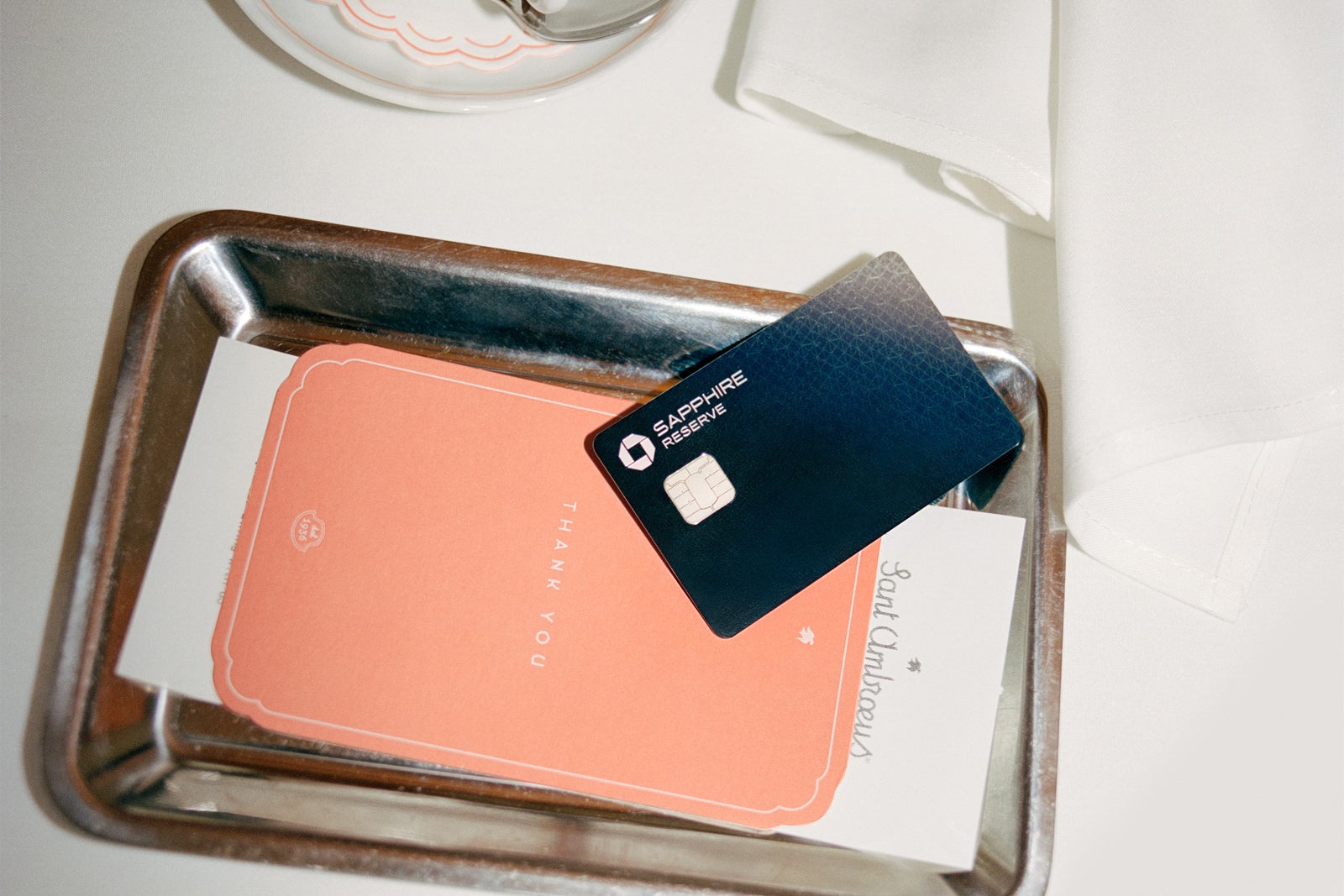
This is often what is called a retention offer and is sometimes given to customers who are otherwise considering canceling. For reasons we'll never be fully privy to, sometimes Chase representatives are authorized to issue credits of varying amounts to keep you as a customer for another year.
It's important to remember that this is only one data point. Chase doesn't guarantee retention offers, and there's no published formula for determining who receives one or for how much.
Still, if you're seriously considering canceling, it's certainly worth asking before making a final decision.
Just be careful not to accidentally close the account until you've made up your mind.
Related: Should you cancel your Chase Sapphire Reserve?
Tips if you do cancel your Sapphire Reserve
If you ultimately do decide that keeping the Sapphire Reserve doesn't make sense for you and your budget right now, here are a few tips:
- Make any redemptions with your Chase points before you close it, especially ones that won't be available to you with a lower-fee card. For example, transfer to Hyatt from the Sapphire Reserve at the full 1:1 ratio if you have any Hyatt stays planned and make any Chase Travel bookings that may give you a higher return per point with the Reserve. If you are still grandfathered into some 1.5-cent per point Chase Travel redemptions with the Sapphire Reserve, that's likely higher than you'll get if the points are moved to the Sapphire Preferred.
- Transfer any remaining points to another card that earns Chase Ultimate Rewards points (or transfer them to a hotel or airline partner) before closing your account.
- If you'd rather keep your account open, consider downgrading to a lower-fee Sapphire or Freedom family card but remember that product changes don't qualify for welcome bonuses.
Bottom line
Every credit card we talk about at TPG is a great card for some, but none are the perfect card for all.
Here's the advice I've been giving everyone who's asked me whether they should renew the Chase Sapphire Reserve: Don't keep a $795 credit card because you feel like you should. Keep it because you're genuinely getting more value from it than you're paying for it.
Whether you downgrade, switch to the Sapphire Preferred or simply decide now isn't the right time for a premium travel card, there are still plenty of ways to keep earning and using one of the most valuable rewards currencies available.