The Points Guy believes that credit cards can transform lives, helping you leverage everyday spending for cash back or travel experiences that might otherwise be out of reach. That's why we publish a variety of editorial content and card comparisons: to help you find a great card to turn your goals into reality.
Our site may earn compensation when a customer clicks on a link, when an application is approved, or when an account is opened with our partners, and this may impact how or where these products appear. While we don't cover all available credit cards, our editorial team creates and maintains all of the analysis of these cards, and our content is not influenced nor subject to review by any credit card company, bank or partner prior to (or after) publication. Please view our advertising policy and product review methodology for more information.
Advertiser disclosure
The Points Guy believes that credit cards can transform lives, helping you leverage everyday spending for cash back or travel experiences that might otherwise be out of reach. That's why we publish a variety of editorial content and card comparisons: to help you find a great card to turn your goals into reality.
Our site may earn compensation when a customer clicks on a link, when an application is approved, or when an account is opened with our partners, and this may impact how or where these products appear. While we don't cover all available credit cards, our editorial team creates and maintains all of the analysis of these cards, and our content is not influenced nor subject to review by any credit card company, bank or partner prior to (or after) publication. Please view our advertising policy and product review methodology for more information.
Guides
Credit card rental car insurance: The best cards and how it works
Augusta Stone is a credit cards writer for TPG. She joined the TPG team in 2023 and is excited to take points and miles beginners with her on a journey toward maximizing rewards.
Katie Genter is a digital nomad who has traveled full time since June 2017. She writes and edits stories about points and miles, and loyalty programs, often letting her personal experiences color these stories.
also contributed to this story
November 9, 2026 • 13 min read
The cards we feature here are from partners who compensate us when you are approved through our site, and this may impact how or where these products appear. We don't cover all available credit cards, but our analysis, reviews, and opinions are entirely from our editorial team. Terms apply to the offers listed on this page. Please view our advertising policy and product review methodology for more information.
Editorial note: This is a recurring post, regularly updated with new information and offers.
Editorial disclaimer: Opinions expressed here are the author's alone, not those of any bank, credit card issuer, airline or hotel chain, and have not been reviewed, approved or otherwise endorsed by any of these entities.
Comments
By commenting, you agree to our Community Guidelines to help create a positive space for conversation. The responses below are not provided or commissioned by the bank advertiser, our partners, or The Points Guy (“TPG”). They have not been reviewed, approved, or otherwise endorsed by any of these parties. All responses are submitted by individual contributors, and neither the bank advertiser, our partners, nor TPG are responsible for ensuring that all posts and/or questions are answered.
Related stories
Quick summary
Many travel rewards cards offer rental car insurance, potentially saving you from purchasing coverage at the rental counter.
Primary rental car insurance through select cards can reimburse for theft or damage, with coverage limits and eligibility varying by card and rental circumstances.
Coverage typically applies when the entire rental is paid with an eligible card and the rental company's insurance is declined.
Not all vehicle types, rental locations or rental durations are covered, so reviewing your card's policy is essential.
What to consider
Primary coverage means you file a claim directly with the card's insurer, while secondary coverage only pays after other insurance options are exhausted.
Coverage usually excludes specialty vehicles, certain countries, rentals through car-sharing services and long-term rentals beyond a set number of days.
Liability for damage to other vehicles or injuries is not included; only damage or theft of the rental car is covered.
What you'll miss from the article
A detailed breakdown of which card types offer primary versus secondary coverage and tips for confirming your eligibility before renting.
Generated by AI with support from our editorial team.
If you've ever rented a car, you've probably been asked whether you want to pay extra for insurance at the counter. But depending on which credit card you have, you may already have some coverage.
Many travel rewards credit cards offer rental car insurance that can protect you against theft or damage to your rental vehicle, potentially saving you from paying extra for the rental company's collision damage waiver.
Here's how credit card rental car insurance works, what it covers and which cards offer some of the best protection.
The best credit cards for rental car insurance
These cards offer primary rental car coverage on eligible rentals. Coverage can vary by card, rental location and purpose.
Primary car rental insurance provides reimbursement for up to $75,000 for theft and collision damage for rentals in most countries, covering rentals lasting up to 31 consecutive days
Primary car rental insurance provides reimbursement for up to $60,000 for theft and collision damage for rentals in most countries, covering rentals lasting up to 31 consecutive days
Provides reimbursement up to $75,000 for theft and collision damage worldwide on rentals of up to 31 consecutive days. Primary in the U.S. for business rentals and secondary for personal rentals; and primary abroad.
Coverage that may reimburse you for damages caused by theft or collision when you rent for up to 15 consecutive days in your country of residence or up to 31 consecutive days in other countries
Primary coverage provides reimbursement for theft and collision damage for eligible rentals made primarily for business purposes, subject to the policy's valuation limits. Covers rentals of up to 31 consecutive days
Provides reimbursement up to $60,000 for theft and collision damage for most rental vehicles with an MSRP of $125,000 or less, when renting for business purposes
Provides reimbursement up to $60,000 for theft and collision damage for most rental vehicles with an MSRP of $125,000 or less, when renting for business purposes
Provides reimbursement up to $60,000 for theft and collision damage for most rental vehicles with an MSRP of $125,000 or less, when renting for business purposes
Provides reimbursement up to $60,000 for theft and collision damage for most rental vehicles with an MSRP of $125,000 or less, when renting for business purposes
Provides reimbursement up to $60,000 for theft and collision damage for most rental vehicles with an MSRP of $125,000 or less, when rented for business purposes
Provides reimbursement up to $60,000 for theft and collision damage for most rental vehicles with an MSRP of $125,000 or less, when rented for business purposes
The information for the United Club Business has been collected independently by The Points Guy. The card details on this page have not been reviewed or provided by the card issuer.
Top cards with primary car rental insurance
These cards offer primary car rental insurance, as long as you use your card to pay for the entire rental. Note that this isn’t an exhaustive list; you may find other cards offering primary insurance.
Chase Sapphire cards
The , and each provide primary car rental insurance for rentals of up to 31 consecutive days. The personal cards are primary, while the business card is primary in the U.S. only for business rentals.
This policy covers theft, damage, valid loss-of-use charges, administrative fees and reasonable towing charges due to covered theft or damage.
OSCAR WONG/GETTY IMAGES
Policy details vary slightly among the three cards, though. A key difference is the total amount that can be reimbursed for damages caused by theft or collision:
Sapphire Preferred: Up to $60,000
Sapphire Reserve: Up to $75,000
Sapphire Reserve for Business: Up to $75,000 (primary in the U.S. for business rentals)
The personal Venture X provides reimbursement for theft and collision damage up to the actual cash value of eligible rental vehicles with an original manufacturer's suggested retail price of $75,000 or less. Coverage applies to rentals of up to 15 consecutive days in your country of residence or 31 consecutive days elsewhere.
MASKOT/GETTY IMAGES
Meanwhile, the Venture X Business provides primary coverage for eligible rentals made primarily for business purposes, covering theft and collision damage subject to the policy's valuation limits. Rentals of up to 31 consecutive days are eligible for coverage.
Four of the Ink Business cards from Chase offer primary insurance when you rent for business purposes, providing reimbursement for theft and collision damage for most rental vehicles with an MSRP of $125,000 or less.
STEWARD SUTTON/GETTY IMAGES
Each card provides reimbursement of up to $60,000 for theft and collision damage.
United’s cobranded cards offer primary car rental insurance, though the business versions are primary only when you rent for business purposes. You need to decline the rental company’s collision insurance and charge the entire rental cost to your card.
GENERAL_BOJANSTORY/GETTY IMAGES
This insurance provides reimbursement of up to $60,000 for theft and collision damage for most rental vehicles with an MSRP of $125,000 or less.
Among the most important factors here is making sure you pay for your entire car rental bill with a credit card that has an auto collision damage waiver included in its benefits. You'll also want to decline any insurance offer from your rental car company.
CLINT HENDERSON/THE POINTS GUY
Of course, terms and conditions vary, so always check your card's specific policies before you rent. This way, if you run into a problem, you'll know what's covered and what's not.
If you don’t follow these requirements, your credit card car rental insurance won’t take effect.
The car rental insurance from your credit card is technically called an “auto rental collision damage waiver.” This benefit provides reimbursement for damage due to collision or theft. The cash amount your card's insurance policy will cover can vary, so check your card's guide to benefits for specific details.
STEFANIE LOOS/BLOOMBERG/GETTY IMAGES
While some cards also cover loss-of-use and towing charges assessed by the rental company, policies from other credit cards only cover physical damage or theft of the rental vehicle. Knowing what your card will cover is important before you use it.
Additionally, some rental types and locations may not be eligible for coverage. Keep the following provisions in mind if you rely on credit card car rental insurance benefits:
Liability insurance isn't included: Your card's benefits may cover damage to your rental car, but they won't cover damage you cause to other vehicles and personal property. This insurance also won't cover injuries to you and/or others involved in an incident.
Not all car types are covered: You won't need to worry about this if you stick to the standard categories of car rentals (compact, intermediate and full-size). However, the policy may not cover you if you rent a specialty vehicle, such as a large passenger van, pickup truck, antique vehicle, RV or motorcycle. Leases, microleases and rentals through person-to-person car-sharing companies, such as Turo, are often also excluded.
Some countries are excluded: This list varies from card to card and issuer to issuer. Before traveling, call the customer service number on your card to ensure your destination is covered when renting a car outside the United States.
Rental length limits vary: Credit card insurance often won't apply to long-term rentals. Check your policy on this. Most cover 30 days, but this varies.
If you have doubts about your car's eligibility, it's best practice to call the customer service number on your card. You can get more information and confirm that your policy covers your rental vehicle type in the country you’ll be visiting.
Another important distinction is the difference between primary and secondary car rental insurance, as your card could offer one type or the other. Both types of insurance usually have maximum coverage amounts, so make sure these meet or exceed the total value of the car you’re renting.
If you get into an accident with your rental car and have primary insurance, you only need to file one claim. Generally, primary insurance will reimburse you for the rental car’s cash value or the cost to repair it, whichever is less.
CINDY ORD/GETTY IMAGES
Secondary insurance is different because it only reimburses you for the amount not covered by other types of insurance, such as travel insurance or personal car insurance. However, if you don’t own a car or carry a car insurance policy, most secondary insurance from credit cards will become primary.
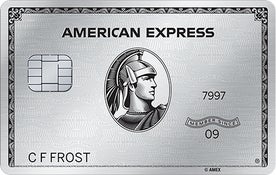
Select American Express cards include secondary coverage for damage to or theft of an eligible rental car. If you want primary coverage, you can enroll an eligible Amex card in Premium Car Rental Protection before you rent. Amex charges a flat fee per eligible rental paid for with the enrolled card.
Many consumers focus on the number of points or miles they can earn and redeem when choosing a travel rewards card, but travel protections such as rental car insurance can also provide significant value.
However, reviewing your card’s policy details is essential to understand what is (and isn’t) covered. Don’t assume you’re covered for every possible mishap when you pay for a car rental with a credit card that offers insurance, as many exceptions and exclusions apply.
Ensure you know the details and how they relate to your rental location, vehicle type, length of rental period and other important issues so you won’t be surprised by a bill if your rental car has a problem.
For Capital One products listed on this page, some of the benefits may be provided by Visa® or Mastercard® and may vary by product. See the respective Guide to Benefits for details, as terms and exclusions apply.
By commenting, you agree to our Community Guidelines to help create a positive space for conversation. The responses below are not provided or commissioned by the bank advertiser, our partners, or The Points Guy (“TPG”). They have not been reviewed, approved, or otherwise endorsed by any of these parties. All responses are submitted by individual contributors, and neither the bank advertiser, our partners, nor TPG are responsible for ensuring that all posts and/or questions are answered.