The new playbook for booking and flying with Southwest Airlines

The past year has brought some significant changes to Southwest Airlines. The airline rolled out checked bag fees, swapped out open seating for seat assignments, unveiled a new boarding process and changed the benefits and fees of its credit card portfolio.
Travelers who had mastered the previous Southwest systems are naturally finding themselves with many new variables to consider.
Change can be unsettling, but it can also present new opportunities. As a frequent Southwest flyer, I'm finding that despite some frustrations, flying the airline still works well and offers value. Passengers who want to get the most for their points and their cash just need to learn a few new tricks and approach Southwest flights a bit differently.
If you are struggling to adapt to the new rules of the road, here are all the things you need to know about booking and flying Southwest after the airline's transformation this past year.
Book Basic at your own risk — and only with eyes wide open
Southwest now has four fare types: Basic, Choice, Choice Preferred and Choice Extra. It's essential to understand the perks and restrictions of each before you book.
As the name suggests, the least expensive Basic fare is truly a more restrictive basic economy option that won't work for all travelers. It's not equivalent to Southwest's Wanna Get Away fare of old. Only book Basic fares once you have a very thorough understanding of what you might be giving up.
Basic fares cannot be changed, do not come with the right to select seats, only earn a paltry 2 points per dollar spent and are generally assigned the last boarding groups. In the event you cancel a Basic fare, the fare credit issued is only valid for six months beyond the time of booking. Travelers on Basic fares also can't use Southwest's same-day standby or same-day change options.
The next fare class, Choice, offers something more akin to a regular economy experience. It includes seat selection, permits changes and offers a more generous 12-month fare credit for cancellations.
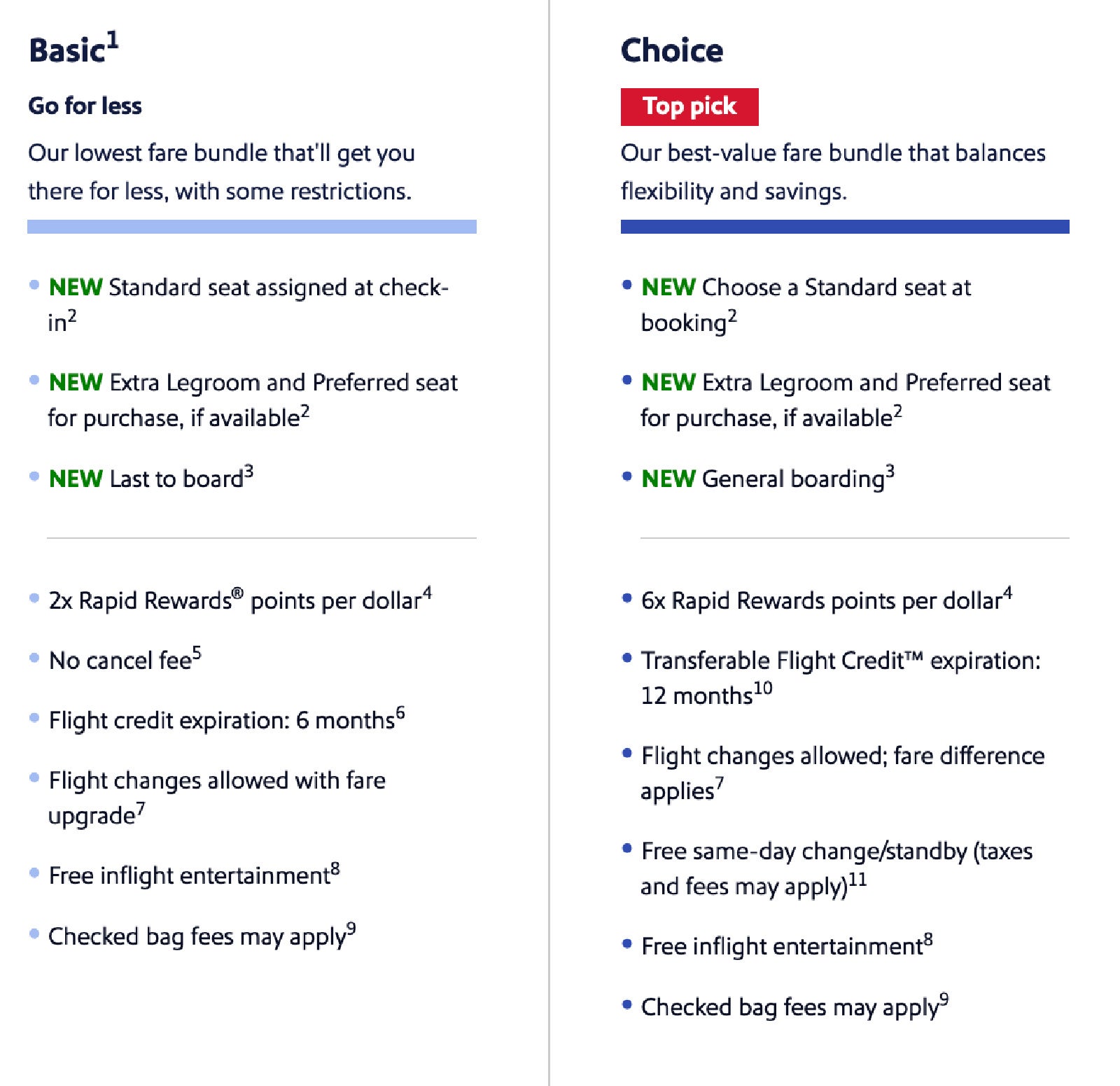
For most leisure travelers, the decision now is really between Basic and Choice. If you are likely to cancel a flight or have a preference for anything other than a random middle seat between two strangers (particularly if you travel with young kids and need to sit together), Choice is the safer option.

Southwest credit cards are now a key part of a smart overall strategy
While Southwest's new and more restrictive fare structure takes away some benefits, the airline's credit cards give a lot of them back. As a result, it's much more necessary for travelers who fly Southwest regularly to carry one of the airline's cards. Having the right Southwest credit card may let you book a cheaper fare class without giving up the perks you need, ultimately saving more money overall, even after paying an annual fee.
All Southwest credit cards now come with one free checked bag for everyone on the same reservation as the cardholder. If you are the kind of traveler who regularly travels with larger bags, especially when traveling with others, the cards immediately pay for themselves.
Take the example of the least expensive card option, the Southwest Rapid Rewards® Plus Credit Card (see rates and fees), which has an annual fee of $99. A couple traveling together with one checked bag each on a single round-trip itinerary would pay less overall simply by holding this card, as each bag costs $35 each way.
The higher fee credit cards — like the Southwest Rapid Rewards® Priority Credit Card (see rates and fees) and the Southwest® Rapid Rewards® Performance Business Credit Card (see rates and fees) — also include the right to advance seat selection at the time of booking. If you are the kind of passenger who prefers the certainty of seat assignments and would normally upgrade to a Choice fare for that perk alone, you could instead book a cheaper Basic fare and hold this card instead.
A traveling family of four would more than break even on the Priority card's $229 annual fee after a single round-trip journey because Choice fares cost $30 to $45 more than Basic fares each way.
If you plan to rely on credit card benefits, book everyone together on 1 reservation
If you do plan to rely on the perks of a Southwest credit card, it's vital to book everyone in your traveling party together on a single reservation with the cardholder. While you don't have to use the card to pay for your flight, the cardholder must be a traveler on the reservation for the benefits to apply to everyone else on the same booking.
If you choose to split up your traveling party during booking (perhaps to redeem Southwest Rapid Rewards points out of multiple family members' accounts), you may find some travelers won't be able to select seats or check a bag for free. It's a pricey mistake that is easy to make.
Note also that authorized users do not count as cardholders for purposes of these perks. So if spouses or partners tend to fly separately with the airline, each person would need to get their own Southwest card. Adding one person as the other's authorized user wouldn't be sufficient.
However, travelers flying on a cardholder's Companion Pass do receive the same benefits despite the fact that Southwest technically gives companions a separate reservation number.
Be strategic about when you book
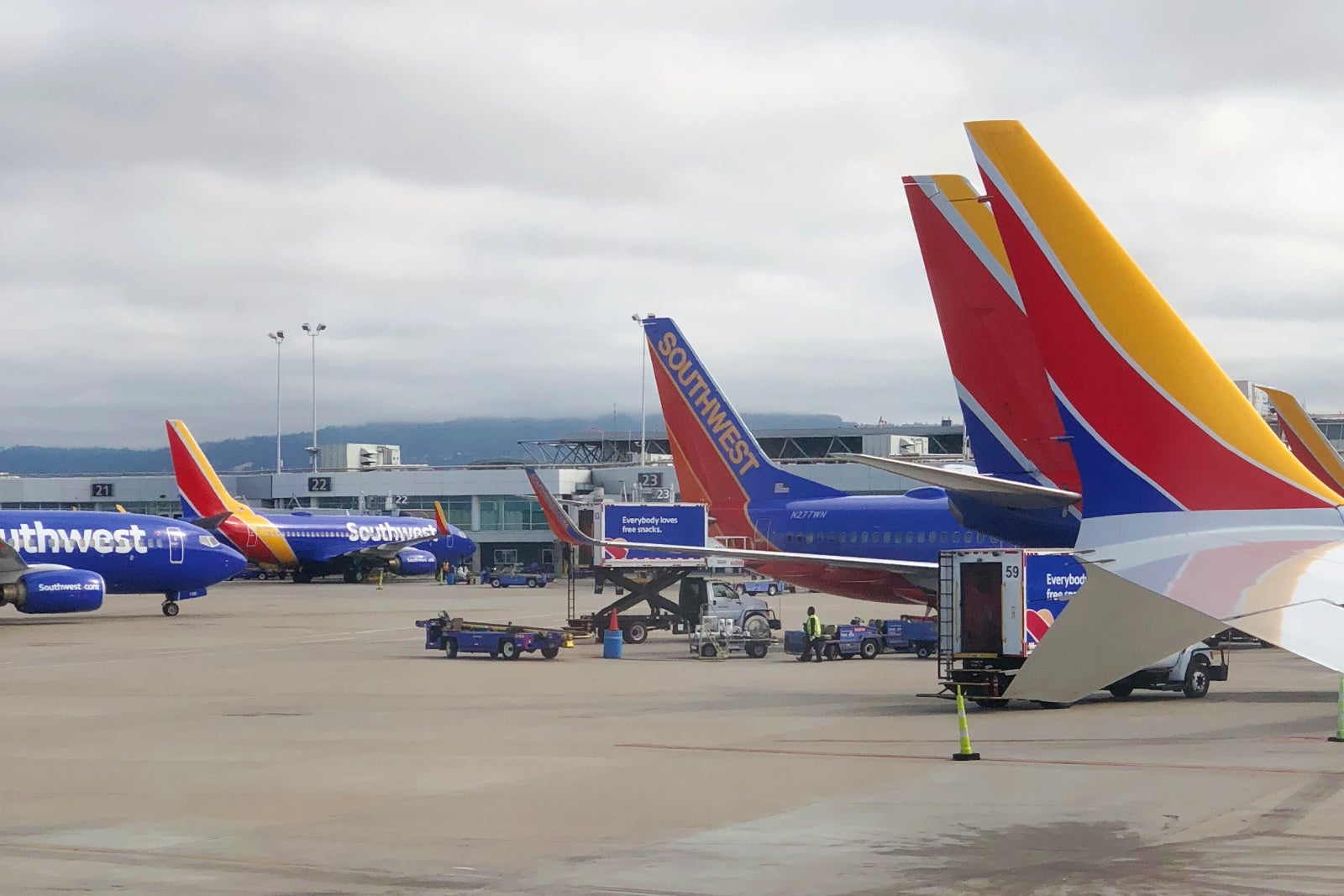
Southwest has been releasing its flight schedule further in advance than it previously did to more closely match the calendars of its competitors. As a result, customers may be tempted to book Southwest flights earlier than ever, especially because Southwest's historical practice was to offer some of its cheapest fares on days when the schedule was released.
That's rarely the case now, though there are still some deals on schedule release days. Now that Southwest's fare credits expire, booking too early can backfire in other ways.
For example, if you book a Basic fare six months in advance and have to cancel the day of your trip, the fare credit awarded would already have expired. Even with a Choice fare booked six months in advance, you'd only have six more months to book and complete another trip before that fare credit would expire.
In my experience, the optimal time to book to maintain flexibility — and often when the cheapest fares on many itineraries are actually available — is about one to four months in advance.
That's generally within TPG's recommended booking window for the best deals. TPG suggests booking one to three months ahead of time for domestic flights.
Related: The best times to book flights for the cheapest airfare
Use Rapid Rewards points to book speculative travel
If you have a healthy Rapid Rewards points balance, though, the same concerns about booking too early really don't apply. Unlike cash bookings, points bookings are fully refundable. Passengers can book as early as they'd like and simply get points redeposited into their Rapid Rewards account if they need to cancel.
Booking with points transforms Southwest's new, more rigid system into a much more flexible one, removing any worry about fare credit expiration deadlines. Use points for more speculative travel plans, especially trips you're booking many months in advance.
It's also smart to use points on fares that you expect may drop in price. Southwest still allows travelers to rebook the same itinerary and bank the difference in price (although the process now requires an extra step for passengers on Basic fares who must cancel and rebook anew instead of using the airline's "change flight" tool).
If you rebook a cash fare that has dropped in price, you'd be stuck with a fare credit that has an expiration date. But with a points booking, the extra points are simply added back into your Rapid Rewards account.
Monitor the cost of your flight reservations, both in cash and points
If you want to get the best deals on Southwest flights, the key is to rebook when fares drop, just as it was before the airline's many recent changes. What's different now is that Southwest Rapid Rewards points are worth a more variable amount — anywhere from 1.1 to 1.7 cents per point — when you redeem them for airfare.
Savvy Southwest customers should monitor and compare both the cash and the points prices of flights. In some instances, the cash price for a flight will stay the same, but the number of points required to book that fare will drop and vice versa. If you track both, it's possible to spot better deals and adjust your booking to save points or cash.
In the last few weeks alone, for example, I've rebooked a May 2026 flight from John Wayne Airport (SNA) in Orange County, California, to Oakland San Francisco Bay Airport (OAK) in Oakland, California, twice, turning a flight I originally booked at a reasonable 10,000 points into one I will take for the bargain basement price of 6,500 points.
I use Rapid Rewards points to book the vast majority of my travel on Southwest, but when a points redemption value is poor, it can make more sense to pay in cash or with another equivalent payment method, especially if your points balance isn't limitless. For instance, if you have discounted Southwest gift cards or a Southwest travel credit to spend — like the credit awarded to high spenders who hold the Chase Sapphire Reserve® (see rates and fees) — you can sometimes get the highest overall value when using those equivalents instead of booking with points.
When booking Basic fares, only book one-way flights
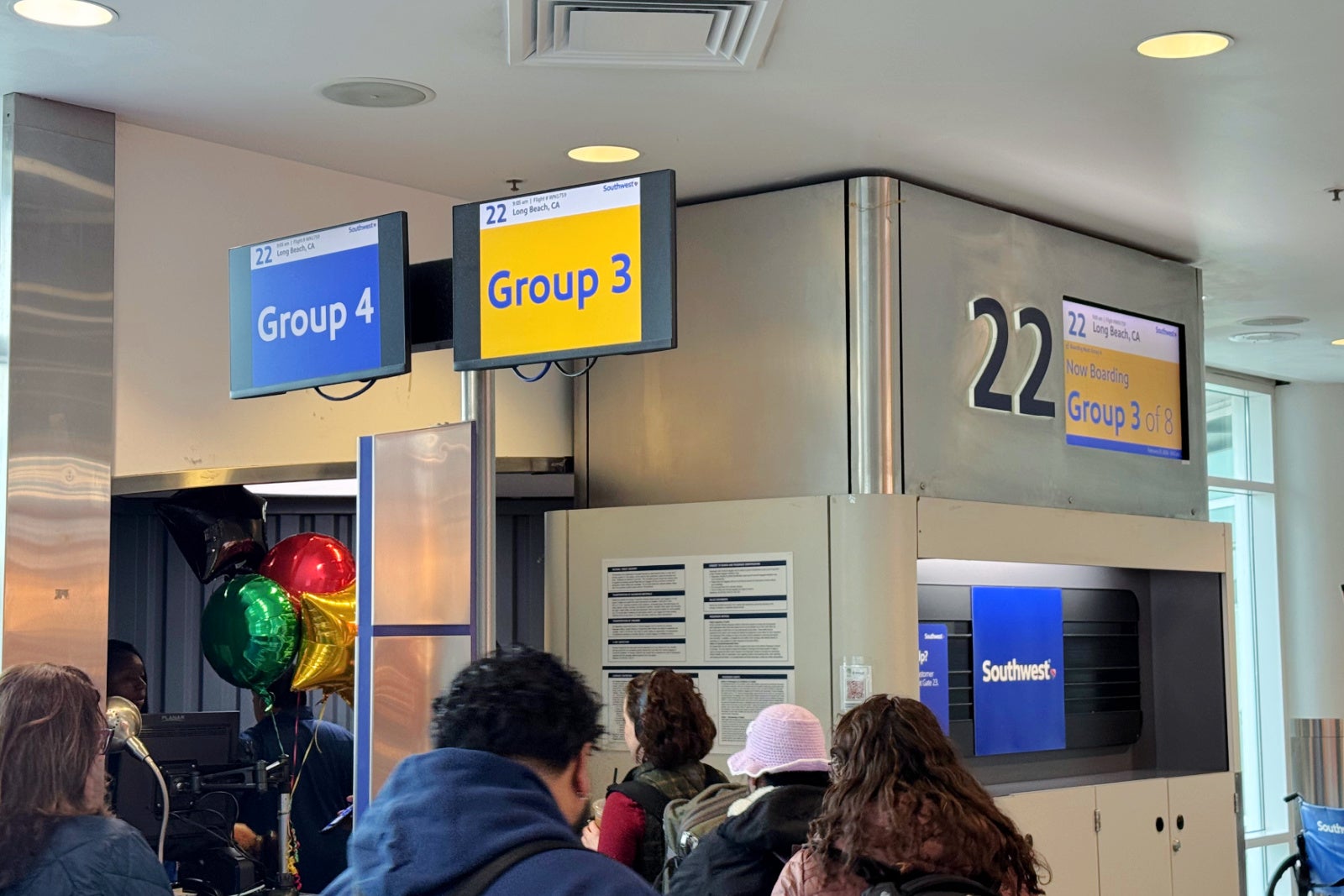
Unlike some U.S. carriers, Southwest prices flights the same regardless of whether you book them as one-way or round-trip itineraries, so it might seem like there's no difference between the two booking methods. For travelers who plan to book a Basic fare, though, it's much smarter to only book one-way flights.
The reason for this recommendation stems from the fact that Basic fares cannot be changed. If a flight decreases in price, the only option is to cancel, bank the fare credit (or points refund) and rebook the flight at a lower price.
If you've initially booked a round-trip flight, however, you have to cancel the entire itinerary and rebook both flights anew. This can quickly become a problem when one flight has decreased in price while the other has increased.
Booking one-way flights initially allows a passenger to rebook the flight that has dropped in price while preserving the earlier-booked lower fare on the other.
Don't sweat it if you are assigned standby status after check-in
There have undoubtedly been growing pains when it comes to Southwest's transition to assigned seating. One of the most common misunderstandings arising from assigned seats is that some Basic passengers are finding that they have been assigned standby status instead of a seat assignment when they check in 24 hours before a trip.
This standby designation is causing a lot of consternation. Some passengers resort to panic buying a seat assignment to avoid being bumped from the flight, but this isn't necessary. Southwest doesn't intentionally overbook flights, so it's highly unlikely (except on rare occasions where an equipment change happens) that a passenger who sees this status is actually on standby.
What is instead happening is that the passenger just doesn't yet have a seat assignment, but all seats on the plane have not been assigned. The airline may be holding some seats back for gate agents to accommodate special circumstances. Or, in other cases, maybe there are only premium seats available that a Basic passenger wouldn't ordinarily get. Basic passengers are just being put in a holding pattern until those scenarios play out closer to flight time.
It would be far less confusing if Southwest called this scenario something other than standby, which has a different meaning in the industry. If you find yourself in a similar standby situation, don't be concerned. Just proceed to the gate where an agent will issue you a seat assignment and a boarding pass.
Choose seats with the reality of overhead bin space in mind
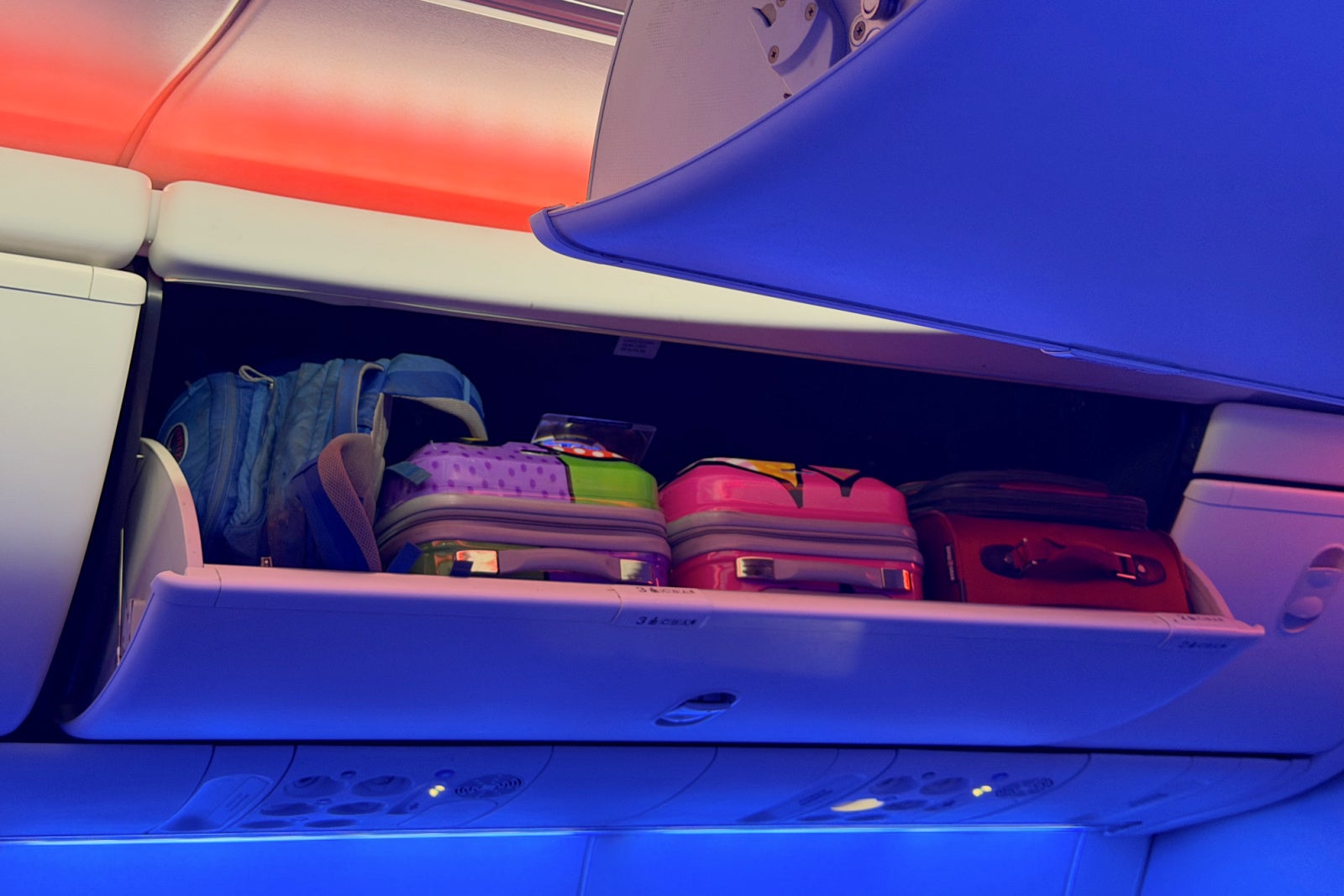
One unintended consequence of Southwest's end to free checked bags is that many more passengers are traveling with larger carry-on bags to avoid checked bag fees. That has meant a lot more trouble with overhead bins filling up before everyone on board has had a chance to stow their luggage.
Southwest has already announced changes to its boarding process and bin signage to try to mitigate this problem, especially for premium passengers in its extra-legroom seats in the front of the plane.
I can tell you from personal experience on Southwest flights this month (following the change announcement) that the new method is still not sufficient. There simply isn't enough overhead bin space, particularly on older Southwest aircraft with smaller bins, to accommodate carry-on bags for everyone on fuller flights.
The bins at the front of the plane tend to fill up first, so if you find yourself sitting in seats in the first half of the aircraft, you may have to stow a carry-on bag several rows behind you, depending on which boarding group you are assigned. This has led to a lot of gridlock upon landing, as some passengers inevitably try to make their way to the back of the plane to grab their bags while others move forward to deplane.
If you travel with a larger carry-on bag and want to avoid this situation yourself, choose your seats carefully. I have Southwest A-List status and the Southwest Performance Business card and am entitled to priority seating; however, I am currently avoiding booking seats in the first 10 rows of Southwest's planes, where most of the troubles arise whenever I'm flying with a carry-on bag.
And if you are a passenger with no status and no Southwest credit card, you may not be able to board with your carry-on bag at all. Southwest now has eight boarding groups, and gate agents regularly announce that anyone in groups six through eight needs to gate-check larger carry-on bags.
Thankfully, Southwest is in the process of upgrading overhead bins to the larger models that accommodate carry-on bags on their side. But until those are more prevalent across the fleet, expect a continued battle for bin space. Adjust your own seating strategy to dodge it as best as you can.
Bottom line
Southwest's changes and the associated hiccups they've caused are rightfully the source of much valid frustration with the airline right now, but not everything has changed.
Southwest still offers regular fare sales, the lucrative Companion Pass and the most reward seat availability of any U.S. carrier. Travelers just need to learn and adapt to the airline's new systems.
If you're willing to weather the transition like I have, you can still find value in flying with Southwest.
Related reading: