Here's How to See Steve, the Mysterious Phenomenon Outshining the Northern Lights

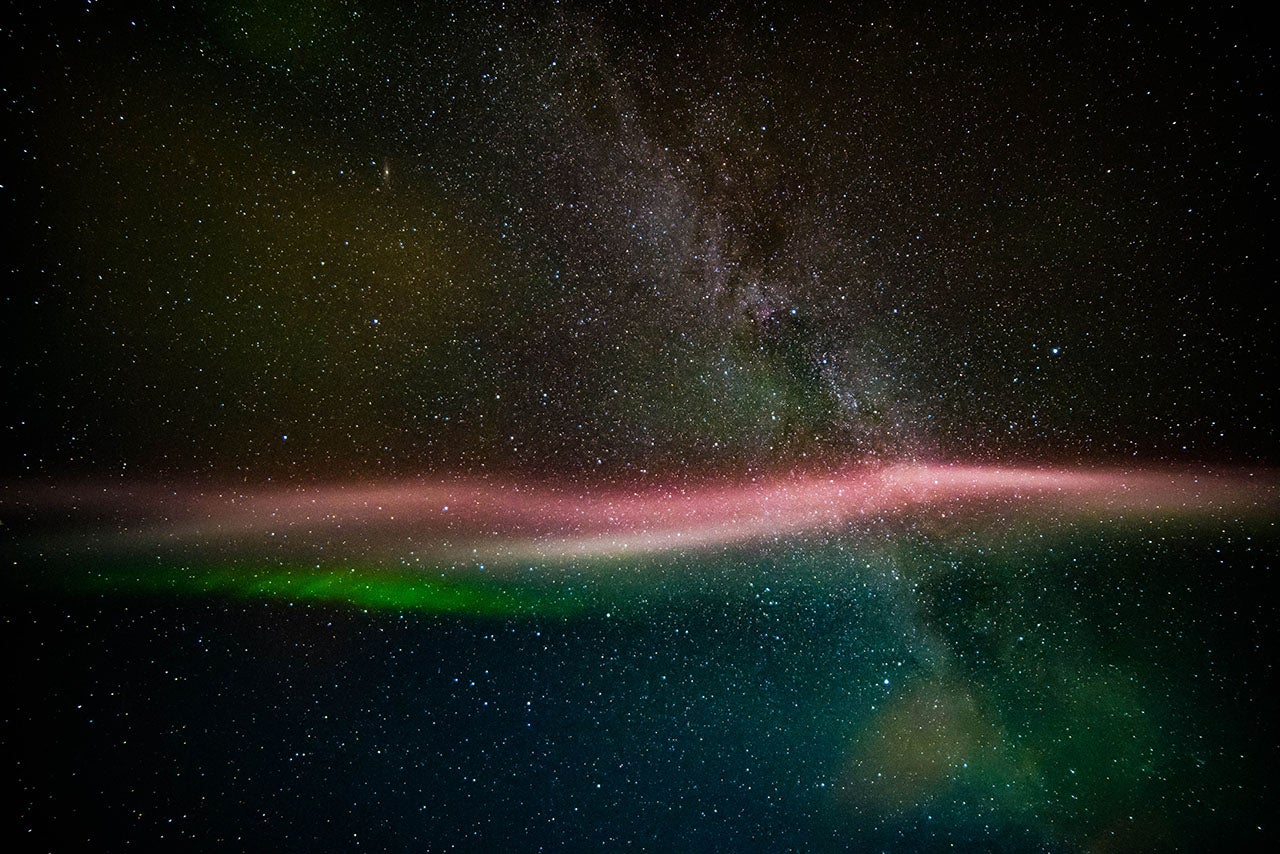
Aurora's got a little brother named Steve, and stargazers think he's very pretty — but he's shy, so you'll have to do a little planning if you want to catch sight of him.
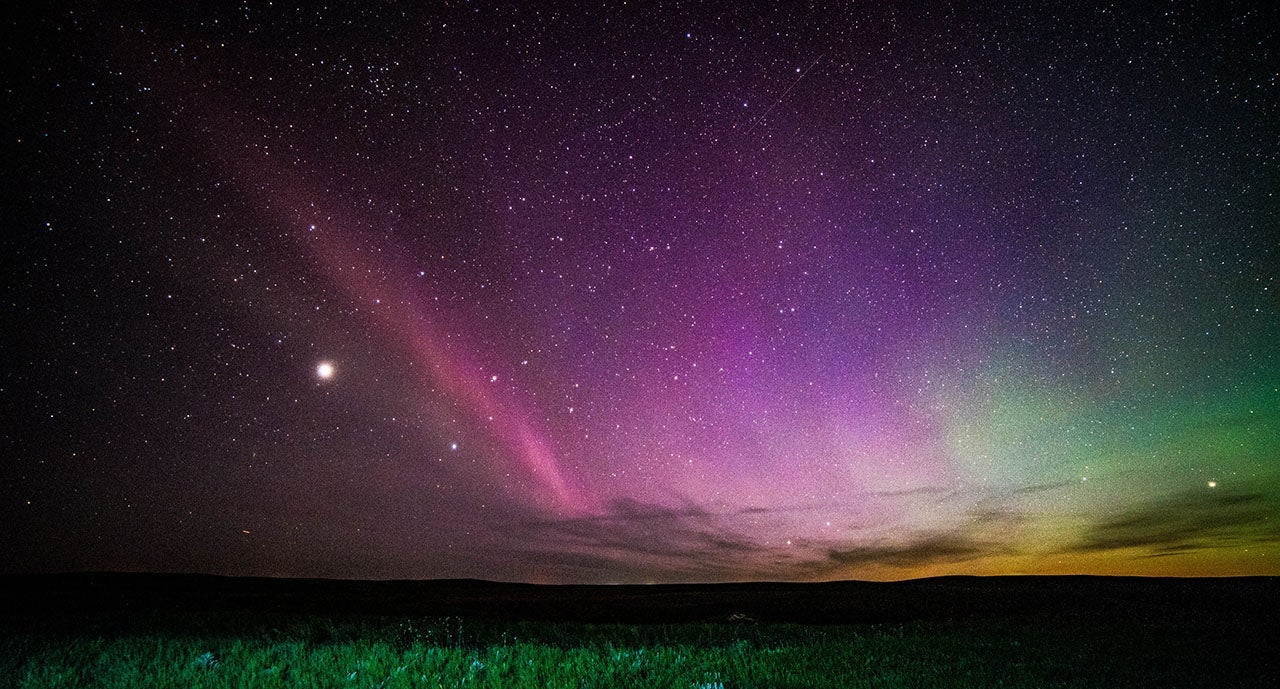
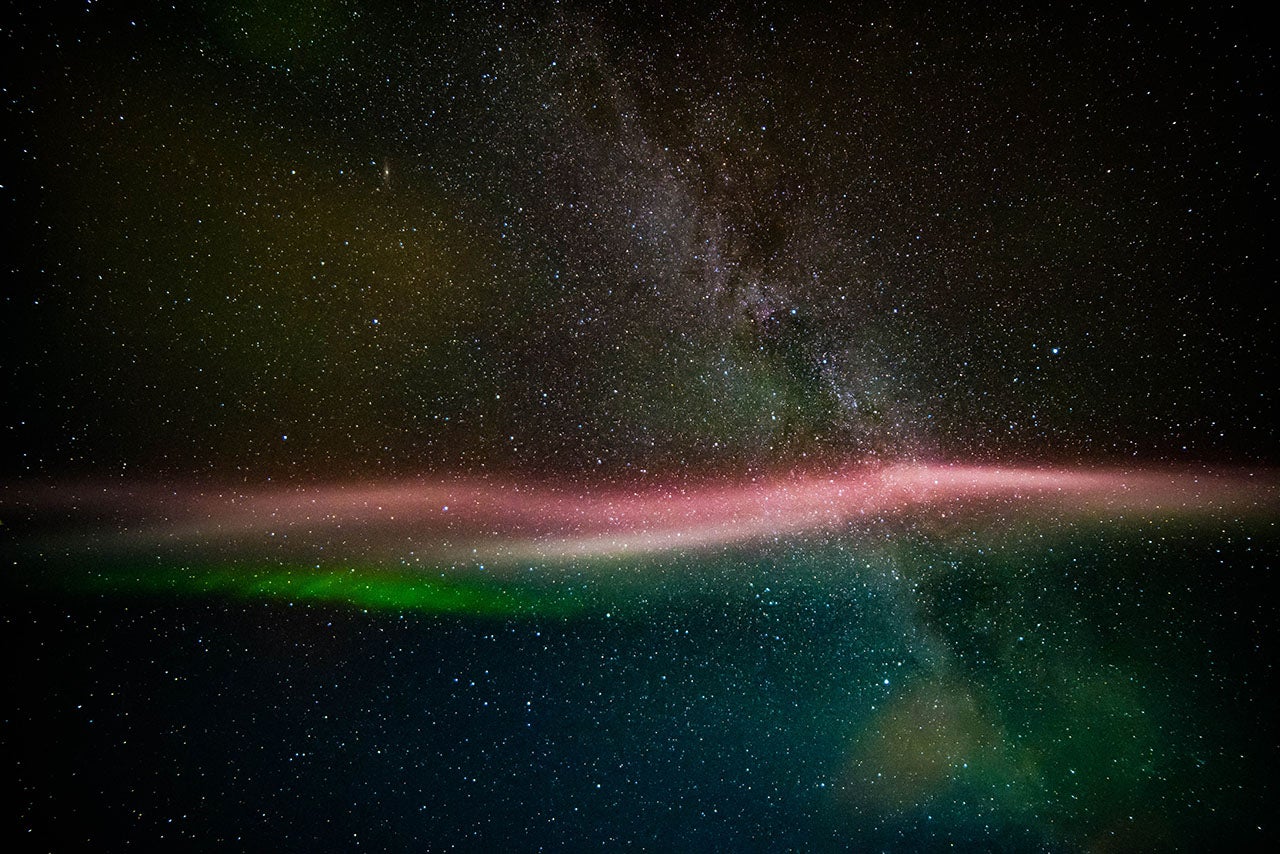
Steve's a dazzling atmospheric phenomenon that seems to have appeared from out of nowhere the last few years, astounding both professionals and amateurs who've looked to the skies for decades. It looks like a thin ribbon of pinkish, magenta or purplish light that shines in a nearly straight line running east to west. When it appears with the aurora, aka the Northern (or Southern) Lights, it can form a striking image that paints the whole night sky.
"A really strong event will be mauve from the eastern horizon to the western horizon, long and prominent, sometimes with little shards of green aurora," said Chris Ratzlaff, the amateur photographer and resident of Calgary, Alberta, who gave Steve its name. "Imagine a literal picket fence running along the equatorial edge."
First documented definitively in 2015 but possibly sighted as early as the '80s and '90s, Steve was originally written off as an atmospheric proton arc, but NASA experts quickly ruled that explanation out. It seems to have some connection to the aurora borealis, always showing up alongside it, at least so far, but is a distinct beast that has scientists scratching their heads. Studies as to its origins and causes have so far come up empty. Without anything more scientific to hang to it, Ratzlaff, administrator of the Canadian Facebook group Alberta Aurora Chasers, named it after a scene in the children's movie "Over the Hedge," with the name only later coming to stand for Strong Thermal Emission Velocity Enhancement.
Far from dissuading amateur astronomers from pursuing Steve, the phenomenon's enigmatic origins have received global attention and inspired aurora chasers to seek it out.
If you want to join them and meet Steve yourself, you'll need to be in the rather narrow band of latitudes where it's most visible. Though there have been Steve sightings as far away as Scotland in the northern hemisphere and Tasmania and New Zealand in the southern hemisphere, your best bet is in the Canadian provinces of Alberta, Manitoba and Saskatchewan, or south of Edmonton and north of Calgary (53 degrees and 37 minutes north latitude and 51 degrees north latitude).
Though at first Steve didn't seem to care about the time of year, Ratzaff said Steve chasers have begun to suspect there's some seasonality to its appearances. Steve seems to prefer showing up around the spring and autumnal equinoxes — or right about now — though Ratzlaff's seen it plenty of times after May and before September as well.
Steve gravitates toward the equator more than the aurora, so you'll be looking toward the southern horizon. If you're looking with the naked eye, it's also less obvious than the aurora, so you'll have to make a point of looking out for Steve.
"I suspect people have been standing right beneath Steve and never seen it, especially if you have the aurora to the north and you're watching that while Steve is to the south," Ratzlaff said.

Don't mix up the aurora with Steve, though it shouldn't be hard not to confuse them.
"An aurora is big, fuzzy and green, and this is the opposite of that," Ratzlaff said. "It's a lot more stable than the aurora, which tends to dance a bit. Steve definitely doesn't have much of a wave to it. From below, it really looks like an airplane contrail, but ranges from beige to fairly pink to more of a light mauve."
If you're really dedicated to spotting Steve, use modern technology to your advantage and try to catch it on camera. You'll use a setup similar to the one you'd use to catch an aurora, but because Steve is milder than the Northern lights, you'll need a higher ISO or longer exposure. (Ratzlaff generally starts with his aperture as wide open as possible, ISO 3200 and a 10-second exposure, then adjusts as needed.) Obviously, this is a good place to use a wide-angle lens.
If you do catch it, be sure to take a moment to appreciate what you're witnessing, too.
"It's really fascinating to see the story evolve and grow, and to really be able to see something that's not understood about our planet," Ratzlaff said.
TPG featured card

at American Express's secure site
Terms & restrictions apply. See rates & fees.
| 3X | Earn 3X Miles on Delta purchases. |
| 1X | Earn 1X Miles on all other eligible purchases. |
Pros
- Delta SkyClub access when flying Delta
- Annual companion ticket for travel on Delta (upon renewal)
- Ability to earn MQDs through spending
- Various statement credits for eligible purchases
Cons
- Steep annual fee of $650
- Other Delta cobranded cards offer superior earning categories
- Earn 100,000 Bonus Miles after you spend $6,000 or more in purchases with your new Card within the first 6 months of Card Membership and an additional 25,000 bonus miles after you make an additional $3,000 in purchases on the Card within your first 6 months, starting from the date that your account is opened. Offer Ends 04/01/2026.
- Delta SkyMiles® Reserve American Express Card Members receive 15 Visits per Medallion® Year to the Delta Sky Club® when flying Delta and can unlock an unlimited number of Visits after spending $75,000 in purchases on your Card in a calendar year. Plus, you’ll receive four One-Time Guest Passes each Medallion Year so you can share the experience with family and friends when traveling Delta together.
- Enjoy complimentary access to The Centurion® Lounge in the U.S. and select international locations (as set forth on the Centurion Lounge Website), Sidecar by The Centurion® Lounge in the U.S. (see the Centurion Lounge Website for more information on Sidecar by The Centurion® Lounge availability), and Escape Lounges when flying on a Delta flight booked with the Delta SkyMiles® Reserve American Express Card. § To access Sidecar by The Centurion® Lounge, Card Members must arrive within 90 minutes of their departing flight (including layovers). To access The Centurion® Lounge, Card Members must arrive within 3 hours of their departing flight. Effective July 8, 2026, during a layover, Card Members must arrive within 5 hours of the connecting flight.
- Receive $2,500 Medallion® Qualification Dollars with MQD Headstart each Medallion Qualification Year and earn $1 MQD for each $10 in purchases on your Delta SkyMiles® Reserve American Express Card with MQD Boost to get closer to Status next Medallion Year.
- Enjoy a Companion Certificate on a Delta First, Delta Comfort, or Delta Main round-trip flight to select destinations each year after renewal of your Card. The Companion Certificate requires payment of government-imposed taxes and fees of between $22 and $250 (for itineraries with up to four flight segments). Baggage charges and other restrictions apply. Delta Basic experiences are not eligible for this benefit.
- $240 Resy Credit: When you use your Delta SkyMiles® Reserve American Express Card for eligible purchases with U.S. Resy restaurants, you can earn up to $20 each month in statement credits. Enrollment required.
- $120 Rideshare Credit: Earn up to $10 back in statement credits each month after you use your Delta SkyMiles® Reserve American Express Card to pay for U.S. rideshare purchases with select providers. Enrollment required.
- Delta SkyMiles® Reserve American Express Card Members get 15% off when using miles to book Award Travel on Delta flights through delta.com and the Fly Delta app. Discount not applicable to partner-operated flights or to taxes and fees.
- With your Delta SkyMiles® Reserve American Express Card, receive upgrade priority over others with the same Medallion tier, product and fare experience purchased, and Million Miler milestone when you fly with Delta.
- Earn 3X Miles on Delta purchases and earn 1X Miles on all other eligible purchases.
- No Foreign Transaction Fees. Enjoy international travel without additional fees on purchases made abroad.
- $650 Annual Fee.
- Apply with confidence. Know if you're approved for a Card with no impact to your credit score. If you're approved and you choose to accept this Card, your credit score may be impacted.
- Terms Apply.
- See Rates & Fees