4 things I think about when booking basic economy

Editor's Note
As most frequent travelers know, basic economy has evolved quite significantly since airlines began adding the low-cost fare option over the course of the last decade.
Airlines originally saw basic economy as a way to compete with low-cost carriers, and the general principle has remained pretty consistent. You pay a lower ticket price than you would for a main cabin ticket, but you'll lose some services — or, at least, lose complimentary access to them.
However, airlines have routinely tweaked what is and is not included with a basic economy fare, as well as what you can add for a fee after choosing the lower-priced ticket.
There have been some positive changes in 2024. Most recently, United Airlines finally started allowing passengers flying on a no-frills ticket to check in for their flight online. These travelers couldn't do so previously.

Basic economy policies differ from one airline to another, and they've evolved through time. So, I personally find it helpful to have a mental checklist of factors to consider when evaluating whether it's worth saving a little money (or sometimes quite a bit) by booking a basic economy ticket ... or if a full-fare economy ticket is the better option.
Below are the top factors I consider.
The full-size carry-on bag
This is a deal breaker for a lot of travelers wary of checking a bag.
Historically, a common basic economy policy among airlines has been restricting full-size carry-on bags and overhead bin access. This means the only bag you can bring on board for free is a personal item that fits under the seat.
Like most travelers, a small backpack typically isn't going to cut it for me — at least, on most trips.

For that reason, basic economy is usually a no-go for me on airlines where the basic fare restricts overhead bin access. However, I might re-evaluate that stance if I have a credit card or elite status that gets me a free checked bag or allows me to skirt the basic bag restriction altogether.
Carry-on rules disappearing
Fortunately, these types of carry-on bag restrictions are far less common on the biggest network airlines than they were just a few years ago.
Among the Big Three legacy airlines — American Airlines, Delta Air Lines and United Airlines — only United restricts complimentary overhead bin access on basic fares. Even JetBlue recently announced it would end the restrictive policy on its Blue Basic fares.
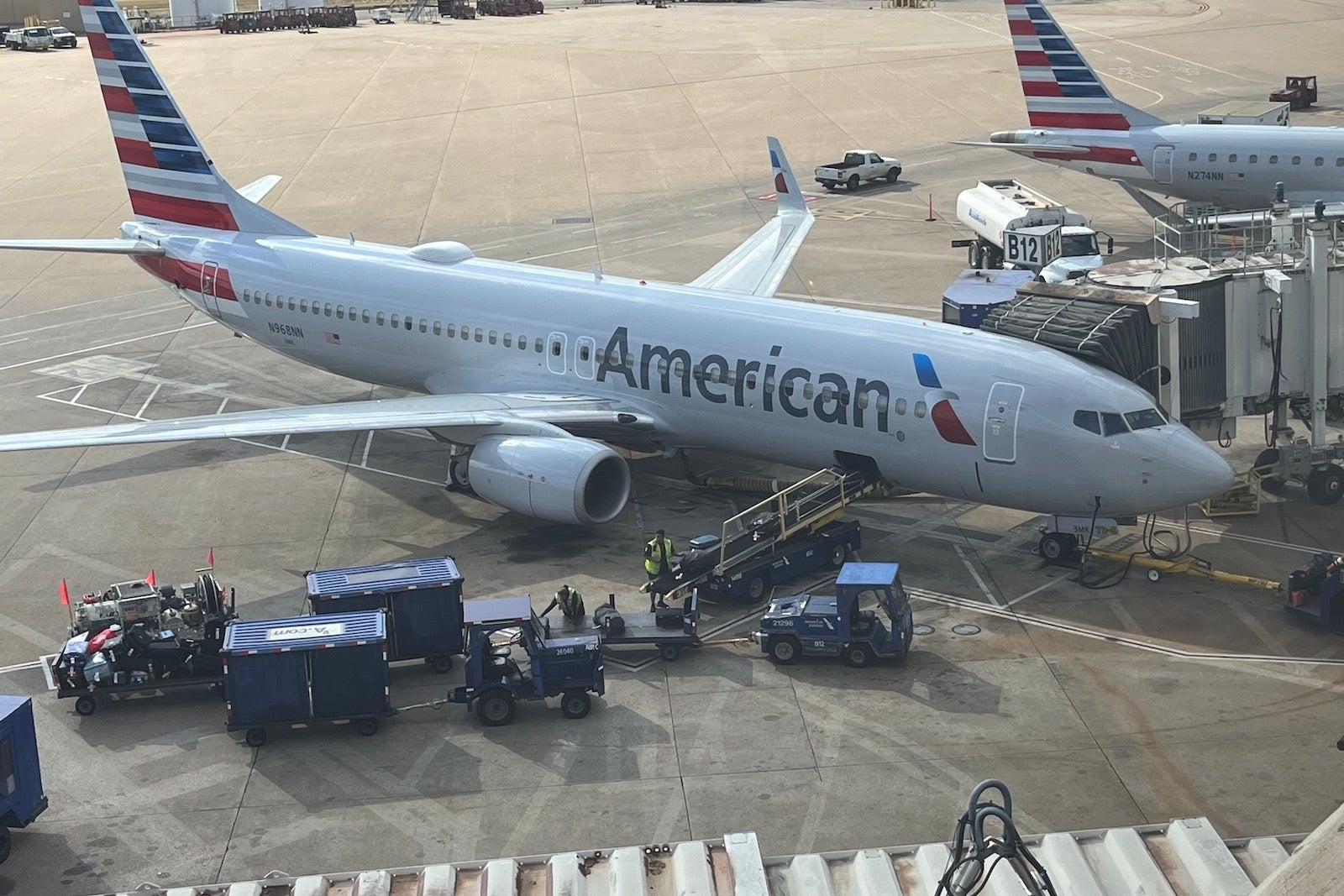
You will still find these policies in place on the most basic fares for nearly all of the budget airlines, though.
At the other end of the spectrum, Southwest Airlines remains the most lenient U.S. airline across the board when it comes to bags. The carrier allows two free checked bags and free full-size carry-ons for every passenger.
Related: Southwest Rapid Rewards: Complete guide to earning, redeeming and maximizing points
Seat selection
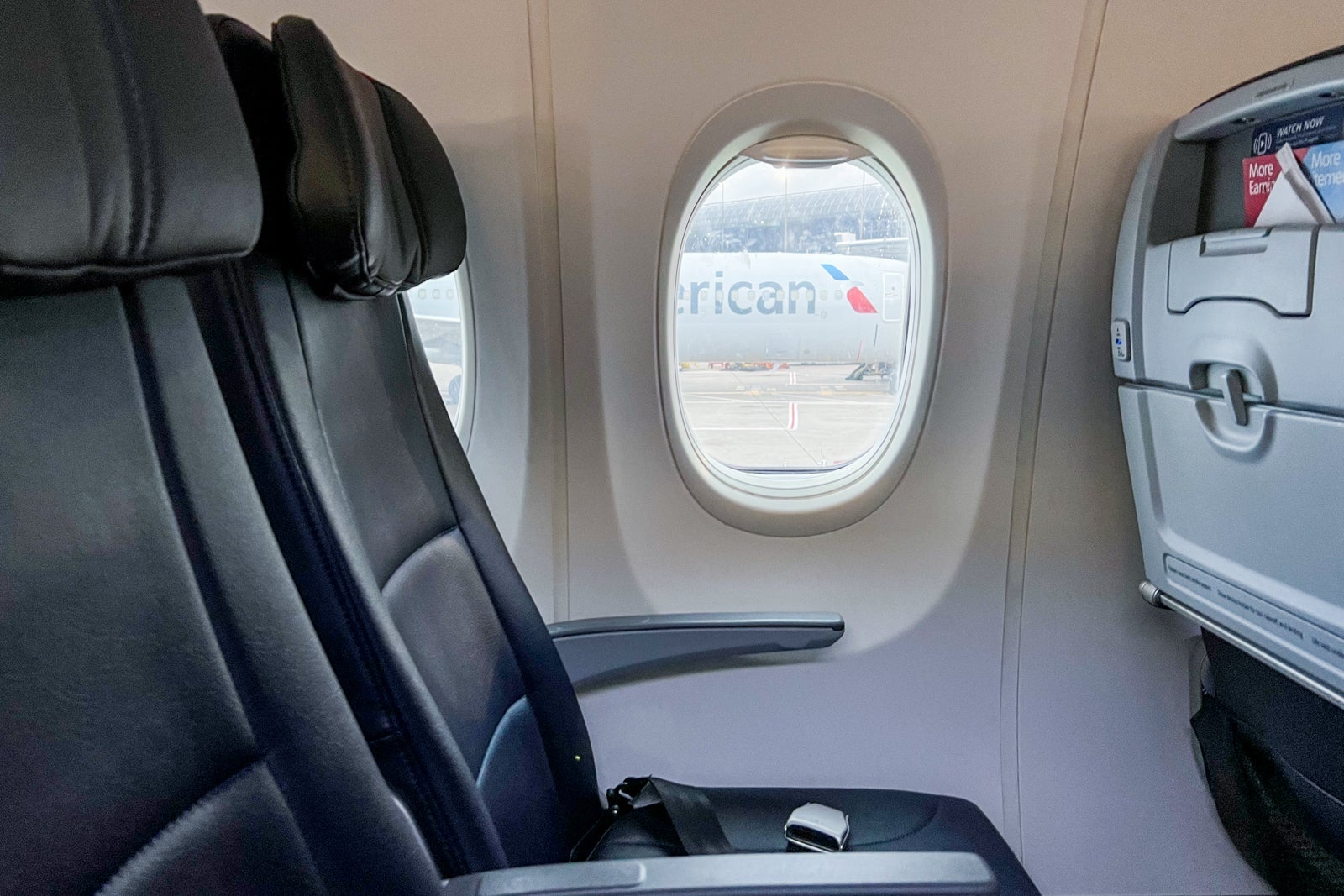
Another longtime basic economy pet peeve of many travelers is the lack of complimentary seat selection.
If you're concerned about getting stuck in a middle seat or eager to sit next to a family member or travel companion, basic economy is often a gamble. However, some airlines have made proactive family seating-oriented changes to how they assign seats in the face of pressure from the Biden administration.
Seat selection is also another area where having an airline credit card or elite status can help you circumvent any basic economy restrictions.
But, if I'm ultimately going to have to pay for a seat, I'll usually "upgrade" to the main cabin and skip basic economy altogether.
Loyalty perks and earning
Another key factor I think about when deciding whether to book a basic economy fare is whether I'll be able to enjoy my loyalty perks, earn miles and make progress toward elite status while traveling.
Some airlines inject loyalty program carrots and sticks into the basic economy decision process.
For instance, Delta Air Lines doesn't let basic economy passengers earn SkyMiles for their flights. Those passengers also don't get Delta Sky Club access before or after their flight, even if they're members.
Related: Best Delta credit cards
The policies differ from one airline to another.
American Airlines AAdvantage members earn miles and Loyalty Points but at a reduced rate compared to main cabin flyers.
United's basic economy flyers earn MileagePlus miles and Premier qualifying points but not Premier qualifying flights.
While you'd rather pay the lowest fare, you'd also hate to pay for a flight that doesn't count toward an airline's loyalty program. So, it's a factor in deciding whether basic economy is worth it. It often hinges on how big the price difference is between basic economy and economy.

Itinerary flexibility
Another hallmark of basic economy tickets is that they traditionally lack flexibility when it comes to making changes (beyond the 24-hour grace period after booking that every passenger is entitled to under U.S. Department of Transportation policy).
The inflexibility of basic economy tickets compared with other tickets is all the starker now: Most U.S. airlines have ditched change fees on full-fare tickets in recent years. However, basic economy flyers are still not entitled to changes in most cases.
If you need to cancel a basic economy ticket, you may be able to get some money back in future trip credit, but you'll often pay a steep cancellation fee (sometimes close to $100).
If I have some inkling that I may end up needing to change or cancel my trip before departure, basic economy is certainly off the table.
If I'm uber-confident that the trip will go on as planned or have little fear of not getting a refund for a flight, I may proceed with the no-frills ticket.

Bottom line
With varying policies through the years and from one airline to another, it can be difficult to decide between basic economy and full-fare economy tickets. For that reason, it's a good idea to know what services and benefits are most important to you so you can make the best decision on the right type of ticket.
Related reading:
- The best time to book flights for the cheapest airfare
- What exactly are airline miles, anyway?
- 6 real-life strategies you can use when your flight is canceled or delayed
- Maximize your airfare: The best credit cards for booking flights
- The best credit cards to reach elite status
- What are points and miles worth? TPG's monthly valuations
TPG featured card
at American Express's secure site
Terms & restrictions apply. See rates & fees.
| 4X | Earn 4X Membership Rewards® points per dollar spent on purchases at restaurants worldwide, on up to $50,000 in purchases per calendar year, then 1X points for the rest of the year. |
| 4X | Earn 4X Membership Rewards® points per dollar spent at US supermarkets, on up to $25,000 in purchases per calendar year, then 1X points for the rest of the year. |
| 5X | Earn 5X Membership Rewards® points on prepaid hotel stays booked through AmexTravel.com or the Amex Travel App™. |
| 3X | Earn 3X Membership Rewards® points on flights booked through AmexTravel.com, the Amex Travel App™, or purchased directly from airlines. |
| 2X | Earn 2X Membership Rewards® points on prepaid car rentals booked through AmexTravel.com or the Amex Travel App™ and cruises booked and paid through AmexTravel.com. |
| 1X | Earn 1X Membership Rewards® point per dollar spent on all other eligible purchases. |
Pros
- Valuable dining and food-related credits
- Flexible rewards with airline and hotel transfer partners
- Multiple travel and purchase protections
- No foreign transaction fees
- Access to Amex Offers for additional savings (enrollment required)
Cons
- Not as useful for those living outside the U.S.
- Some may have trouble using Uber and other dining credits
- You may be eligible for as high as 100,000 Membership Rewards® Points after you spend $8,000 in eligible purchases on your new Card in your first 6 months of Card Membership. Welcome offers vary and you may not be eligible for an offer. Apply to know if you’re approved and find out your exact welcome offer amount – all with no credit score impact. If you’re approved and choose to accept the Card, your score may be impacted.
- Earn 4X Membership Rewards® points per dollar spent on purchases at restaurants worldwide, on up to $50,000 in purchases per calendar year, then 1X points for the rest of the year.
- Earn 4X Membership Rewards® points per dollar spent at US supermarkets, on up to $25,000 in purchases per calendar year, then 1X points for the rest of the year.
- Earn 5X Membership Rewards® points on prepaid hotel stays booked through AmexTravel.com or the Amex Travel App™.
- Earn 3X Membership Rewards® points on flights booked through AmexTravel.com, the Amex Travel App™, or purchased directly from airlines.
- Earn 2X Membership Rewards® points on prepaid car rentals booked through AmexTravel.com or the Amex Travel App™ and cruises booked and paid through AmexTravel.com.
- Earn 1X Membership Rewards® point per dollar spent on all other eligible purchases.
- Pay It® lets you tap in the American Express® App to quickly pay for small purchase amounts throughout the month and still earn rewards the way you usually do. Plan It® gives you the option to split up big purchases into equal monthly payments with a fixed fee. You’ll know upfront exactly how much you’ll pay.
- $120 Dining Credit: Earn up to a total of $10 in statement credits monthly when you pay with the Gold Card at Grubhub (including Seamless), Buffalo Wild Wings, Five Guys, The Cheesecake Factory, and Wonder. This can be an annual savings of up to $120. Enrollment required.
- $100 Resy Credit: Get up to $100 in statement credits each calendar year at over 10,000 qualifying U.S. Resy restaurants after you pay for eligible purchases with the American Express® Gold Card. That’s up to $50 in statement credits semi-annually. Enrollment required.
- $84 Dunkin' Credit: Earn up to $7 in monthly statement credits after you pay with the American Express® Gold Card at U.S. Dunkin’ locations. Enrollment required.
- $120 Uber Cash on Gold: Enjoy up to $120 in Uber Cash annually with your Gold Card. Just add your Card to your Uber account and you'll get $10 in Uber Cash each month to use on orders and rides in the U.S. when you select an Amex Card for your transaction.
- Enjoy complimentary Hertz Five Star® Status benefits like skipping the counter at select locations, adding an additional driver at no additional cost*, and vehicle upgrades**. Benefit enrollment and Hertz Gold+ registration are required. *Additional drivers must meet standard rental qualifications and must be a spouse or domestic partner to qualify as complimentary. Other additional drivers subject to fees. **Benefits are subject to availability and vary by location. Additional Hertz program Terms and Conditions including age restrictions apply.
- Book two nights or more with The Hotel Collection through AmexTravel.com and receive a $100* credit towards eligible charges at over 1,300 upscale hotels worldwide.§ *Eligible charges vary by property.
- Book your travel through the Amex Travel App™ with added peace of mind – backed by American Express® service and support. Only for American Express® Card Members.
- Whenever you need us, we're here. Our Member Services team will ensure you are taken care of. From lost Card replacement to statement questions, we are available to help 24/7.
- No Foreign Transaction Fees.
- Annual Fee is $325.
- Terms Apply.