The hidden history of quirky airport codes

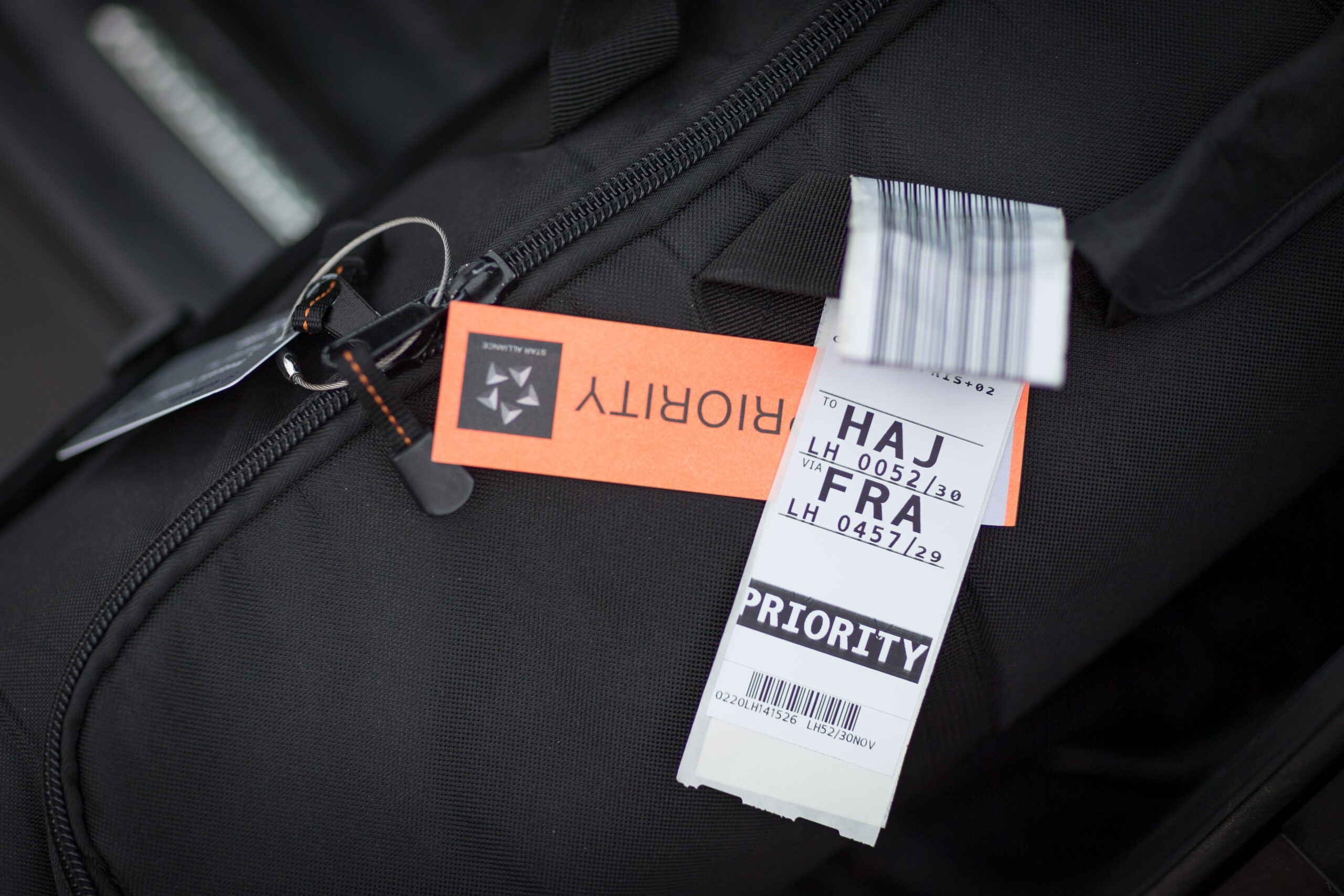
Most International Air Transport Association-designated airport codes, which are three-letter combinations commonly called IATA codes, are quite logical. Fly into Denver International Airport, and your luggage tag will be marked with "DEN." Look at the departures board for your flight to Miami International Airport, and you'll see it listed under "MIA."
However, other codes, like "ORD" for Chicago's O'Hare International Airport and "YUL" for Montreal-Trudeau International Airport, don't seem to make any sense.
While these codes may seem mysterious or odd, there are some hidden histories that explain these quirky combinations. If you've ever wondered what goes into deciding airport codes, read on to learn all about these groups of letters that seem to defy logic.
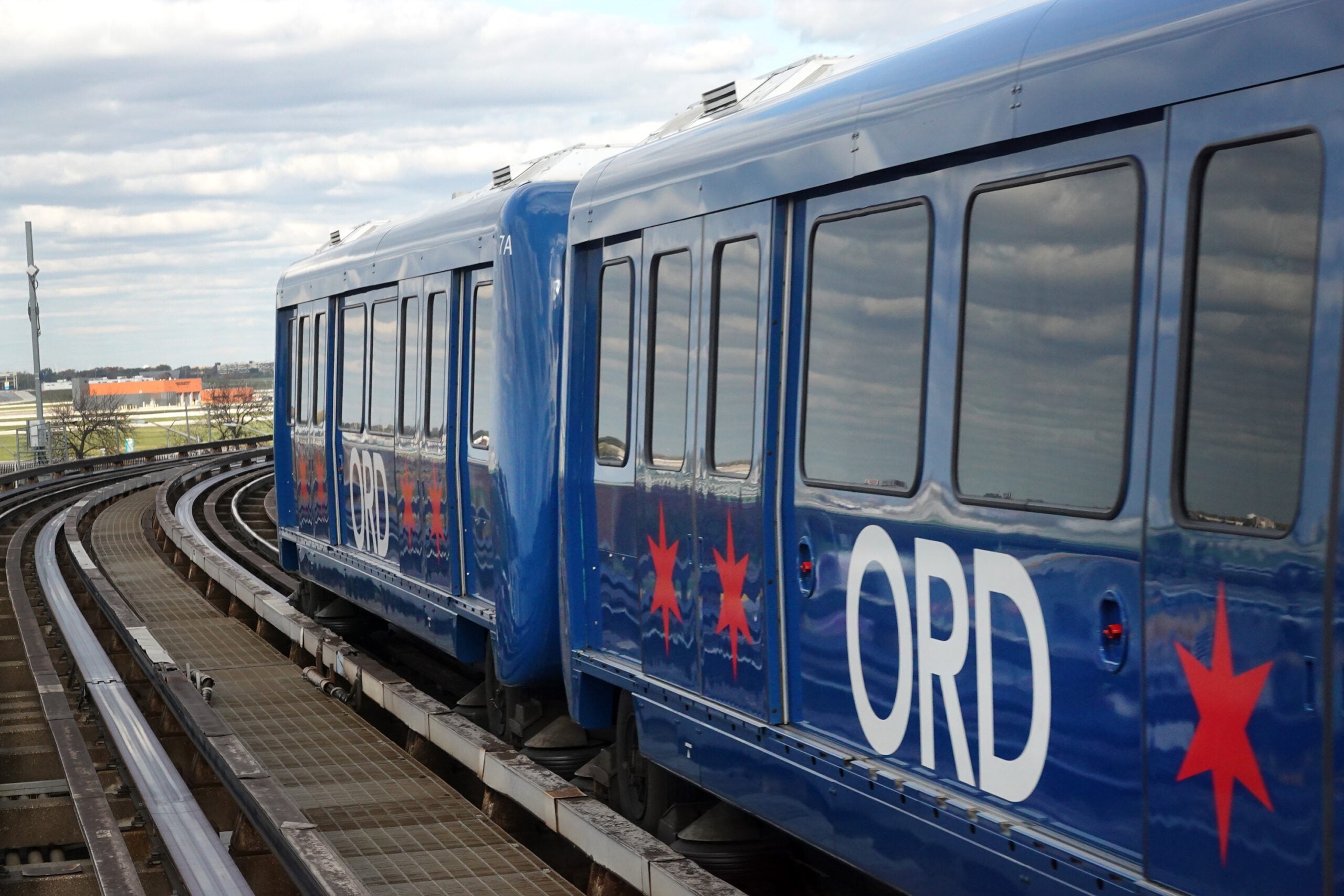
O'Hare International Airport (ORD)
Chicago's O'Hare International Airport at least starts with an "O" like its IATA code and perhaps refers to the main part of its name by using "R," but where does the "D" at the end come from? To get to the bottom of this code, we'll need to turn to the airport's history.
Originally called Orchard Field Airport after a nearby farming town, O'Hare's "ORD" code was assigned when this former name was still in use.
Despite the Chicago City Council voting in 1949 to rename the airport after Edward "Butch" O'Hare, a local Medal of Honor-winning naval fighter pilot who died in World War II, the airport's existing IATA code carried over. As a result, it continues to be how the airport is abbreviated.
Related: 11 must-do activities when visiting Chicago
Montreal-Trudeau International Airport (YUL)
Montreal-Trudeau International Airport's "YUL" abbreviation is another puzzling code choice. Like Toronto Pearson Airport's use of "YYZ" and Vancouver International Airport's use of "YVR," the Montreal airport's use of "Y" to start its IATA code initially seems like an odd pick.
Why is it that Canadian airports like Montreal-Trudeau begin with "Y"? A brief Canadian history lesson will help us get to the bottom of this decision.

In the 1930s, Canada built a nationwide network of weather reporting stations, which were each given a two-letter radio calling code. As air travel increased, incoming pilots would radio the stations to request help for navigating flights.
At the time, airports used two-letter codes, but with the uptick in air travel came a need to more efficiently streamline the navigation process. So, in the early 1940s, Canadian airports adjusted their IATA codes to either include a "Y" (which stood for "Yes" as confirmation that a weather station radio tower was nearby) or "W" (a shorthand for "Without" to indicate the lack of a radio tower) at the beginning.
Montreal's radio station code happened to be "UL," so the airport started using "YUL," a code that remains to this day.
Related: How to get to Montreal using points and miles
Los Angeles (LAX), Phoenix (PHX) and Portland (PDX)
You may wonder where the "X" comes from in the codes for Los Angeles International Airport (LAX), Phoenix Sky Harbor International Airport (PHX) and Portland International Airport (PDX). The Phoenix code finishing with an "X" seems logical, but the other airport codes seem pretty random.
In fact, the "X" for LAX and PDX is merely an arbitrary placeholder, created by IATA in the 1940s when airport codes in the U.S. expanded from two to three letters.
At the time, airports used the National Weather Service codes for cities — in this case, with the logical "LA" and "PD" designations. As the number of airports rapidly increased in the 1940s, IATA had to add an extra letter to existing airport codes to make room for new codes.
For the sake of simplicity and not to confuse pilots or passengers with new letter combinations, IATA added an "X" to the end of the existing codes for Los Angeles, Phoenix, Portland and a number of smaller airports. And that's the way it remains today.
Related: Reviewing the new Conrad Hotel in Los Angeles
John Moisant and New Orleans (MSY)
You'll be able to impress your fellow New Orleans flyers if you can share the story of how Louis Armstrong New Orleans International Airport came to use the code of "MSY."
When the former New Orleans Municipal Airport on the shores of Lake Pontchartrain needed to be expanded in the late 1930s, the city looked for a larger piece of land further from the city.
In 1941, the New Orleans government, in cooperation with the U.S. military that was building up for World War II, decided to use an area called the Moisant Stock Yards, which had a small airstrip that had been in use since the early days of flying.
John Moisant, a pioneering pilot and competitive racer, died in a plane crash on the airstrip on New Year's Eve in 1910. Moisant had set many air speed records and laid claim to piloting the first passenger flight across the English Channel. In his honor, the land owner named the area the Moisant Stock Yards. As the U.S. military quickly built up the airport for WWII, they used the existing name for the code of MSY.
New Orleans changed the airport's name to New Orleans International Airport in 1960, then to Louis Armstrong New Orleans International Airport in 2001 in honor of the local musician's 100th birth anniversary. However, the airport code has remained the enigmatic MSY to today.
Related: Planning a New Orleans getaway
Why there are no 'N' airport codes in the US
Have you ever wondered why none of the New York-area airports (or any others in the U.S.) use codes beginning with the letter "N"? The answer involves a branch of the U.S. military.
To distinguish naval air stations from others around the country, the U.S. Navy exclusively uses the letter "N" at the start of domestic IATA codes. Because of this arrangement, commercial airports that may seem like a natural fit for having IATA codes beginning with "N" — such as Nashville International Airport (BNA), Tweed New Haven Airport (HVN), and Norfolk International Airport (ORF) — start with other letters.
However, this rule does not apply in other countries, so you'll see the letter "N" at the front of IATA codes for airports like Lynden Pindling International Airport (NAS) in the Bahamas and Narita International Airport (NRT) in Tokyo.
Related: Cool Nashville hotels to consider for your trip
Bottom line
It may initially seem like there's no rhyme or reason for some airport codes. However, when you dig a little deeper, you'll realize that each IATA-issued abbreviation has a story that fits its airport.
To search for your favorite IATA code combination, visit IATA's website and use its tool to look up cities or codes.
TPG featured card
at American Express's secure site
Terms & restrictions apply. See rates & fees.
| 4X | Earn 4X Membership Rewards® points per dollar spent on purchases at restaurants worldwide, on up to $50,000 in purchases per calendar year, then 1X points for the rest of the year. |
| 4X | Earn 4X Membership Rewards® points per dollar spent at US supermarkets, on up to $25,000 in purchases per calendar year, then 1X points for the rest of the year. |
| 5X | Earn 5X Membership Rewards® points on prepaid hotel stays booked through AmexTravel.com or the Amex Travel App™. |
| 3X | Earn 3X Membership Rewards® points on flights booked through AmexTravel.com, the Amex Travel App™, or purchased directly from airlines. |
| 2X | Earn 2X Membership Rewards® points on prepaid car rentals booked through AmexTravel.com or the Amex Travel App™ and cruises booked and paid through AmexTravel.com. |
| 1X | Earn 1X Membership Rewards® point per dollar spent on all other eligible purchases. |
Pros
- Valuable dining and food-related credits
- Flexible rewards with airline and hotel transfer partners
- Multiple travel and purchase protections
- No foreign transaction fees
- Access to Amex Offers for additional savings (enrollment required)
Cons
- Not as useful for those living outside the U.S.
- Some may have trouble using Uber and other dining credits
- You may be eligible for as high as 100,000 Membership Rewards® Points after you spend $8,000 in eligible purchases on your new Card in your first 6 months of Card Membership. Welcome offers vary and you may not be eligible for an offer. Apply to know if you’re approved and find out your exact welcome offer amount – all with no credit score impact. If you’re approved and choose to accept the Card, your score may be impacted.
- Earn 4X Membership Rewards® points per dollar spent on purchases at restaurants worldwide, on up to $50,000 in purchases per calendar year, then 1X points for the rest of the year.
- Earn 4X Membership Rewards® points per dollar spent at US supermarkets, on up to $25,000 in purchases per calendar year, then 1X points for the rest of the year.
- Earn 5X Membership Rewards® points on prepaid hotel stays booked through AmexTravel.com or the Amex Travel App™.
- Earn 3X Membership Rewards® points on flights booked through AmexTravel.com, the Amex Travel App™, or purchased directly from airlines.
- Earn 2X Membership Rewards® points on prepaid car rentals booked through AmexTravel.com or the Amex Travel App™ and cruises booked and paid through AmexTravel.com.
- Earn 1X Membership Rewards® point per dollar spent on all other eligible purchases.
- Pay It® lets you tap in the American Express® App to quickly pay for small purchase amounts throughout the month and still earn rewards the way you usually do. Plan It® gives you the option to split up big purchases into equal monthly payments with a fixed fee. You’ll know upfront exactly how much you’ll pay.
- $120 Dining Credit: Earn up to a total of $10 in statement credits monthly when you pay with the Gold Card at Grubhub (including Seamless), Buffalo Wild Wings, Five Guys, The Cheesecake Factory, and Wonder. This can be an annual savings of up to $120. Enrollment required.
- $100 Resy Credit: Get up to $100 in statement credits each calendar year at over 10,000 qualifying U.S. Resy restaurants after you pay for eligible purchases with the American Express® Gold Card. That’s up to $50 in statement credits semi-annually. Enrollment required.
- $84 Dunkin' Credit: Earn up to $7 in monthly statement credits after you pay with the American Express® Gold Card at U.S. Dunkin’ locations. Enrollment required.
- $120 Uber Cash on Gold: Enjoy up to $120 in Uber Cash annually with your Gold Card. Just add your Card to your Uber account and you'll get $10 in Uber Cash each month to use on orders and rides in the U.S. when you select an Amex Card for your transaction.
- Enjoy complimentary Hertz Five Star® Status benefits like skipping the counter at select locations, adding an additional driver at no additional cost*, and vehicle upgrades**. Benefit enrollment and Hertz Gold+ registration are required. *Additional drivers must meet standard rental qualifications and must be a spouse or domestic partner to qualify as complimentary. Other additional drivers subject to fees. **Benefits are subject to availability and vary by location. Additional Hertz program Terms and Conditions including age restrictions apply.
- Book two nights or more with The Hotel Collection through AmexTravel.com or the Amex Travel App™ and receive a $100* credit towards eligible charges at over 1,400 upscale hotels worldwide. *Eligible charges vary by property.
- Book your travel through the Amex Travel App™ with added peace of mind – backed by American Express® service and support. Only for American Express® Card Members.
- Whenever you need us, we're here. Our Member Services team will ensure you are taken care of. From lost Card replacement to statement questions, we are available to help 24/7.
- No Foreign Transaction Fees.
- Annual Fee is $325.
- Terms Apply.