How Aircraft Are Designed to Operate During an Engine Failure

Modern aircraft are by any measure extremely safe. However, on occasion issues do arise during flight, like engine failures. While they are rare, they do happen. The good news is that modern aircraft are designed to be able to operate safely even with an engine out.
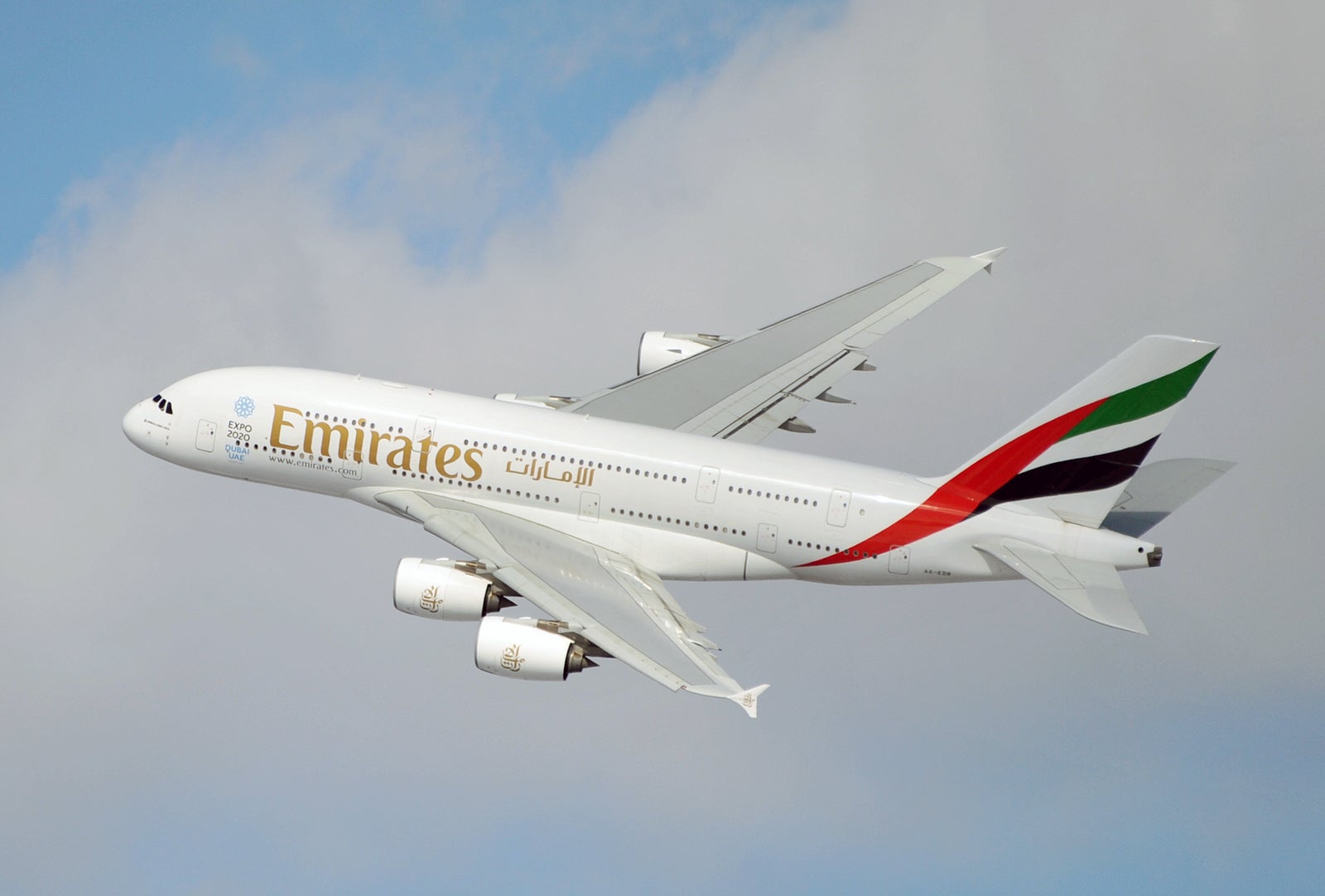
Passengers on a recent Emirates flight experienced this firsthand. An A380 lost an engine 20 minutes into its flight from Toronto to Dubai and issued a PAN-PAN call (meaning a situation is urgent but does not necessarily pose an immediate danger to either passengers or the aircraft) to Air Traffic Control (ATC). The aircraft was able to dump fuel to reduce landing weight and then return safely to Toronto about two hours after take-off. While you might think that flying around for a couple of hours with an engine out is a bad idea, the reality of the situation is that the aircraft is designed and tested to do just that, and do it safely.
While the A380 is equipped with four engines, most modern aircraft fly with only two. But even twin-engine planes are designed to be able to take off, fly and land safely with only one engine in operation.
That's because most modern twin-engine commercial aircraft have an Extended-Range Twin-Engine Operational Performance Standard (ETOPS) rating. ETOPS means that the aircraft is certified to fly on a single engine safely for a specified period of time denoted in minutes: ETOPS 60, ETOPS 120, with some aircraft certified for ETOPS 180 and even 240. The ETOPS flight time allows aircraft to fly more direct routes between city pairs rather than having to route to stay within a close flying time of a safe diversion airport.
So, if you're on a flight and your aircraft experiences the lost of a single engine, assuming the loss wasn't catastrophic and did not cause damage to the aircraft, the odds of you being able to safely divert are quite high.
An even more rare event is a dual engine failure during flight, like what happened to US Airways Flight 1549 in 2009 after departing LaGuardia Airport (LGA). In what became known as the 'Miracle on the Hudson', Capt. Chesley "Sully" Sullenberger was able to safely land his A320 on the Hudson River after experiencing a dual-engine failure from striking a flock of birds shortly after departure.

Related: Passenger From 'Miracle On Hudson' Flight Sees Capt. Sully 10 Years Later
Another well-known flight that experienced a dual engine failure was Air Canada Flight 143. The Boeing 767 was flying from Montreal to Edmonton when it experienced a dual-engine flame out in flight. The plane would come to be known as the Gimli Glider, because the pilot was able to fly the plane as a glider and get it safely back on the ground, even without engines in operation.
Bottom Line
If you're on an aircraft that experiences an engine failure, stay calm. Modern aircraft are designed to be able to safely operate for extended periods of time with an engine out. While it might be a bit nerve-wracking to think about, the odds of you getting safely back on the ground are extremely high. Just be sure to listen to the flight crew's instructions to ensure that you and those around you remain safe during an emergency situation.
For the latest travel news, deals, and points and miles tips please subscribe to The Points Guy daily email newsletter.
TPG featured card

at Capital One's secure site
Terms & restrictions apply. See rates & fees.
| 5X miles | Earn 5X miles on hotels, vacation rentals and rental cars booked through Capital One Travel |
| 2X miles | Earn unlimited 2X miles on every purchase, every day |
Pros
- Stellar welcome offer of 75,000 miles after spending $4,000 on purchases in the first three months from account opening. Plus, a $250 Capital One Travel credit to use in your first cardholder year upon account opening.
- You'll earn 2 miles per dollar on every purchase, which means you won't have to worry about memorizing bonus categories
- Rewards are versatile and can be redeemed for a statement credit or transferred to Capital One’s transfer partners
Cons
- Highest bonus-earning categories only on travel booked via Capital One Travel
- LIMITED-TIME OFFER: Enjoy $250 to use on Capital One Travel in your first cardholder year, plus earn 75,000 bonus miles once you spend $4,000 on purchases within the first 3 months from account opening - that’s equal to $1,000 in travel
- Earn unlimited 2X miles on every purchase, every day
- Earn 5X miles on hotels, vacation rentals and rental cars booked through Capital One Travel
- Miles won't expire for the life of the account and there's no limit to how many you can earn
- Receive up to a $120 credit for Global Entry or TSA PreCheck®
- Use your miles to get reimbursed for any travel purchase—or redeem by booking a trip through Capital One Travel
- Enjoy a $50 experience credit and other premium benefits with every hotel and vacation rental booked from the Lifestyle Collection
- Transfer your miles to your choice of 15+ travel loyalty programs
- Top rated mobile app