Insider Series: What Do Air Traffic Controllers Actually Do?
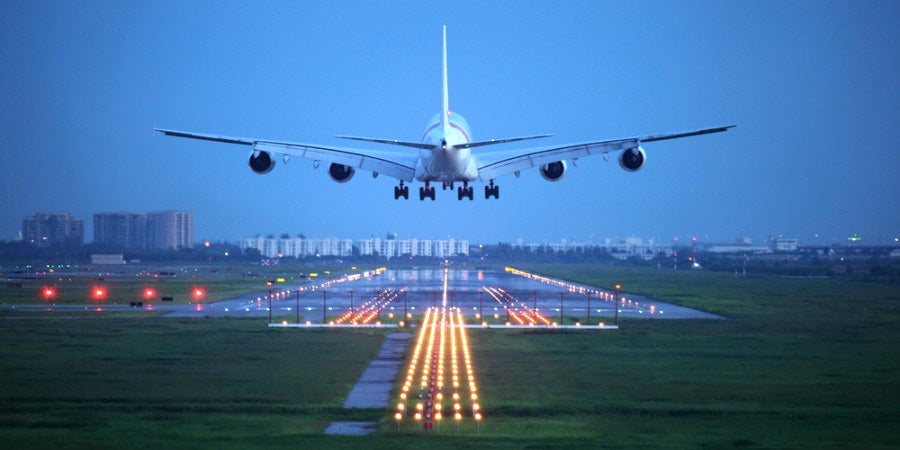
The newest addition to our Insider Series is TPG Contributor "Vic Vector," an air traffic controller at a major ATC facility in the United States. In his first installment, he'll clarify and establish the basic roles and duties of air traffic controllers.
What comes to mind when you think of air traffic control? Whatever image you just came up with, I'm willing to bet it's somewhat inaccurate.
So ... let's knock out the basics, shall we?
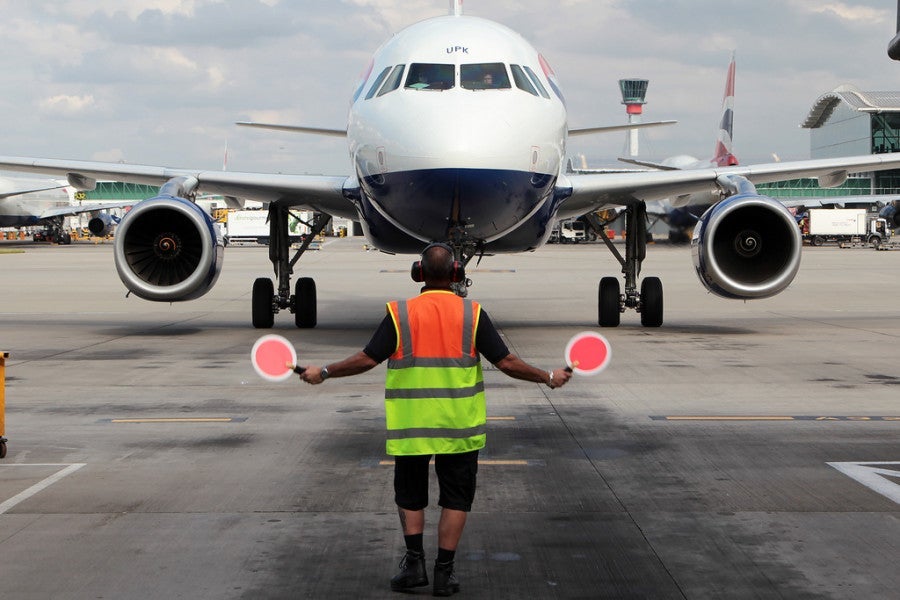
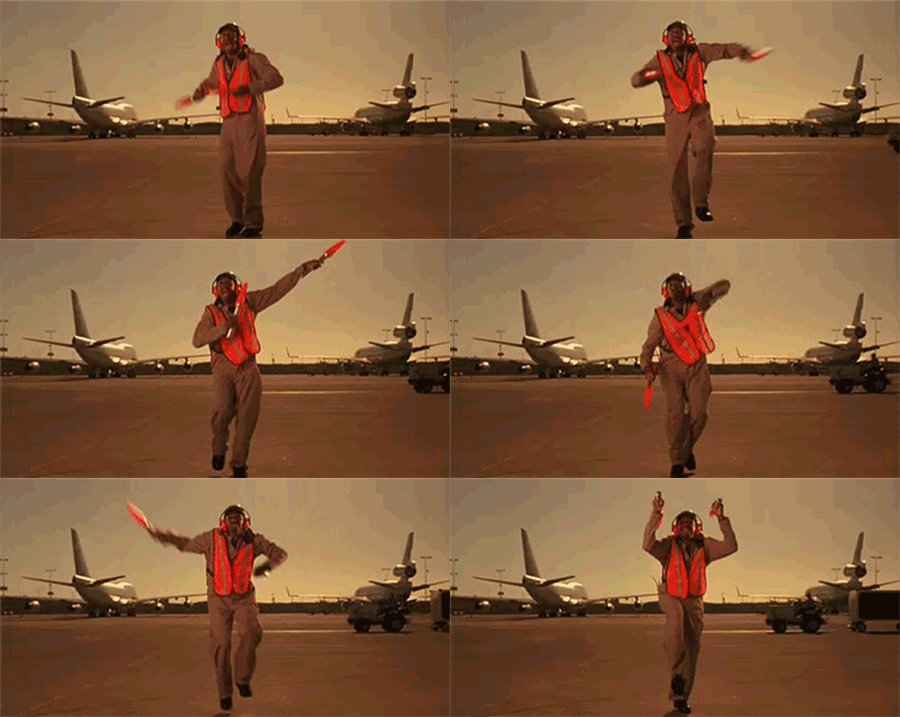
We are not these people.
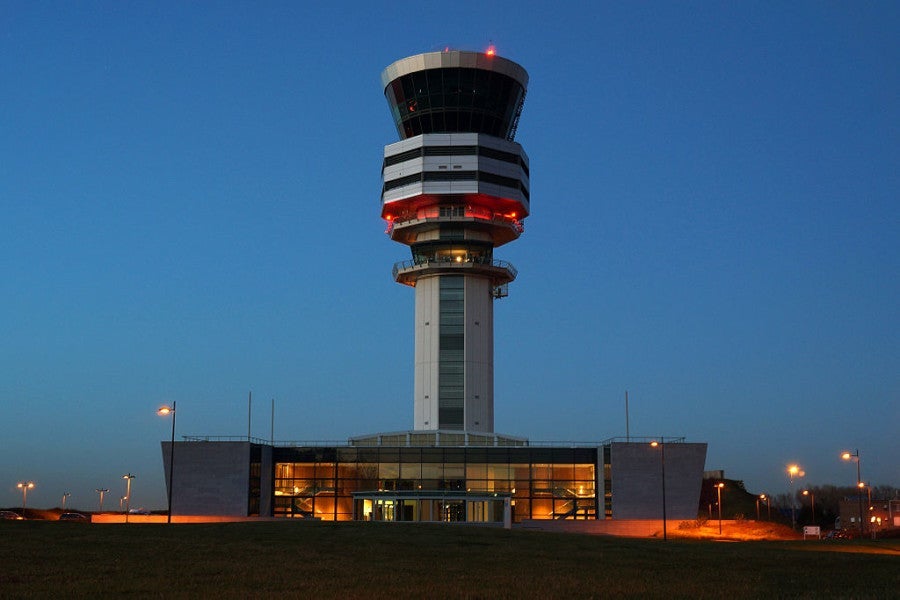
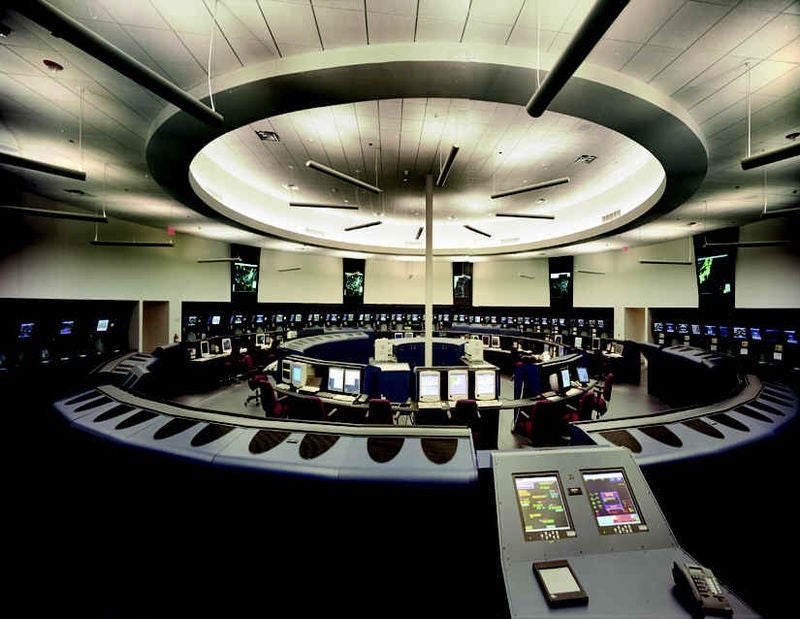
And not all of us work in one of these.
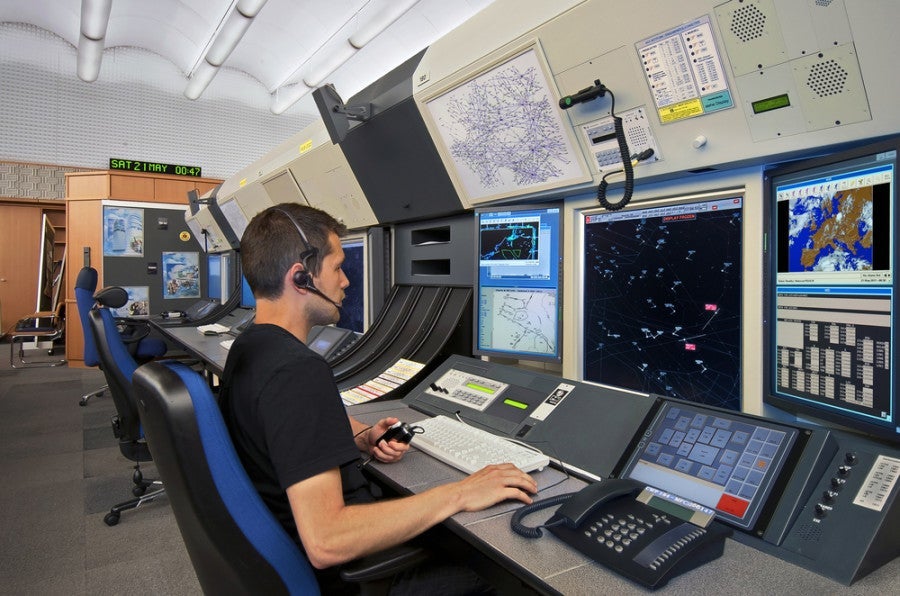
The fact that most of the traveling public actually has no idea what exactly we as air traffic controllers do speaks to our skills — because the truth is, most of the work we do exists entirely behind the scenes of your flight. Our job is to guide you from from here to there as safely and expeditiously as possible. There are 15,000 of us who work in 315 facilities nationwide, and each day we are responsible for more than 87,000 flights. Together we proudly maintain the safest air traffic control system in the world.
Imagine the world of air traffic control as a giant 3D puzzle, separated by boundaries both lateral and vertical. Airspace, as we call it, exists everywhere around us. Each controller in each facility works their piece of the airspace puzzle as your plane passes through.
Your plane pushes back from the gate under the guidance of air traffic controllers in the tower. They get you from the ramp onto the taxiway. Once there, they separate you from other aircraft on the taxiways, provide instructions to reach the runway and sequence you for takeoff. In addition to surface movement, controllers in the tower separate the aircraft landing from the aircraft departing, which often happens on the same runway. They clear your flight for takeoff, but their jurisdiction ends rather quickly after you hear the thump of the landing gear coming up.
From there, they hand control of your flight off to another controller working in a TRACON (Terminal RAdar Approach CONtrol), colloquially known as "Approach Control." The working environment inside approach control is a far cry from the bright, open world you'd expect to find in an ATC tower. It's a dark, windowless place usually abuzz with chatter and commotion, where controllers use radar to monitor the status of your flight and to separate you from other aircraft in the area. There may be just a few radar scopes in a smaller facility, while a larger, more complex facility will house many more.

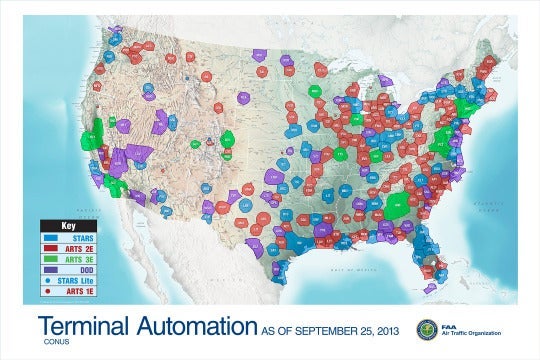
TRACONs exist around most busy airports and though their dimensions vary widely, their main job is to funnel arrivals and departures into and out of the airport and the area immediately surrounding it. A TRACON may exist in the same physical building as the tower (and in some cases, the same controllers take turns working both) but larger, busier facilities tend to inhabit their own buildings, and are sometimes set far away from the airports they serve.
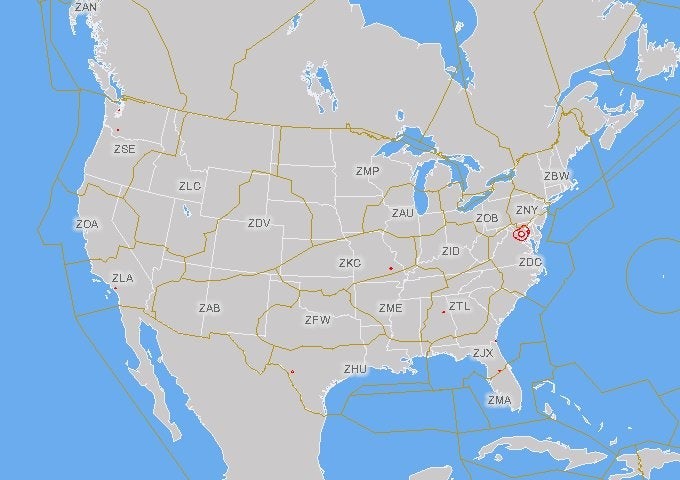
The approach controller climbs your aircraft safely out of the terminal area, provides instructions to proceed on course and as your flight leaves the lateral or vertical boundaries of the TRACON, authority is passed on to a third type of facility, an ARTCC (Air Route Traffic Control Center), known as "Enroute Centers," or just "Centers."
There are 20 ARTCCs in the continental United States (and another in Alaska for a total of 21). Enroute Centers own all the airspace not owned by towers and TRACONs, which is to say a vast majority of the airspace in the continental United States. In the areas of the US without TRACONs or towers, centers fill their roles.
Since airlines pattern their flight schedules around the wants of their passengers, this usually means that everyone's trying to go to the same places at the same time. An enroute controller's main job is to keep track of sequencing and spacing of aircraft amidst a national airspace that's not unlike a highway off-ramp during rush hour.
First, they get a flight safely up to its final cruising altitude, then keep it from conflicting with other flights in the air. They then sequence your flight amidst an airport's many arrival routes, which are like rivers with multiple tributaries' worth of aircraft. Enroute controllers have to zipper those feeds together and seamlessly blend multiple lines of traffic into one.
Once this spacing is clear, enroute controllers starts a flight's descent into the airport area. They then then pass jurisdiction back to a TRACON who guides the pilots to the runway and sequences them with other arrivals before handing them off to a controller in the tower who clears your flight to land and taxi to the gate.
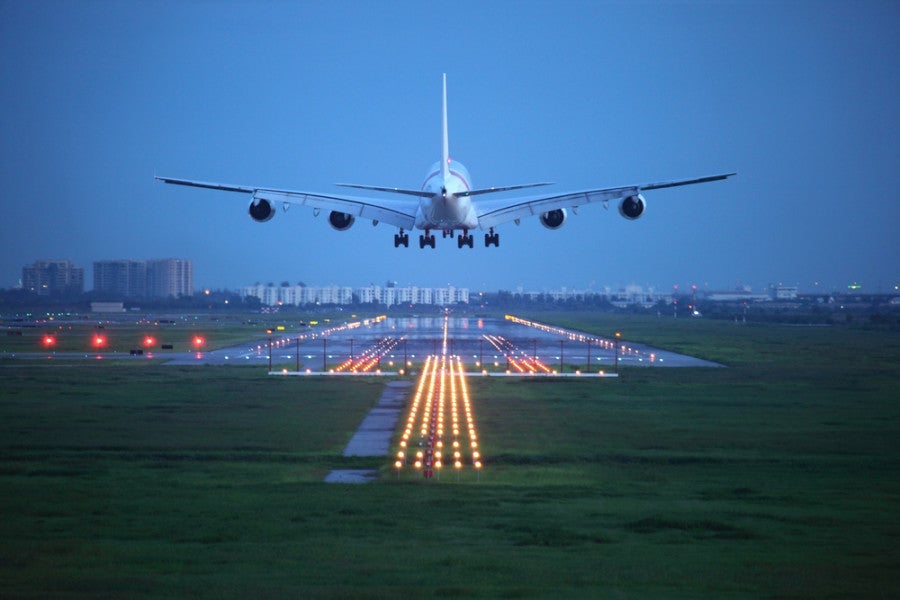
On an average flight, many tens or even hundreds of controllers play a role in getting your flight to its destination — and none of them use flags or paddles to do their jobs. The world of air traffic control is exciting, complex and full of talented professionals who work hard to make sure you get to where you're going both safely and efficiently. In future installments, I aim to provide some insight into how we do what we do — so please stay tuned!
TPG featured card
at American Express's secure site
Terms & restrictions apply. See rates & fees.
| 4X | Earn 4X Membership Rewards® points per dollar spent on purchases at restaurants worldwide, on up to $50,000 in purchases per calendar year, then 1X points for the rest of the year. |
| 4X | Earn 4X Membership Rewards® points per dollar spent at US supermarkets, on up to $25,000 in purchases per calendar year, then 1X points for the rest of the year. |
| 5X | Earn 5X Membership Rewards® points on prepaid hotel stays booked through AmexTravel.com or the Amex Travel App™. |
| 3X | Earn 3X Membership Rewards® points on flights booked through AmexTravel.com, the Amex Travel App™, or purchased directly from airlines. |
| 2X | Earn 2X Membership Rewards® points on prepaid car rentals booked through AmexTravel.com or the Amex Travel App™ and cruises booked and paid through AmexTravel.com. |
| 1X | Earn 1X Membership Rewards® point per dollar spent on all other eligible purchases. |
Pros
- Valuable dining and food-related credits
- Flexible rewards with airline and hotel transfer partners
- Multiple travel and purchase protections
- No foreign transaction fees
- Access to Amex Offers for additional savings (enrollment required)
Cons
- Not as useful for those living outside the U.S.
- Some may have trouble using Uber and other dining credits
- You may be eligible for as high as 100,000 Membership Rewards® Points after you spend $8,000 in eligible purchases on your new Card in your first 6 months of Card Membership. Welcome offers vary and you may not be eligible for an offer. Apply to know if you’re approved and find out your exact welcome offer amount – all with no credit score impact. If you’re approved and choose to accept the Card, your score may be impacted.
- Earn 4X Membership Rewards® points per dollar spent on purchases at restaurants worldwide, on up to $50,000 in purchases per calendar year, then 1X points for the rest of the year.
- Earn 4X Membership Rewards® points per dollar spent at US supermarkets, on up to $25,000 in purchases per calendar year, then 1X points for the rest of the year.
- Earn 5X Membership Rewards® points on prepaid hotel stays booked through AmexTravel.com or the Amex Travel App™.
- Earn 3X Membership Rewards® points on flights booked through AmexTravel.com, the Amex Travel App™, or purchased directly from airlines.
- Earn 2X Membership Rewards® points on prepaid car rentals booked through AmexTravel.com or the Amex Travel App™ and cruises booked and paid through AmexTravel.com.
- Earn 1X Membership Rewards® point per dollar spent on all other eligible purchases.
- Pay It® lets you tap in the American Express® App to quickly pay for small purchase amounts throughout the month and still earn rewards the way you usually do. Plan It® gives you the option to split up big purchases into equal monthly payments with a fixed fee. You’ll know upfront exactly how much you’ll pay.
- $120 Dining Credit: Earn up to a total of $10 in statement credits monthly when you pay with the Gold Card at Grubhub (including Seamless), Buffalo Wild Wings, Five Guys, The Cheesecake Factory, and Wonder. This can be an annual savings of up to $120. Enrollment required.
- $100 Resy Credit: Get up to $100 in statement credits each calendar year at over 10,000 qualifying U.S. Resy restaurants after you pay for eligible purchases with the American Express® Gold Card. That’s up to $50 in statement credits semi-annually. Enrollment required.
- $84 Dunkin' Credit: Earn up to $7 in monthly statement credits after you pay with the American Express® Gold Card at U.S. Dunkin’ locations. Enrollment required.
- $120 Uber Cash on Gold: Enjoy up to $120 in Uber Cash annually with your Gold Card. Just add your Card to your Uber account and you'll get $10 in Uber Cash each month to use on orders and rides in the U.S. when you select an Amex Card for your transaction.
- Enjoy complimentary Hertz Five Star® Status benefits like skipping the counter at select locations, adding an additional driver at no additional cost*, and vehicle upgrades**. Benefit enrollment and Hertz Gold+ registration are required. *Additional drivers must meet standard rental qualifications and must be a spouse or domestic partner to qualify as complimentary. Other additional drivers subject to fees. **Benefits are subject to availability and vary by location. Additional Hertz program Terms and Conditions including age restrictions apply.
- Book two nights or more with The Hotel Collection through AmexTravel.com or the Amex Travel App™ and receive a $100* credit towards eligible charges at over 1,400 upscale hotels worldwide. *Eligible charges vary by property.
- Book your travel through the Amex Travel App™ with added peace of mind – backed by American Express® service and support. Only for American Express® Card Members.
- Whenever you need us, we're here. Our Member Services team will ensure you are taken care of. From lost Card replacement to statement questions, we are available to help 24/7.
- No Foreign Transaction Fees.
- Annual Fee is $325.
- Terms Apply.