Dynamic currency conversion: What it is and why you should avoid it

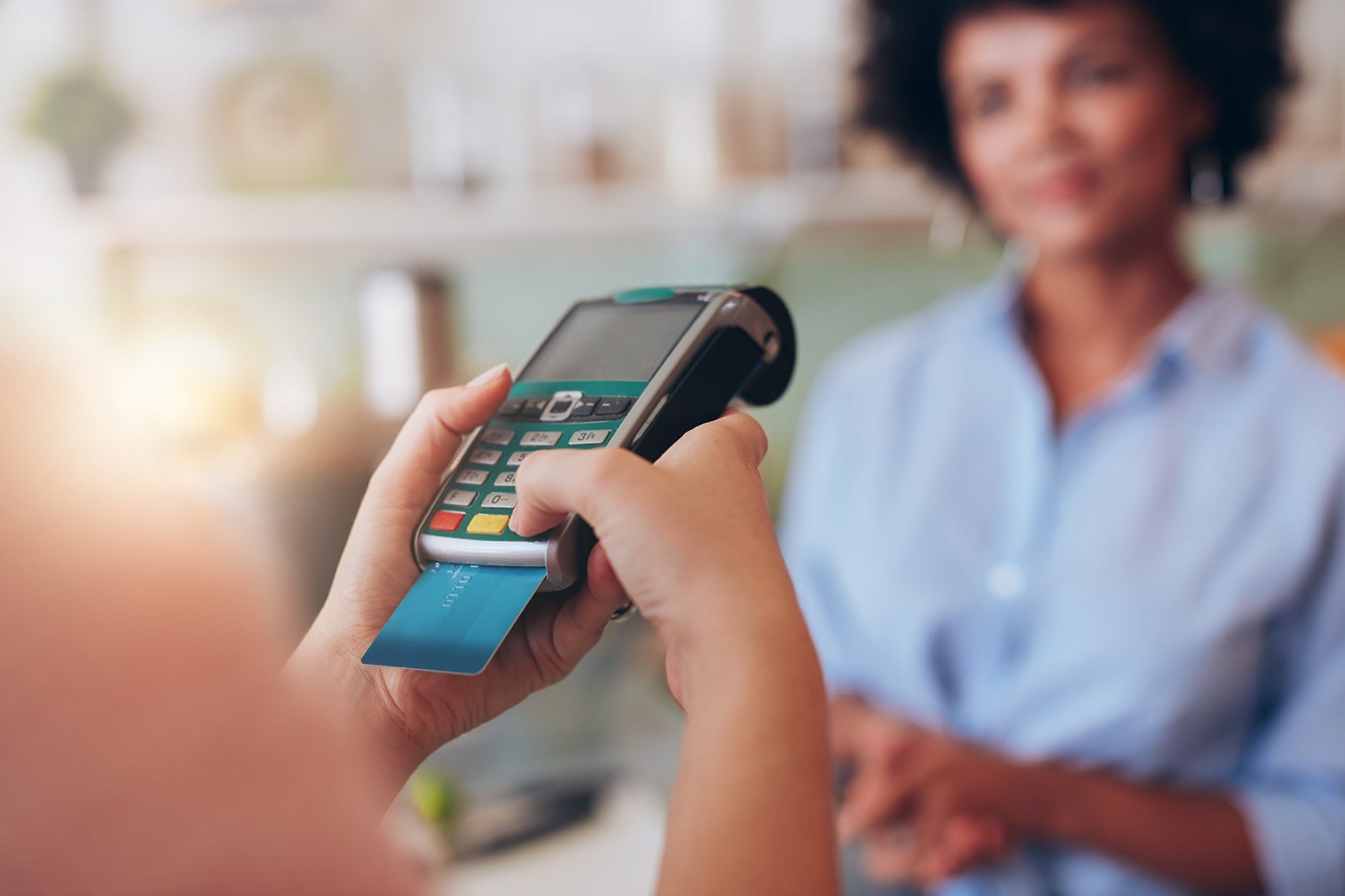
Editor's Note
You're visiting another country and making a purchase with your credit card. Then, the credit card terminal asks if you'd like to pay in U.S. dollars or in the local currency.
This might sound like a convenient way to avoid foreign transaction fees, but it's not. Here's why: The exchange rate offered here ranges from bad to awful, and you may still pay a foreign transaction fee (if your credit card has one) since some credit card issuers base these fees on where the transaction takes place — not the currency you chose for your transaction.
This option for paying in your home currency is called dynamic currency conversion, and it can lead to hefty fees plus overpaying for your purchases. Here's how to avoid dynamic currency conversion.
How dynamic currency conversion works
Dynamic currency conversion, aka DCC, is sometimes called "cardholder preferred currency" or CPC. Whichever name you use, the idea is the same: cardholders can pay in their home or local currency when using a credit or debit card while visiting another country.
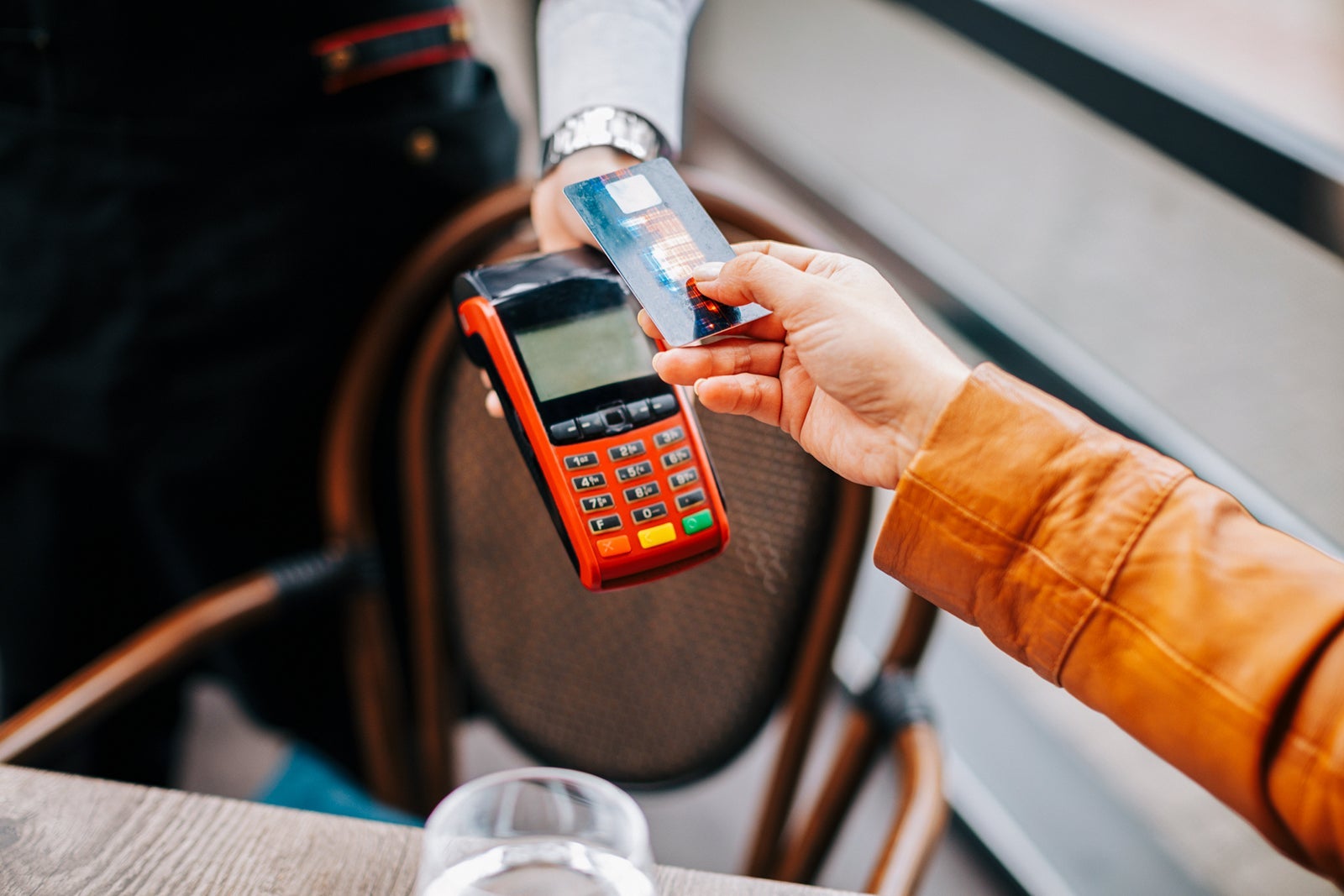
When you present your card to pay, the payment terminal may display two options: a price in the local currency and a different price in your home currency.
The price in your home currency has been converted automatically due to DCC. Unfortunately, these rates are not ideal. DCC pricing typically includes fees and profit margins for the merchant because it provides this currency exchange service.
Conversely, if you pay in the local currency, your bank will convert the charge at the most favorable conversion rates for you, billing you in your home currency — U.S. dollars, in this case. This is the one you should choose.

In short, it works similarly to currency exchange booths. You get the convenience of paying in your home currency, and they make a profit through not-perfect exchange rates. Think of DCC as an exchange fee.
DCC service providers are supposed to notify you that fees and markups are involved (such as this sample advice for merchants). Unfortunately, this isn't always the case.

DCC works the same with credit and debit card payments as it does when taking money out of an ATM. In most cases, you'll lose 3%-5% during the conversion. And, if your card has a foreign transaction fee or foreign ATM fee, you'll stand to lose another 3%-5% from that fee, as well.
Related: I fell for dynamic currency conversion — reader mistake story
How to avoid dynamic currency conversion
Avoiding DCC is simple enough: choose to pay in the local currency. While this can make you apprehensive, as you may feel unsure exactly how much you're paying, there are better solutions than overpaying for your items in the name of convenience.
When it's time to pay, you can use a currency conversion app on your phone to see the cost of your items in your home currency. In this way, you can clearly understand the price without accepting DCC.
Other ways to avoid fees
Dynamic currency conversion is just one of the myriad fees you can encounter when using your credit cards. It's important to avoid as many of them as possible.

Be sure to use a credit card without foreign transaction fees when traveling outside the U.S. You don't want to pay an extra 3% (typical fee) on top of the price for each purchase.
Similarly, use a checking account that doesn't assess fees for taking money out of a foreign ATM — or any ATM, for that matter.
Lastly, when you get home, pay off everything you purchased during your trip. Paying your credit card bills in full helps you avoid interest and is better for your credit score. Not doing so makes everything you bought on your trip more expensive.
Related: How to choose a no-foreign-transaction-fee credit card
Bottom line
Convenience is great. In many aspects of life, we're willing to pay extra for it: having your food delivered (instead of picking it up), faster delivery of items you ordered online, etc.
However, paying extra for items because you see the price in your home currency isn't worth it. Using an app to show you the price, then paying in the local currency, can lead to big savings. Don't fall for dynamic currency conversion, which is nothing but an unnecessary fee disguised as "convenience."
TPG featured card

at Capital One's secure site
Terms & restrictions apply. See rates & fees.
| 5X miles | Earn 5X miles on hotels, vacation rentals and rental cars booked through Capital One Travel |
| 2X miles | Earn unlimited 2X miles on every purchase, every day |
Pros
- Stellar welcome offer of 75,000 miles after spending $4,000 on purchases in the first three months from account opening. Plus, a $250 Capital One Travel credit to use in your first cardholder year upon account opening.
- You'll earn 2 miles per dollar on every purchase, which means you won't have to worry about memorizing bonus categories
- Rewards are versatile and can be redeemed for a statement credit or transferred to Capital One’s transfer partners
Cons
- Highest bonus-earning categories only on travel booked via Capital One Travel
- LIMITED-TIME OFFER: Enjoy $250 to use on Capital One Travel in your first cardholder year, plus earn 75,000 bonus miles once you spend $4,000 on purchases within the first 3 months from account opening - that’s equal to $1,000 in travel
- Earn unlimited 2X miles on every purchase, every day
- Earn 5X miles on hotels, vacation rentals and rental cars booked through Capital One Travel
- Miles won't expire for the life of the account and there's no limit to how many you can earn
- Receive up to a $120 credit for Global Entry or TSA PreCheck®
- Use your miles to get reimbursed for any travel purchase—or redeem by booking a trip through Capital One Travel
- Enjoy a $50 experience credit and other premium benefits with every hotel and vacation rental booked from the Lifestyle Collection
- Transfer your miles to your choice of 15+ travel loyalty programs
- Top rated mobile app