American Airlines' Operations Crisis And What It Means For You

On Tuesday, the Wall Street Journalran an article by Scott McCartney who writes "The Middle Seat" column with the first line: "If you're making travel plans for this fall, avoid American Airlines. American has become too unreliable." You don't need a decoder ring to get his point!
Pinpointing The Problem
So what brought on the strong words? As many of you no doubt have seen, read or heard about this week already, American has been having huge problems with its unions and flight delays that brought its on-time availability down to a miserable 48% in recent days, and an even further disheartening 39% of flights arriving on time on Monday with 29% of the total flights coming in excessively late.
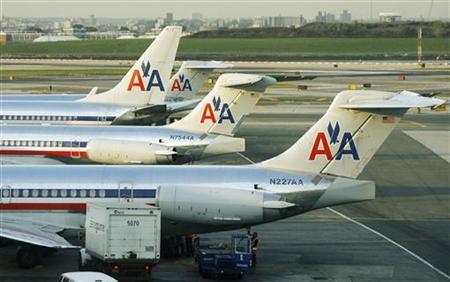
The article points out that many of American's competitors didn't seem to experience any similar issues, with United, Southwest and US Airways notching an 80% on-time record, and Delta and JetBlue with numbers around 90% according to FlightStats.
McCartney blames pilots and their union for the delays, claiming they have called in sick in large numbers, moved aircraft deliberately slowly and grounded flights for mechanical issues that wouldn't normally cause delays. However, the union is strongly denying the charges, and one AA spokesperson told NPR's Marketplace program that since the airline is under increased scrutiny in bankruptcy, pilots are being extra careful with operations and doing everything by the book so the airline comes off with as clean a record as possible. What's the point, though, when over half your flights are coming in late and you can't prove it's for verifiable safety issues?
McCartney goes on to say that American flyers are in for more of the same and that American has announced it will be cutting back its fall schedule to increase flexibility with pilot schedules. However, there are probably more labor skirmishes in the future.
Regardless of who wins, though – the airline or the workers – it's the passengers who get caught in the middle, often in messy, exhausting, expensive situations, and as McCartney points out, angry passengers can take a long time to give their business back to a company that has burned them.

The Response
American issued a response to the recent "operational challenges" that included the following statement: "As a result of a number of factors, including an increase in maintenance reports filed by pilots, as well as levels of sick leave usage that have been running higher than historical norms for some time, we are reducing the rest of our September and October schedule by approximately 1 to 2 percent. This will ensure customers are provided reliable service while minimizing any impact to their travel plans. We recognize these adjustments may affect our people and our customers, and are taking several proactive steps to minimize any inconvenience."
To wit, AA is proactively canceling flights to help avoid future travel disruptions, though I suspect passengers on those flights have found the changes plenty disruptive. They've also redoubled efforts to stay in communication with elite flyers, saying they will prioritize "Communicating with our most frequent customers to explain why we're experiencing schedule disruptions, and to reassure them of our eagerness to help if they are personally affected."
It's also taken other extraordinary steps like allowing passengers to standby for earlier flights at no additional charge, and the small but nice gesture of handing out snacks and refreshments to affected customers.
So what does all this mean? For me personally, I'm glad that I already requalified for Executive Platinum status for next year so I don't have to try flying in this mess, because as much as I love to bank miles and points, my priority when traveling is to get to my destination on time and I wouldn't want to take chances with all these cancellations and delays.
I understand the pilot union's frustrations, and they have given up a lot to help the airline throughout the bankruptcy proceedings so far, but as Scott McCartney pointed out, I just don't see how this tactic is going to fix anything. Rather, I only see it alienating even the airline's most loyal flyers as well as causing the airline, which has already hemorrhaged $6 billion in the last four years, to lose even more money.
I don't have any horror stories of my own since I haven't flown American lately, but if you've been affected by the recent operations issues, I'd love to hear your stories.
TPG featured card
at American Express's secure site
Terms & restrictions apply. See rates & fees.
| 4X | Earn 4X Membership Rewards® points per dollar spent on purchases at restaurants worldwide, on up to $50,000 in purchases per calendar year, then 1X points for the rest of the year. |
| 4X | Earn 4X Membership Rewards® points per dollar spent at US supermarkets, on up to $25,000 in purchases per calendar year, then 1X points for the rest of the year. |
| 5X | Earn 5X Membership Rewards® points on prepaid hotel stays booked through AmexTravel.com or the Amex Travel App™. |
| 3X | Earn 3X Membership Rewards® points on flights booked through AmexTravel.com, the Amex Travel App™, or purchased directly from airlines. |
| 2X | Earn 2X Membership Rewards® points on prepaid car rentals booked through AmexTravel.com or the Amex Travel App™ and cruises booked and paid through AmexTravel.com. |
| 1X | Earn 1X Membership Rewards® point per dollar spent on all other eligible purchases. |
Pros
- Valuable dining and food-related credits
- Flexible rewards with airline and hotel transfer partners
- Multiple travel and purchase protections
- No foreign transaction fees
- Access to Amex Offers for additional savings (enrollment required)
Cons
- Not as useful for those living outside the U.S.
- Some may have trouble using Uber and other dining credits
- You may be eligible for as high as 100,000 Membership Rewards® Points after you spend $8,000 in eligible purchases on your new Card in your first 6 months of Card Membership. Welcome offers vary and you may not be eligible for an offer. Apply to know if you’re approved and find out your exact welcome offer amount – all with no credit score impact. If you’re approved and choose to accept the Card, your score may be impacted.
- Earn 4X Membership Rewards® points per dollar spent on purchases at restaurants worldwide, on up to $50,000 in purchases per calendar year, then 1X points for the rest of the year.
- Earn 4X Membership Rewards® points per dollar spent at US supermarkets, on up to $25,000 in purchases per calendar year, then 1X points for the rest of the year.
- Earn 5X Membership Rewards® points on prepaid hotel stays booked through AmexTravel.com or the Amex Travel App™.
- Earn 3X Membership Rewards® points on flights booked through AmexTravel.com, the Amex Travel App™, or purchased directly from airlines.
- Earn 2X Membership Rewards® points on prepaid car rentals booked through AmexTravel.com or the Amex Travel App™ and cruises booked and paid through AmexTravel.com.
- Earn 1X Membership Rewards® point per dollar spent on all other eligible purchases.
- Pay It® lets you tap in the American Express® App to quickly pay for small purchase amounts throughout the month and still earn rewards the way you usually do. Plan It® gives you the option to split up big purchases into equal monthly payments with a fixed fee. You’ll know upfront exactly how much you’ll pay.
- $120 Dining Credit: Earn up to a total of $10 in statement credits monthly when you pay with the Gold Card at Grubhub (including Seamless), Buffalo Wild Wings, Five Guys, The Cheesecake Factory, and Wonder. This can be an annual savings of up to $120. Enrollment required.
- $100 Resy Credit: Get up to $100 in statement credits each calendar year at over 10,000 qualifying U.S. Resy restaurants after you pay for eligible purchases with the American Express® Gold Card. That’s up to $50 in statement credits semi-annually. Enrollment required.
- $84 Dunkin' Credit: Earn up to $7 in monthly statement credits after you pay with the American Express® Gold Card at U.S. Dunkin’ locations. Enrollment required.
- $120 Uber Cash on Gold: Enjoy up to $120 in Uber Cash annually with your Gold Card. Just add your Card to your Uber account and you'll get $10 in Uber Cash each month to use on orders and rides in the U.S. when you select an Amex Card for your transaction.
- Enjoy complimentary Hertz Five Star® Status benefits like skipping the counter at select locations, adding an additional driver at no additional cost*, and vehicle upgrades**. Benefit enrollment and Hertz Gold+ registration are required. *Additional drivers must meet standard rental qualifications and must be a spouse or domestic partner to qualify as complimentary. Other additional drivers subject to fees. **Benefits are subject to availability and vary by location. Additional Hertz program Terms and Conditions including age restrictions apply.
- Book two nights or more with The Hotel Collection through AmexTravel.com or the Amex Travel App™ and receive a $100* credit towards eligible charges at over 1,400 upscale hotels worldwide. *Eligible charges vary by property.
- Book your travel through the Amex Travel App™ with added peace of mind – backed by American Express® service and support. Only for American Express® Card Members.
- Whenever you need us, we're here. Our Member Services team will ensure you are taken care of. From lost Card replacement to statement questions, we are available to help 24/7.
- No Foreign Transaction Fees.
- Annual Fee is $325.
- Terms Apply.