Pilot shortages, small city cuts and 5G: Meet the woman trying to fix the regional airline industry’s woes


The regional airline industry has seen better days.
Small towns across America that are served by regional airlines are all seeing service cut completely or frequencies reduced. Facing a pilot shortage, many parts of the industry are contracting. For instance, GoJet, which operates as United Express, will see a 28.3% year-over-year capacity cut this May, according to Cirium. Horizon Air, which operates regional flights for Alaska Airlines, its owner, will see a 30.7% capacity cut compared to May 2021.
Despite a demand-driven increase in air travel as the U.S. emerges from the COVID-19 pandemic, some regional airlines are actually flying less than they did a year ago.
It's a bleak picture for small communities that rely on air service from regional carriers — and it will only get worse, said Faye Malarkey Black, the Regional Airline Association's CEO. The RAA is the regional airline industry's voice in Washington, D.C., advocating before Congress and the federal government on behalf of its 17 member airlines in the U.S. and Canada. Black joined the group in 1998 and has led it since 2015.
"Unfortunately, I think more loss is inevitable," she said in an interview with TPG. "I think no matter what we do right now, more communities are going to lose air service. The time to fix the pilot shortage was four or five years ago. At this point, we are trying to correct a problem."
To underscore her point, Black said that most of the nation's airports are served exclusively by regional airlines and that no one should expect mainline carriers to come in if regionals leave.
"Major airlines only serve directly 34% of the nation's commercially served airports," she said. "Everywhere else relies on a regional."
If regionals stop servicing an airport, it can significantly impact the number of flights available to travelers who frequent that airport.
Ultimately, the decision to pull out of an airport all comes down to the supply of pilots.

Pilot shortage
Regional airlines have long been an entry point into the airline industry for pilots, who then progress to the major airlines when there's demand there for more pilots. But early retirements at the major airlines during the early stages of the COVID-19 pandemic coupled with an estimated 13% of pilots who will hit the mandatory retirement of age 65 within the next five years has put this cycle "on steroids," Black said.
Related: How a pilot shortage could leave travelers with higher fares and fewer options
"So you have pressure at both ends where the recruitment is taking place from the pilot ranks of the regional airlines, and the number of pilots coming into the pilot pipeline are thinner than ever," she said.
At United Airlines and the other major carriers, new hire classes are taking place weekly. One recent United class saw as many as 72 prospective first officers, the airline's system chief pilot captain Mary Ann Schaffer told TPG last month. A sizable number of students in each class come from regional airlines, creating vacancies that are difficult to fill.
However, there may be at least one way to fix the problem.
Regional airlines can increase access to flight training through sponsorships like the ones offered in other Western countries, said Geoff Murray, a partner at Oliver Wyman and a former airline pilot who authored a much-cited study about the pilot shortage.
"Virtually every single western airline identifies their candidates out of high school ... or the equivalent to be sponsored into pilot training," Murray told TPG in an interview. "So, I think one of the first things we'll see happen is a level of sponsorship, and that sponsorship could be in the form of flat-out underwriting your training because you're going to come work in my airline. It could be in the form of income share agreements."
Murray considers United's Aviate Academy, a flight school that formally opened last month, to be a form of sponsorship that he sees as much more common in other Western countries that could work well in the U.S.
Even if other airlines open similar flight schools, though, there are additional issues to address.
Simulator logjam
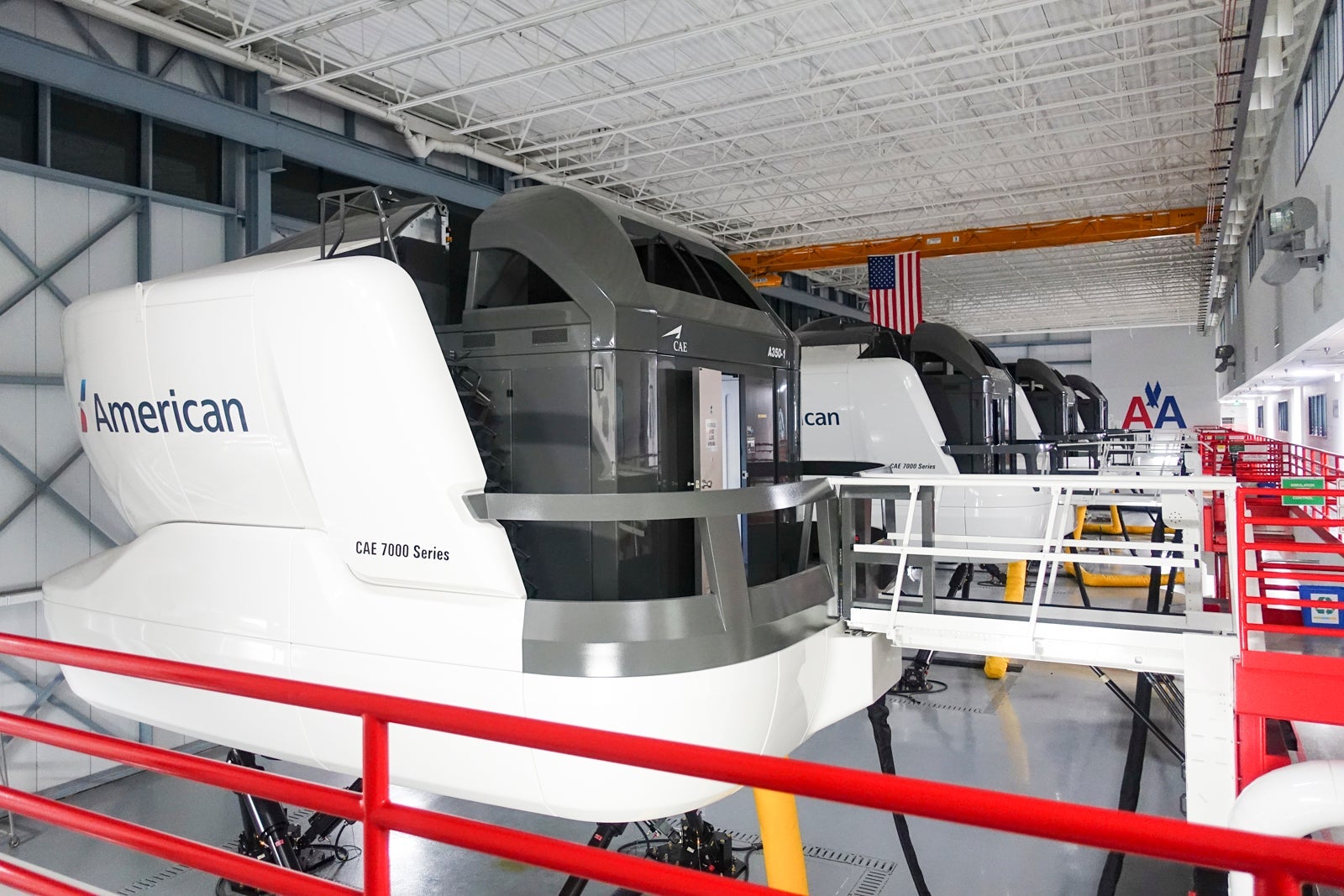
With a crush of new pilots joining regionals, as well as pilots departing regionals for mainline carriers, there's also a rise in demand for flight simulator time, which few regional airlines are equipped to handle due to a limited supply of flight simulators. At some regional airlines, it is taking new hires as long as six months to get from their initial classes to the simulators thanks, in part, to the lack of simulators owned by regional airlines.
It's a "perfect storm" for simulators, Murray said.
"So, I've got new hire training, No. 1, I got to get guys into the right seat," he said, referring to the side of the flight deck that first officers sit on. "And then the guys in the right seat when they get their thousand hours, they need to go over the left."
Black said that the increased number of training events also leads to increased demand for line check airmen — or pilots who help certify other pilots when they first learn a new aircraft or upgrade to the captain's seat. These are pilots who would otherwise be operating regular flights, so it further strains the supply of pilots, at least in the short term.
"You're going to take a pilot out of duty to become a line check airman," she said.
To minimize the impact to daily operations that comes from having pilots serving as line check airmen, regional airlines may need to take drastic steps to increase the number of pilots available to regional airlines.
Whispers of consolidation?
In 10 years, the regional airline industry has gone through a remarkable amount of consolidation. In February 2012, there were 23 regional airlines operating for American Airlines, Alaska Airlines, Continental Airlines, Delta Air Lines, United and US Airways. By February 2022, the number of mainline carriers had shrunk thanks to a series of mergers – but the number of regionals serving these now-larger mainline companies has been cut in half. Coupled with a pilot shortage, it's straining the regionals' abilities to serve small communities.
Recently, there have been rumblings in the industry that further consolidation is necessary and possibly imminent in an effort to shore up certain regionals as a result of the pilot shortage. In an earlier interview with TPG, United CEO Scott Kirby did not rule it out.
"Possibly," he said, when asked if there was room for consolidation among United Express carriers, of which there are six, including three that fly exclusively for United. Kirby said in December that the airline has had to park 100 regional jets due to the pilot shortage.
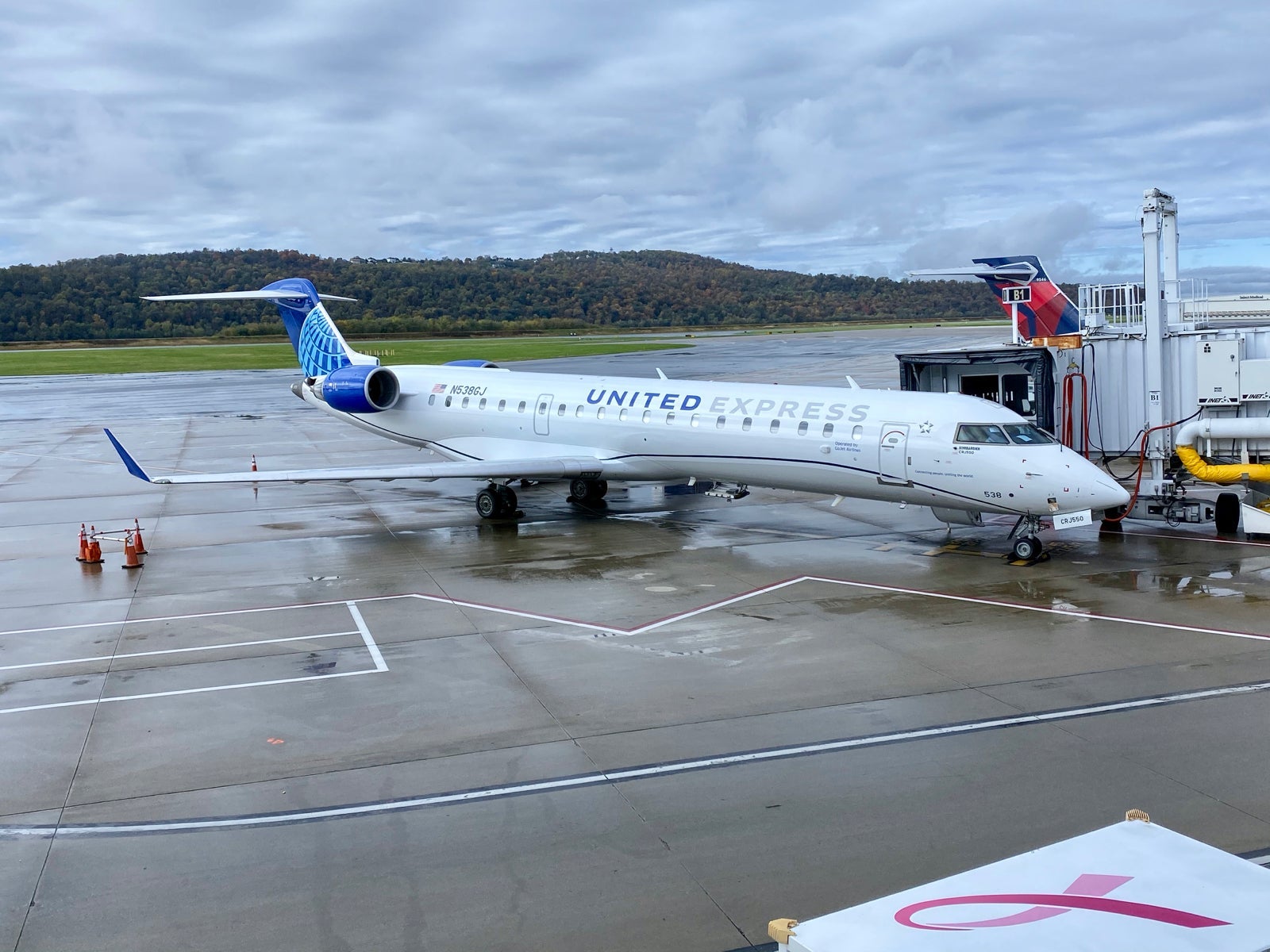
Regional airlines — especially the ones that are not owned by mainline carriers — generally operate on behalf of those carriers using what's known as a capacity purchase agreement. In a capacity purchase agreement, a mainline carrier purchases a fixed amount of flying it feels it needs from a regional airline each month. Additional fees are then paid to the regional airline when a flight actually operates. Therefore, mainline carrier CEOs like Kirby hold a significant amount of power over the size and shape of the regional industry.
Despite her industry largely being at the mercy of the mainline carriers and their leadership, Black said that she doesn't see any consolidation in the near future.
"I'm not aware of anything that's, that's kind of out there and I just don't see that trend of consolidation right now," she said.
So for now, it seems, training more pilots will remain the focus of addressing the pilot shortage. Quickly resolving unexpected disruptions to regional airlines, like the one that took place during the recent rollout of 5G C-band service, is vital to maintaining service to smaller communities, too.
5G frustrations
During her interview with TPG, Black was perhaps most frustrated about the 5G situation, which she repeatedly called an "outrage." The process that certifies certain aircraft to operate in low visibility at certain airports, known as an alternative method of compliance (or AMOC), has left the regional airline industry behind, Black said.
"We've spent our career striving to make sure that we can bring the same level of reliable air service to everywhere in the country, and what we're left with is a scenario where AMOCs are achievable for larger aircraft and not achievable for almost half of the regional airline fleet is an acknowledgment that the people in smaller communities don't matter as much," she said. "That is the acknowledgment. And we are pushing back hard on that because our passengers do matter and they have just the same right."
Related: What you need to know about 5G interfering with aircraft
Regional airlines have been impacted the most since the service was activated on Jan. 19. At one point, an entire day of regional flights were canceled at Paine Field (PAE), north of Seattle, due to low visibility. There are no AMOCs currently available for the Embraer Regional Jet 135/140/145 fleet, which makes up a portion of United and American's regional fleet.
Black feels that the wireless industry needs to look to mitigations, like tilting antennas downward — a solution that has helped mitigate 5G-related concerns in other countries, particularly France.
"The Embraer product doesn't just operate in the United States," she said. "It takes off and lands in France, too. And the mitigations there work for all of the aircraft. They're not designed to just accommodate the large aircraft."
Bottom line
Black is leading a regional airline industry facing significant challenges. From a pilot shortage that is causing regional carriers to shrink in size and end service to small cities to delays at flight simulators to a chaotic 5G rollout, the regional airline industry is looking to her leadership to help bring growth again. But with major airline CEOs holding outsize influence over the industry, it might just ultimately be up to them.
TPG featured card

at American Express's secure site
Terms & restrictions apply. See rates & fees.
| 4X | Earn 4X Membership Rewards® points per dollar spent on purchases at restaurants worldwide, on up to $50,000 in purchases per calendar year, then 1X points for the rest of the year. |
| 4X | Earn 4X Membership Rewards® points per dollar spent at US supermarkets, on up to $25,000 in purchases per calendar year, then 1X points for the rest of the year. |
| 5X | New! Earn 5X Membership Rewards® points on prepaid hotel stays booked through AmexTravel.com or the Amex Travel App. |
| 3X | Earn 3X Membership Rewards® points on flights booked through AmexTravel.com, the Amex Travel App, or purchased directly from airlines. |
| 2X | Earn 2X Membership Rewards® points on prepaid car rentals booked through AmexTravel.com or the Amex Travel App and cruises booked and paid through AmexTravel.com. |
| 1X | Earn 1X Membership Rewards® point per dollar spent on all other eligible purchases. |
Pros
- Valuable dining and food-related credits
- Flexible rewards with airline and hotel transfer partners
- Multiple travel and purchase protections
- No foreign transaction fees
- Access to Amex Offers for additional savings (enrollment required)
Cons
- Not as useful for those living outside the U.S.
- Some may have trouble using Uber and other dining credits
- You may be eligible for as high as 100,000 Membership Rewards® Points after you spend $8,000 in eligible purchases on your new Card in your first 6 months of Card Membership. Welcome offers vary and you may not be eligible for an offer. Apply to know if you’re approved and find out your exact welcome offer amount – all with no credit score impact. If you’re approved and choose to accept the Card, your score may be impacted.
- Earn 4X Membership Rewards® points per dollar spent on purchases at restaurants worldwide, on up to $50,000 in purchases per calendar year, then 1X points for the rest of the year.
- Earn 4X Membership Rewards® points per dollar spent at US supermarkets, on up to $25,000 in purchases per calendar year, then 1X points for the rest of the year.
- New! Earn 5X Membership Rewards® points on prepaid hotel stays booked through AmexTravel.com or the Amex Travel App.
- Earn 3X Membership Rewards® points on flights booked through AmexTravel.com, the Amex Travel App, or purchased directly from airlines.
- Earn 2X Membership Rewards® points on prepaid car rentals booked through AmexTravel.com or the Amex Travel App and cruises booked and paid through AmexTravel.com.
- Earn 1X Membership Rewards® point per dollar spent on all other eligible purchases.
- Pay It® lets you tap in the American Express® App to quickly pay for small purchase amounts throughout the month and still earn rewards the way you usually do. Plan It® gives you the option to split up big purchases into equal monthly payments with a fixed fee. You’ll know upfront exactly how much you’ll pay.
- Updated! $120 Dining Credit: Earn up to a total of $10 in statement credits monthly when you pay with the Gold Card at Grubhub (including Seamless), Buffalo Wild Wings, Five Guys, The Cheesecake Factory, and Wonder. This can be an annual savings of up to $120. Enrollment required.
- $100 Resy Credit: Get up to $100 in statement credits each calendar year at over 10,000 qualifying U.S. Resy restaurants after you pay for eligible purchases with the American Express® Gold Card. That’s up to $50 in statement credits semi-annually. Enrollment required.
- $84 Dunkin' Credit: Earn up to $7 in monthly statement credits after you pay with the American Express® Gold Card at U.S. Dunkin’ locations. Enrollment required.
- $120 Uber Cash on Gold: Enjoy up to $120 in Uber Cash annually with your Gold Card. Just add your Card to your Uber account and you'll get $10 in Uber Cash each month to use on orders and rides in the U.S. when you select an Amex Card for your transaction.
- New! As an American Express® Gold Card Member, you can enjoy complimentary Hertz Five Star® Status. Enjoy benefits like skipping the counter at select locations, adding an additional driver at no additional cost*, and vehicle upgrades**. Benefit enrollment and Hertz Gold+ registration are required. *Additional drivers must meet standard rental qualifications and must be a spouse or domestic partner to qualify as complimentary. Other additional drivers subject to fees. **Benefits are subject to availability and vary by location. Additional Hertz program Terms and Conditions including age restrictions apply.
- Take advantage of a $100 credit towards eligible charges* at over 1,300 upscale hotels worldwide when you book The Hotel Collection through AmexTravel.com or the Amex Travel App **. *Eligible charges vary by property. **The Hotel Collection requires a two-night minimum stay.
- Book your travel through the Amex Travel App with added peace of mind – backed by American Express® service and support. Only for American Express® Card Members.
- Whenever you need us, we're here. Our Member Services team will ensure you are taken care of. From lost Card replacement to statement questions, we are available to help 24/7.
- No Foreign Transaction Fees.
- Annual Fee is $325.
- Terms Apply.