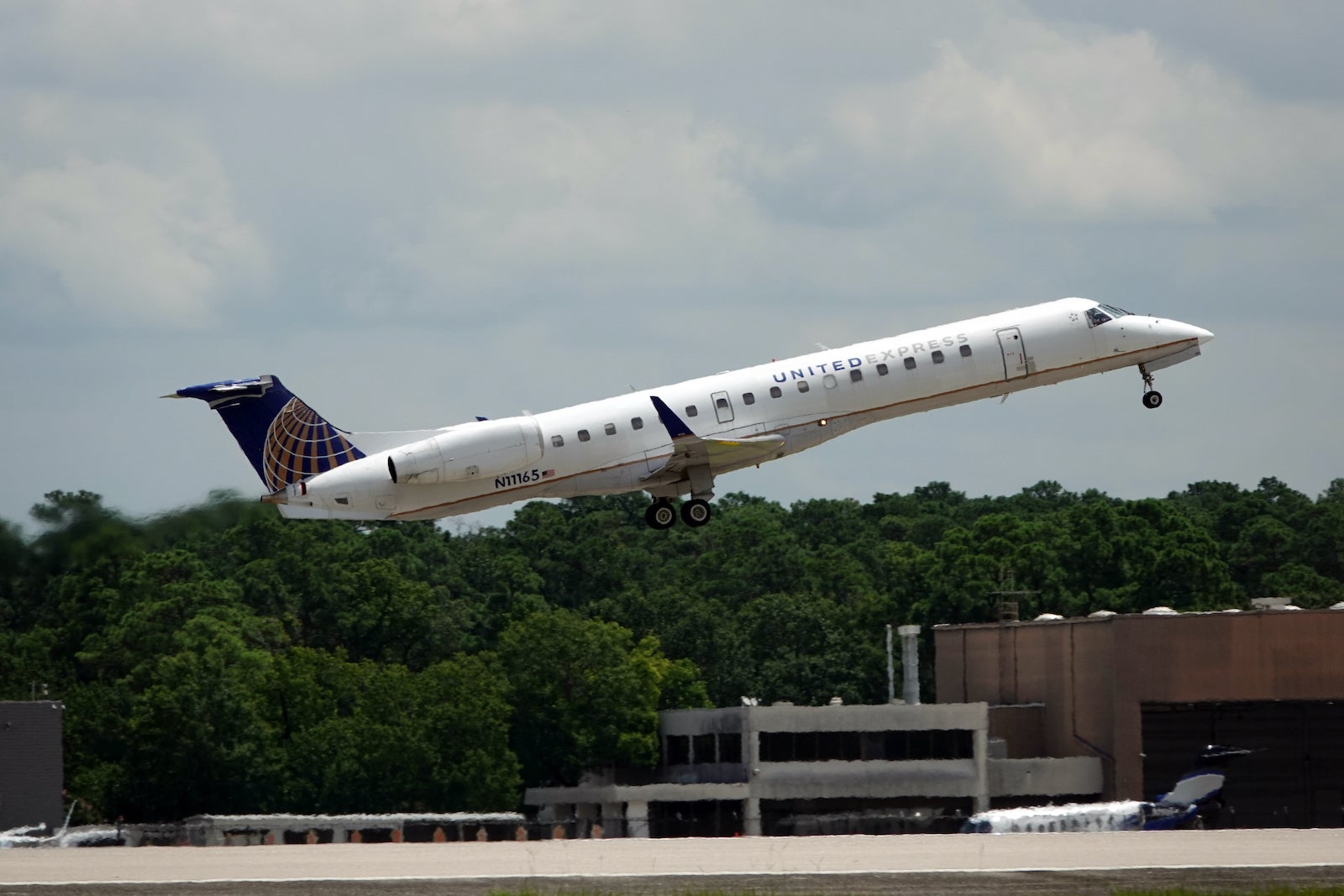

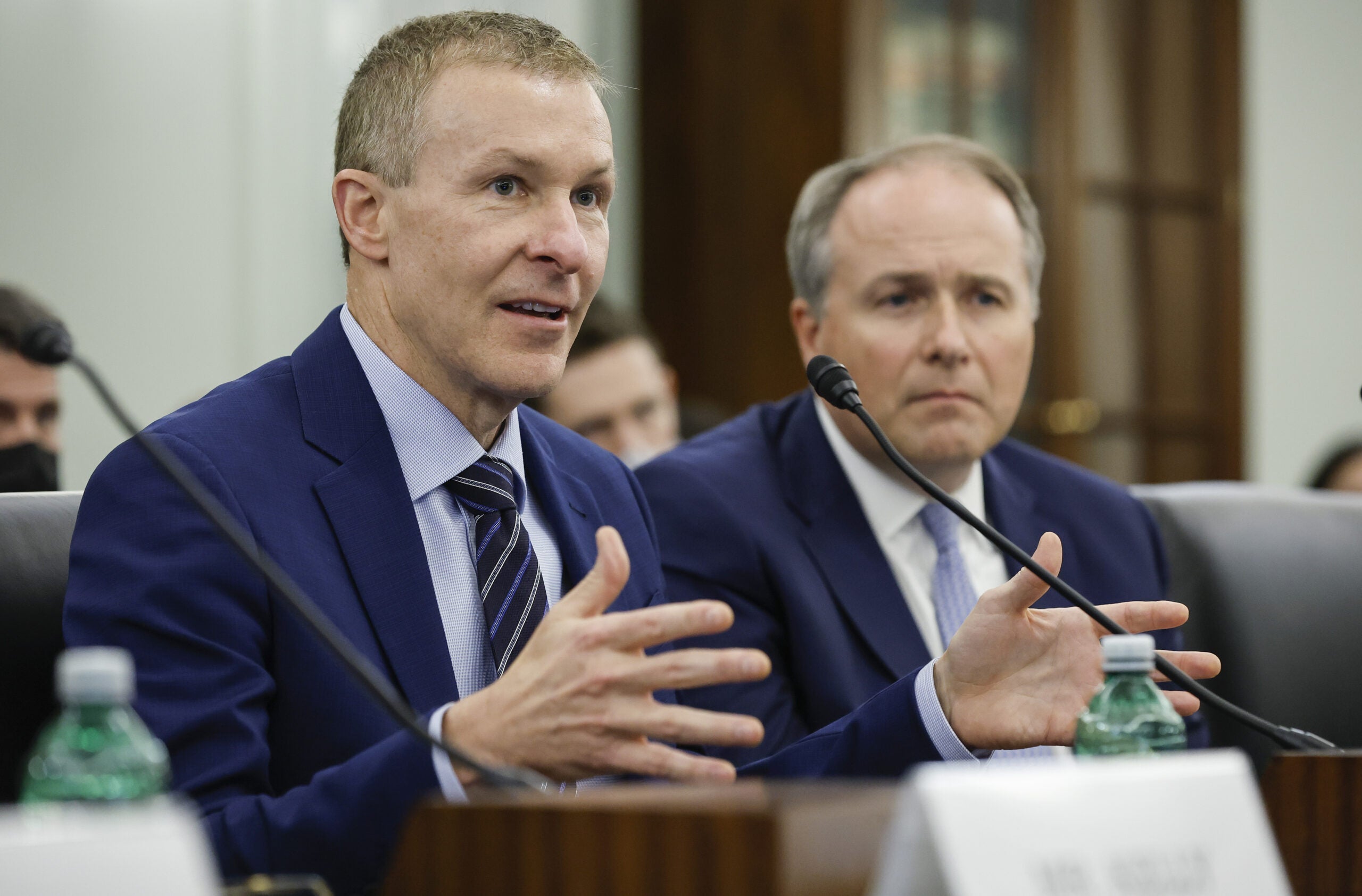
“There has been a looming pilot shortage for the last decade in the United States, and going through COVID it became an actual pilot shortage," Kirby said in response to a question from Sen. John Thune (R-S.D.). "So all of us, particularly our regional partners, simply don’t have enough airplanes to fly. We have almost 100 airplanes effectively grounded right now — regional aircraft — because there’s not enough pilots to fly them, which means we can’t at the moment fly to all the small communities that we would like to. It’s really about not having enough pilots."
Wednesday's comments were the first time Kirby has publicly mentioned that United's regional partners have had to park that many aircraft. At a Skift Forum last month, Kirby warned of staffing-related impacts to 50-seat regional aircraft operations.
“We don’t have enough pilots to fly all the airplanes,” he said. “So the 50-seaters are at the bottom of that pile, and markets that rely on 50-seaters are the ones that are going to lose service.”
United decided to end regional service to 11 total cities earlier this fall. Twin Falls, Idaho (TWF), has already lost its service, with the other cuts taking effect in the coming weeks.
United Express carriers operate three types of 50-seat aircraft: the Canadair Regional Jet 200 and 550, and the Embraer 145.
More: United Airlines is dropping 8 more US cities from its route map
Responding to a question from Sen. Jerry Moran (R-Kan.), Kirby proposed redirecting Essential Air Service funding to pilot training as a longer-term strategy to help shore up the supply of pilots. Flight training is expensive, often costing prospective pilots upwards of $100,000 before they're ready for the airlines.
“As much as we like getting EAS money when we fly to markets, I’d much rather take those funds and put them into the infrastructure to create training for pilots, and to build a robust pipeline that makes it easy for people with an aptitude and a desire to be a commercial airline pilot to get the training, to get the skills that they need," he said.
EAS is a federal government-provided subsidy to airlines designed to maintain air service to certain small communities where unsubsidized service would be economically unsustainable. In fiscal year 2019, the budget for EAS was $325 million, according to the U.S. Department of Transportation, which administers the program.