Explore 12 of America’s less discovered wine regions

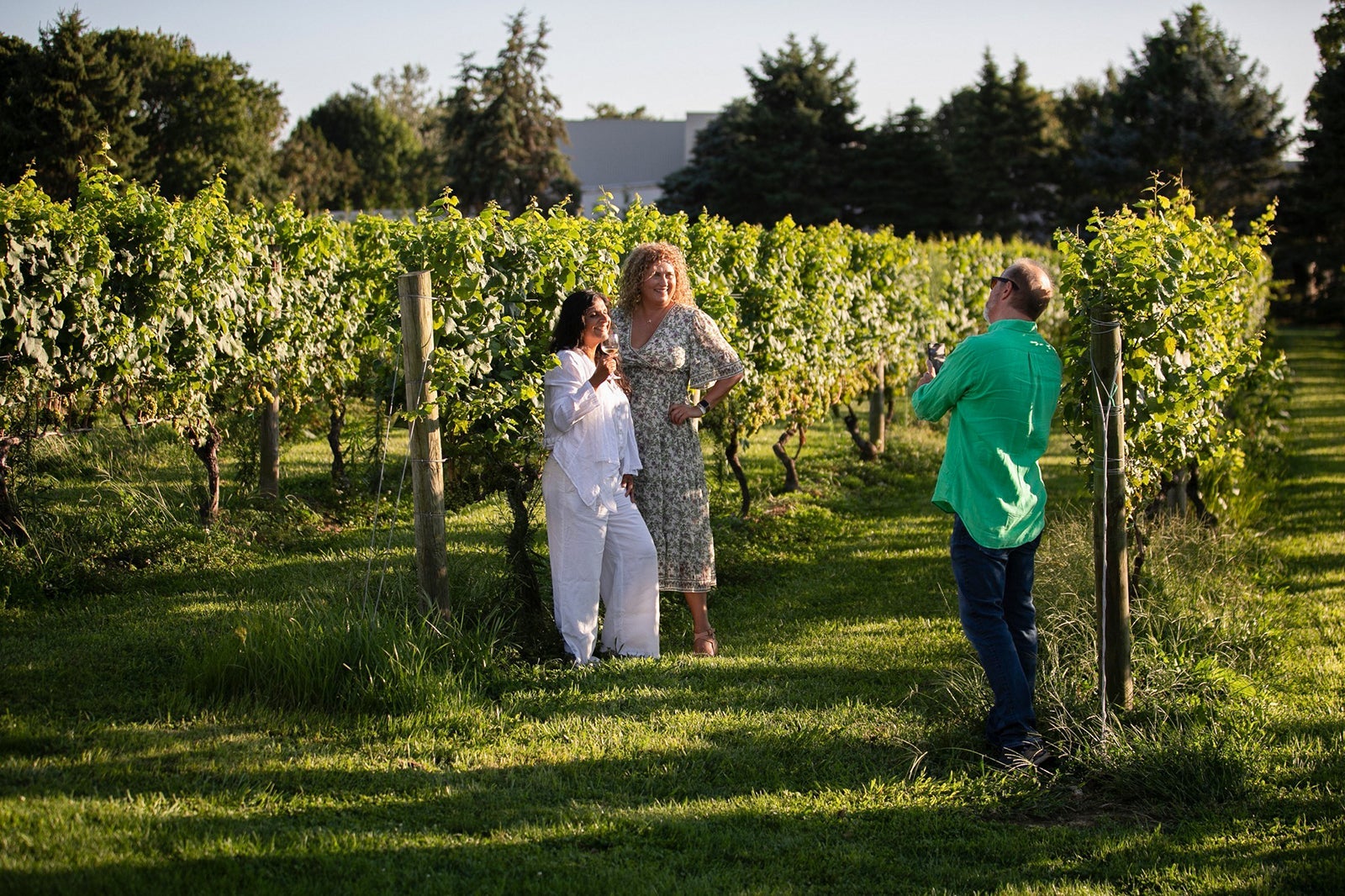
It wasn't so long ago that America's most famous winemaking regions, the Napa and Sonoma valleys, attracted only a tiny and somewhat eccentric cohort of tourists. Then came the legendary Judgment of Paris competition in 1976, when two Napa wineries bested some of France's most prominent vintners in a blind tasting, helping to legitimize Northern California as a world-class wine destination.
Napa and Sonoma now teem with prestigious wineries and tasting rooms — some of them charging steep fees and requiring reservations weeks in advance — along with sophisticated farm-to-table restaurants, posh spa hotels and the other trappings of luxury tourism. Other predominantly West Coast AVAs (American Viticultural Areas) have also become internationally famous for wine-focused tourism, among them Oregon's Willamette Valley, Washington's Walla Walla and Yakima valleys and several other areas in California, such as Mendocino, San Luis Obispo and — thanks in part to the success of the pinot noir-proselytizing hit movie "Sideways" (2004) — Santa Barbara.
These days you can visit wineries in all 50 states, and although the above-mentioned regions tend to receive the most attention as well as acclaim from critics at respected publications like Wine Spectator and Wine Enthusiast, seriously impressive winemaking destinations now flourish in New York, Michigan, Texas and many other parts of the country where you might never have expected them to just a couple of decades ago.
Explore these 12 noteworthy yet still relatively under-the-radar wine regions from across the United States, all of them offering the opportunity not only to taste outstanding wine but also to view gorgeous natural scenery and experience alluring places to eat and stay.
California's Gold Country
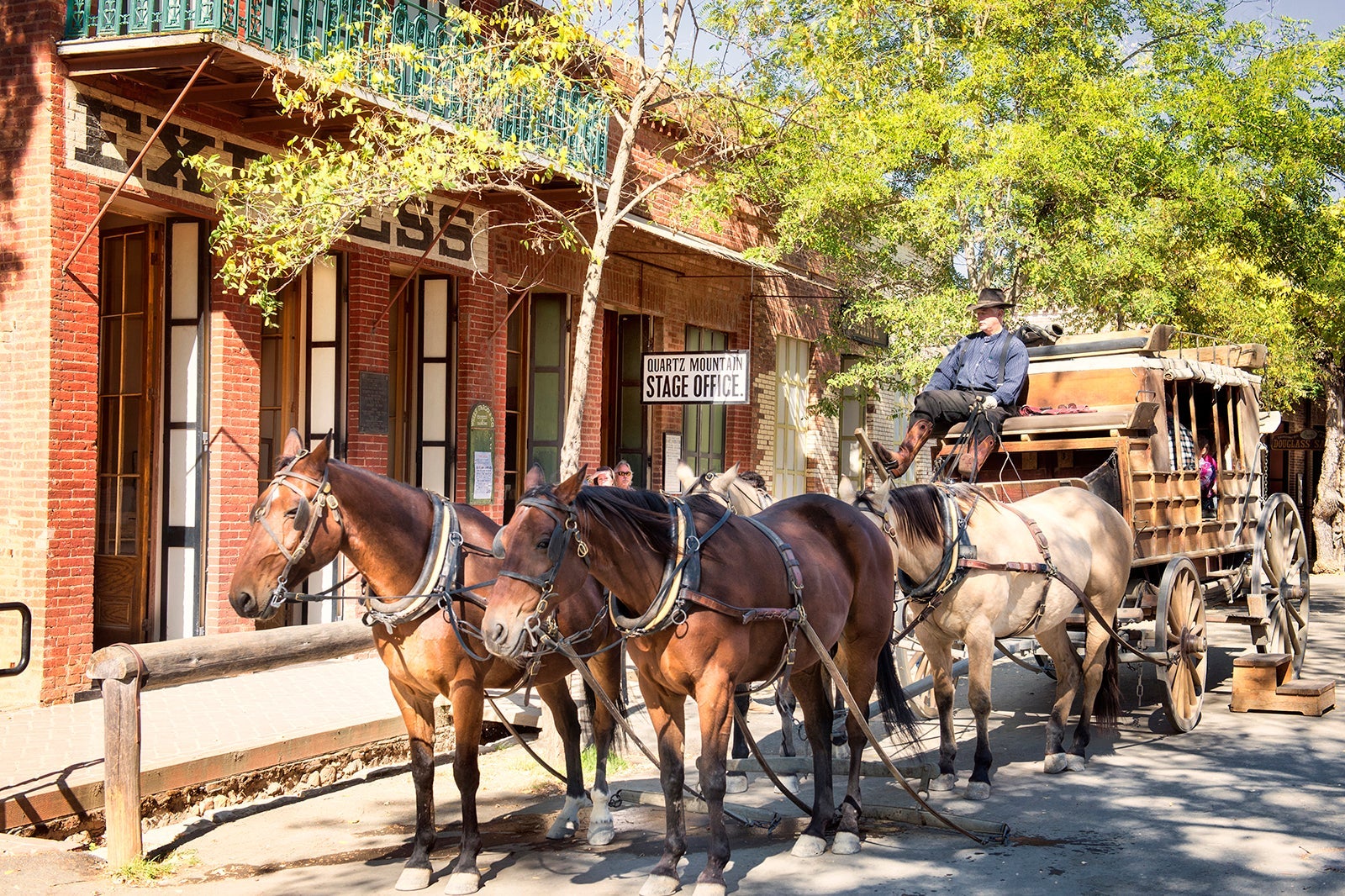
Comprising a nine-county swatch of spirited mountain towns that hopeful prospectors and adventurers descended upon following the fabled 1849 gold rush, California's Gold Country offers some of the most alluring alpine scenery in the state, and by far the most celebrated wineries in the Eastern Sierras. Specifically, the liquid gold that draws visitors these days is zinfandel, an inky, densely concentrated wine whose ancient gnarled vines cover acres of the region's sunny slopes, especially in Amador and El Dorado counties. In nearby Calaveras County, in addition to zinfandel, Italian and Spanish varietals like nebbiolo, tempranillo and barbera enjoy great success here as well.
Around the quaint towns of Sutter Creek and Plymouth, stellar makers of zinfandel include Cooper Vineyards, Turley (which also has a popular tasting room in Paso Robles) and Sobon Estate Wine Company — don't miss out on their exceptional petite sirah. In and around the Sierra Nevada foothills town of Murphys, be sure to check out Twisted Oak Winery, known for its full-bodied Rioja-style blend, The Spaniard, and Ironstone Vineyards, a glorious spot surrounded by colorful gardens and presenting an array of events, from movies on the lawn to live music concerts.
Related: From California to British Columbia: Best places for an idyllic West Coast getaway
The Columbia Gorge, Oregon and Washington
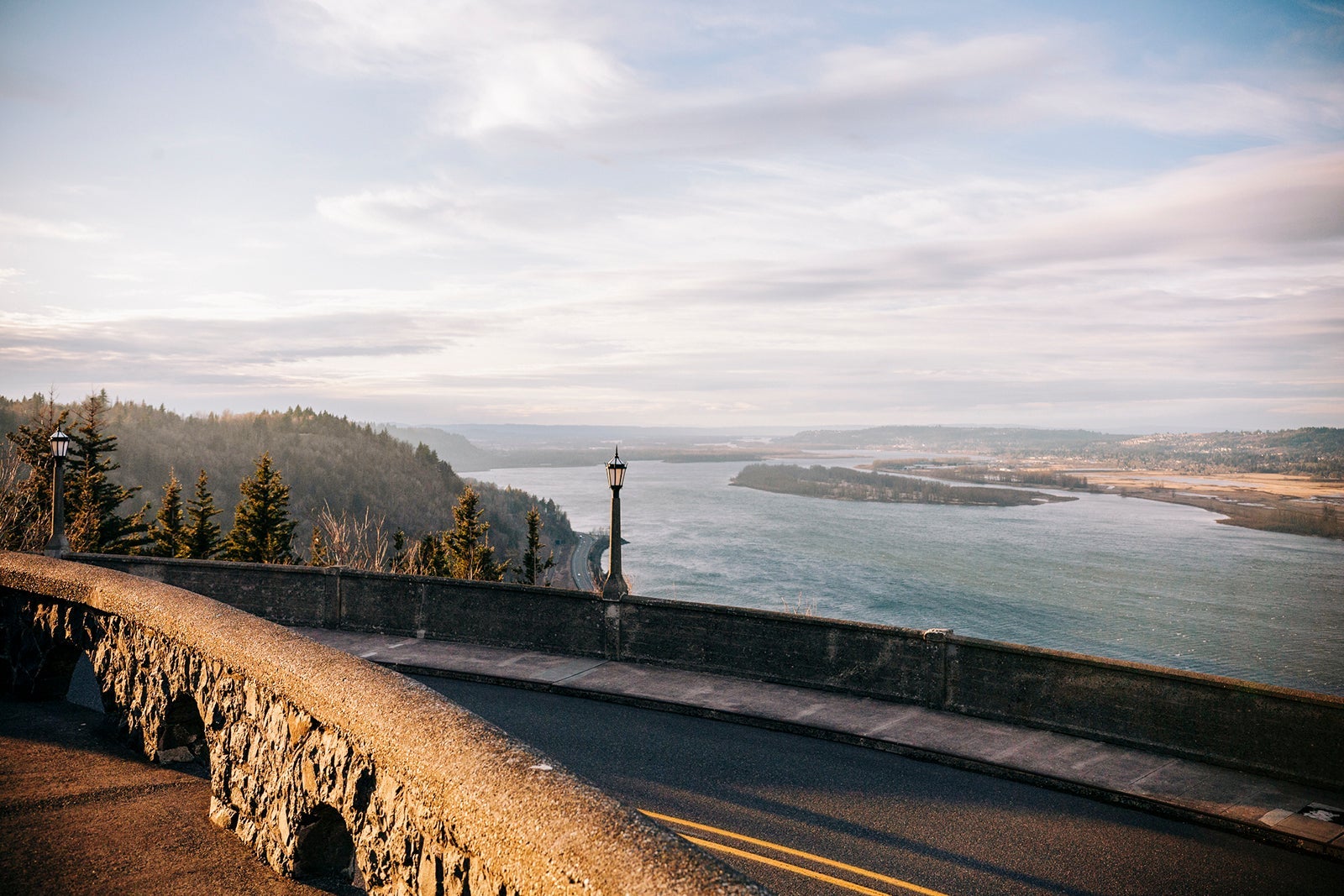
On the drive from Portland through The Columbia Gorge, a spectacular 80-mile corridor flanked by sheer 4,500-foot cliffs and ridges, you'll notice a distinctly drier climate upon reaching the eastern end, around the genial towns of Hood River on the Oregon side and cute but tiny Underwood on the Washington side. It's here that one of the Pacific Northwest's most captivating, yet still somewhat undiscovered, wine regions begins. The Columbia Gorge AVA is notable for its sheer variety: Cooler-climate grapes like pinot noir, gewurztraminer and gruner veltliner thrive on the hilly vineyards that receive more rain, but farther east, around the villages of Lyle, Mosier and Wishram, bolder sun-loving malbec, sangiovese and even zinfandel earn plenty of acclaim.
You'll find around 50 wineries in this two-state region that's also famous for juicy stone fruit, such as pears, apples, cherries and peaches. Savage Grace and Syncline produce complex wines with nearly fanatical followings on the Washington side, and Maryhill stands out for its breathtaking clifftop setting and expansive indoor and outdoor tasting areas. In Oregon, be sure to drive the 35-mile Fruit Loop, where superb wineries like Marchesi Vineyards (known for its Italian varietals) and Stave & Stone lie in the shadows of the snowcapped 11,249-foot-tall peak of Mount Hood.

Colorado's Western Slope
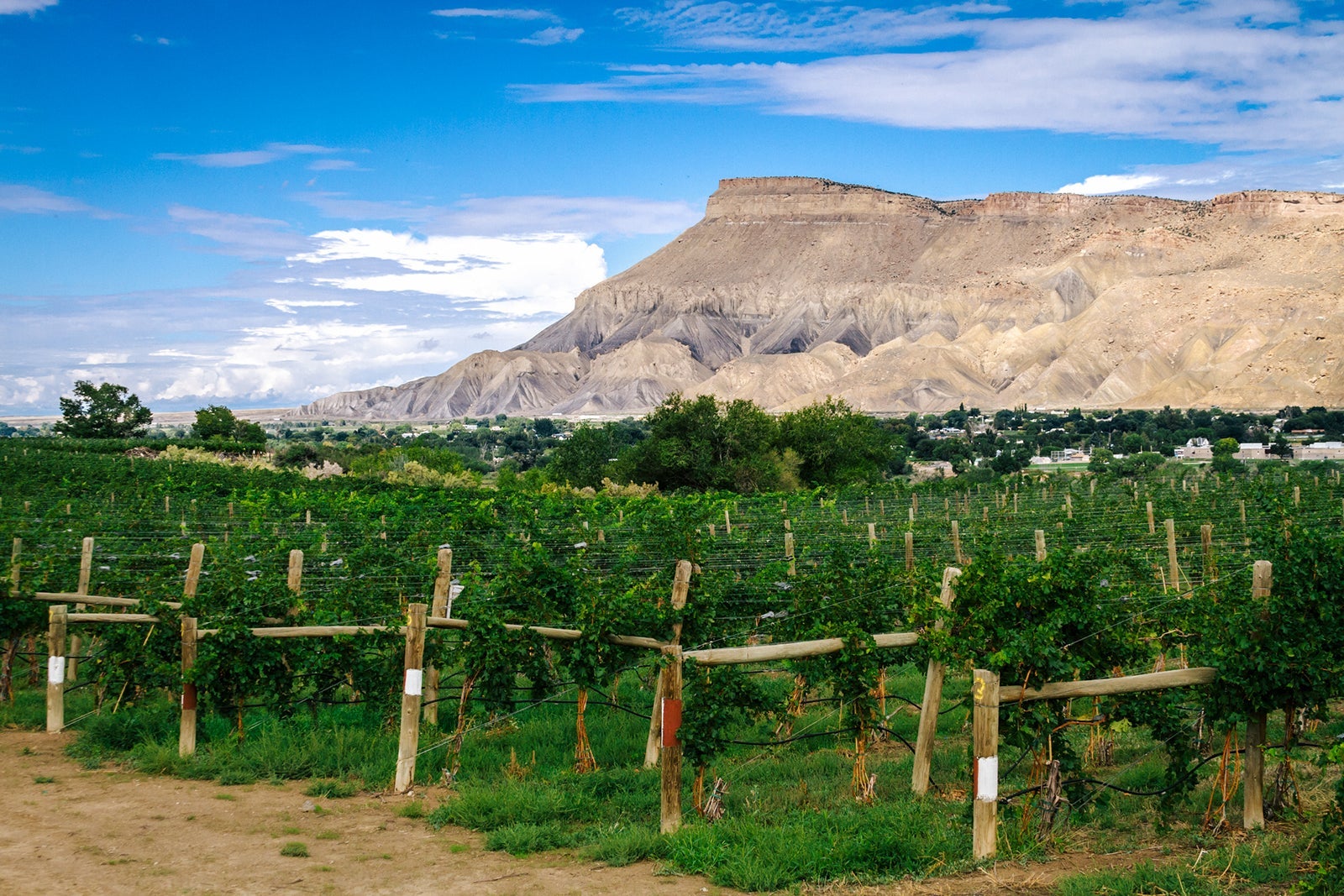
In the far western reaches of Colorado, less than 100 miles beyond the ski towns and hot springs resorts that stretch between Aspen and Glenwood Springs, a fertile valley long known for its prized pear, peach and apricot orchards extends from Palisade to Grand Junction and contains one of America's fastest-growing wine regions. You'll find more than 30 vintners in this sunny corridor with elevations of 4,000 to 5,000 feet, most of them focusing on generally bold Bordeaux grapes like merlot and cabernet sauvignon.
Favorite stops for tasting in the Grand Valley AVA include Two Rivers Winery and Chateau, which also offers overnight stays in a 10-room country French inn, and Colterris, whose sun-kissed tasting room is surrounded by peach orchards, grape vineyards and lavender fields. And while you're in the area, set aside some time to drive along the magnificent Rim Rock Drive, which the Civilian Conservation Corps constructed through impressive Colorado National Monument in the 1930s.
The Finger Lakes, New York
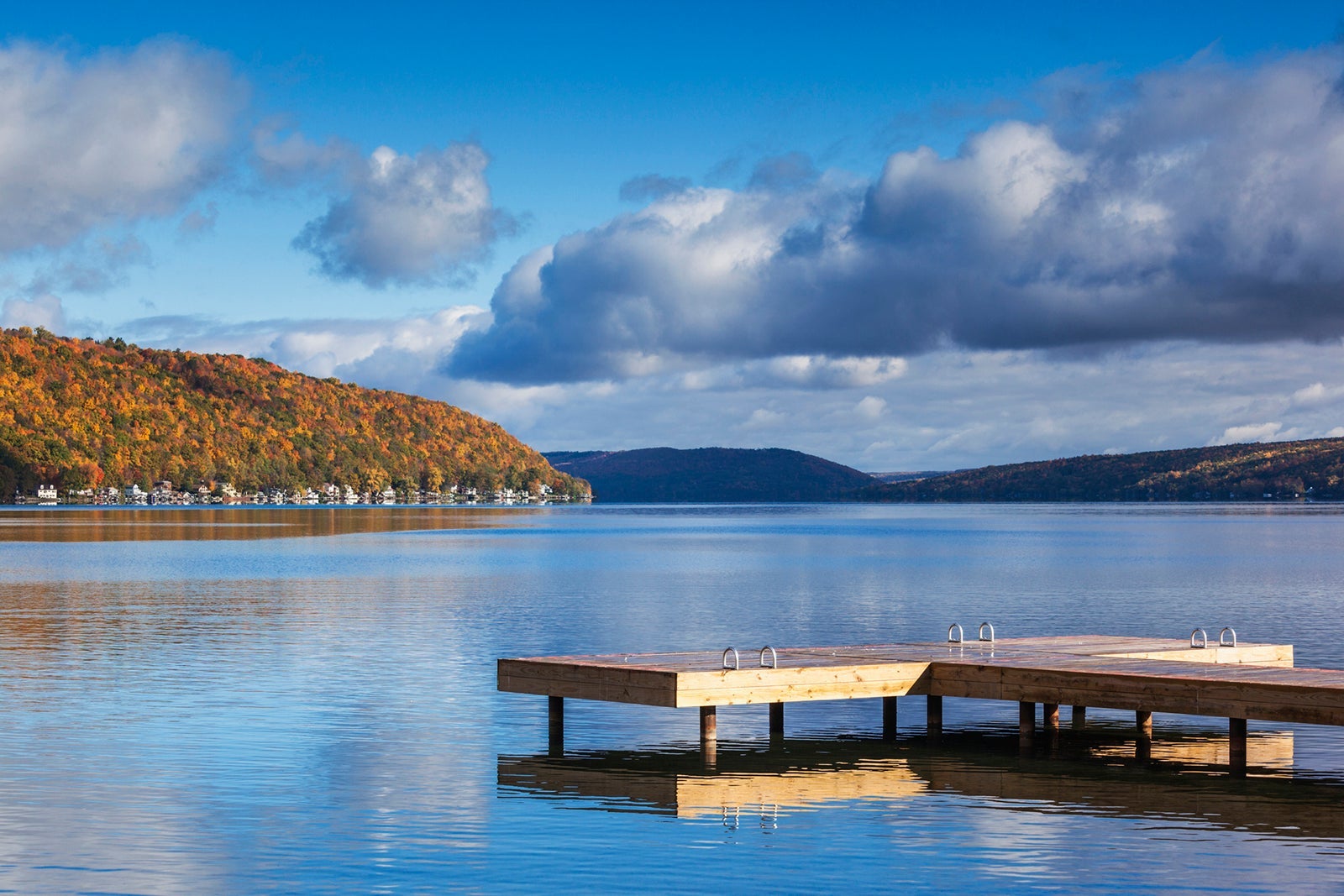
Situated in central-western New York State, this 9,000-square-mile region known for its romantic B&Bs and waterfront lodges is named for and defined by 11 glacially carved lakes shaped like slender, spindly fingers. The Finger Lakes AVA began to attract buzz for its winemaking prowess in the 1980s and now has about 130 vineyards, which generally specialize in aromatic cool-weather grapes such as riesling, gewurztraminer and cabernet franc as well as less common (in the U.S. anyway) varietals like zweigelt, lemberger and seyval. In terms of praise from wine critics, this is arguably the nation's most prestigious wine region outside of the West Coast.
To visit some outstanding wineries — including Anthony Road Wine Company, Keuka Spring Vineyards, and one of the region's pioneer operations, Dr. Konstantin Frank Winery — drive down Seneca Lake's western shore and then cross through Penn Yan to continue down the west shore of Keuka Lake. Then head to the eastern shore of Seneca Lake to check out notable makers like Red Newt Cellars, Atwater Winery, and Hazlitt 1852 Vineyards (as well as first-rate whiskies and grappa at Finger Lakes Distilling). Other spots worth checking out in this beautiful area include the spectacular contemporary and historic glass-art displays at the Corning Museum of Glass, the breathtaking 400-foot-deep gorge and staircase-lined waterfalls of Watkins Glen State Park, and the bustling bar and restaurant scenes of picturesque Ithaca, home to both Ithaca College and Cornell University.
Lake Chelan, Washington
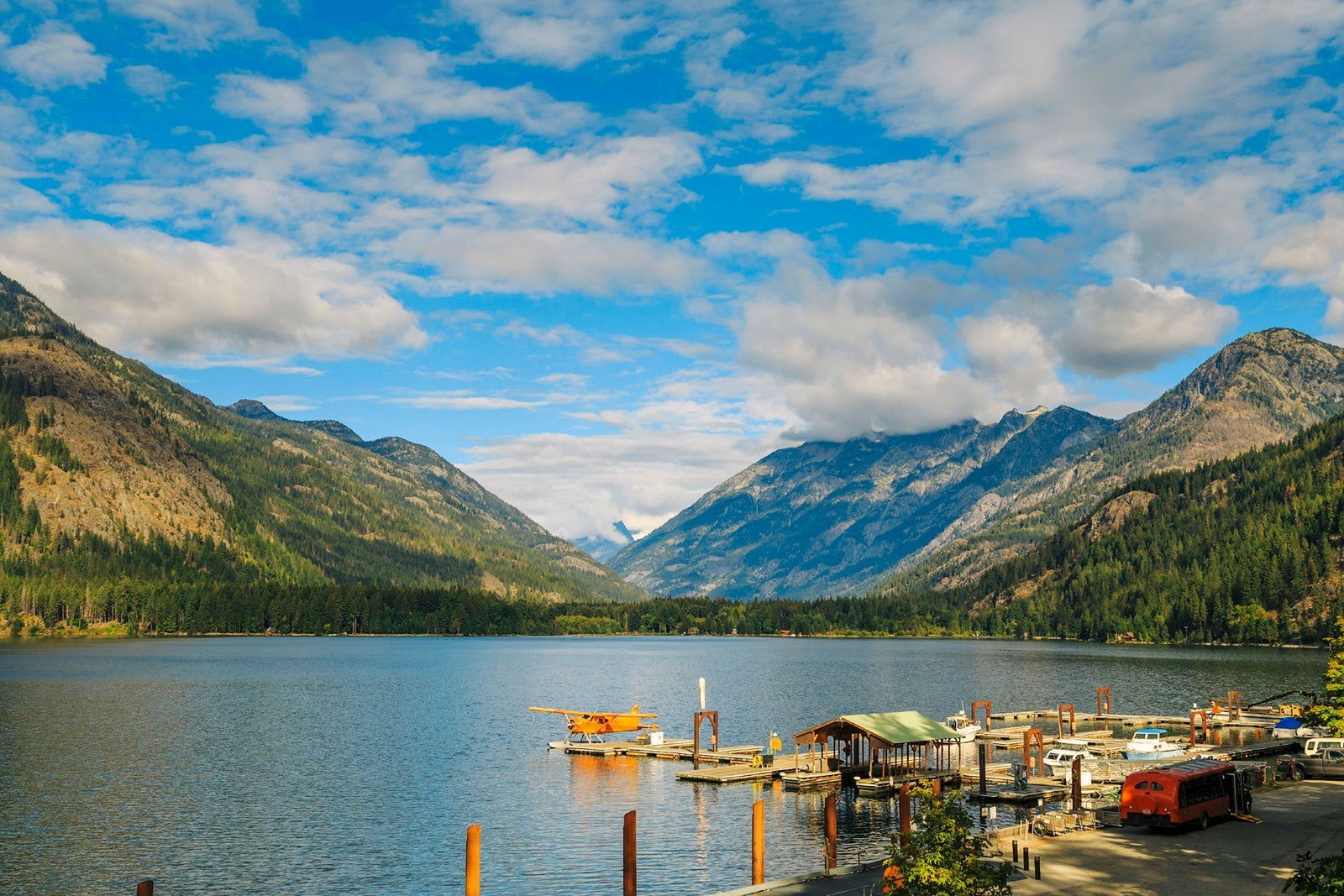
On the eastern flank of the evergreen-studded Cascade Range, an easy 50-mile drive north of the quaintly Bavarian-style Leavenworth, you'll come to the Lake Chelan AVA, one of the most up-and-coming winemaking districts in a state already quite famous for its Yakima Valley and Walla Walla vinos. Prior to its winery boom over the past couple of decades, this dry and sunny area was most famous for its namesake 50.5-mile-long fjordlike body of water, which at 1,453 feet is the third deepest freshwater lake in the country. It's an area rife with great hiking, boating, fishing and other exhilarating recreational pursuits.
The fantastic winery scene has developed on both shores of the southeast end of this narrow, snaking lake. There are now more than 40 producers offering up an impressive range of wine styles, but the relatively cool climate especially favors riesling and gewurztraminer. Spend time on the southern shore at Karma Vineyards and Tsillan Cellars (which also boasts a terrific Italian restaurant), soaking up the grand lake and mountain views. Standouts across the lake include Hard Row to Hoe, with a cheeky bordello-esque aesthetic, and Vin Du Lac Winery, which sits high on a bluff overlooking the magnificent scenery and serves farm-to-table Pacific Northwest fare in its festive bistro.
Related: Sip your way through fall at these US wine harvest festivals
Monterey and Santa Cruz counties, California
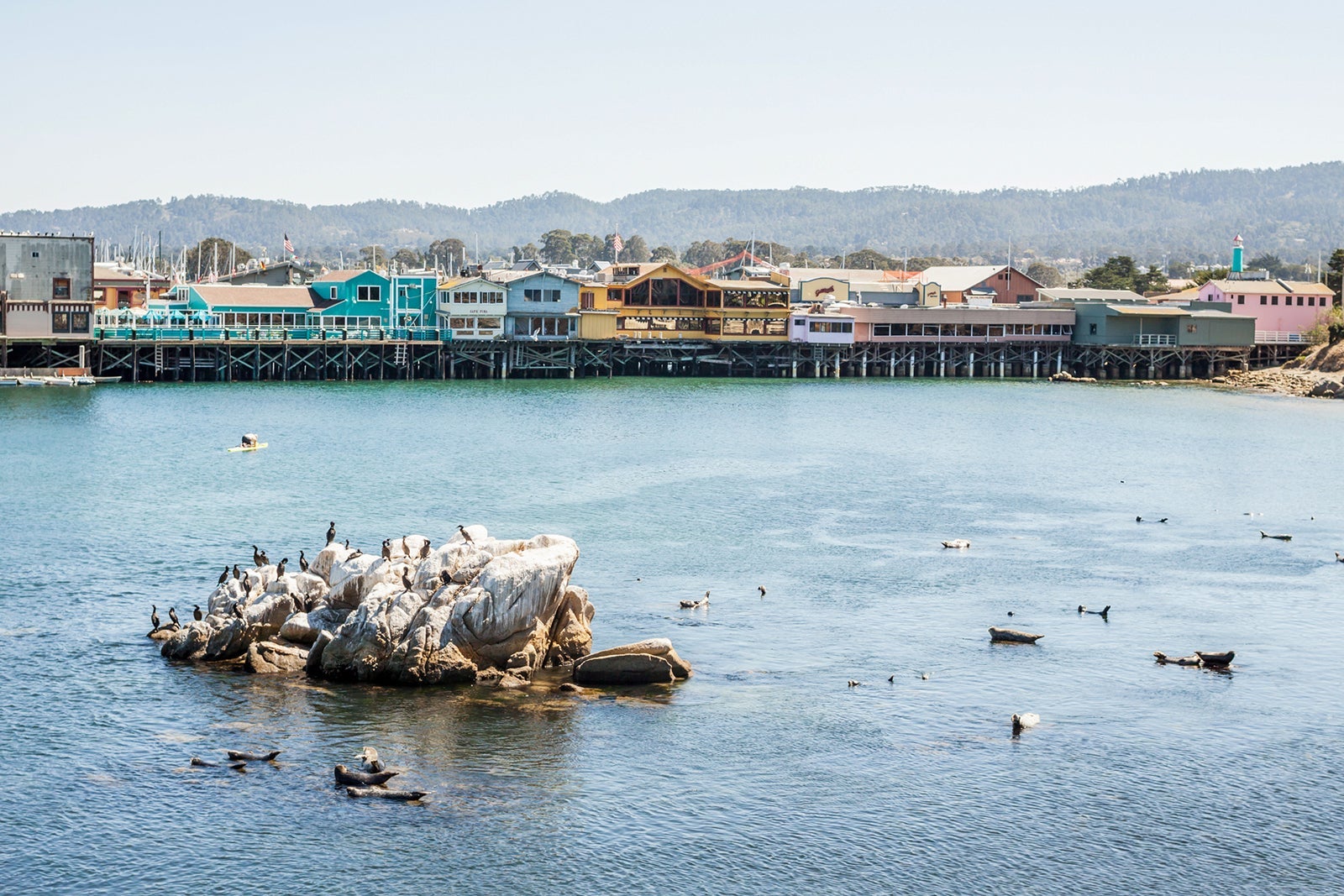
Spanning more than 60 miles from Monterey County's classy but casual Carmel Valley to up around Monterey Bay to the ocean breeze-cooled Corralitos Wine Trail in Santa Cruz County, California's upper Central Coast receives a little less attention from oenophiles than Paso Robles, San Luis Obispo and Santa Barbara farther south. But you could easily spend a week sipping world-class vino in this part of the state without running out of Wine Spectator-lauded options. Vineyards in this area benefit from their hilly settings and sandy and loamy soil, along with warm sunny climates moderated by the proximity of chilling maritime air.
Star grapes in this part of the country include pinot noirs that give coastal Sonoma and Santa Barbara a run for the money, notably those produced in Monterey County's Santa Lucia Highlands AVA. In this region just west of the strikingly eerie caverns and jagged peaks of Pinnacles National Park, vintners such as Hahn Estate, Scheid Vineyards and Wrath Wines all produce top-notch renditions. In the scenic seaside town of Aptos in the foothills of Santa Cruz County, sip a chardonnay between turns on the bocce court at Storrs Winery, then sample the distinctive gruner veltliner and lean pinot noirs at Alfaro Family Vineyards.
Monticello, Virginia
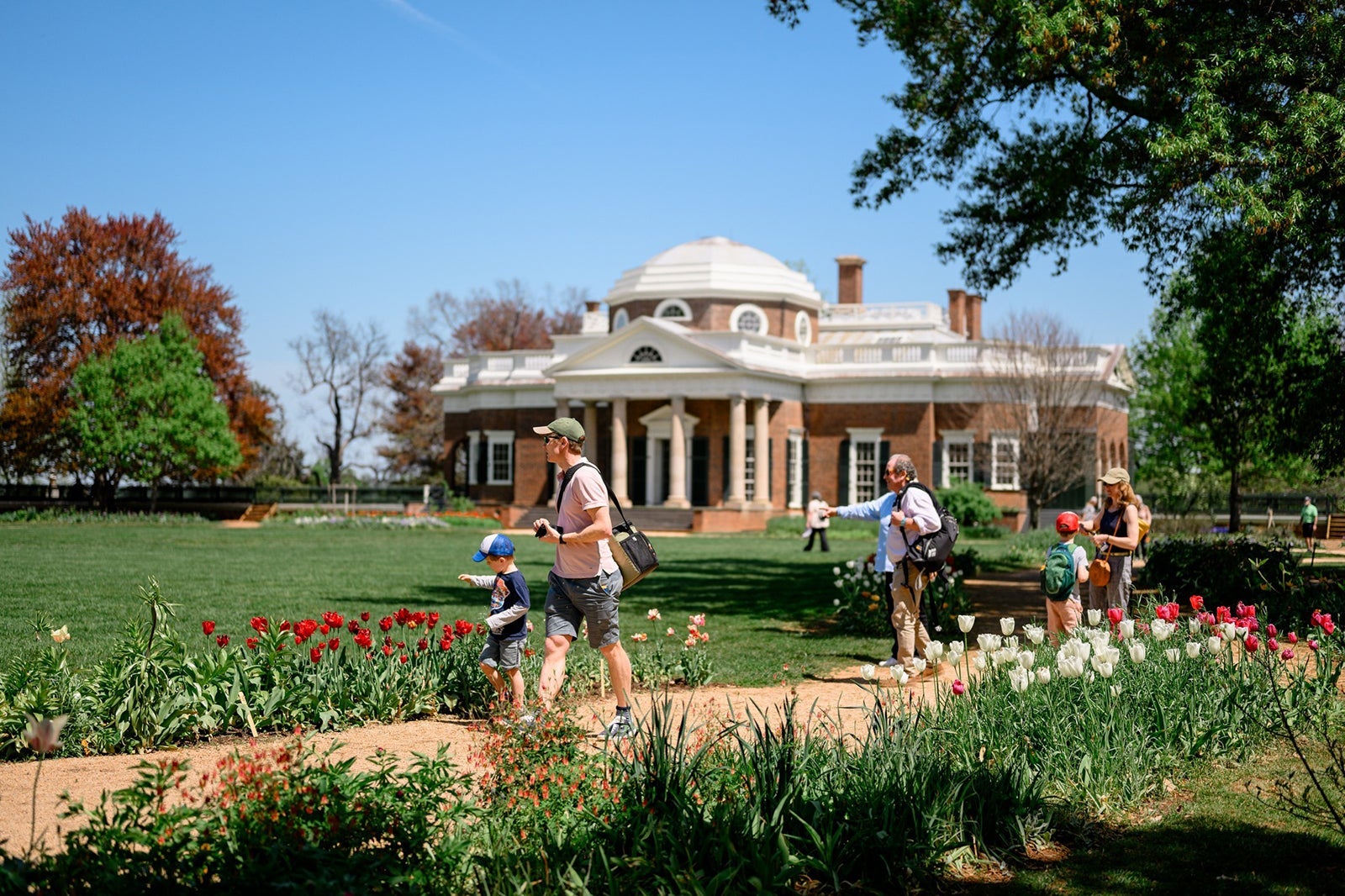
In the shadows of the Blue Ridge Mountains, the ardent francophile and the young nation's third president Thomas Jefferson began planting grape vines and producing wine at his gracious Charlottesville estate, Monticello, in 1773. This experiment helped to spur the development of what some consider to be America's first wine region. The Monticello AVA today is home to around 35 wineries and is set amid the rolling hills of five central Virginia counties. It produces some of the finest wine in Virginia, which to the surprise of many ranks sixth nationally in its number of wineries (around 300).
The moderate climate and long growing season along the Monticello Wine Trail are conducive to an extensive portfolio of grapes — leading varietals in these parts include cabernet franc, cabernet sauvignon, chardonnay and viognier. At Jefferson's stately Monticello estate, you can sip award-winning Meritage and petit verdot at Jefferson Vineyards, which also presents a Music at the Vineyard concert series during the summer months. Other highlights for wine-tasting in this picturesque area just 120 miles southwest of Washington, D.C., include Blenheim Vineyards, Keswick Vineyards and Barboursville Vineyards. And at the western end of the trail in Afton, just east of where the Blue Ridge Parkway joins with Shenandoah National Park's Skyline Drive, you can sample delicious vinos on the patio of Veritas Vineyards and Winery.
North-Central Rio Grande Valley, New Mexico
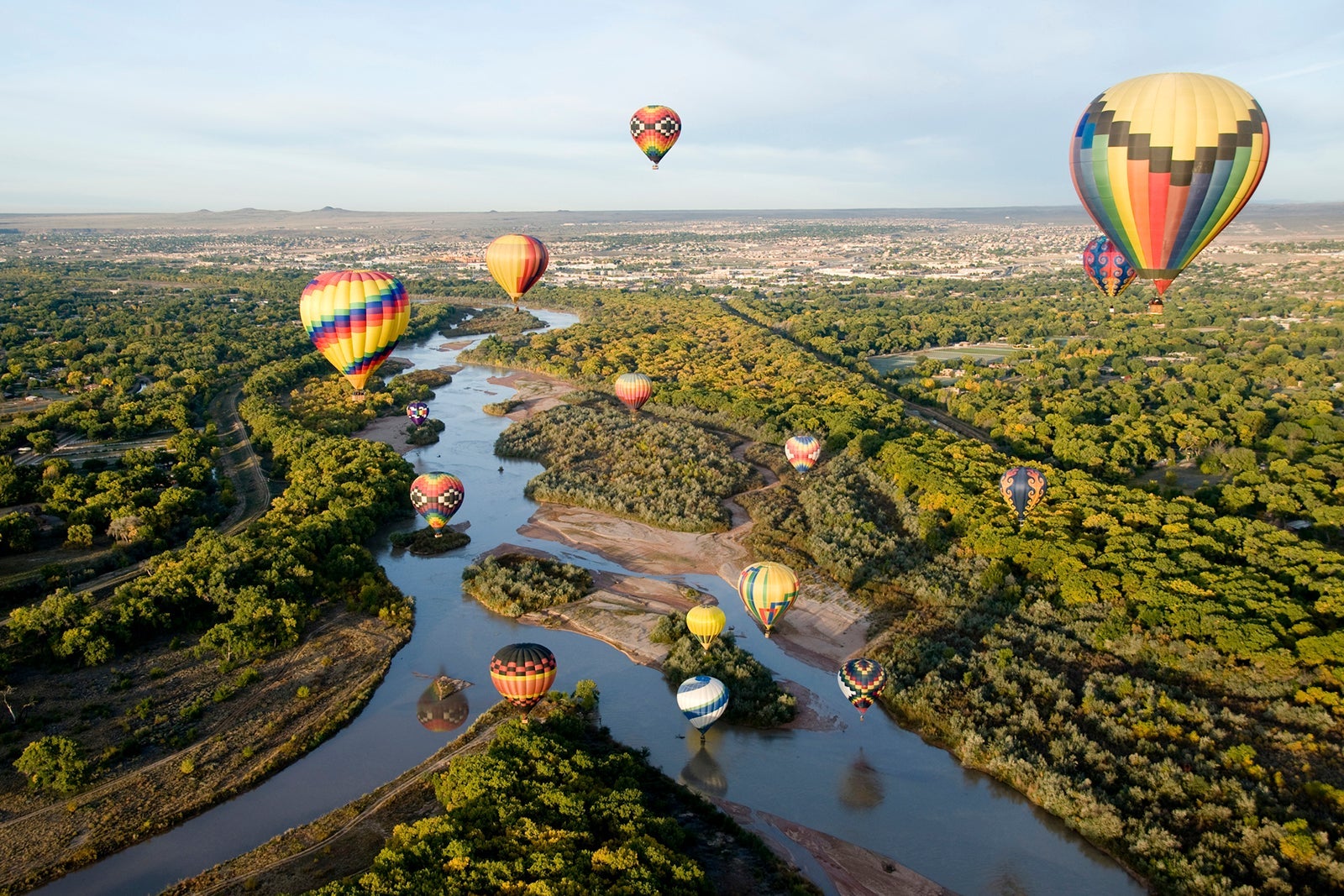
With its semiarid climate and high elevations characterized by hot days and cool evenings, the series of north-south-running mountain ranges that forms the spine of central New Mexico is ideal for growing wine grapes. You'll find some great vintners down south around Las Cruces and Deming, including D.H. Lescombes Winery (which also has Albuquerque and Santa Fe locations) and Luna Rossa Winery, but the most acclaimed wine producers are up in the North-Central Rio Grande Valley, stretching north from Albuquerque through Santa Fe and up to Taos — these are some of the highest-elevation vineyards in North America.
By far the region's and the state's most famous and respected winery is Gruet, which originated in France and now produces more than 80,000 bottles of Champagne-style sparkling wines annually. You can sample these highly rated bubbles at the Gruet tasting room in Albuquerque and inside the historic Hotel St. Francis in Santa Fe. At Albuquerque's Tuscan-inspired Casa Rondena Winery, in the city's verdant Los Ranchos de Albuquerque district, sample the excellent viognier and the heady tempranillo-syrah-cabernet sauvignon blend on the elegant terrace, then grab dinner around the corner at acclaimed Los Poblanos Inn and Organic Farm. Farther north, where more modest wineries welcome visitors in the small villages that flank the Rio Grande just south of Taos, stop by for a tasting Black Mesa Winery or Vivac Winery, which also contains a boutique sweets maker, Chocolates Ek.Chuah.
Related: From New Mexico to the Dominican Republic: Celebrate mom with these mother-daughter getaways
North Fork Long Island, New York
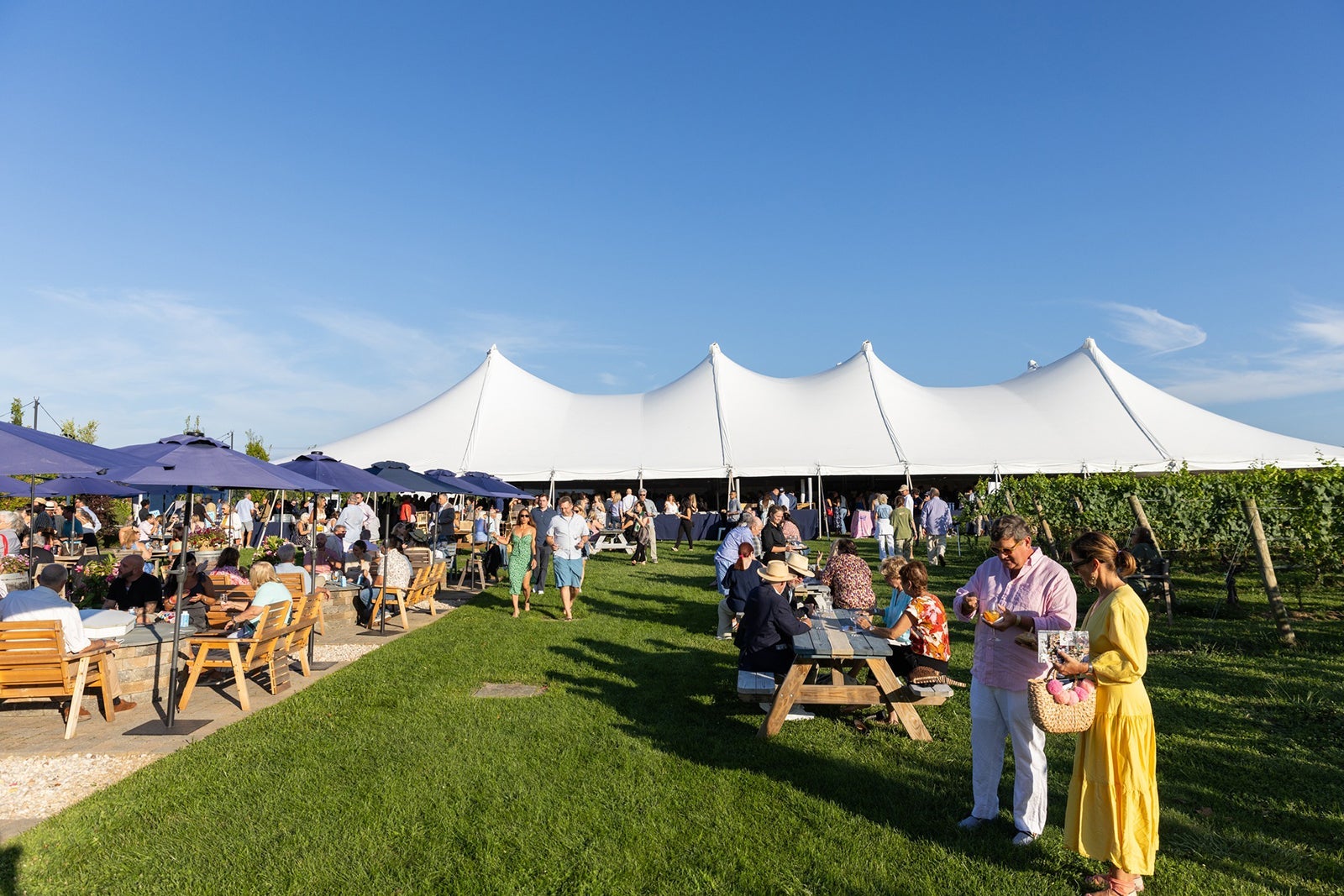
At its far end, about a two-hour drive from Manhattan, eastern Long Island "forks" into two tines: the see-and-be-seen South Fork encompasses the Hamptons and flanks the Atlantic Ocean, and the slender and fertile North Fork possesses a renowned wine country that borders Long Island Sound. For generations the domain of potato farms, the verdant North Fork of Long Island AVA enjoys a climate moderated by maritime breezes. It began attracting winemakers in the 1980s and now supports more than 40 vintners, with the most prolific varietals (merlot, cabernet franc, cabernet sauvignon) hailing from France's Bordeaux region, which has a similar terroir. Notable properties that offer tasting experiences include Lenz Winery, a regional pioneer with tastings inside a handsome old barn; Macari Vineyards, whose crisp sauvignon blanc is best enjoyed on the spacious deck; and Osprey's Dominion, which offers a short menu of snacks but also (this is a rarity around here) encourages guests to bring food to picnic on the pastoral grounds.
You'll find a smattering of B&Bs and restaurants throughout the North Fork, many in the main commercial hub, Greenport, a tiny former whaling village with a pretty waterfront and an unpretentious feel. It's here that you can also catch Long Island Rail Road trains into New York City.
The Rogue Valley, Oregon
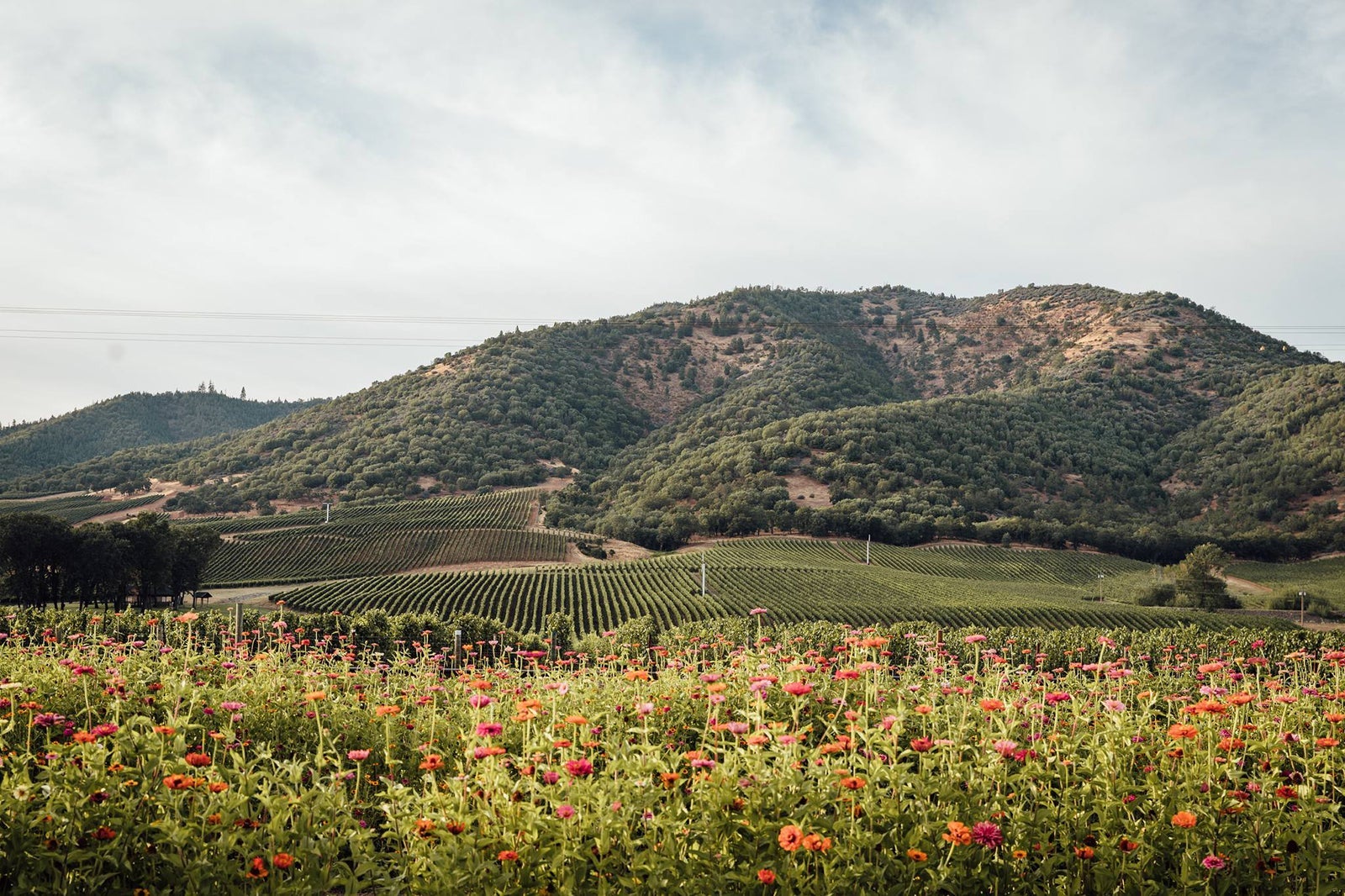
You've probably already heard of northwestern Oregon's fertile Willamette Valley, especially if you're a fan of the lean and earthy Burgundy-style pinot noirs for which this iconic AVA is known. But about 150 miles south, the less-hyped but increasingly prestigious Rogue Valley Wine Country extends from the laid-back salmon- and steelhead-fishing hub of Grants Pass southwest through the 19th-century gold rush-era village of Jacksonville to the lively college and theater town of Ashland (home to the celebrated Oregon Shakespeare Festival). Nearly 35 wineries prosper in this vast, sun-drenched region that's perfect for growing full-bodied cabernet sauvignons, merlots, syrahs, viogniers and chardonnays.
Throughout this unpretentious valley (that's nevertheless developed a seriously accomplished food scene), tasting rooms prosper. Del Rio Vineyard Estate, Kriselle Cellars and Irvine & Roberts — a rare Southern Oregon purveyor of first-rate pinot noirs — are all excellent choices. A sub-AVA with its own collection of around 20 outstanding tasting rooms, Applegate Valley is a minimally developed tract of farmland bisected by a tributary of the Rogue. Here you'll want to stop by Wooldridge Creek Winery, which also produces sublime goat cheese, and Red Lily Vineyards, a favorite for Spanish-style tempranillo and verdejo and its fun summer concert series. Keep in mind that the Rogue Valley is the southwestern gateway to Crater Lake National Park, about 75 miles away.
Texas Hill Country
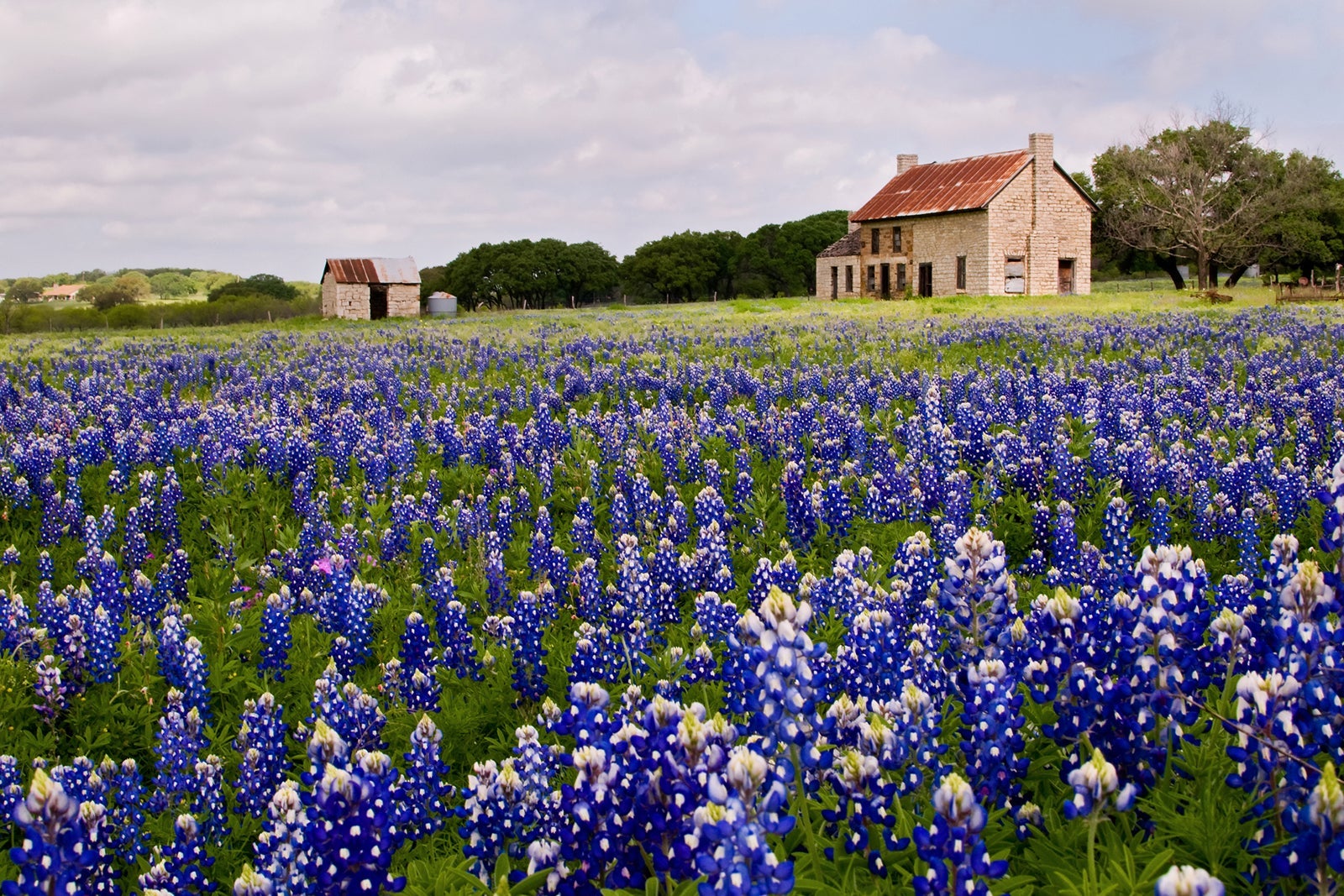
In the aptly named 31,000-square-mile (about the size of South Carolina) tract of semiarid valleys and limestone and granite outcroppings between Austin and San Antonio, Texas Hill Country is the top wine region in the Lone Star State. It's also a tremendously popular destination for weekend getaways, with its rugged hiking, quaint inns, rambling ranches and charming small towns. Long famous for its pecan, peach and other fruit farms and orchards, Fredericksburg is also the area's center of wine culture — about half of the region's more than 100 wineries are here, some downtown and others reached via picturesque drives through the rocky and rolling countryside.
A few that offer a mix of striking architecture, magnificent natural scenery and first-rate vino include Augusta Vin, with its 60 acres of sloping vineyards that tumble down toward the Pedernales River; Becker Vineyards, which is one of the region's pioneers and also offers fragrant lavender fields and tastings in a reproduction German stone barn; and Grape Creek, which pours its classic old-world wines in a grand Tuscan-style building and its crisp methode champenoise bubblies (under the sister brand name Heath Sparkling Wines) next door.
Related: The best resorts in Texas for a Lone Star State getaway
Traverse City, Michigan
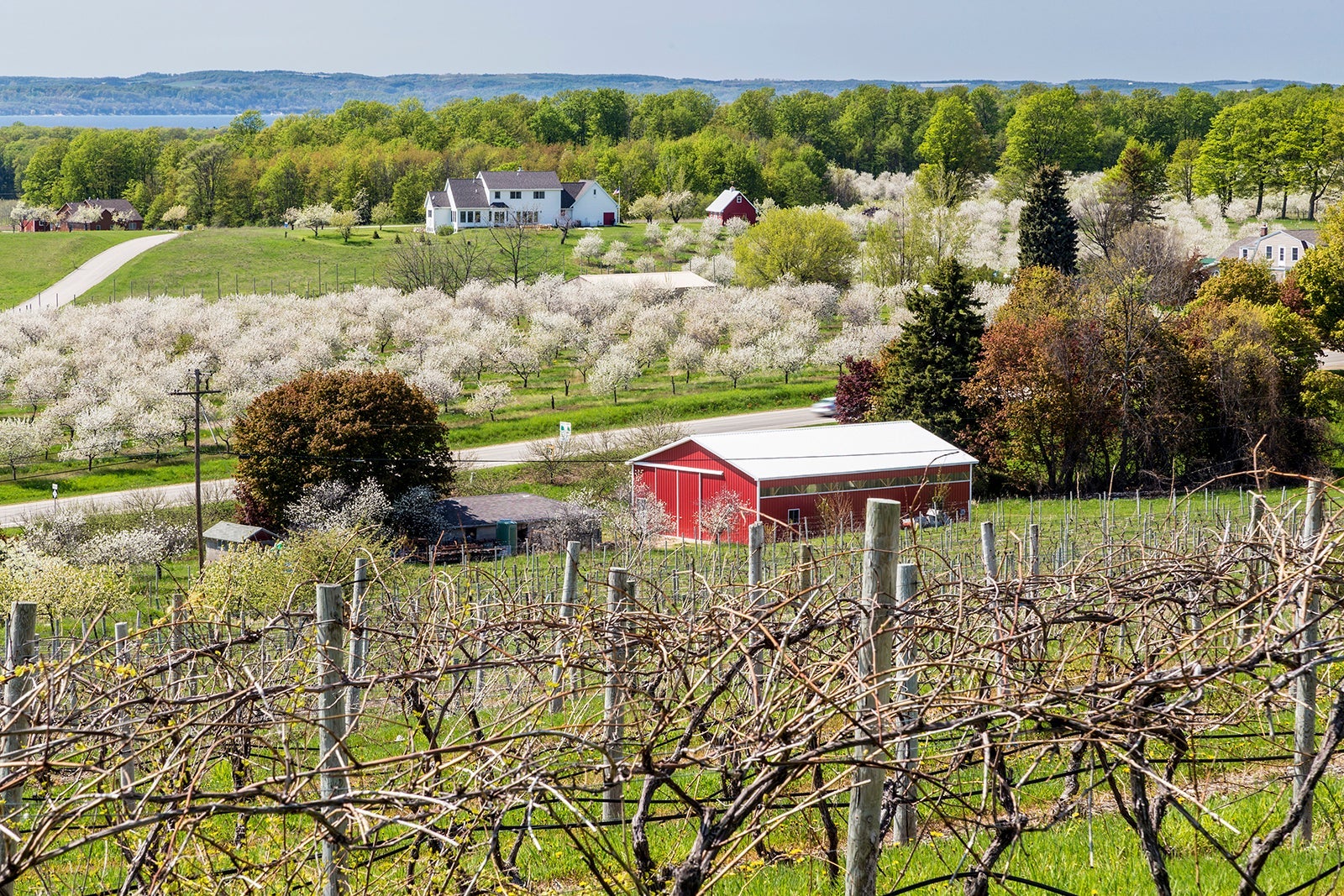
Respected wineries abound throughout the Great Lakes, but many of them — such as Niagara-on-the-Lake and Prince Edward County in Ontario — are located on the Canadian side of the border. But this beautiful resort area anchored by Traverse City, Michigan, and perhaps most famous for its tart-sweet cherries, has emerged as the most celebrated wine country on the U.S. side of the region. Most of the roughly 50 vintners in this undulating area on the eastern shore of Lake Michigan are set on two peninsulas that extend north of town and have climates mellowed by the breezes off the lake.
The narrower of the two, the Old Mission Peninsula extends about 20 miles north and is home to such beloved wineries as Bonobo — owned by HGTV star Carter Oosterhouse and his wife, actress Amy Smart — and long-esteemed Chateau Grand Traverse. On the chunkier and much bigger Leelanau Peninsula, the western end of which is dominated by gorgeous Sleeping Bear Dunes National Lakeshore, head to Shady Lane Cellars to try the superb French oak barrel-aged cabernet franc. With locations on both peninsulas, Black Star Farms Winery has developed a respected reputation for its rieslings, pinot noirs and European-style brandies — the stunning Suttons Bay location features a fine bistro and an inviting country inn. Traverse City itself (population 16,000) has a thriving culinary scene as well as romantic hotels, cool shops and pretty beaches and marinas. The National Cherry Festival in early July is a favorite time to visit.
TPG featured card

at American Express's secure site
Terms & restrictions apply. See rates & fees.
| 3X | Earn 3X Miles on Delta purchases. |
| 1X | Earn 1X Miles on all other eligible purchases. |
Pros
- Delta SkyClub access when flying Delta
- Annual companion ticket for travel on Delta (upon renewal)
- Ability to earn MQDs through spending
- Various statement credits for eligible purchases
Cons
- Steep annual fee of $650
- Other Delta cobranded cards offer superior earning categories
- Earn 100,000 Bonus Miles after you spend $6,000 or more in purchases with your new Card within the first 6 months of Card Membership and an additional 25,000 bonus miles after you make an additional $3,000 in purchases on the Card within your first 6 months, starting from the date that your account is opened. Offer Ends 04/01/2026.
- Delta SkyMiles® Reserve American Express Card Members receive 15 Visits per Medallion® Year to the Delta Sky Club® when flying Delta and can unlock an unlimited number of Visits after spending $75,000 in purchases on your Card in a calendar year. Plus, you’ll receive four One-Time Guest Passes each Medallion Year so you can share the experience with family and friends when traveling Delta together.
- Enjoy complimentary access to The Centurion® Lounge in the U.S. and select international locations (as set forth on the Centurion Lounge Website), Sidecar by The Centurion® Lounge in the U.S. (see the Centurion Lounge Website for more information on Sidecar by The Centurion® Lounge availability), and Escape Lounges when flying on a Delta flight booked with the Delta SkyMiles® Reserve American Express Card. § To access Sidecar by The Centurion® Lounge, Card Members must arrive within 90 minutes of their departing flight (including layovers). To access The Centurion® Lounge, Card Members must arrive within 3 hours of their departing flight. Effective July 8, 2026, during a layover, Card Members must arrive within 5 hours of the connecting flight.
- Receive $2,500 Medallion® Qualification Dollars with MQD Headstart each Medallion Qualification Year and earn $1 MQD for each $10 in purchases on your Delta SkyMiles® Reserve American Express Card with MQD Boost to get closer to Status next Medallion Year.
- Enjoy a Companion Certificate on a Delta First, Delta Comfort, or Delta Main round-trip flight to select destinations each year after renewal of your Card. The Companion Certificate requires payment of government-imposed taxes and fees of between $22 and $250 (for itineraries with up to four flight segments). Baggage charges and other restrictions apply. Delta Basic experiences are not eligible for this benefit.
- $240 Resy Credit: When you use your Delta SkyMiles® Reserve American Express Card for eligible purchases with U.S. Resy restaurants, you can earn up to $20 each month in statement credits. Enrollment required.
- $120 Rideshare Credit: Earn up to $10 back in statement credits each month after you use your Delta SkyMiles® Reserve American Express Card to pay for U.S. rideshare purchases with select providers. Enrollment required.
- Delta SkyMiles® Reserve American Express Card Members get 15% off when using miles to book Award Travel on Delta flights through delta.com and the Fly Delta app. Discount not applicable to partner-operated flights or to taxes and fees.
- With your Delta SkyMiles® Reserve American Express Card, receive upgrade priority over others with the same Medallion tier, product and fare experience purchased, and Million Miler milestone when you fly with Delta.
- Earn 3X Miles on Delta purchases and earn 1X Miles on all other eligible purchases.
- No Foreign Transaction Fees. Enjoy international travel without additional fees on purchases made abroad.
- $650 Annual Fee.
- Apply with confidence. Know if you're approved for a Card with no impact to your credit score. If you're approved and you choose to accept this Card, your credit score may be impacted.
- Terms Apply.
- See Rates & Fees