What the travel industry is doing to prevent human trafficking — and how you can help


Human trafficking may not be something you think about happening next door in your luxury hotel or on a popular commercial airline.
Although human trafficking — defined as the use of force, fraud or coercion to obtain commercial sex acts or labor — can take place anywhere, ECPAT International (a global network of organizations that works to end the trafficking of children) says the travel industry is on the front lines.
The International Labour Association estimated there were 24.9 million people in forced labor and 15.4 million in forced marriage in 2016 around the globe. The National Human Trafficking Resource Center (NHTRC) released data that revealed that hotels and motels were the fourth-most common locations for sex trafficking in 2019.
Forty travel organizations have currently agreed to a code of conduct designed to protect children from sexual exploitation in the travel and tourism industries. Members have to agree to implement six steps, including training employees, providing information to travelers and annually reporting their efforts.
The federal government passed legislation in 2016 that mandated United States-based airlines train flight attendants to spot suspected instances of human trafficking, and legislation was brought to Congress in 2018 that would require hotels and airlines to teach employees how to recognize signs of trafficking to be eligible to win government contracts.
Fortunately, some travel companies aren't waiting for the government to step up. Here are a few ways seven top brands are working to stop human trafficking — and how you can get involved, too.

What major hotel brands are doing
Marriott International educated 500,000 employees to recognize signs of trafficking
By January 2019, Marriott International had taught half a million employees how to recognize early warning signs such as minimal luggage, multiple men in a single room, individuals who seem disoriented and refuse housekeeping.
Training materials have since been translated into 16 languages to account for the 130 countries in which Marriott operates. The chain also donated training materials to the industry through the American Hotel and Lodging Association Education Foundation. According to the company, this staff education has already resulted in several successful rescues.
Wyndham Hotel Group donated points to provide a safe place for survivors
In January 2020, Wyndham leadership announced the company donated one million Wyndham Rewards points to Polaris, a nonprofit that systemically disrupts human trafficking. Wyndham also committed to donating 10 million points by 2021. The points would go towards Polaris' effort of providing short-term stays for survivors waiting for housing.

Hilton trained employees and analyzed its supply chain
Hilton has provided training on human trafficking to its staff since 2011 after signing the ECPAT Code to combat sexual exploitation in the travel industry.
Now, its annual Code of Conduct training is mandatory for all Hilton team members. The company also committed to analyzing its global operations and supply chain to ensure they only work with suppliers also committed to combatting human trafficking. Hilton also co-founded the Global Freedom Exchange (GFE) program that supports female leaders working to prevent and respond to human trafficking.
Hyatt provides on-the-job training for survivors of human trafficking
In addition to making human trafficking training a standard for all Hyatt hotels and franchisees, Hyatt also supports programs such as the Youth Career Initiative (YCI), which provides trafficking survivors with classroom and on-the-job training. Hyatt also helped write the International Tourism Partnership's 2030 Goals "to raise awareness of human rights risks, embed human rights into corporate governance and address risks arising in the labor supply chain and during construction."
What major airlines are doing
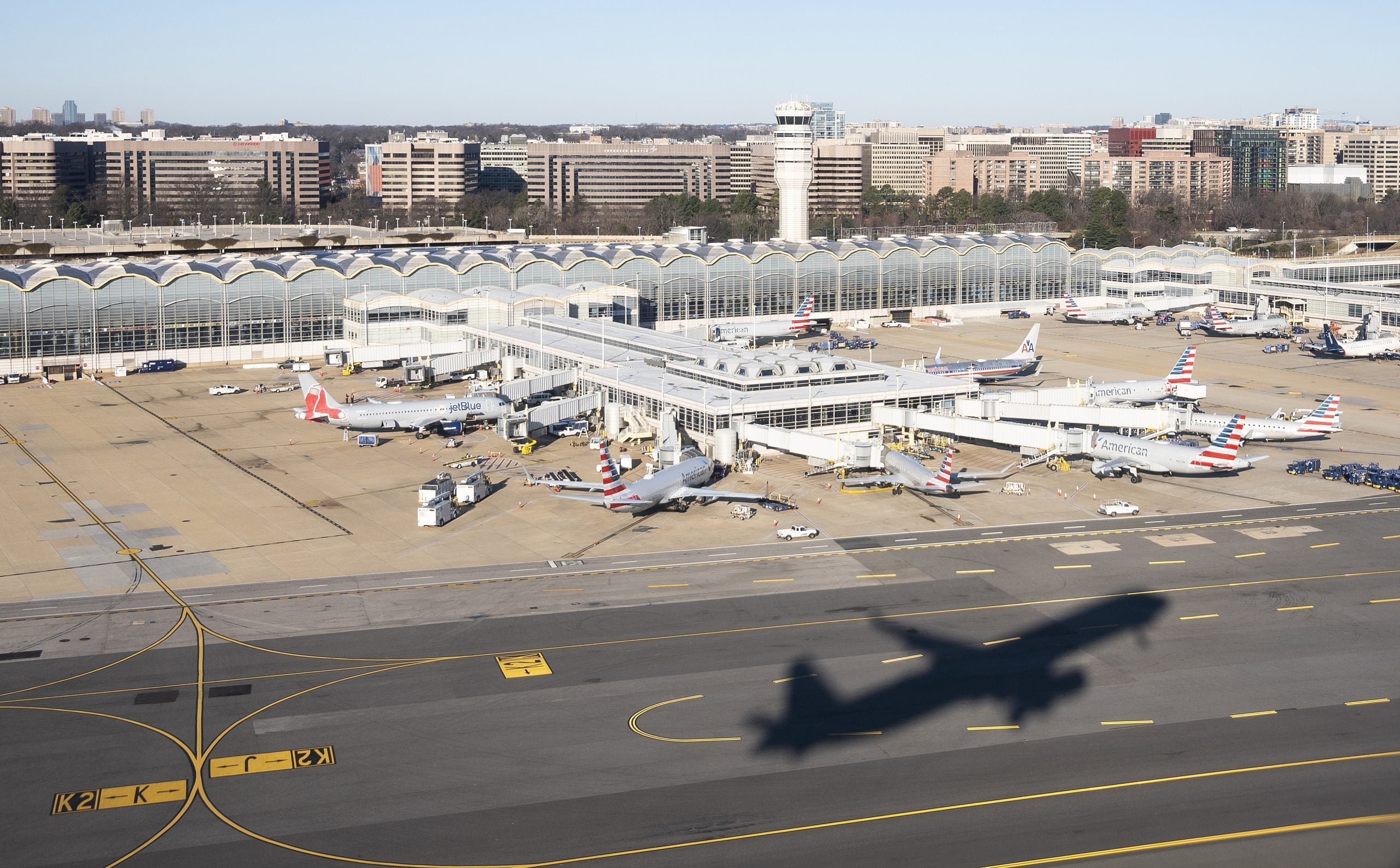
Delta created an apprenticeship program for survivors
Delta Air Lines committed $2.5 million to the anti-trafficking organization Polaris and developed an in-house apprenticeship to create job opportunities for trafficking survivors. The airline is also supporting organizations fighting human trafficking. The airline donated $25,000 in unused assets such as amenity kits, blankets and tableware to groups. It provided clothing, supplies and essential goods to an Atlanta-based organization that serves as an intake center for trafficked young people.
United trained all personnel and participated in the UN Global Compact
Since 2017, United Airlines said it had trained every flight attendant to identify and report suspected human trafficking.
And in 2018, the airline extended the training to pilots and other customer-facing employees, totaling 54,000 personnel. United also participates in the UN Global Compact, which aims to create "strategies and operations with universal principles on human rights, labor, environment and anti-corruption."
American Airlines trained team members and supported programs to help survivors
After signing the ECPAT-USA's Tourism Child Protection Code of Conduct, American Airlines trained nearly 60,000 team members, from flight attendants to customer service agents, to spot potential human trafficking.
And in 2020, the airline partnered with New Friends New Life, a Dallas-based nonprofit organization that helps empower survivors of human trafficking. Through this partnership, American Airlines team members can take awareness training sessions and volunteer directly through the organization.
What travelers can do to combat human trafficking
While the travel industry is working to combat human trafficking, you can also do things as a traveler to help.
- Donate your miles and rewards points: You can donate your Delta SkyMiles, Marriott Bonvoy points, Wyndham Rewards and Choice Rewards points to the nonprofit Polaris. Miles go toward purchasing flights for survivors while points get converted to a monetary donation.
- Do your research: You can support the travel industry's efforts by staying at a hotel, flying with an airline, taking a bus or using a travel planning company that is actively working to end human trafficking.
- Know the signs: Just like airline and hotel employees, you can also look for signs of human trafficking. Signs include people who are traveling alone and unsure who they are meeting; they don't know where they are or where they are going; they can't move freely or are being closely followed; scripted communication; or even a barcode tattoo.
If you're in an airport, alert airport authorities — or tell a flight attendant if you're on a plane. If you're in the U.S., you can also call the Homeland Security Tip Line at 866-347-2423 or, if you're abroad, contact Crime Stoppers International online.
TPG featured card

at Capital One's secure site
Terms & restrictions apply. See rates & fees.
| 5X miles | Earn 5X miles on hotels, vacation rentals and rental cars booked through Capital One Travel |
| 2X miles | Earn unlimited 2X miles on every purchase, every day |
Pros
- Stellar welcome offer of 75,000 miles after spending $4,000 on purchases in the first three months from account opening. Plus, a $250 Capital One Travel credit to use in your first cardholder year upon account opening.
- You'll earn 2 miles per dollar on every purchase, which means you won't have to worry about memorizing bonus categories
- Rewards are versatile and can be redeemed for a statement credit or transferred to Capital One’s transfer partners
Cons
- Highest bonus-earning categories only on travel booked via Capital One Travel
- LIMITED-TIME OFFER: Enjoy $250 to use on Capital One Travel in your first cardholder year, plus earn 75,000 bonus miles once you spend $4,000 on purchases within the first 3 months from account opening - that’s equal to $1,000 in travel
- Earn unlimited 2X miles on every purchase, every day
- Earn 5X miles on hotels, vacation rentals and rental cars booked through Capital One Travel
- Miles won't expire for the life of the account and there's no limit to how many you can earn
- Receive up to a $120 credit for Global Entry or TSA PreCheck®
- Use your miles to get reimbursed for any travel purchase—or redeem by booking a trip through Capital One Travel
- Enjoy a $50 experience credit and other premium benefits with every hotel and vacation rental booked from the Lifestyle Collection
- Transfer your miles to your choice of 15+ travel loyalty programs
- Top rated mobile app