How to earn a free night in Hawaii by giving back to the community

Editor's Note
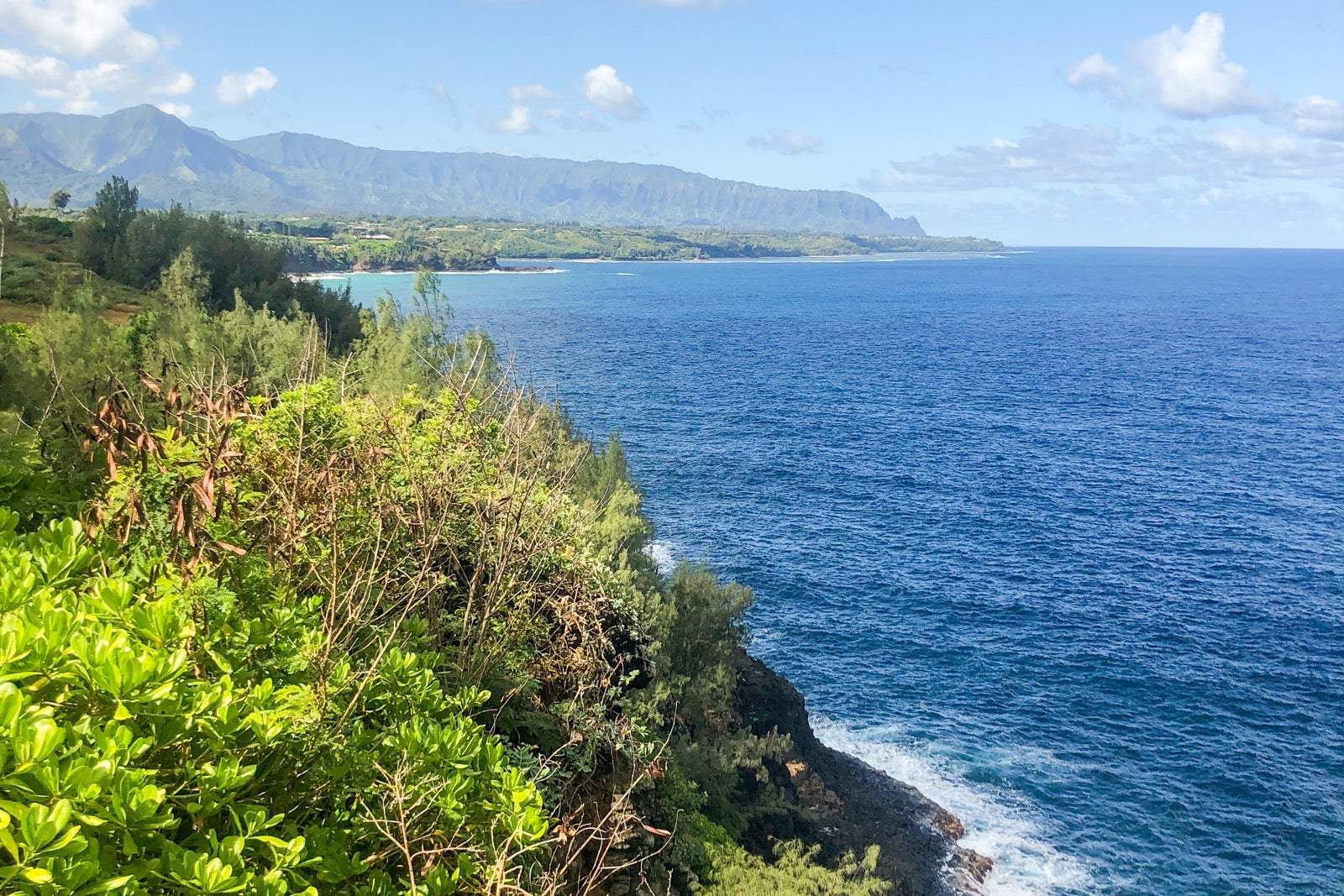
It's no secret that the relationship between those who live on the Hawaiian Islands and those who love to visit has begun to deteriorate in recent years.
With concerns about overtourism stemming from congested roads, packed beaches and more, many Hawaiian residents have become increasingly vocal about their desire to restrict tourism — even though their state's economy heavily relies on tourism dollars.
While I feel drawn to Hawaii thanks to its beautiful beaches and family-friendly hotels, like many other visitors, I'm also very sensitive to how we impact the environment as travelers. It's been on my mind a lot lately, as I hope to teach my young children to travel as responsibly and sustainably as they can as they grow up.
With that in mind, as I sat down to plan a recent family trip to Hawaii, I began searching for ways we could visit Hawaii in a way that was sensitive to both the islands' environment and communities. That's how I came across the Malama Hawaii program.
Eager to learn more about the voluntourism initiative and see what participating with young children would be like, I decided to book a Malama Hawaii package for our trip to Kauai. Here's what the experience was like — and what other destinations can learn from the program.
[table-of-contents /]
What is the Malama Hawaii program?
Created by the Hawaii Visitors and Convention Bureau in partnership with the Hawaii Tourism Authority and hotels across the islands, Malama Hawaii offers visitors savings at various hotels when they spend some of their vacation volunteering with participating organizations.
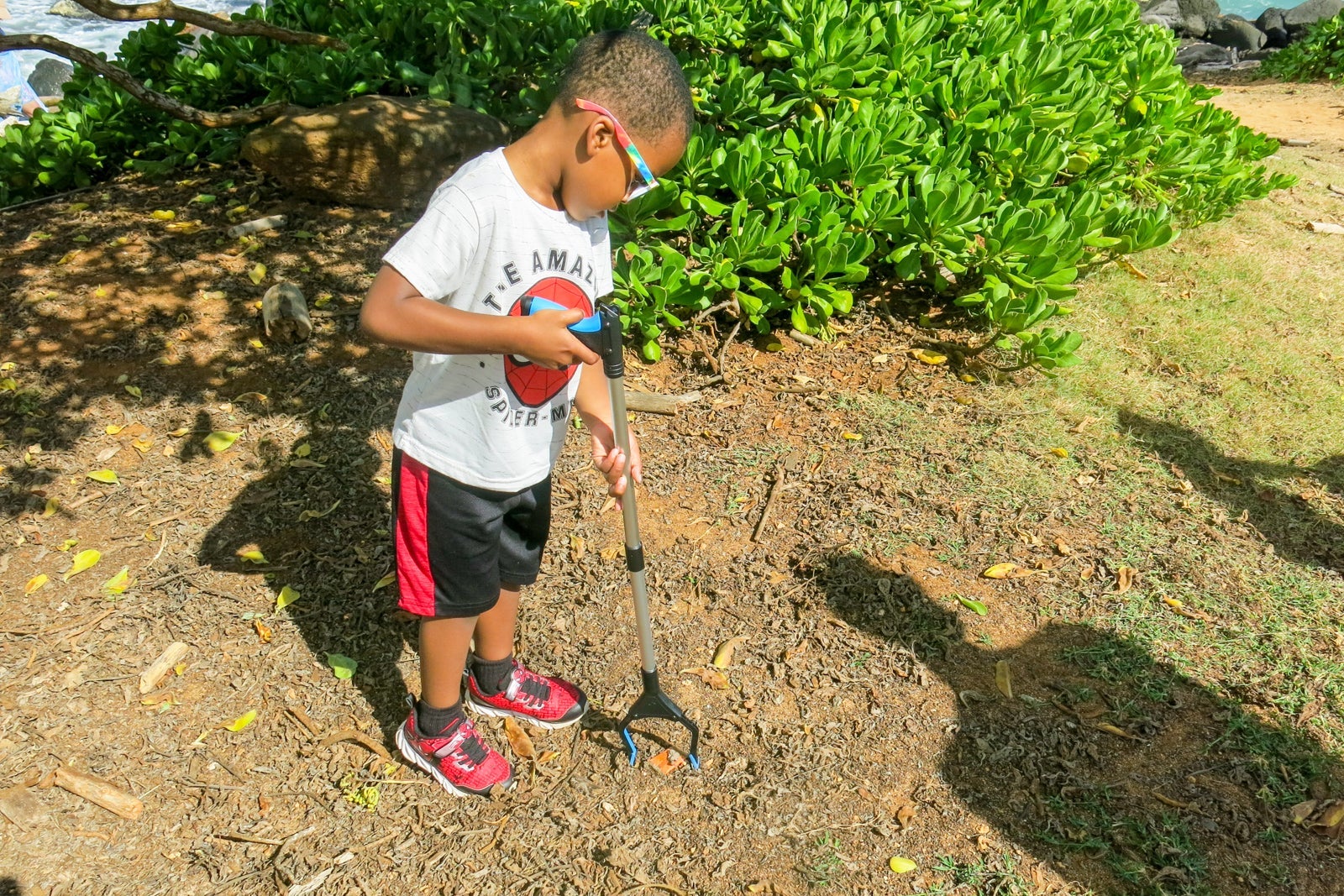
Although every island's version of the Malama Hawaii program varies, each offers visitors opportunities to give back to the local communities they visit during their vacation. Available activities may include removing invasive flora, cleaning up a beach, planting native trees and helping restore historical sights like the U.S.S. Missouri.

Many popular points hotels — including the Sheraton Maui Resort & Spa, the Grand Hyatt Kauai Resort & Spa and The Westin Hapuna Beach Resort on the Big Island — are Malama Hawaii partners, so you can even earn hotel points while doing good for the planet.
Related: Book this, not that: Getting the most from your hotel points on Maui
In order to qualify for a waived resort fee, complimentary parking, a food and beverage credit, up to 50% off of a room or a free night after staying two to seven nights, all you have to do is book a Malama Hawaii accommodation package through a participating hotel for the number of nights stipulated to receive the benefit.
What was our Malama Hawaii experience like?
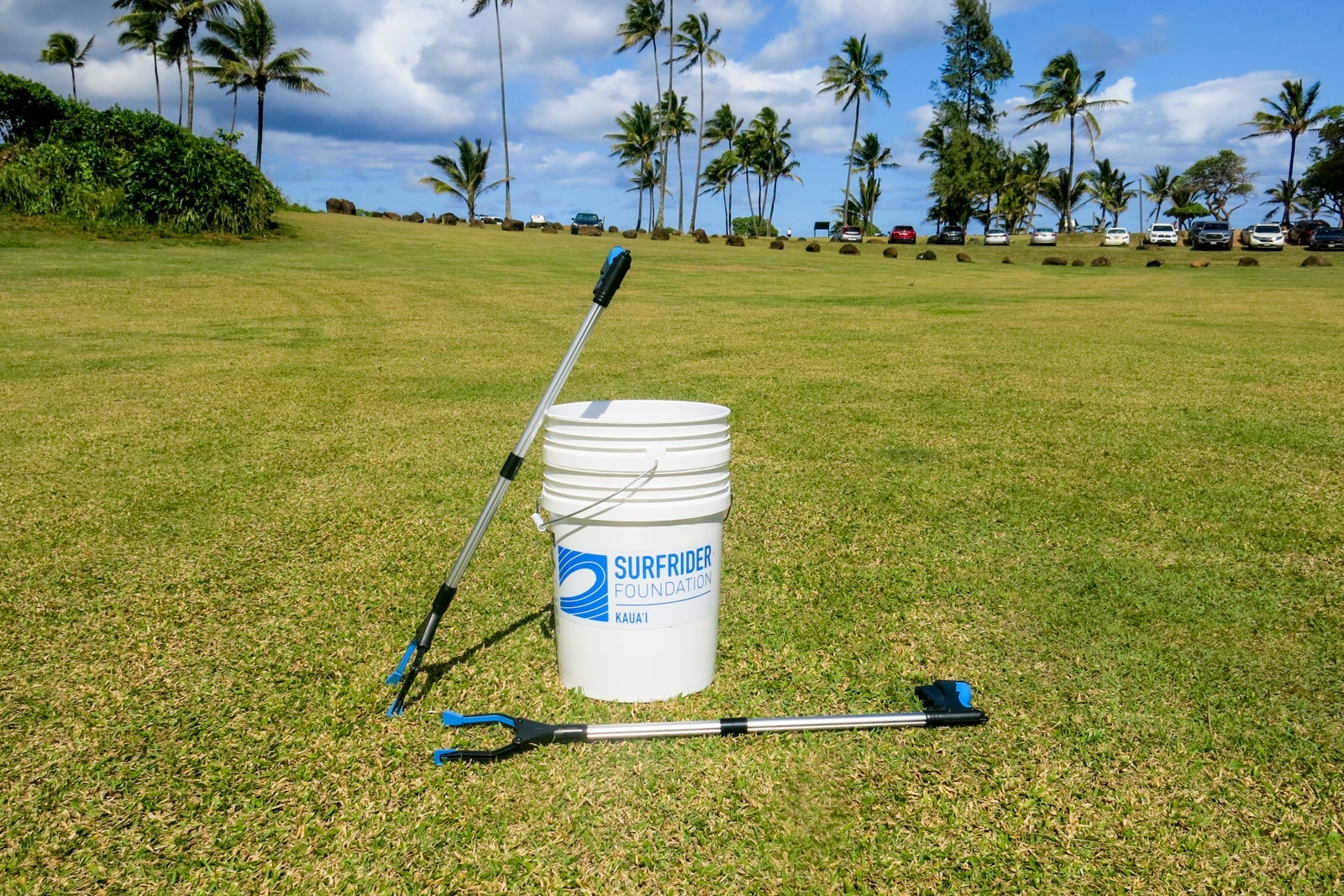
While activities focusing on reforestation and cultural stewardship were available on Maui and the Big Island, the sole volunteer option available during our trip to Kauai was a self-guided beach cleanup. The Kauai Chapter of the Surfrider Foundation provided buckets and trash grabbers that could be picked up at our hotel, the Hilton Garden Inn Kauai Wailua Bay, at any time during our stay.
Before we did our beach cleanup, I had the opportunity to sit down with Cynthia Welti, outgoing chair of the Kauai Chapter of the Surfrider Foundation, to learn more about what to expect from our activity.
Welti explained that the Surfrider Foundation's Kauai group focuses on coastal preservation due to the island's geographic location. Ocean debris from the fishing industry is a constant source of strain on the coast, so much so that it's common to find fishing nets during the beach cleanup. Before the pandemic, upwards of 10,000 pounds of debris washed ashore every year, but since starting the beach cleanup, the amount of debris found at beaches has dropped considerably.
Although the beaches are no longer overflowing with trash, Welti assured me that we'd still find enough during our cleanup to make us shake our heads in disbelief — and she was right. From cigarette butts to bottle caps and empty sports drinks, I was appalled by how careless previous visitors were with their trash.
Having filled a bucket with debris in just the hour we spent at Lydgate Beach, the family-friendly shore behind our hotel we chose for our cleanup, I can only imagine how littered the island's coast was before the creation of the Malama Hawaii program.
Much to my surprise, my 2- and 4-year-olds really enjoyed the beach cleanup, turning it into a contest to see who could collect the most trash. As they competed with one another to gather garbage, my husband and I explained the importance of cleaning up after ourselves — and sometimes others, too — so we can keep enjoying the places we love.
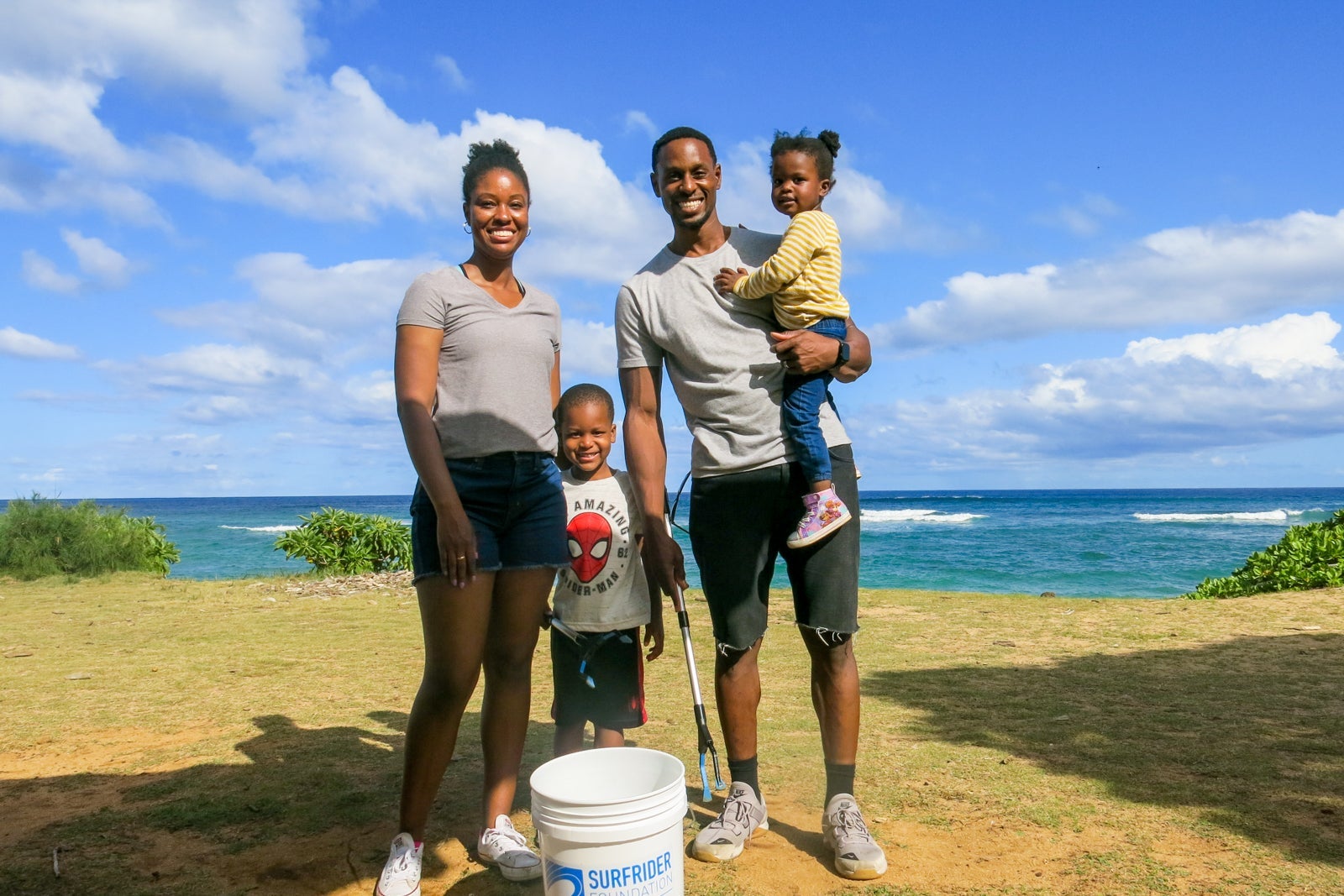
Not only did the experience leave a mark on my kids, who now point out (and even pick up) trash they see back home when out and about, but it also stood out to passersby.
Tourists and locals alike regularly stopped us to ask what we were doing and to thank us for helping keep the beach clean. One of the hotel groundskeepers even made a point to show his gratitude by thanking us after seeing all that we'd collected at the beach.
To say I walked away from the experience more enlightened about predicaments facing well-known tourism destinations and further determined to become a better traveler — no matter where I am — would be an understatement.
Now that I've done the beach cleanup, I have resolved to instill more sustainable habits into my family's day-to-day activities as well as our vacation habits.
Related: How to use Hilton points for a Hawaiian vacation
What else can you do to be a more sustainable traveler when visiting Hawaii?
I highly recommend participating in the Malama Hawaii program, but if you still are not sold on doing it, there are plenty of other small but impactful ways to practice sustainability while in the Aloha State, according to Welti.
Begin by consulting the Kauai Chapter of the Surfrider Foundation's Ocean Friendly Visitors Program, which details an assortment of tips you can easily apply to your vacation.
For example, consider dining at Ocean Friendly Restaurants, which follow seven criteria to receive that moniker. By not using Styrofoam, plastics and other single-use items, these eateries are helping decrease the amount of waste that ends up in the waters around Hawaii. We tried a few on the list but especially loved The Fresh Shave, a healthier alternative to the popular shave ice shops you'll see around the islands.
Also pack items like reusable water bottles and utensils so you minimize the amount of trash you generate during your visit. I regularly travel with several Klean Kanteen bottles for myself and my kids. Additionally, Welti notes the importance of bringing reef-safe sunscreen, the only kind permitted on the islands since Hawaii banned the sale of sunscreens with environmentally harmful chemicals in January 2021.
Related: Pack these 6 things to be a more eco-friendly traveler
Don't forget to keep your distance from local wildlife, including coral, too, to avoid exposing them to unfamiliar bacteria and potentially causing long-term damage to Hawaii's fragile ecosystems.
Bottom line
The Malama Hawaii program is a win-win for residents and visitors, as it provides lodging discounts while benefiting the environment and local communities Hawaiians seek to protect.
Through the implementation of this program, the state's visitors bureau and tourism board have committed to protecting the islands from overtourism without preventing people from visiting.
Including tourists in local sustainability efforts highlights an important message: that those who visit a destination should try to minimize their impact in whatever ways possible so as to conserve it for the people (and plants and animals) that call it home.
I hope that more places take a page out of Hawaii's book and start similar programs for tourists. The more destinations offer these kinds of experiences, the more travelers will feel personally connected to the locales they visit, becoming more thoughtful and considerate in their actions that impact them.
While it's only one of many things we can do to protect the planet, it's an important step that can go a long way toward keeping Earth healthy and thriving for our kids and generations to come.
TPG featured card

at Capital One's secure site
Terms & restrictions apply. See rates & fees.
| 5X miles | Earn 5X miles on hotels, vacation rentals and rental cars booked through Capital One Travel |
| 2X miles | Earn unlimited 2X miles on every purchase, every day |
Pros
- Stellar welcome offer of 75,000 miles after spending $4,000 on purchases in the first three months from account opening. Plus, a $250 Capital One Travel credit to use in your first cardholder year upon account opening.
- You'll earn 2 miles per dollar on every purchase, which means you won't have to worry about memorizing bonus categories
- Rewards are versatile and can be redeemed for a statement credit or transferred to Capital One’s transfer partners
Cons
- Highest bonus-earning categories only on travel booked via Capital One Travel
- LIMITED-TIME OFFER: Enjoy $250 to use on Capital One Travel in your first cardholder year, plus earn 75,000 bonus miles once you spend $4,000 on purchases within the first 3 months from account opening - that’s equal to $1,000 in travel
- Earn unlimited 2X miles on every purchase, every day
- Earn 5X miles on hotels, vacation rentals and rental cars booked through Capital One Travel
- Miles won't expire for the life of the account and there's no limit to how many you can earn
- Receive up to a $120 credit for Global Entry or TSA PreCheck®
- Use your miles to get reimbursed for any travel purchase—or redeem by booking a trip through Capital One Travel
- Enjoy a $50 experience credit and other premium benefits with every hotel and vacation rental booked from the Lifestyle Collection
- Transfer your miles to your choice of 15+ travel loyalty programs
- Top rated mobile app