How to plan your 1st visit to a national park

Editor's Note
Since joining TPG, I've sort of become our resident adult beginner storyteller. I've chronicled my experience skiing for the first time and I am back at it again for another first-time series.
This time, I'm writing a planning guide for those of us hoping to visit the U.S. national park system for the first time and, in my case, as an adult.
My 1st visit to the Grand Canyon
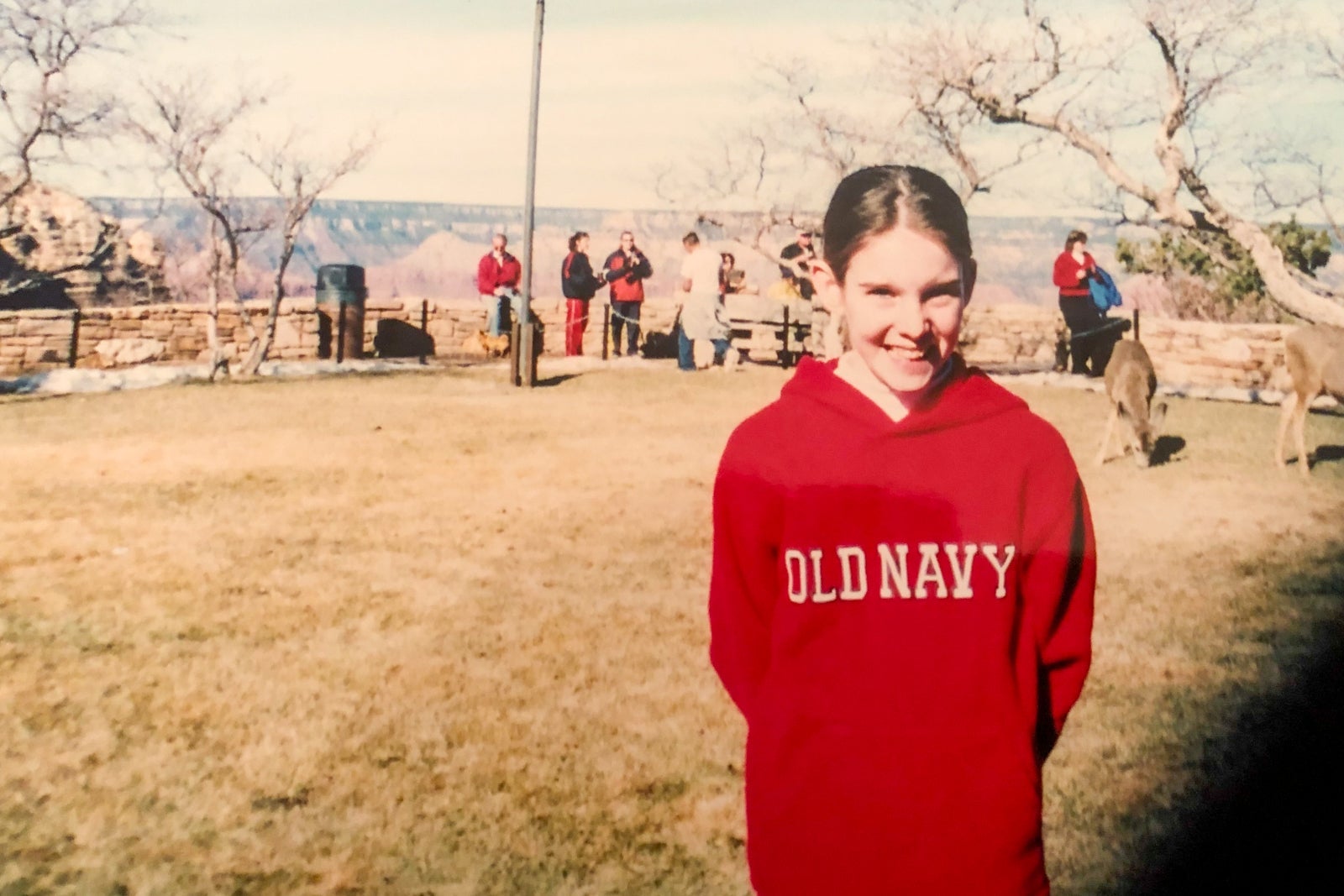
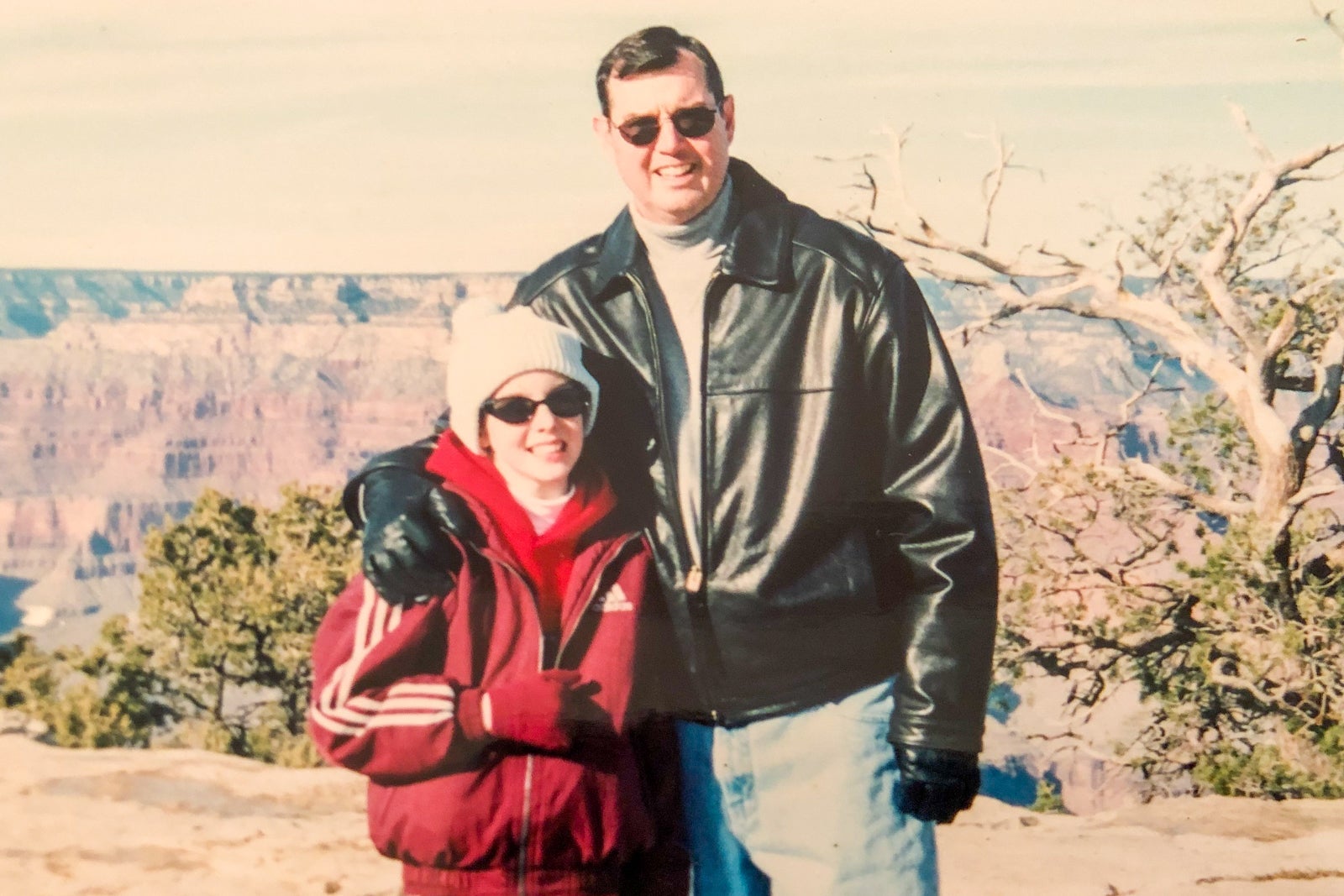
Unlike skiing, which I had never done until February, I've passed through a handful of national parks in my life thus far. However, the only visit to really speak of was the Grand Canyon, which seems to be an obligatory trip for a lot of American families — and that was the case for me.
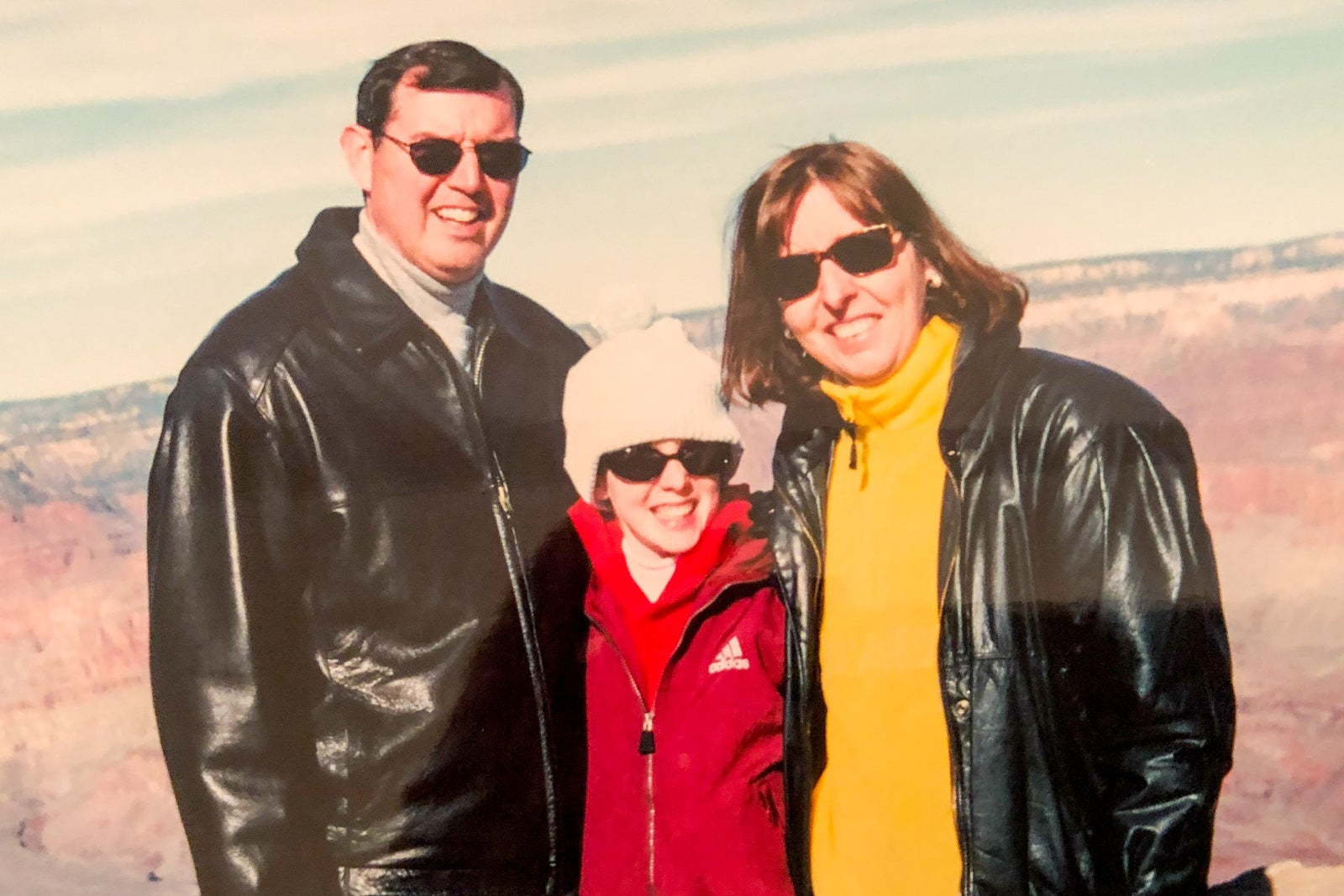
Growing up, I spent Christmases with my mother's family in Scottsdale, Arizona. The Grand Canyon was an easy enough trip and I suspect that's why we went for a few days after Christmas in 2001. I was 11 years old and I recall taking the Grand Canyon Railway from the small gateway town of Williams, Arizona, to the canyon's South Rim. We took the train instead of driving to the park because we went with my uncle Mike, a train enthusiast.
As for the canyon itself, as you might suspect, I was impressed by its size. I can still hear my mom's voice telling me to "Back away, don't get too close!" anytime I inched toward the roped-off edge to take a closer look.
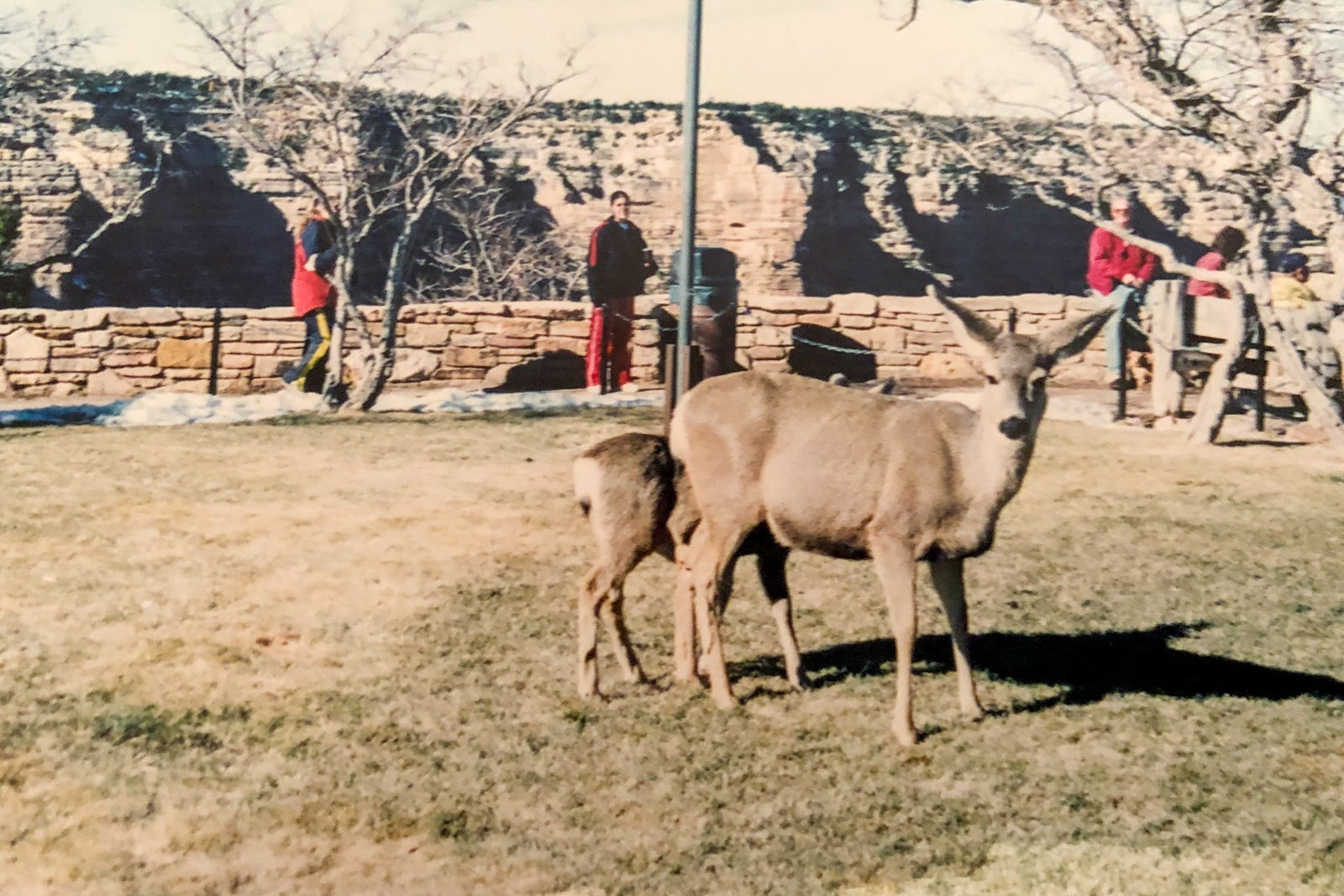
Other than the train ride and my parents shooing me away from the edge, I don't remember much, though. It was thanks to my mom digging up old photos at my request that I was reminded of the animals roaming freely.
Related: 8 national parks that are spectacular in spring
Why I want to start visiting parks
As I mentioned, I have visited a few other national parks besides the Grand Canyon. A born and bred St. Louisan, I've seen Gateway Arch National Park a few times, of course, and during my three years living in the Washington, D.C., area, I visited Shenandoah National Park in Virginia's Blue Ridge Mountains.

I would consider those experiences — plus any other times I've stepped foot on national park ground — unintentional because they did not stem from a goal to explore the park itself.
Having spent considerably more time outdoors during the pandemic, I've discovered a newfound desire to combine travel with outdoor activities. Visiting our national parks is a great place to start.
How to choose a park that is right for you
As the national park system is composed of more than 400 parks spread across 84 million acres of U.S. soil, a variety of factors will determine which park is the best fit for you as a traveler.
For example, I am only considering parks that are accessible for a first-time visitor who does not regularly hike or even own hiking boots.
Secondly, I want a park that is accessible from major airports and cities, since I will be flying and don't drive in my day-to-day life.
Thirdly, because I plan to take this trip during the summer, I am factoring in warmer weather which, combined with my lack of hiking skills and endurance, means I'll want a park with a low difficulty level. The National Park Service defines this as flat terrain with the option to go slow over a short distance.
Needless to say, I am not going to attempt to rock climb, but would enjoy a park that offers a trail or beach versus a cave, historical site or kayaking.
With those qualities in mind and thanks to the advice of TPG's managing editor and national park expert Melanie Lieberman, I narrowed down my choices to four parks. They each fit the criteria of being close to major cities and relatively easy to get around and explore:
- Yellowstone National Park: As the world's first national park, officially established in 1872, this is an obvious choice. I also included it because I have never been to any of the three states the park touches (Idaho, Montana and Wyoming).
- Acadia National Park: A few friends recommended Acadia. It's among the top 10 most-visited parks in the country and also accessible from two major cities — Boston and Portland, Maine — as well as the historic gateway town of Bar Harbor, Maine.
- Great Smoky Mountains National Park: Believe it or not, more people visit Great Smoky Mountains than any other park. It's known for its diverse range of plant and animal life and since I do not routinely see animals, I added it to the list.
- Indiana Dunes National Park: This would be the most convenient option from my home base of Chicago, and it's definitely the most low-key. Plus, it extends along 15 miles of Lake Michigan, which means beach access.
On-site versus off-site lodging
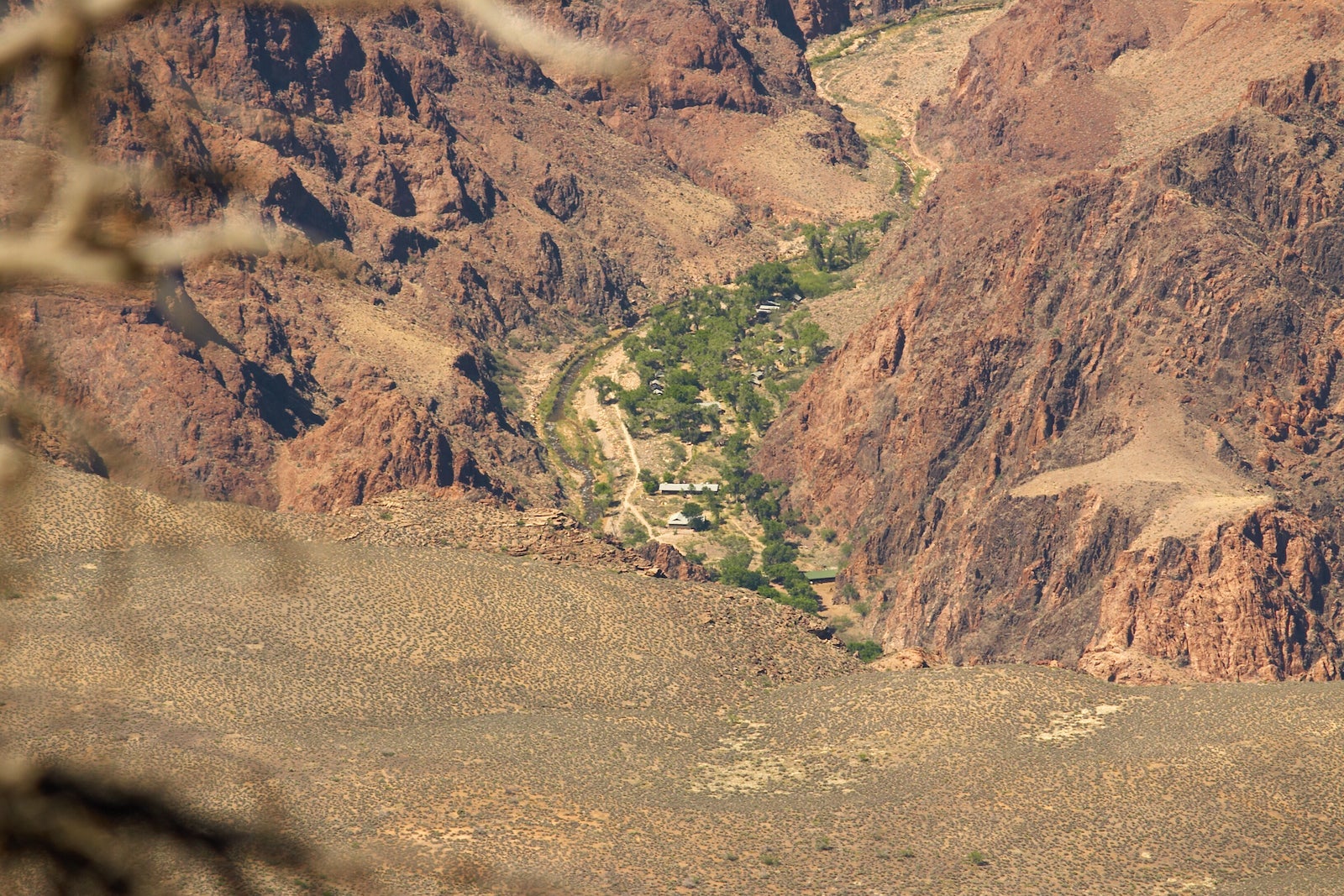
Many parks, such as the Grand Canyon, offer the opportunity to stay on site. For the Grand Canyon specifically, travelers can book a hotel along both its South and North rims. Phantom Ranch provides lodging at the bottom of the canyon itself, accessible via a mule ride.
As you might suspect, reservations for park lodging fill up quickly, so be sure to book reservations as far as possible in advance. Otherwise, you can be like me and plan on a visit that does not exceed a half-day and thus allows you to stay farther away.
In conducting research for this story, I talked to my aunt Joan, who shared her story of visiting the Grand Canyon in November 1993. She stayed at the Bright Angel Lodge & Cabins the night before riding mules down to the floor of the canyon. This particular property is at the top of the canyon, near the Bright Angel trailhead, a very popular trail extending all the way down the canyon.
"I can't remember if this was included in the cost of the mule trip, but it was helpful because you could leave your luggage while on the mule trip," she told me. "The lodge is beautiful and well worth a visit, if only for a drink. We stayed in the adjacent cabins which were pretty rustic back then but no doubt have been updated."
After they rode down the canyon, they stayed the night at the aforementioned Phantom Ranch, before riding back up the next day.
For those interested in going to the Grand Canyon specifically, mule trips are available at both rims (though the North Rim rides are only offered from May to October), starting at one hour in duration. Consult the NPS for more information about mule trips.
If staying within park boundaries is not for you, consider nearby hotels — including some TPG favorites that can be redeemed with points, including those at White Sands, Yosemite, Zion, Hawaii Volcanoes and the Grand Canyon, which you can read more about here.
Lastly, some parks offer campground facilities for daily and longer stays, which are specific to each park.
Related: 11 mistakes travelers make on their first camping trip
Additionally, keep the following in mind when planning your visit:
- Who is going: While the listed parks are suitable for novice hikers like me, you may find other parks to be better for certain types of people, including experienced hikers, families and those looking to climb versus raft or walk versus drive through the grounds.
- Type of experience: Do you want to hike, be on the water or experience a great scenic drive?
- Timing: Depending on how much time you have, parks are open at different times throughout the year based on weather and road access.
- Reservations: Certain parks require visitors to obtain advance passes and/or permits to access the park, so be sure to research those in advance. For example, reservations for Yosemite opened on March 25 for peak-season visits.
- What to pack: This is largely dependent on where and when you go, as the climate will determine your packing needs. But, at a minimum, I plan on buying hiking shoes to start.
Bottom line
While remote and rugged parks like Alaska's Kenai Fjords seem really cool and are certainly stunning, they are a better fit for a more experienced parkgoer.
For my first few park visits at least, I am focusing on parks that are accessible via major airports, easy to get around and open during the summer.
Though I considered some of the more under-the-radar parks that could potentially make for a quieter first-time experience such as North Dakota's Theodore Roosevelt National Park or California's Pinnacles, I ultimately decided to zero in on one of the most-visited parks for the sake of ease and safety.
Stay tuned for the story of my actual visit, where I will document which park I chose!
Read more: 10 of the best national parks to visit during winter
TPG featured card

at Capital One's secure site
Terms & restrictions apply. See rates & fees.
| 5X miles | Earn 5X miles on hotels, vacation rentals and rental cars booked through Capital One Travel |
| 2X miles | Earn unlimited 2X miles on every purchase, every day |
Pros
- Stellar welcome offer of 75,000 miles after spending $4,000 on purchases in the first three months from account opening. Plus, a $250 Capital One Travel credit to use in your first cardholder year upon account opening.
- You'll earn 2 miles per dollar on every purchase, which means you won't have to worry about memorizing bonus categories
- Rewards are versatile and can be redeemed for a statement credit or transferred to Capital One’s transfer partners
Cons
- Highest bonus-earning categories only on travel booked via Capital One Travel
- LIMITED-TIME OFFER: Enjoy $250 to use on Capital One Travel in your first cardholder year, plus earn 75,000 bonus miles once you spend $4,000 on purchases within the first 3 months from account opening - that’s equal to $1,000 in travel
- Earn unlimited 2X miles on every purchase, every day
- Earn 5X miles on hotels, vacation rentals and rental cars booked through Capital One Travel
- Miles won't expire for the life of the account and there's no limit to how many you can earn
- Receive up to a $120 credit for Global Entry or TSA PreCheck®
- Use your miles to get reimbursed for any travel purchase—or redeem by booking a trip through Capital One Travel
- Enjoy a $50 experience credit and other premium benefits with every hotel and vacation rental booked from the Lifestyle Collection
- Transfer your miles to your choice of 15+ travel loyalty programs
- Top rated mobile app