Everything you need to know about packing for a ski trip

Editor's Note
After a slow start to the 2023-24 ski season, with the promised optimal El Nino-induced snow conditions failing to materialize, much of the U.S. is now gripped by extreme cold.
Planning a ski trip (especially for the whole family) is always a logistically challenging endeavor. First, there's the essentials: deciding where to ski, how to avoid crowds and long lift lines during peak season, and where to stay within your defined budget. Does it make sense for your group to stay close to all the restaurants and bars for lively apres ski, or to have direct, easy access to the slopes?
But when temperatures go well below your average kind of chilly, staying warm, safe and comfortable on the slopes and around town becomes the most important consideration of all. Trying to pack all the right necessities without accruing additional baggage fees is certainly no easy feat.
To help you avoid dragging around bulky luggage that contains everything but the things you actually need, we've compiled a list to help you pack the essential items to prepare for extreme weather and get the most out of your ski trip this winter.
Packing for a ski trip: The right layers

Air temperatures can fluctuate wildly depending on the day, time and elevation. Your own body temperature can also change depending on how hard you're skiing.
Wearing multiple layers makes it easier to regulate your body heat. When heading out for an active adventure in cold conditions, try to avoid cotton, as it absorbs moisture and takes time to dry. Instead, opt for synthetic materials, wool or fleece.
Base layers
Not only do base layers provide extra insulation, but they're also designed to wick sweat away from the body, keeping you warm and dry.
Depending on the duration of the trip, one to two sets should be enough. Patagonia makes breathable bottom and top layers in a variety of weights for men, women and children. Even better, they come in a variety of colors and patterns.
Meriwool also produces 100% wool base layer tops in a range of colors that are lightweight (but sturdy), warm and versatile — perfect for on and off the slopes.

Middle layers
The purpose of the middle layer is to provide insulation during extreme conditions. During warmer spring skiing days, however, a middle layer may not be necessary at all (or you can opt for something lightweight).
Mountain Hardwear's StretchDown collection includes a variety of pullovers, jackets, parkas and pants that come in three weights to suit the temperatures you're expecting. It's always a good idea to "be bold and start cold" — that way you don't have to ditch layers after your body warms up on the first run.
Outer layers
Outer layers are the main protection against heat loss through convection. To put it simply, a good outer layer will keep you dry when it's wet and warm when it's windy.
While some may opt for a heavier insulated ski jacket, using a waterproof shell for an outer layer has its benefits, including providing breathable protection from the wind and allowing you to wear as few or as many layers underneath as necessary. Best of all, a shell will take up way less space in your suitcase.
The Skyward II Jacket, made by Outdoor Research, is waterproof, breathable and lightweight, and comes in both men's and women's styles. Patagonia's Powder Bowl shell pants are a great option and come in styles for men and women.
Mountain Hardware's Viv Gore-Tex Pro Jacket is a ski-specific outer shell with features like a helmet-compatible hood, a snow-proof skirt and snaps that connect to the associated bib, keeping the snow out even on the deepest days.
For more extreme, arctic temperatures, you might want to consider something with more insulation like the Helly Hansen Alphelia Lifaloft ski jacket, available for both men and women in multiple colors and sizes — it also has lots of useful pockets.
Related: 9 travel packing tips to save space in your luggage
Gloves or mittens
The quickest way to get cold hands is to wear gloves that make you sweat, so choose your gloves based on the forecast temperatures during your trip.
During the coldest days, consider the Mt. Baker Modular Mitts by Outdoor Research. If you prefer gloves over mittens, the Arc'teryx Fission SV Gloves will provide the warmth and breathability you need, and you'll find plenty of Gordini glove fans on the slopes.
When spring arrives and you're ready for balmy days filled with soft corn snow, bring Black Diamond's LightWeight Softshell Gloves along.
Related: From hidden gems to big names: Here are 11 of California's best ski resorts
A lightweight helmet
Your brain is the most important part of your body, so protect it.
Bern has a nice array of stylish and warm helmets, perfect for a day (or hundreds of days) on the slopes. It has a number of different snow-specific helmets, many of which are thin and have a low profile, keeping the weight to a minimum. They also have adjustable vent systems, which allow for full control of ventilation based on conditions and preferences.
When possible, choose a helmet with a multidirectional impact protection system like the Smith Vida, which is designed to protect against angular and rotational impacts.
Ventilated goggles
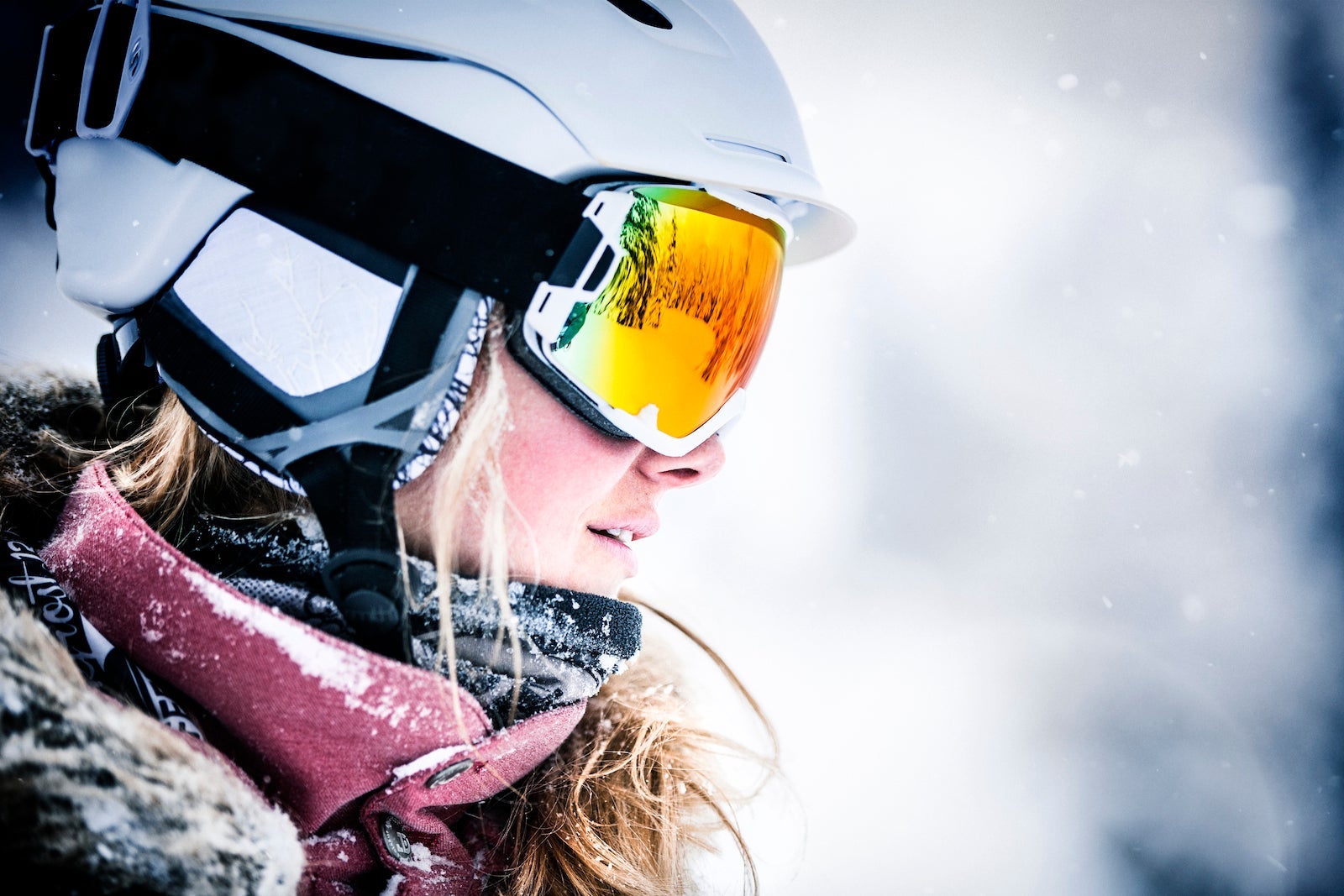
No one likes flying down the slopes at full speed only to realize that the thick fog they just skied into is actually inside their goggles. When choosing a pair, pick a product with good ventilation and a dual lens to help prevent fogging.
Neck gaiter
Scarves can be great for a cold evening around town, but they can also be a serious hassle on the ski hill. Keep it simple by using a neck gaiter (such as the Merino 250 by Smartwool) to keep your neck warm on a cold day.
Ski socks
With a single pair of high-quality, knee-high synthetic or wool ski socks, your feet will stay warm and dry all day.
Darn Tough and Swiftwick both make great socks for active outdoor adventures. Swiftwick's Pursuit Hike socks come in light and medium weights and are intended to keep your feet dry and blister-free, making them a great option for ski socks.
Be sure to pack a few pairs, but because they dry fast, you can use them more than once on a single ski trip if need be.
Lip balm
When the temperatures drop, the wind picks up and the air dries out, it's not a matter of if you will need lip balm, but when. Keep a stick of Burt's Bees lip balm with SPF in your pocket and you'll have nothing to worry about.
Sunscreen
As always, don't forget the sunscreen. It'd be a shame to end up back at the lodge with a nasty sunburn unless you're going for the classic goggle tan look. Thinksport makes an SPF 50 sunscreen that can help keep those UVA and UVB rays off your face (and wherever else you may need to apply it).
Safety gear
In recent years, skiing out of bounds, or "off-piste," has become increasingly popular. While skiing out of bounds requires an entirely different set of skills than resort skiing, there are a few things that might be worth bringing even if you simply plan to duck into the woods for a few glade laps.
A personal locator beacon, or PLB, allows skiers to send out an SOS in case of an emergency when a cell signal doesn't exist. Some, like the Spot X, even connect to your cellphone using Bluetooth, allowing you to send text messages in areas without cellphone service. Of course, you should only use a device like this in the case of a true emergency (and only head into the trees if your skills allow it).
If you do find yourself out of ski resort boundaries, know that help may not be available, and if it is, you could be slapped with a hefty bill, especially if you don't have the appropriate gear and know-how to travel in the backcountry.
Having a backpack to carry things like snacks, water and first aid supplies can also be useful. Mountain Hardwear recently released two ski-specific packs — the Snoskiwoski 40 and the Powabunga 32L. The latter is geared more toward in-bounds hike-access terrain that can be accessed by short walks from the lift and is likely the better option for a standard day at the resort.
Packing for a snowboarding trip
Luckily, all of the aforementioned ski gear also applies to the snowboarders of the family. Mother Nature doesn't care if you're ripping turns on skis or throwing powder carves on a snowboard — cold weather is cold weather.
Of course, the technical gear is different with snowboards versus skis, but the necessary layers, goggles, backpacks, helmets and so on are universal regardless of how you choose to slide down the hill.
Pack for after a day on the slopes
Waterproof winter boots
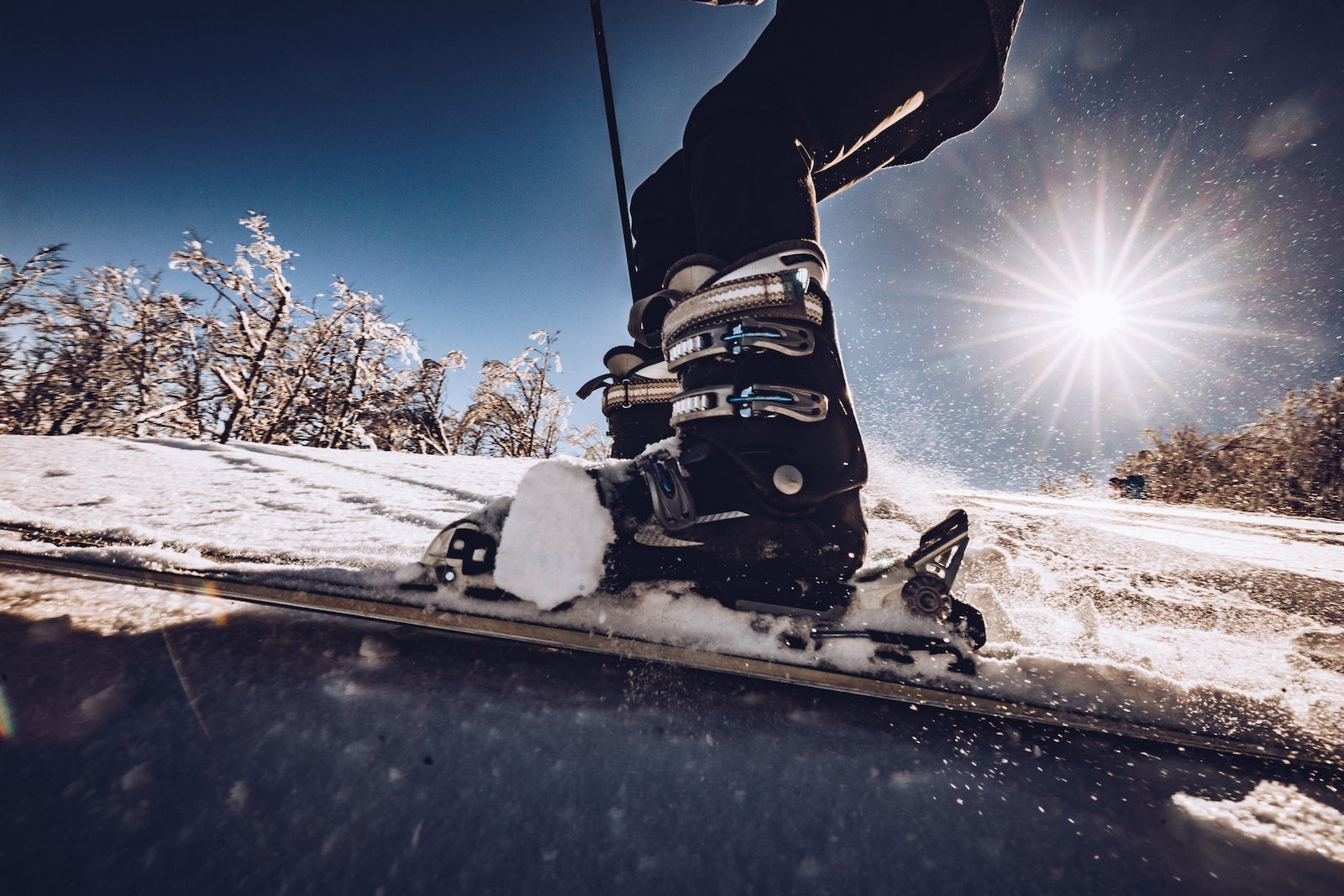
While you're on the slopes, your ski or snowboard boots will be your footwear of choice. However, chances are if it's cold enough to ski, it's cold enough to need warm boots after you've left the slopes.
Unless you plan on wearing your ski boots out to dinner, you may want to pack a pair of L.L. Bean's classic shearling-lined Bean Boots along for the trip. Great for men, women and kids, these boots are waterproof and stylish, so you don't have to pile multiple pairs of shoes into your suitcase. Another solid, reasonably priced option for women is Columbia's Ice Maiden II snow boot.
Warm clothing for a night on the town
It might seem obvious, but you'll likely not want to wear your ski pants out to dinner after spending the day on the hill (of course, I'm not going to speak for everyone here). Pack some comfortable clothing, keeping in mind that it will still be cold at night and that a lot of ski villages are designed for walking.
Extra gloves
Whether you're walking to a nearby cocktail bar for apres-ski activities, heading out for a nice dinner or sampling the beers at a local brewery, make sure to bring an extra set of gloves to keep your hands warm while your ski gloves dry for the next day.
Smartwool's merino wool gloves also act as a great base layer under mittens and are touchscreen-compatible, which is very useful in subzero temperatures.
An insulated coffee mug
This definitely isn't a mandatory ski packing list item, but ski trips and hot drinks go hand in hand. Bringing an insulated thermos or coffee mug ensures you won't be drinking cold coffee (or hot chocolate) within 10 minutes and is also easier on the environment.
Winter hat
Since you'll wear your helmet on the slopes, you won't need a hat then to keep your ears warm. However, when it comes time to walk through the village to grab a bite to eat for dinner, hopefully you won't still be using your helmet for warmth.
Mountain Hardwear's Dome Perignon beanies are made of soft, polyester fleece and are lightweight and cozy. Many versions are also snug enough to fit under your helmet on especially cold days.
Related reading:
- Key travel tips you need to know — whether you're a beginner or expert traveler
- The best travel credit cards
- Where to go in 2024: The 16 best places to travel
- 6 real-life strategies you can use when your flight is canceled or delayed
- 8 of the best credit cards for general travel purchases
- 13 must-have items the TPG team can't travel without
TPG featured card

at Capital One's secure site
Terms & restrictions apply. See rates & fees.
| 5X miles | Earn 5X miles on hotels, vacation rentals and rental cars booked through Capital One Travel |
| 2X miles | Earn unlimited 2X miles on every purchase, every day |
Pros
- Stellar welcome offer of 75,000 miles after spending $4,000 on purchases in the first three months from account opening. Plus, a $250 Capital One Travel credit to use in your first cardholder year upon account opening.
- You'll earn 2 miles per dollar on every purchase, which means you won't have to worry about memorizing bonus categories
- Rewards are versatile and can be redeemed for a statement credit or transferred to Capital One’s transfer partners
Cons
- Highest bonus-earning categories only on travel booked via Capital One Travel
- LIMITED-TIME OFFER: Enjoy $250 to use on Capital One Travel in your first cardholder year, plus earn 75,000 bonus miles once you spend $4,000 on purchases within the first 3 months from account opening - that’s equal to $1,000 in travel
- Earn unlimited 2X miles on every purchase, every day
- Earn 5X miles on hotels, vacation rentals and rental cars booked through Capital One Travel
- Miles won't expire for the life of the account and there's no limit to how many you can earn
- Receive up to a $120 credit for Global Entry or TSA PreCheck®
- Use your miles to get reimbursed for any travel purchase—or redeem by booking a trip through Capital One Travel
- Enjoy a $50 experience credit and other premium benefits with every hotel and vacation rental booked from the Lifestyle Collection
- Transfer your miles to your choice of 15+ travel loyalty programs
- Top rated mobile app