8 places to delve into the complicated history of Hispanics in the Americas

Editor's note: This is a recurring post, regularly updated with new information.
Sept. 15 marks the start of National Hispanic Heritage Month in the U.S., commemorating a Hispanic heritage dating to the 1400s, when explorers from Spain and Portugal began colonizing the New World.
Today, many sites from that significant era still survive. These can be illuminating, enriching focal points for historical and cultural exploration at any time, but they are especially highlighted over the course of this month-long span.
Given the breadth and impact of Hispanic exploration in the Americas, it's no wonder that there are hundreds, if not thousands, of meaningful sites to celebrate Hispanic and Latino heritage both in the U.S. and elsewhere.
Here are eight places to inspire travel during Hispanic Heritage Month.
St. Petersburg, Florida
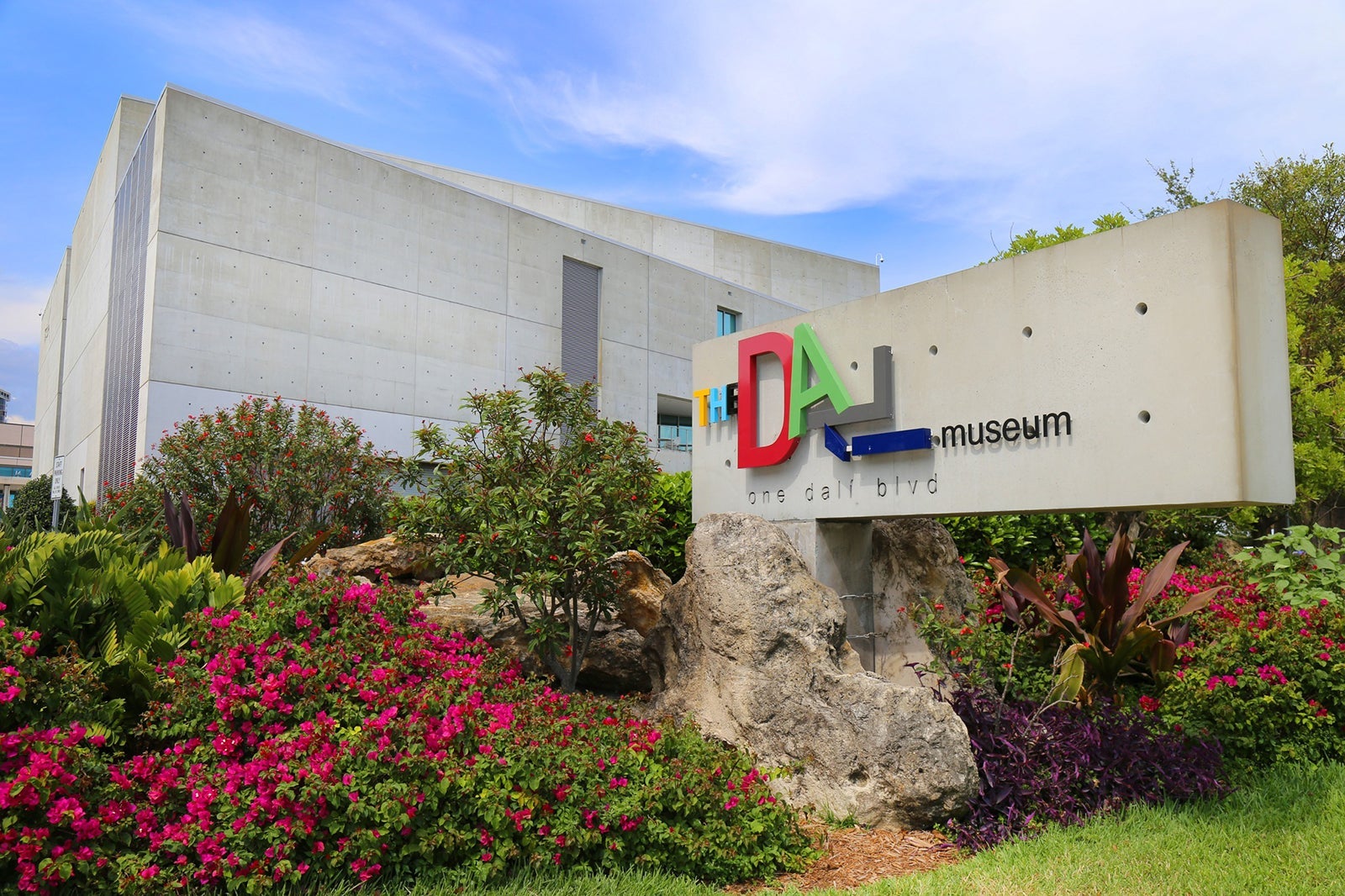
St. Petersburg's Salvador Dali Museum offers a rare opportunity to experience surrealist art in real time.
Open since 1982, this world-class institution is home to the world's second-largest collection of Dali's works. Experience dripping clocks, pointy mustaches and works of art that spark your wildest imagination.
The museum's geometric windows and wrap-around skylights make it look like it was plucked straight out of one of Dali's wondrous paintings.
New York City

The Hispanic Society Museum and Library is home to one of the largest collections of Spanish manuscripts and art outside of Spain.

In Manhattan's Washington Heights neighborhood, visitors can explore the museum's extraordinary collection of more than 18,000 works of art. Paintings, drawings, sculptures and decorative arts have been collected for over a century.
The Hispanic Society Museum and Library is free and open to the public by appointment only.
San Juan, Puerto Rico
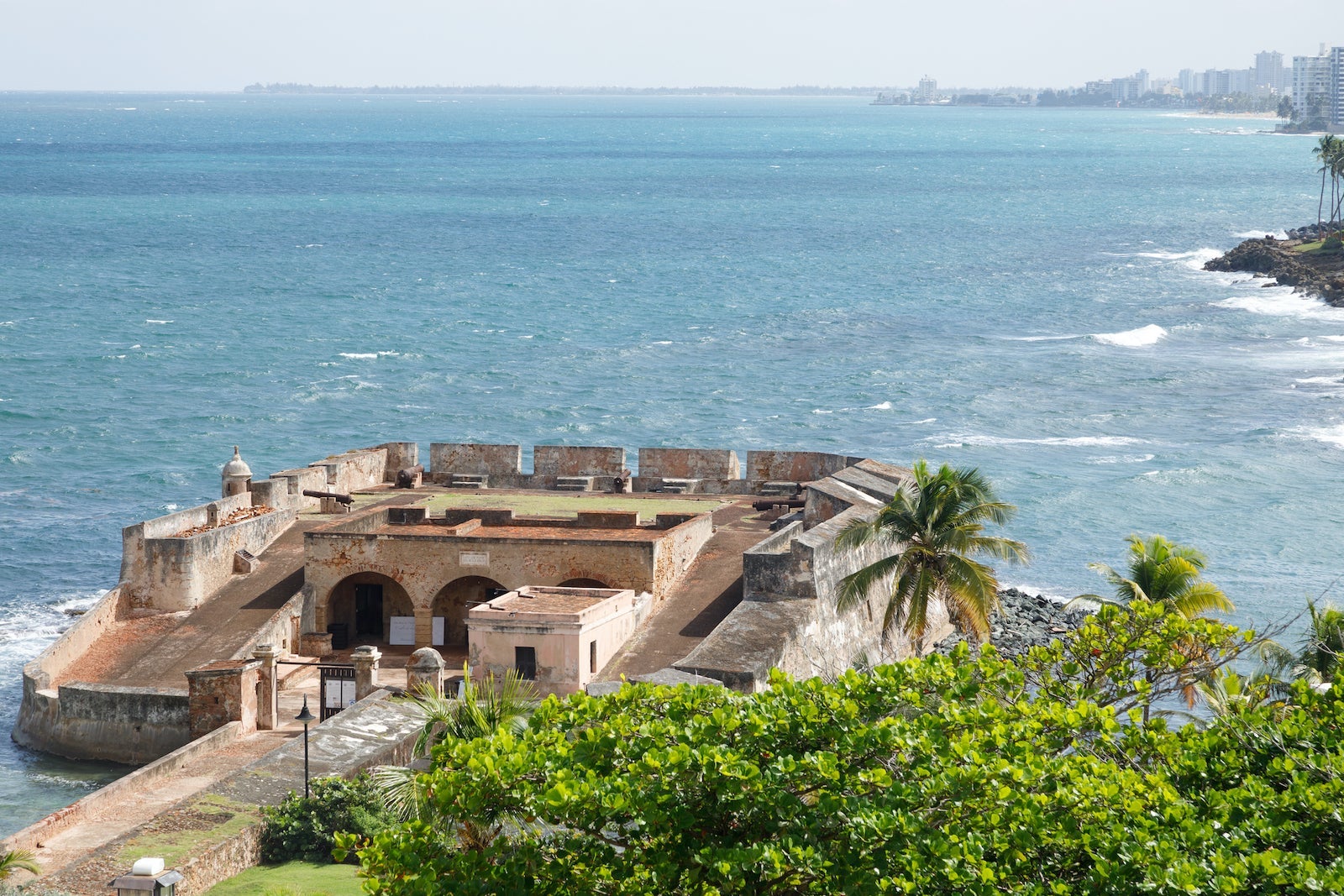
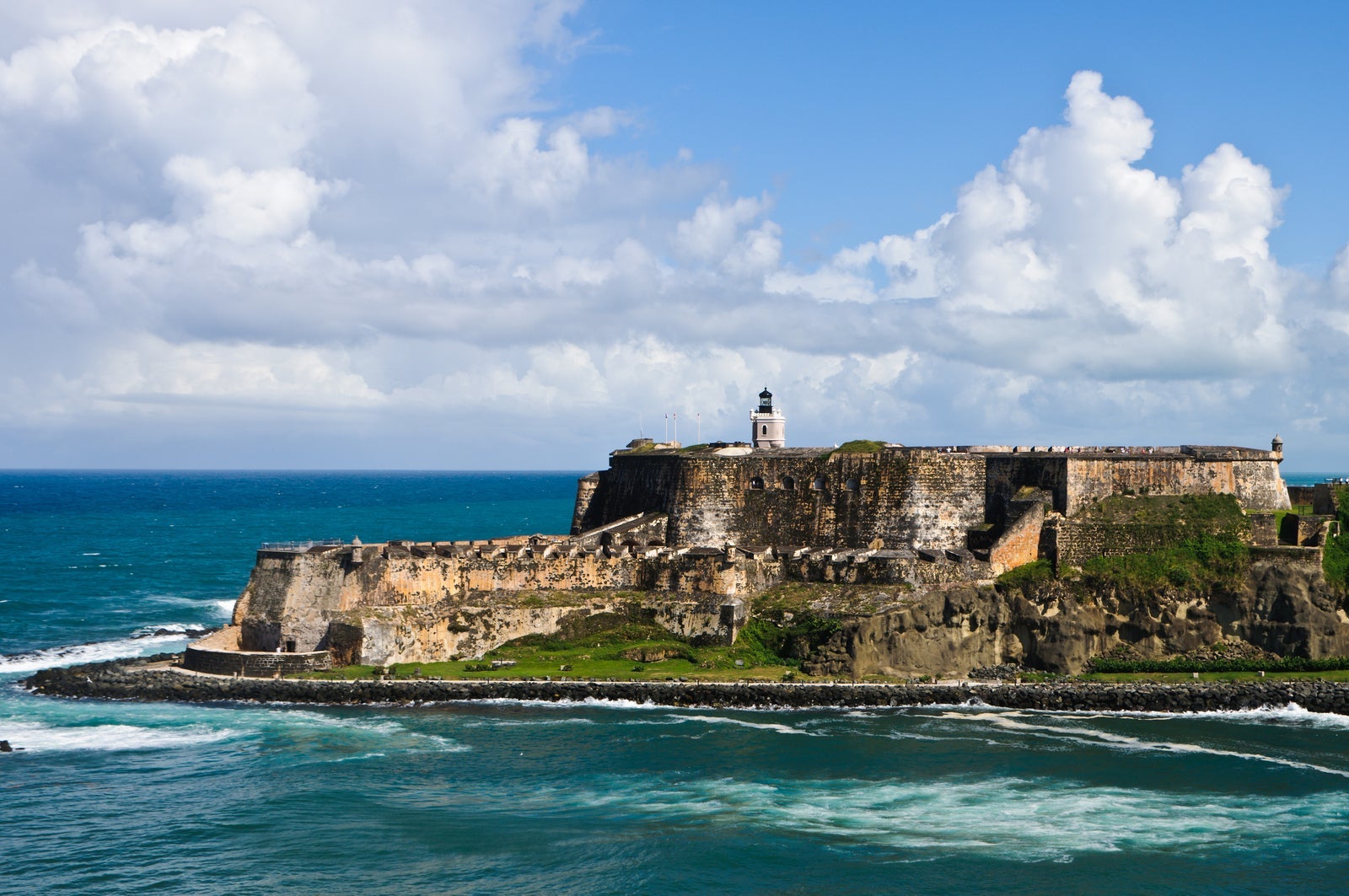
Spain conquered Puerto Rico and founded the capital city of San Juan more than 500 years ago, in 1521. Visitors to the island can learn about the Spanish era at the still-imposing Castillo San Felipe del Morro, constructed beginning in 1539.
The Atlantic-facing fortification guarded the entrance to the city's harbor against attacks from the British, Dutch and, yes, pirates. It continues to be a popular attraction.
Related: A beginner's guide to visiting Puerto Rico: Everything you need to eat, see and do
St. Augustine, Florida
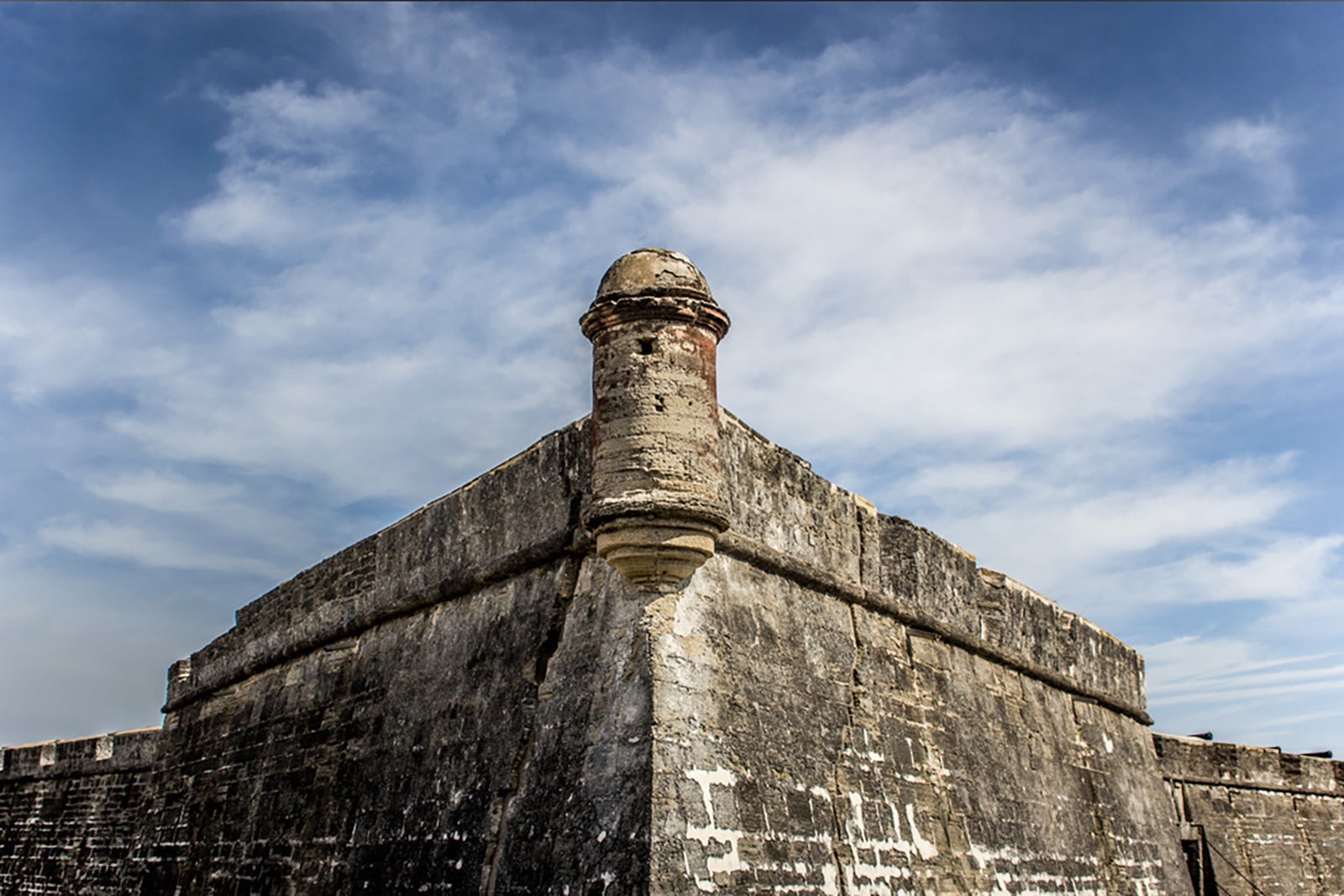
America's oldest continuously inhabited colonial city, St. Augustine, was founded on Sept. 8, 1565, by Pedro Menéndez de Avilés, a Spanish admiral.
Spain occupied Florida until 1763 and again from 1783 to 1821. The city has many Hispanic heritage sites, including the National Park Service's Castillo de San Marcos National Monument. The Spaniards built it in the late 1600s to protect the city from pirates. It's the oldest masonry fortification in the continental U.S.
Travelers can visit the fort and then stop by the Plaza de Las Constitucion to see a white obelisk, thought to be the world's only remaining original monument to the Spanish Constitution of 1812.
Mexico City
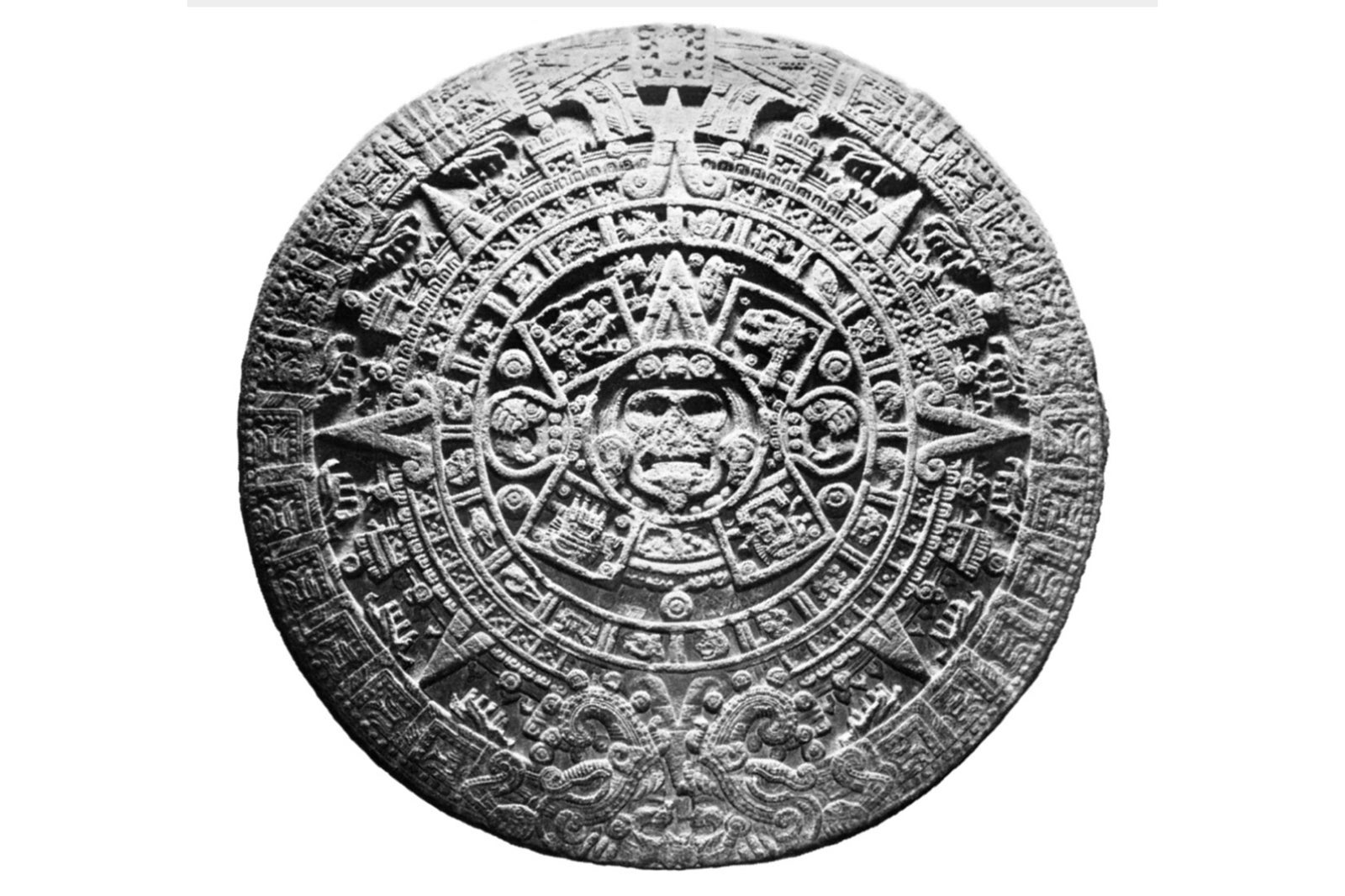
The Aztec capital, Tenochtitlan, fell to the Spanish 500 years ago, on Aug. 13, 1521. In the subsequent centuries, the ruins of that metropolis morphed into Mexico City. Before it was a bustling metropolis, the region was home to giant lakes dotted with islands.
Although the Spanish destroyed much of the Aztec city, certain archaeological sites, including the area around the Templo Mayor, can still be seen today.
Related: These are the best Latin American cities to use your points and miles
Head to the Museo Nacional de Antropologia to learn more about Aztec culture and the human side of this tragic history.
Cartagena, Colombia
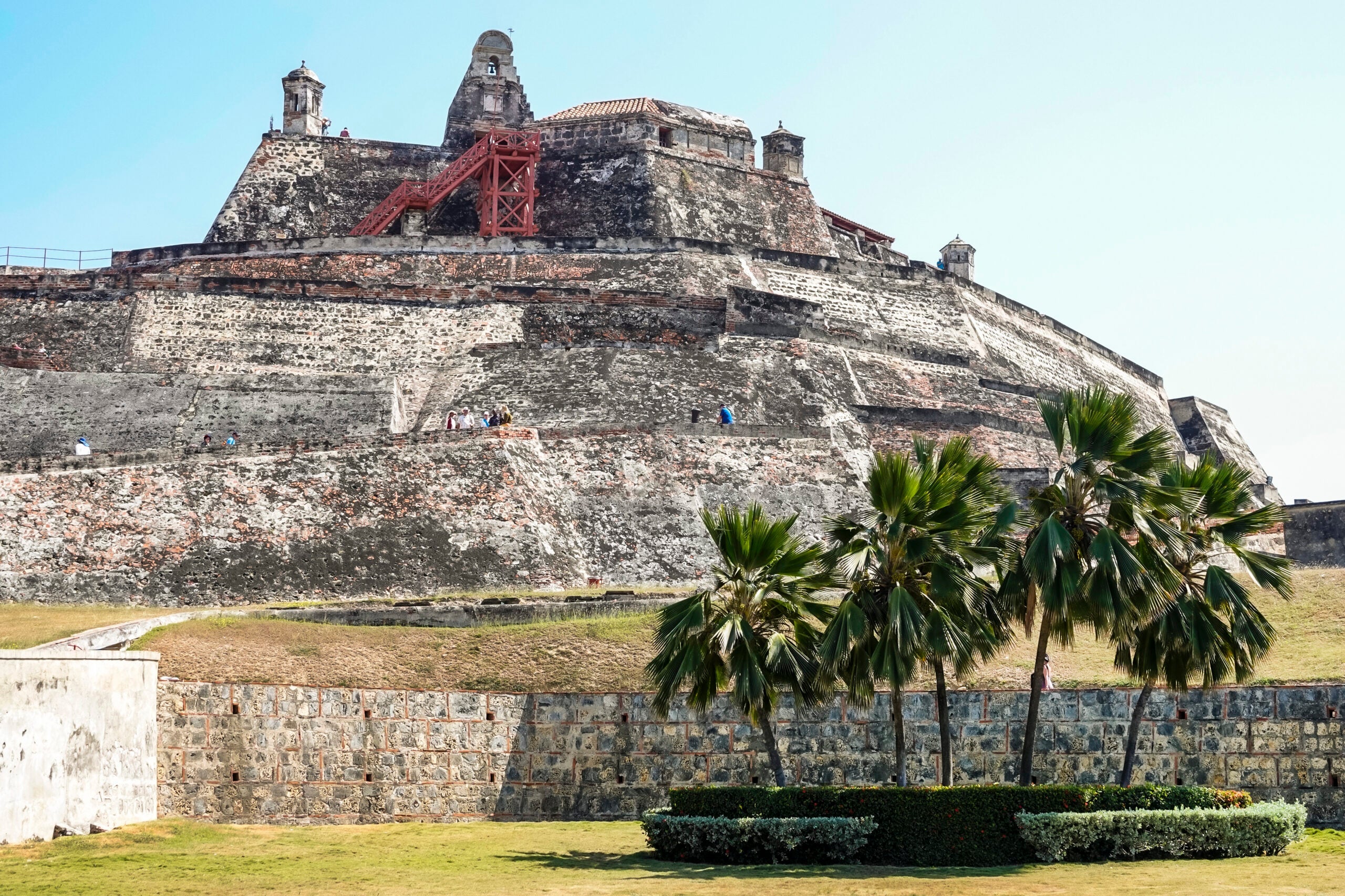
The walls of Cartagena de Indias were erected more than 400 years ago to defend the city against pirates and other colonial powers.
This was one of Spain's richest and most important bases in the New World, as it shipped out treasures plundered from Colombia and the rest of northern South America.
The walls and forts, such as Castillo San Felipe de Barajas, were meant to prevent Cartagena from invasion by the English, French and privateers. They remain some of the best-preserved Spanish fortifications in South America and can still be visited today.
Quito, Ecuador
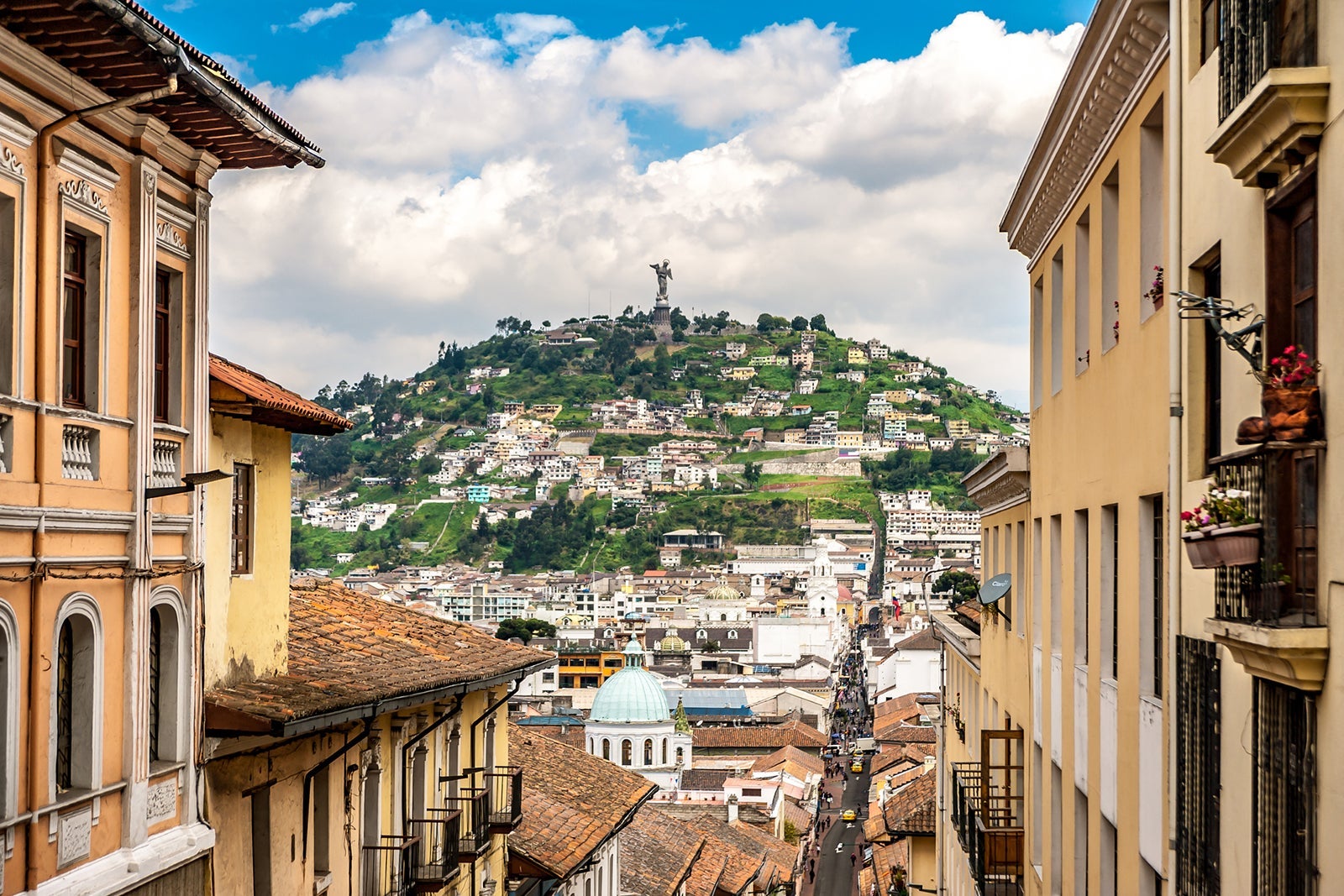
Quito is the oldest continuously inhabited South American capital and was a population center long before the Spanish founded their city there in the 16th century.
The Spanish forced locals to convert to Catholicism and built many churches and monasteries, including the Church of San Agustin. It was here that Ecuador's Act of Independence was signed in 1809 after a victory over the Spanish troops.
Many religious buildings are now museums you can visit in the historical center of Quito — the first city designated a UNESCO World Heritage Site in 1978.
Reno, Nevada
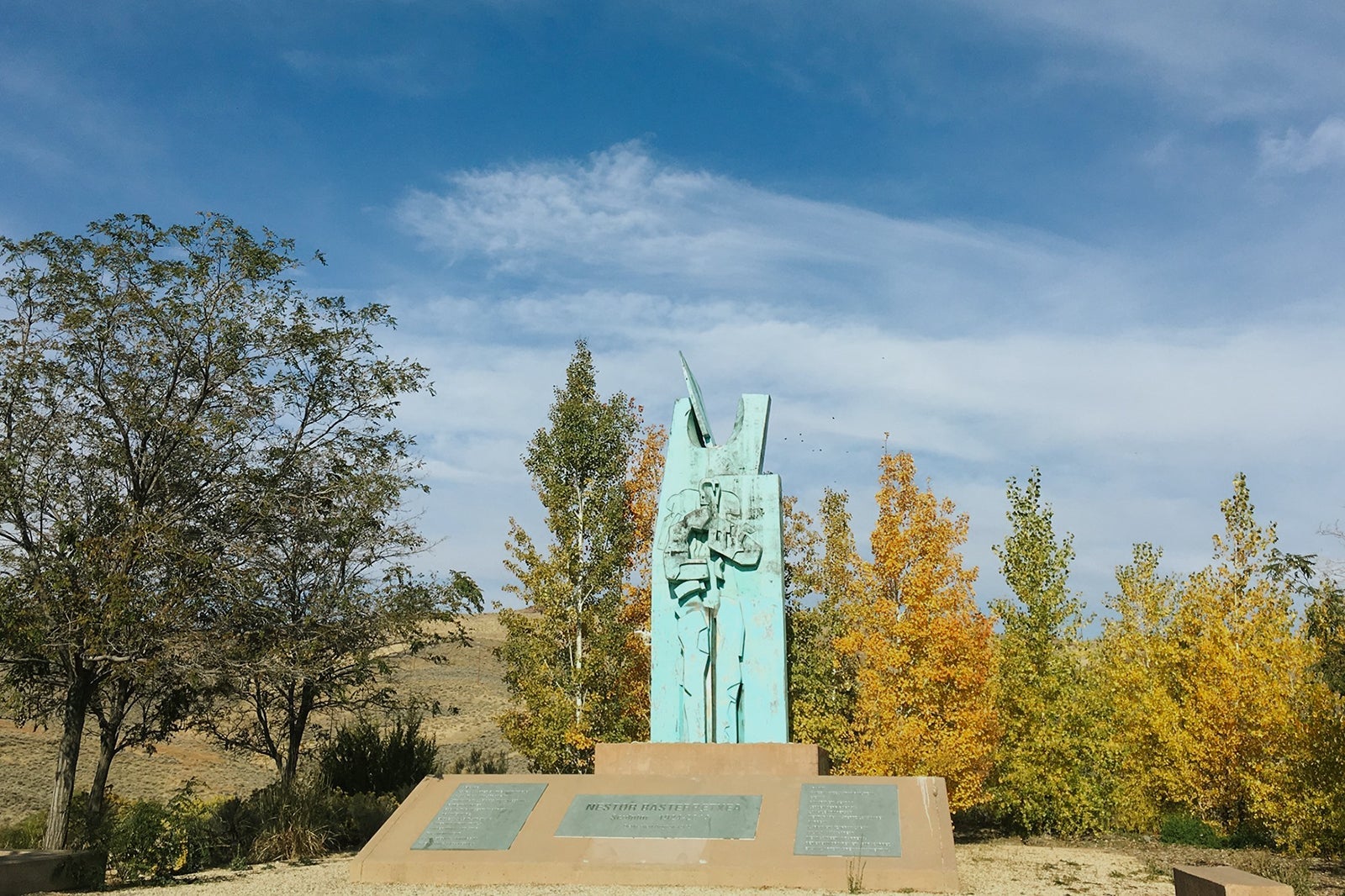
In Rancho San Rafael Regional Park, the Basque Sheepherder Monument is a 23-foot bronze sculpture created by Basque sculptor Nestor Basterretxea.
Titled "Bakardade," meaning solitude, the abstract sculpture depicts a man carrying a lamb over his shoulder to represent the first generation of Basque immigrants in the U.S., who were mostly shepherds.
You can find one of the world's largest collections of Basque-related artifacts in the Jon Bilbao Basque Library at the nearby University of Nevada, Reno.
Bottom line
In the more than 500 years that have passed since European explorers first arrived in the Americas, they and their descendants built cities, monuments, churches and other landmarks throughout the Western Hemisphere, many of which travelers can visit today.
On the one hand, Spain's military, economic and cultural conquest created a significant historical record of Hispanic heritage that endures today. On the other, much of that success resulted from brutal campaigns and the suppression of myriad Indigenous cultures already living in North and South America.
Visiting these eight significant sites — or the hundreds of others in the U.S. and abroad — is just one way to learn more about our hemisphere's Hispanic heritage while also acknowledging the costs inflicted upon other cultures during the Age of Exploration and beyond.
Related reading:
- Key travel tips you need to know — whether you're a beginner or expert traveler
- The best travel credit cards
- The 18 best places to travel in 2023
- 6 real-life strategies you can use when your flight is canceled or delayed
- 8 of the best credit cards for general travel purchases
- 13 must-have items the TPG team can't travel without
TPG featured card

at Capital One's secure site
Terms & restrictions apply. See rates & fees.
| 5X miles | Earn 5X miles on hotels, vacation rentals and rental cars booked through Capital One Travel |
| 2X miles | Earn unlimited 2X miles on every purchase, every day |
Pros
- Stellar welcome offer of 75,000 miles after spending $4,000 on purchases in the first three months from account opening. Plus, a $250 Capital One Travel credit to use in your first cardholder year upon account opening.
- You'll earn 2 miles per dollar on every purchase, which means you won't have to worry about memorizing bonus categories
- Rewards are versatile and can be redeemed for a statement credit or transferred to Capital One’s transfer partners
Cons
- Highest bonus-earning categories only on travel booked via Capital One Travel
- LIMITED-TIME OFFER: Enjoy $250 to use on Capital One Travel in your first cardholder year, plus earn 75,000 bonus miles once you spend $4,000 on purchases within the first 3 months from account opening - that’s equal to $1,000 in travel
- Earn unlimited 2X miles on every purchase, every day
- Earn 5X miles on hotels, vacation rentals and rental cars booked through Capital One Travel
- Miles won't expire for the life of the account and there's no limit to how many you can earn
- Receive up to a $120 credit for Global Entry or TSA PreCheck®
- Use your miles to get reimbursed for any travel purchase—or redeem by booking a trip through Capital One Travel
- Enjoy a $50 experience credit and other premium benefits with every hotel and vacation rental booked from the Lifestyle Collection
- Transfer your miles to your choice of 15+ travel loyalty programs
- Top rated mobile app