Yellowstone showcases the area’s Indigenous peoples for 150th anniversary

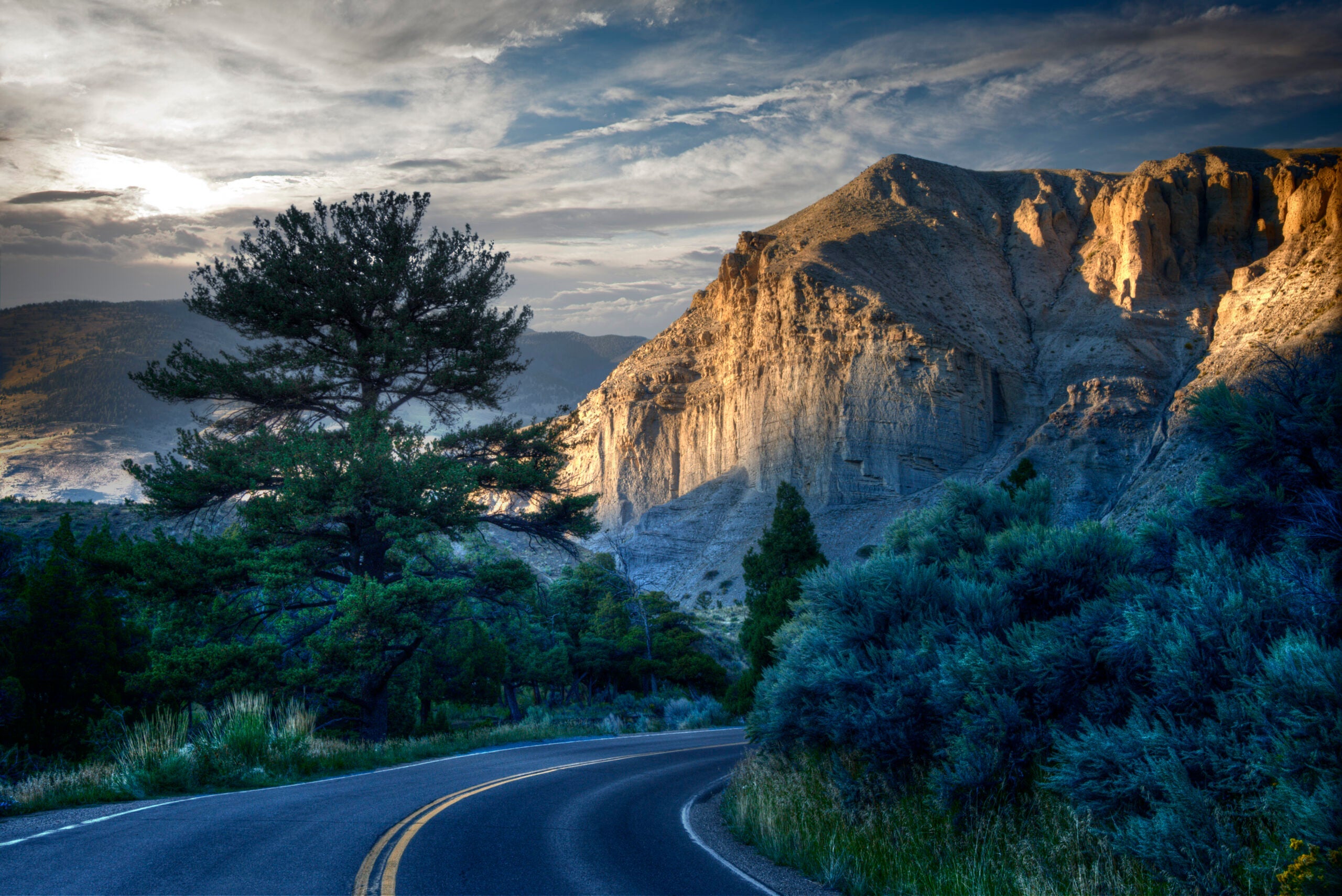
Yellowstone National Park, the U.S.'s first national park, is celebrating its 150th anniversary this year with a variety of new programming and initiatives, including the creation of the new Tribal Heritage Center.
The center, which officially opened on May 26, will provide opportunities for Native American artists, scholars and others to speak directly with visitors about Indigenous cultures, as well as heritage and historical associations with the land that comprises Yellowstone National Park.
"We're going [to] a really great place" Amanda Hagerty, institute director of Yellowstone Forever, the educational arm of the park, told TPG of the center and its ongoing programs. "We are showing that tribal voices have always been here. They just need to be elevated more."
Facing the past
There are 27 tribal nations with connections to the land that makes up Yellowstone, including the Umatilla, Crow and Eastern Shoshone. It's estimated that these communities have lived in the area in and around Yellowstone for more than 11,000 years.
However, when the park was created, Indigenous peoples were pushed out under the threat of violence, and their vast knowledge of the area and deep cultural ties to the land were replaced by the myth, often promoted by the park itself, that the area had been uninhabited. In the years since, their stories have been largely left out of the visitor experience.
Lately, however, several entities have been trying to change that. According to Hagerty, the superintendent's office has been working with the National Park System, Yellowstone Forever and the 27 tribal nations associated with the park to come up with opportunities for Indigenous peoples to have more of a presence in the park. The new Tribal Heritage Center is one of the outcomes of this ongoing collaboration.
"The thing that rose to the top [of the discussion with Indigenous communities] was a presence within Yellowstone National Park, and having some ability to be able to be in the park and tell their own stories," Hagerty explained.
The importance of Indigenous-led programming
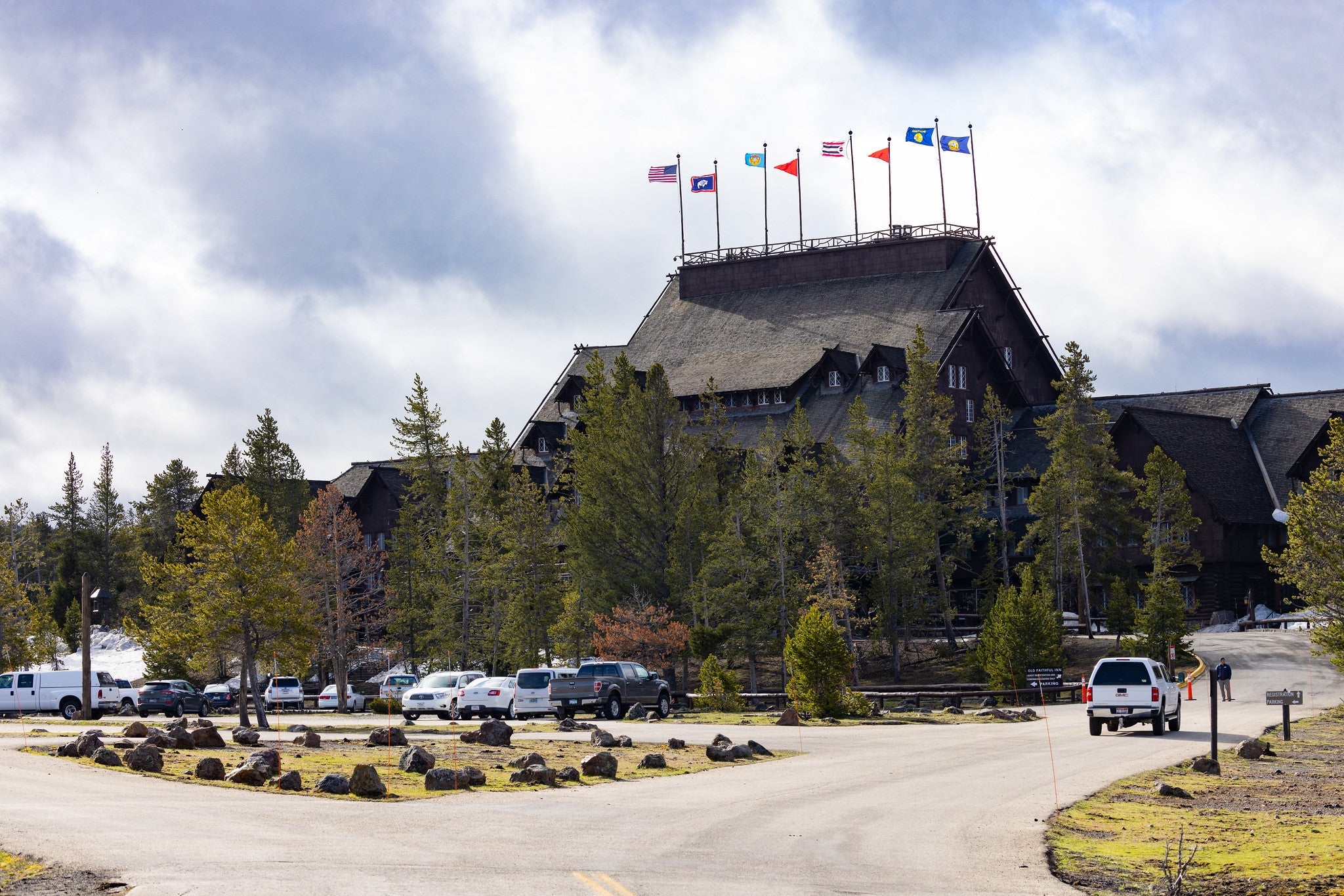
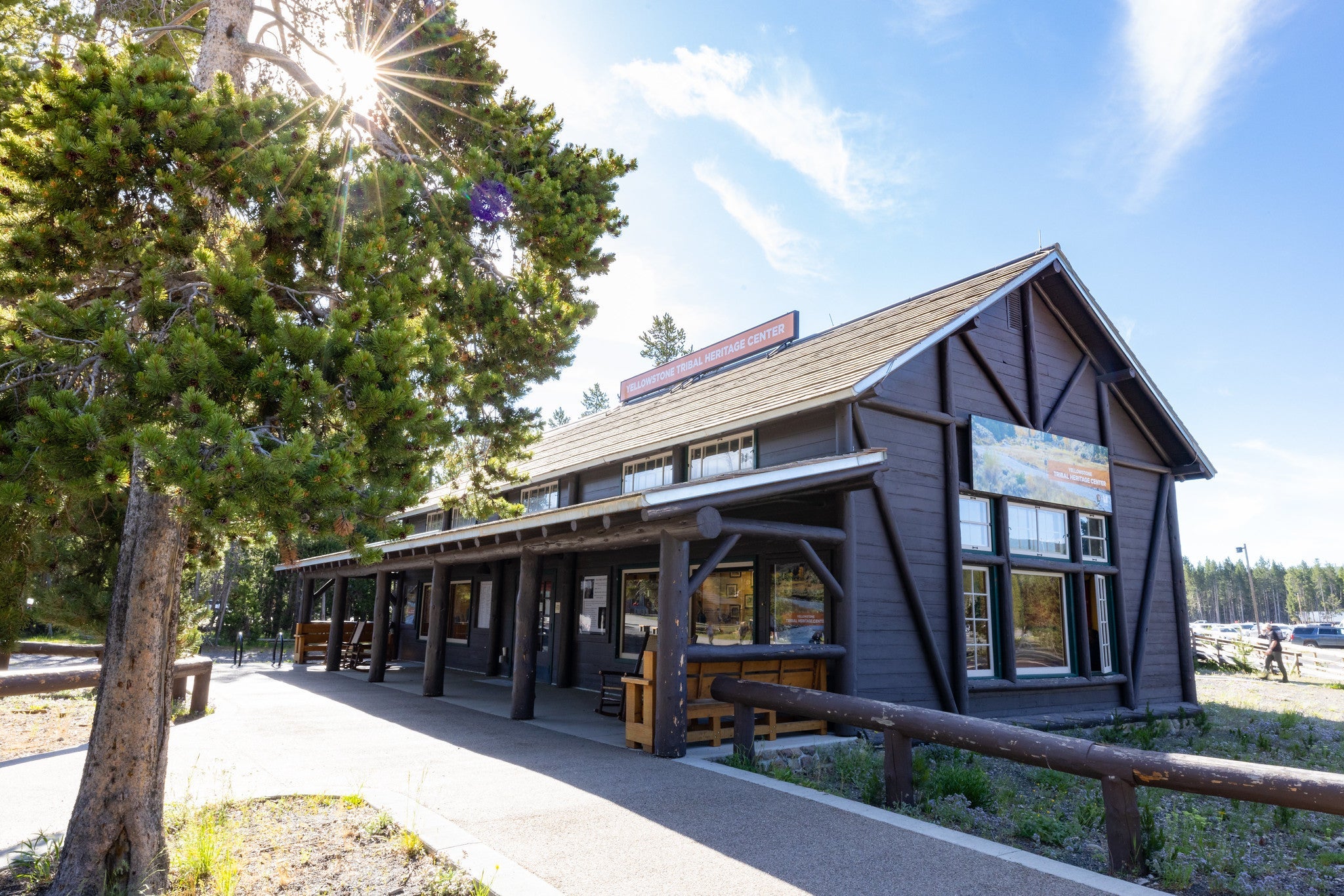
Located near Old Faithful, in the historic Haynes Photo Shop, the Tribal Heritage Center is open Tuesday through Saturday from 10 a.m. to 4 p.m with free presentations running from 11 a.m. to 3 p.m.
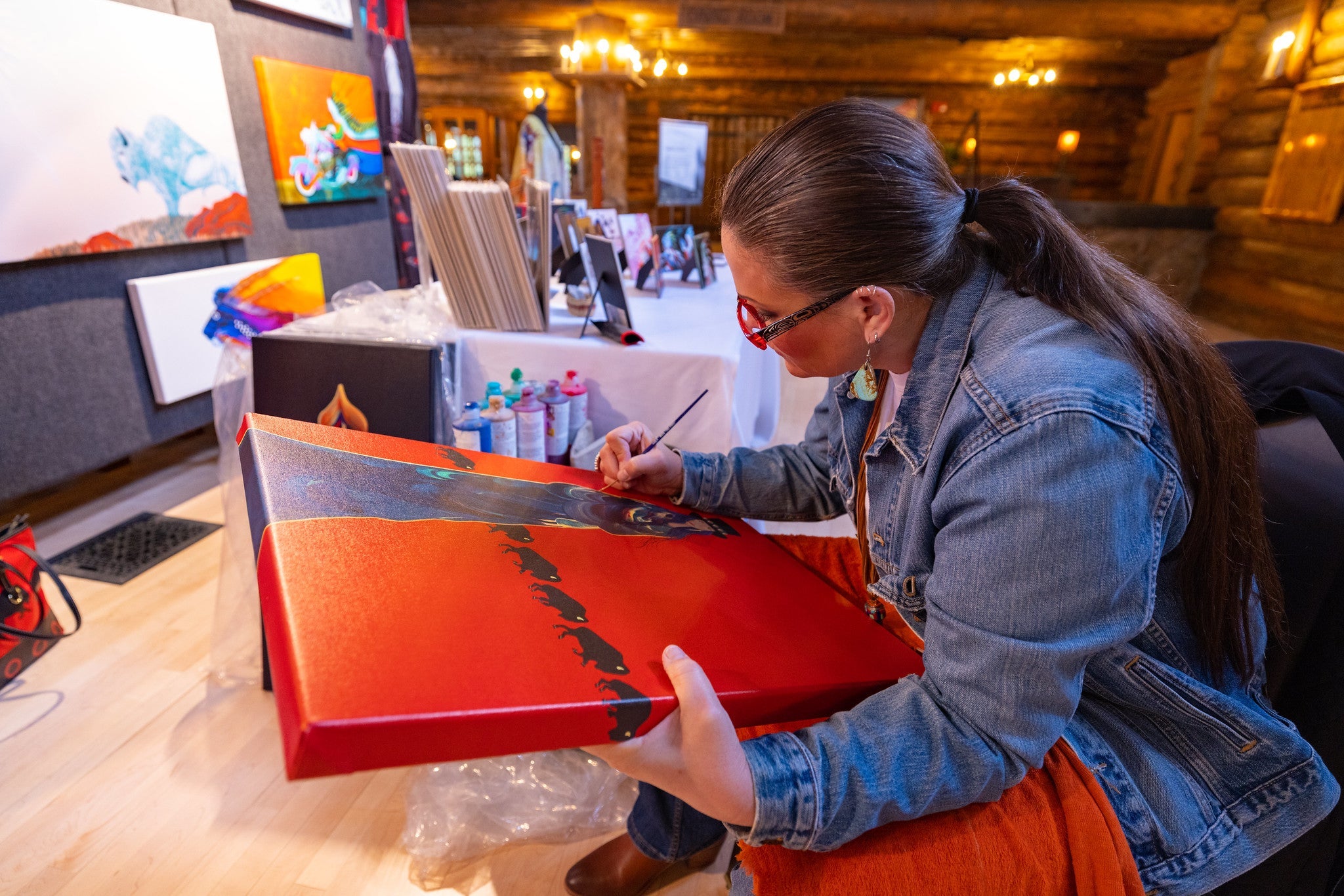
Currently, the center hosts weekly opportunities for Native American artists, scholars and other tribal members to speak directly with Yellowstone visitors about Indigenous cultures, heritage and historical association with the land. Presentations have included traditional drum making, beadwork and plant knowledge, but will feature an even wider range of presentations moving forward.

According to the Yellowstone Tribal Heritage Center coordinator, Alyssa McGeeley, the experience has been profound for both visitors and presenters alike. "I know one week the artists said they were a little apprehensive coming in, because they were wondering what visitors would think about a Native American voice. Whether it would be well received, or if they would even care that someone was there. But people came in, and they stood there and listened to the stories and the sharing that the artist did. They [all] went away with a very positive experience."
"There's also a little bit of healing that happens, being able to be here," she added.
It has also been profound for McGeeley and Hagerty, who are working most closely with the center, and are both tribal members themselves. Hagerty is an enrolled member of the Little Shell Tribe, which is one of the 27 tribes historically associated with Yellowstone.
"This is something that I'm really committed to," she told TPG. "Being able to honor my family from a personal end and try to discover my connection with these places, but beyond that ensuring that all tribal voices, especially those that are connected to Yellowstone ... to provide an opportunity for them to come home."
A vision for the future
The Tribal Heritage Center isn't the only place where visitors can see Yellowstone reevaluating its history with Indigenous peoples.
The park also recently renamed a mountain First Peoples Mountain in deference to some of the violence against Indigenous peoples that occurred here. The mountain in question was originally named Mount Doane, after an Army officer named Gustavus Doane, who played an important role in the Western exploration of Yellowstone but was also known to have led a massacre of Native Americans in the area in 1870.
Even so, Haggerty acknowledges that it will take more than a name change and a tribal center to make up for 150 years of misinformation.
"There is skepticism, not negativity but skepticism about what this will be and how it's going, so I want to acknowledge that," she told TPG. "But we're looking for the input of tribal folks on how it's going, how it will be and how it will continue."
The commitment to making sure that this and future programs are Indigenous-led is why both she and McGeely feel that the center is a big step in the right direction.
Representatives from the 27 Indigenous communities are engaged in conversations about bison management and the park is collaborating with an Indigenous-run art organization called Mountain Time Arts on a project called Yellowstone Revealed, which includes erecting a temporary teepee village at the park's North Entrance.
These programs and the commitment they see from the park have given McGeely and Hagerty considerable hope that this program — and the park's larger commitment to working with Indigenous communities — will help amplify Indigenous voices in Yellowstone. There is also optimism that such initiatives will set a precedent for similar programs at other national parks around the country.
"As a Native American getting to see a place that supports [Indigenous artists] without too many boundaries is really something I look forward to happening not just here but in other places," says McGeely, who is a member of the Muscogee tribe out of Oklahoma. "I would like to see it grow to other parks having something similar. I know a lot of times, it's shortened down to sales of artwork, but this program really lets them share their voice, their stories, their heritage."
TPG featured card

at Capital One's secure site
Terms & restrictions apply. See rates & fees.
| 5X miles | Earn 5X miles on hotels, vacation rentals and rental cars booked through Capital One Travel |
| 2X miles | Earn unlimited 2X miles on every purchase, every day |
Pros
- Stellar welcome offer of 75,000 miles after spending $4,000 on purchases in the first three months from account opening. Plus, a $250 Capital One Travel credit to use in your first cardholder year upon account opening.
- You'll earn 2 miles per dollar on every purchase, which means you won't have to worry about memorizing bonus categories
- Rewards are versatile and can be redeemed for a statement credit or transferred to Capital One’s transfer partners
Cons
- Highest bonus-earning categories only on travel booked via Capital One Travel
- LIMITED-TIME OFFER: Enjoy $250 to use on Capital One Travel in your first cardholder year, plus earn 75,000 bonus miles once you spend $4,000 on purchases within the first 3 months from account opening - that’s equal to $1,000 in travel
- Earn unlimited 2X miles on every purchase, every day
- Earn 5X miles on hotels, vacation rentals and rental cars booked through Capital One Travel
- Miles won't expire for the life of the account and there's no limit to how many you can earn
- Receive up to a $120 credit for Global Entry or TSA PreCheck®
- Use your miles to get reimbursed for any travel purchase—or redeem by booking a trip through Capital One Travel
- Enjoy a $50 experience credit and other premium benefits with every hotel and vacation rental booked from the Lifestyle Collection
- Transfer your miles to your choice of 15+ travel loyalty programs
- Top rated mobile app