What's inside an airplane's emergency medical kit?
This article originally appeared in December 2019.
It's a "no go" item: if you aircraft does not have it, you will not push back from the gate.
It's the emergency medical kit, which along with the automatic emergency defibrillator (AED) is a mandatory item, and with good reason. If you have a medical emergency in-flight, there's a whole system of in-flight medical service available, including doctors on-call, on the ground. But the only tools in the air for those doctors are in the on-board emergency medical kit.
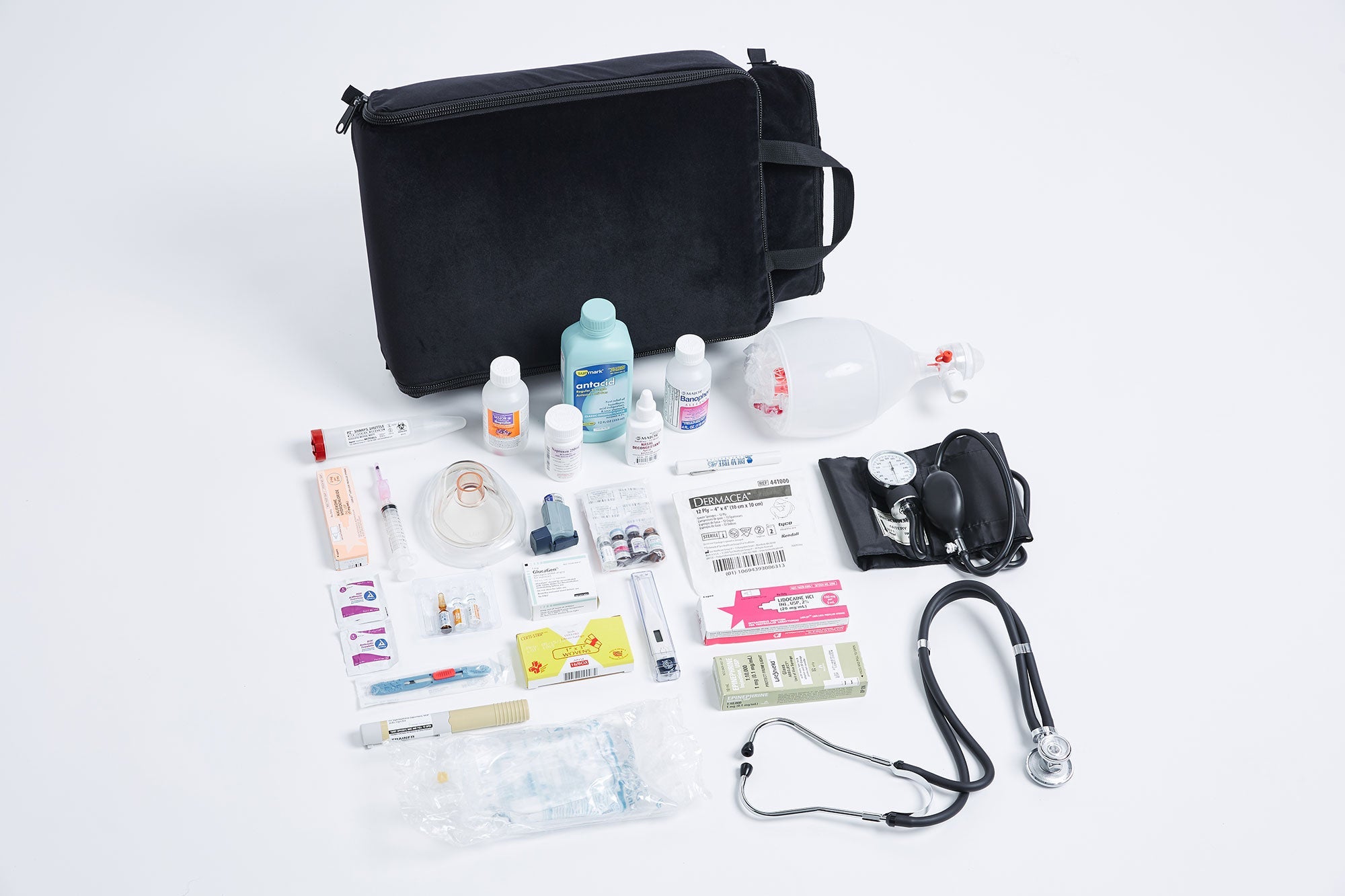
Here's what's inside.
According to MedAire, which makes standard and enhanced medical kits for airlines, the most common inflight medical events are:
- Gastrointestinal/Nausea (31%)
- Neurological, such as fainting or seizures (26%)
- Respiratory (7%)
- Cardiovascular (5%)
- Dermatological (5%)
Here's what's required by the Federal Aviation Administration in the medical kit.
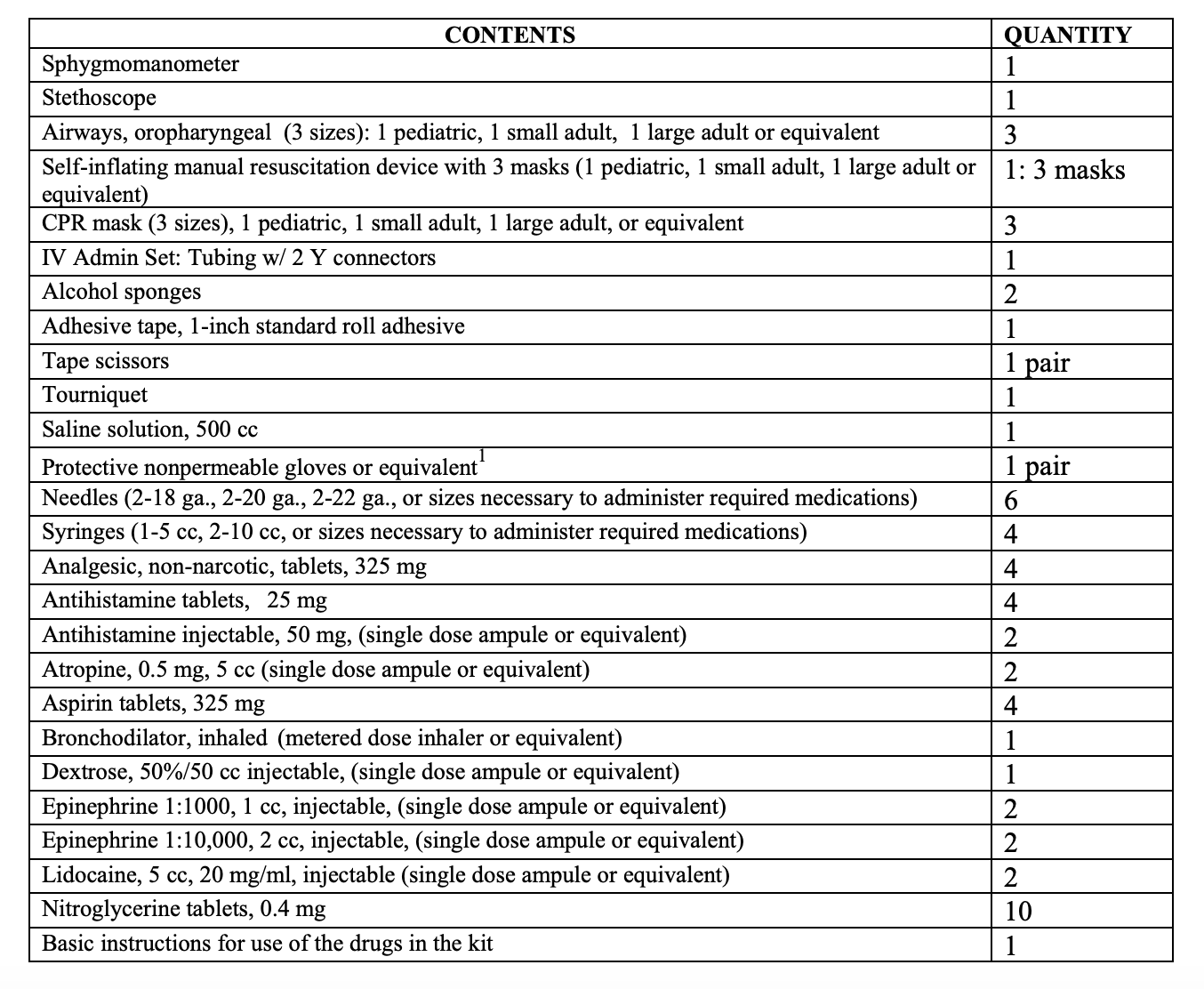
My first question: what is a sphygmomanometer, the first item on the list? It's a blood pressure monitor.
As for the rest of the items, here's what's what:

- Non-narcotic analgesic tablets: a general oral medication used mainly to relieve muscle aches and headaches
- Oral antihistamine: medication used mainly to relieve symptoms associated with allergies and hay fever
- Aspirin: a general oral medication used mainly to alleviate head and muscle aches and chest pain or heart attack
- Atropine: medication used mainly to increase heart rate, that may be needed to assist a passenger with an unstable cardiac rhythm
- Bronchodilator inhaler: a preparation of medication used to help restore normal breathing in asthmatics
- Epinephrine 1:10,000: medication used mainly for cardiac resuscitation
- Lidocaine: medication used mainly in cases of unresponsiveness to defibrillation and possibly for maintenance of normal heart rhythm after successful defibrillation
- An IV administration set including tubing with (and, for placing the IV, alcohol sponges, tape, bandage scissors, and a tourniquet): equipment used for administering IV drugs (e.g., atropine, lidocaine, epinephrine) that may be needed to sustain heart function
- A self-inflating manual resuscitation bag (AMBU bag) (with 3 masks: 1 pediatric, 1 small adult, and 1 large adult): equipment that may be needed for continuation of respiratory support
- CPR mask (1 pediatric, 1 small adult, 1 large adult): equipment that may be needed to protect a person while administering CPR
Airlines will stock more than what is required. For example, you'll notice there's no anti-nausea medication required in the list, but nausea is the most common in-flight medical call. And there are no EpiPens to treat common emergency events such as peanut allergies.
Accordingly, the airlines will supplement the kit, according to MedAire. They'll include:
- Ondansetron, an anti-nausea medication
- Epinephrine auto-injectors (EpiPen), for treatment of severe allergies
- Antacid tablets
- Promethazine, for anti-nausea and anxiety
- Furosemide, to treat water retention related to congestive heart failure
- Glucagon, to treat low blood sugar
- Naloxone, a nasal spray to treat opioid overdoses. (The FAA recently announced it is working on a plan to require naloxone in the kits, but it's currently not mandatory.)
For example, Delta says it "has equipped all of its aircraft with an automated external defibrillator (AED), enhanced emergency medical kit, first aid kit, oxygen, medical accessory pouch, Universal Precaution Kit – used to protect against and dispose of bodily fluids – and a medical communication headset. The airline's emergency medical equipment on board exceeds the minimum requirements set by the Federal Aviation Administration."
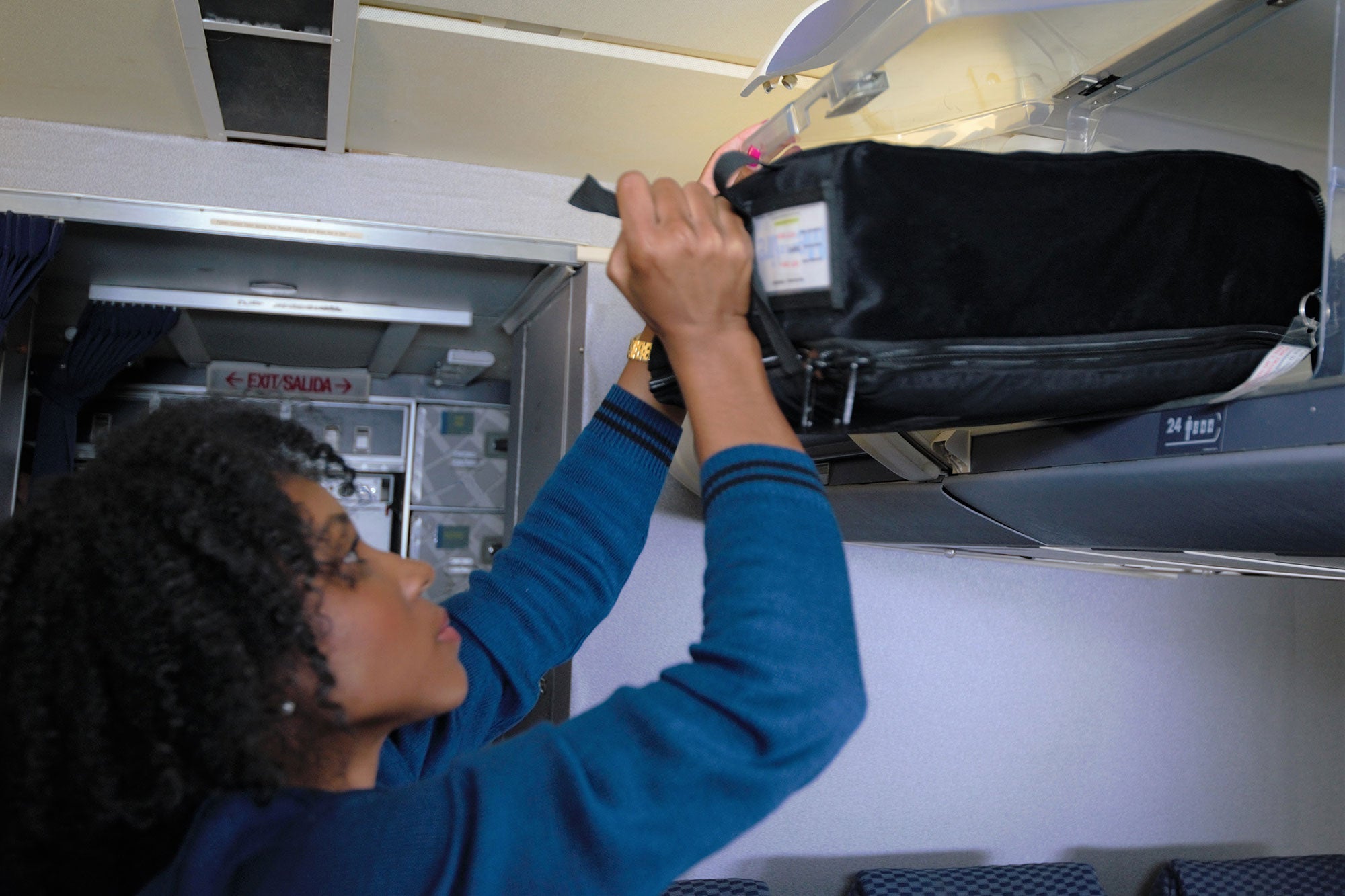
Airlines typically put the equipment in a locked compartment in an overhead bin behind the last row of seats or in first class.
So what happens on the next flight, when the kit has been opened and, say, nitroglycerine administered? When items in the kit are used up during a flight, the airline is required to take an inventory and restock prior to the next flight. To avoid delay, airlines will carry more than one medical kit, or stock more items than are necessary.
Last but not least is the AED, the automatic external defibrillator. It's automatic because it guides the user with voice instructions and diagnoses the patient through sensors.
An AED is required for aircraft with 30 passengers or more (generally, because it's based on the weight of the aircraft), requiring at least one flight attendant. It wasn't always that way.
In 2001, the FAA conducted a yearlong data collection on death or near-death inflight medical events. The study revealed 188 total events resulting in 108 deaths. 119 of these were cardiac-related, resulting in 64 deaths. And in 40 of those events, an AED was "not available." However, in cases where an AED was available, four passengers survived. Based on the study, in 2001, the FAA mandated that all passenger aircraft have an enhanced emergency medical kit on board as well as an AED. Flight attendants are trained on CPR and on the use of AEDs.
Let's all hope we never need to use one!
Mike Arnot is the founder of Boarding Pass NYC, a New York-based travel brand, and a marketing consultant to airlines, none of which appear in this article.
TPG featured card

at Capital One's secure site
Terms & restrictions apply. See rates & fees.
| 5X miles | Earn 5X miles on hotels, vacation rentals and rental cars booked through Capital One Travel |
| 2X miles | Earn unlimited 2X miles on every purchase, every day |
Pros
- Stellar welcome offer of 75,000 miles after spending $4,000 on purchases in the first three months from account opening. Plus, a $250 Capital One Travel credit to use in your first cardholder year upon account opening.
- You'll earn 2 miles per dollar on every purchase, which means you won't have to worry about memorizing bonus categories
- Rewards are versatile and can be redeemed for a statement credit or transferred to Capital One’s transfer partners
Cons
- Highest bonus-earning categories only on travel booked via Capital One Travel
- LIMITED-TIME OFFER: Enjoy $250 to use on Capital One Travel in your first cardholder year, plus earn 75,000 bonus miles once you spend $4,000 on purchases within the first 3 months from account opening - that’s equal to $1,000 in travel
- Earn unlimited 2X miles on every purchase, every day
- Earn 5X miles on hotels, vacation rentals and rental cars booked through Capital One Travel
- Miles won't expire for the life of the account and there's no limit to how many you can earn
- Receive up to a $120 credit for Global Entry or TSA PreCheck®
- Use your miles to get reimbursed for any travel purchase—or redeem by booking a trip through Capital One Travel
- Enjoy a $50 experience credit and other premium benefits with every hotel and vacation rental booked from the Lifestyle Collection
- Transfer your miles to your choice of 15+ travel loyalty programs
- Top rated mobile app