What the Crash of Asiana Flight 214 Can Teach Us

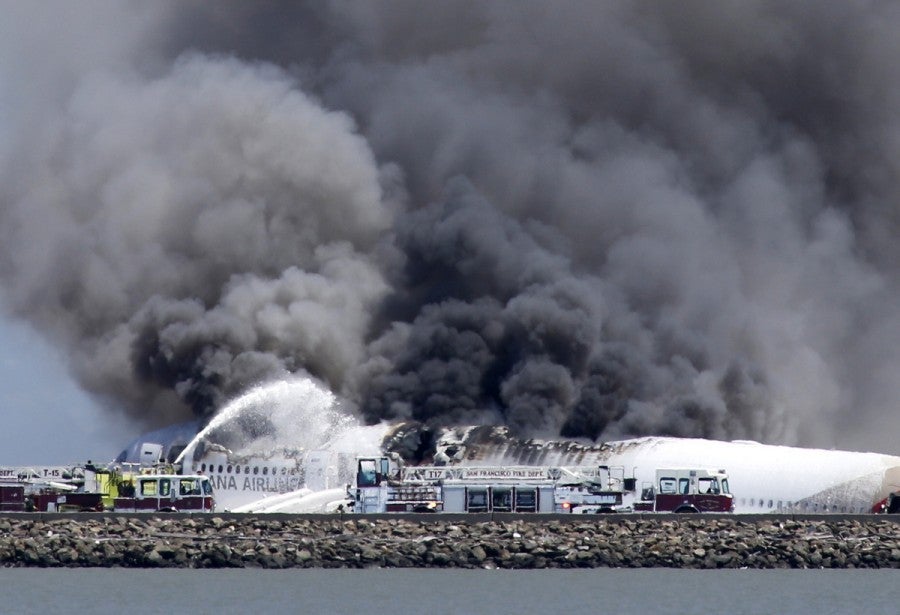
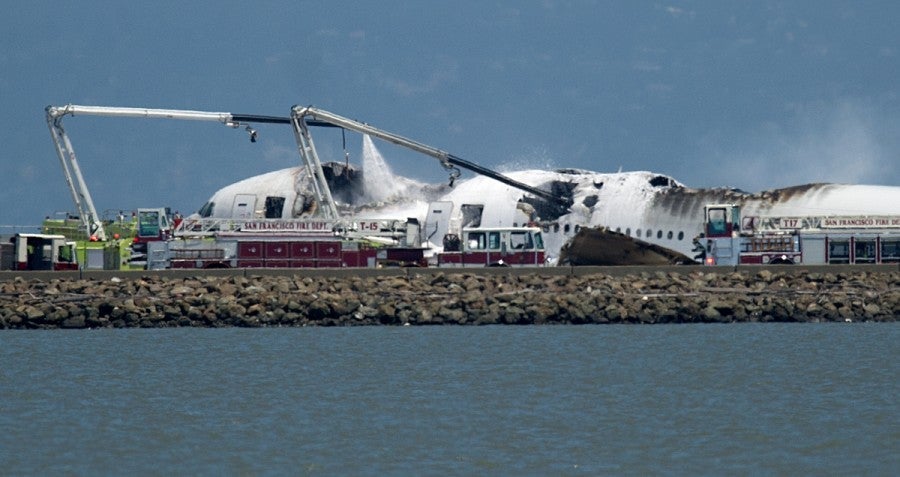
While the cause of the Asiana Boeing 777 crash-landing in San Francisco that left two passengers dead is yet to be determined, the accident has reminded me to brush up on safety procedures. Here are some of the things I've been thinking about since hearing about the crash (via Twitter):
1. Pay attention to the safety announcements. I know we've all heard them a thousand times and think we know them backwards and forwards, but it never hurts to have a refresher on where the life vests, oxygen masks and, most importantly, the exit doors are.
2. Always wear shoes - not flip flops - on take-off and landing. These will serve you much better in an emergency exit and protect your feet.
3. Keep your passport handy at all times. You should always have a form of identification on you - especially in an emergency. Plus, the chances of it getting stolen are much slimmer if it is on your person.
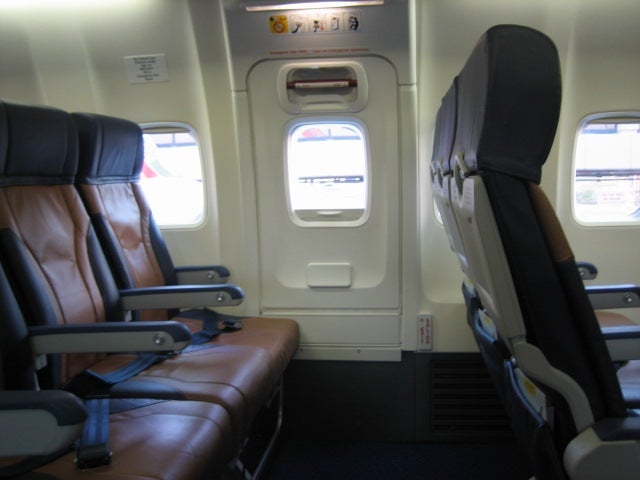
4. Make sure you know how to open an exit door. It isn't hard but be sure to familiarize yourself with it, as I learned in Dallas from American Airlines during the Oneworld Medgado, because it does require a few steps. I'm pretty sure passengers on this flight were responsible for opening exit doors, so don't assume a flight attendant will be able to assist in the event of an emergency.

5. If you are not sure what to do, feel free to ask a flight attendant for more information. I'm sure they'd be more than happy to advise you and excited that someone is actually interested in safety. It is not "uncool" to actually read the pamphlet!
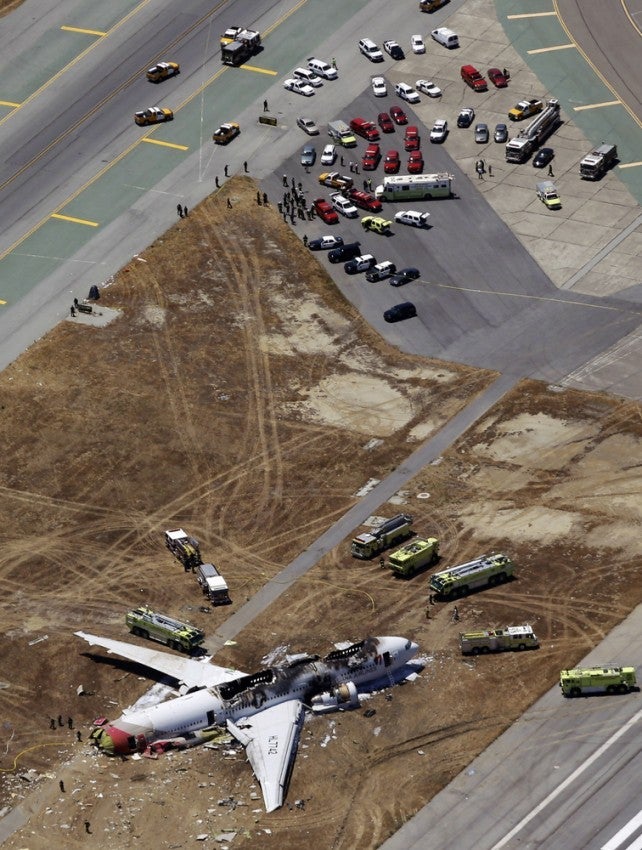
I'm not going to make any judgment on pilot vs mechanical error, but even so unless I hear something official, I'm not nervous to fly Asiana or Boeing 777s. I actually have an LAX-ICN Asiana First Class award ticket later this year and I'm not worried at all about switching it as Asiana has a great safety record and so does the 777.
Safer Skies
Despite the severe damage in the crash, what might have been most surprising is how few casualties they were. In the wake of the disaster, the Associated Press released a report revealing how safety advances in aviation technology have made these boosted survival rates, according to the AP report. They include:

- Stronger seats with bolts holding them into the floor that are designed to withstand forces up to 16 times that of gravity. This prevents rows of seats from packing together during a crash, crushing passengers.
- Carpeting and seat cushions are now made of fire retardant materials that burn slower and don't give off noxious and dangerous gases.
- Exit row doors are much simpler to open and easily swing out of the way, allowing passengers to quickly exit. Rows of lights on the floor that change from white to red when an exit is reached expedites the process.
- Flight attendants at many airlines now train in full-size models of planes that fill with smoke during crash simulations.
- Aircraft engineers have looked at structural weaknesses from past crashes and reinforced those sections of the plane and make them stronger overall.
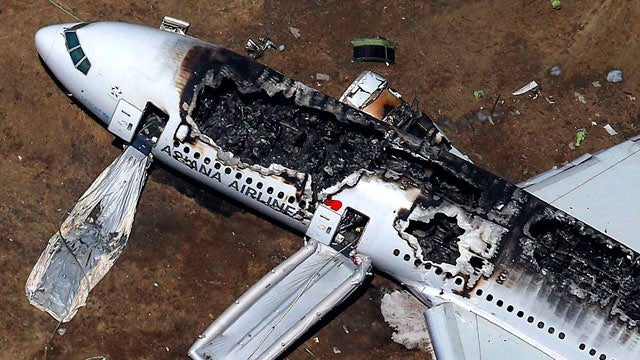
The nature of crashes has also changed. Improvements in cockpit technology mean that planes rarely crash into mountains or each other — accidents that are much more deadly. "Crashes are definitely more survivable today than they were a few decades ago, "Kevin Hiatt, president and CEO of the Flight Safety Foundation, an industry-backed nonprofit group aimed at improving air safety, told the AP. "We've learned from the past incidents about what can be improved."
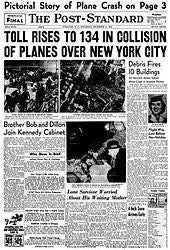
It has been a tough lesson to learn, however, the odds weren't always in passengers' favor. From 1962 to 1981, 54 percent of people in plane crashes were killed. From 1982 to 2009, that figure improved to 39 percent, according to an Associated Press analysis of National Transportation Safety Board data. Those figures only include crashes with at least one fatality. There have been other serious crashes where everybody survived.
My Worst Flight
In January 2008, I was flying from Toronto to LaGuardia on Air Canada and was able to get on one of the last flights out before a big snowstorm. The entire flight was bumpy and as we got close to NYC, it got really bad. You could hear the toilet seat slamming up and down and a couple of wind sheers made people start to scream (note, this flight was almost all business people with little to no children). That wasn't the worst part though. NYC was covered in clouds and it was raining, so I couldn't exactly tell how far off the ground we were. We went in for a landing and aborted at the last minute - I don't know how far off we were but I know it was close. The craziest part was that I was sitting next to an off-duty Air Canada pilot who was visibly nervous. He mentioned to me something about the flaps being up and that the pilot didn't know what he was doing - like driving with your brakes on! I kept waiting for an announcement from the flight deck, but none ever came as we continued to bounce around with people screaming. For the first time in my life I actually thought there was a chance I was going to die. After a while we did end up landing and the plane was just silent as everyone rushed to call/text loved ones. I've since been on a number of aborted landings and been in turbulence and nothing compares to this flight - thankfully.
While two casualties from Asiana 214 are two too many, I'm glad it wasn't worse and I hope that those with severe injuries heal well and we can find out the cause so that it can be prevented in the future. Have you thought differently about flying since hearing about Asiana 214?
TPG featured card

at Capital One's secure site
Terms & restrictions apply. See rates & fees.
| 5X miles | Earn 5X miles on hotels, vacation rentals and rental cars booked through Capital One Travel |
| 2X miles | Earn unlimited 2X miles on every purchase, every day |
Pros
- Stellar welcome offer of 75,000 miles after spending $4,000 on purchases in the first three months from account opening. Plus, a $250 Capital One Travel credit to use in your first cardholder year upon account opening.
- You'll earn 2 miles per dollar on every purchase, which means you won't have to worry about memorizing bonus categories
- Rewards are versatile and can be redeemed for a statement credit or transferred to Capital One’s transfer partners
Cons
- Highest bonus-earning categories only on travel booked via Capital One Travel
- LIMITED-TIME OFFER: Enjoy $250 to use on Capital One Travel in your first cardholder year, plus earn 75,000 bonus miles once you spend $4,000 on purchases within the first 3 months from account opening - that’s equal to $1,000 in travel
- Earn unlimited 2X miles on every purchase, every day
- Earn 5X miles on hotels, vacation rentals and rental cars booked through Capital One Travel
- Miles won't expire for the life of the account and there's no limit to how many you can earn
- Receive up to a $120 credit for Global Entry or TSA PreCheck®
- Use your miles to get reimbursed for any travel purchase—or redeem by booking a trip through Capital One Travel
- Enjoy a $50 experience credit and other premium benefits with every hotel and vacation rental booked from the Lifestyle Collection
- Transfer your miles to your choice of 15+ travel loyalty programs
- Top rated mobile app