The latest attraction in Vegas? Dynamic pricing at hotel lobby shops

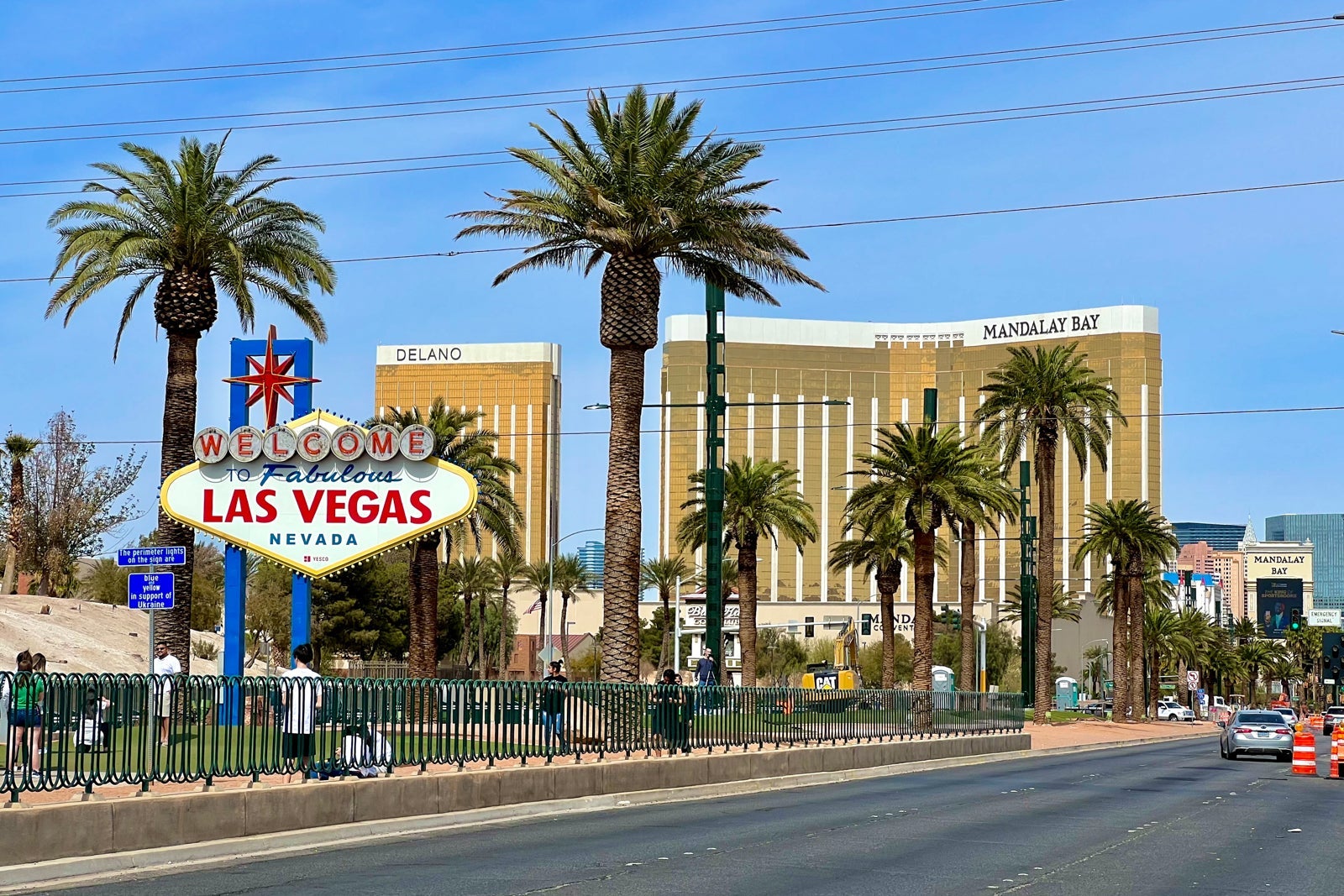
The law of supply and demand is constantly in practice in Las Vegas, where everything from hotel rates to Las Vegas Raiders ticket prices can fluctuate on a moment's notice during busy weekends. These price adjustments are also happening in those omnipresent lobby shops that sell everything from booze to chips and bottled water. According to the Las Vegas Review-Journal, surge pricing, or dynamic pricing, is popping up at various hotels in Vegas.
That means a bottle of water that may have cost you $6 on Tuesday may cost you almost $7 on Friday. The Review-Journal sent its summer interns to a half dozen properties on the Strip, including the Bellagio, Caesars Palace, Harrah's and the MGM Grand. They found surge pricing models at work on products ranging from sunscreen to energy drinks.
It's no secret that the desert gambling and entertainment hub is amid a pronounced decline in visitors. But given that some resorts are trying to lure guests by waiving one of the least popular add-ons to any bill — resort fees — why would some hotels institute dynamic pricing for the small impulse purchases made in the lobby?
Because it's potentially very profitable. Automated point-of-sale systems mean hotel sundry shops can update prices on any number of items immediately, turning bottles of water into profit engines.
Algorithmic pricing is rather common in the digital economy age. If you use Uber, you've experienced surge pricing when you try to book a ride during a busy time. Airlines and hotels use dynamic pricing based on factors like demand, capacity and time of booking. The practice is also well established in the concert industry, where ticket prices to see top acts can jump based on demand.
Related: Make dynamic pricing work for you: How rebooking hotel stays can help you save on award nights

A recent National Retail Federation blog post defended dynamic pricing as a "natural extension of longstanding retail practices." It argued that modern technology allows retailers to adjust prices rapidly to account for market changes. "Consumers benefit directly from this evolution," wrote Mike Lemon, NRF's vice president of legal affairs. "Pricing becomes more efficient, more competitive and more responsive to market realities."
Las Vegas is always ahead of the curve on new ways to make a buck. Most hotels on the Strip don't have coffee makers in the rooms, so you have to get dressed, go downstairs and pay $8 for a pretty ordinary cup of coffee. Resort fees and stiff rates for parking are just two examples of once-novel ideas that have become common practice on the Strip for squeezing more money from guests. Dynamic pricing at the lobby shops could be the next new thing.
"Dynamic pricing in Vegas hotel shops is a natural extension of what we've already seen in travel and e-commerce," says Uri Abramson, founder of Datasonic and CashAdvanceApps.com, an artificial intelligence-driven personal finance site. "When demand spikes — say, during a convention or heat wave — prices on essentials like water or sunscreen can surge in real time."
Abramson says Vegas properties must be concerned with transparency, or risk alienating customers. "Unlike flights, consumers don't expect a $6 bottle of water to jump to $9 overnight," he points out. "As AI pricing models become more accessible, we'll likely see this expand to more retail environments, especially where customers are captive and convenience trumps cost."
But using surge pricing for sodas and snacks may be a bridge too far for some people. After all, most people visiting Vegas don't mind paying the "vig," the fee or commission on a bet in a casino sportsbook. But paying a couple of dollars more for a can of beer just because of the time of day somebody purchased it could be off-putting for guests.
There is a rather simple way to avoid the dynamic pricing dilemma. All you need to do is step outside the casino and hit a CVS or Walgreens on Las Vegas Boulevard. There are several to choose from, and unlike the shops inside some of the hotel properties, the prices at those stores stay the same, morning, noon and night.
Related reading:
TPG featured card
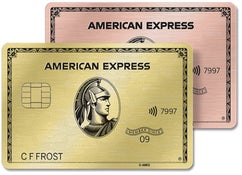
at American Express's secure site
Terms & restrictions apply. See rates & fees.
| 4X | Earn 4X Membership Rewards® points per dollar spent on purchases at restaurants worldwide, on up to $50,000 in purchases per calendar year, then 1X points for the rest of the year. |
| 4X | Earn 4X Membership Rewards® points per dollar spent at US supermarkets, on up to $25,000 in purchases per calendar year, then 1X points for the rest of the year. |
| 5X | Earn 5X Membership Rewards® points on prepaid hotel stays booked through AmexTravel.com or the Amex Travel App™. |
| 3X | Earn 3X Membership Rewards® points on flights booked through AmexTravel.com, the Amex Travel App™, or purchased directly from airlines. |
| 2X | Earn 2X Membership Rewards® points on prepaid car rentals booked through AmexTravel.com or the Amex Travel App™ and cruises booked and paid through AmexTravel.com. |
| 1X | Earn 1X Membership Rewards® point per dollar spent on all other eligible purchases. |
Pros
- Valuable dining and food-related credits
- Flexible rewards with airline and hotel transfer partners
- Multiple travel and purchase protections
- No foreign transaction fees
- Access to Amex Offers for additional savings (enrollment required)
Cons
- Not as useful for those living outside the U.S.
- Some may have trouble using Uber and other dining credits
- You may be eligible for as high as 100,000 Membership Rewards® Points after you spend $8,000 in eligible purchases on your new Card in your first 6 months of Card Membership. Welcome offers vary and you may not be eligible for an offer. Apply to know if you’re approved and find out your exact welcome offer amount – all with no credit score impact. If you’re approved and choose to accept the Card, your score may be impacted.
- Earn 4X Membership Rewards® points per dollar spent on purchases at restaurants worldwide, on up to $50,000 in purchases per calendar year, then 1X points for the rest of the year.
- Earn 4X Membership Rewards® points per dollar spent at US supermarkets, on up to $25,000 in purchases per calendar year, then 1X points for the rest of the year.
- Earn 5X Membership Rewards® points on prepaid hotel stays booked through AmexTravel.com or the Amex Travel App™.
- Earn 3X Membership Rewards® points on flights booked through AmexTravel.com, the Amex Travel App™, or purchased directly from airlines.
- Earn 2X Membership Rewards® points on prepaid car rentals booked through AmexTravel.com or the Amex Travel App™ and cruises booked and paid through AmexTravel.com.
- Earn 1X Membership Rewards® point per dollar spent on all other eligible purchases.
- Pay It® lets you tap in the American Express® App to quickly pay for small purchase amounts throughout the month and still earn rewards the way you usually do. Plan It® gives you the option to split up big purchases into equal monthly payments with a fixed fee. You’ll know upfront exactly how much you’ll pay.
- $120 Dining Credit: Earn up to a total of $10 in statement credits monthly when you pay with the Gold Card at Grubhub (including Seamless), Buffalo Wild Wings, Five Guys, The Cheesecake Factory, and Wonder. This can be an annual savings of up to $120. Enrollment required.
- $100 Resy Credit: Get up to $100 in statement credits each calendar year at over 10,000 qualifying U.S. Resy restaurants after you pay for eligible purchases with the American Express® Gold Card. That’s up to $50 in statement credits semi-annually. Enrollment required.
- $84 Dunkin' Credit: Earn up to $7 in monthly statement credits after you pay with the American Express® Gold Card at U.S. Dunkin’ locations. Enrollment required.
- $120 Uber Cash on Gold: Enjoy up to $120 in Uber Cash annually with your Gold Card. Just add your Card to your Uber account and you'll get $10 in Uber Cash each month to use on orders and rides in the U.S. when you select an Amex Card for your transaction.
- Enjoy complimentary Hertz Five Star® Status benefits like skipping the counter at select locations, adding an additional driver at no additional cost*, and vehicle upgrades**. Benefit enrollment and Hertz Gold+ registration are required. *Additional drivers must meet standard rental qualifications and must be a spouse or domestic partner to qualify as complimentary. Other additional drivers subject to fees. **Benefits are subject to availability and vary by location. Additional Hertz program Terms and Conditions including age restrictions apply.
- Book two nights or more with The Hotel Collection through AmexTravel.com or the Amex Travel App™ and receive a $100* credit towards eligible charges at over 1,400 upscale hotels worldwide. *Eligible charges vary by property.
- Book your travel through the Amex Travel App™ with added peace of mind – backed by American Express® service and support. Only for American Express® Card Members.
- Whenever you need us, we're here. Our Member Services team will ensure you are taken care of. From lost Card replacement to statement questions, we are available to help 24/7.
- No Foreign Transaction Fees.
- Annual Fee is $325.
- Terms Apply.