Could ‘use it or lose it’ slot rule change kickstart UK travel again? Airlines are divided
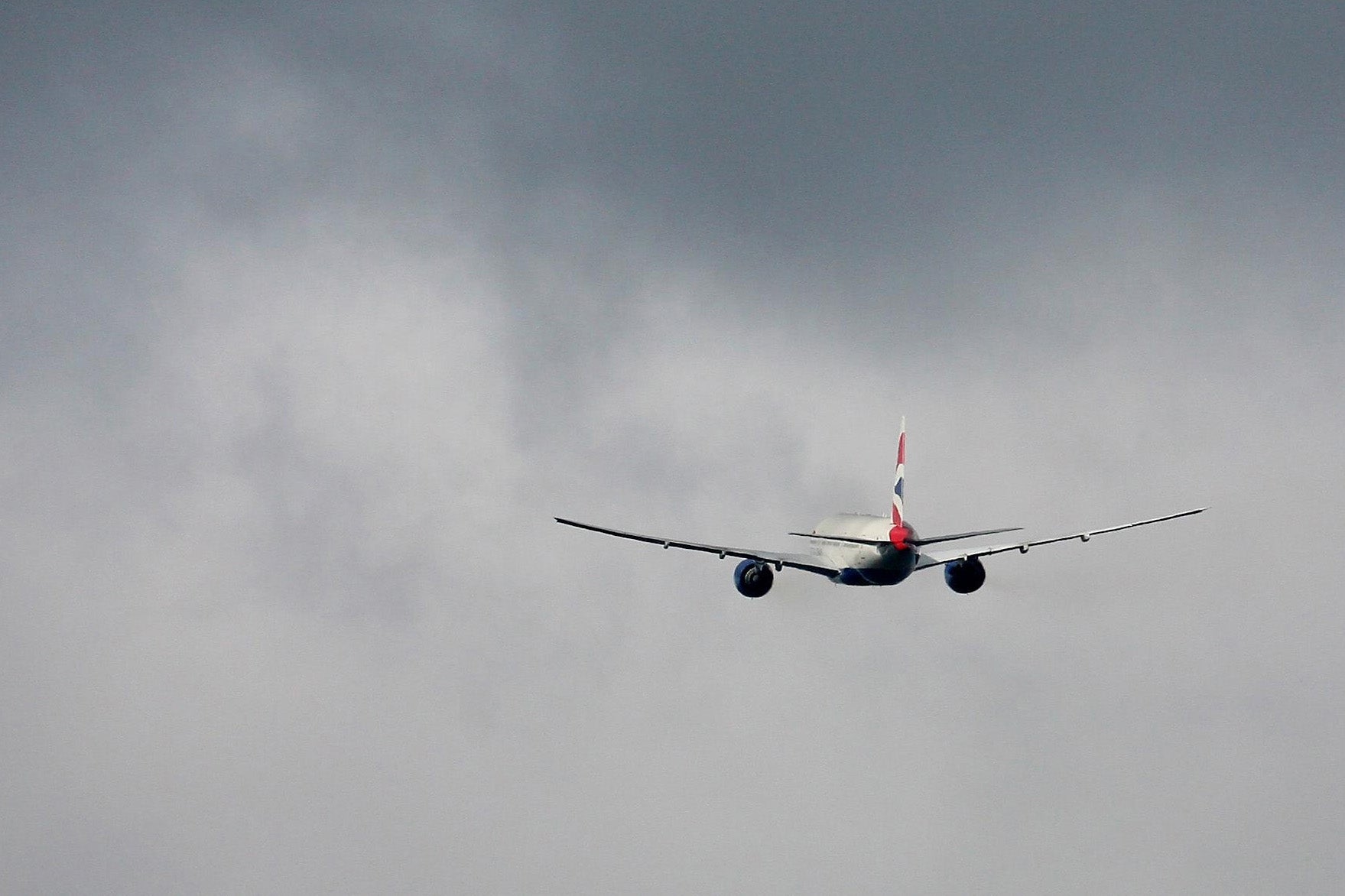
Summer vacationers were given a boost today as the British government upped the "use it or lose it" threshold on runway slots at airports.
Airlines must now use at least 70% of their allotted takeoff or landing spots — up from 50% set during the pandemic — or be forced to hand them back.
The change essentially means that, in theory, there will be more flight options for passengers wanting to fly abroad this summer.
"Today's extension marks a step back towards normal rules, helping the sector to recover and grow as travel returns while protecting it against any future uncertainty," said transport secretary Grant Shapps.
But it was not a welcome change to all, as some airlines warned it will force them to run more empty and polluting "ghost flights" if supply outstrips consumer demand this summer.
Related: What are 'ghost flights' and why are they causing so much uproar right now?
"The U.K. government decision on slots, proposing the highest slot use threshold in the world, makes a mockery of their claims to be supporting the recovery of the airline industry and to be champions of the environment," said Willie Walsh, director-general of airline industry body IATA. "Unfortunately, this is yet another example of administrative ineptitude from an out-of-touch government."
He added: "It is inconceivable that international demand will average 70% this summer. The government is therefore condemning airlines to operate thousands of flights at low capacity which is environmentally stupid."
Luis Gallego, chief executive of British Airways parent company, IAG, echoed the sentiment: "In the current circumstances, this decision would force airlines to operate flights with low load factors which will generate unnecessary CO2 emissions.

"This is bad for the environment and detrimental to aviation's efforts to tackle climate change".
Related: How to avoid booking 'ghost flights,' which aren't likely to fly
Environmental campaigners have long urged the government to scrap "use it or lose it" rules that force carriers to maintain a certain percentage of their scheduled flights or risk losing the slots to another company.
It's a practice known in the flight business as "keeping slots warm," where thousands of empty planes are sent into the sky every day for the sole purpose of hanging on to runway allocations.
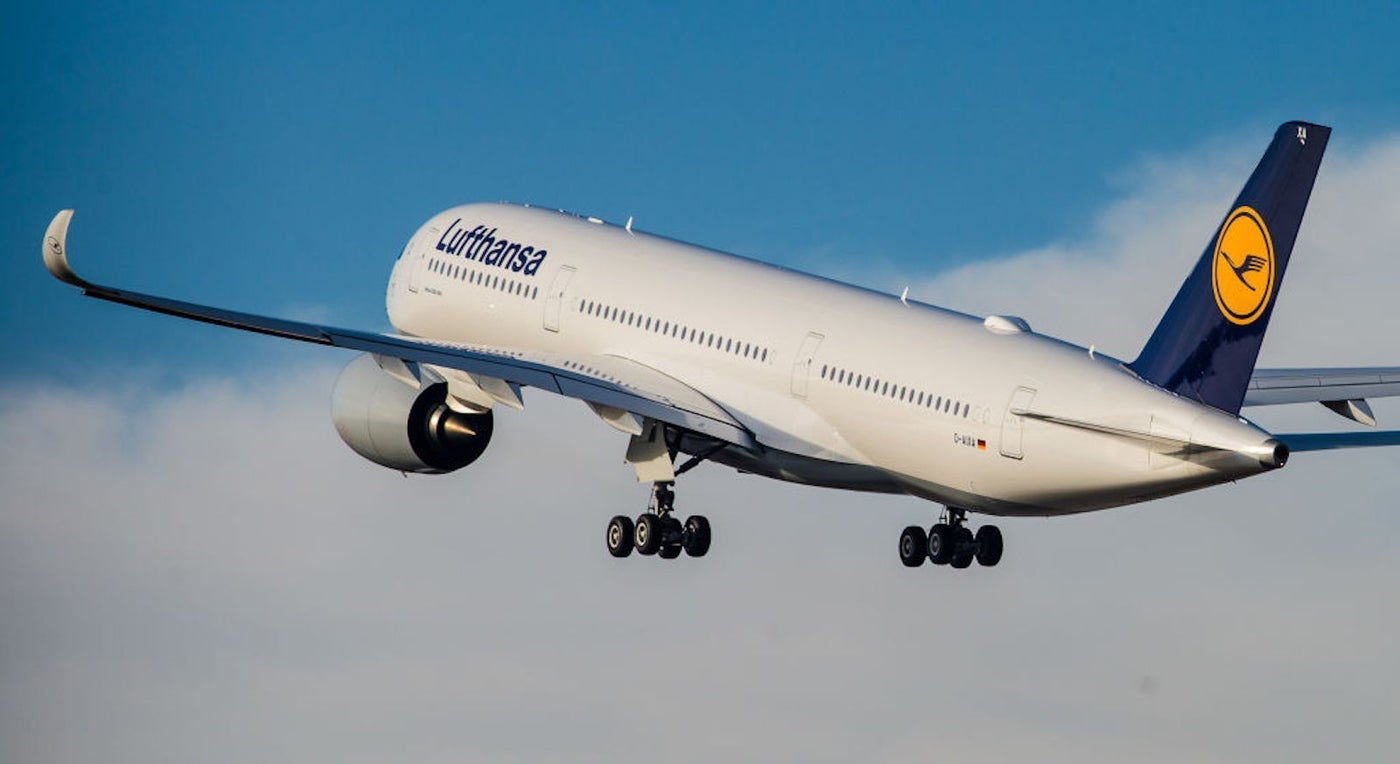
Lufthansa Group — which owns Lufthansa, Swiss International Airlines, Austrian Airlines, Eurowings, and Brussels Airlines — recently stirred anger after it admitted 18,000 flights would be flown empty this winter.
Greenpeace has called ghost flights "absurd and revolting" while a recent U.K. parliamentary petition was launched to wage war on this "shocking waste of resources and a needless source of emissions." At the time of writing, it had amassed more than 6,000 signatures.
For the aviation industry, the argument for the "use it or lose it" rule is that it keeps the industry competitive by incentivizing airlines to fly routes, trade them or hand them back so other carriers, including new market entrants, can use them instead.
The change is good news, then, for low-cost airlines, whose business has picked up faster than their long-haul competitors as the world begins to emerge from the COVID-19 bubble. As a result, many of them are expanding their routes and are keen to scoop up newly available slots.
Long-haul legacy carriers, on the other hand, have been slower to recover. And while they generally hold a far higher percentage of slots at the U.K.'s major airports, they are unlikely to give any of them up without a fight.
Runway slots, after all, are one of an airline's most valuable assets.
Speaking on the matter last week, the CEO of budget airline Wizz Air, Jozsef Varadi, said that if an airline could not operate its slots they should be made available to rivals and that the market was being "distorted" by the current easing of rules to protect bigger airlines. "Leave the slot rules as they used to be prior to the pandemic and the market will sort it out," he told Reuters.
"We would be able to operate those slots at constrained airports, so why are they protected for the benefit of legacy carriers who are incapable of operating them because they are inefficient?"
Ryanair's Group CEO Michael O'Leary echoed a similar sentiment last week after the Lufthansa Group admitted some 18,000 of their flights would be flown empty this winter in order to secure "takeoff and landing rights."
In a statement, O'Leary said simply: "If Lufthansa doesn't want to operate 'ghost flights' to protect its slots, then simply sell these seats at low fares, and help accelerate the recovery of short- and long-haul air travel to and from Europe."
He also called upon the European Commission to force Lufthansa to sell seats on empty flights at low fares.
Under normal U.K. regulations, airlines must stick to the 80:20 rule, meaning they must fulfil. at least 80% of their schedule to hold on to slots. But that changed to 50:50 during the pandemic to help struggling airlines as demand collapsed under the weight of COVID-19 and travel restrictions.
The government's hope is that the 70:30 rule will appease the interests of all parties while pushing for a return of U.K. travel and the boost it would bring to the economy.
Stewart Wingate, chief executive of London's Gatwick airport, described the change as "very welcome," adding: "[It] means consumers will once again benefit from a competitive aviation market".
The issue has been a particular burden for Gatwick during the pandemic when many airlines consolidated their operations in Heathrow while keeping their slots warm at Gatwick.
Ultimately, while the response to the changes has been somewhat divided within the airline industry (and environmentalists) it could yet prove good news for travelers as airlines are pushed to offer more flights, at lower prices, at a level close to that seen pre-pandemic.
Time will tell, however, whether the public demand currently exists and the thirst for travel has truly returned to what it was.
TPG featured card

at Capital One's secure site
Terms & restrictions apply. See rates & fees.
| 5X miles | Earn 5X miles on hotels, vacation rentals and rental cars booked through Capital One Travel |
| 2X miles | Earn unlimited 2X miles on every purchase, every day |
Pros
- Stellar welcome offer of 75,000 miles after spending $4,000 on purchases in the first three months from account opening. Plus, a $250 Capital One Travel credit to use in your first cardholder year upon account opening.
- You'll earn 2 miles per dollar on every purchase, which means you won't have to worry about memorizing bonus categories
- Rewards are versatile and can be redeemed for a statement credit or transferred to Capital One’s transfer partners
Cons
- Highest bonus-earning categories only on travel booked via Capital One Travel
- LIMITED-TIME OFFER: Enjoy $250 to use on Capital One Travel in your first cardholder year, plus earn 75,000 bonus miles once you spend $4,000 on purchases within the first 3 months from account opening - that’s equal to $1,000 in travel
- Earn unlimited 2X miles on every purchase, every day
- Earn 5X miles on hotels, vacation rentals and rental cars booked through Capital One Travel
- Miles won't expire for the life of the account and there's no limit to how many you can earn
- Receive up to a $120 credit for Global Entry or TSA PreCheck®
- Use your miles to get reimbursed for any travel purchase—or redeem by booking a trip through Capital One Travel
- Enjoy a $50 experience credit and other premium benefits with every hotel and vacation rental booked from the Lifestyle Collection
- Transfer your miles to your choice of 15+ travel loyalty programs
- Top rated mobile app