Should the US invest in more train routes?

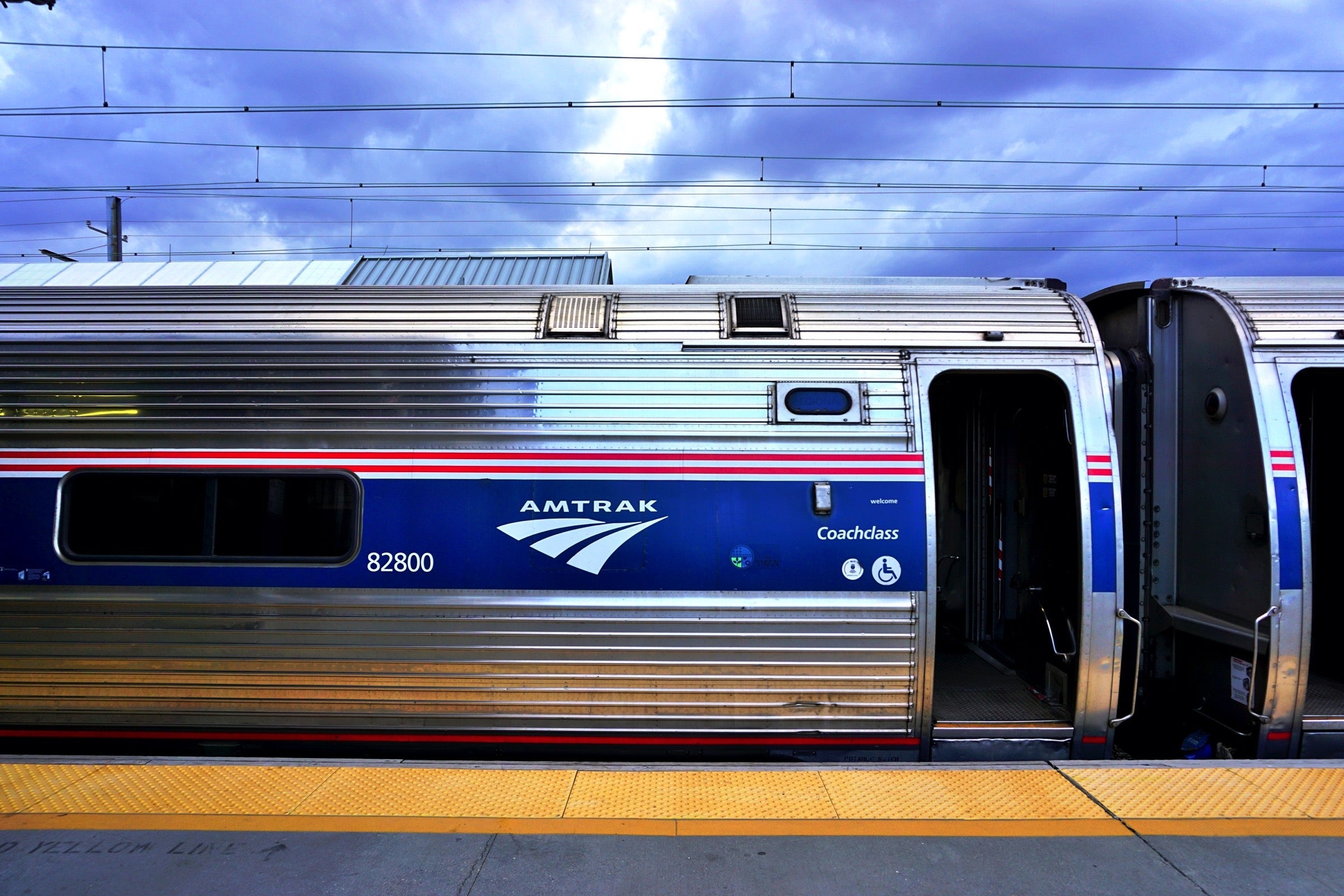
It's no secret that the U.S. lags behind many parts of the world in regard to train travel. Compare a map of passenger rail lines in the U.S. to Europe and many regions in Asia, and it's clear our passenger rail infrastructure is lacking.
But why is this the case, and should the U.S. be doing more to catch up to the rest of the world when it comes to train travel?
Want more news and advice from TPG? Sign up for our daily newsletter!
'Car culture' in the US
A common answer to the first question is that the U.S. has a "car culture."
As someone who only recently gave up my car when I moved to New York City, I agree with that. Even in heavily populated metro areas across the country, people often still drive. I lived in Charlotte — which is far from a small town — for three years, and most people drove.
However, there's a reason we have a car culture in America — simply put, we paid for it.
"We spent decades, many decades, subsidizing other modes of transportation and not subsidizing rail," Jim Mathews, president and CEO of the Rail Passengers Association, told TPG. "And any first-year freshmen student in economics will tell you that if you have something that's subsidized competing with something that's not subsidized, the subsidized thing is going to win."
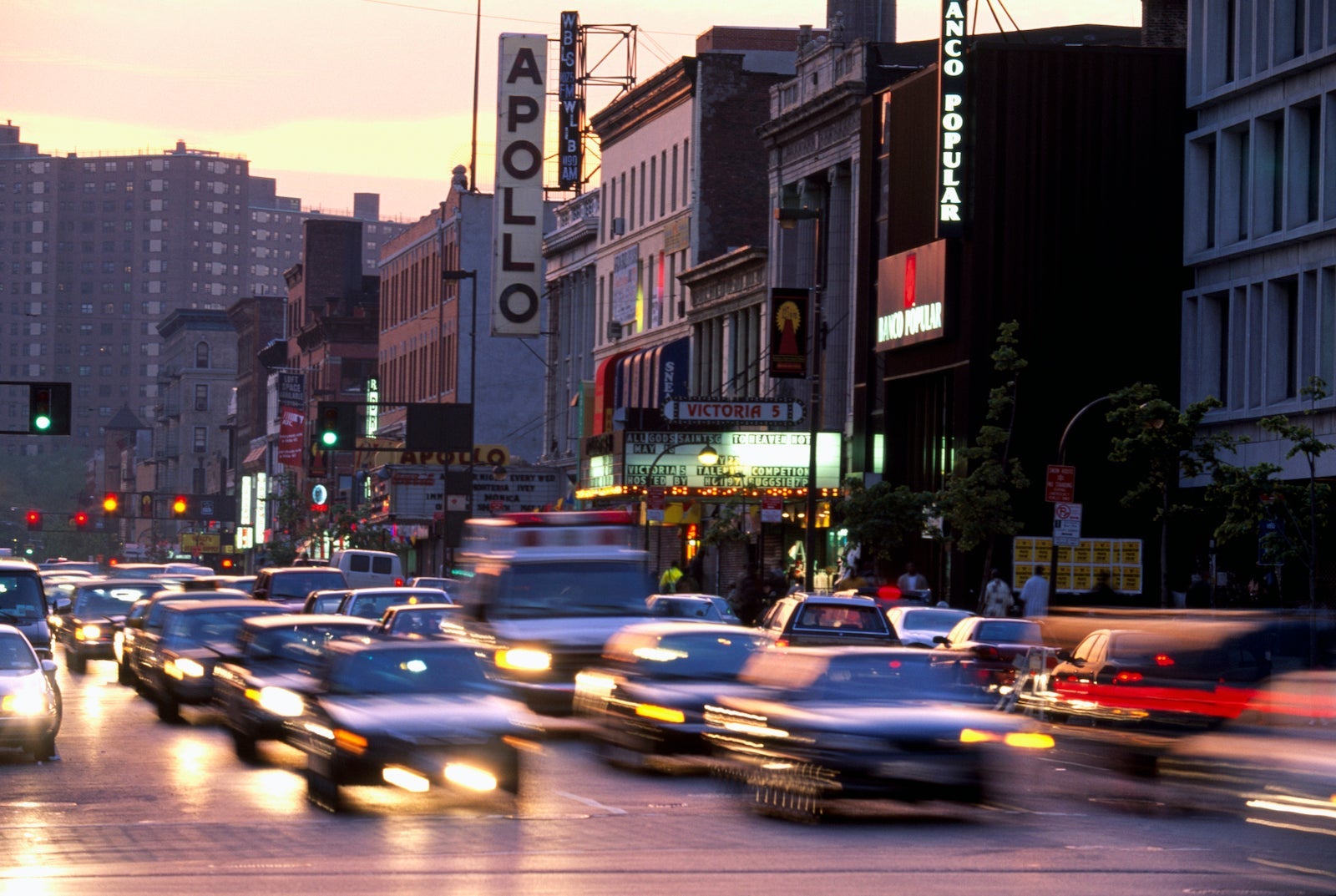
The United States government spent what's now equivalent to billions of dollars back in the late 1950s on a national highway program, aviation industry subsidies, canal projects and more. By comparison, the passenger rail industry received no taxpayer support, according to Mathews.
Instead, private rail companies were left to foot the entire bill of any maintenance and new construction projects, and they ended up paying millions in taxes instead of receiving any taxpayer dollars to assist.

Based on that comparison alone, it's not hard to see how we got here.
Benefits of passenger rail
There are several cultural, economic and environmental benefits to having a solid passenger rail infrastructure.
From a cultural perspective, more train routes in the U.S. — both intercity transportation options and longer rail routes — mean more travel options and a more convenient way to commute, visit family or friends, move longer distances and more.
From an economic perspective, train travel offers cheaper transportation for budget travelers and provides more ways for financial wealth to spread.
"The way I like to describe it is that passenger trains are kind of like freight trains for wallets," said Mathews.
Someone who takes a train from one city to another isn't just spending money on a train ticket. They'll buy meals and souvenirs. They'll stay at hotels, cabins or home rentals. They'll purchase museum admission or theme park tickets, or pay other tourist attraction entrance fees. So not only are local businesses getting an influx of cash, but those places are hiring more workers, too, and improving the job market in those destinations.
According to Mathews, Amtrak's long-distance network contributes around $5 billion to the U.S. economy each year, and Amtrak as a whole contributes closer to $8 billion. The American Public Transportation Association claims that every $1 invested in high-speed rail creates $4 in economic benefits.
"You know, we spend something like $1.9 billion to have an Amtrak, and we'd get back $8 billion in GDP. That's a pretty good deal," said Mathews.
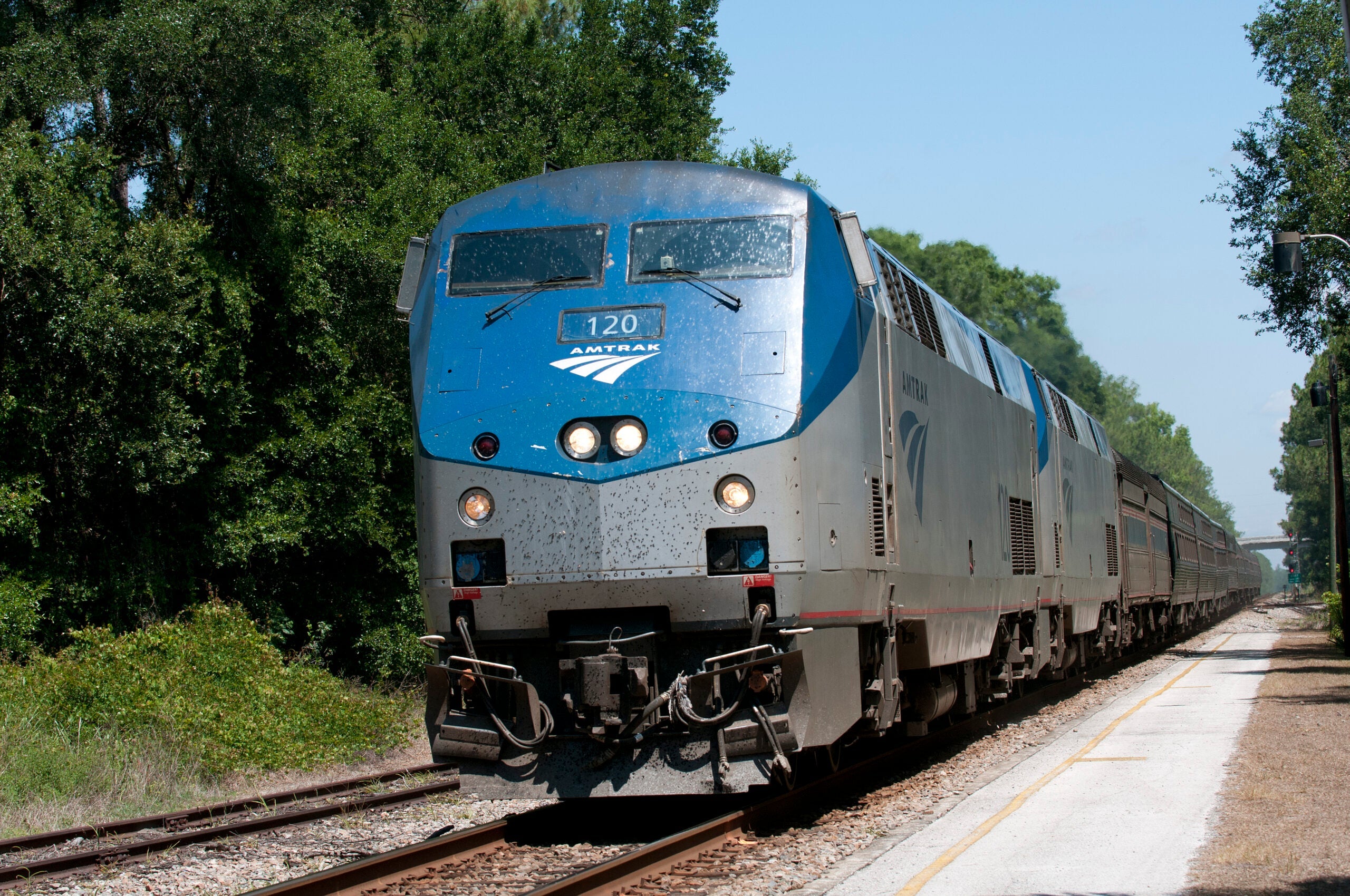
Train travel is also better for the environment.
In early August, the United Nations climate change report sounded a "code red for humanity" from U.N. Secretary-General António Guterres, according to a Reuters report. In President Biden's own words, "We can't wait to tackle the climate crisis. The signs are unmistakable. The science is undeniable. And the cost of inaction keeps mounting."
One part of addressing climate change in the U.S. involves changing how we travel and what fuels we use. While adding more train routes is a long-term investment, those long-term environmental impacts of a reduced carbon footprint are substantial.
"Amtrak is 46% more energy-efficient than traveling by car," claimed Mathews. "You do that times 30 million people, 40 million people, 50 million people ... that would make a huge difference."
The more routes you add within the U.S., the more passengers who ride and the more carbon footprint reduction we could potentially see.
The verdict: Train travel is a necessary investment for the US
Train travel brings economic growth to communities serviced by Amtrak and other rail options.
According to the APTA, the U.S. can't build enough highways or airport runways to support the continued growth of the U.S. population. Alternate travel options (including rail) are necessary to address that.
The environmental impacts are well documented, too. According to the International Association of Railways, high-speed rail is eight times more efficient than flying and four times more efficient than driving.
Regardless of which metric you look at, train travel is an investment not only worth making in the U.S. but an absolute necessity for the future.
"There's not a region of the country that would not benefit from additional or improved service," said Mathews.
Thankfully, Congress is putting some money into improving and expanding train travel options in the U.S.
The Senate recently introduced a new bipartisan infrastructure bill that includes $36 billion in funding for rail projects. The reauthorization of the Fixing America's Surface Transportation Act includes billions of dollars in funding as well — both to be used over the next five years.
While these are long-term investments that may take years for passengers and serviced communities to reap the ultimate benefits from, these improvements toward the accessibility of travel, economic growth and a greener environment will last for decades (or potentially even longer) to come.
Related: Bullet trains in America? The new push for major high-speed rail project between Boston and New York
TPG featured card

at Capital One's secure site
Terms & restrictions apply. See rates & fees.
| 5X miles | Earn 5X miles on hotels, vacation rentals and rental cars booked through Capital One Travel |
| 2X miles | Earn unlimited 2X miles on every purchase, every day |
Pros
- Stellar welcome offer of 75,000 miles after spending $4,000 on purchases in the first three months from account opening. Plus, a $250 Capital One Travel credit to use in your first cardholder year upon account opening.
- You'll earn 2 miles per dollar on every purchase, which means you won't have to worry about memorizing bonus categories
- Rewards are versatile and can be redeemed for a statement credit or transferred to Capital One’s transfer partners
Cons
- Highest bonus-earning categories only on travel booked via Capital One Travel
- LIMITED-TIME OFFER: Enjoy $250 to use on Capital One Travel in your first cardholder year, plus earn 75,000 bonus miles once you spend $4,000 on purchases within the first 3 months from account opening - that’s equal to $1,000 in travel
- Earn unlimited 2X miles on every purchase, every day
- Earn 5X miles on hotels, vacation rentals and rental cars booked through Capital One Travel
- Miles won't expire for the life of the account and there's no limit to how many you can earn
- Receive up to a $120 credit for Global Entry or TSA PreCheck®
- Use your miles to get reimbursed for any travel purchase—or redeem by booking a trip through Capital One Travel
- Enjoy a $50 experience credit and other premium benefits with every hotel and vacation rental booked from the Lifestyle Collection
- Transfer your miles to your choice of 15+ travel loyalty programs
- Top rated mobile app