The Points Guy believes that credit cards can transform lives, helping you leverage everyday spending for cash back or travel experiences that might otherwise be out of reach. That's why we publish a variety of editorial content and card comparisons: to help you find a great card to turn your goals into reality.
Our site may earn compensation when a customer clicks on a link, when an application is approved, or when an account is opened with our partners, and this may impact how or where these products appear. While we don't cover all available credit cards, our editorial team creates and maintains all of the analysis of these cards, and our content is not influenced nor subject to review by any credit card company, bank or partner prior to (or after) publication. Please view our advertising policy and product review methodology for more information.
Advertiser disclosure
The Points Guy believes that credit cards can transform lives, helping you leverage everyday spending for cash back or travel experiences that might otherwise be out of reach. That's why we publish a variety of editorial content and card comparisons: to help you find a great card to turn your goals into reality.
Our site may earn compensation when a customer clicks on a link, when an application is approved, or when an account is opened with our partners, and this may impact how or where these products appear. While we don't cover all available credit cards, our editorial team creates and maintains all of the analysis of these cards, and our content is not influenced nor subject to review by any credit card company, bank or partner prior to (or after) publication. Please view our advertising policy and product review methodology for more information.
News
Is airline merger mania back? That's the question as United-American rumors swirl
Ben Mutzabaugh is one of the nation's longest-tenured journalists covering aviation, having started with USA Today's groundbreaking "Today in the Sky" blog in 2002. From the inaugural flight on Virgin America to the final flight on US Airways, Ben has been at the forefront of aviation news in the U.S. for two decades.
Edward Russell is a contributor for TPG. An AvGeek at heart, he covered the airline business at FlightGlobal for eight years and previously covered finance in New York and Hong Kong.
April 14, 2026 • 7 min read
The cards we feature here are from partners who compensate us when you are approved through our site, and this may impact how or where these products appear. We don't cover all available credit cards, but our analysis, reviews, and opinions are entirely from our editorial team. Terms apply to the offers listed on this page. Please view our advertising policy and product review methodology for more information.Editorial disclaimer: Opinions expressed here are the author's alone, not those of any bank, credit card issuer, airline or hotel chain, and have not been reviewed, approved or otherwise endorsed by any of these entities.
Comments
By commenting, you agree to our Community Guidelines to help create a positive space for conversation. The responses below are not provided or commissioned by the bank advertiser, our partners, or The Points Guy (“TPG”). They have not been reviewed, approved, or otherwise endorsed by any of these parties. All responses are submitted by individual contributors, and neither the bank advertiser, our partners, nor TPG are responsible for ensuring that all posts and/or questions are answered.
Related stories
Quick summary
Recent reports suggest renewed interest in major U.S. airline mergers, including speculation about a potential combination of two of the largest carriers.
A look back at mergers from 2005 to 2016 shows how the industry consolidated from nine major airlines to four, which now control about 80% of the market.
Rising fuel prices and financial struggles among airlines are fueling current merger discussions, with several carriers actively exploring deals.
Regulatory attitudes are shifting, with some recent approvals and statements from government officials indicating potential openness to further consolidation.
What to consider
Any merger involving the largest airlines would face intense regulatory scrutiny and may require divestment of assets.
Some deals, such as those between smaller or regionally complementary airlines, are more likely to gain approval based on past precedent.
Fleet compatibility, network overlap and ongoing integrations (such as Alaska-Hawaiian) are practical challenges for potential mergers.
What you'll miss from the article
A detailed analysis of which airline combinations are most likely to succeed and the strategic implications for travelers and the industry.
Generated by AI with support from our editorial team.
Is “merger mania” returning to the U.S. airline industry?
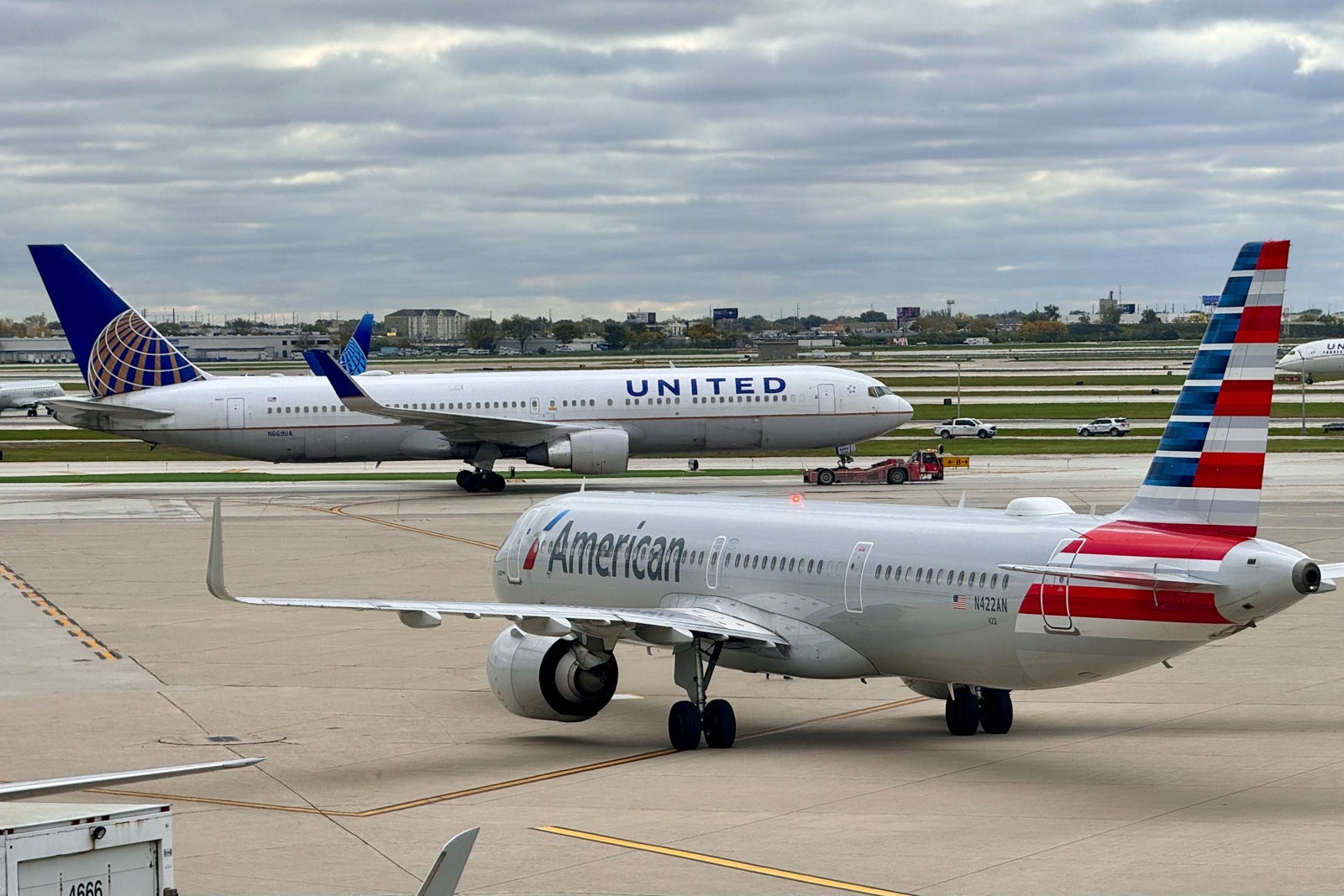
You certainly might think so after reading Monday’s Bloomberg News report, which stated that United Airlines CEO Scott Kirby apparently floated a blockbuster merger with American Airlines to federal officials earlier this year.
Whether such a deal is ever formally proposed (as there'd be intense regulatory scrutiny on combining two of the nation's biggest global carriers), it's safe to say that the topic of airline mergers is back in full force.
It also prompts a look back at the previous wave of major airline mergers from 2005 to 2016, which helped shape the current competitive aviation landscape:
US Airways-America West (2005)
Delta Air Lines-Northwest Airlines (2008)
United Airlines-Continental Airlines (2010)
Southwest Airlines-AirTran Airways (2011)
American Airlines-US Airways (2014)
Those deals dramatically reduced the number of major airlines in the U.S. — ultimately melding nine different airlines into just four. In the process, storied brands like Northwest, Continental and US Airways fell by the wayside. This left four supersized airlines (American, Delta, United and Southwest) in control of roughly 80% of the U.S. market.
By 2015, most people didn’t expect any further airline consolidation. However, in 2016, Alaska Airlines managed to complete one more major deal, outbidding JetBlue to acquire Virgin America.
But, fast forward to 2026, and government and industry leaders now seem to see the opportunity for a new round of U.S. airline mergers.
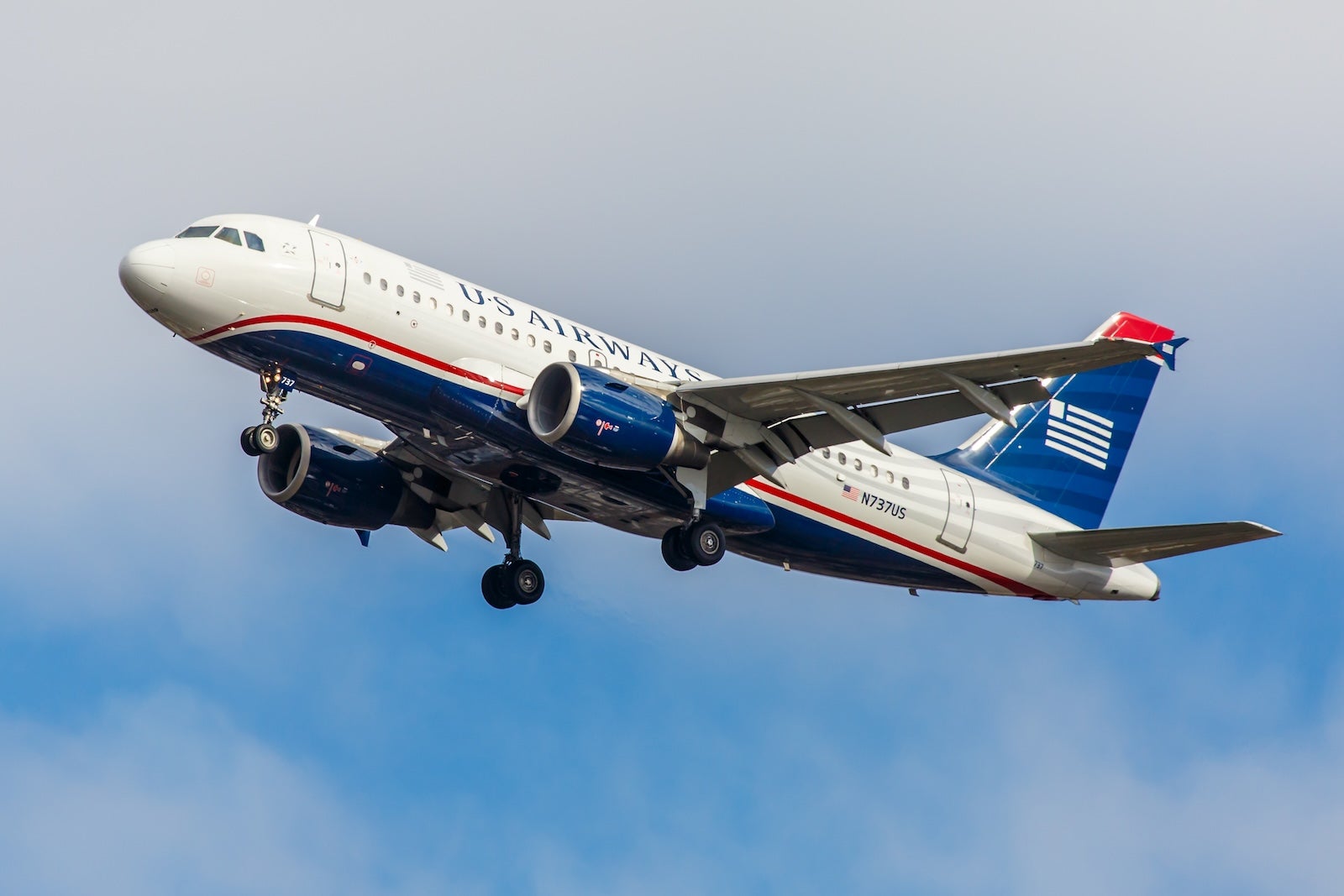
A US Airways Airbus A320 on approach to New York's John F. Kennedy International Airport (JFK) in 2013. US Airways later merged with American Airlines. CHRIS PARYPA/GETTY IMAGES
Even before reports began linking United to American, merger talk had grown amid skyrocketing fuel prices squeezing the industry.
Delta CEO Ed Bastian noted last week that high oil prices were historically a catalyst for industry consolidation.
He cited high fuel prices as a driver for that last major round of airline mergers (including Delta’s own merger with Northwest in 2008, as well as the United-Continental, Southwest-AirTran and American-US Airways deals).
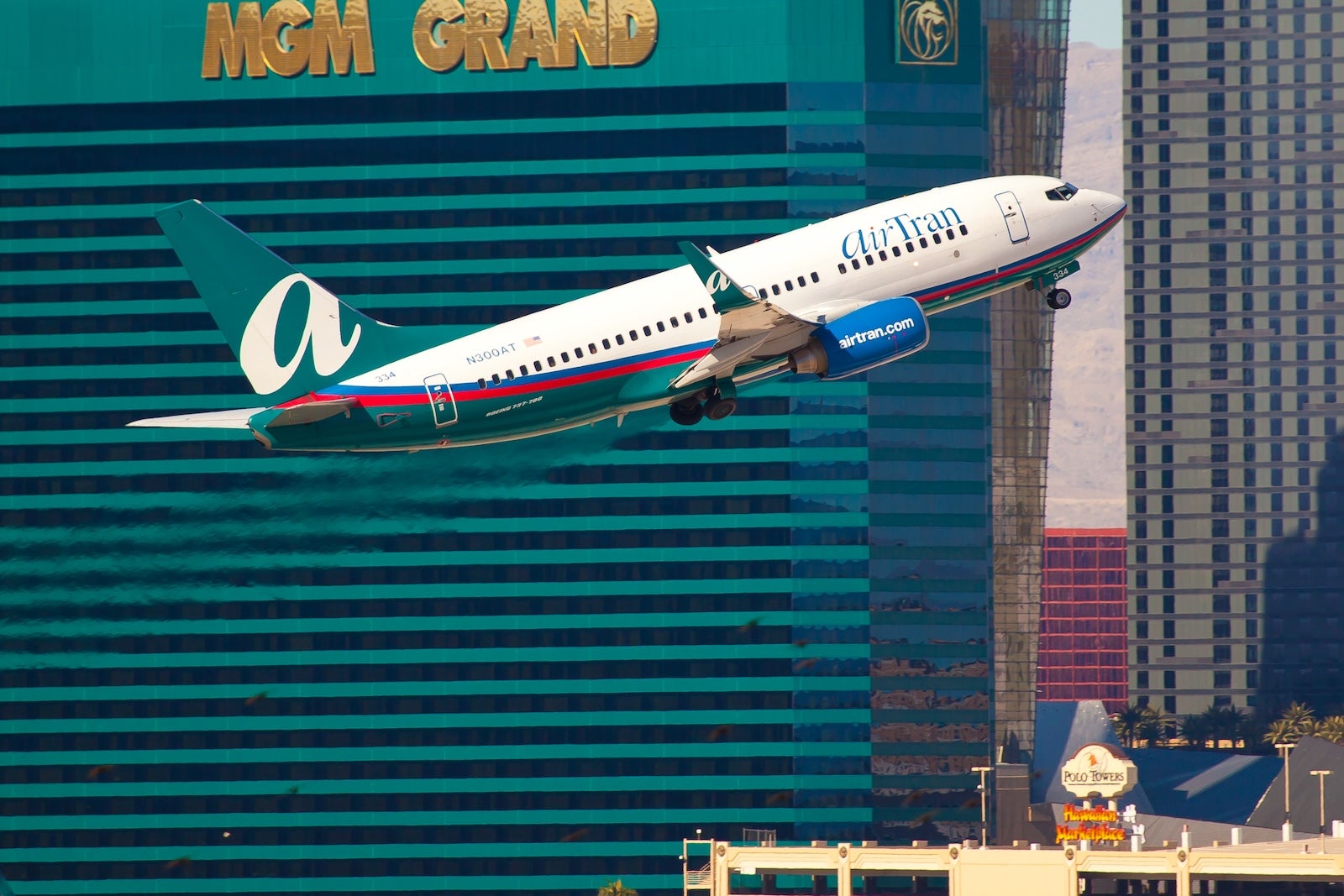
An AirTran Boeing 737 takes off in 2010 from Las Vegas. CHRIS PARYPA/GETTY IMAGES
“I anticipate higher fuel prices will cause much more significant structural reform than we’ve seen over this period,” Bastian said. “There’s a number of business models that, I think, their owners are going to start questioning whether they continue to commit capital to.”
It had already been happening on a smaller scale.
Alaska Airlines announced in 2023 it would acquire and merge with Hawaiian Airlines, setting the stage for Alaska to join American, Delta and United as the nation's newest global carrier.
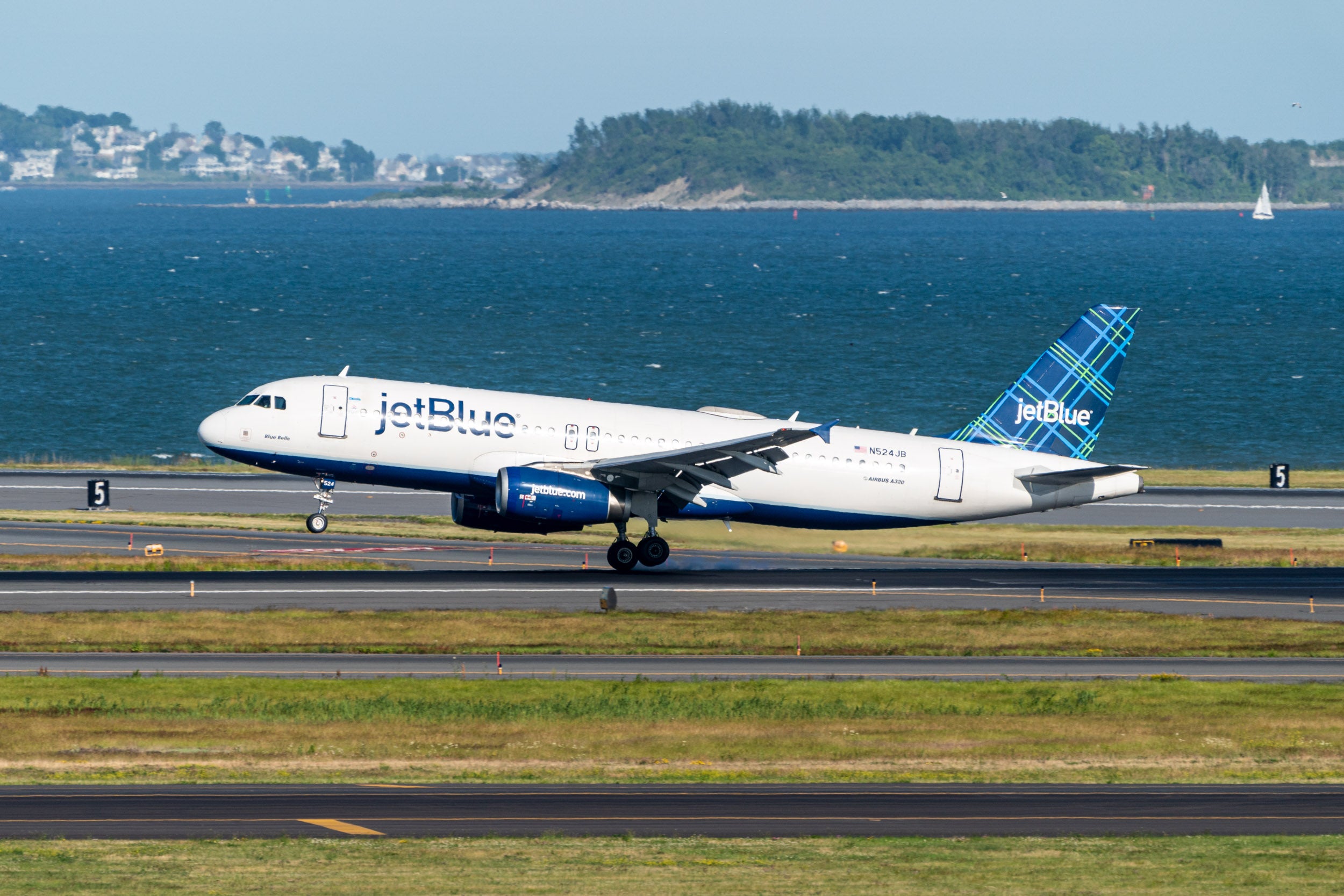
And JetBlue is reportedly shopping itself for a merger or acquisition, which likely would’ve been the major prize in the industry until the United-American report emerged this week.
Even Washington, D.C. — historically one of the toughest audiences regarding this topic — has signaled openness.
Bastian’s comments, for example, came just two days after U.S. Secretary of Transportation Sean Duffy said on CNBC that he sees “room” for more airline consolidation.
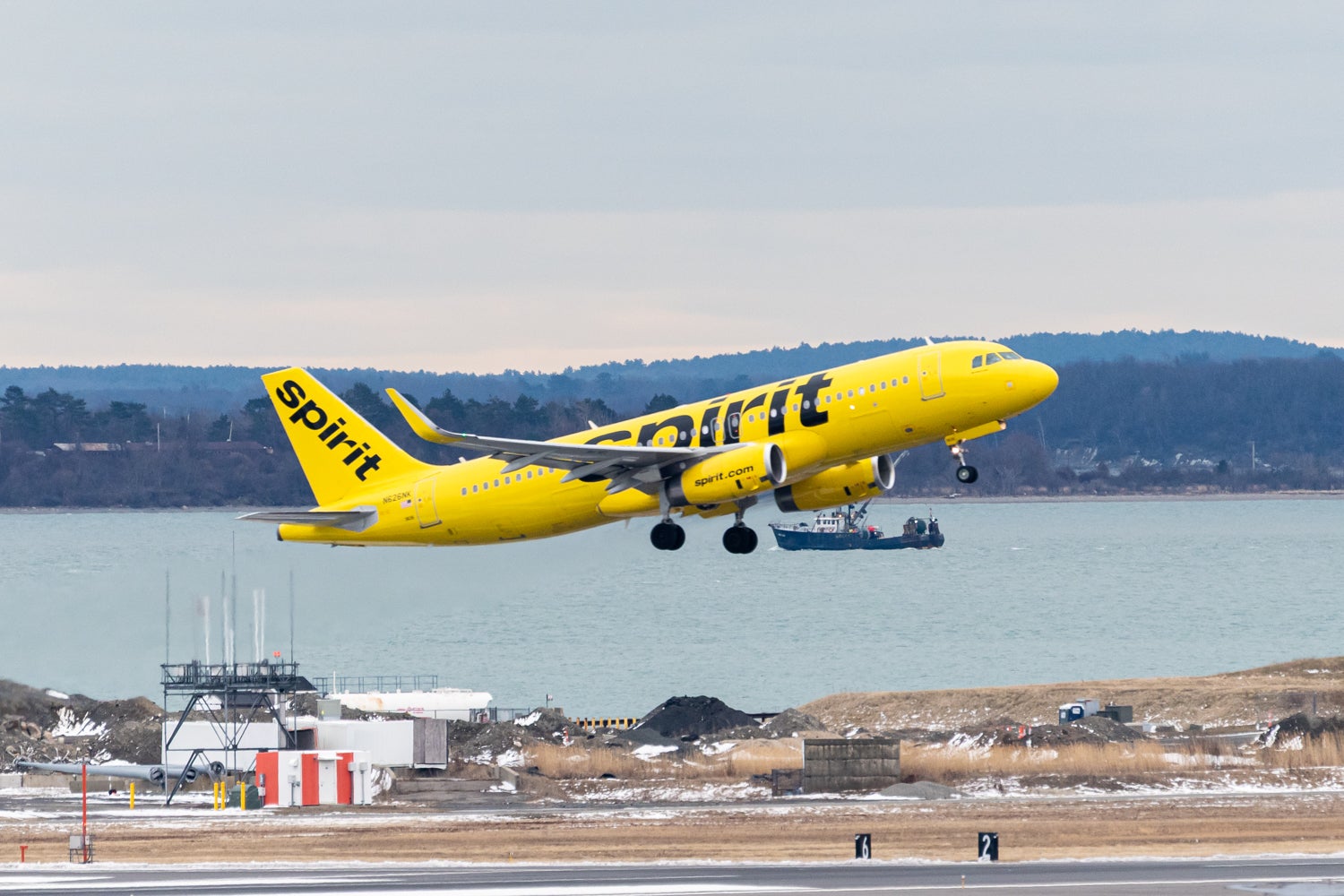
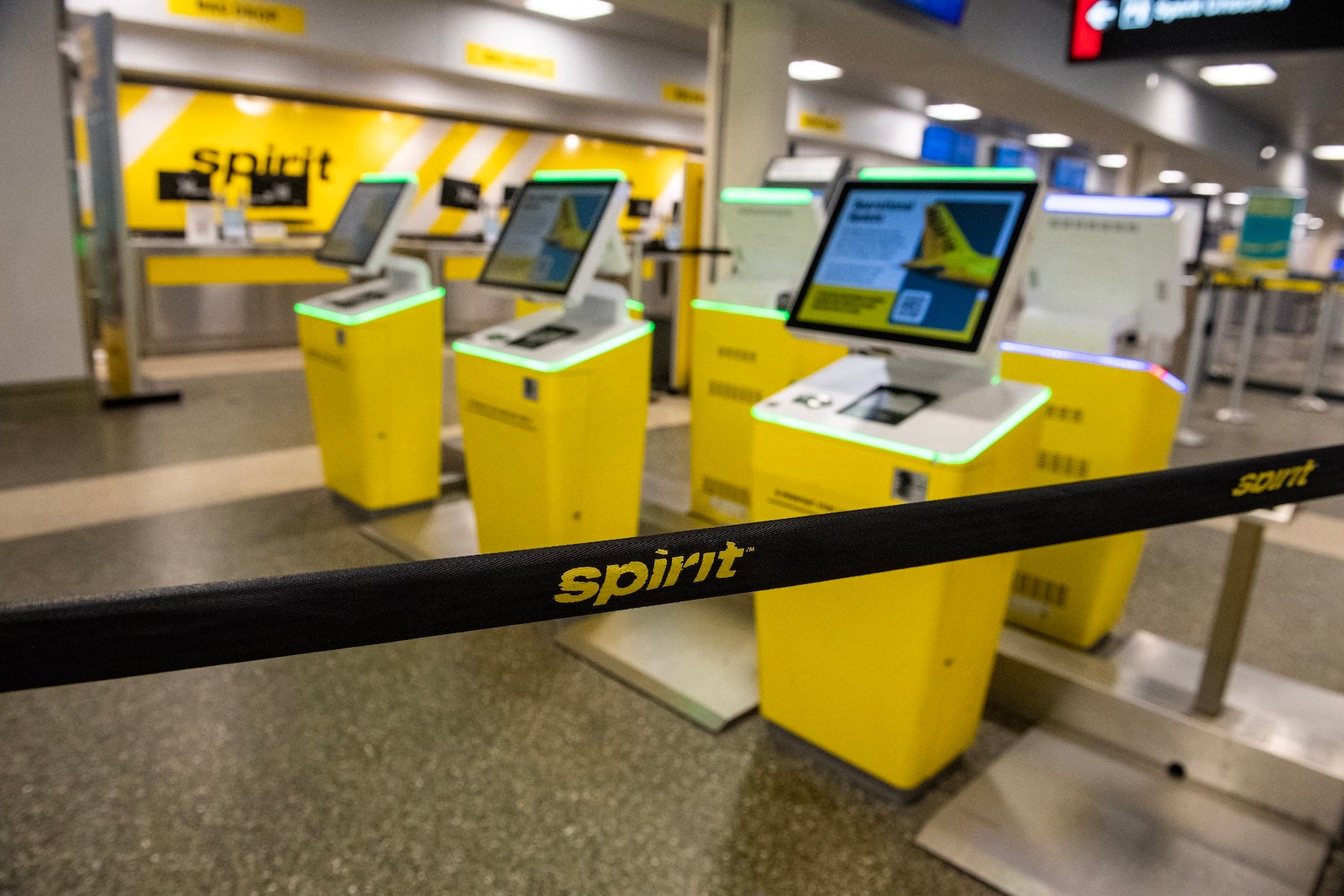
All of this merger talk comes as numerous U.S. airlines struggle financially, and at least two are considered takeover targets. JetBlue recently hired advisers to explore a potential merger with either Alaska Airlines, Southwest or United, Semafor reported in March. And Spirit Airlines certainly remains a takeover target as it continues to operate under Chapter 11 bankruptcy protection.
DAVID SLOTNICK/THE POINTS GUY
Government support
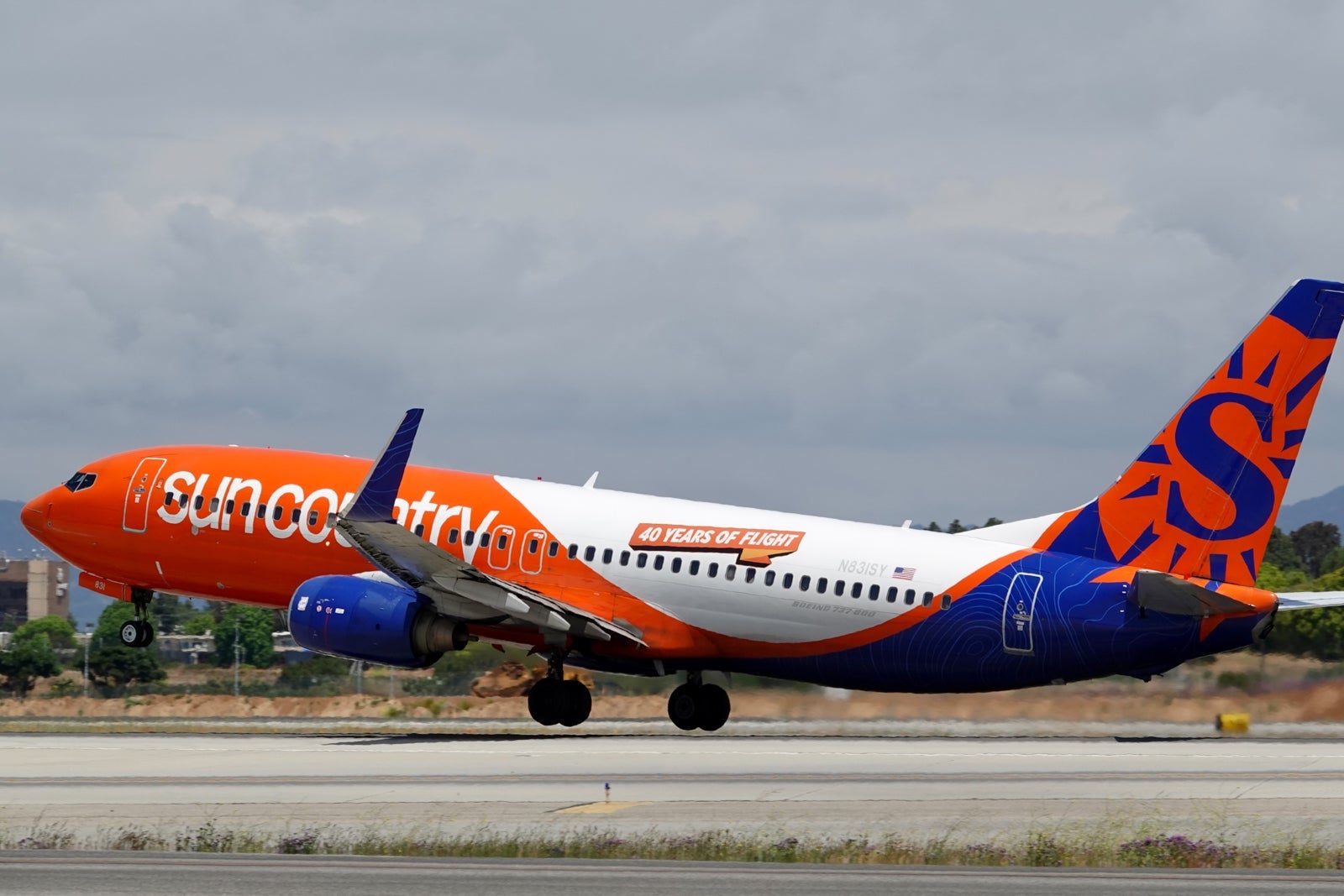
The Department of Justice provided the first sign of support in March when it ended its antitrust review of Allegiant Air's takeover of Sun Country Airlines early with no objections. While the airlines had little overlap and together represent around just 2% of U.S. domestic seats, the swift approval signaled a light regulatory touch from the Trump administration.
On CNBC, Duffy did say that, while Trump "loves to see big deals happen," a merger by one of the "larger” airlines would require them to “peel off some of their assets.” ("Larger" airlines likely refers to American, Delta, Southwest and United, which each control about a fifth of the U.S. market.)
Secretary of Transportation Sean Duffy speaks on Aug. 5 at a news conference. KENT NISHIMURA/BLOOMBERG VIA GETTY IMAGES
No one knows just what the next deal could occur. In the history of airline mergers, the most obvious combinations are not always the ones that occur.
That certainly would be the case with any United-American deal. But, again, such a combo would be considered the longest of long shots if past precedent holds.
ZACH GRIFF/THE POINTS GUY
Elsewhere, some airline mergers might be more likely candidates than others.
Frontier Airlines is widely viewed as the most suitable partner for Spirit given their similar ultra-low-cost business models and complementary route networks; Frontier is more concentrated in the western U.S., while Spirit has a larger presence in the Detroit, Florida and New York markets.
A combined Frontier-Spirit would have a roughly 7% share of U.S. domestic seats based on 2025 numbers, schedule data from aviation analytics firm Cirium shows. It would be the fifth-largest share, surpassing Alaska-Hawaiian's 6% share.
Frontier has tried and failed to merge with Spirit at least twice. It was outbid by JetBlue in 2022 in a deal that ultimately failed and was rejected in 2025.
A potential JetBlue deal is more interesting.
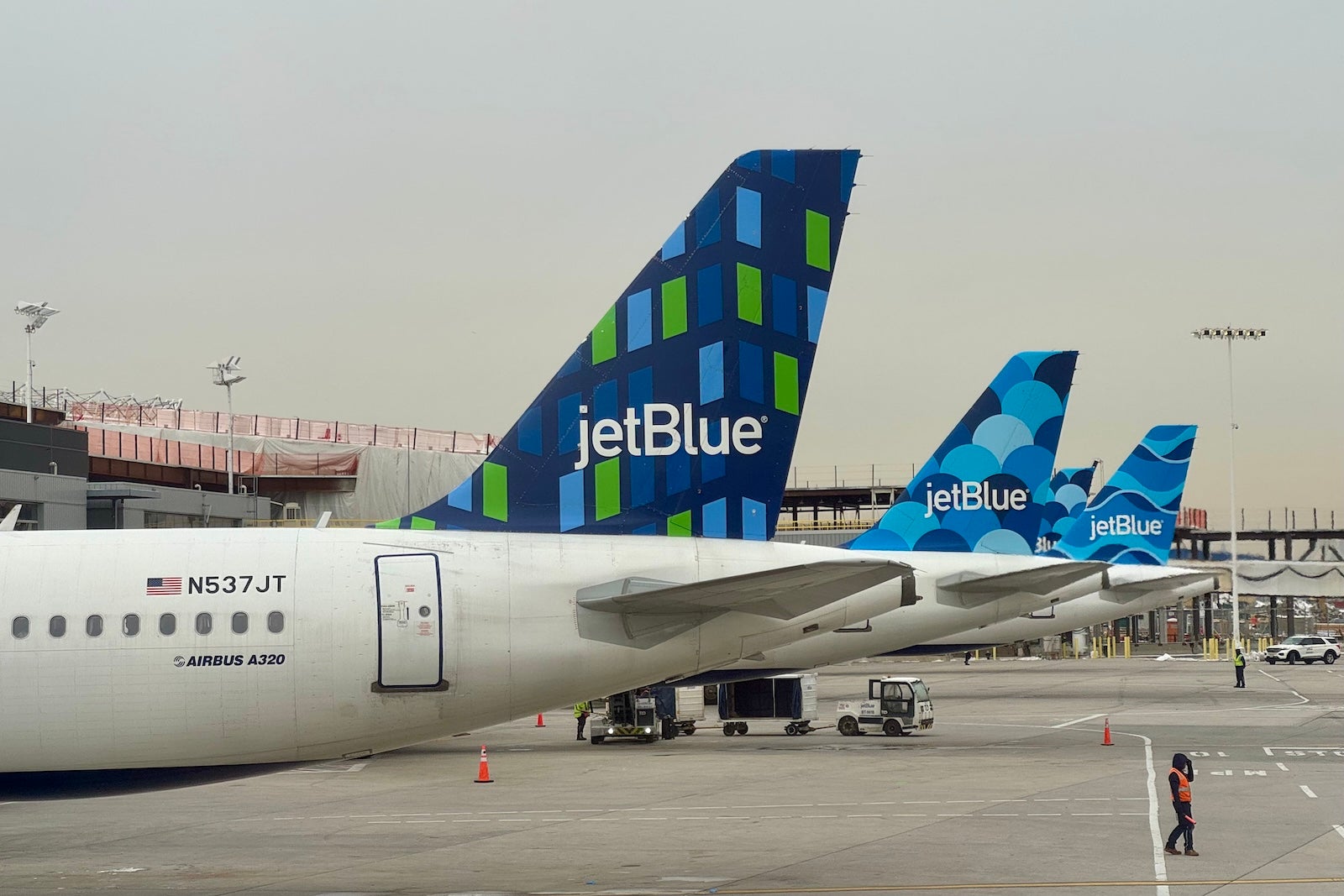
JetBlue aircraft at New York's John F. Kennedy International Airport (JFK). SEAN CUDAHY/THE POINTS GUY
While its recent partnership with United has some pundits pontificating about a possible JetBlue-United merger, others have suggested an Alaska-JetBlue combo would make sense. And while those combined carriers' networks would immediately make it a player on both coasts, it's questionable whether Alaska could absorb another airline while in the midst of integrating operations with Hawaiian.
Another view comes from Courtney Miller at Visual Approach Analytics, who wrote earlier in April that he views a Southwest-JetBlue merger as the most suitable when weighing fleet, network and antitrust considerations. He noted existing chatter that either an Alaska-JetBlue combination or a United-JetBlue combination also have merit.
“If Alaska would see limited benefit but almost certain [regulatory] approval, and United would see massive benefit but likely rejection, Southwest just kind of works," he wrote (prior to news about a potential United-American combo that would break with past regulatory precedent). "Good benefit and a very strong likelihood of approval.”
A combined Southwest-JetBlue would surpass American as the largest domestic airline with a 24% share of seats based on 2025 numbers, Cirium data shows.
And while a Southwest-JetBlue deal does have issues — for one, Southwest flies an all-Boeing 737 fleet and JetBlue an all-Airbus fleet — it would achieve at least two of Southwest's strategic goals: long-haul international flying to Europe and lounges.
By commenting, you agree to our Community Guidelines to help create a positive space for conversation. The responses below are not provided or commissioned by the bank advertiser, our partners, or The Points Guy (“TPG”). They have not been reviewed, approved, or otherwise endorsed by any of these parties. All responses are submitted by individual contributors, and neither the bank advertiser, our partners, nor TPG are responsible for ensuring that all posts and/or questions are answered.